Thursday's economy stories

The battery revolution has a safety problem to solve

Over the past decade, lithium-ion batteries have transformed how we live, work and travel, ushering in the era of the Rechargeable Society.
Okay, but: As battery technology expands into the connected home, self-driving systems and grid infrastructure, everyone across the supply chain must build in safety. This will allow innovation to thrive and ultimately earn public trust and allow for society to anticipate failures before they turn into major headlines.


Fed's Warsh shakes up press conference format


Four months into his tenure, Federal Reserve chairman Warsh is reshaping the Fed's post-decision press conference.
Why it matters: If he sticks to the changes, it implies a wider variety of news outlets will get opportunities to question America's top central banker — but also that it will be easier for the chairman to duck uncomfortable questions.
- Follow-up questions were newly prohibited, with microphones taken back after each reporter's initial question. Warsh's answers were shorter than in the past, and even the seating arrangement was scrambled.
- The entire briefing wrapped in about 30 minutes, versus 45 minutes in July and 40 minutes in June. Former chair Jerome Powell's final five press conferences averaged nearly 51 minutes.
By the numbers: In Wednesday's news conference, 16 outlets got a question, and Warsh's responses had a median word count of 135.
- Contrast that with the press conference in July, when only 10 outlets got questions — but follow-ups meant 20 questions were asked.
- His median response then was a comparatively verbose 226 words.
The intrigue: The Fed has traditionally had an unspoken tier system for assigning seats at the press conference, with major outlets like the Wall Street Journal and the New York Times in the front row and smaller and overseas outlets in the back rows. (Axios has usually been in Row 2, if you're curious.)
- Wednesday, seating was alphabetical by the name of the news organization.
- That suited Axios (and we assume the folks from the Associated Press, ABC, and Al Jazeera) just fine. Perhaps less so for the Wall Street Journal and Washington Post, who were way in the back.
- Warsh's staff also called on more outlets outside the traditional Fed press corps, including the likes of the Washington Examiner and Agence France-Presse.
Why the Federal Reserve hiked rates this week
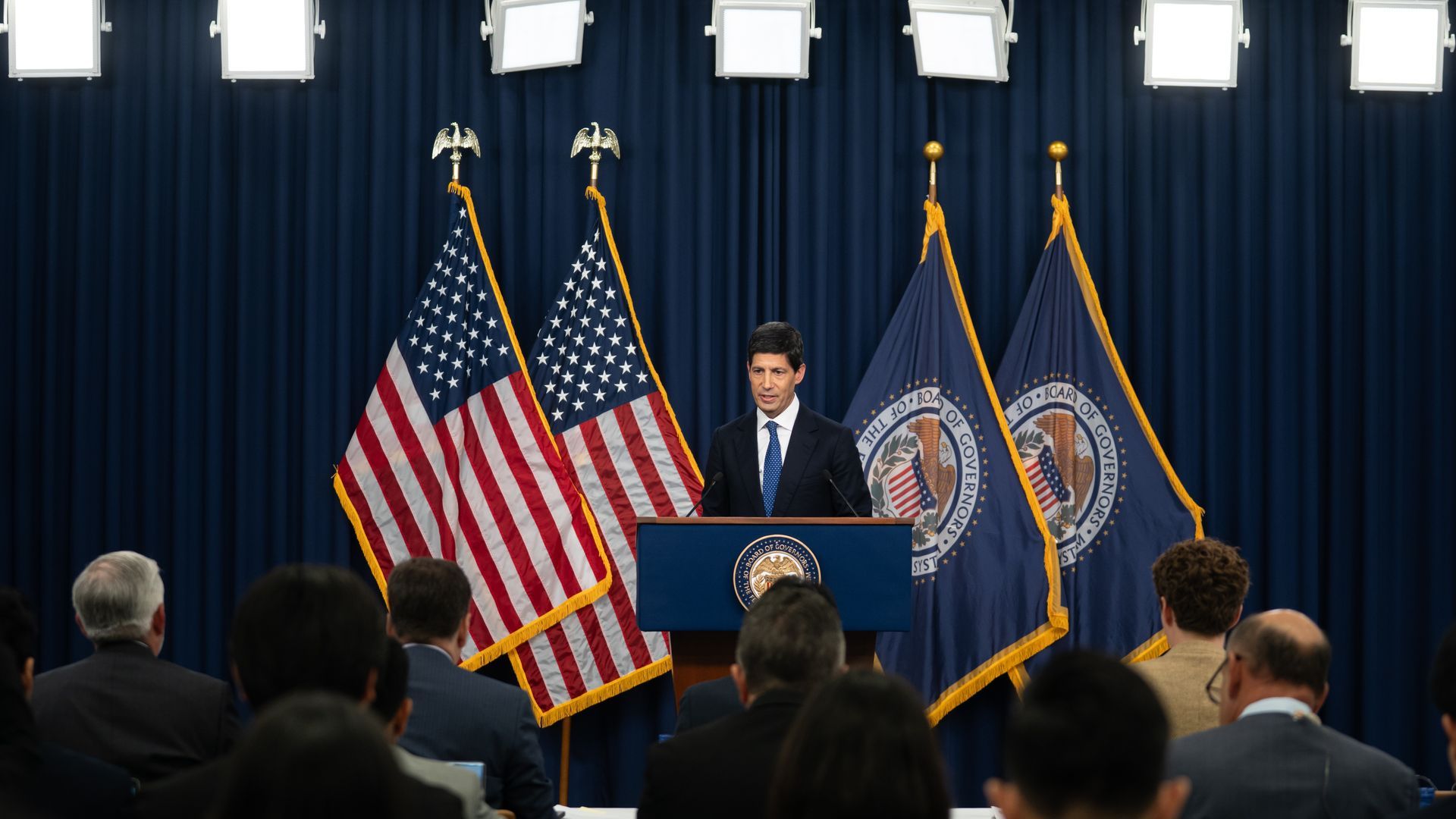
Federal Reserve chairman Warsh and his colleagues on the Federal Open Market Committee see a buoyant economy and inflation that is taking too long to come down. That combination means it's time to unwind some or all of last year's interest rate cuts.
The big picture: That's the picture of the economic landscape that Warsh painted Wednesday, offering his clearest communication yet of his read on the economy and how that read translates into interest rate policy.
- It amounts to a corrective not just to Warsh's vagueness at his first two policy meetings as chairman, but to his predecessors' decision last year to cut interest rates three times on the belief that inflation was under more control than it turned out to be.
Zoom out: The U.S. economy and job market have proved strikingly resilient this year.
- The Iran war (or "geopolitical developments," as Warsh takes care to call it) has created a new surge in energy prices that if anything is re-accelerating — and there are signs that those prices are filtering out to a broader range of consumer goods and services.
- Financial conditions, meanwhile, are loose, with the stock market hovering near all-time highs and vast sums being raised through bond issues. And as Warsh put it, "credit flows have been robust, particularly for businesses."
Zoom in: It all makes the three rate cuts the Fed enacted in the final months of last year look like a poor match for the economic moment. Officials then were worried about a deteriorating labor market and were confident inflation was on a glide path downward, neither of which has been a feature of the 2026 economy.
- Wednesday's rate hike "removed a dose of accommodation," the Fed chief said in his news conference.
What's next: Warsh himself is skeptical of the Fed's practice of releasing officials' projections for future interest rates and economic conditions, but it remains a useful tool for understanding the conventional wisdom among policymakers.
- The new projections released Wednesday show that 12 of 18 top officials expect one more rate hike this year to be justified, and four more envision two. (Warsh elected not to submit a projection.)
- It follows that at least one more rate hike is highly likely in one of the two remaining meetings this year, with moves at both meetings if inflation data comes in hot.
Of note: President Trump criticized the rate hike late Wednesday but said it was due to Warsh having to deal with a "very tough board," suggesting that the chairman was forced to raise rates by the rest of the FOMC, who are animated by anti-Trump bias.
- "I talked to Kevin. I said, 'You might as well vote with the board because it's not going to matter,'" Trump said.
- An irony is that this move reversed a rate cut that this same assemblage of Fed officials enacted just nine months ago, while Trump was president.

SEC opens door for crypto-style trading of U.S. stocks
The Securities and Exchange Commission is opening the door for crypto-style trading of U.S. stocks, allowing tokenized shares to trade on blockchain-based venues under a new regulatory exemption.
Why it matters: The move brings a core piece of crypto-market infrastructure into the $75 trillion U.S. stock market, creating a new way for investors to buy and sell shares.

Investors see elevated prices well into next year
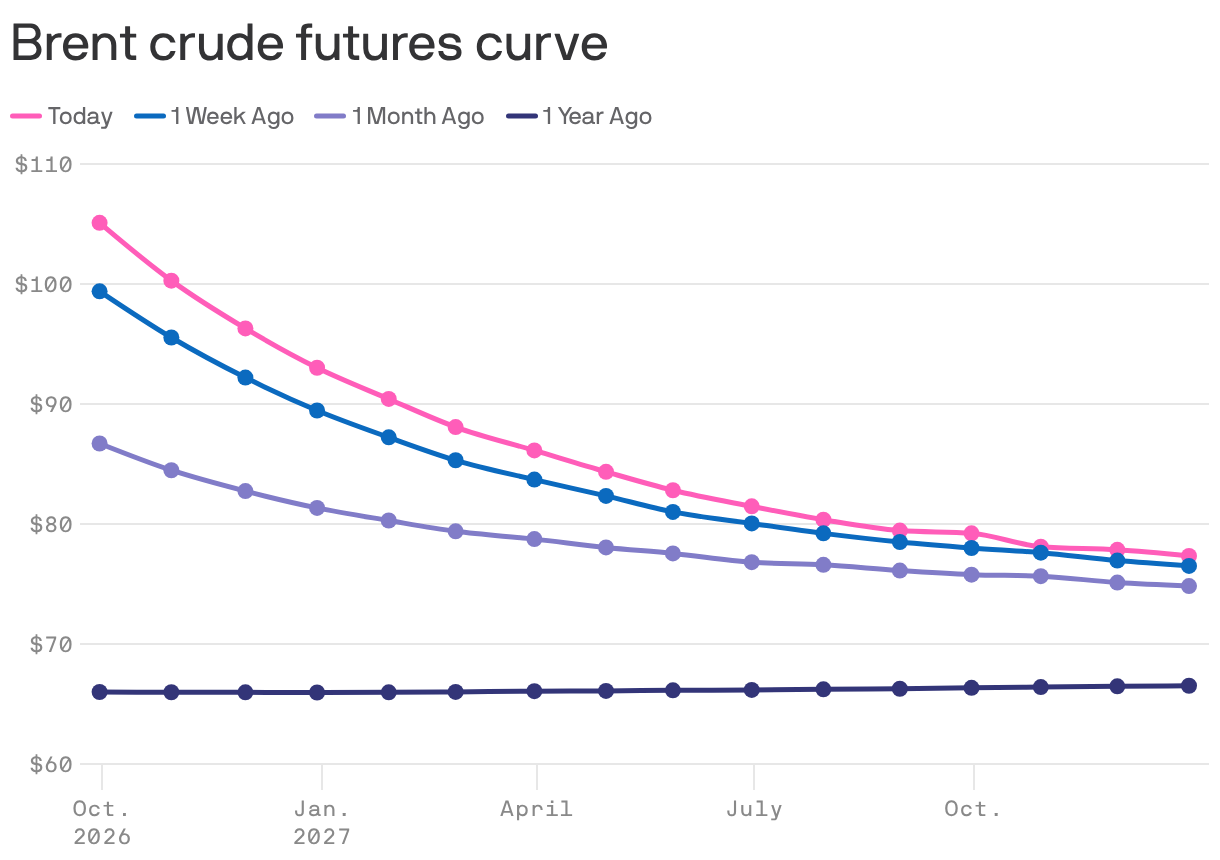
Markets are slowly coming to the view that the disruptions to the energy markets — the Iran war foremost among them — will keep energy prices elevated well into next year.
Why it matters: Unlike surging spot prices for crude oil — cash paid to get actual deliveries of products ASAP — prices in the energy futures markets have been slower to price in a long-lasting impact of the conflict.
- That could be changing.
EU chief floats associate membership for Canada after U.S. trade attacks
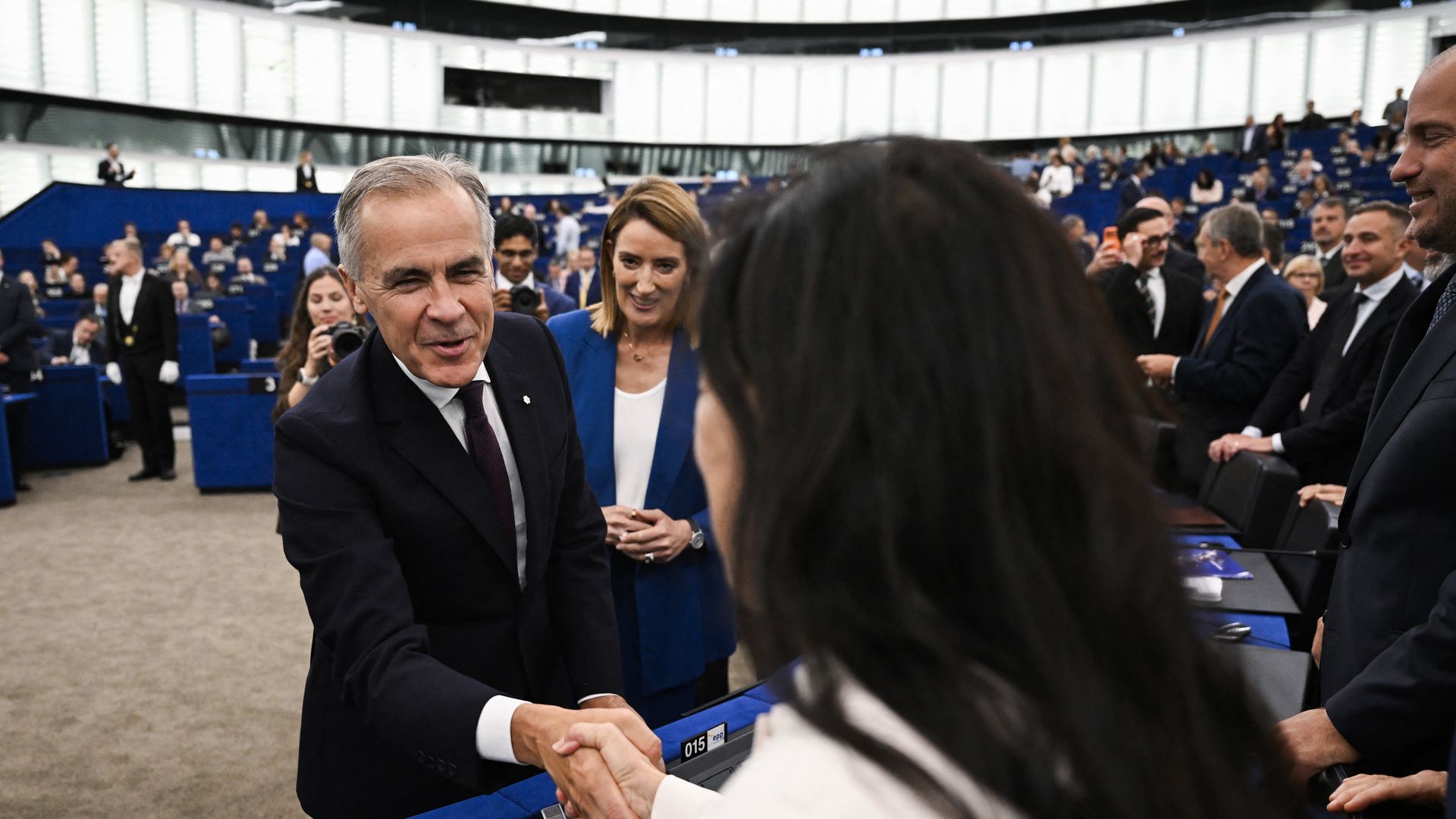
European Commission President Ursula von der Leyen on Wednesday proposed making Canada the European Union's first "associate member."
Why it matters: Canada and the EU are testing whether a nation deeply dependent on the U.S. market can find economic independence by moving closer to Europe.
- This could also present one of the most permanent effects of President Trump's trade wars: U.S. allies building markets, supply chains and security ties designed to make them less vulnerable to Washington.

House passes Russia sanctions bill
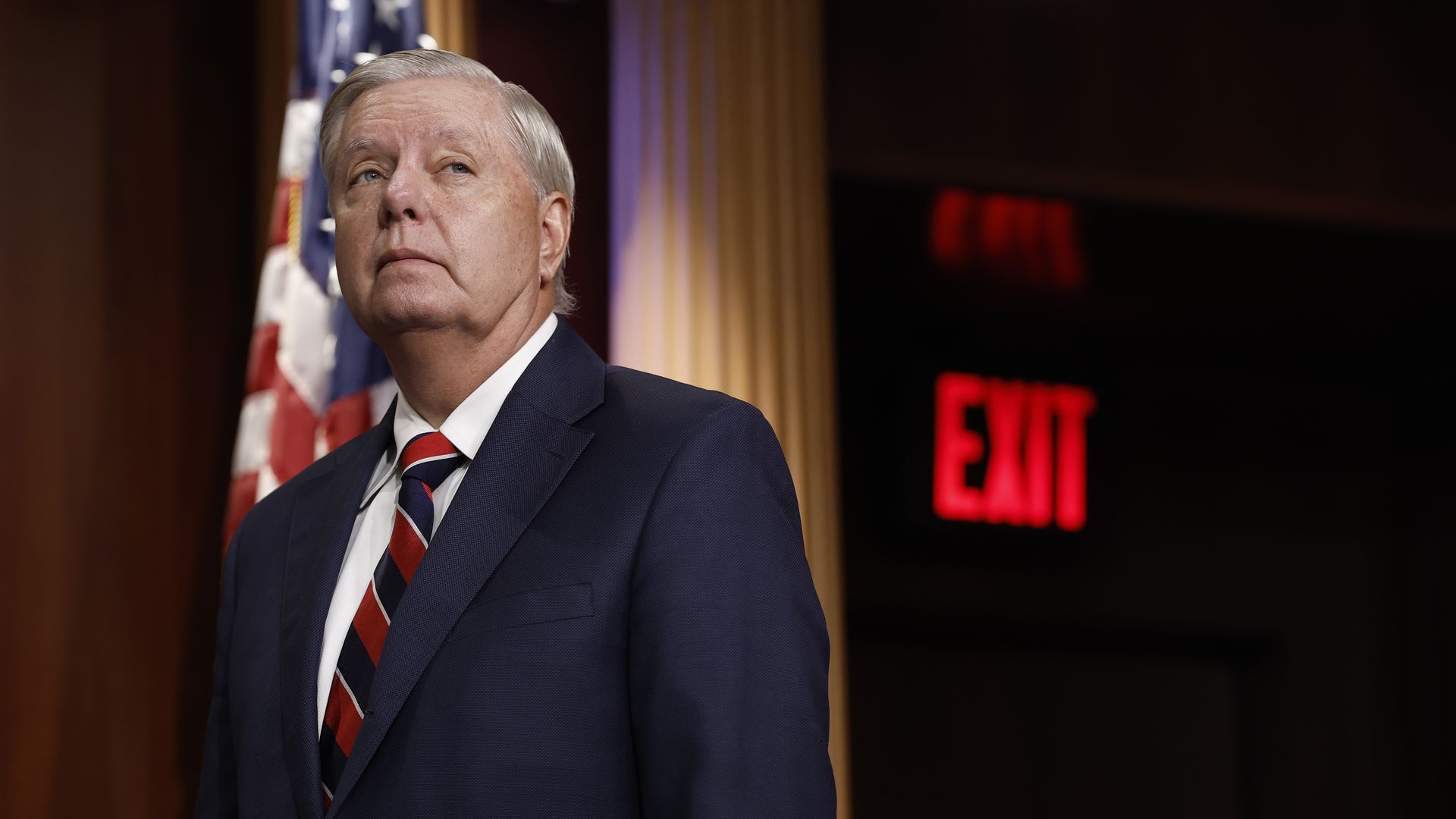
The House passed a sweeping Russia sanctions bill Thursday, sending the long-awaited legislation to President Trump's desk.
Why it matters: The measure would significantly expand economic pressure on Russia while handing Trump fresh authority to impose secondary tariffs of up to 100% on buyers of Russian oil and gas.

Trump demands lower interest rates after Fed decision
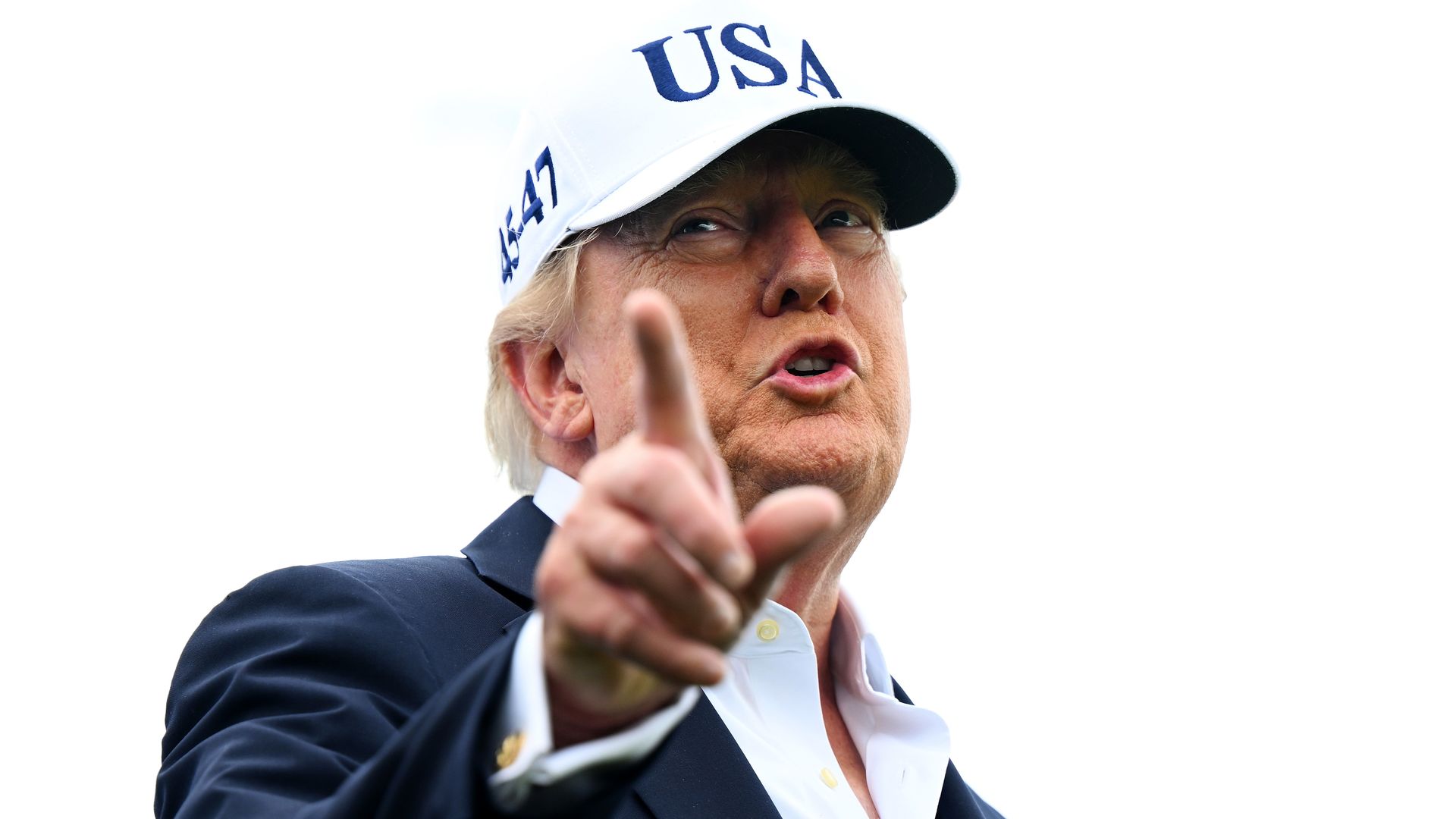
President Trump responded to the Federal Reserve raising interest rates for the first time in three years by saying they should be lowered — "AND FAST!"
Why it matters: The rate hike immediately puts Trump at odds with the central bank under new Fed chair Kevin Warsh, whom he picked to lead it.
Fed raises rates a quarter point in first move of Warsh era
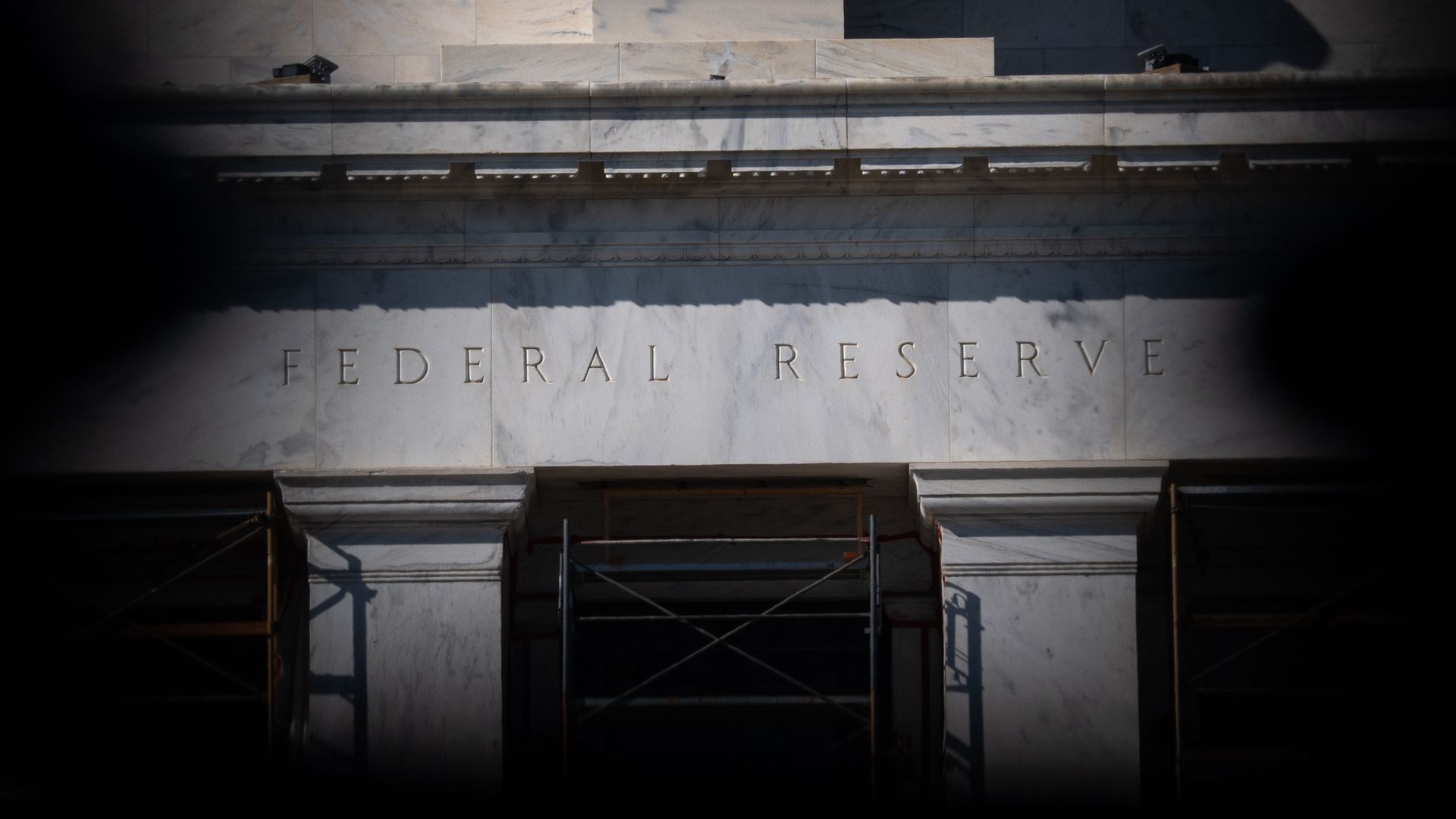
The Federal Reserve raised interest rates a quarter point Wednesday, the first policy adjustment of Kevin Warsh's chairmanship, and hinted that another rate hike is on the way this year, as it seeks to bring inflation down more quickly.
The big picture: The action could bolster Warsh's credibility as an inflation-fighter, but risks putting him in the crosshairs of President Trump, who has long demanded lower interest rates and pilloried Warsh's predecessor for failing to deliver them.


A diesel export ban could lower prices — then make things worse

The amount of diesel that Americans buy in a single day costs roughly $321 million more than it did a year ago — driving a new round of chatter about an export ban to preserve domestic supplies.
Why it matters: Investors and economists warn that it could backfire spectacularly, driving up prices globally and potentially putting further upward pressure on domestic interest rates.

Scoop: U.S. open to discuss AI "shared risks" with China, Bessent says
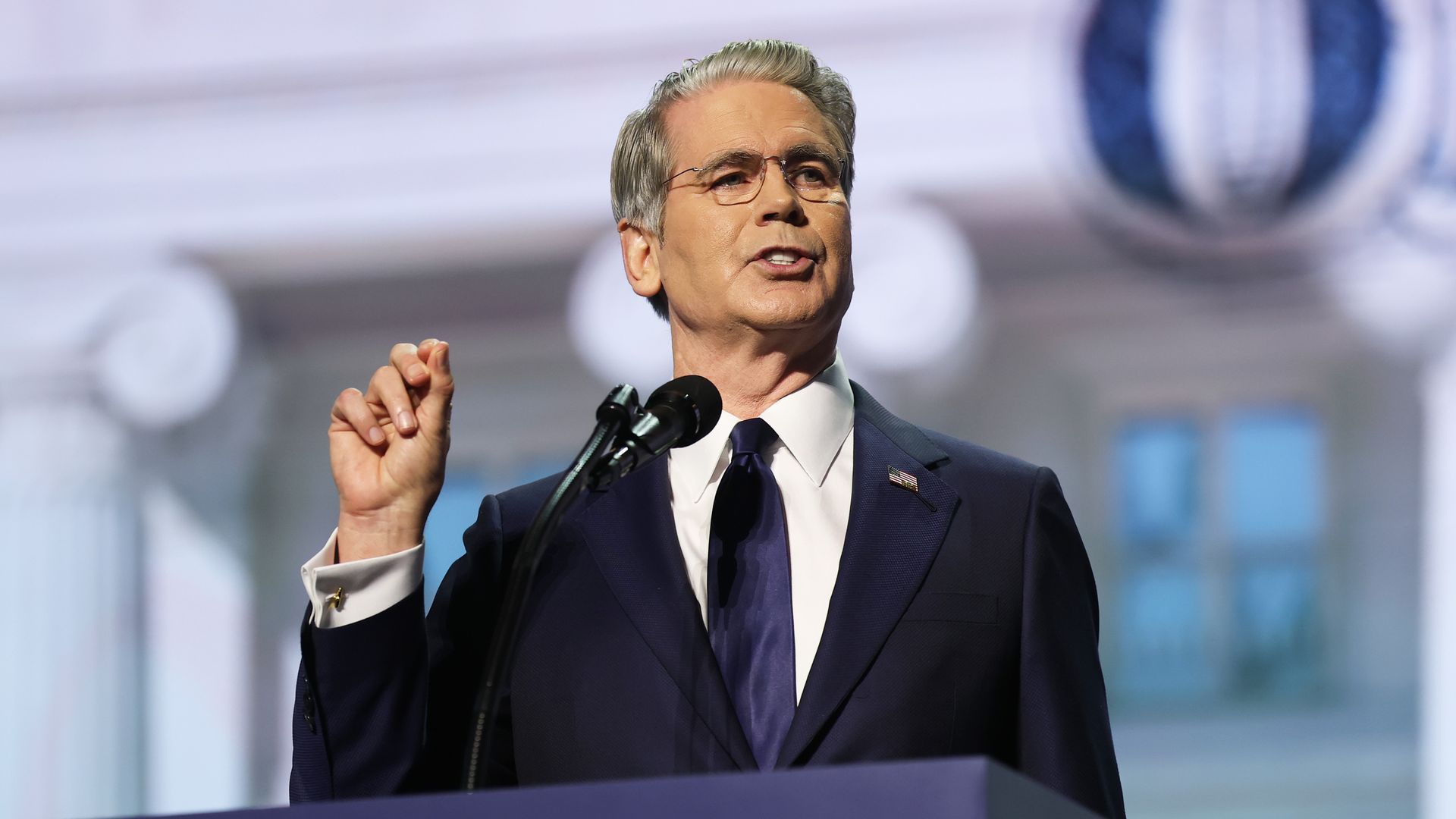
The U.S. is open to discussing shared risks with China in upcoming AI talks this weekend, Treasury Secretary Scott Bessent told Axios.
Why it matters: The Trump administration has flatly rejected calls from industry to pace or slow down the development of AI, citing a fierce race against China.
CEO confidence in the economy at a 4-year high
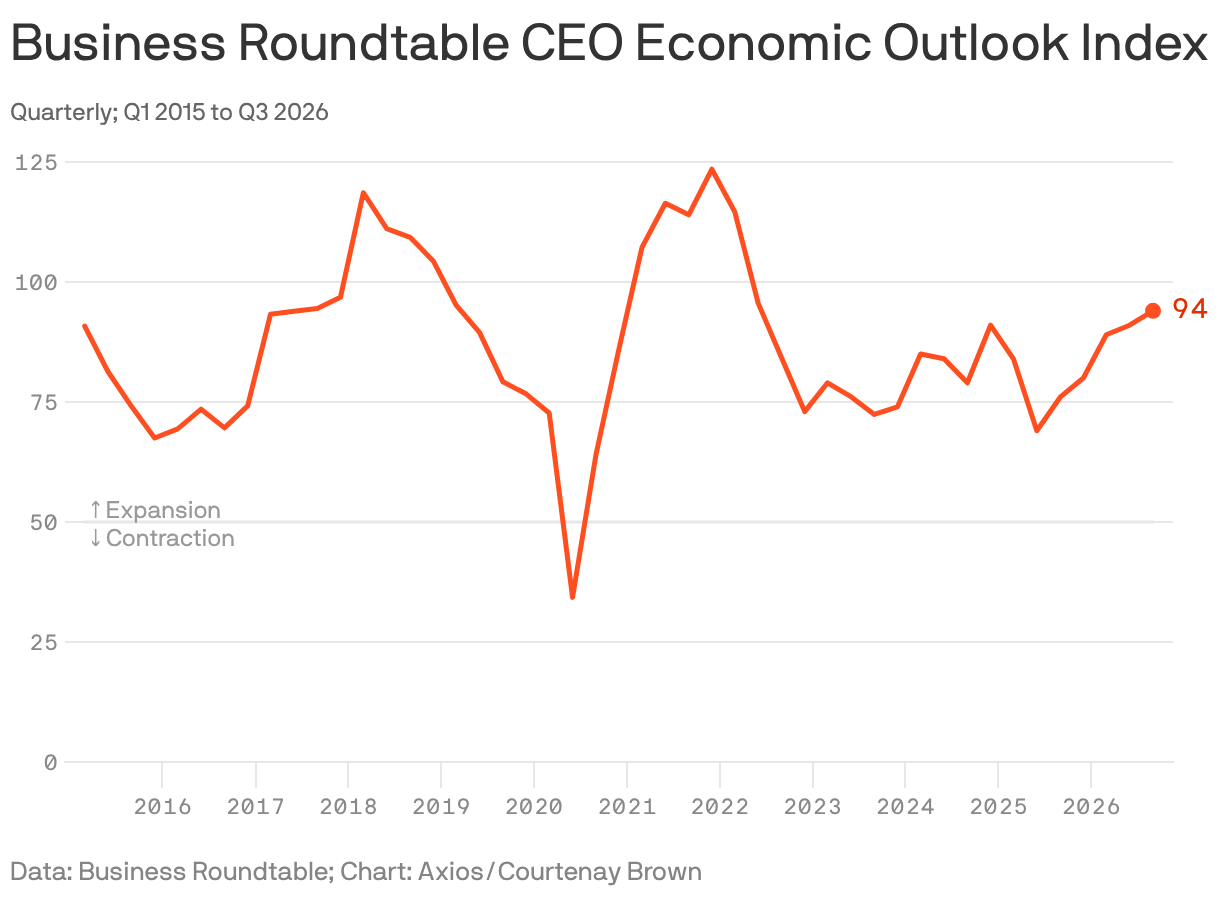
CEO economic confidence is the highest since 2022, with that optimism now spilling over into plans to hire more workers.
Why it matters: The chief executives of America's largest companies are signaling confidence in the economy that could support job growth and investment, a stark contrast with the gloom among consumers.
Driving the news: The Business Roundtable's CEO Economic Outlook Index climbed 3 points in the third quarter, to 94 — the fifth consecutive increase and well above the historical average of 83.
- The index has climbed steadily from a five-year low after President Trump's "liberation day" tariffs early last year.
- The survey was conducted from Aug. 31 through Sept. 11, a period that coincided with new U.S.-Canada tariffs taking effect, tensions in the Iran war intensifying and a renewed surge in global energy prices.
- Yet CEOs still grew more upbeat. Sales and investment plans remained well above historical norms, while the hiring index jumped 7 points, to 58, just shy of its long-run average of 61.
What they're saying: "The increase in hiring plans is encouraging, even as the broader economic picture remains mixed," Business Roundtable CEO Joshua Bolten said in a statement.
- "But further deterioration of the vital U.S.-Canada economic relationship and broader North American trading framework could deliver a major blow to that progress," Bolten added, urging both sides to resume trade talks and roll back tariffs.
The intrigue: For much of the past year, the survey captured a striking feature of the AI economy — strong investment plans alongside unusually weak hiring projections. It reflected a bet that AI and other new technology could fuel growth without requiring companies to add many workers.
- The latest survey's pickup in hiring plans suggests a growing appetite for workers, with a larger share of CEOs planning to add workers and a smaller group expecting cuts.
- About 36% expect employment to rise over the next six months, 37% expect no change, and 28% expect employment to shrink.
- The shift is consistent with a recent firming in labor market data, with job growth picking up sharply in August.
The big picture: The brighter mood in the C-suites stands in sharp contrast with the gloom among consumers, underscoring a widening divide in how businesses and households are experiencing the economy.
- The University of Michigan's consumer sentiment index fell to 47.8 in early September, the second-lowest reading on record (and about 3 points above the all-time low hit in May).
- Consumers are feeling the latest price pressures more acutely, with year-ahead inflation expectations jumping to 4.6% from 4% as energy prices surged.
- "This quarter's survey results are welcome news and reflect the resilience of the U.S. economy, but affordability pressures remain a challenge for businesses and families," Cisco Systems CEO Chuck Robbins, who chairs the Business Roundtable, said in a release.
The bottom line: Corporate America is looking through an economy that has left consumers rattled — and now CEOs appear more willing to put that confidence behind more hiring.
Situational awareness: Bolten is stepping down as head of the BRT on Jan. 31, our colleague Mike Allen reports. His successor will be Kristen Silverberg, a former U.S. ambassador to the European Union and current No. 2 at the group.

It's electric to install 700 EV curbside chargers in NYC
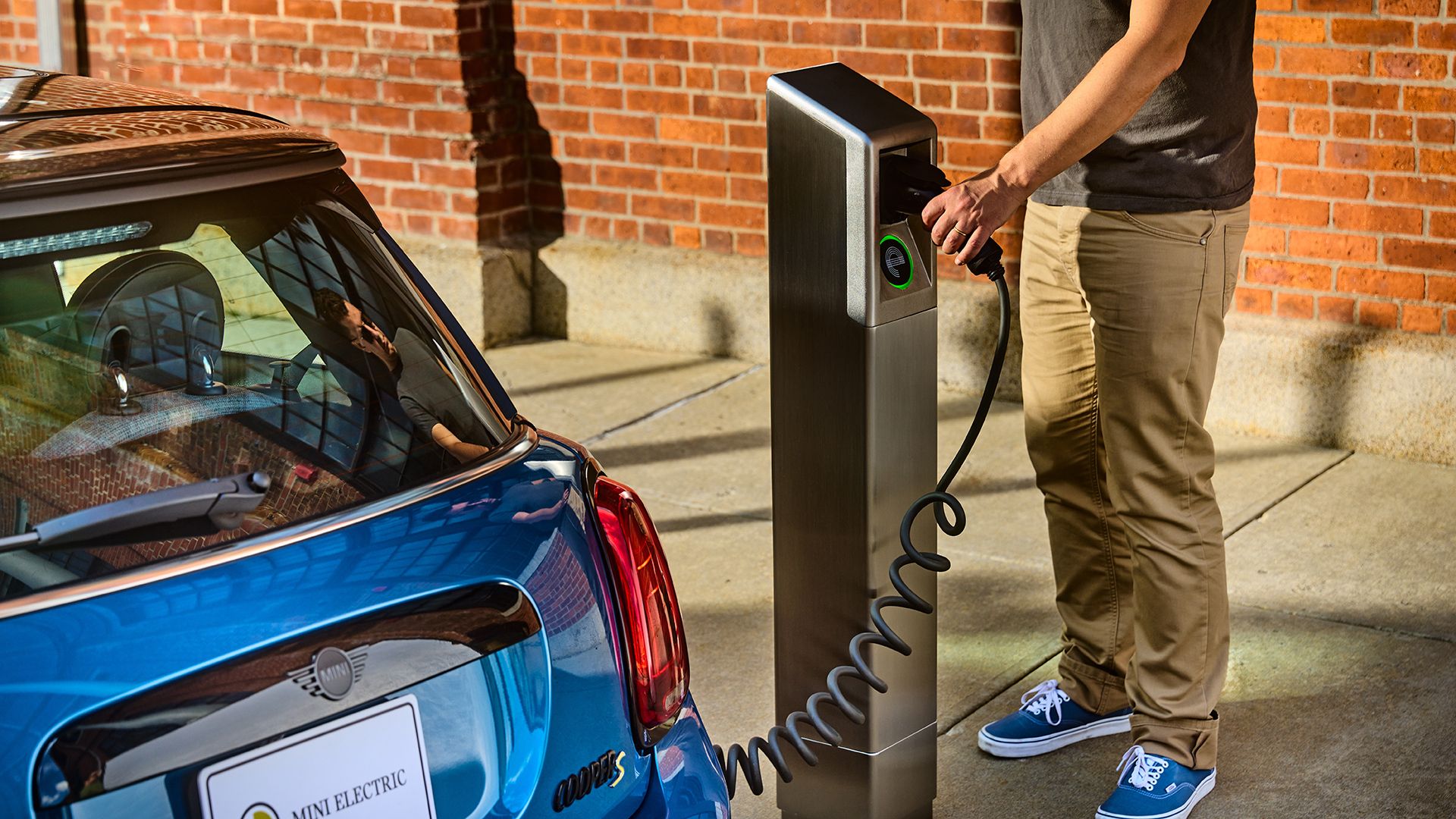
New York City is installing hundreds of curbside electric vehicle chargers in an effort to address one of the thorniest problems for urban EV drivers — where to charge overnight.
Why it matters: Cities could be among the biggest beneficiaries of quiet, emission-free vehicles, yet EV adoption is especially difficult in densely populated areas, where millions of people park on the street and can't plug in overnight.
August consumer spending surprise


Consumers may feel lousy about the economy, but they still won't quit spending.
- The final piece of economic data before Wednesday afternoon's Fed decision is hot. Retail sales last month surged by the most since March, when a spike in gasoline prices and a boost from tax refunds helped account for higher spending totals.
Why it matters: The spending boom is welcome news for an economy that is carrying plenty of momentum into the fall. But resilient consumer spending could make Federal Reserve officials' efforts to tame inflation that much more difficult.
By the numbers: Retail sales jumped 1.2% in August, after a 0.5% drop in spending the prior month.
- The data is not adjusted for inflation, so some of last month's strength reflects the recent run-up in pump prices. Sales at gas stations surged 3.1% last month.
Zoom in: Excluding gas stations, retail sales rose 1.1%, reflecting notably broad spending in August.
- Online sales jumped 2.6%; spending at electronics and appliance stores climbed 1.6%, and sales at restaurants and bars gained 1.2%.
- Of the top-level categories the Census Bureau tracks, just one posted a monthly decline: building materials.
What they're saying: "The report points to continued resilience in consumer spending, which, against a backdrop of persistent inflation pressures, puts further pressure on the FOMC to raise rates today," Richard de Chazal, a macro analyst at William Blair, wrote in a note.
- A closely watched measure of sales that feeds into GDP calculations rose an even stronger 1.4% in August — nearly triple what economists expected.
The bottom line: Any signs that consumers were running out of steam look a lot less convincing after August's surge, even as households faced higher prices.


AI is not yet driving drug development

Curing disease is one of AI's most tantalizing use cases, fetching billions of VC dollars, but thus far it's generated more excitement than evidence.
- That's the thrust of a peer-reviewed paper published in Nature Reviews Drug Discovery, which calls the clinical impact of AI "disappointingly limited."
The big picture: The researchers find that while AI has gotten good at identifying drug candidates, it hasn't done much to prove those predictions will survive the complexity of human biology.

Investors are now paying close attention to rates
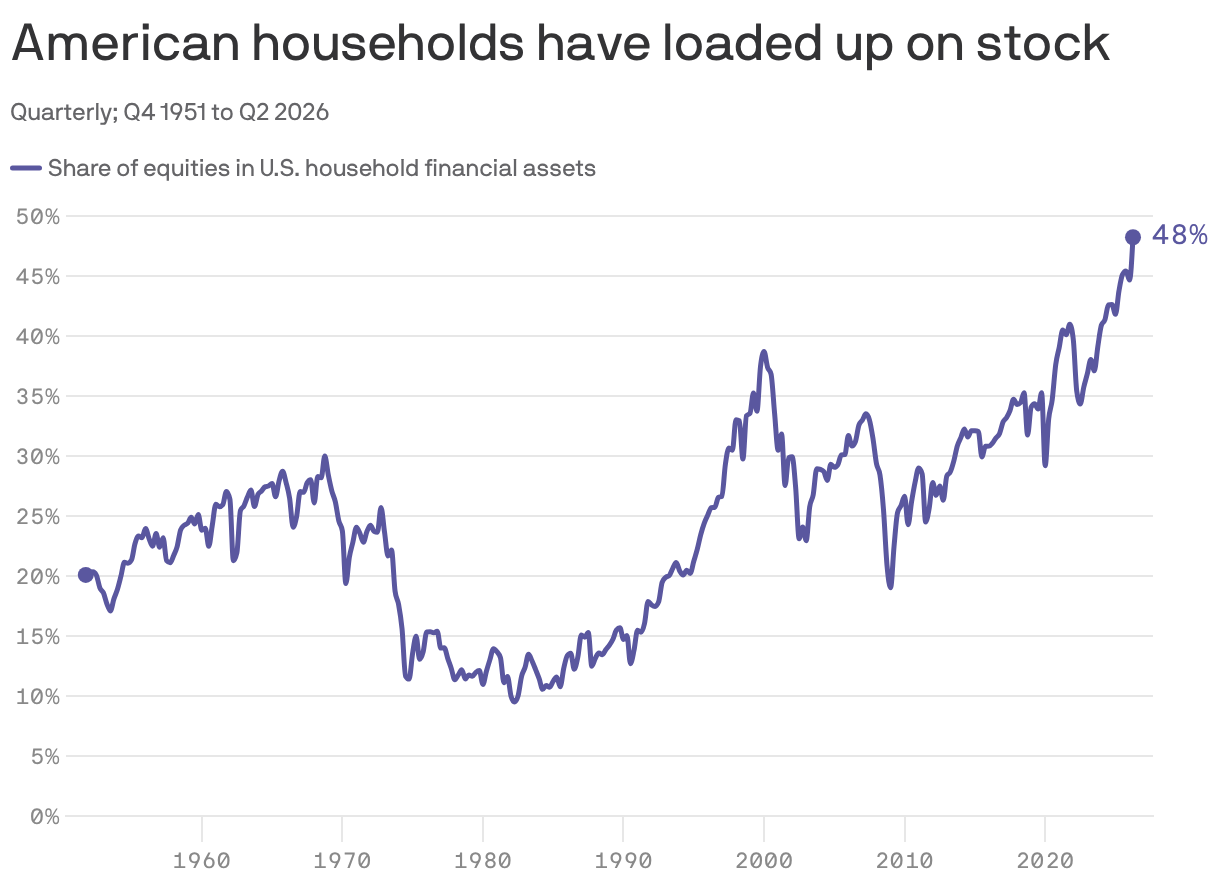
If rising interest rates are stock market kryptonite, investors are confronting a big chunk of that otherworldly mineral right now.
The big picture: The yield on the 10-year Treasury note, seen as the most important interest rate in the world, has hit its highest level — 5.04% — since 2007.
- This means that the price of money has gone up for everyone from the middle-class homebuyer to the behemoth corporation.
Rise in yields takes some shine off stocks
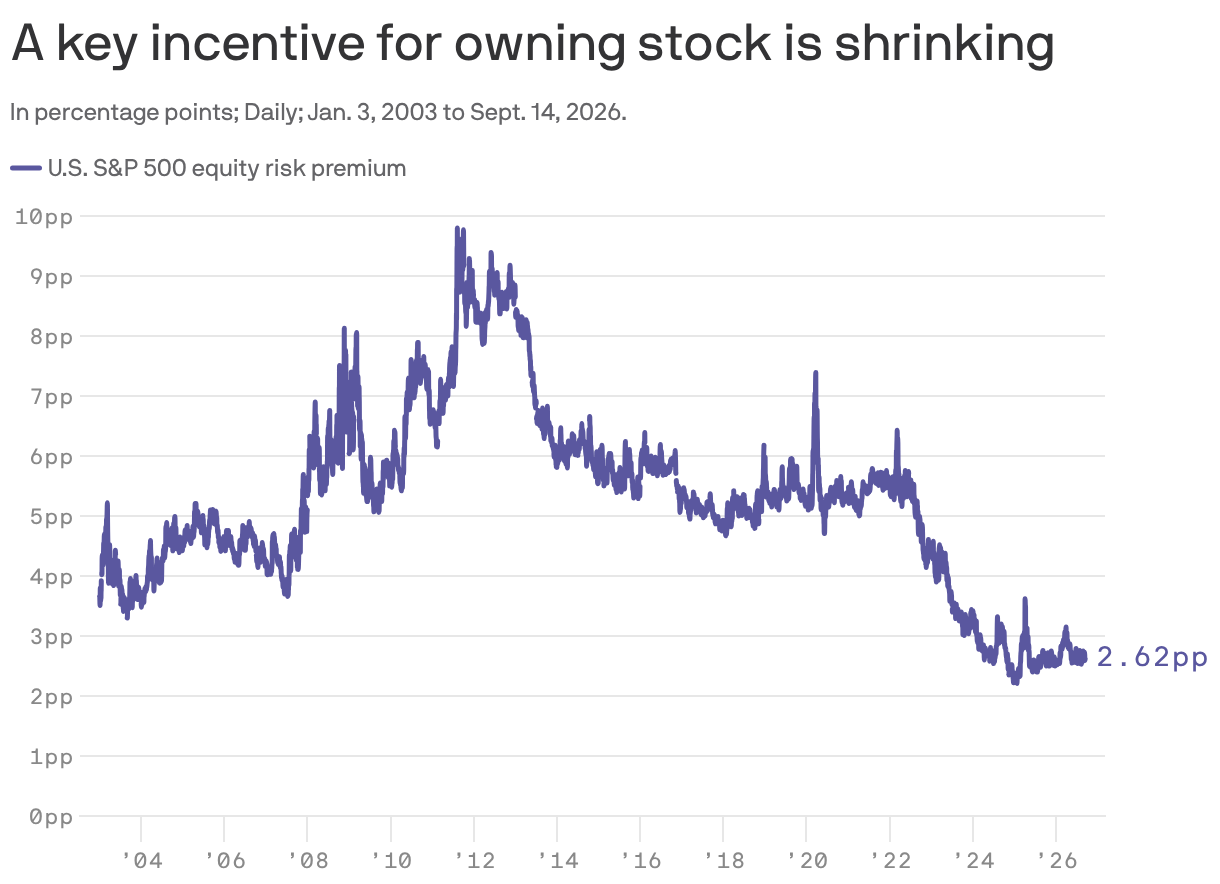
The recent surge in bond yields is keeping the pressure on the premium investors earn for taking their chances with stocks rather than bonds.
Why it matters: The skimpiness of the slab of extra returns the market typically offers stock market investors — which is known as the equity risk premium — raises the prospect that, at some point, investors decide they're just not being paid enough to expose themselves to the vagaries of equities.

Americans' income hits record, but lower earners lose ground


U.S. household income hit a record in 2025, but the lowest earners barely shared in the gains, new Census data show.
Why it matters: On paper, Americans look richer than ever. But broader measures of financial security show millions still getting squeezed by medical costs, uneven income gains and a thinning public safety net.