Friday's economy stories

Axios Live: U.S. market changes fuel debate over financial safeguards
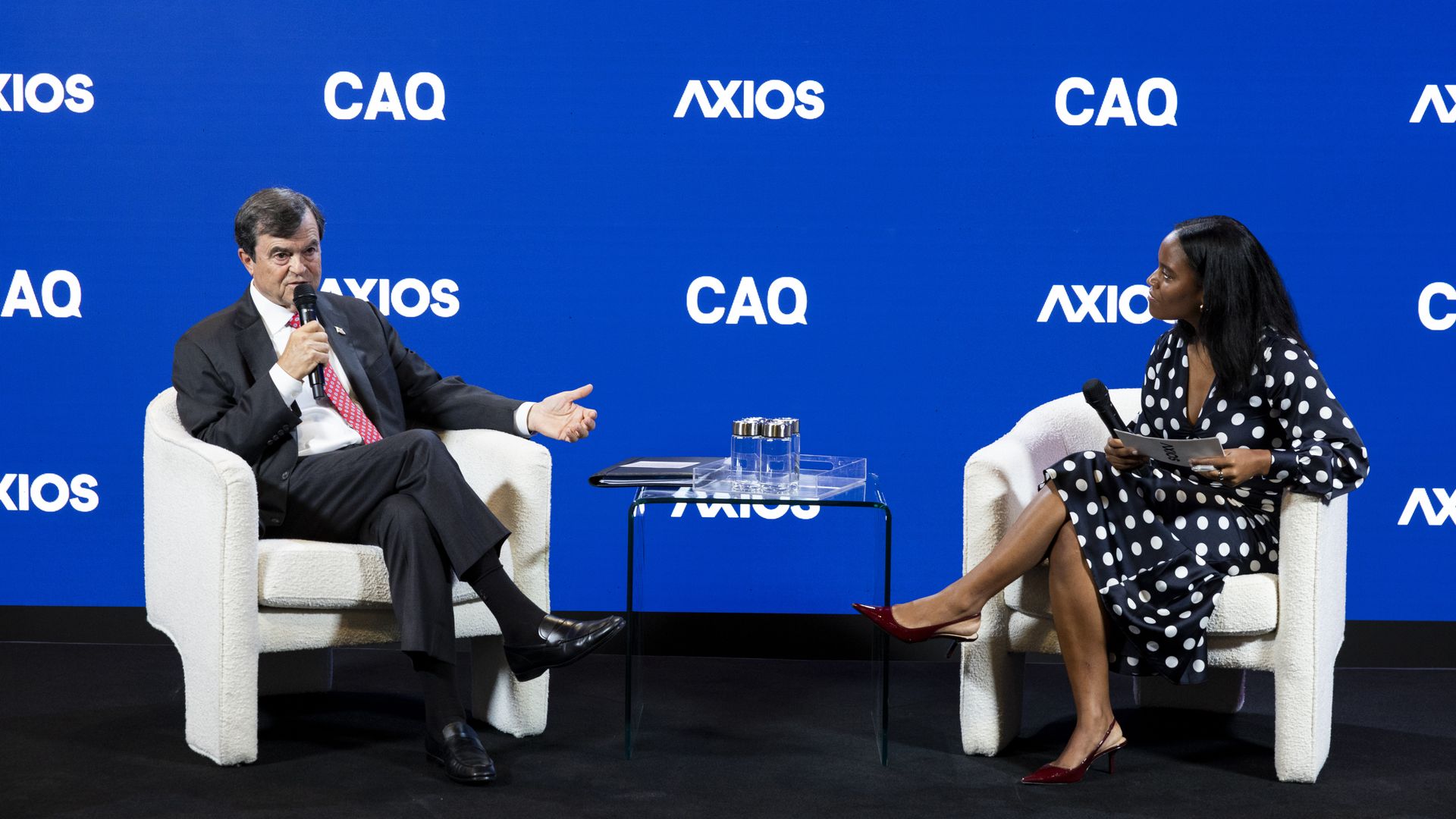
WASHINGTON — Proposed changes to ease corporate reporting rules and the growing use of AI are fueling a broader debate over what safeguards are needed to maintain trust in the U.S. financial markets, financial reform and regulatory experts said at an Axios event.
Why it matters: Federal regulators, lawmakers and advocates are debating how much oversight is needed — and what form it should take — amid significant deregulation efforts.
Axios' Courtenay Brown spoke with Better Markets co-founder, president and CEO Dennis Kelleher and Public Company Accounting Oversight Board chair Jim Logothetis. The Sept. 16 event was sponsored by the Center for Audit Quality.
What they're saying: Kelleher raised concerns about a proposed Securities and Exchange Commission rule change, which would eliminate quarterly reporting requirements, potentially undermining public confidence in the financial system.
- "I think the implications for investors, markets and our capital system is actually pretty serious, and people should pay attention to it," Kelleher said.
- Logothetis said less-frequent reporting would not be "that big of a deal" for his organization, which oversees auditing of U.S. public companies.
AI's integration across industries, including auditing, still warrants human expertise to effectively use the technology, Logothetis said.
- "An audit is part science and part art," he said, but the art piece "involves professional skepticism, it involves judgment."
- Kelleher called for a "people-centered AI agenda" and warned against pursuing "a profit-maximization AI agenda," criticizing the Trump administration's hands-off approach to AI.
Zoom in: Debate over financial oversight also extends to crypto. The Clarity Act, a bill aimed at establishing a clearer regulatory structure for the sector, failed to advance in a procedural Senate vote this week.
- Kelleher, who has criticized the legislation backed by President Trump and the crypto industry, said the sector requires more robust guardrails, "not phony regulation, which is what the industry is proposing."
Content from the sponsor's segment:
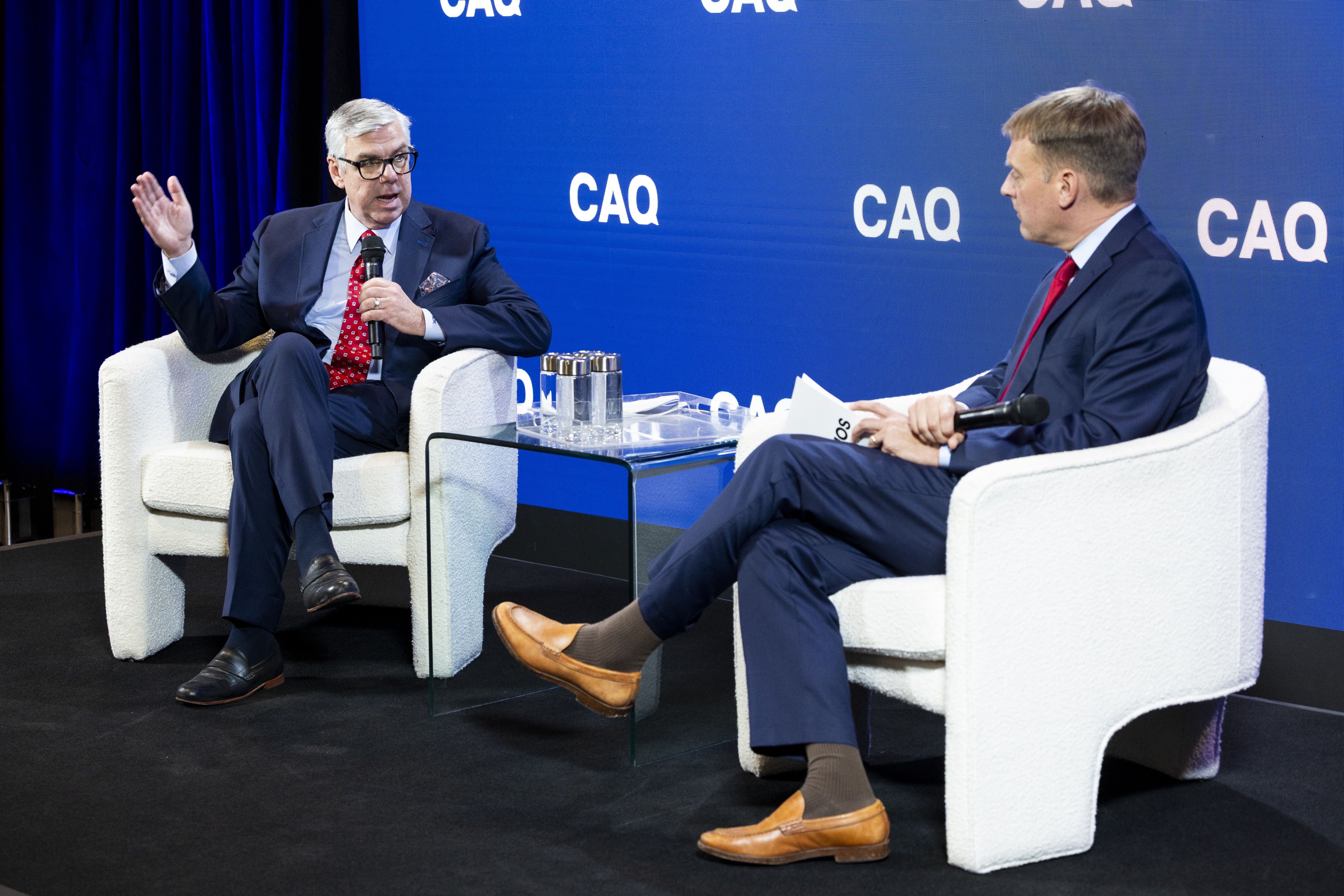
During a View From the Top conversation, president and CEO of the American Institute of CPAs Mark Koziel said using AI in auditing requires another layer of human oversight to ensure accuracy and public trust.
- "We could trust AI to a degree, but that verification will always still need to take place," Koziel said.

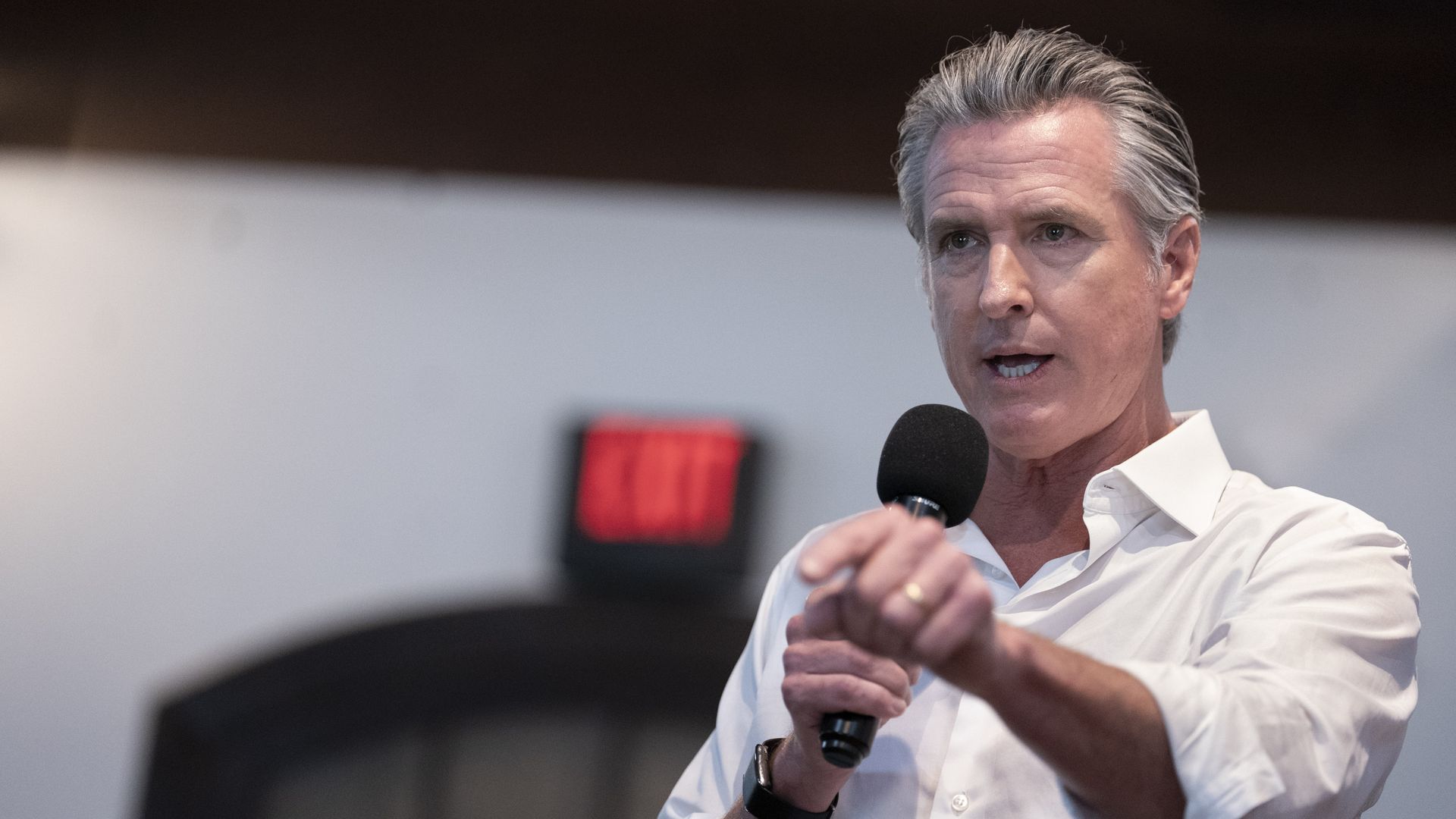
Newsom's big AI swings put 2028 in focus
California Gov. Gavin Newsom, a presumptive presidential candidate, is getting louder on AI, releasing an executive order amid the Washington stalemate.
Why it matters: Democrats with national profiles this week are seizing on AI alarm, making their positions clear and Newsom – despite some deference shown to other 2028 contender Kamala Harris – wasn't going to sit this one out.

GOP Latino gains fade as gender divides deepen
Latino voters swung sharply toward Republicans in 2024. Now, much of that gain is fading as gender and generational divides widen.
Why it matters: The GOP breakthrough two years ago hasn't produced a uniformly more conservative Latino electorate, as Democrats have regained ground in polling this year.
- But an Axios analysis of recent polls shows Latino voters aren't simply swinging right, then left. The data show Latino politics fragmenting from within, as young Latino men and women increasingly split over immigration, President Trump and democracy.

U.S. auto industry pleads with Trump to ban Chinese vehicles
Auto companies and dealers are beseeching President Trump to banish Chinese vehicles from the American market.
Why it matters: President Trump has signaled an openness to allowing Chinese automakers to sell cars here if they're built here.

Dealmaking activity takes a dive in Q3
The first half M&A boom is being followed by a third quarter bust, according to preliminary data from LSEG.
By the numbers: Q3 is shaping up to break a streak of six straight quarters with at least $1 trillion in global M&A activity.

The global credit tightening is underway
Central bankers around the globe are, metaphorically, holding hands and taking the leap toward higher interest rates together.
The big picture: Interest rate increases from the Bank of Japan on Friday, the Fed on Wednesday and the European Central Bank last week reflect the common global forces that are challenging the world's biggest advanced economies.
- Energy prices are marching upward, reflecting the disruptions from the Iran war, at a time inflation has already been elevated for years.
- Meanwhile, the global AI buildout and high borrowing by governments means that it may take higher rates to balance supply and demand for capital.
Driving the news: The Japanese central bank raised its target interest rate to 1.25%, from 1%, overnight U.S. time — still low by global standards but the highest in 31 years.
- Governor Kazuo Ueda told reporters that Japanese monetary policy "has shifted to a new stage," per Bloomberg's translation.
Zoom out: While each central bank is charged with setting policy based on what is best for its country's economy, there is a certain safety in numbers when the major banks move more or less together.
- In particular, joint action helps limit currency gyrations and disorderly flows of capital that can occur when one central bank zigs while others zag.
Zoom in: Each nation's central bank has its own remit, structure and economic circumstances. But top central bankers meet and discuss goings-on frequently.
- That includes bimonthly gatherings at the Bank for International Settlements in Basel, Switzerland; on the sidelines of international summits; and at conferences like those in Jackson Hole, Wyoming, and Sintra, Portugal.
- There is frequent lower-level communication between staff of leading central banks. (Neil, for example, was once in the ECB cafeteria in Frankfurt awaiting an appointment and bumped into the then-New York Fed markets desk chief.)
State of play: In crises, these close ties can enable efficient coordination, such as the joint monetary easing announcement in 2008 and the use of international currency agreements to address financial freeze-ups.
- Even in non-crisis moments, though, the sense of economic interdependence can factor into decision-making.
The intrigue: Fed chairman Kevin Warsh seemingly went out of his way to mention this international dimension to monetary policy in his news conference Wednesday.
- "In my meetings these last few weeks — in Jackson Hole, in Asheville at the G-20 meeting, which the U.S. hosted, and at a central bank conference in Basel — it was evident that most advanced economies are facing price pressures," he said.
- He later added that "when the Federal Reserve makes a policy choice, it matters not just to the U.S. economy, but it spills over to the rest of the world."
- "When foreign central banks make decisions, where they're confronted with higher prices and they choose, consistent with their remit, to raise rates, then they're helping to quash inflation in their countries, and there's spillovers and spill-backs in both directions," Warsh said.
What they're saying: "As he pointed out, other central banks are facing similar inflation pressures as a result of higher oil prices, and some are raising rates," Bill English, a former top Fed economist now at the Yale School of Management, tells Axios.
- "It seems helpful to point out that the U.S. situation isn't unique and that others are doing similar things," English added. "That may help the public to understand what is going on (it's a global issue), and it may also be helpful politically (there is safety in numbers)."


Rethinking Silicon Valley Bank's failure
A new independent review of Silicon Valley Bank's collapse contradicts the Federal Reserve's initial postmortem over the role that looser regulations played in the bank's supervisory failures.
Why it matters: Regulators are still trying to diagnose what went wrong three years after the regional bank's failure triggered the worst bout of banking turmoil since the global financial crisis in 2008.
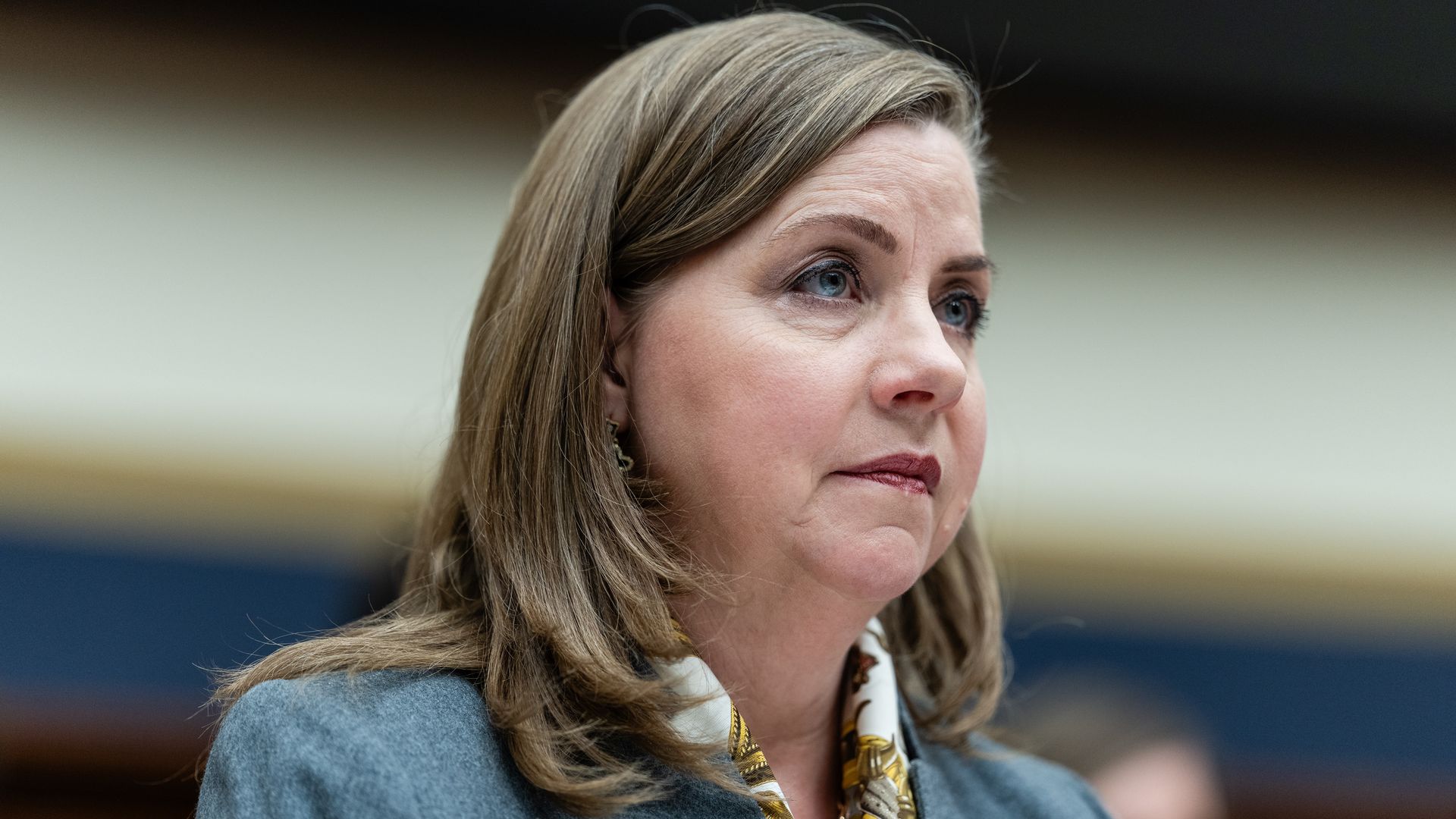
Driving the news: Fed vice chair for supervision Michelle Bowman detailed the initial findings of the review — conducted by Starling Trust — in a speech on Friday.
Flashback: SVB failed after rising interest rates hammered the value of its securities portfolio. The bank's unusually large share of uninsured deposits left it vulnerable to a rapid bank run.
- The review found that Fed supervisors knew or should have known about the bank's vulnerabilities as early as March 2022, but did not act promptly to reduce them.
- The Fed's top bank cop commissioned the review after criticizing the Fed's initial, internally conducted postmortem — led by her predecessor Michael Barr — as too narrow to fully explain the bank's failure.
Between the lines: Bowman's effort to re-litigate the SVB failure has raised concern among Democrats that President Trump might use the findings in an attempt to fire Barr, who remains on the Fed board as a governor.
What they're saying: "This review is not about assigning blame. Instead, it is about learning lessons from the past to avoid repeating them in the future," Bowman said.
Zoom in: Barr's 2023 review concluded that regulatory changes after 2018 lowered requirements for SVB and, along with a shift toward less assertive supervision, "impeded effective supervision."
- But Bowman said the preliminary review found that looser regulations were not responsible for supervisors' failure to act more quickly once SVB's vulnerabilities became apparent.
- Bowman says the new review points to a longstanding culture of risk aversion within the Fed.
- "Staff believed it was personally safer to take no action, unless they were certain the action was exactly right," she said.
The intrigue: The review also challenges the view that social media helped fuel SVB's lightning-fast bank run as its highly connected tech and venture-capital customers rushed to yank their money.
- An analysis commissioned for the review found no evidence that social media triggered or accelerated the run.
- Roughly 96% of social media chatter about it came after SVB's failure was already inevitable, Bowman said.

Wall Street thinks the stock market can handle a few hikes
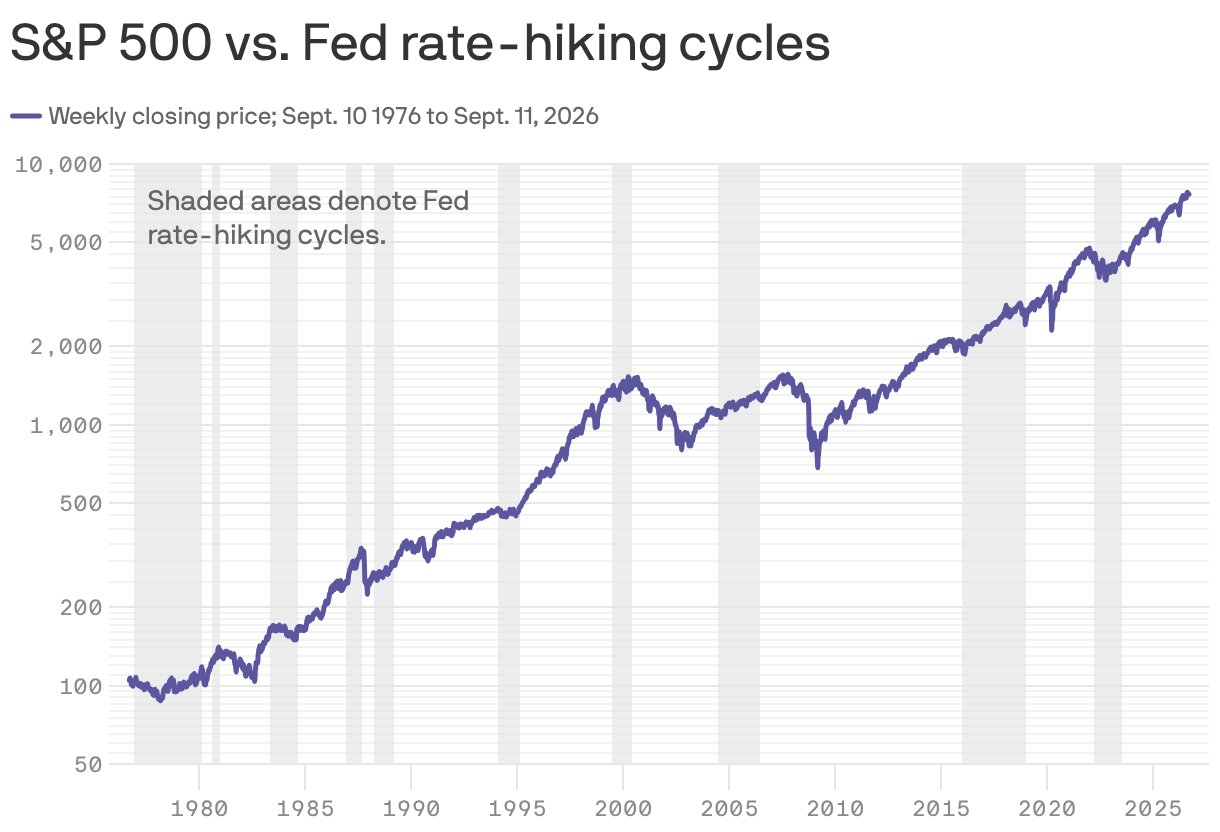
Market watchers think the market should be able to continue to gain altitude despite a headwind from Federal Reserve interest rate hikes.
Why it matters: Rate-hiking cycles have sometimes undermined the market, leaving investors with ugly losses.

China's Treasury holdings fall to 2008 low


China's holdings of U.S. Treasury securities reached an 18-year low in July, new Treasury Department data shows.
Why it matters: It's not just China. Foreign governments are pulling back on buying Treasury securities, and hedge funds and other private investors are filling the void.
- That poses some risks to the ability of the U.S. to borrow money cheaply, as analysts say it could put upward pressure on borrowing costs.

Warren Buffett steps down as Berkshire Hathaway chairman
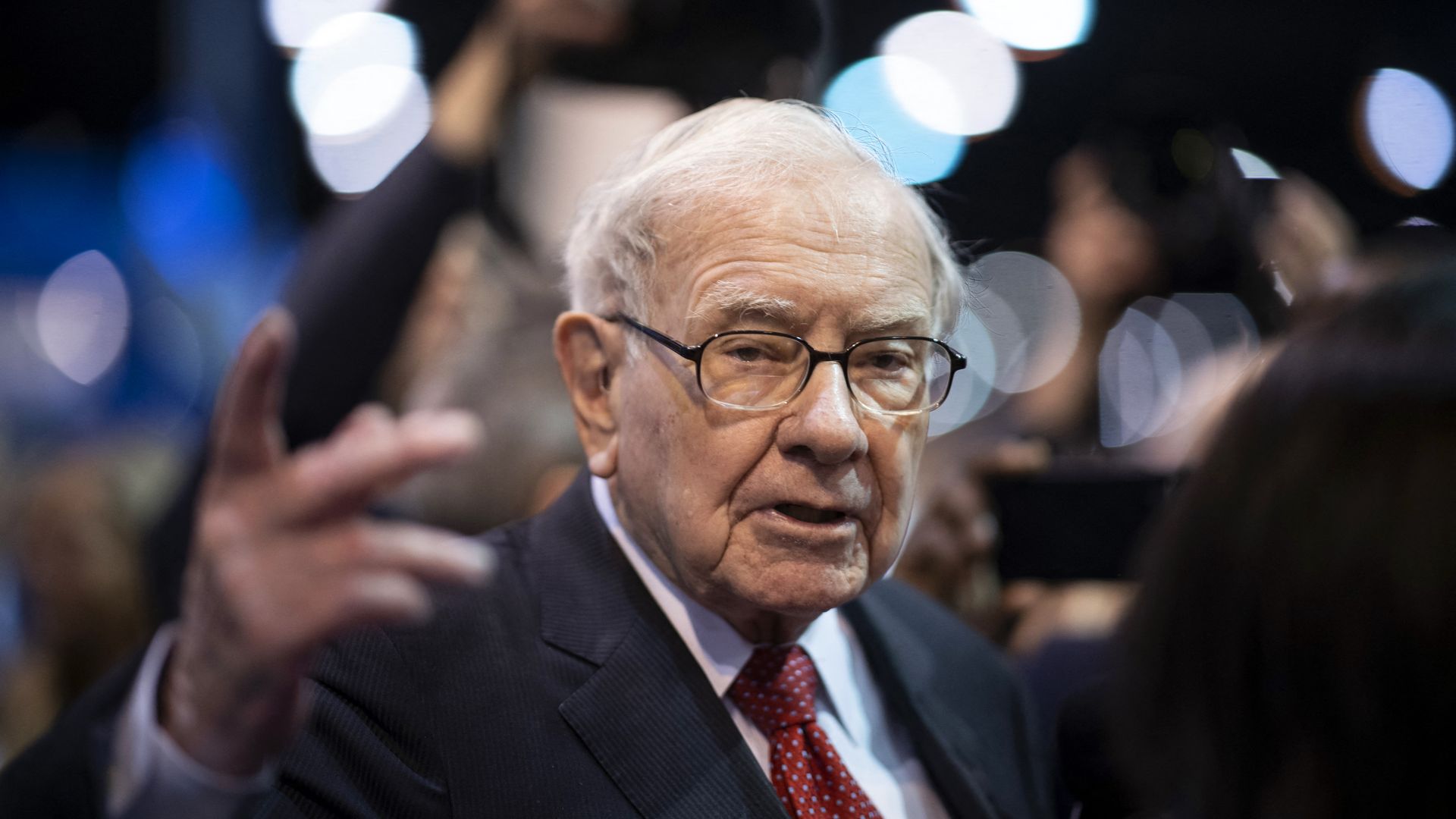
Warren Buffett will step down as chairman of Berkshire Hathaway, less than a year after handing over the CEO reins, the company said Friday.
The big picture: The "Oracle of Omaha" is 96, and his insurance-to-railroads conglomerate is moving onto a new generation, with his son Howard as chairman.

Oil's shrug emoji era
And the award for honesty in oil market analysis goes to ... J.P. Morgan!
- "For the first time since the start of the Iran conflict, we don't have a baseline view. We simply don't know how to model the endgame," bank researchers said in a note (emphasis added).
Why it matters: While the phrasing is unusually blunt, the sentiment is shared to varying degrees.