Rethinking Silicon Valley Bank's failure


Add Axios as your preferred source to
see more of our stories on Google.
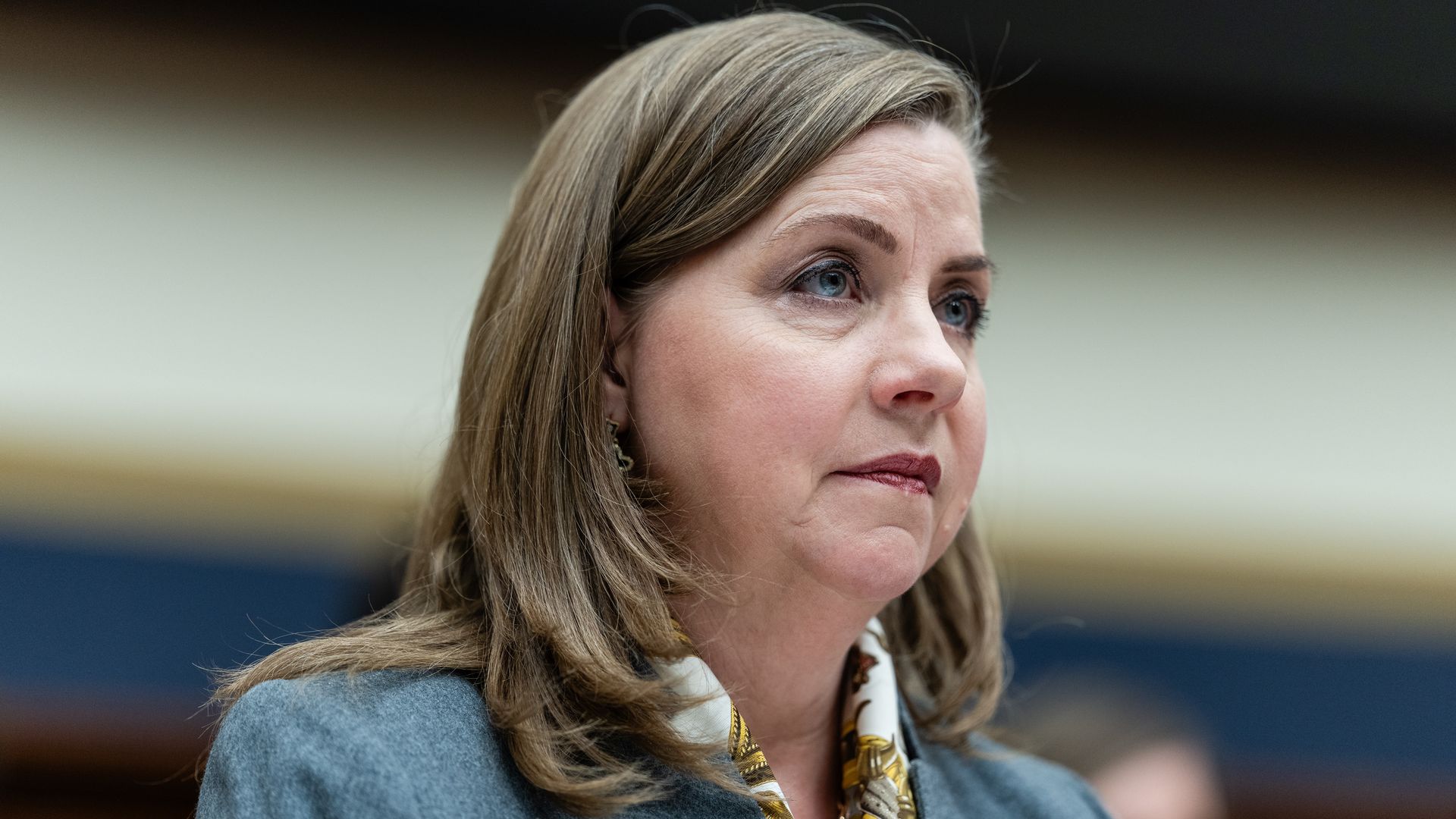
Fed vice chair for supervision Michelle Bowman testifies before the House Financial Services Committee on June 4, 2026. Photo: Eric Lee/Bloomberg via Getty Images
A new independent review of Silicon Valley Bank's collapse contradicts the Federal Reserve's initial postmortem over the role that looser regulations played in the bank's supervisory failures.
Why it matters: Regulators are still trying to diagnose what went wrong three years after the regional bank's failure triggered the worst bout of banking turmoil since the global financial crisis in 2008.
Driving the news: Fed vice chair for supervision Michelle Bowman detailed the initial findings of the review — conducted by Starling Trust — in a speech on Friday.
Flashback: SVB failed after rising interest rates hammered the value of its securities portfolio. The bank's unusually large share of uninsured deposits left it vulnerable to a rapid bank run.
- The review found that Fed supervisors knew or should have known about the bank's vulnerabilities as early as March 2022, but did not act promptly to reduce them.
- The Fed's top bank cop commissioned the review after criticizing the Fed's initial, internally conducted postmortem — led by her predecessor Michael Barr — as too narrow to fully explain the bank's failure.
Between the lines: Bowman's effort to re-litigate the SVB failure has raised concern among Democrats that President Trump might use the findings in an attempt to fire Barr, who remains on the Fed board as a governor.
What they're saying: "This review is not about assigning blame. Instead, it is about learning lessons from the past to avoid repeating them in the future," Bowman said.
Zoom in: Barr's 2023 review concluded that regulatory changes after 2018 lowered requirements for SVB and, along with a shift toward less assertive supervision, "impeded effective supervision."
- But Bowman said the preliminary review found that looser regulations were not responsible for supervisors' failure to act more quickly once SVB's vulnerabilities became apparent.
- Bowman says the new review points to a longstanding culture of risk aversion within the Fed.
- "Staff believed it was personally safer to take no action, unless they were certain the action was exactly right," she said.
The intrigue: The review also challenges the view that social media helped fuel SVB's lightning-fast bank run as its highly connected tech and venture-capital customers rushed to yank their money.
- An analysis commissioned for the review found no evidence that social media triggered or accelerated the run.
- Roughly 96% of social media chatter about it came after SVB's failure was already inevitable, Bowman said.
