U.S. auto industry pleads with Trump to ban Chinese vehicles

Add Axios as your preferred source to
see more of our stories on Google.
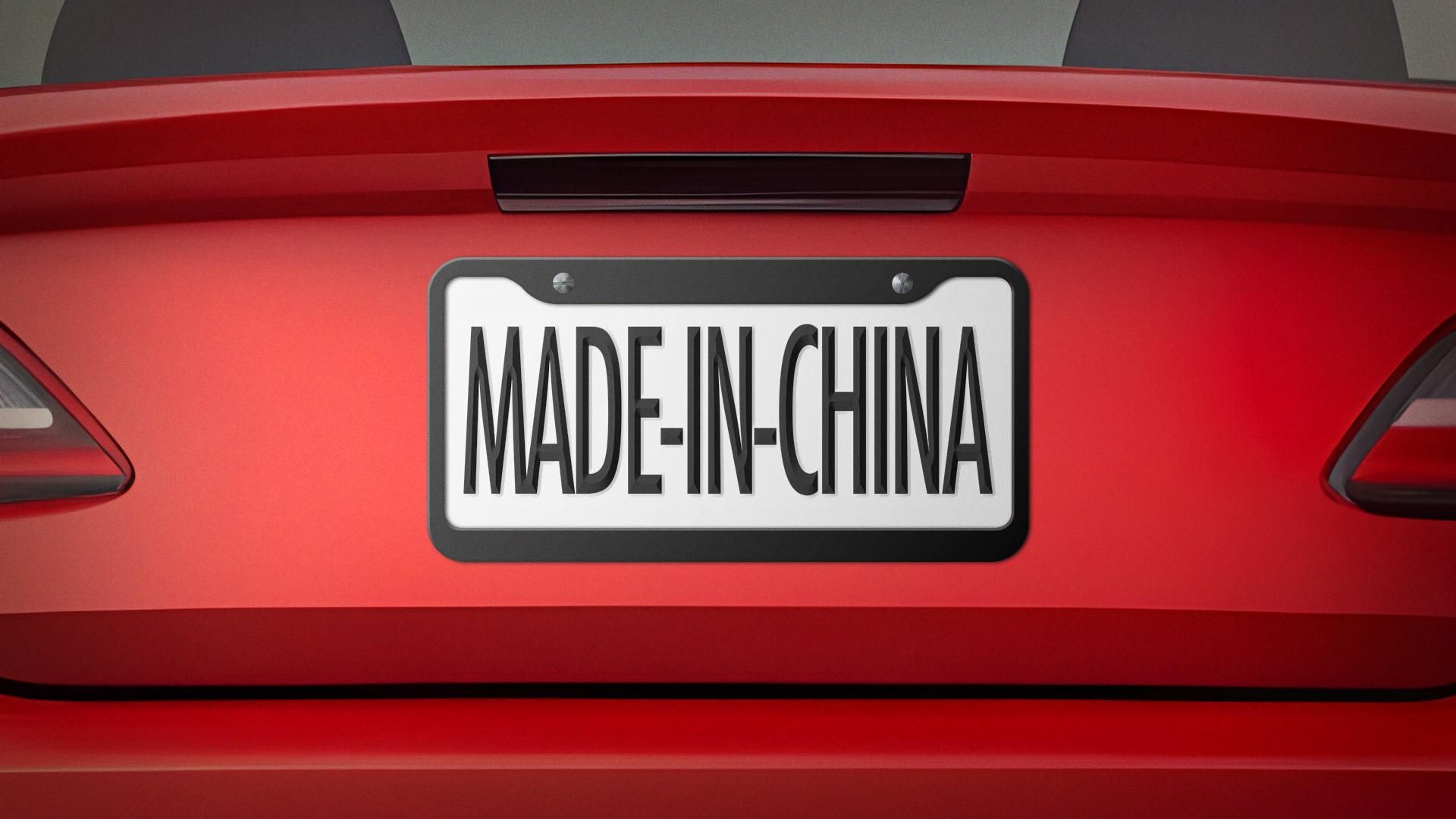
Illustration: Allie Carl/Axios
Auto companies and dealers are beseeching President Trump to banish Chinese vehicles from the American market.
Why it matters: President Trump has signaled an openness to allowing Chinese automakers to sell cars here if they're built here.
- And he's meeting next week with Chinese President Xi Jinping, where they're expected to discuss their trade war.
Zoom in: A coalition of U.S. automotive trade groups — not always united on industry priorities — wrote a letter to the White House asking the president to "keep the door firmly shut to Chinese automakers seeking to sell, import or manufacture vehicles inside the U.S."
- The groups warned that Chinese vehicles are "capable of collecting and transmitting personal data back to the Chinese government" and said they would "weaken the market position of incumbent manufacturers."
- "Providing Chinese automakers with the ability to manufacture inside the U.S. would undermine fair competition and jeopardize the progress your administration has already made to increase domestic automotive manufacturing, strengthen supply chains and prevent the U.S. from facing the disruptions roiling global auto markets right now," the groups wrote.
The big picture: Bipartisan opposition to Chinese vehicle imports is widespread in Washington.
- The Biden administration imposed a 100% tariff on Chinese EVs and a ban on Chinese "connected vehicle" technology in the U.S.
- The Trump administration maintained that tariff and enforced the connected tech ban, recently banning Polestar — which is owned by Chinese automaker Geely — from new sales in the U.S.
Yes, but: Allowing Chinese automakers like BYD or Geely to make vehicles in the U.S. is more broadly debated.
- Trump reiterated on Fox News last week: "If China wanted to come in and open a plant to build their cars here, I'd be OK with it."
- He noted that Japanese automakers have a major manufacturing presence in the U.S. and sell many of those American-made vehicles here.
"President Trump pledged to reshore manufacturing and revive American auto industry dominance," White House spokesman Kush Desai said in a statement Friday. "The Trump administration is working closely with American automakers to deliver on this ambitious goal while safeguarding our national and economic security."
The other side: The Chinese embassy in the U.S. did not immediately respond to a request for comment.
- Supporters of Chinese vehicle imports say they would help struggling Americans afford vehicles — with new U.S.-sold models currently averaging nearly $50,000.
State of play: There are currently no Chinese brand vehicles sold in the U.S., but Chinese automakers are advancing in other markets.
- Chinese carmakers' share of the global market increased from 14% in 2020 to 25% in 2025, approaching Japan's 26%, according to the Center for Automotive Research.
- U.S. global share is essentially flat, at 12%.
Other markets are calling for action about the growing threat of Chinese vehicles.
- Germany's finance minister this week demanded higher European Union tariffs on Chinese vehicles after Volkswagen — which is struggling to keep up with the competition — recently announced plans for 100,000 job cuts.
The letter, dated Thursday, was signed by leaders of the following groups:
- Alliance for Automotive Innovation
- American Automotive Policy Council
- MEMA (originally the Motor and Equipment Manufacturers Association)
- Autos Drive America
- National Automobile Dealers Association
- Zero Emission Transportation Association
The bottom line: The political fight in Washington over Chinese vehicles may be headed toward an inflection point.
- "Even if built in the U.S., these factories would still rely on Chinese suppliers and Chinese components, and would be overseen by individuals with direct ties to the Chinese government," the trade groups wrote. "Chinese production in the U.S. would bring fewer jobs and remain reliant on foreign supply chains. "
