American auto retreat from China accelerates

Add Axios as your preferred source to
see more of our stories on Google.
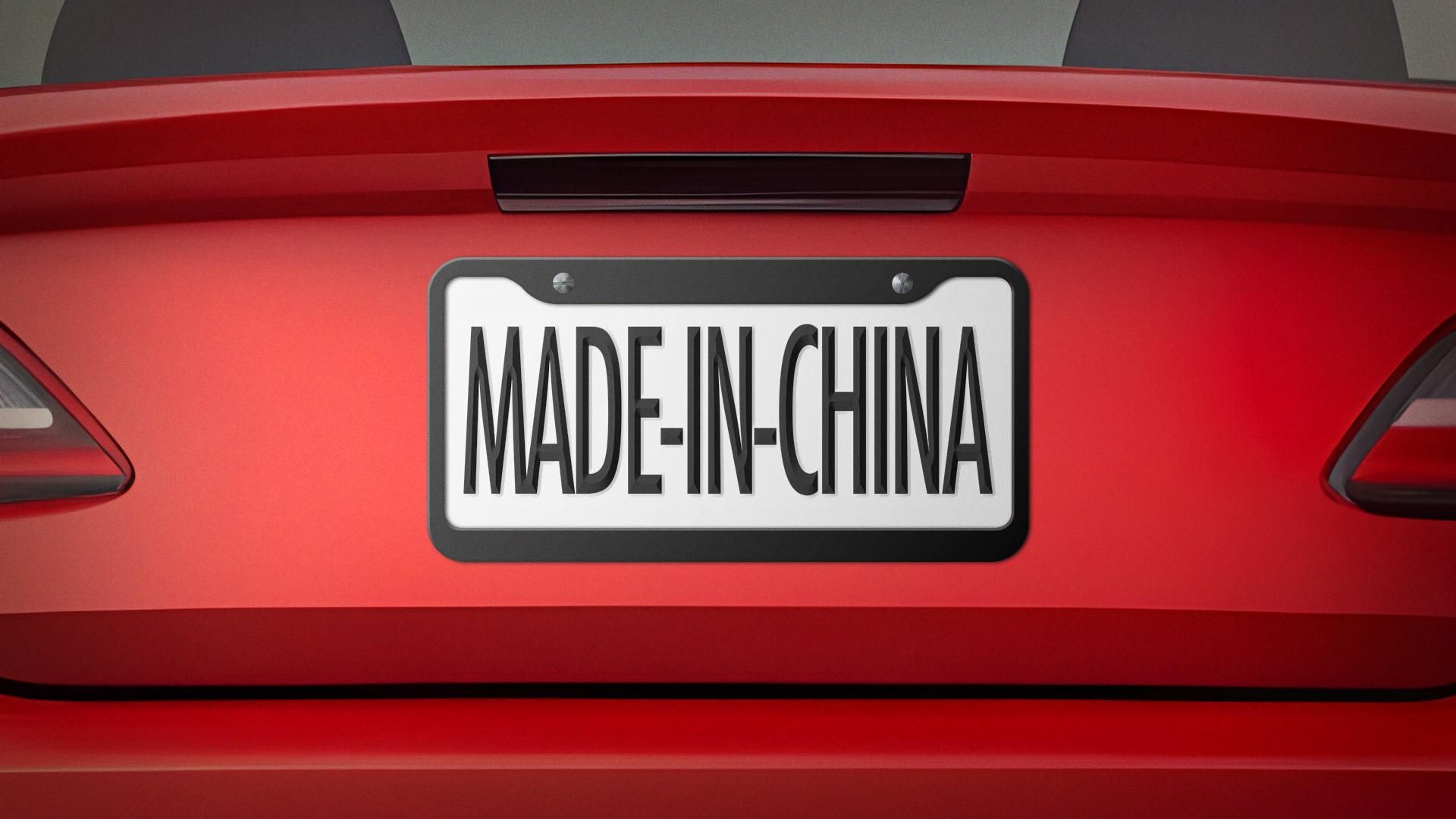
Illustration: Allie Carl/Axios
The U.S. auto industry's retreat from China is accelerating, while Chinese carmakers are inching closer to the American market despite attempts to keep them out.
Why it matters: China once represented a lucrative growth opportunity and manufacturing base for American automakers, but those ties are unraveling as Chinese rivals like BYD and Geely expand their reach around the world.
The latest: Ford announced late Wednesday that it will end production of its Lincoln luxury brand in China for export to the U.S., while General Motors is reportedly ceasing sales of its Chevrolet brand in China.
- Ford said it'll expand production in the U.S., where it currently makes Lincoln vehicles in Louisville and Chicago.
- GM will focus on Buick and Cadillac sales in China, and will continue to build Chevys there for export elsewhere.
State of play: With excess production capacity, Chinese automakers have been engaged in a feverish price war, undercutting the competition around the world.
- And major advancements in the quality of Chinese cars in recent years have narrowed the gap between them and vehicles from American, Korean, Japanese and German automakers.
- "The Chinese companies are the only ones growing," Tu Le, founder of Detroit-area consultancy Sino Auto Insights, tells Axios. "The legacy automakers are shedding jobs by the thousands."
Meanwhile, the path for Chinese vehicles to reach the U.S. market — long coveted by Chinese automakers but largely blocked by trade barriers — looks like it'll initially run through North American production rather than exports from China, Le says.
- That could involve standing up plants in Mexico, though the Trump administration released a report Thursday assailing Mexico as one of "China's biggest enablers" for allowing China to build what it called "shadow transshipment networks" of finishing hubs and re-export centers designed to evade U.S. tariff.
- Though the administration acknowledged the need to distinguish such networks from legitimate manufacturing, the issue potentially complicates that path into the U.S. market.
For that reason, it's more likely that Chinese automakers enter the U.S. market by building plants here, Le says.
- That will allow President Trump to "frame it as a win for the United States," even as members of Congress are privately "fuming," Le adds.
The intrigue: The path to export vehicles from Mexico to the U.S. could become smoother if Mexican President Claudia Sheinbaum gets her way.
- "The Mexican government is pushing the U.S. to lower tariffs on North American automobiles as part of conversations over reworking the U.S.-Mexico-Canada Agreement," WSJ reported.
- The U.S. currently applies a 25% tariff on non-U.S. content in vehicles from Canada and Mexico — and Mexico reportedly wants to cut that to 10%.
Reality check: Even if Chinese automakers are willing to invest in American facilities or build vehicles in Mexico for export to the U.S., they'll have to overcome other restrictions.
- The Biden administration imposed a ban on "connected" vehicle technology from China — and the Trump administration recently enforced that restriction by blocking Chinese-owned EV brand Polestar from future sales here.
The bottom line: American automakers are finding it increasingly difficult to keep up with Chinese competitors.
- "The industrial capacity is being built elsewhere, and if the U.S. opens the market, American automakers may find themselves hopelessly outclassed," according to Chinese auto industry expert and Dunne Insights analyst Michael Dunne.
