A court battle between a novel bank that wants to do business in crypto and the Federal Reserve Board is coming to a head.
Zoom in: The central question in this case is whether a politically motivated Fed intervened in a process conducted by one of the reserve banks it oversees, wrongfully denying Custodia Bank a Fed master account.
Generative AI, Gen Z and the future of physical stores were among the most sought-after discussions at NRF this year, Hope continues.
The scene: Nearly 100 people waited outside the doors for a session on "Decoding Gen Z" featuring McDonald's, H&M and Spotify execs.
Dozens, including me, were turned away from a packed generative AI roundtable with Lowe's, Carrefour and Victoria's Secret.
It was also standing room only for a talk on improving retail stores to motivate people to shop.
What they're saying:
On Gen Z: Based on podcast listening habits, they're very interested in their financial futures and in career growth, Ann Piper, head of North American ad sales at Spotify, said.
After walking more than 7 miles (according to my phone) around the Javits Center over three days, Ifound one company deserving a mention, Hope writes.
LiquiDonate is a venture-backed startup co-founded and led by Diz Petit, an early Postmates employee.
The company works with retailers to ship landfill-bound inventory to nonprofits and charities through a SaaS model.
How it works: LiquiDonate has a "matching algorithm" to ensure that schools and other recipients get only the items they want, Petit tells Axios.
Donating, she says, is cheaper than sending these products to landfills.
By the numbers: The cost of processing a return that may end up in a landfill, for example, can be about $15 an item — when considering the return shipping, warehouse storage, and labor costs needed to sort, evaluate, repack and ship items.
With LiquiDonate, Petit says the company can save retailers at least half of that cost and get a tax write-off to boot.
The world's second-largest economy is in a different position than much of the rest of the globe: It's trying to stir up demand to blunt slowing growth and falling prices.
Why it matters: The economy rebounded from the 3% growth in 2022, which came as a result of its zero-COVID policy that stymied the economy.
Central bankers are waryabout pivoting to interest rate cuts too early — and the data support that wariness. It's clear from a slew of news on both sides of the Atlantic.
Driving the news: At the World Economic Forum in Davos, European Central Bank president Christine Lagarde tamped down expectations of a rate cut this spring. A day before, Fed governor Christopher Waller in Washington also pushed back against the idea of a near-term rate cut.
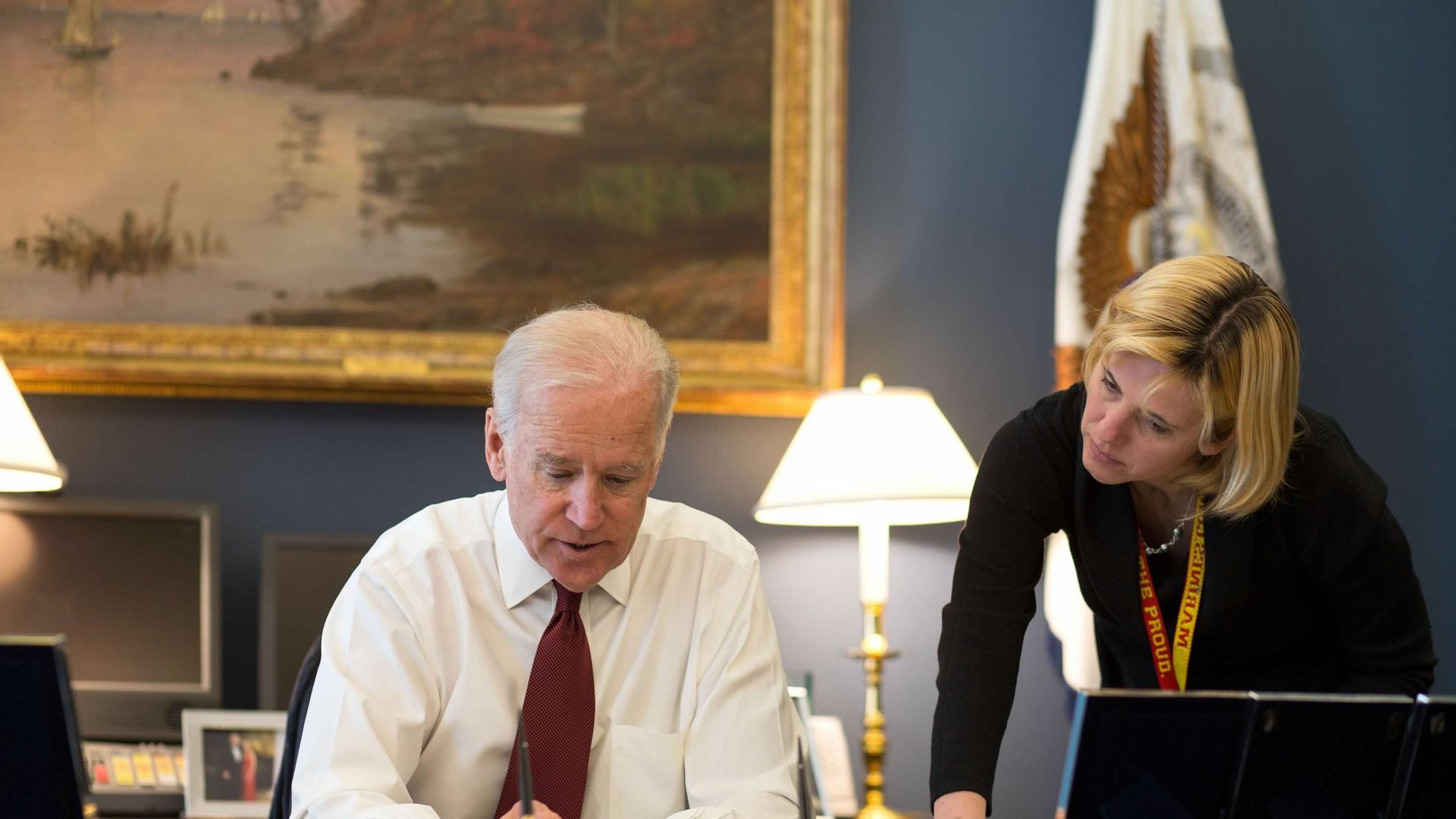
Ambassador Sarah Bianchi, President Biden's deputy U.S. trade representative, is leaving the administration, Axios has learned.
Why it matters: Bianchi, who also worked for Biden as his top economic adviser as vice president, has a deep understanding of the president's plans to transition the economy toward renewable energy.
Venture capital firm General Catalyst on Wednesday announced plans to buy Akron, Ohio, health system Summa Health, which it will convert into a for-profit.
Why it matters: This is an unprecedented deal for venture capital, which typically invests in startup companies. If successful, it could position General Catalyst as the industry's most formidable developer and seller of health care technology.
America's biggest banks each took a 10-figure hit to their earnings last quarter to cover the cost of bailing out uninsured depositors atSilicon Valley Bank and Signature Bank.
Why it matters: Most of the banks took the FDIC's special assessment in stride — their earnings are strong enough to be able to afford it. Citigroup is the exception.
Americans overall have a surprising degree of satisfaction with their economic situation, according to findings from the Axios Vibes survey by The Harris Poll.
Why it matters: That's in spite of dour views among certain subsets of the country — and in contrast to consumer sentiment polls that remain stubbornly weak, partly because of the lingering effects of 2022's inflation.