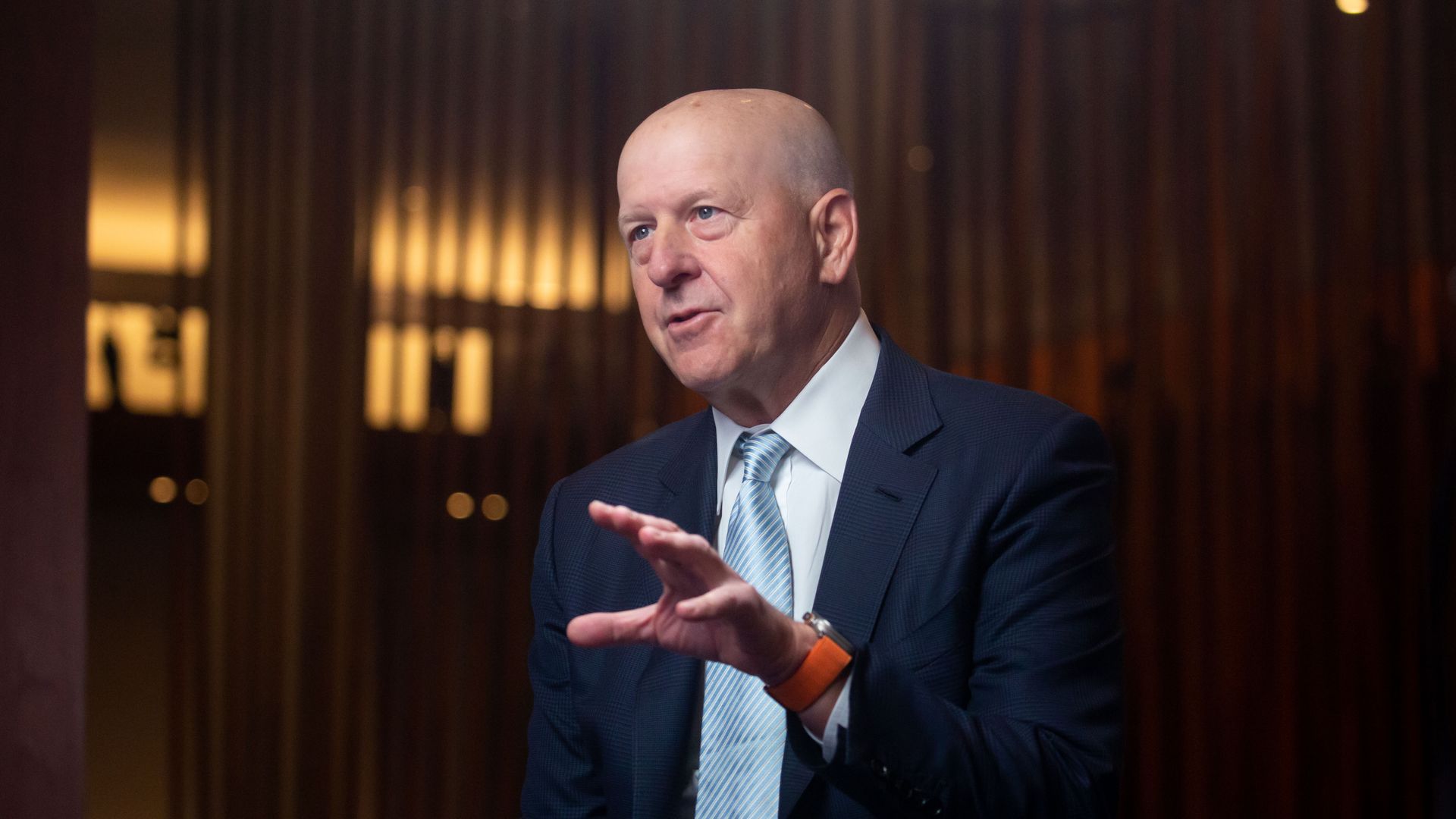
Internal grumblings about Goldman Sachs CEO David Solomon are spilling out into a chain of reports prompting speculation over his future.
Why it matters: Solomon, who is coming up on five years at the helm, is overseeing the company's biggest overhaul since the financial crisis, WSJ notes.
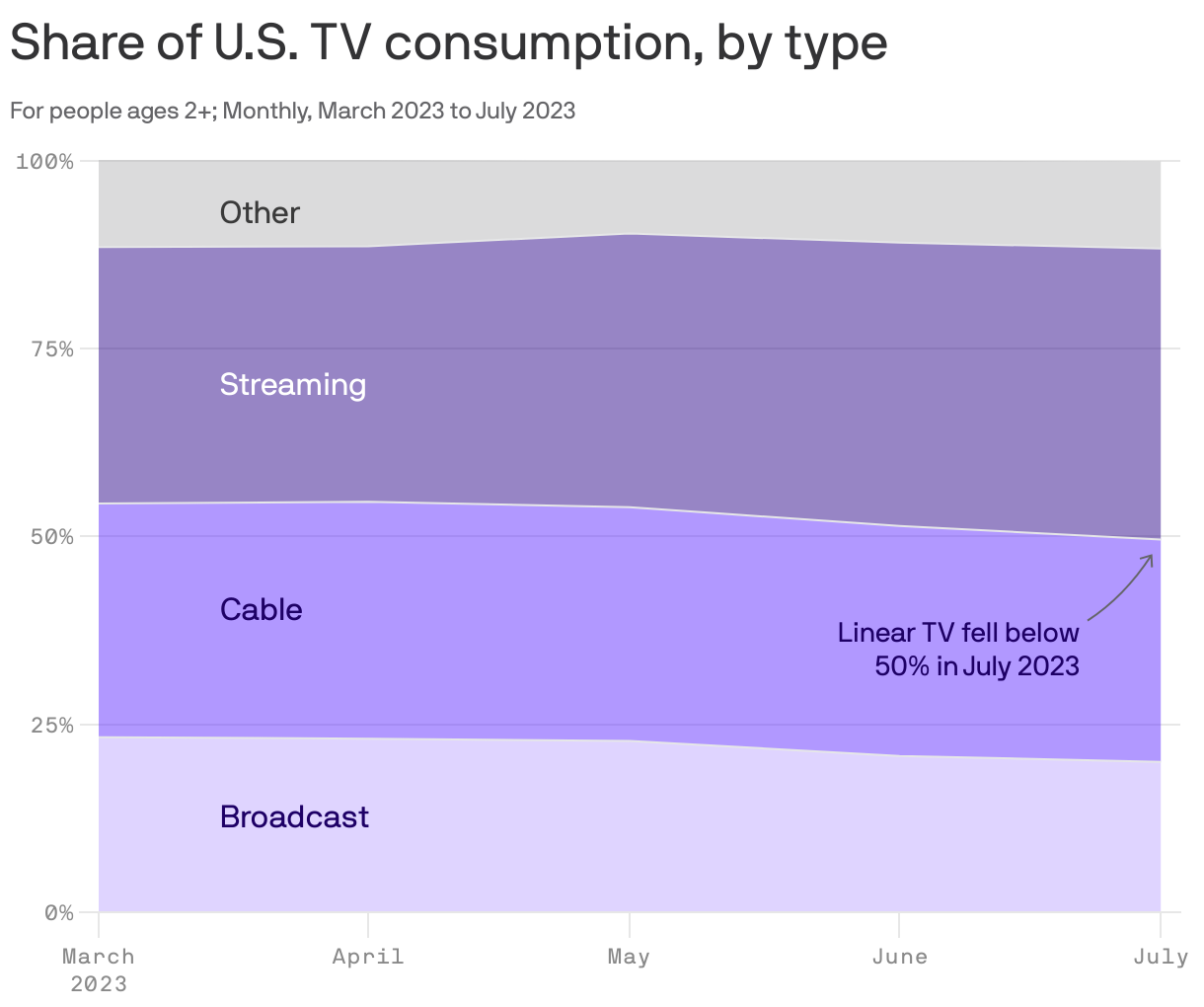
Broadcast and cable usage fell below 50% of total TV usage in the U.S. for the first time last month, the lowest linear total to date, according to Nielsen's latest viewership data from its monthly survey, The Gauge.
Why it matters: The lack of major sporting events in July took a toll on traditional TV networks, which still hold the majority of major sports broadcast rights.
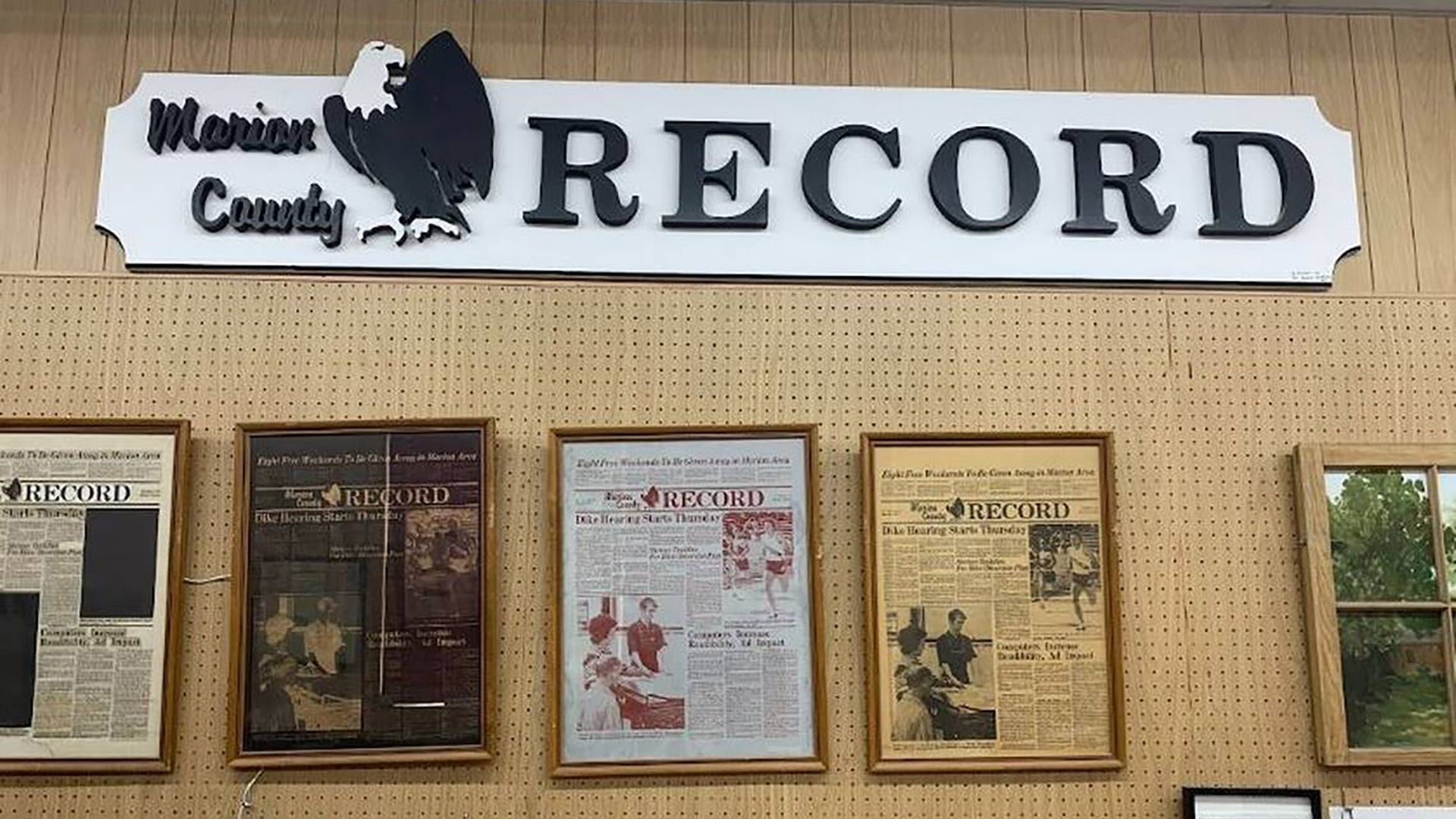
A prosecutor in Marion County, Kansas, withdrew a search warrant after the raid of a local newspaper office and the home of its owners, the Kansas Bureau of Investigation said.
Why it matters: The police raid of the Marion County Record office last Friday prompted First Amendment concerns and was condemned by major news organizations and journalism advocacy groups.
Last year, the Inflation Reduction Act was signed into law — one piece of legislation central to "Bidenomics" the administration has touted in the lead-up to the presidential election.
The impact thus far: A Treasury Department analysis finds the law has spurred stronger business investment, a tailwind for economic growth.
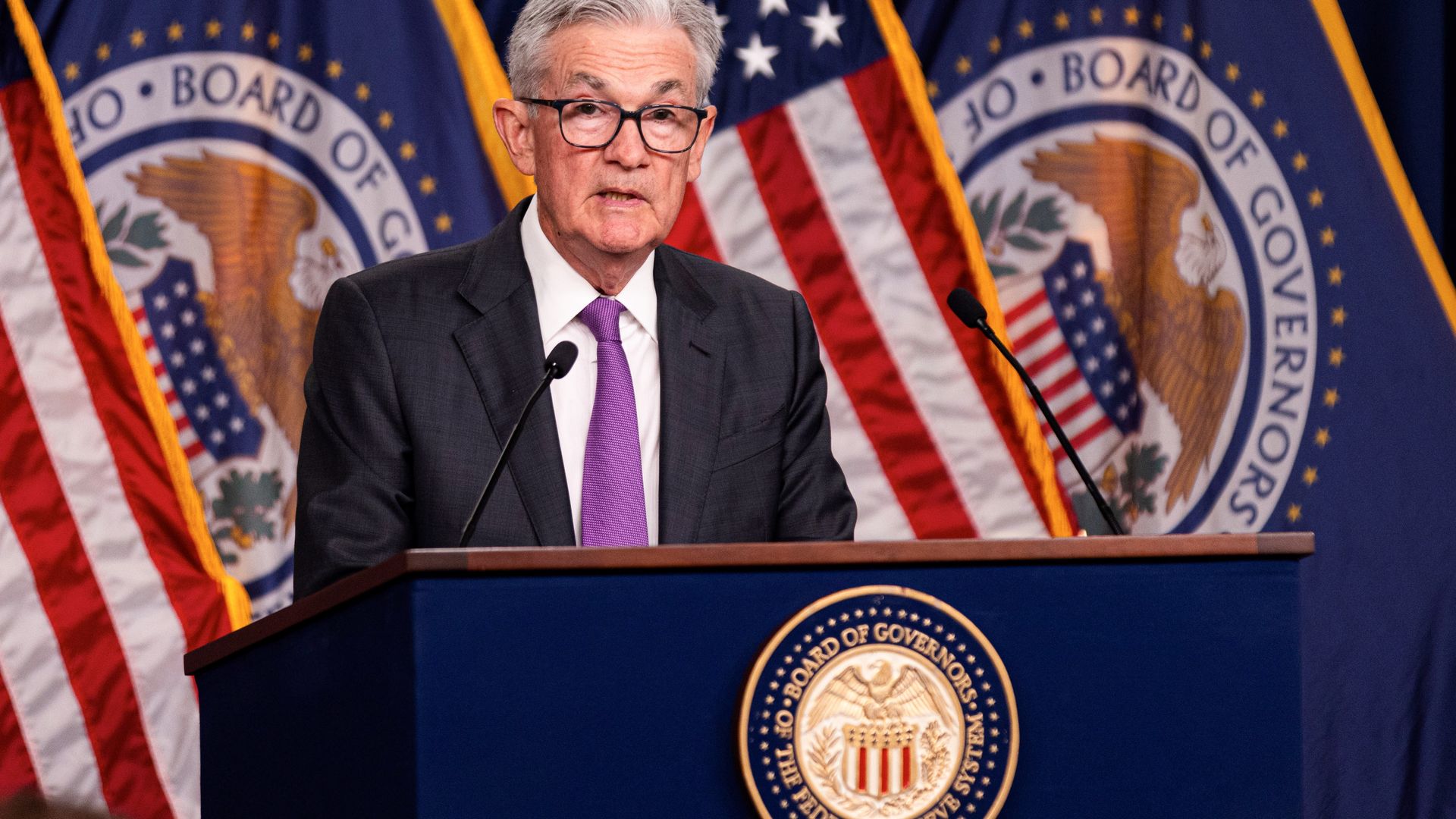
Some Federal Reserve officials favored holding interest rates steady in July, while most saw "significant upside risks to inflation" that could require even higher interest rates, new minutes published on Wednesday show.
Why it matters: The Fed is entering a more complicated era, where inflation is showing signs of cooling, though price pressures remain. That may lead to more division among policymakers about how much more the Fed needs to hike rates and slow the economy.
A run of encouraging data shows the U.S. is on track to cure its inflation problem. The same cannot be said for the U.K., where inflation is proving stubborn.
Why it matters: Policymakers have warned about dreaded outcomes that would make inflation difficult to stamp out, including sticky service sector price gains and rapid pay increases.
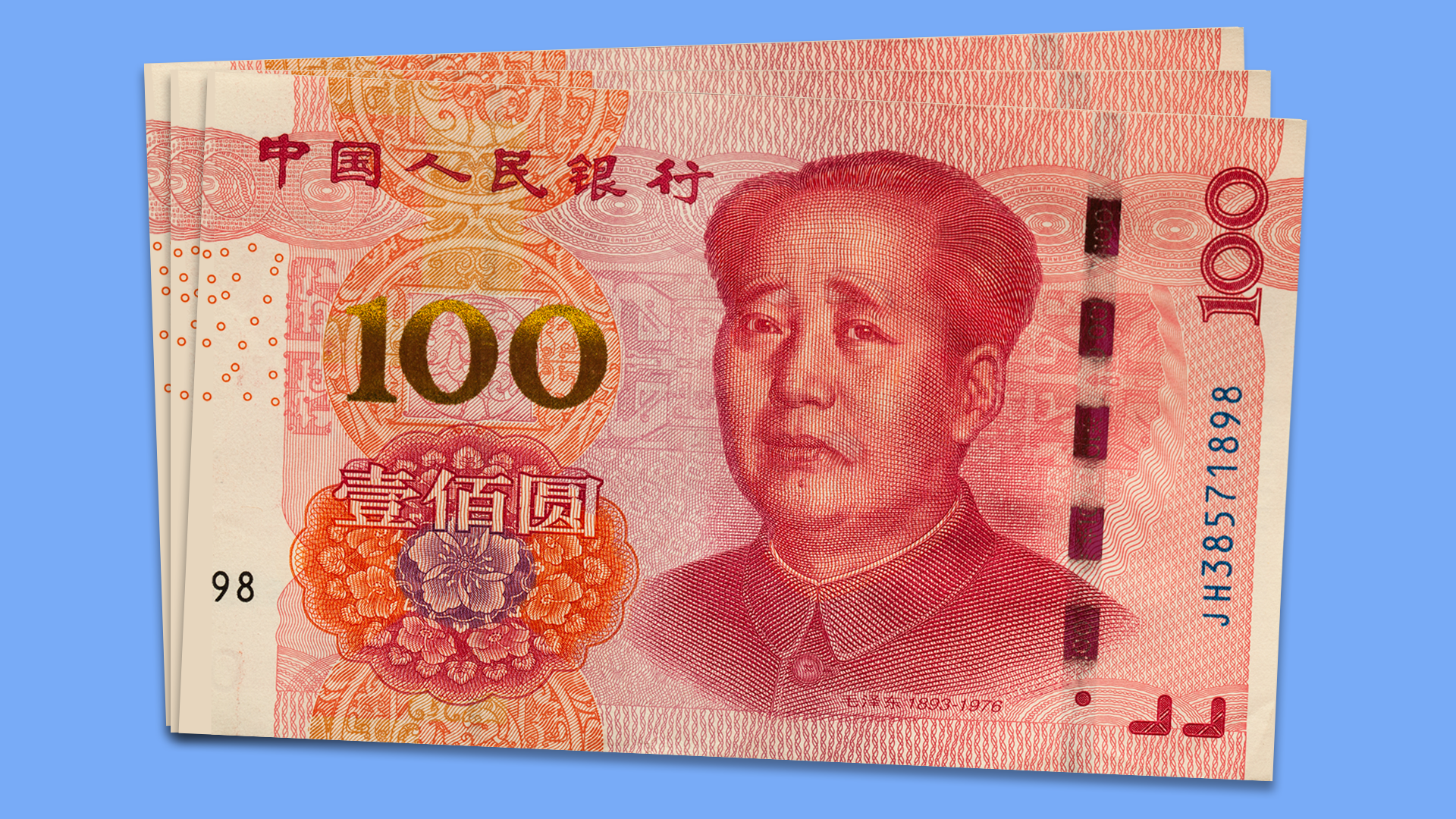
Beijing is caught between rolling out more stimulus to prop up the Chinese economy, or pulling back government incentives that fueled the real estate bubble — and risking a deeper economic slowdown that could create social unrest, experts say.
Why it matters: China has already reported a slew of weak economic data. A collapse in the financial and real estate sectors could plunge the country into recession.
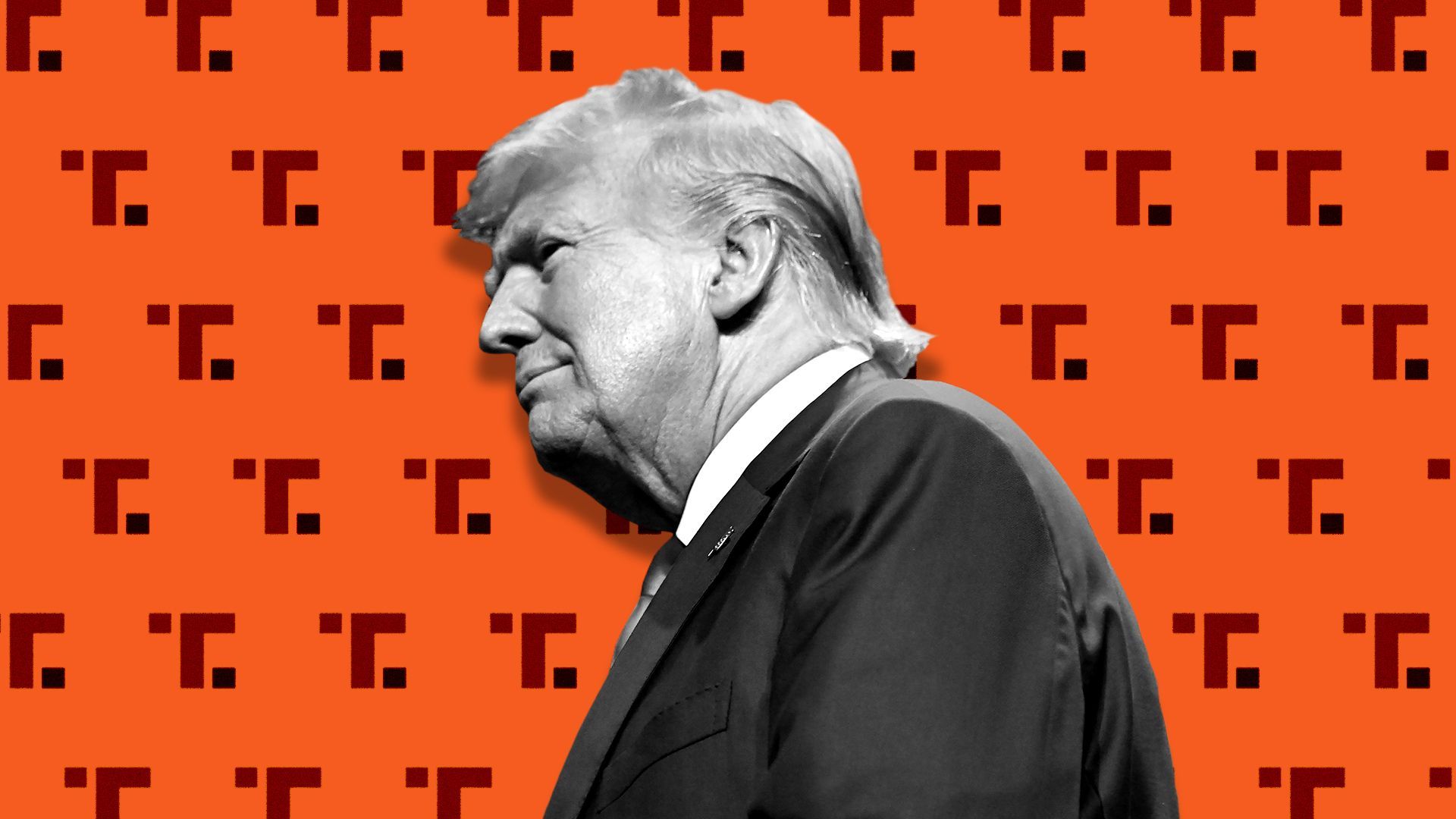
Former President Trump will get to keep control of his social media company, even if he sells most of his shares after it goes public.
Driving the news: Digital World Acquisition Corp., the blank check company merging with Truth Social's parent, recently disclosed the creation of a new class of high-vote stock of which Trump will be the only holder.
TPG has made a preliminary approach to Ernst & Young about buying a stake in its consulting business, according to The Financial Times.
Why it matters: This comes just months after EY ended talks to separate its consulting unit from its accounting unit, due to internal disagreements. The original split plan had been code-named Project Everest.
A flurry of takeover bids for industrial icon U.S. Steel could mean its long-held ticker symbol, "X," may become available.
What happened: Shares of U.S. Steel shot up to around $31 per share this week after dueling takeover bids rolled in from both Cleveland Cliffs and Esmark, each valuing the company at $35 per share.
China's weak economy drove down commodity prices Tuesday, as well as shares of companies with big business ties to the People's Republic.
Why it matters: The S&P 500 has rallied this year as the odds of a U.S. downturn seemed to shrink — but a deep downturn in the world's second-largest economy could still sting American markets.
The largest treasury departments in corporate America switched up their banks earlier this year after the implosion of Silicon Valley Bank.
Why it matters: Multibillion-dollar companies, it turns out, are just like us! Even more so, in fact. They got complacent when it came to managing their cash, and then scrambled to get their finances in order once they were alerted to the risks they weren't aware they were taking.
The amount of wealth in the world is set to rise substantially even as inequality declines. That's the conclusion of Swiss bank UBS' 14th annual global wealth report.
Why it matters: The story of the 19th and 20th centuries was broadly one in whichnew wealth went mostly to the rich — both in terms of individuals and in terms of countries. That's now changing, fast.