Goldman Sachs' second quarter was a reflection of the many weak spots of the financial services industry, as well as a few of its own making.
The company reported a 58% year-over-year decline in earnings this morning attributable to an ongoing deals slump and commercial real estate woes anda write-down in its consumer business.
Tesla's price cut strategy has boosted sales amid growing competition and a global EV price war, but it's also squeezed profitability.
Driving the news: The company's gross margins fell to 18.2% in the second quarter, continuing a decline that began about a year ago and coming in below analyst expectations of 18.8%.
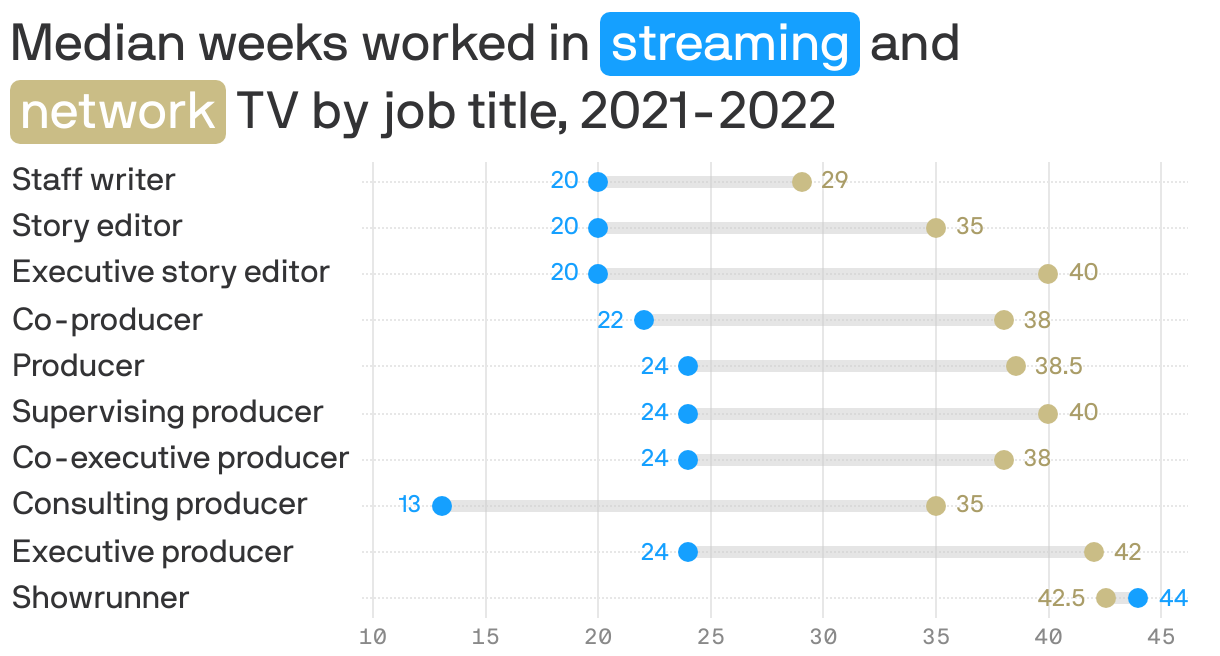
Data: Writers Guild of America; Chart: Rahul Mukherjee/Axios
Streaming's dominance of television viewership means more writers are beholden to the fluctuating schedules and budgets that come with working for digital-first platforms.
Why it matters: Previously predictable streams of income are now harder to find, and writers and showrunners are often workingfor less, according to the Writers Guild of America, one of the two unions on strike against the studios.
Netflix's stockslipped roughly 5% in after-hours trading Wednesday after the company said it missed Wall Street revenue expectations, despite adding more subscribers than expected for the second quarter.
Why it matters: Beating expectations for paid subscriber additions suggests Netflix's new crackdown on password sharing in the U.S., and the rollout of its ad-supported tier, are paying off.
Regulators are rushingto get ahead of whatever dangers they believe artificial intelligence may unleash — and the Securities and Exchanges Commission is no exception.
Driving the news: In a speech Monday at the National Press Club, SEC chair Gary Gensler discussed the potential challenges to markets that AI could cause.
Crypto exchanges and platforms in Canada could potentially be required to submit to surveillance that will help securities regulators keep a closer eye on market activity.
Microsoft now has until the end of Oct. 18 to close its deal to purchase Activision Blizzard, according to a revised agreement announced by the companies Wednesday.
Why it matters: Regulatory concerns made it uncomfortable, if not impossible, for Microsoft to complete its purchase by midnight on Tuesday, the original deadline.
RISC Zero has raised $40 million in support of its mission to bring advanced cryptographic tools to all blockchains.
Why it matters: With venture capital increasingly scarce, RISC Zero's success shows how there's still hope for some startups to attract money in a down market and a beleaguered world for crypto.
Here's another indication of just how much better-than-expected the economic news has been lately: The Citi Economic Surprise Index — a widely followed indicator that provides a quick-and-dirty snapshot of how the economy is faring against expectations — just hit its highest level in the last two years.
How it works: Citi surprise indexes show how economic data compares with consensus analyst expectations.
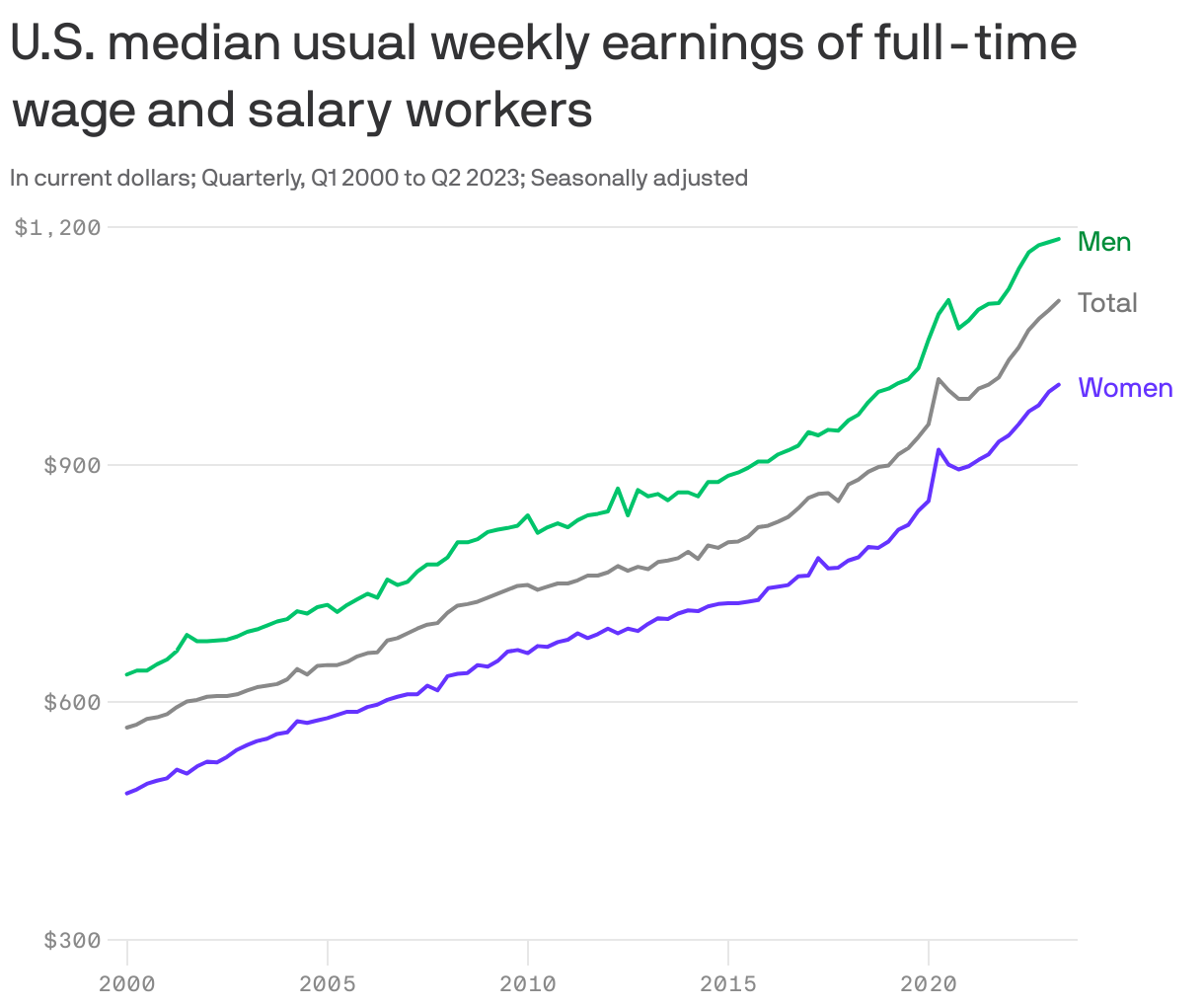
Another measure just dropped showing that wages are beating inflation.
Why it matters: Paychecks are a crucial way Americans experience the economy, and for a while there inflation was shrinking people's real wages — making them feel pretty miserable.
Wednesdays are starting to look downright crowded in Manhattan workplaces, with office visitation rates at 73% of where they were in 2019, per a new report.
Why it matters: The data exemplifies the hybrid work world that's emerged in the wake of the pandemic, where offices are at their most crowded Tuesdays through Thursdays.
Amid much finger-pointing about who's to blame for recent air travel delays, federal aviation officials are doubling down on efforts to explain the cause of major day-to-day issues in real time.
Why it matters: While learning why your flight is delayed won't get you to Cabo or Cancun any faster, it can at least shed some light on the oft-misunderstood world of airspace management.
Antitrust regulators' frustrations with Big Tech are evident in a new draft of the Department of Justice and Federal Trade Commission's proposed joint merger guidelines released Wednesday morning.
Driving the news: The new guidelines — which will now be subject to a public comment period — specifically call out "multi-sided platforms," along with rules more subtly aimed at acquisitions for taking out potential competitors, as well as at minority investments.
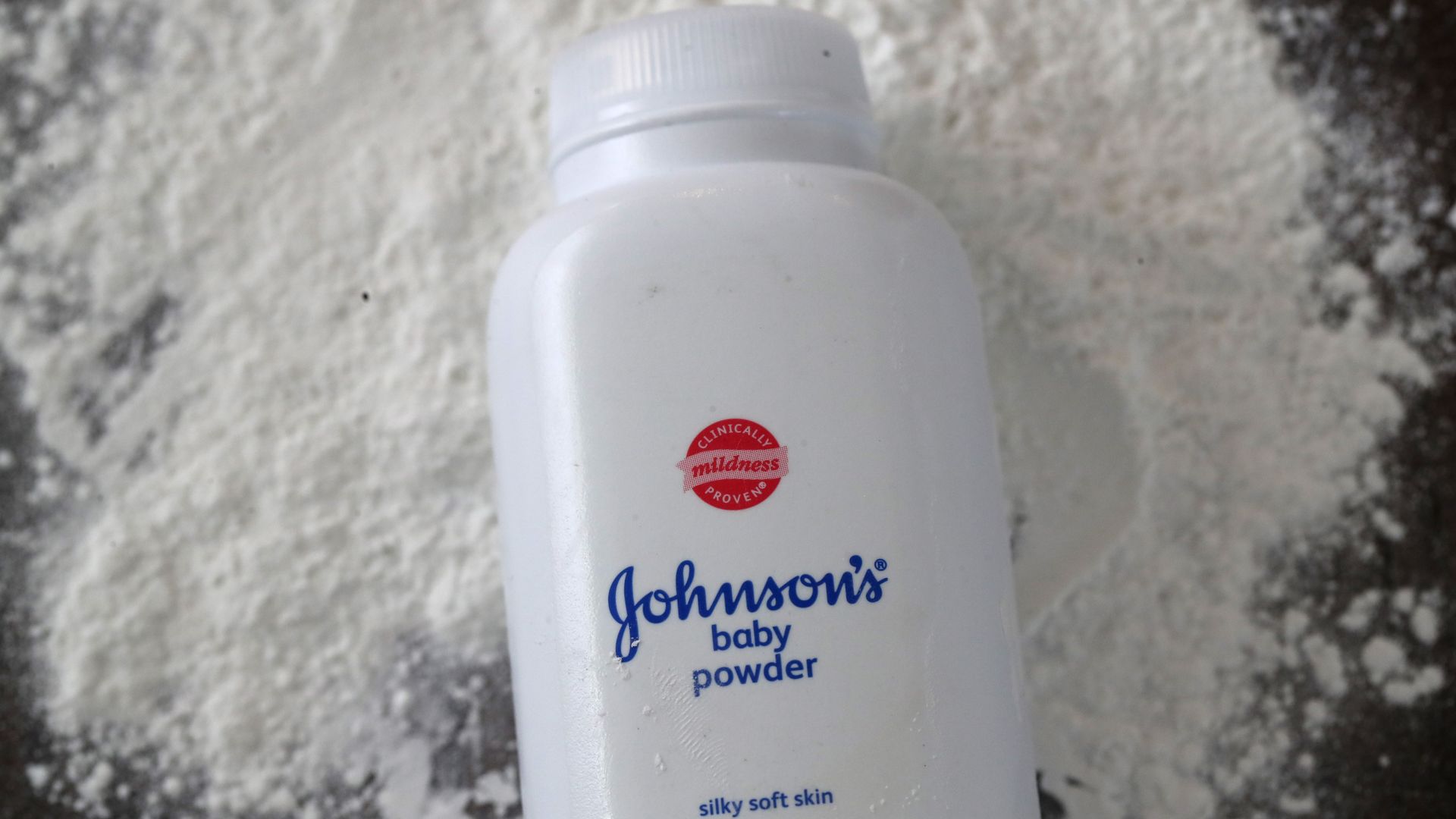
Johnson & Johnson was ordered by a California jury on Tuesday to pay $18.8 million to a man who said in a lawsuit that he developed cancer due to exposure to its baby powder, per Reuters. J&J said it will appeal the decision.
Why it matters: J&J is seeking to settle lawsuits from cancer survivors and their families who allege the company's talc-based powder caused their illness while denying that this is the case.












/2023/07/17/1689611128592.gif?w=3840)