Thai transgender business mogul Anne Jakapong Jakrajutatiphas become the first woman to own the Miss Universe pageant after purchasing the franchise for $20 million.
Driving the news: IMG announced Wednesday that it has sold The Miss Universe Organization, which oversees the annual competition, to Thailand-based JKN Global Group, a media company that Jakrajutatip leads as CEO.
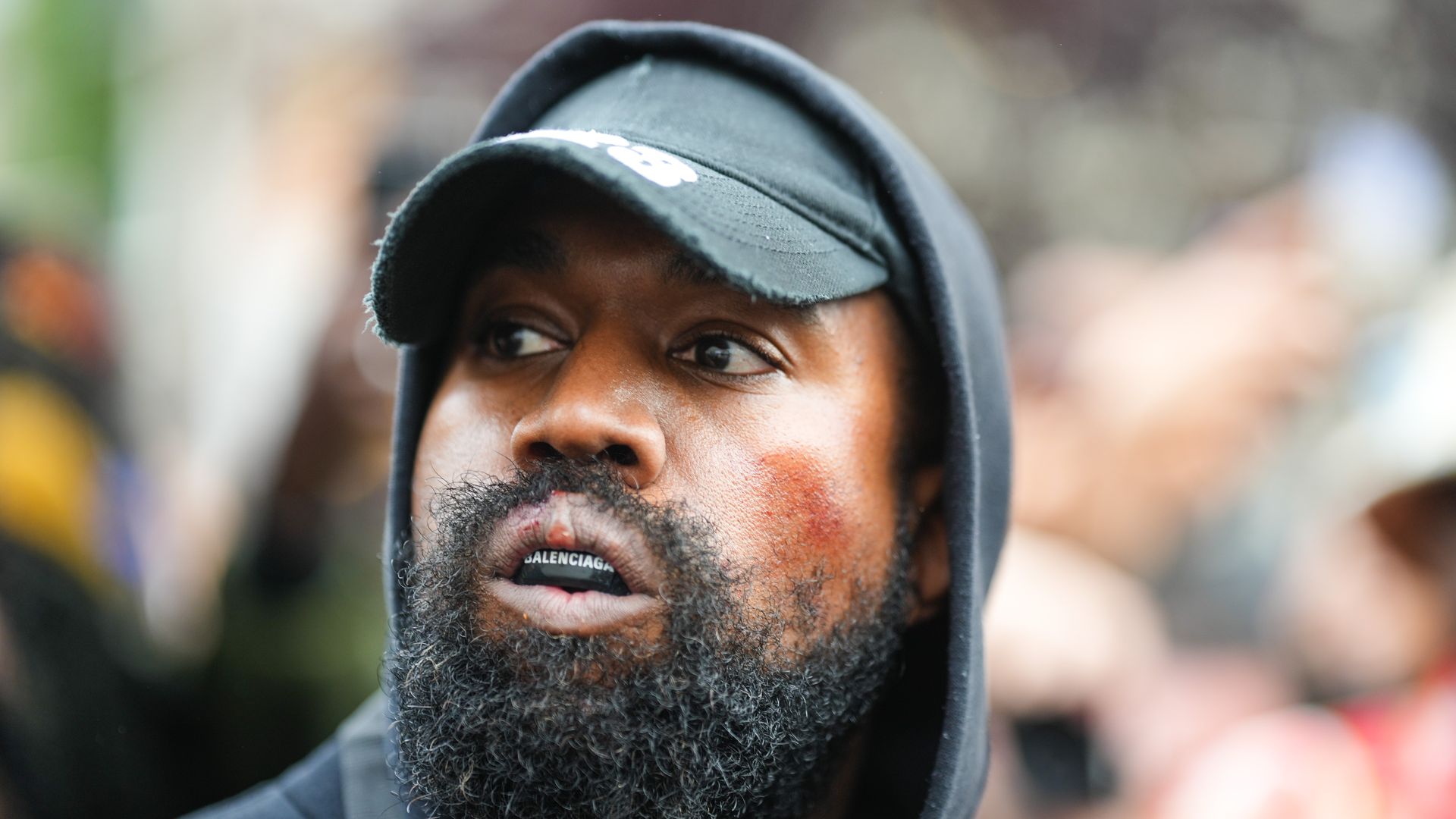
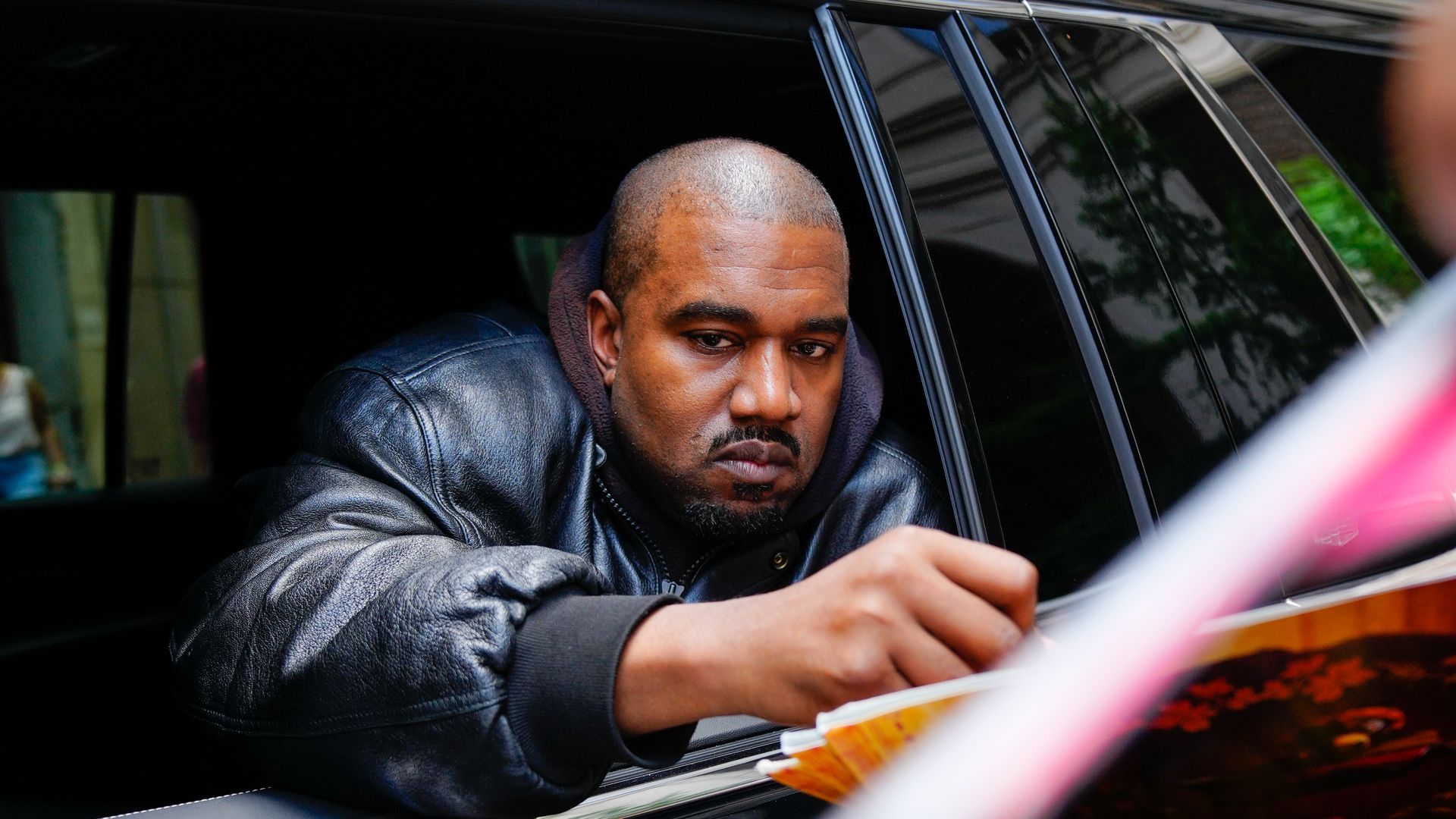
Ye arrived "unannounced and without invitation" at Skechers' corporate office in Los Angeles on Wednesday, per the company, in the wake of fallout over his recent antisemitic comments.
Driving the news: Ye, the artist formerly known as Kanye West, was allegedly "engaged in unauthorized filming" and was escorted from the building by two executives, Skechers said in a statement.
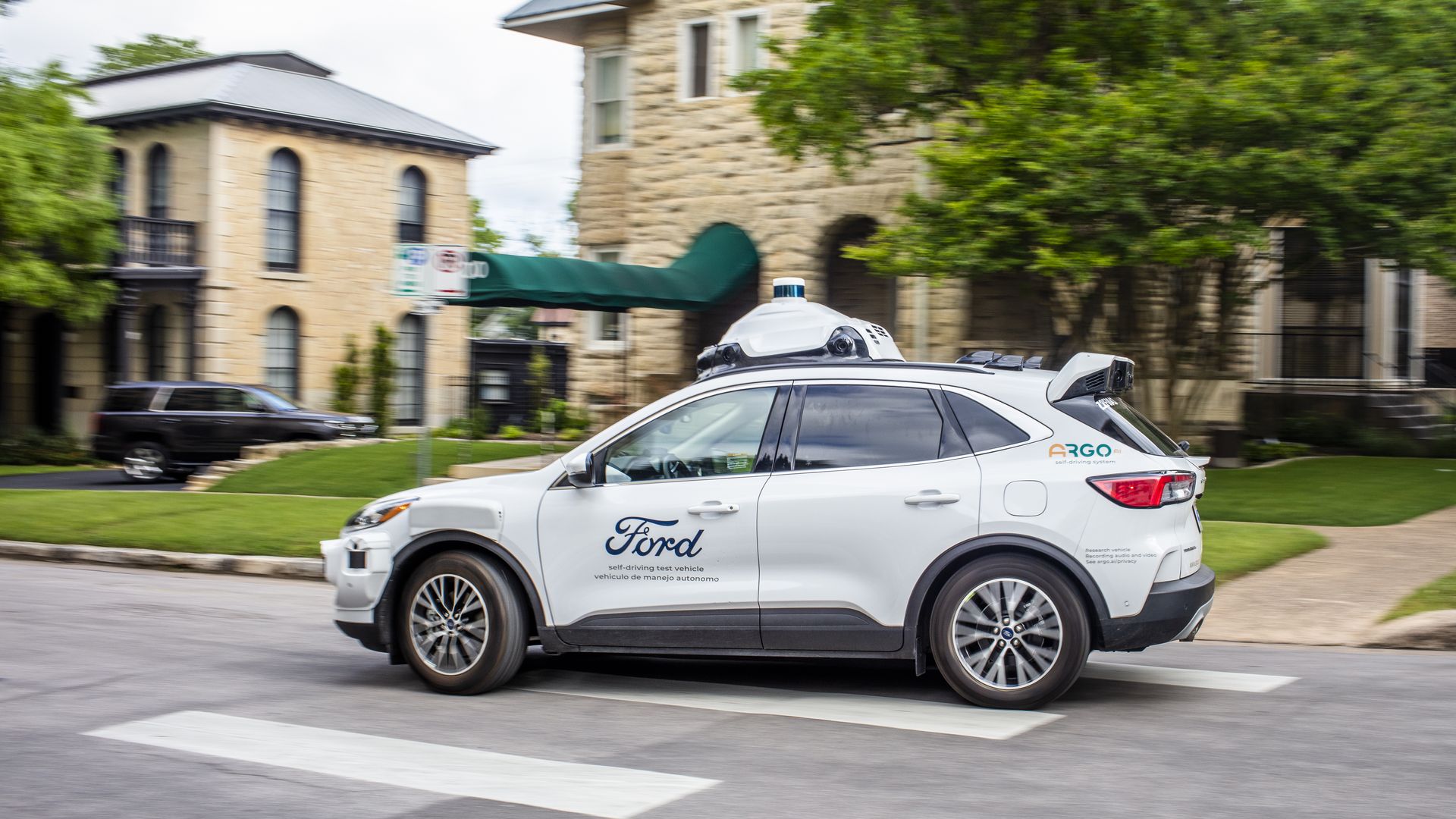
Ford and Volkswagen are pulling the plug on their autonomous vehicle joint venture, Argo AI, which had failed to find other investors and is shutting down its operations.
Why it matters: The retreat by the two giant automakers is a strong signal that the path to fully self-driving cars is too long — and too expensive.
Meta shares fell more than 10% Wednesday after the tech giant reported third quarter results that missed investor expectations on earnings, but beat them marginally on revenue and user growth.
Why it matters: After decades of unprecedented revenue and profit growth, Meta's ad business is beginning to slow, thanks to increased competition from TikTok and Apple and overall uncertainty around the economy.
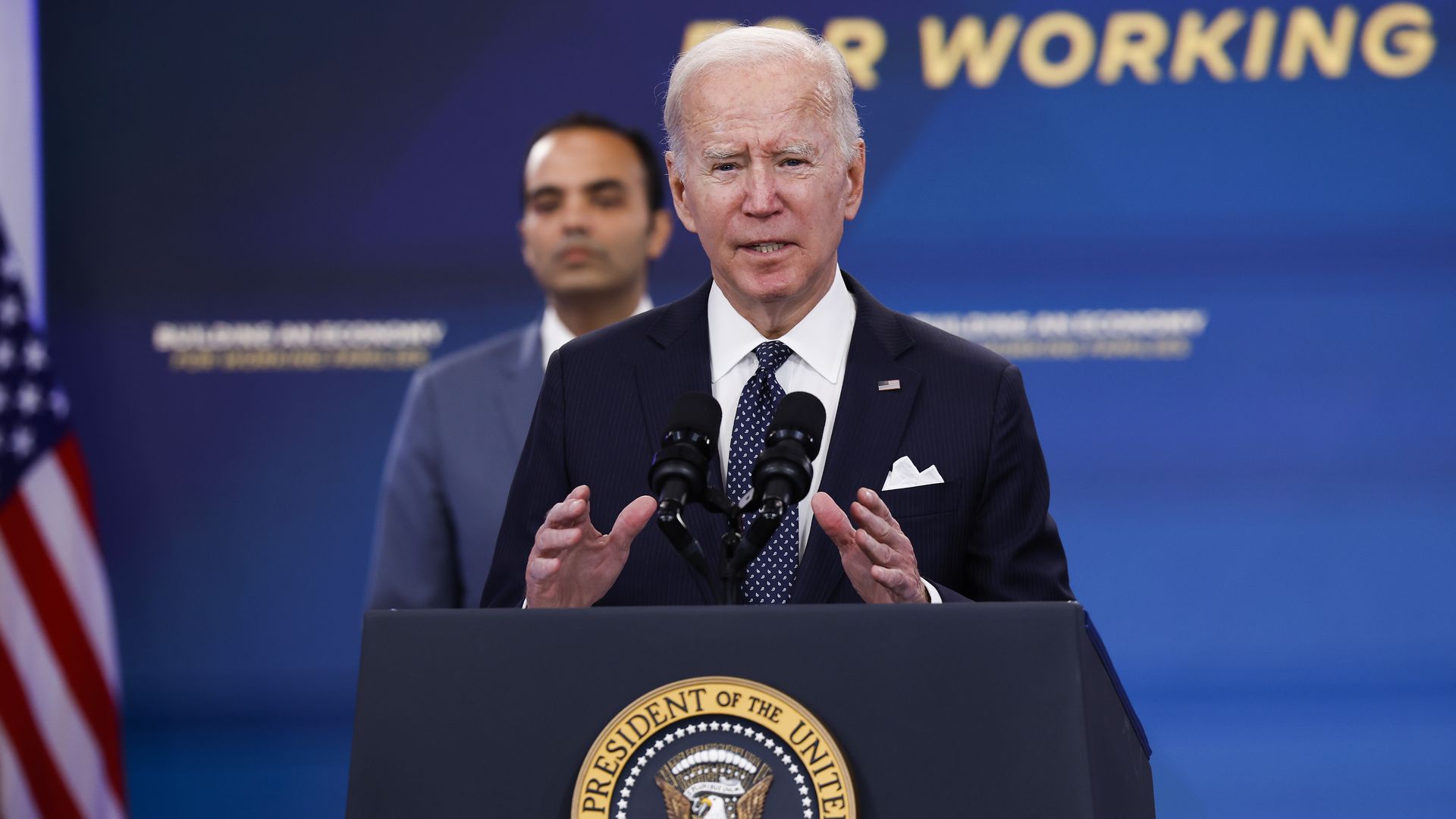
The White House announced new guidance on Wednesday that targets some banking fees charged to consumers — touting it as part of a broader "junk fee" crackdown as Americans remain concerned about rising costs.
Why it matters: The guidance comes from the Consumer Financial Protection Bureau, a regulatory watchdog that for months has warned against overdraftfees. Against that backdrop, some banks have changed their overdraft policies, or nixed the fees altogether. This new guidance, however, is the agency's strongest message yet to banks that haven't gone far enough.
A union representing nearly 6,000 railroad workers voted down a tentative contract agreement with freight railroad companies Wednesday brokered by the White House last month.
The big picture: The rejection from the Brotherhood of Railroad Signalmen (BRS) could mean a nationwide rail strike just in time for the holidays, potentially devastating the economy.
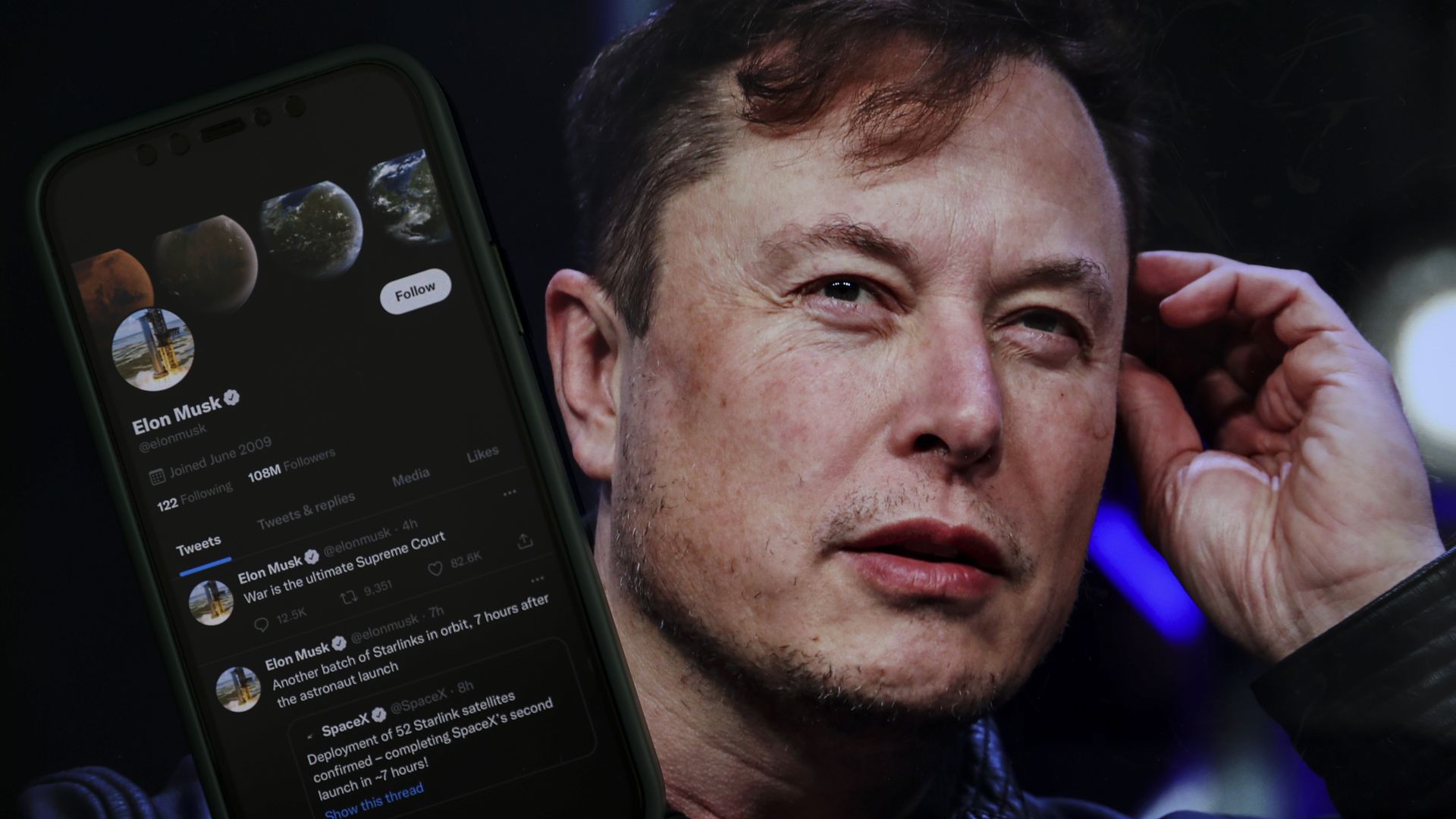
Elon Musk strolled into Twitter headquarters Wednesday afternoon –and he brought a bathroom sink with him.
Driving the news: Musk visited Twitter's HQ in San Francisco ahead of an expected meeting with employees, as he nears closing a deal to buy the social media company for a reported $44 billion, putting an end to a dramatic saga that's been ongoing since March.
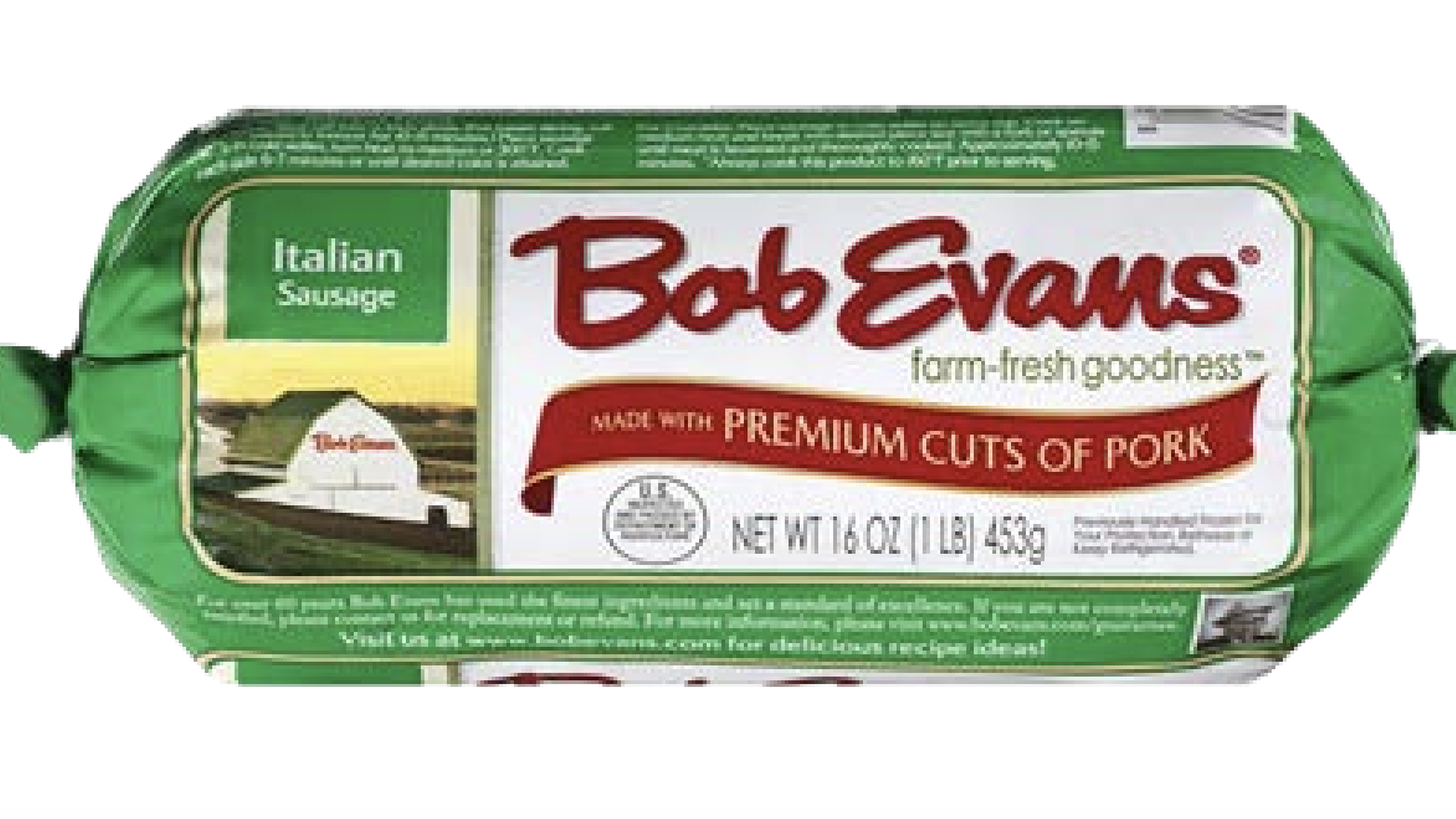
Bob Evans Farms Foods is recalling close to 7,600 pounds of Italian pork sausage that may be "contaminated with extraneous materials, specifically thin blue rubber," according to an alert posted by the USDA.
Why it matters: The Department of Agriculture's Food Safety and Inspection Service is urging consumers not to eat the sausage products and said they should be "thrown away or returned to the place of purchase."
At least eight organizations and two star athletes have in recent days distanced themselves from Ye, the artist formerly known as Kanye West, after he made multiple antisemitic comments.
The big picture: Antisemitic incidents have been on the rise in the U.S., hitting an all-time high in 2021, the Anti-Defamation League said earlier this year.
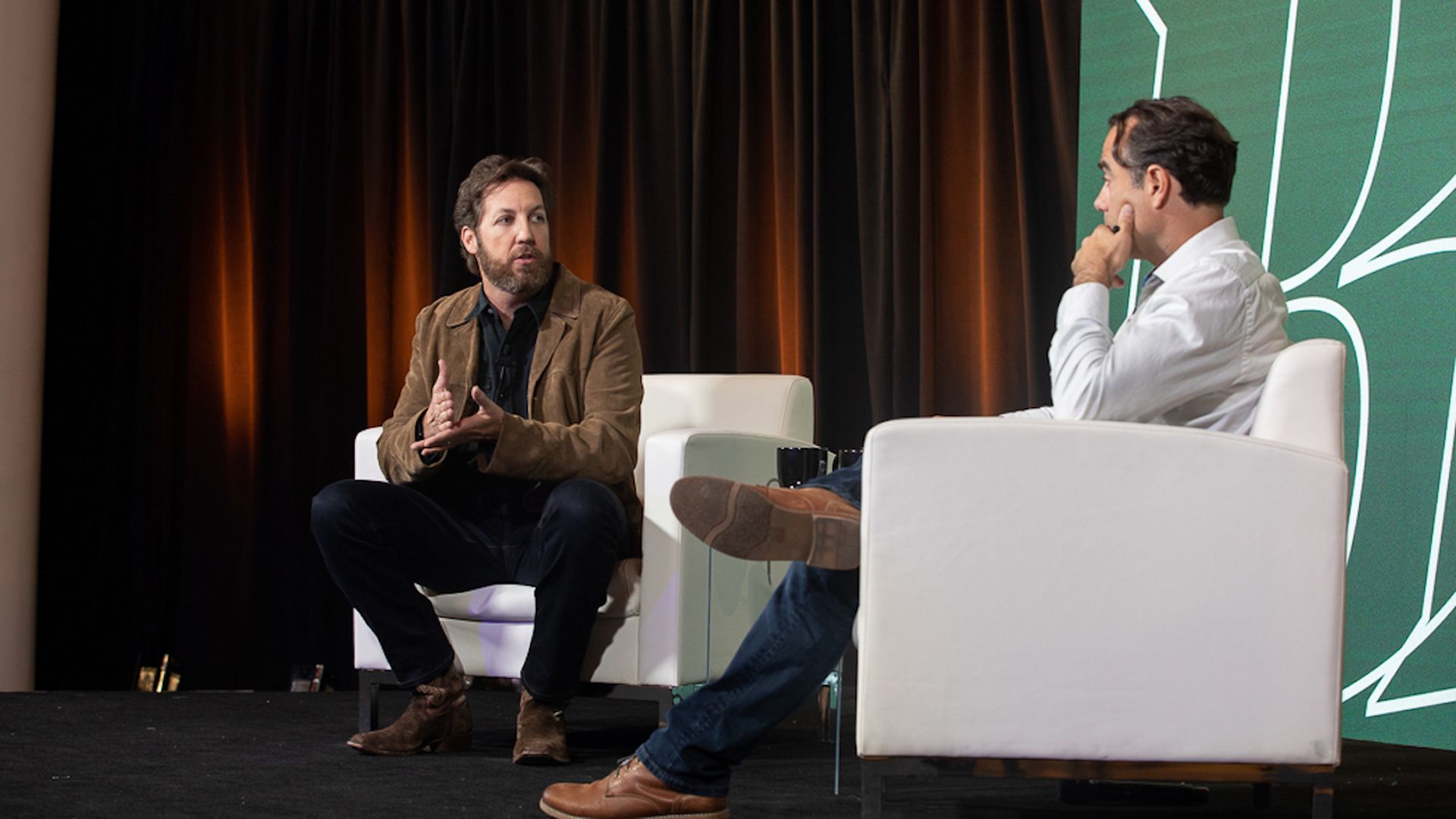
Lowercase Capital and Lowercarbon Capital founder Chris Sacca is souring on hydrogen startups and direct air capture, instead leaning toward startups that accelerate natural forms of carbon capture, he said at the Axios BFD event Wednesday.
Why it matters: Lowercarbon is one of the most active investors in climate tech and can help accelerate investment from other groups when it stakes its claims.
New York Stock Exchange president Lynn Martin warned this morning at the Axios BFD gathering that tracking certain supply chain emissions poses a particular challenge to some businesses.
Why it matters: The comments come as the SEC hammers out new rules for public companies to disclose their carbon emissions and climate risks.
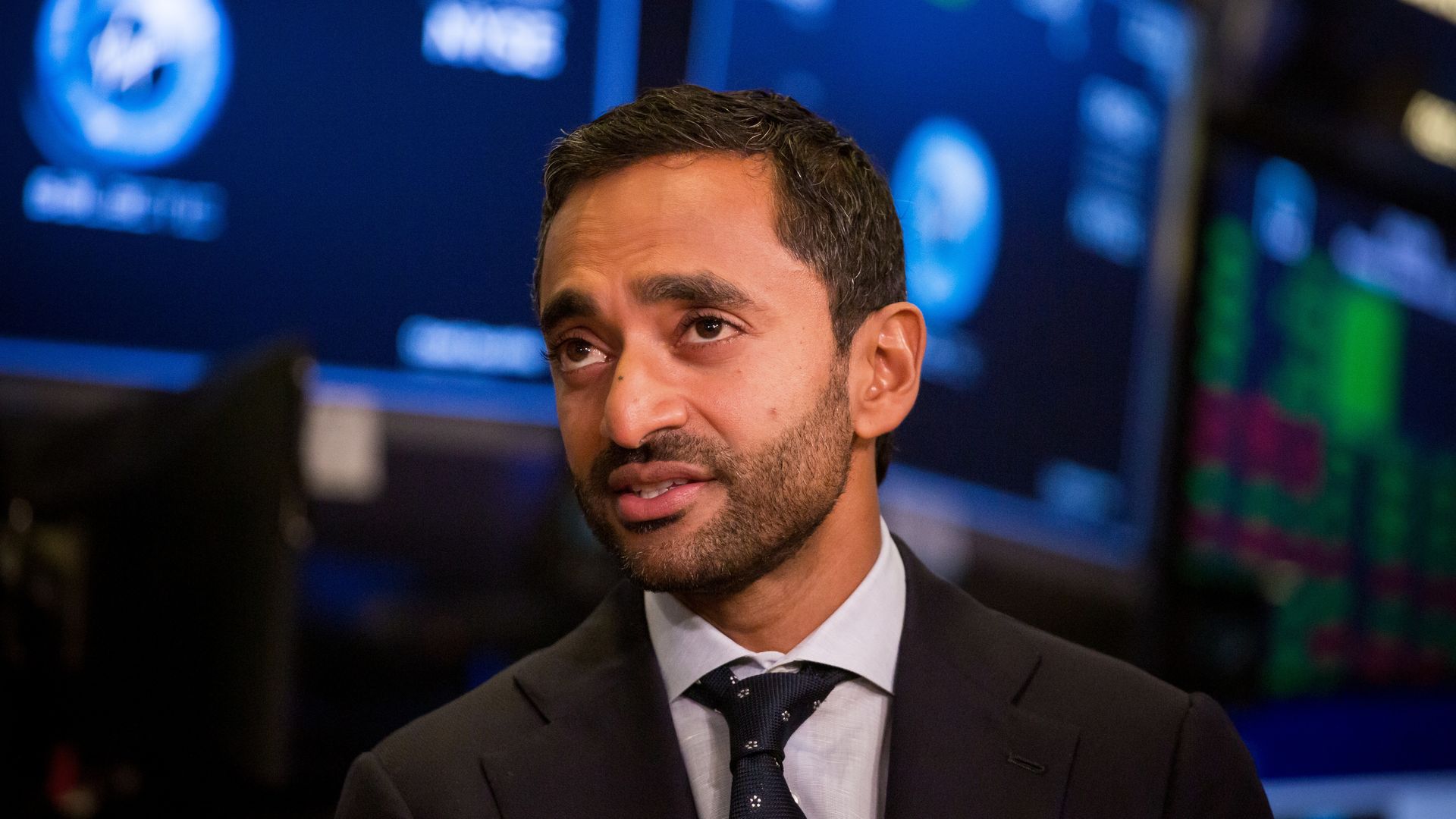
Investors in risky asset classes "massively benefitted" from years of ultra-easy monetary policy, Chamath Palihapitiya, founder and CEO of Social Capital, said at the Axios BFD event Wednesday.
Why it matters: Chamath made his name as a boastful memelord, leading a crowd of retail-investor apes into SPACs and crypto. Now he's wearing a dark suit, talking about risk-adjusted returns and intellectual rigor, and remorsefully saying that he was blinded by zero interest rates.
Disney+ hopes to capitalize on the popularity of Star Wars and the attention span of the TikTok generation with a new 90-minute-long animated TV series, “Tales of the Jedi," out this week.
Why it matters: The popular platform — which has become a streaming rival of Netflix — is seeking to grow its audience by making content easier for the TikTok generation to digest, which could lead to more subscribers and revenue down the road.
There's been a surge of about 900,000 people with disabilities in the U.S. workforce since 2020, likely because of the increase in Americans with long COVID, according to new research published by the Federal Reserve Bank of New York.
Why it matters: It's an encouraging sign, in one sense. Disabled Americans face enormous obstacles in the job market; if folks with long COVID can keep working, that means some employers are accommodating their needs.
The rate on the 30-year-mortgage hit 7.16%, the highest since 2001, according to data released Wednesday morning from the Mortgage Bankers Association.
Why it matters: Fast-rising rates have flattened the once-frothy housing market. Home prices are falling quickly, but not fast enough to make home buying affordable for anyone looking to buy right now.
American home prices fell by 2.4% in just the two months from June to August. On the other hand, they're still up 4.8% in the past six months, 13.1% over the past year, and 42.2% since the pandemic hit.
Why it matters: Prices could fall a lot further yet.
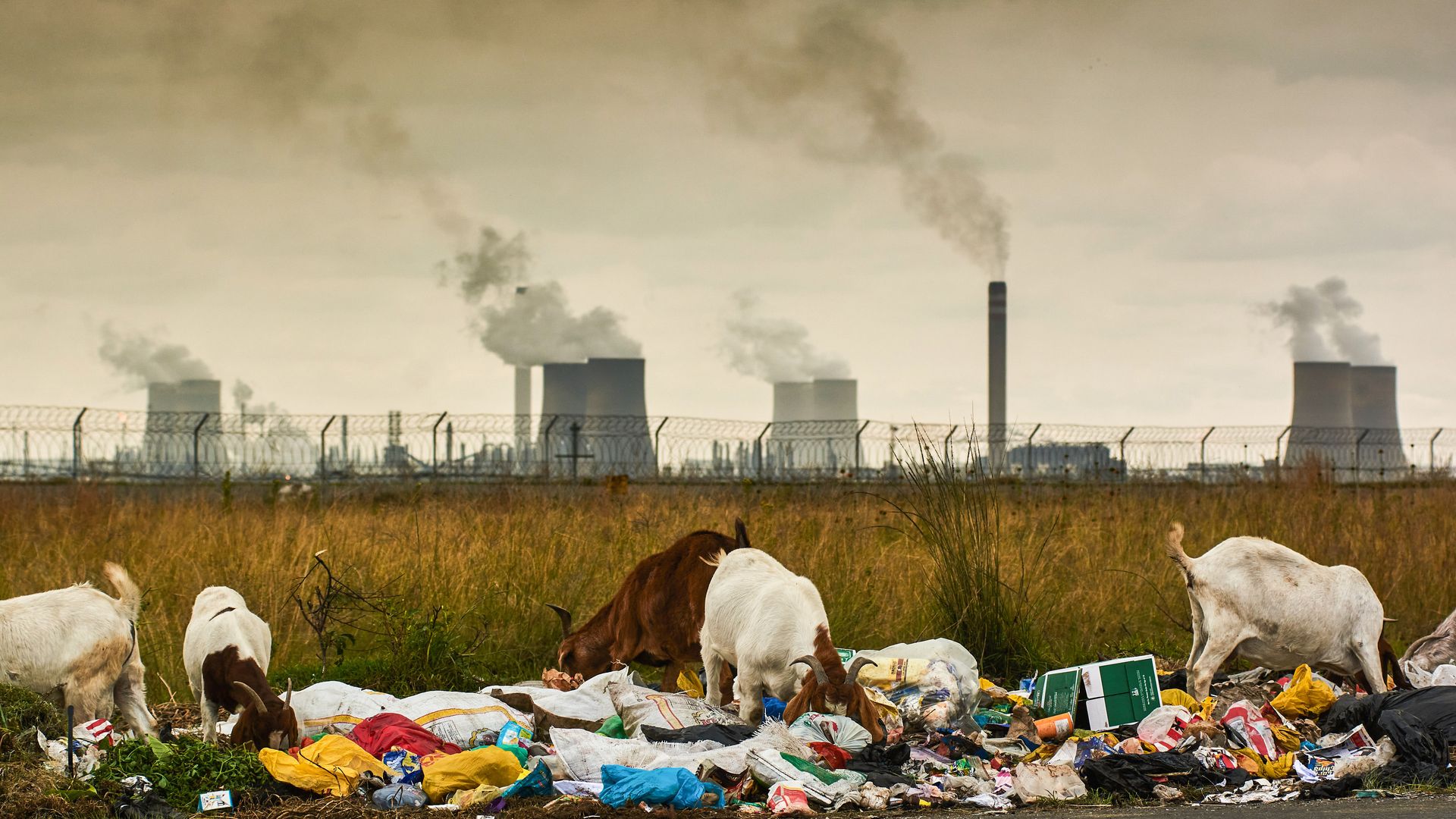
Fossil fuel "addiction" is rapidly worsening climate change as the related effects of extreme weather leave 98 million people facing severe food insecurity and heat-related deaths surge, a new report warns.
The big picture: The burning of fossil fuels including coal, oil and natural gas that cause toxic air pollution kills some 11,800 Americans and about 1.2 million people globally every year, according to the report, published in the medical journal The Lancet Tuesday ahead of next month's UN Cop27 climate summit in Egypt.