Bet on the future, or focus on the present. Bear markets and fears of economic slowdown have a way of lending urgency to the question for public companies.
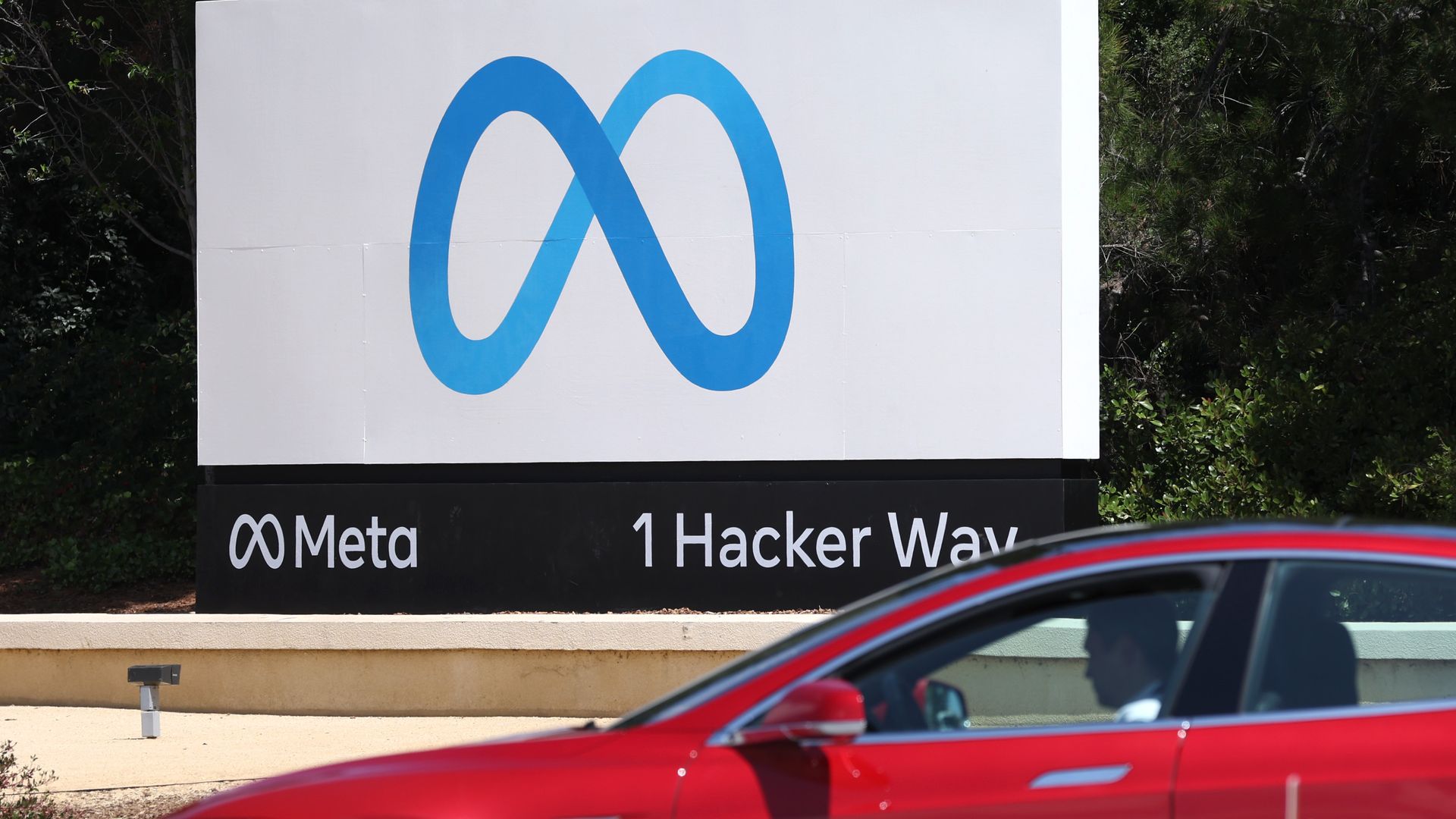
Driving the news: Meta and Ford Motor Co. — two entirely different companies with two vastly different existential challenges to confront — are taking divergent routes as they navigate a similar decision tree.
Amazon's profit engine Amazon Web Services (AWS) slowed last quarter, disappointing investors who then sent shares down more than 20% after hours Thursday.
Why it matters: The results come as Amazon's core e-commerce unit is softening as well — a downshift that began when people began to spend more time and money outside their homes.
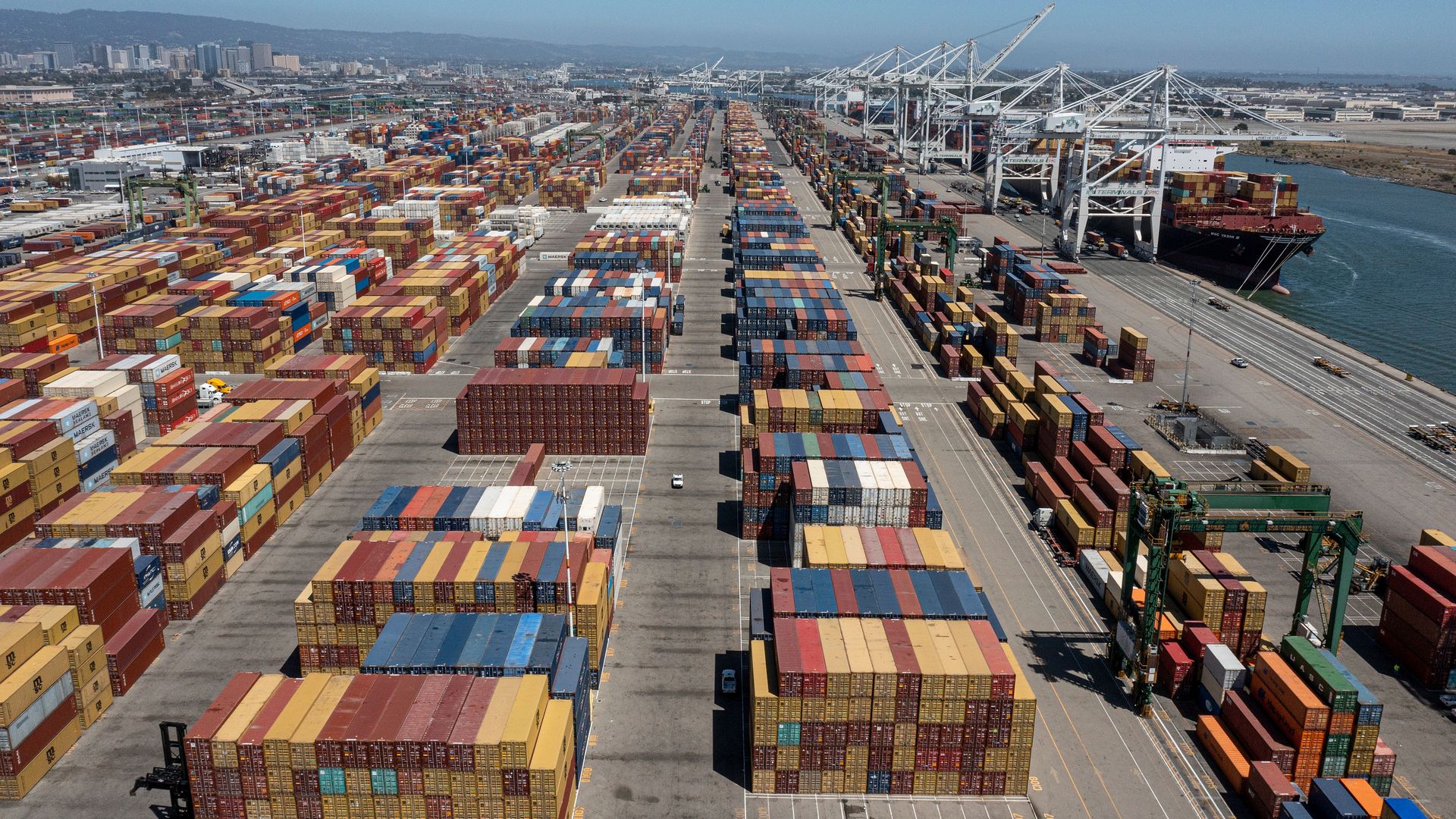
More than 300 trade organizations, increasingly anxious about the possibility of a rail worker strike, urged the White House in a letter Thursday to push harder to avert that disaster.
What they're saying: "We can’t overstate how vital it is for retail supply chains, consumers, and the economy — particularly ahead of the holiday shopping season — to avoid a strike here," Caroline Niery, a communications director at the Retail Industry Leader Association, one of the signatories, tells Axios.
The new GDP numbers are out, and one striking thing to draw from them is this: The housing sector is overwhelmingly bearing the brunt of the Federal Reserve's efforts to slow down the economy, especially with mortgage rates topping 7%.
Why it matters: The Fed's rate hike campaign is succeeding at slowing the overall economy, but the burden disproportionately falls on those trying to buy, sell or build houses. That makes the policies less effective at bringing down inflation than they might be if the impact were wider.
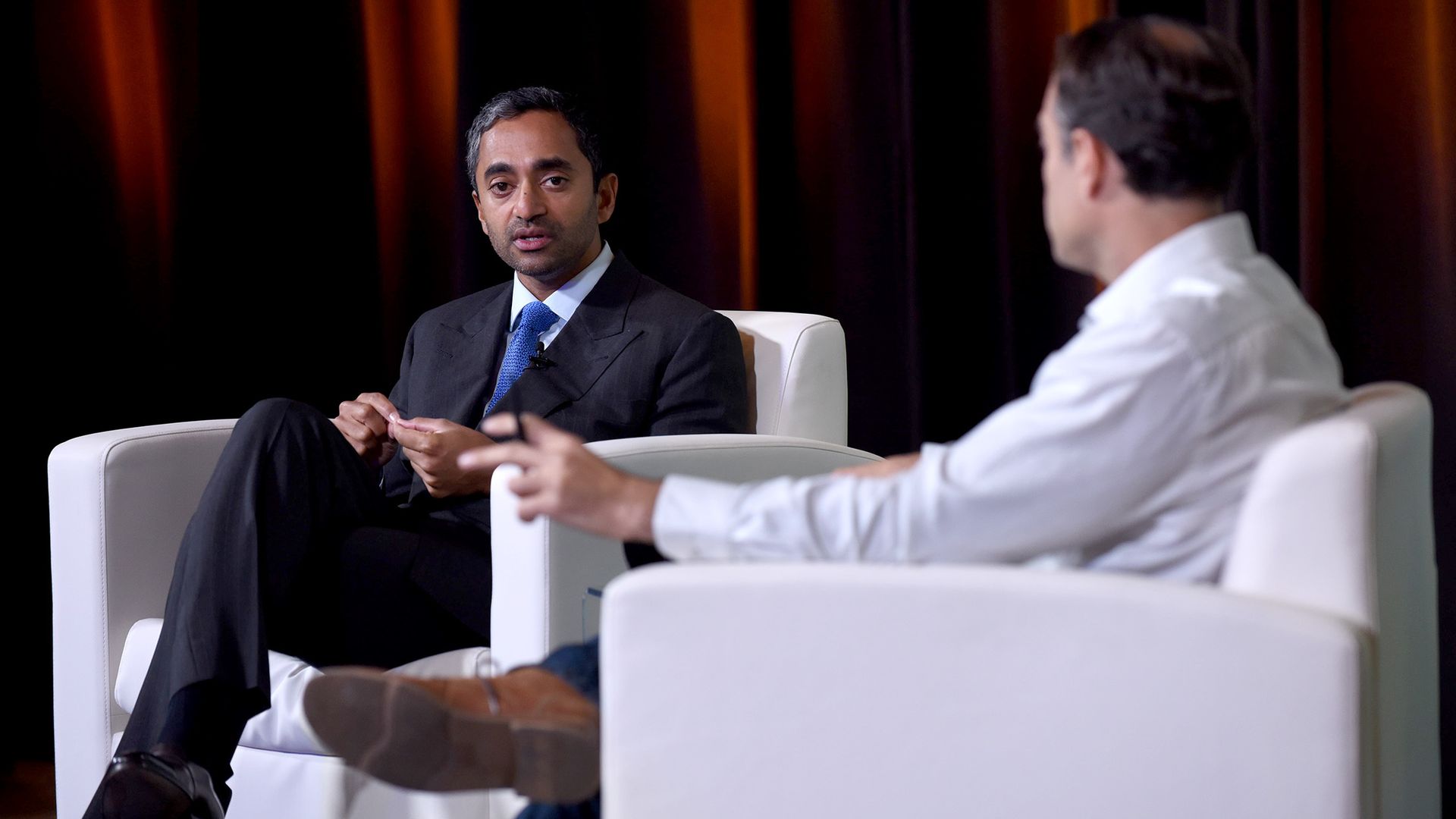
One can bring the whales to crypto waters, but getting 'em to dive in after the past year's events will require more finesse.
Why it matters: Trillions in market capitalization in crypto has been wiped out during the market rout. And while a bounce doesn't necessarily require institutional involvement, Big Money could help blunt the volatility characteristic of crypto markets.
A major publicly-traded crypto mining operator says its cash reserves might not last for long, alarming investors about its solvency. The firm warned that it could, among other things, file for bankruptcy.
Driving the news: Shares of Core Scientific plunged roughly 75% Thursday morning to a low of about 25 cents, making it the year's biggest loser of major publicly-traded U.S. bitcoin miners.
Elon Musk said in a note Thursday that Twitter must be "warm and welcoming to all" and not a "free-for-all hellscape" in order for it to reach its full potential.
Why it matters: In an overture to advertisers, Musk seemed to walk back the idea of total free speech on Twitter and promoted it as a digital town square with some limitations.
The U.S. economy expanded at a 2.6% annual rate in the third quarter, ending the streak of back-to-back contractions that raised fears the country had entered a recession.
Why it matters: Gross domestic product got a boost from trade dynamics, but the underlying details — including weaker housing and decelerating consumer spending — point to an economy that's slowing.
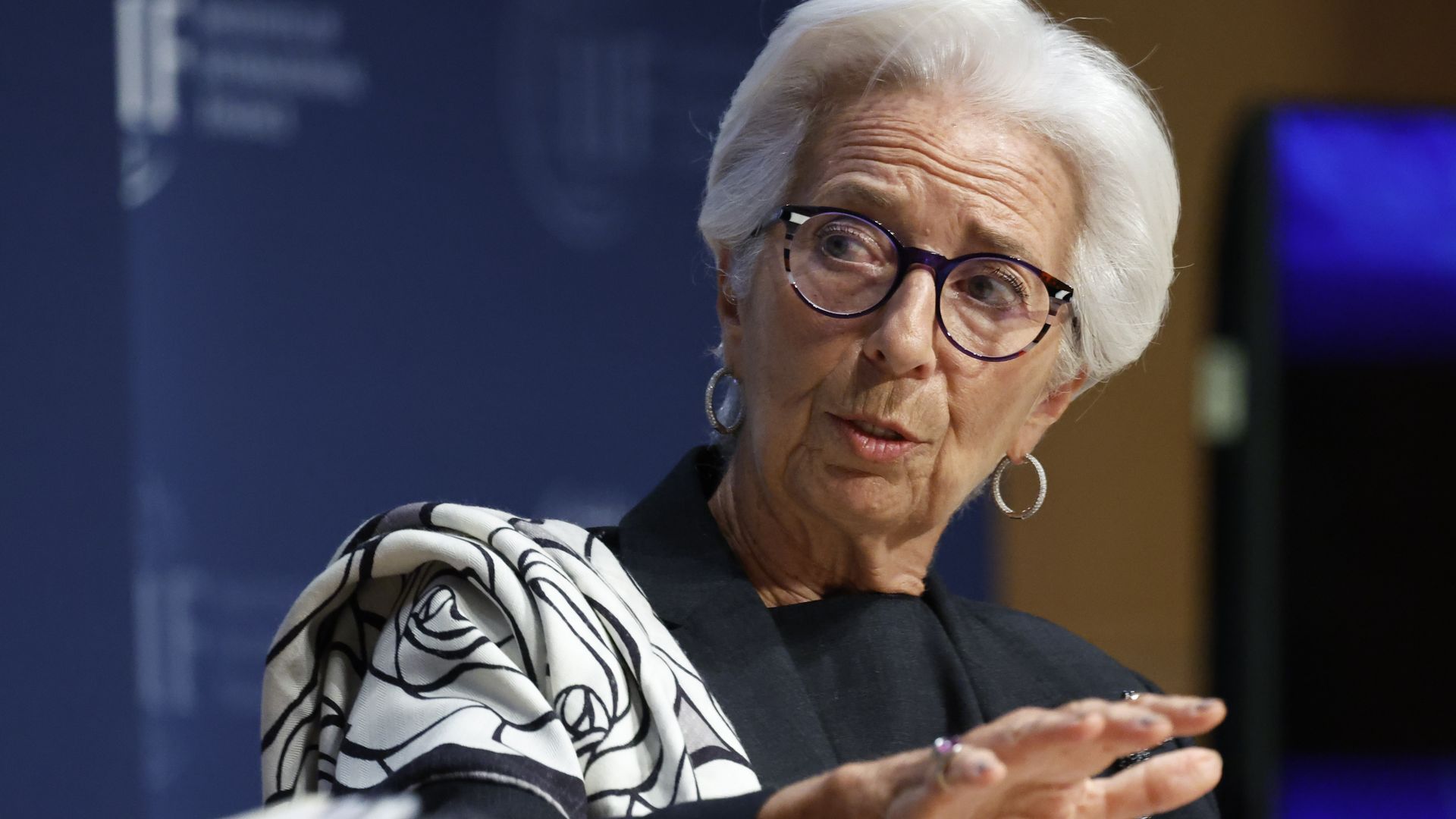
Why it matters: The central bank raised borrowing costs by three-quarters of a percentage point, the second consecutive hike of this magnitude. The move risks further crushing the euro-area economy, which is already feared to be on the brink of a recession.
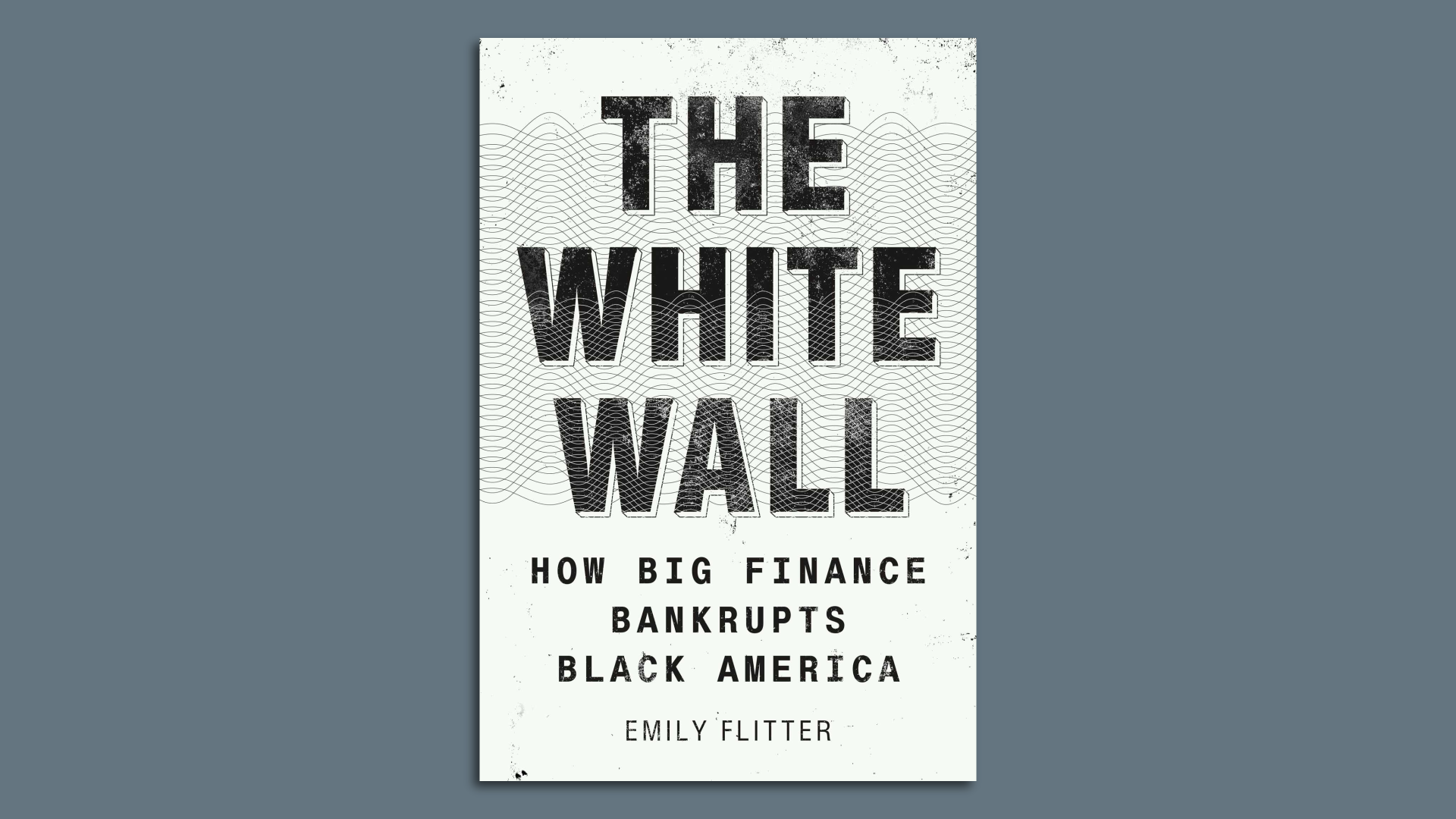
Back in 2017 when finance reporters were scrambling to ferret out MeToo stories on Wall Street, New York Times reporter Emily Flitter went another way.
Instead of sexual discrimination, she dug into the issue of racial bias in the industry for her new book "The White Wall." It's a perennially unaddressed and undercovered topic, she was told.
Some good news for Europeans, heading into winter: Natural gas prices are plunging, as warm weather and growing stockpiles have massively alleviated pressure.
Why it matters: It suggests the nightmare scenario of winter without heat for millions of Europeans — resulting from the cutoff of Russian energy to the West — has been averted, for now.
Meta, Facebook's parent company, was hit with a $24.7 million fine Wednesday after a Washington judge found the tech giant had intentionally violated the state's campaign finance disclosure laws 822 times.
The big picture: The fine that King County Superior Court Judge Douglass North issued "represents the largest campaign finance penalty anywhere in the country — ever," per a statement from Washington Attorney General Bob Ferguson. A Meta spokesperson said the firm is assessing its options and declined to comment further.