A startup is employing machine learning to process aerial imagery and remotely analyze insurance risks to properties around the country.
Why it matters: The combination of AI and aerial imagery from satellites and even stratospheric balloons can help insurers quickly judge property risks without an in-person visit, saving money and time.
As U.S.-based companies have spoken out against Georgia’s new voting law, some politicians on the right have pointed out that these same companies have stayed quiet on human rights violations in China — and the lawmakers are alleging hypocrisy.
Axios Re:Cap is joined by Axios China author Bethany Allen-Ebrahimian to discuss what’s happening in China, what U.S. corporations have and haven’t said, what to make of these allegations and the expectations they set.
One big difference between 2021 and 2009: Many of the world's top economic officials this time around are women.
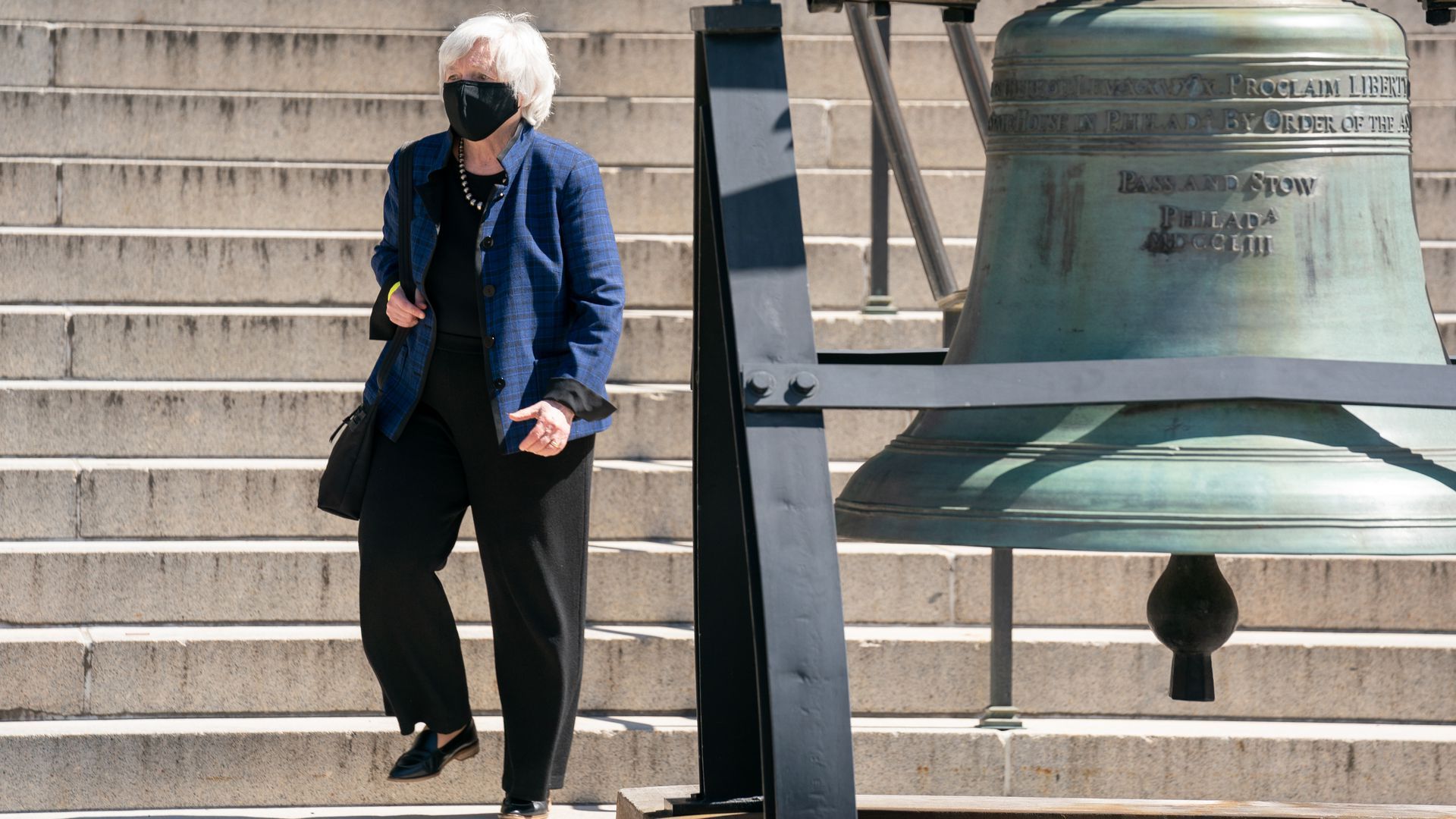
The big picture: Treasury Secretary Janet Yellen, Commerce Secretary Gina Raimondo and U.S. Trade Representative Katherine Tai are front and center on U.S. efforts, Reuters reports.
The craft beer industry posted declines in sales for the first time ever as the pandemic shut down taprooms and bars where the industry has traditionally thrived.
By the numbers: An annual report from the Colorado-based Brewers Association shows 2020 was a sobering moment.
MasterClass, which sells subscriptions to online courses taught by experts, is raising new funding led by Fidelity at a $2.5 billion valuation, Axios has learned.
The big picture: Online content boomed during the pandemic as people were stuck at home.
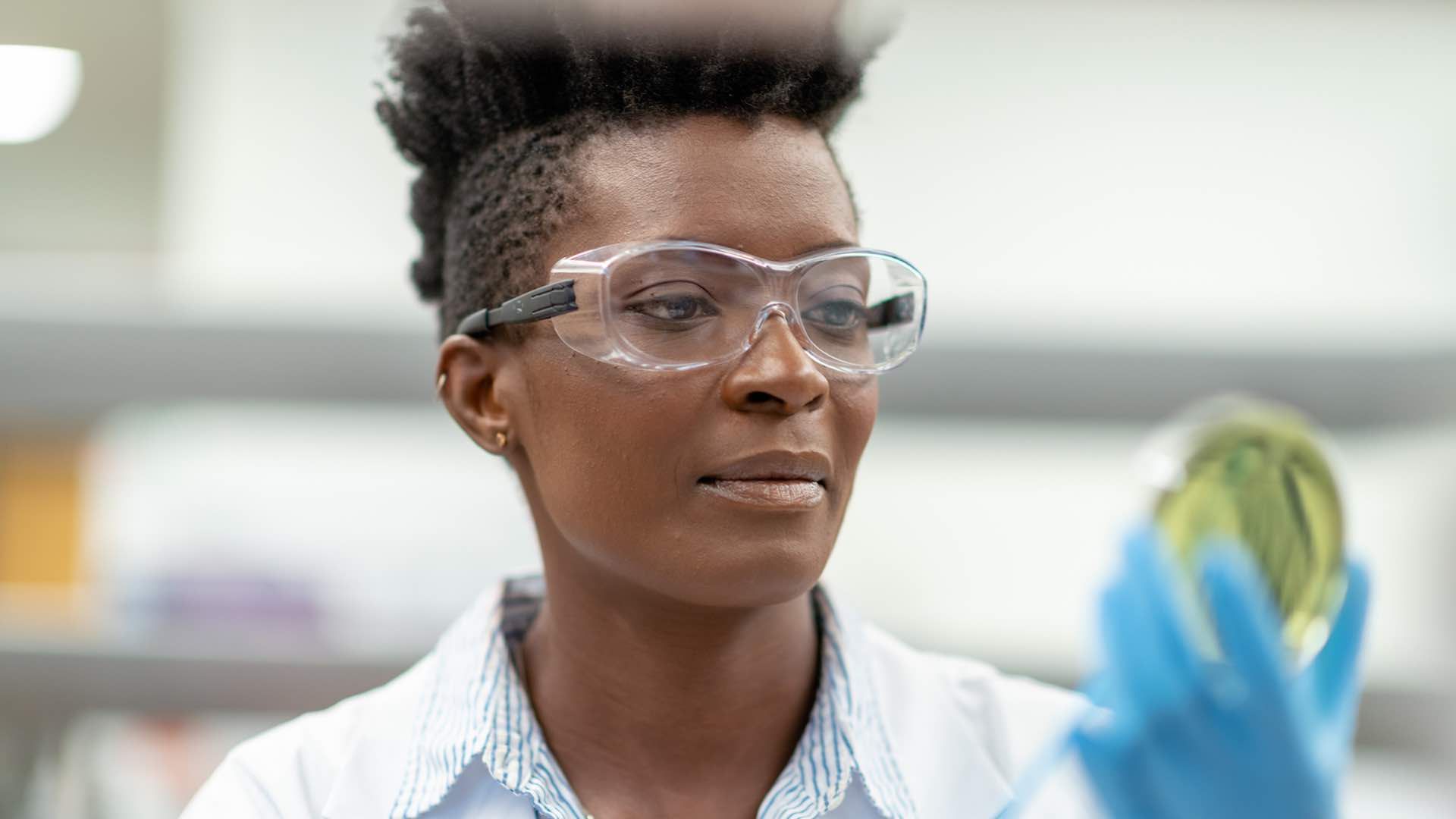
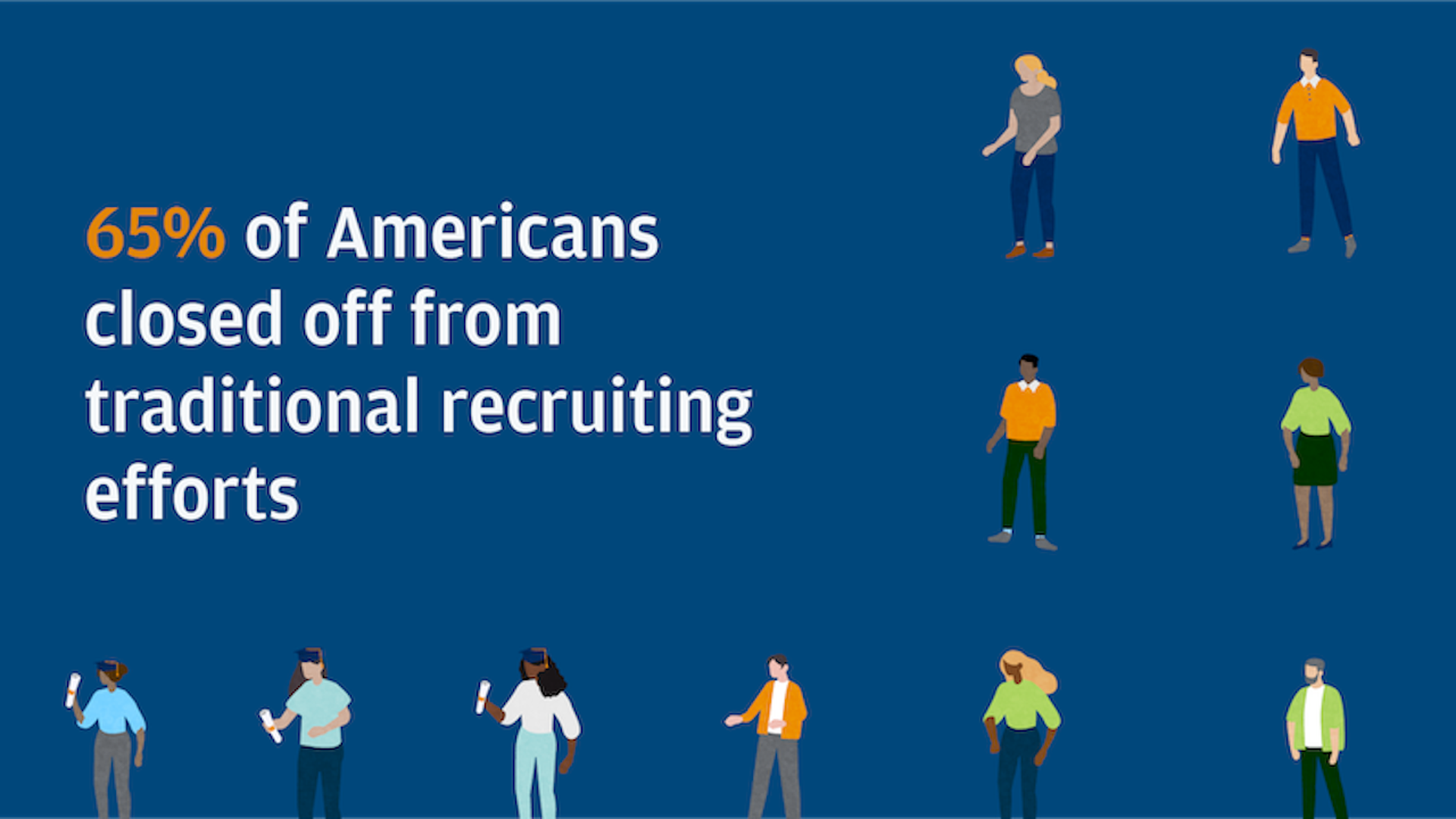
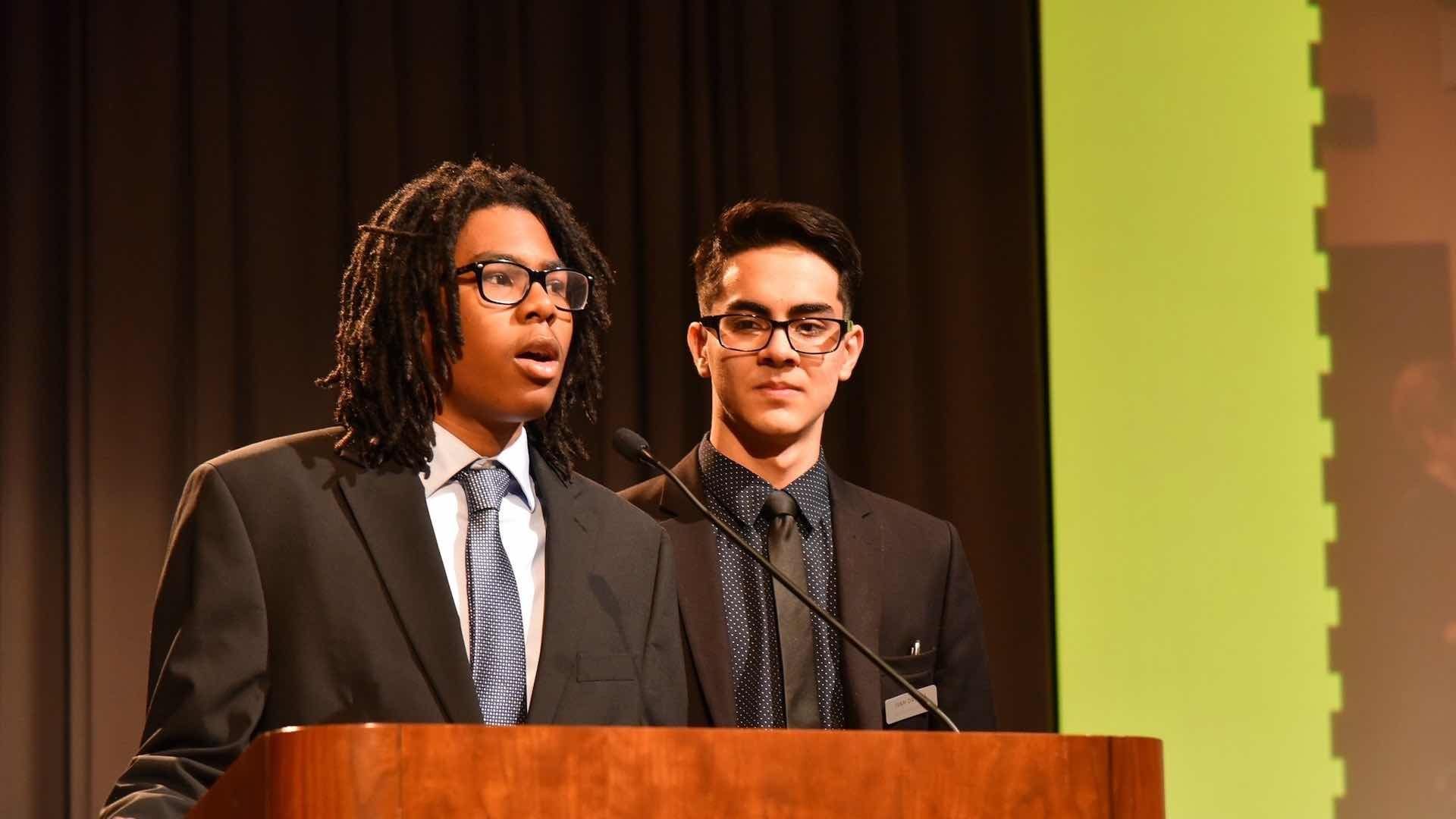
JPMorgan Chase is working to advance racial equity and inclusion in the workforce – including investing $350 million into jobs and skills programs over five years.
Why it’s important: The racial wealth gap continues to expand.
There is a significant racial gap in the U.S., and COVID-19 exacerbated inequities
Why it’s important: The widening racial wealth gap and reduced buying power for Black and Latinx people cost the U.S. economy about $2.3 trillion per year, according to a National Equity Atlas report.
To address this, JPMorgan Chase is investing in jobs and skills programs as part of its work to advance racial equity, including the company’s $30 billion firmwide commitment across the business.
Over 30% of the U.S. labor market and 375M workers globally will need to change jobs or upgrade their skills by 2030.
JPMorgan Chase is investing $350 million to develop, test and scale innovative efforts that prepare individuals with skills they need to be successful in a rapidly changing economy.
The Treasury Department released details on Wednesday of President Biden's plan to hike corporate taxes over the next 15 years to raise about $2 trillion for his sweeping jobs and infrastructure proposal.
Why it matters: The plan will likely serve as a roadmap as Democrats in Congress craft legislation to enact Biden's $1.9 trillion American Jobs Plan, which seeks to fulfill a range of campaign promises to fix the country’s crumbling infrastructure, slow the growing climate crisis and reduce economic inequality.
Private equity firm CVC Capital Partners has offered to buy listed Japanese conglomerate Toshiba Corp. for around $20 billion.
Why it matters: This could be the largest leveraged buyout of an Asian company, topping Bain Capital's 2018 deal for a majority stake in Toshiba's flash memory unit (now known as Kioxia).
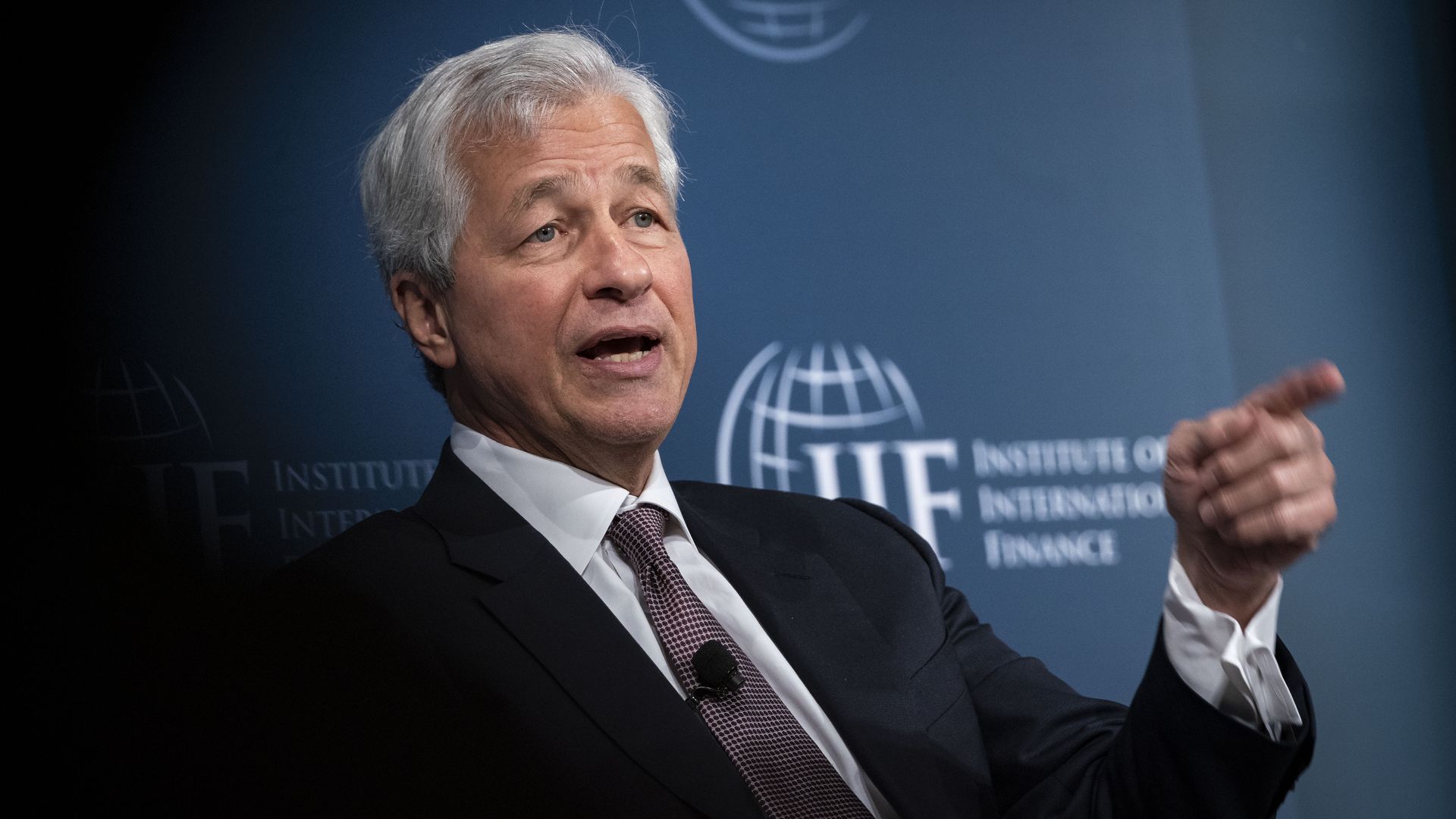
JPMorgan CEO Jamie Dimon today warned in his annual letter that the U.S. and European banking sectors are being surpassed in scale by shadow banks and fintech rivals.
Why it matters: Dimon, who has at least some pull in the Biden White House, is asking for a "level playing field." Or, put another way, a loosening of capital requirements on banks and/or greater regulatory oversight of fintech.
IMF fiscal chief Vitor Gaspar in an interview with Financial Times called for an additional tax on high-earning individuals and companies that remained stable through the pandemic, saying it would show solidarity with those who struggled.
Why it matters: The temporary tax would go toward reducing social inequities that have widened under economic and health strains. Younger and poorer people have suffered the most during the pandemic, the IMF said in its April 2021 Fiscal Monitor.
10 early-stage companies led by Asian women have been selected for an accelerator program from Gold House, a nonprofit aimed at improving representation and achieving cultural equity.
Why it matters: People of Asian descent have faced systemic bias in the U.S. for generations and during the past year have been disproportionately impacted by "twin crises" of the pandemic — women especially.
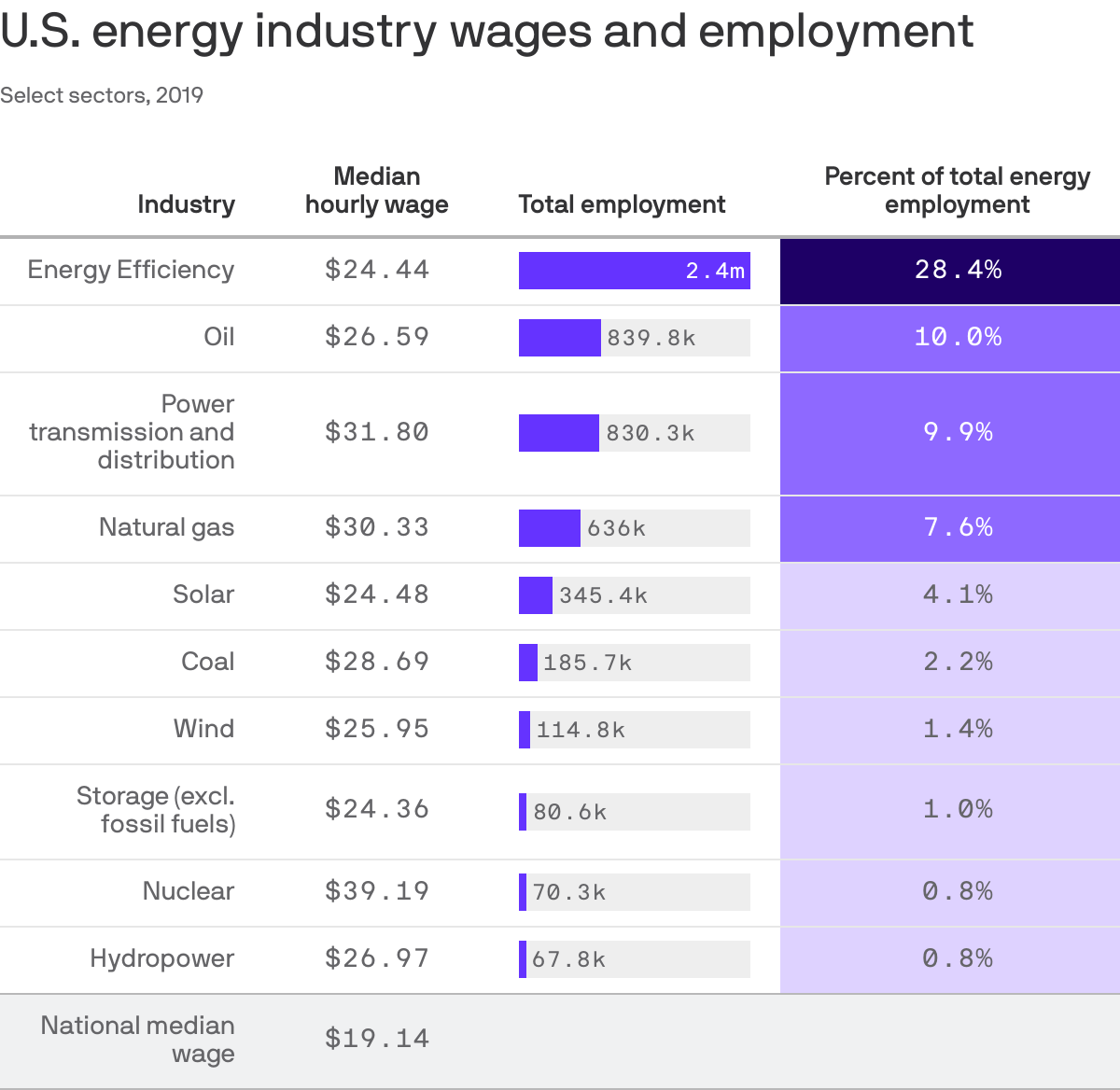
Data: Energy Futures Initiative et al. report; Chart: Sara Wise/Axios
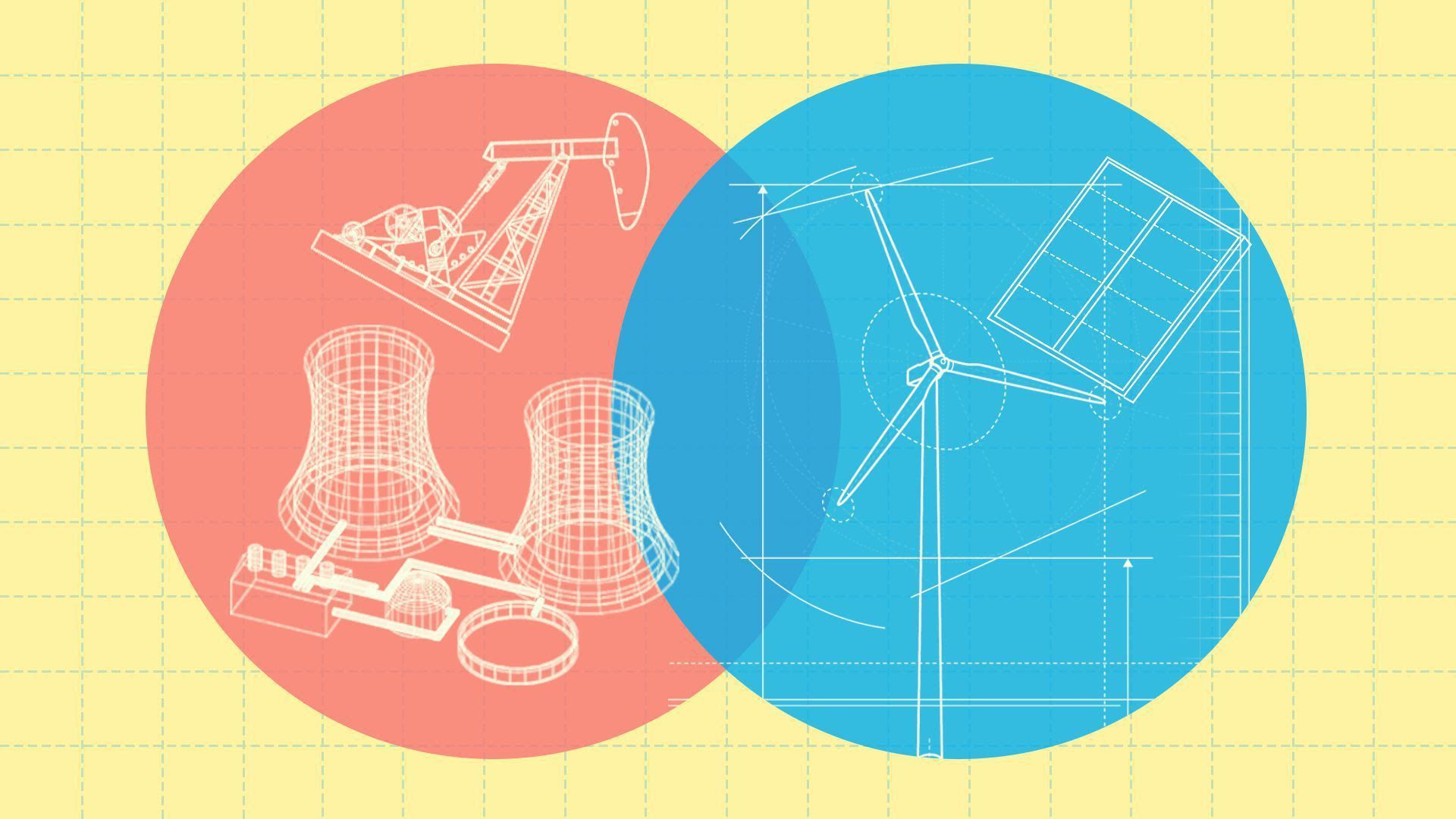
New data shows both the promise and peril of the White House push to speed deployment of renewables while also accelerating the transition away from fossil fuels.
Driving the news: A report on energy industry wages across sectors shows that they're far above the national median and more likely to provide healthcare and retirement benefits than the national average.
The U.S. Treasury has disbursed over 156 million direct payments worth approximately $372 billion since President Biden signed the American Rescue Plan into law, the agency announced Wednesday.
What to watch: The fourth batch of relief checks — over 25 million payments worth more than $36 billion — is due to start appearing in bank accounts on Wednesday, according to the Treasury.
Unprecedented government borrowing and spending helped cushion the global economy from the coronavirus pandemic and will need to stay in place for some time to ensure a healthy recovery, according to top economists at the IMF's spring meetings.
Driving the news: At the opening of its spring meetings on Tuesday the IMF again revised up its forecast for global growth this year, now projecting the world will see 6% GDP growth, the highest since the 1970s.
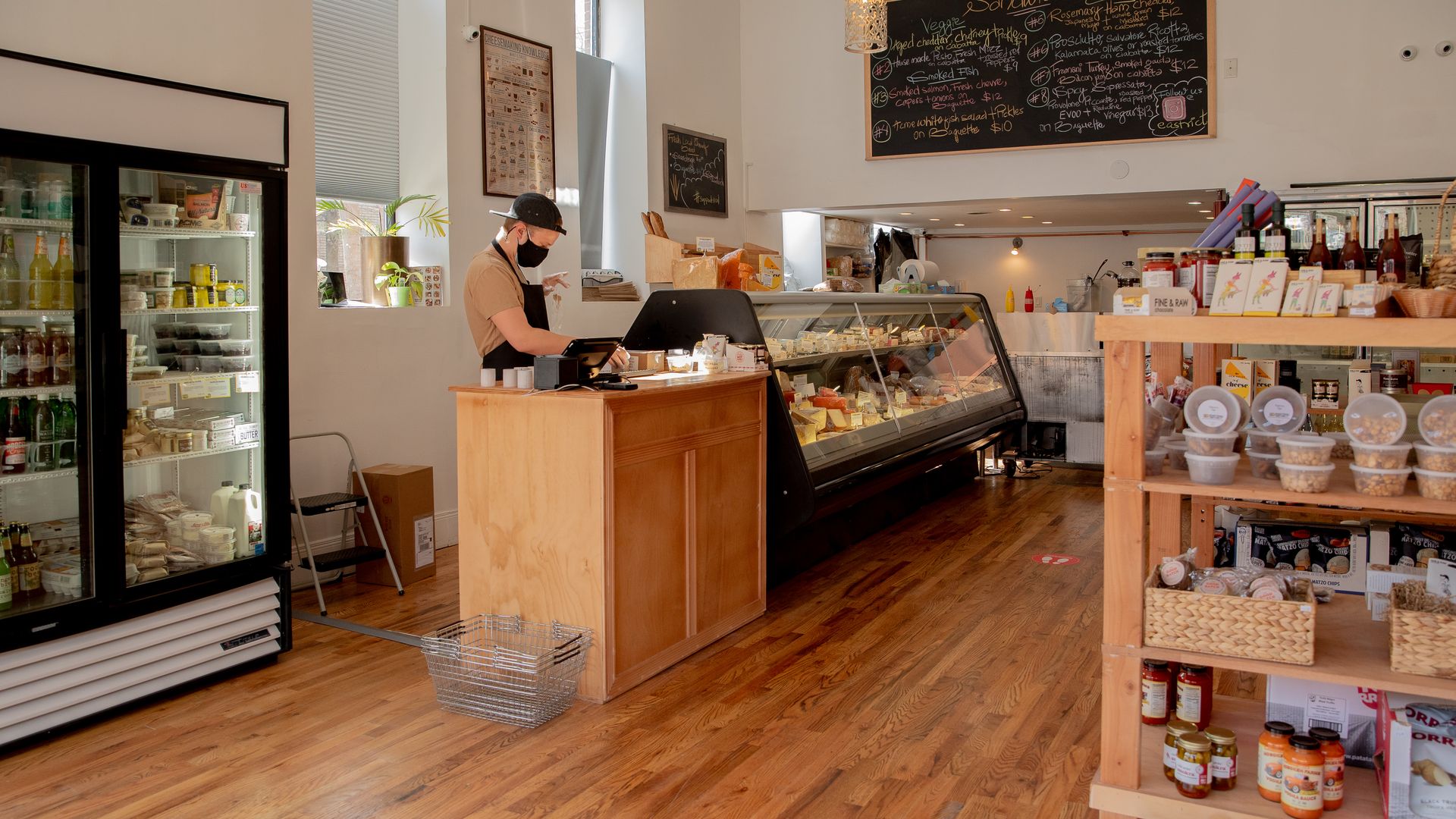
A new poll of more than 10,000 small business owners finds that even as nearly half (48%) are earning less than 50% of their monthly, pre-pandemic revenues, their worries are moving from COVID-19 to the increasing cost of goods and supplies.
What's happening: The latest survey from Alignable finds "a newfound optimism that expedited vaccine distribution in the U.S. has kick-started the beginning of a recovery for some industries and groups, while others still suffer."
JPMorgan CEO Jamie Dimon is calling on companies to play a bigger role in the world’s problems, saying today in his annual shareholders letter that the business sector should be a “responsible community citizen."
Why it matters: Corporations are increasingly facing more pressure to take a stand on politically divisive issues.
Premiering Wednesdayon Netflix ... "This Is a Robbery: The World's Biggest Art Heist," a four-part documentary series from director Colin Barnicle taking viewers back 30 years to St. Patrick's Day weekend in 1990.
"[L]egendary works by Rembrandt, Vermeer and others worth over half a billion dollars today were stolen from the Isabella Stewart Gardner Museum in Boston."
LumiraDx, a British diagnostics startup that makes COVID-19 tests, has agreed to merge with special purpose acquisition company (SPAC) CA Healthcare Acquisition Corp. in a deal valued at $5 billion, the companies announced Tuesday.
Details: LumiraDx has also secured a $300 million loan from BioPharma Credit and another $100 million from Capital One Financial, per the statement.
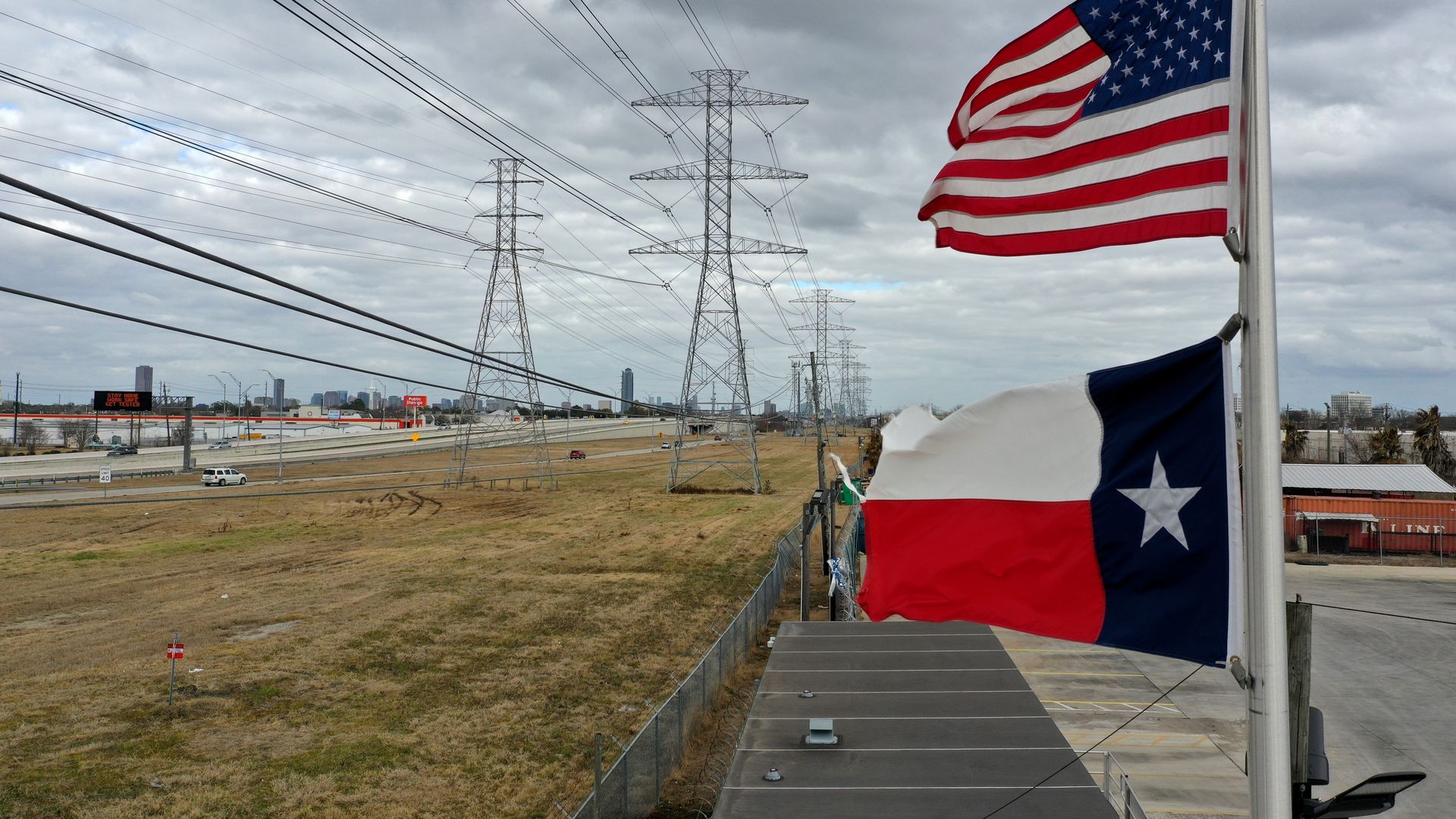
Why it matters: These initial findings from the Electric Reliability Council of Texas (ERCOT), which manages the flow of electric power in the state, indicate that many facilities were unable to cope with the extreme weather.
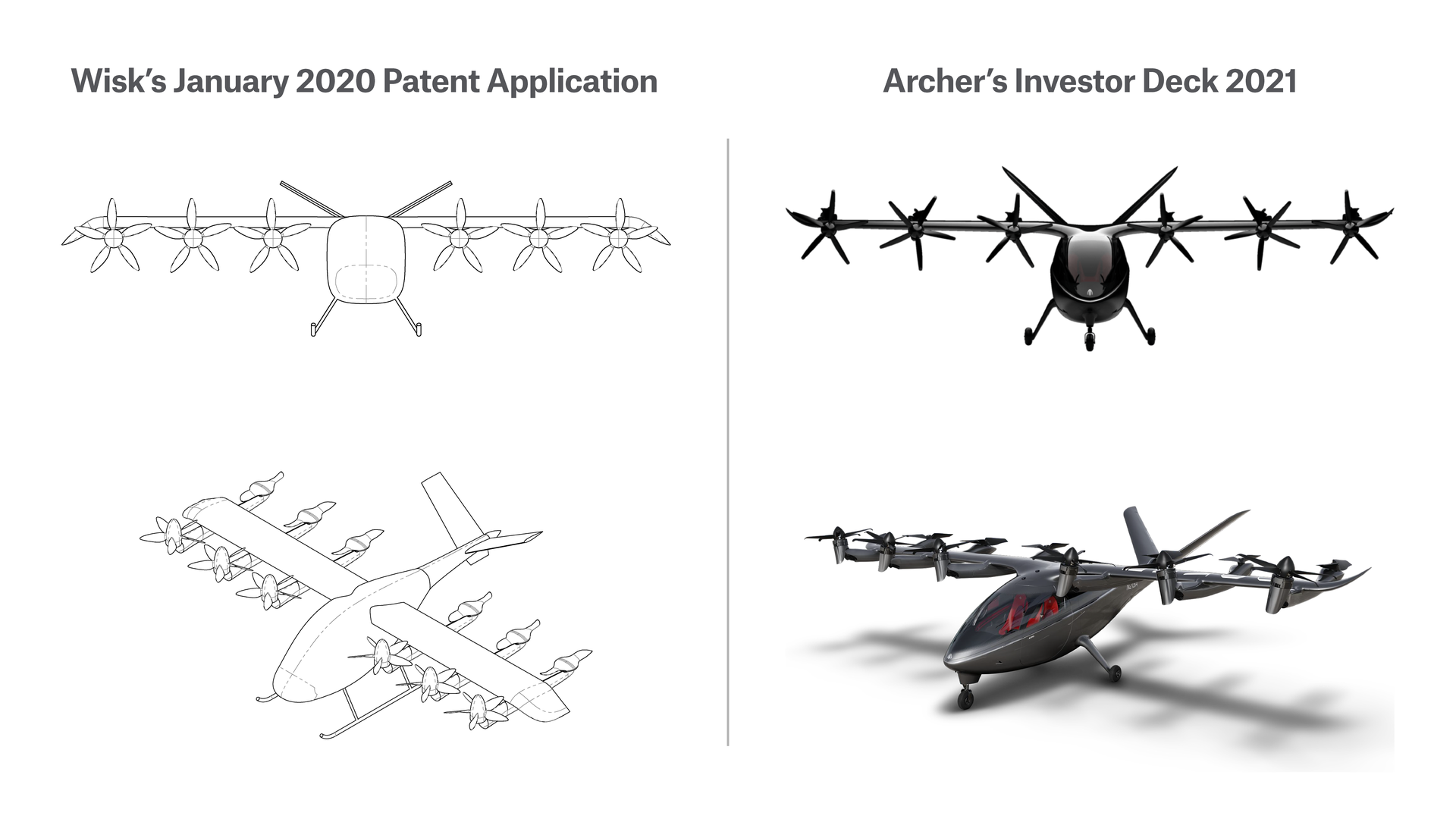
Archer Aviation, an air taxi startup planning to go public soon through a SPAC merger, is now facing a federal investigation and accusations that the company stole trade secrets from a key rival.
Why it matters: The dispute between Archer and Wisk Aero, a joint venture of Boeing and Google co-founder Larry Page's Kitty Hawk, underscores the intense competition to dominate the still-unproven market for flying cars.