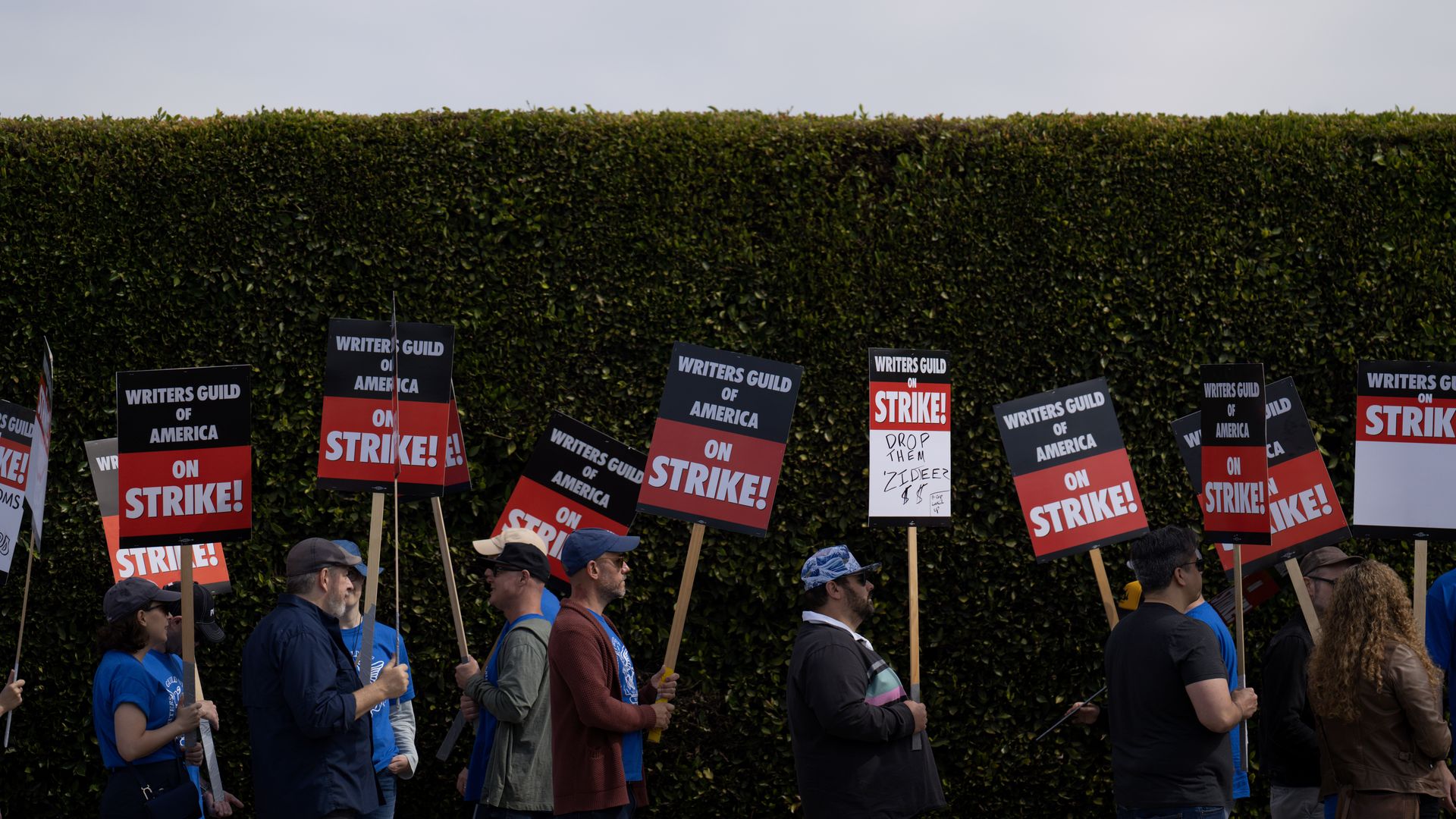
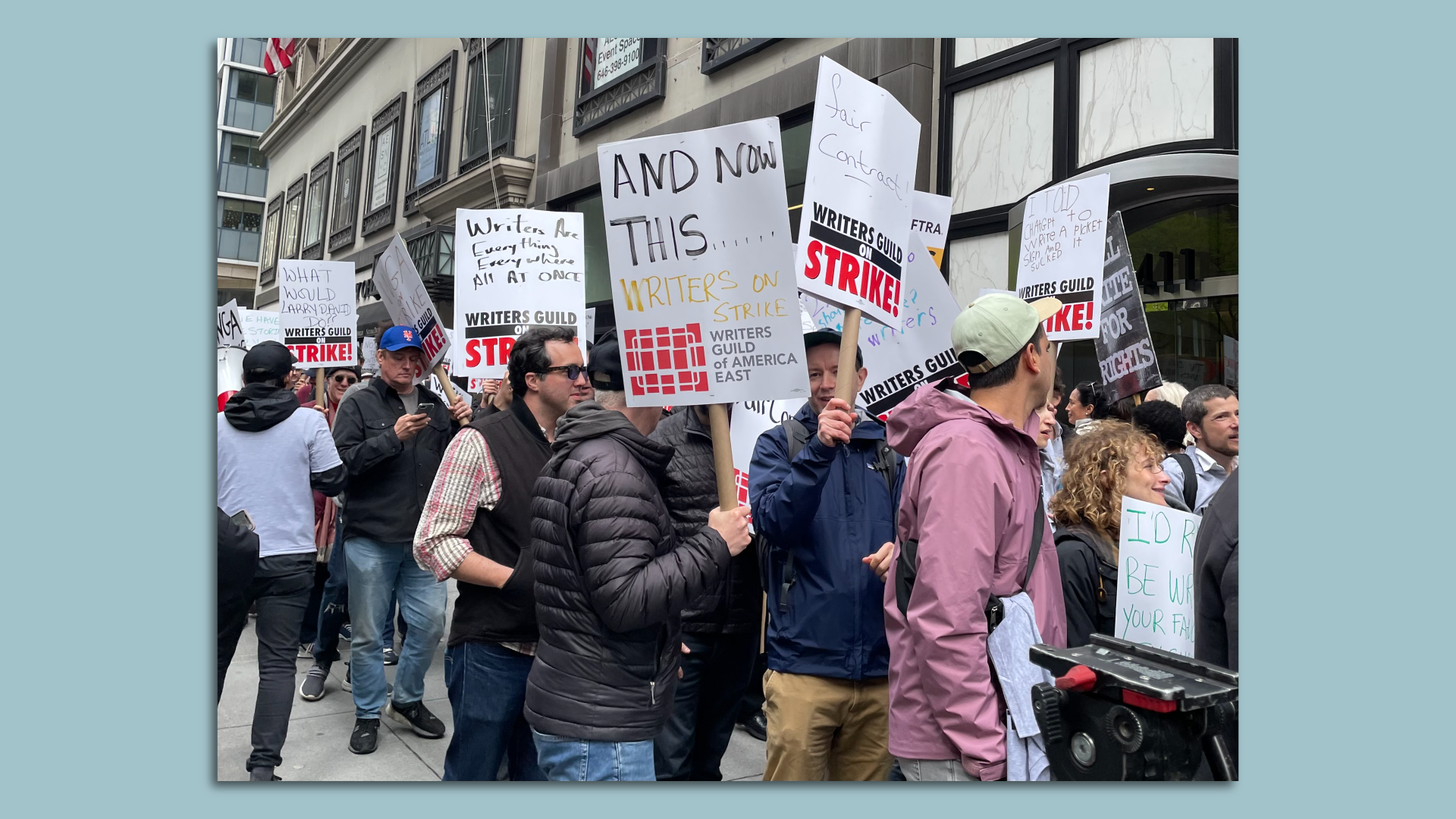
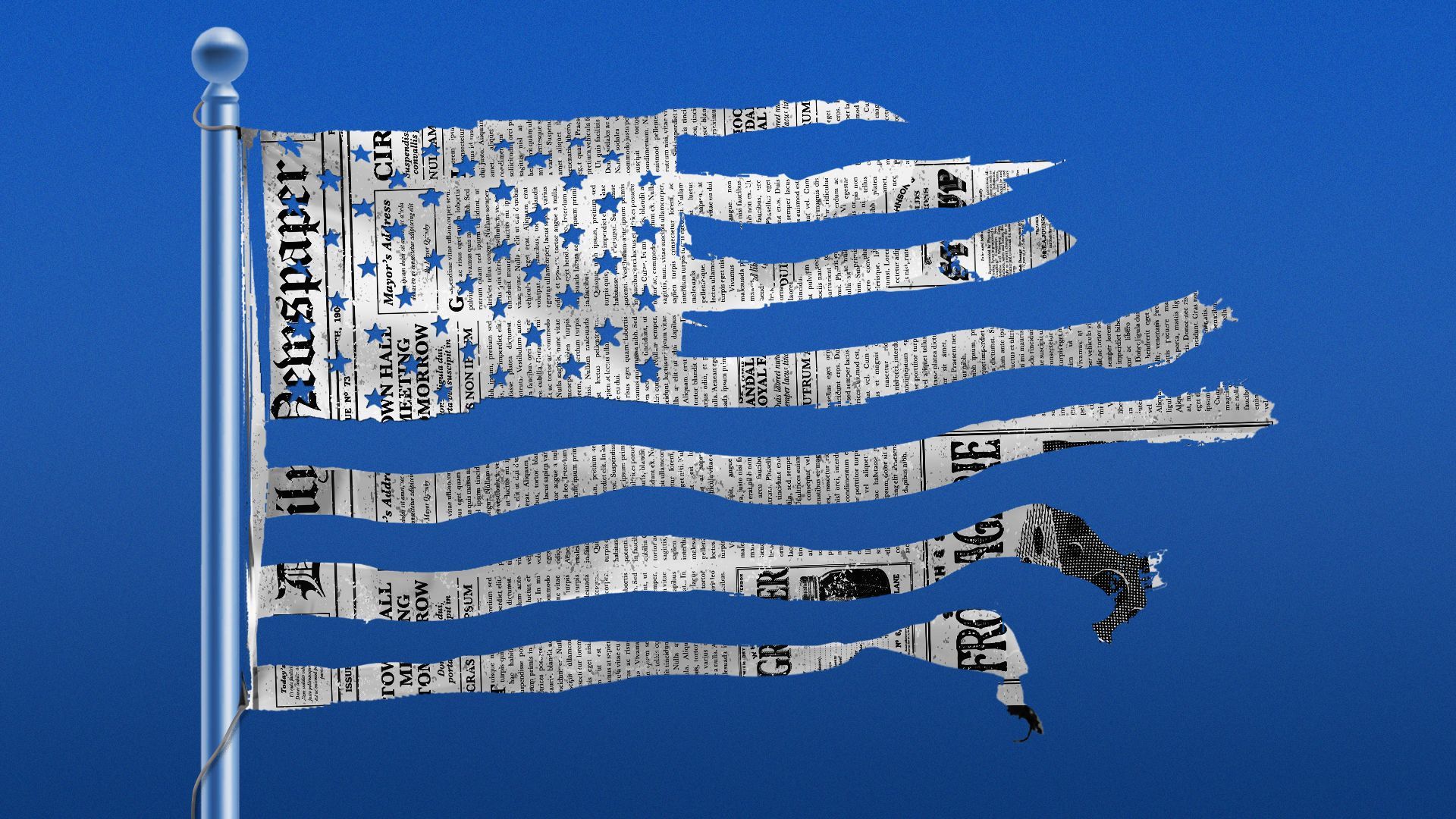
Members of the Writers Guild of America are striking for the second day Wednesday after labor negotiations with Hollywood studios failed before their current deal expired this week.
State of play: The writers are demanding better compensation and residuals, guarantees on the potential threats of AI and shorter exclusivity deals — and they're doing it with the help of their witty writing skills.
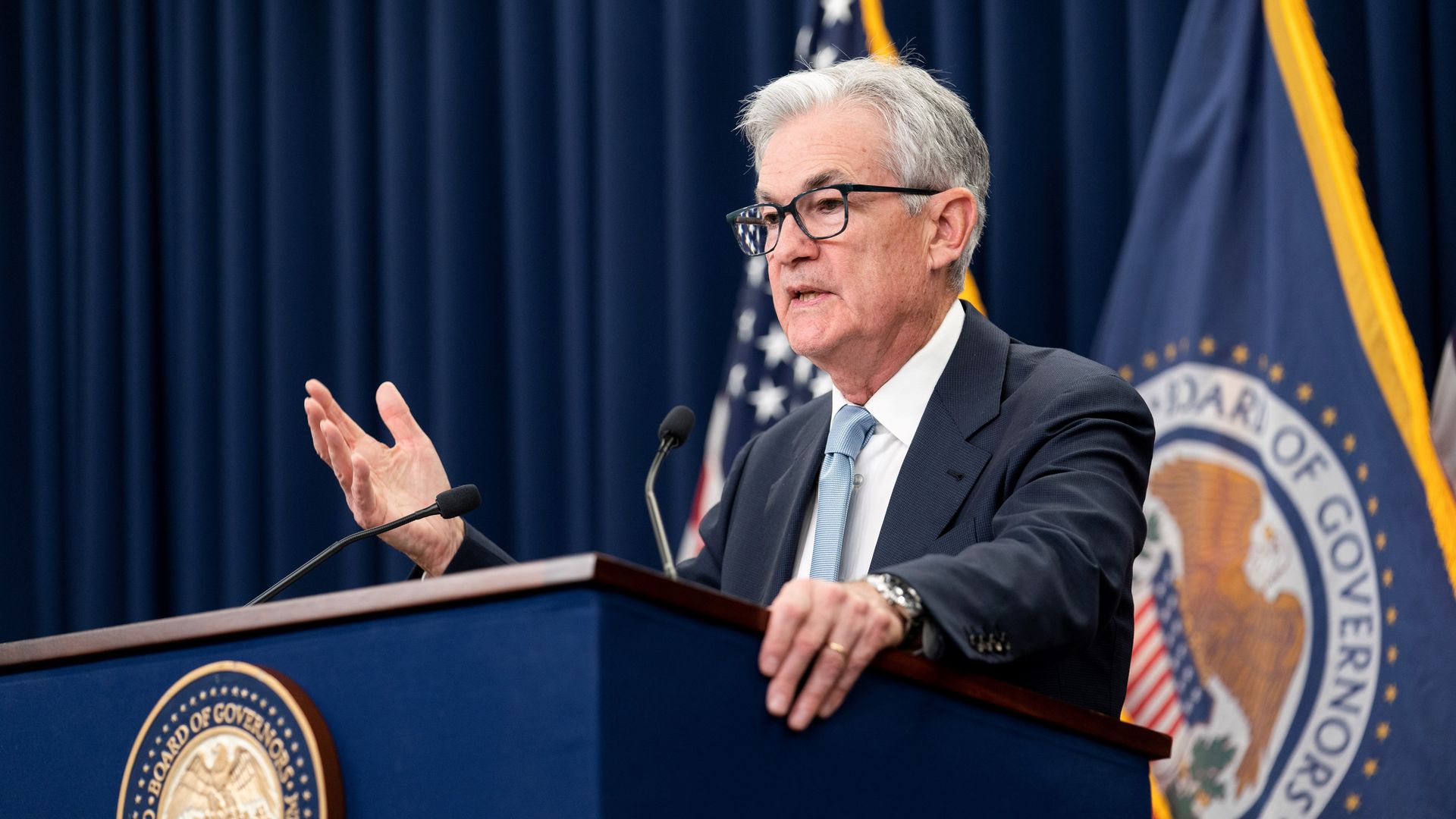
The Federal Reserve raised interest rates by a quarter percentage point on Wednesday, marking the 10th consecutive move in an aggressive hiking campaign that began a year ago to cool inflation.
Why it matters: As the banking system shows renewed signs of stress, the central bank gave its strongest signal yet that it could pause its series of rate increases.
The big picture: Child labor is on the rise in the U.S., and the federal government announced a crackdown earlier this year after tracking a 69% increase in illegally employed kids since 2018.
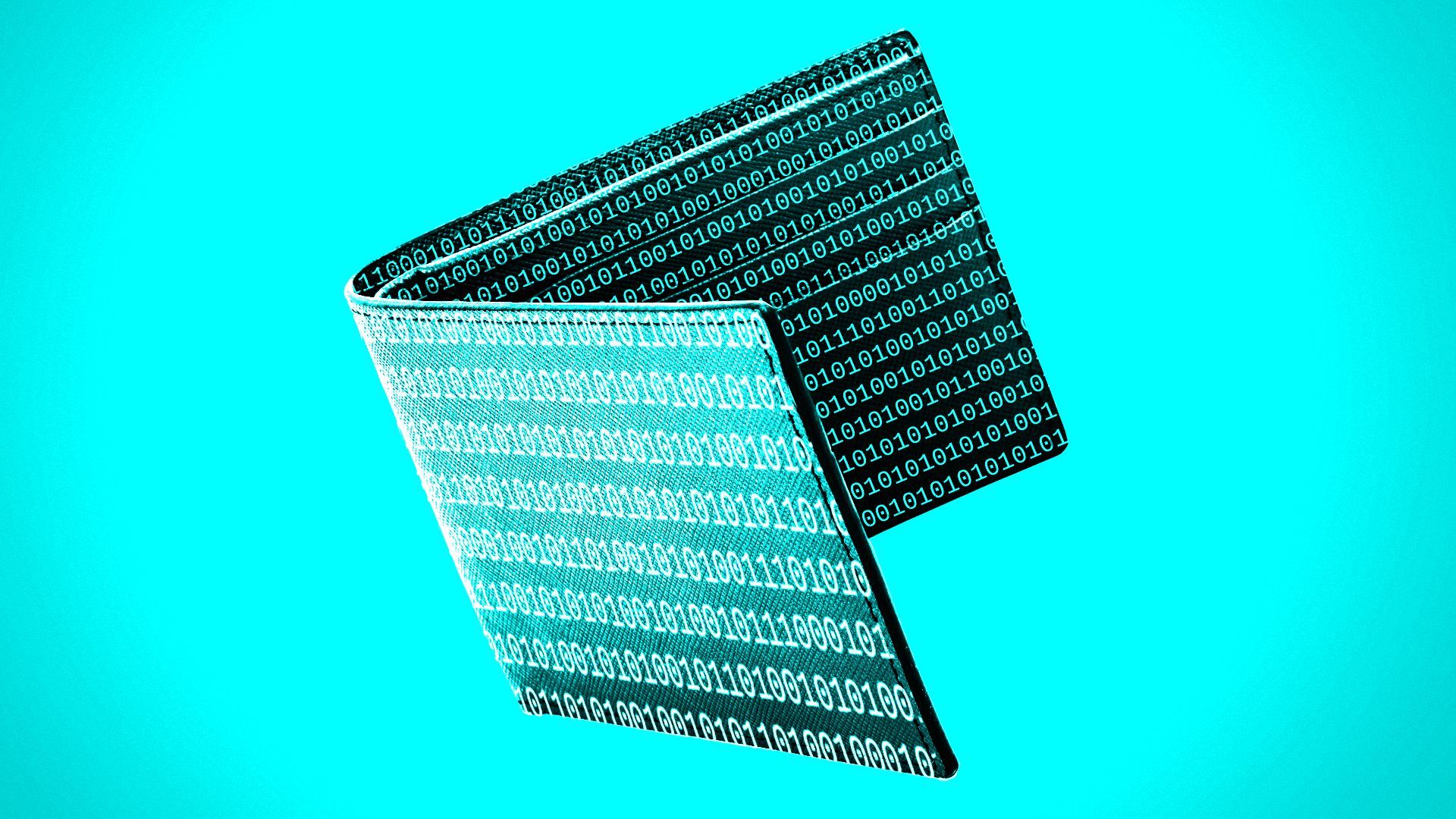
Bitcoin's confirmed transactions are exploding, but it's not because people are buying cappuccinos in Dubai with satoshis.
Why it matters: New experiments are running on the world's oldest blockchain. From the perspective of some, it's bringing new functionality — to others, it's a stress test enabling Bitcoin to experiment with how to handle outsize real demand, if such demand ever comes.
The future of money will be increasingly virtual, though a new research report suggests digital currencies are likely to remain bit players in the journey over the next decade.
Why it matters: A report out today from Moody's Investor Service underscores how the world has clearly embraced digital technologies in money — but money backed by central banks, and the systems in which it is entrenched, will continue to thrive.
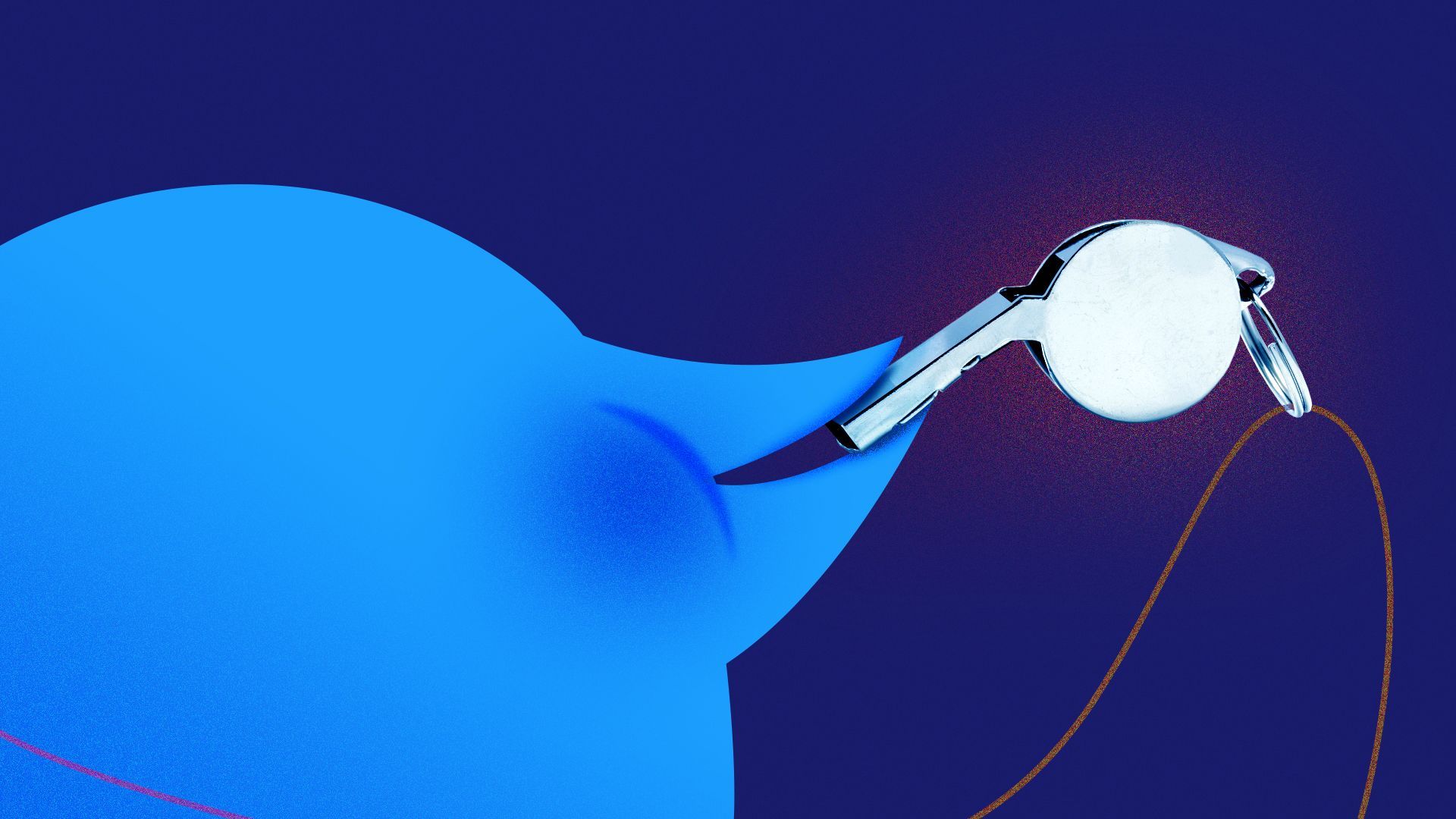
Twitter is no longer requiring verified government organizations or publicly owned services to pay for backend access to its interface. That access allows public service companies to be able to send automated alerts.
The big picture: The move marks a big reversal for CEO Elon Musk, who has a record of making big changes and then reversing course amid outcry.
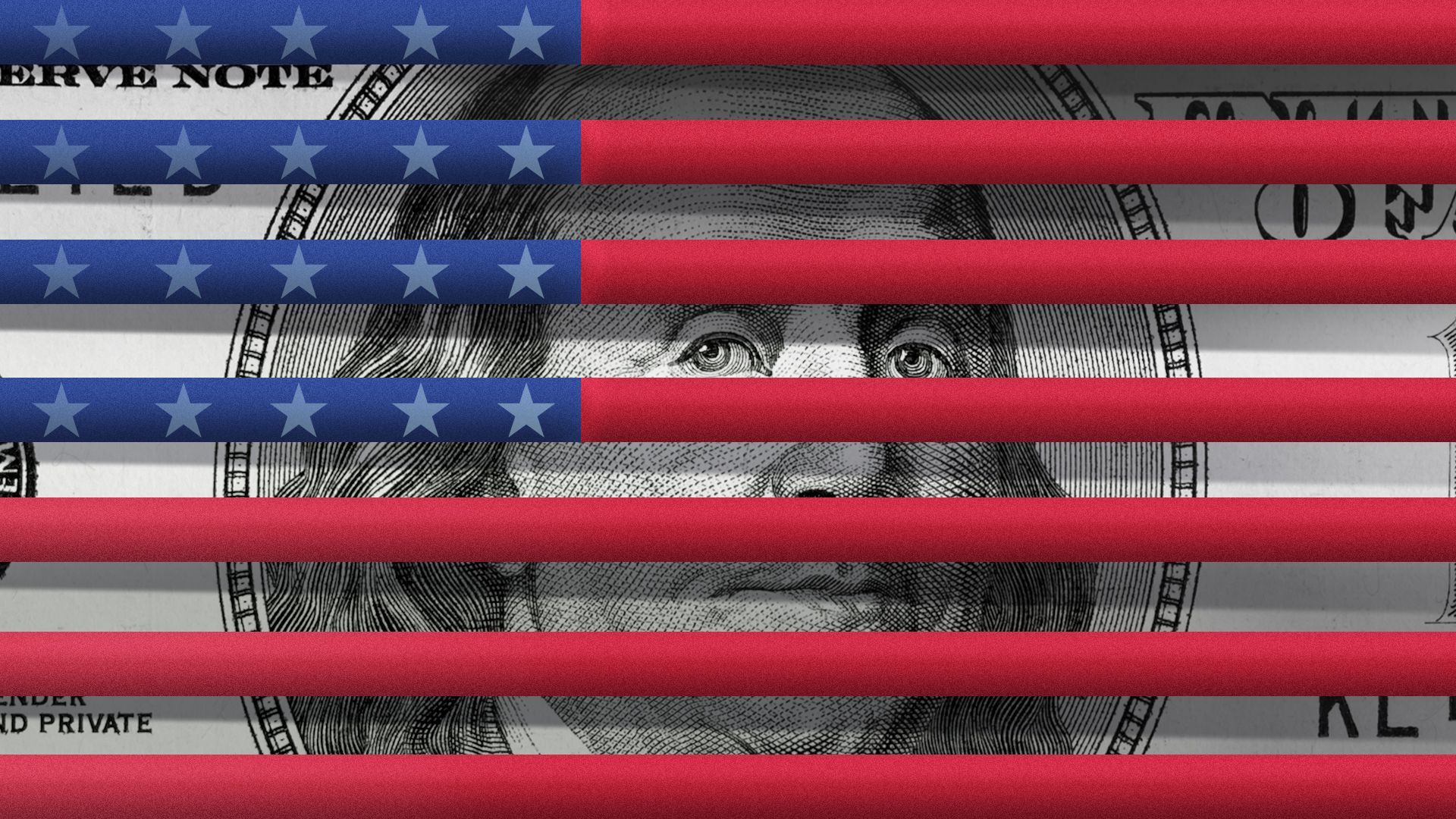
Americans hate inflation, in large part because it erodes the bedrock of capitalism — money. Concentrating on inflation, however, risks missing the profound other ways in which money has lost its power over the past three years.
Why it matters: U.S. government actions over the course of the pandemic have radically reshaped the dollar, which is now much more politicized and mutable than it was before 2020.
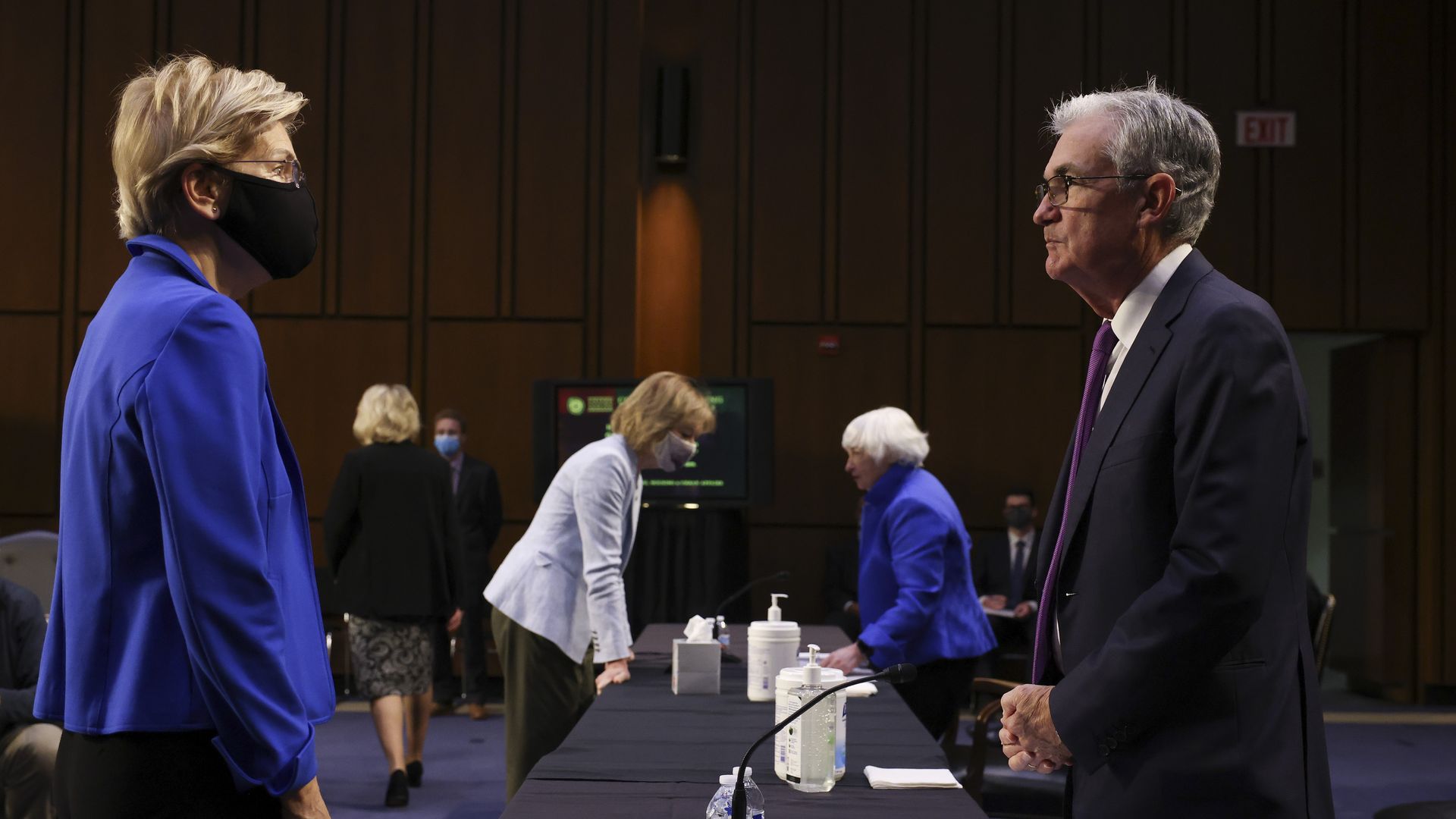
The Fed is all but certain to raise interest rates by a quarter-point Wednesday afternoon — and may signal a pause in its hiking cycle.
Yes, but: There's one powerful group demanding the central bank pause more imminently: Democratic lawmakers.
Driving the news: A group of 10 members of Congress, led by Sen. Elizabeth Warren (D-Mass.), wrote a letter calling for the Fed to hold rates steady at this week's meeting, citing the damage its moves may inflict on the labor market.
Private equity has always been an apprenticeship business. But what happens if the apprentices are no longer needed?
The big picture: Many PE firms already have begun to experiment with GPT and other artificial intelligence technologies, seeking both efficiencies and competitive advantage.
Airbnb is rolling out a host of new features this week meant to improve affordability, boost price transparency and otherwise better compete with hotels ahead of what's expected to be a record-setting summer travel season.
The big picture: Airbnb took off — and popularized the entire "sharing economy" — largely because their offerings were often cheaper than hotel rooms.
Lending is likely to tighten further amid the banking crisis, creating a new headwind for an otherwise decent economy.
Why it matters: Consumption-driven economies depend on access to credit for investment, a big driver of growth. When the flow of credit is curtailed by a financial panic, the economy suffers.
While the country debates whether or not to elect elderly men to the White House, there's another story about aging in the workplace that isn't getting much attention: menopause.
Driving the news: Women going through menopause are more likely to miss work, cut back hours or even quit jobs because of symptoms associated with the condition, finds a new study from the Mayo Clinic.
A series of blows to press freedom globally has put more pressure on the Biden administration in recent months to defend journalism as a part of its foreign policy platform.
Why it matters: Press freedom advocates are pleased with the progress, but argue there's more the administration could do.
Uber is doubling down on shared rides in an effort to make ride-hailing less expensive and cities more livable, Axios is first to report.
Why it matters: By matching riders headed in the same direction, Uber says it can reduce congestion and emissions while making its ride-hailing service affordable to more people.