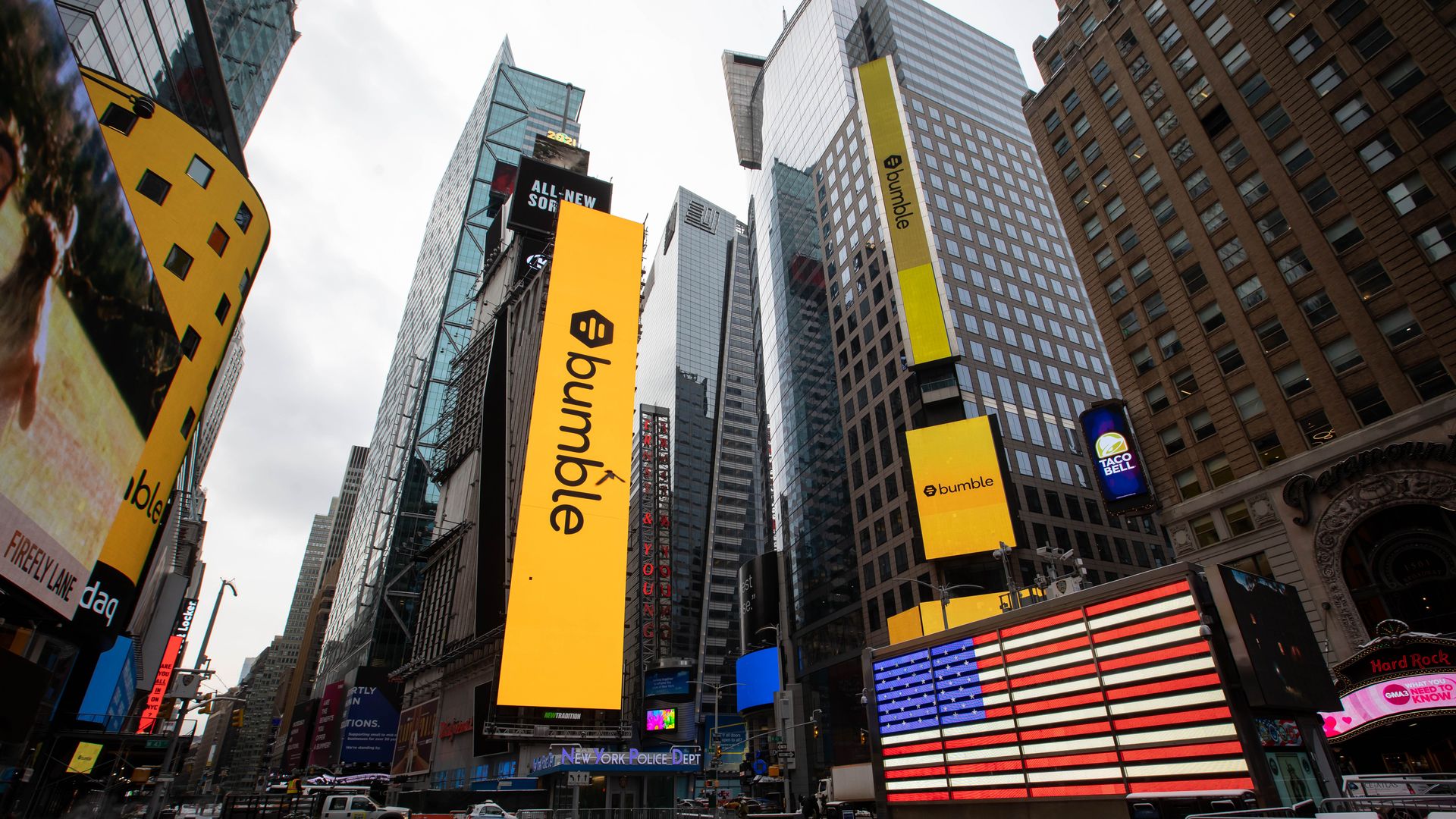
Bumble has created a relief fund to support reproductive rights for people who seek abortions in Texas, the Austin-based online dating platform announced Thursday.
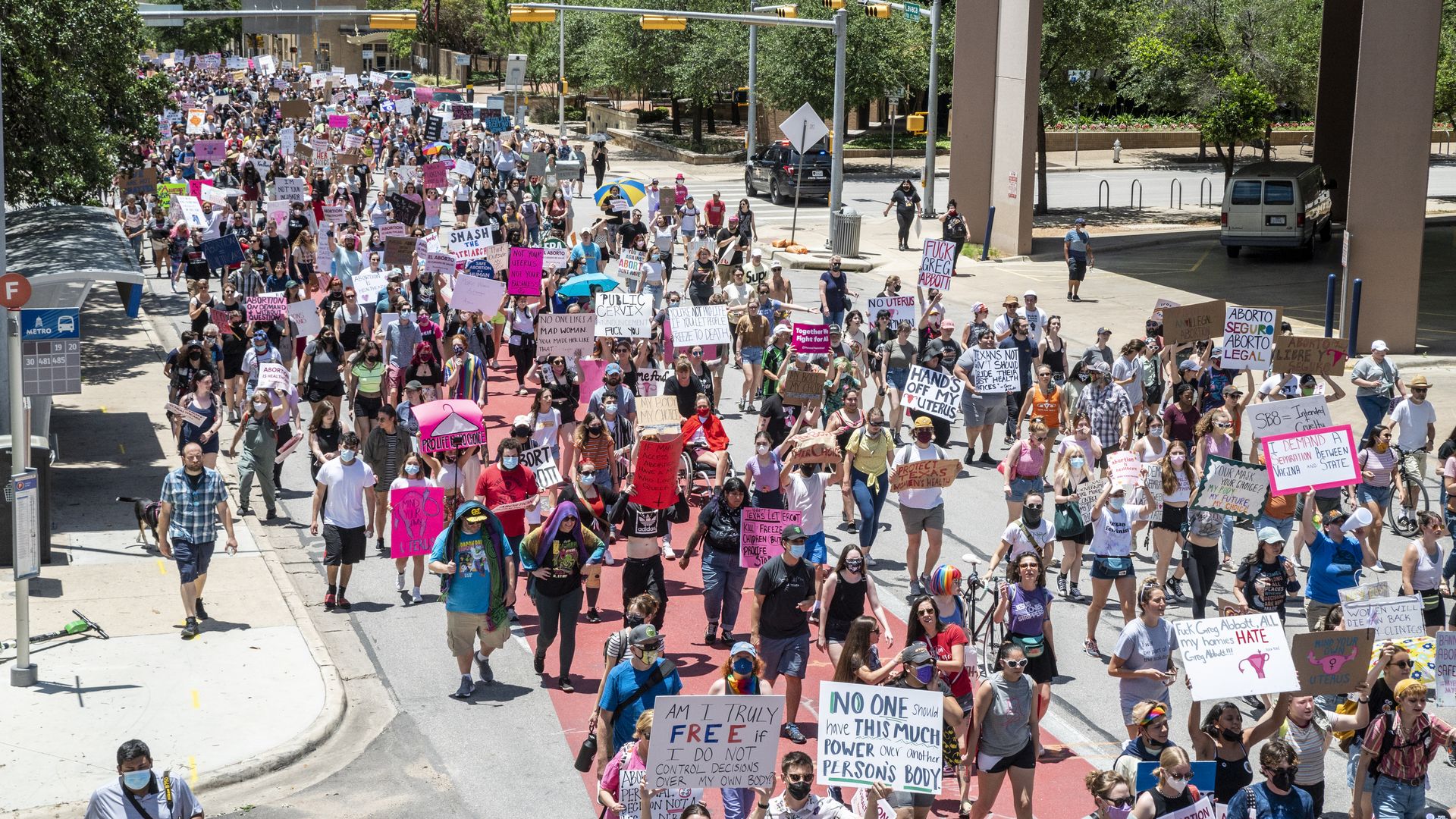
Why it matters: Texas' new abortion ban went into effect on Wednesday, the most restrictive abortion law allowed for enforcement since 1973. It erects significant barriers and expenses for some people in Texas seeking abortions.
Wire-transfer provider MoneyGram will resume services to Afghanistan beginning Sept. 2, according to a statement provided to Axios.
Catch up quick: MoneyGram and Western Union both suspended transfers to Afghanistan after the Taliban took control of the nation's government in mid-August. The U.S. put sanctions in place against the Taliban in 2001.
Walmart plans to raise hourly wages for about 565,000 workers in departments such as food and general merchandise starting Sept. 25, the New York Times reports.
Why it matters: Walmart, who employs 1.6 million people in the U.S., will raise the average wage to $16.40, but its minimum wage of $11 an hour falls behind other large retailers such as Amazon and Target.
Marvel’s first Asian-led superhero film hits theaters around the world this weekend, with some earlier showings starting Thursday.
Why it matters: For many in the Asian community, the release of "Shang-Chi and the Legend of the Ten Rings” marks a rare cheerful moment after more than a year of watching near-daily violent attacks on Asian people around the world.
The CEO of Match Group in an internal memo to staff on Wednesday said that she is creating a fund for Texas-based employees that will "help cover the additional costs incurred" if they need to seek care outside of Texas due to the new abortion ban.
Driving the news: The Texas abortion ban, which went into effect Wednesday, is the most restrictive abortion law allowed to be enforced since the 1973 landmark Roe v. Wade ruling. It could add a significant amount of travel time and expenses for some people in Texas seeking abortions.
A notable venture capitalistand board member at the public company behind iconic brands like The North Face and Timberland was dismissive of racism in the U.S. and called Black Lives Matter "the true racists," according to emails obtained by Axios.
Details: Veronica Wu was a co-lead on a fund that it once described as the largest pool of money dedicated to seed startups. She's also on the board of VF Corporation, one of the world's biggest apparel companies.
Callin, a San Francisco-based social podcasting app, raised $12 million in Series A funding co-led by Sequoia Capital, Goldcrest Capital and Craft Ventures (which incubated the company).
Why it matters: This could be the holy grail of podcast production; a single software stack for recording, editing, transcription and distribution. Plus an added twist of live audience participation (i.e., Clubhouse, but with a long tail). Key will be achieving high quality audio, which can be hard to do via mobile apps (just ask Anchor FM, now owned by Spotify).
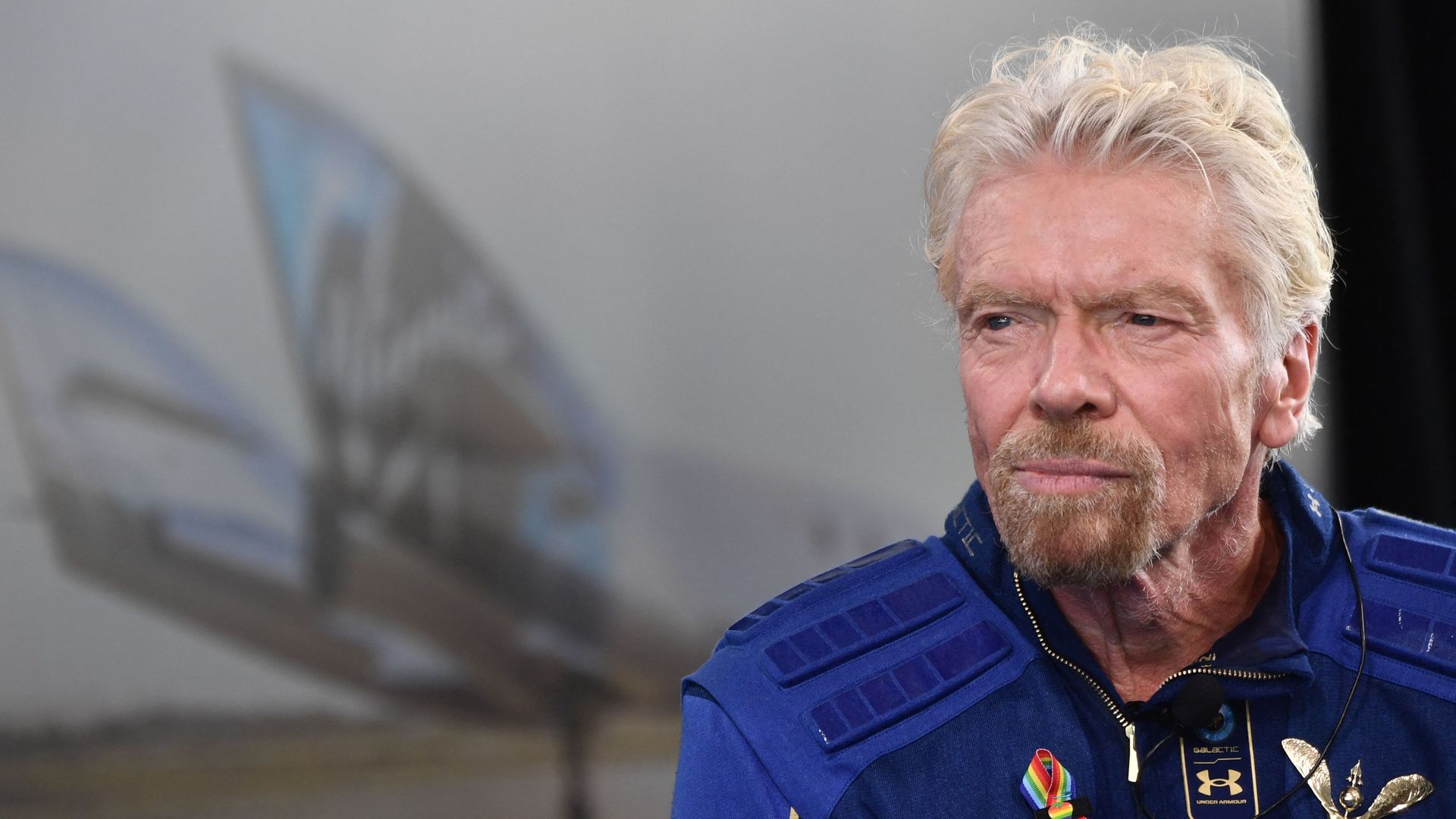
The Federal Aviation Administration said Thursday it is investigating Virgin Galactic's recent flight into suborbital space after the company's Unity space plane veered off course and flew outside its designated airspace during the flight.
The latest: FAA spokesperson Steve Kulm said Virgin Galactic's space plane is grounded and will not be able to fly again until the administration "approves the final mishap investigation report or determines the issues related to the mishap do not affect public safety."
The legal battle between flying taxi companies Archer Aviation and Wisk Aero is threatening to scuttle Archer's deal to go public via a SPAC led by billionaire investment banker Ken Moelis.
Driving the news: Proxy advisor Institutional Shareholder Services recommended that SPAC unitholders vote against the deal, which has been downsized in terms of both enterprise value and number of shares being offered.
Solv, a provider of same-day and next-day appointment software for health care providers, tells Axios that it's raised $45 million in new venture capital funding.
Why it matters: Health care remains difficult for many consumers to navigate, particularly as it has fragmented with the rise of urgent care facilities, telehealth services and home delivery of prescription products. Plus the rise of COVID testing and vaccinations, often in unexpected places.
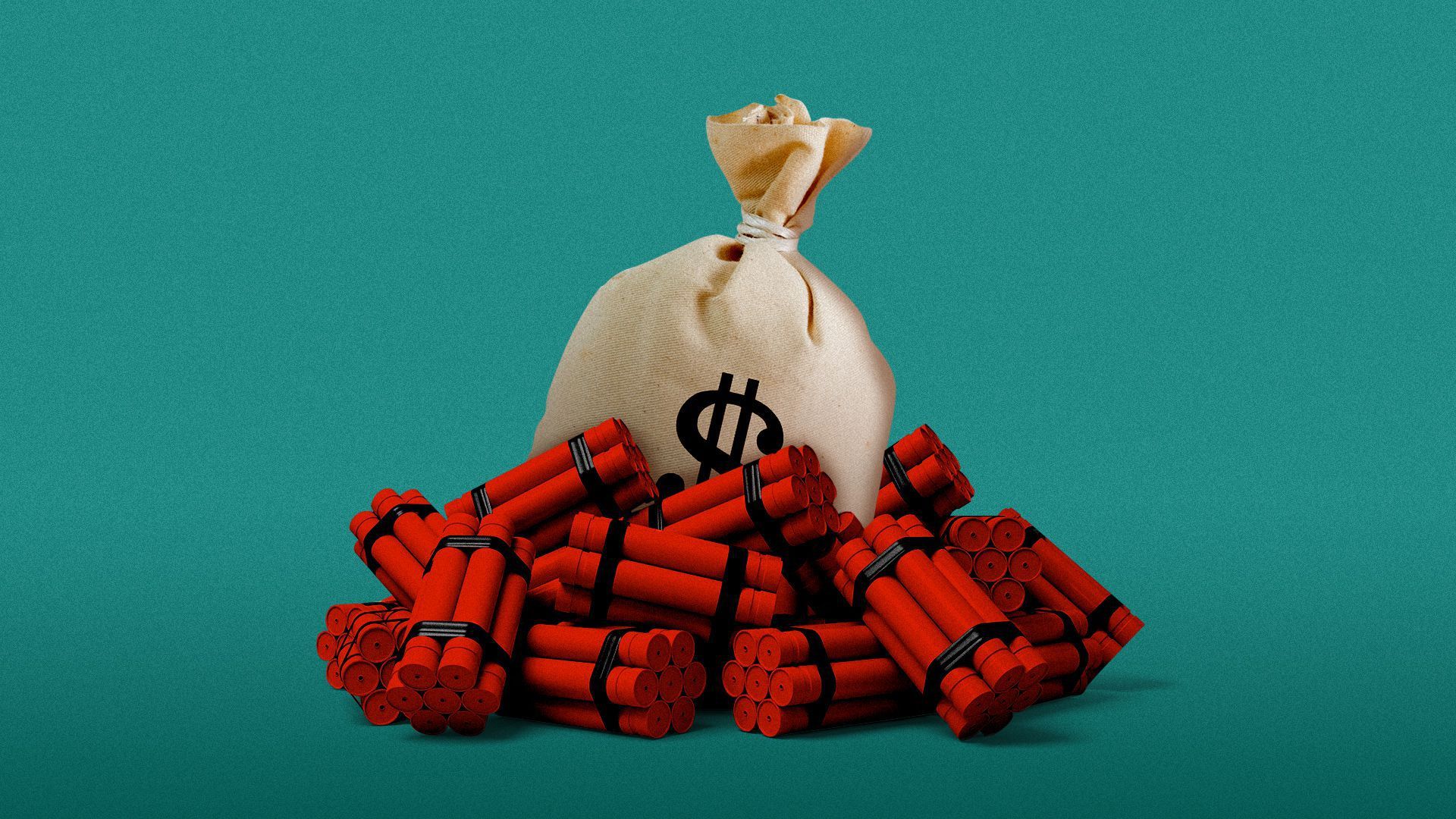
The stock market's relentless upward momentum this year has lined the pockets of all kinds of investors, from veteran market players to Robinhood first-timers. It's also made shorting stocks a lot more risky than it already was.
Why it matters: The meme stock phenomenon changed the game. After an initial upheaval that wiped out GameStop and AMC shorts in spectacular fashion, shorting stocks based on fundamentals has become a move that can turn lethal on a dime.
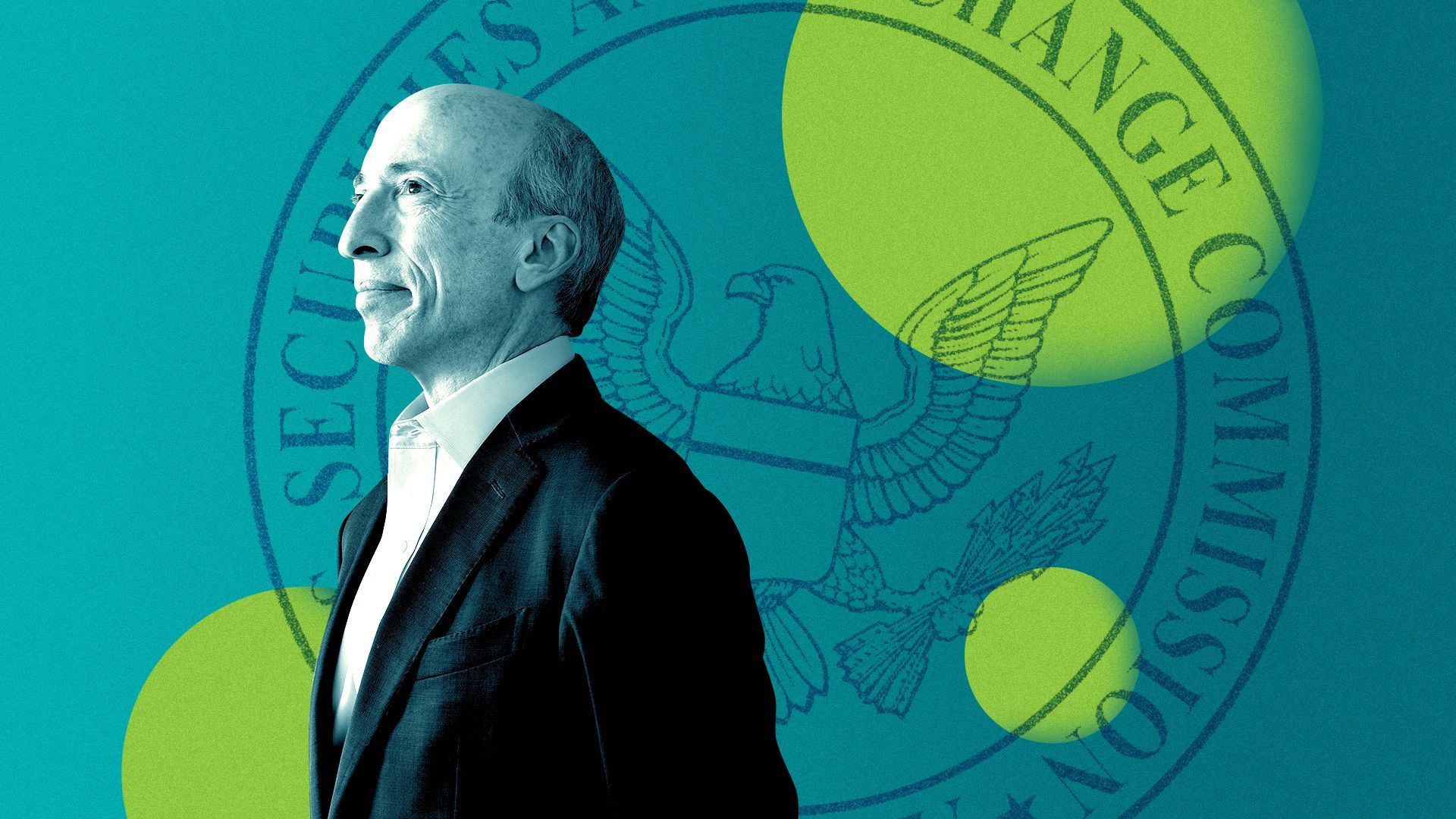
Gary Gensler is the most important financial regulator in the world. He also presents a clear vision of what he wants to achieve, with no particular desire to set the financial world's worries at ease.
Why it matters: Gensler refuses to negotiate against himself. The SEC chair's agenda takes a maximalist view of what the commission is interested in and should do, and then leaves all options visibly on the table. Wall Street knows, from his years running the CFTC, that he isn't bluffing.
Not only does gig work come with low and unpredictable wages, but gig workers — who make up an increasing percentage of the workforce — can also have a difficult time accessing government benefits and social services.
What's happening: While plenty of resources exist to help gig workers find jobs, new apps like Steady are helping them access the types of career support, mentoring and benefits that on-the-books corporate employees enjoy.
If CEOs are increasingly acting as the fourth branch of government, then they certainly seem to have a moralistic streak, going much further than the law requires in terms of staying well away from porn.
Why it matters: Pornography and the production of sexually explicit material is entirely legal as far as the government is concerned — but it's also shunned by almost all of the business establishment. That makes a huge difference for its practitioners.
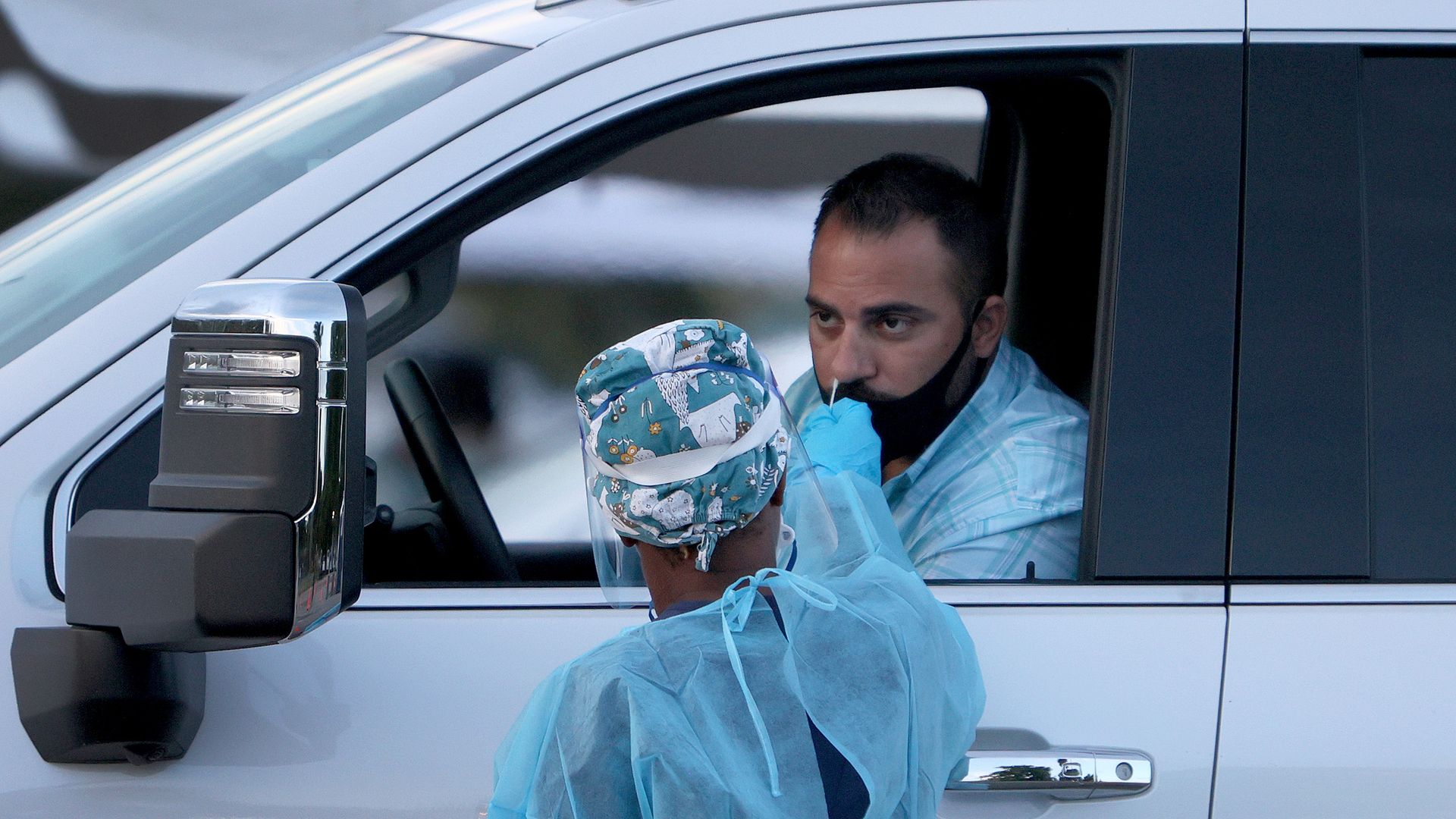
The United States processed an average of 1.2 million COVID-19 tests daily in August and some of the highest daily totals since April.
Why it matters: The surge of the Delta variant led to unexpected test volumes for diagnostic lab companies, and Wall Street is anticipating unexpectedly bigger profits for those companies as a result.