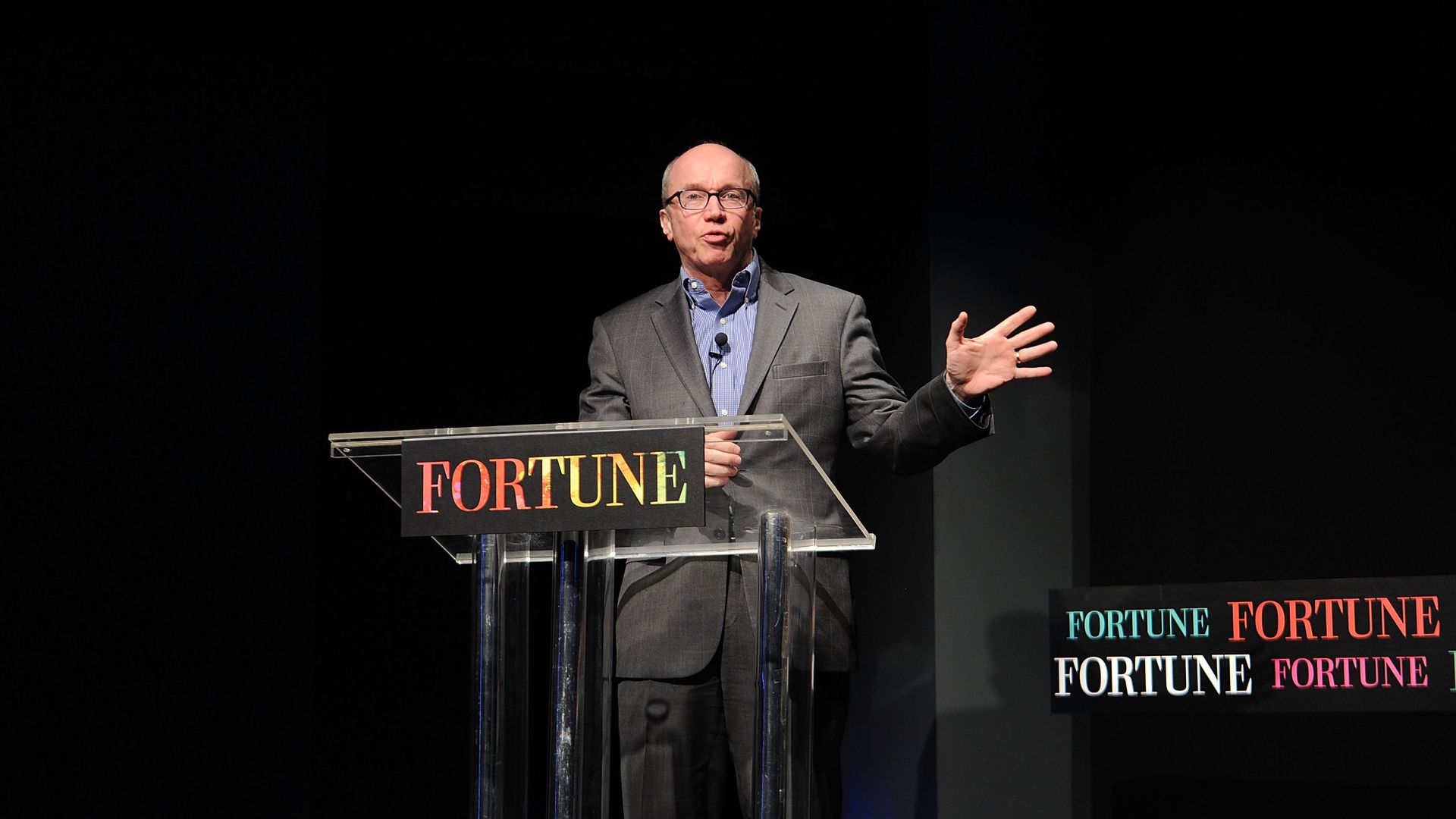
Fortune has canceled an upcoming CEO conference in Washington, D.C., after the magazine's own employees threatened to picket over labor issues.
Behind the scenes: An internal memo suggested the cancellation came after it became apparent that two speakers, Labor Secretary Marty Walsh and Commerce Secretary Gina Raimondo, would boycott due to the company's conflict with its employee union.
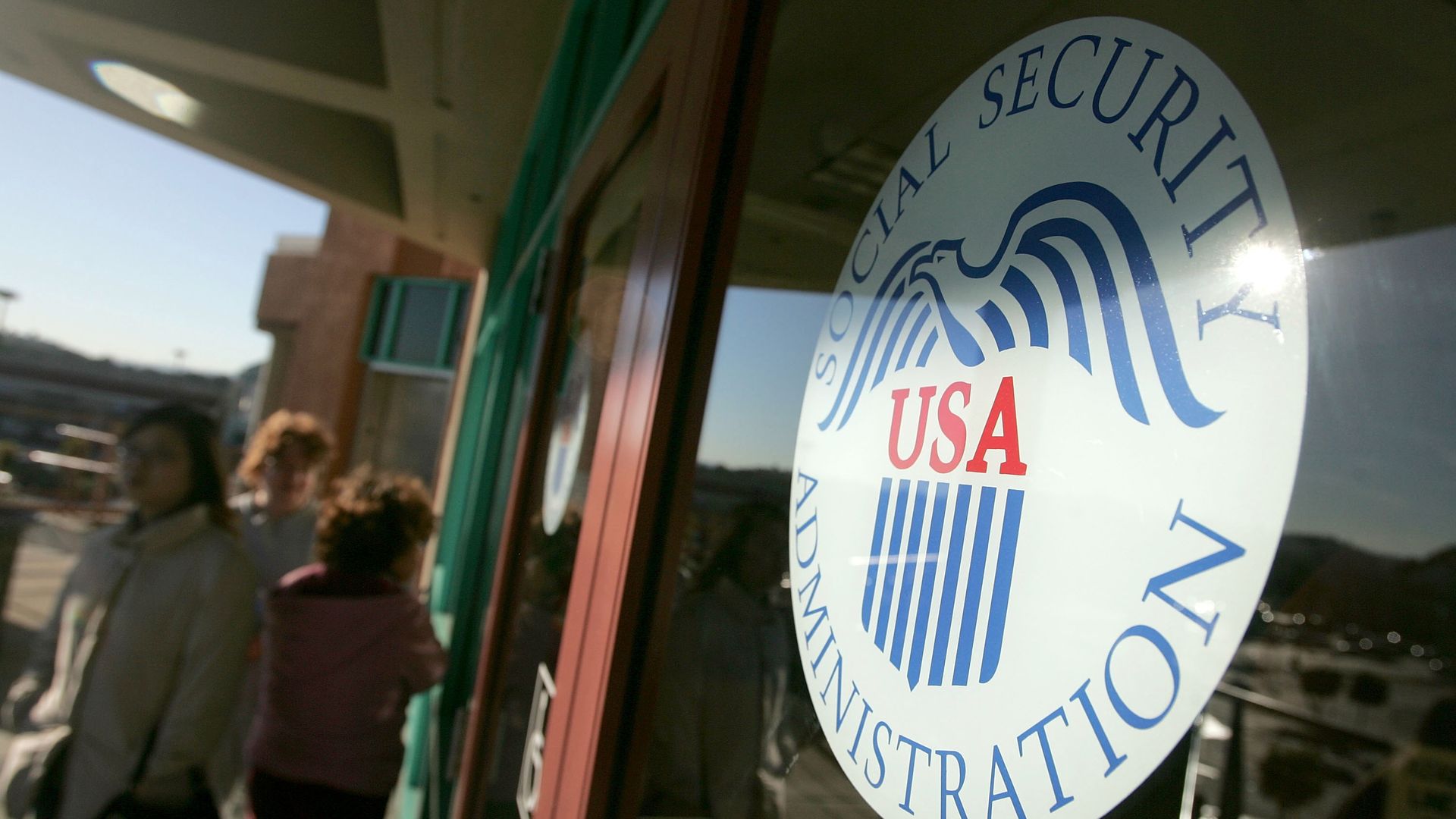
Social security funds that many Americans rely on for their retirement benefits will be depleted sooner than expected as a result of the pandemic, according to a report published Tuesday by the Treasury Department.
Why it matters: Concerns about social security funding are not new, but the coronavirus pandemic seems to have taken another toll on Americans' finances.
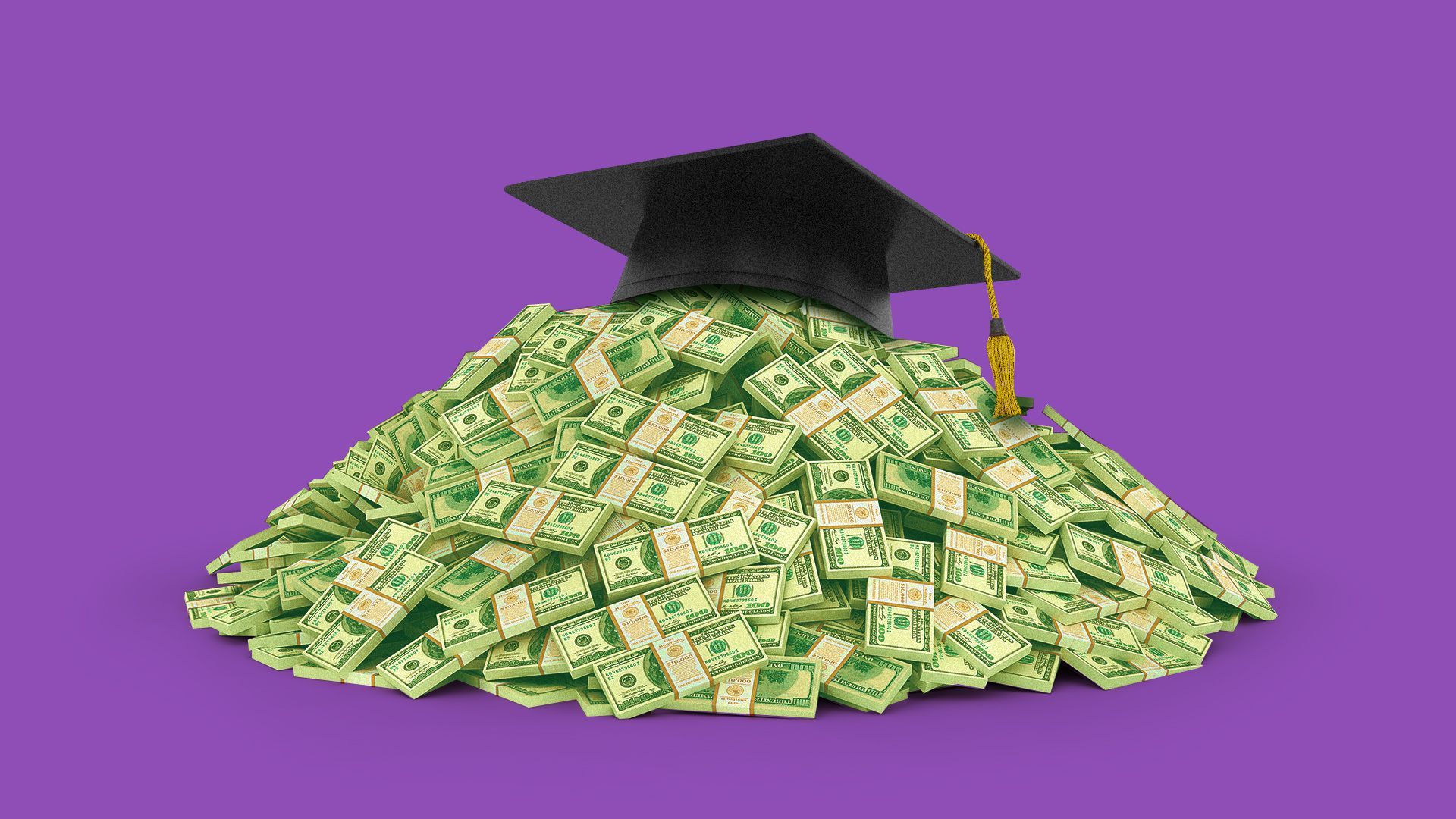
Companies are starting to playa role in chipping away at America's mounting pile of student debt.
Why it matters: Widespread student debt relief proposals have stalled in Washington. Businesses are seizing on an opening that benefits them too: a perk that lures workers — and in some cases, a tax break.
Space startups garnered record investment last year, according to a new report.
Why it matters: The influx — despite the coronavirus pandemic — shows that investors are still interested in the growing industry and see relatively young companies as worthy of funding.
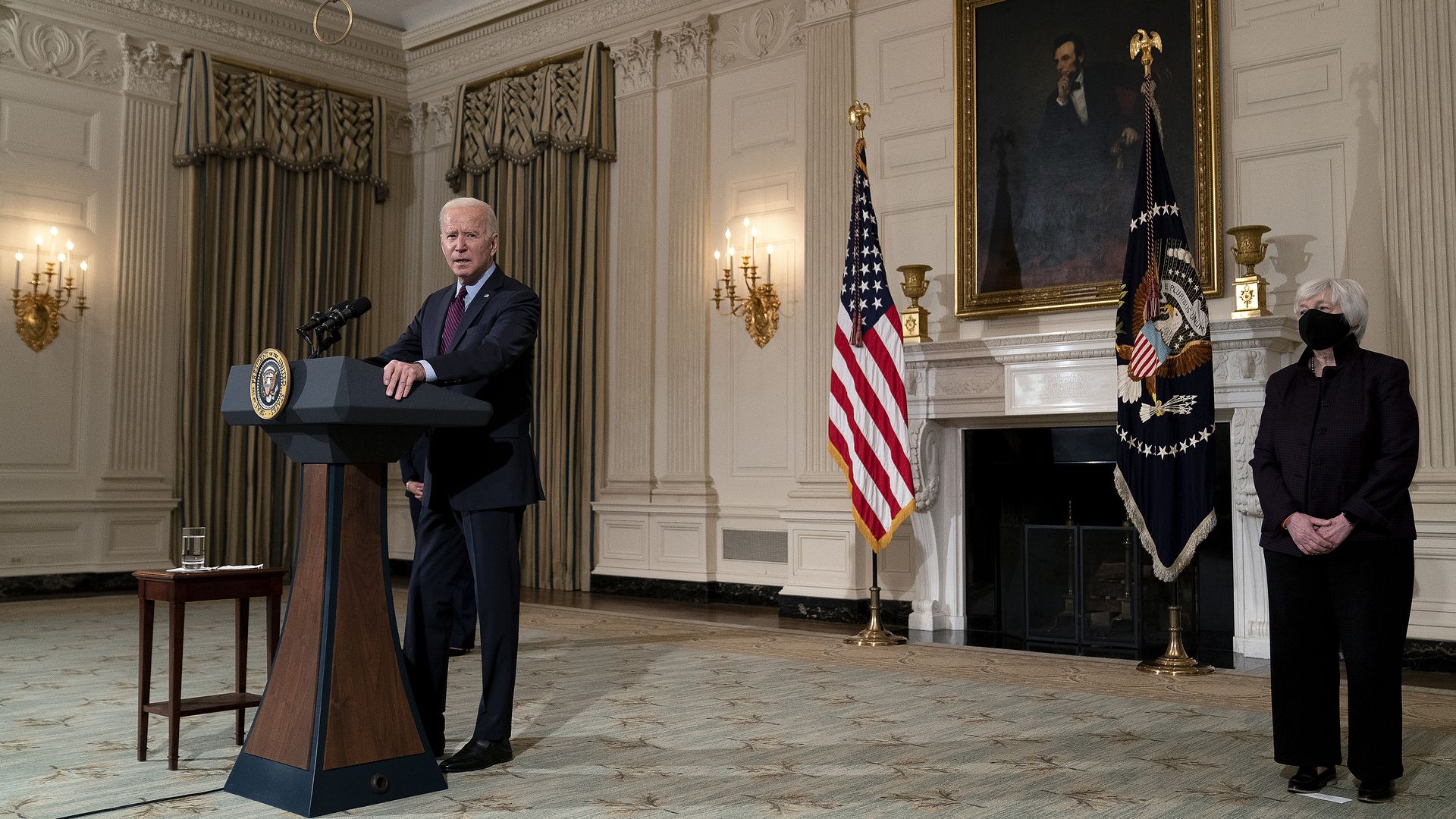
Political groups representing some of the biggest corporations in America — including Disney, Pfizer and ExxonMobil — are preparing a massive lobbying campaign against key pieces of President Biden's economic agenda, per the Washington Post.
Why it matters: The lobbying blitz could make passing the $3.5 trillion plan — Biden's signature domestic legislation — even more difficult. It already faces an uphill battle in the Senate where Democrats hold a slim majority and cannot lose a single vote.
Mike Richards will no longer serve as an executive producer of "Jeopardy!" and "Wheel of Fortune," according to a statement from Sony executive Suzanne Prete.
Driving the news: The departure comes less than two weeks after Richards stepped down from his position as the new host of "Jeopardy!" over offensive comments he made in 2013 and 2014.
When Aileen Lee originally coined the term "unicorn" in late 2013, she was describing the 39 "U.S.-based software companies started since 2003 and valued at over $1 billion by public or private market investors."
Flashback: It got redefined in early 2015 by yours truly and Erin Griffith, in a cover story for Fortune, as any privately-held startup valued at $1 billion or more. At the time, we counted 80 of them.
Syndicate, a decentralized investing platform, raised $20 million in Series A funding led byAndreessen Horowitz.
Why it matters: Crypto is coming for investing, and not just as an asset in which to invest. Syndicate's mission is to make it easier to create DAOs, or decentralized autonomous organizations, which basically enable groups of people to invest collectively and transparently.
Facebook plans to announce that it will de-emphasize political posts and current events content in the News Feed based on negative user feedback, Axios has learned. It also plans to expand tests to limit the amount of political content that people see in their News Feeds to more countries outside of the U.S.
Why it matters: The changes could reduce traffic to some news publishers, particularly companies that post a lot of political content.
Amazon is investing heavily in a new live audio feature that's similar to other live audio offerings like Clubhouse, Twitter Spaces and Spotify's new live audio platform, sources tell Axios.
Why it matters: As with Amazon's efforts in podcasting and music subscriptions, the company sees live audio as a way to bolster the types of content it can offer through its voice assistant, Alexa, and its smart speaker products.
Jury selection begins today in USA v. Elizabeth Holmes, with the actual jury trial to get underway on Sept. 8.
Why it matters: Theranos was the biggest fraud in Silicon Valley history, putting both hundreds of millions of dollars and thousands of patients' health at risk.
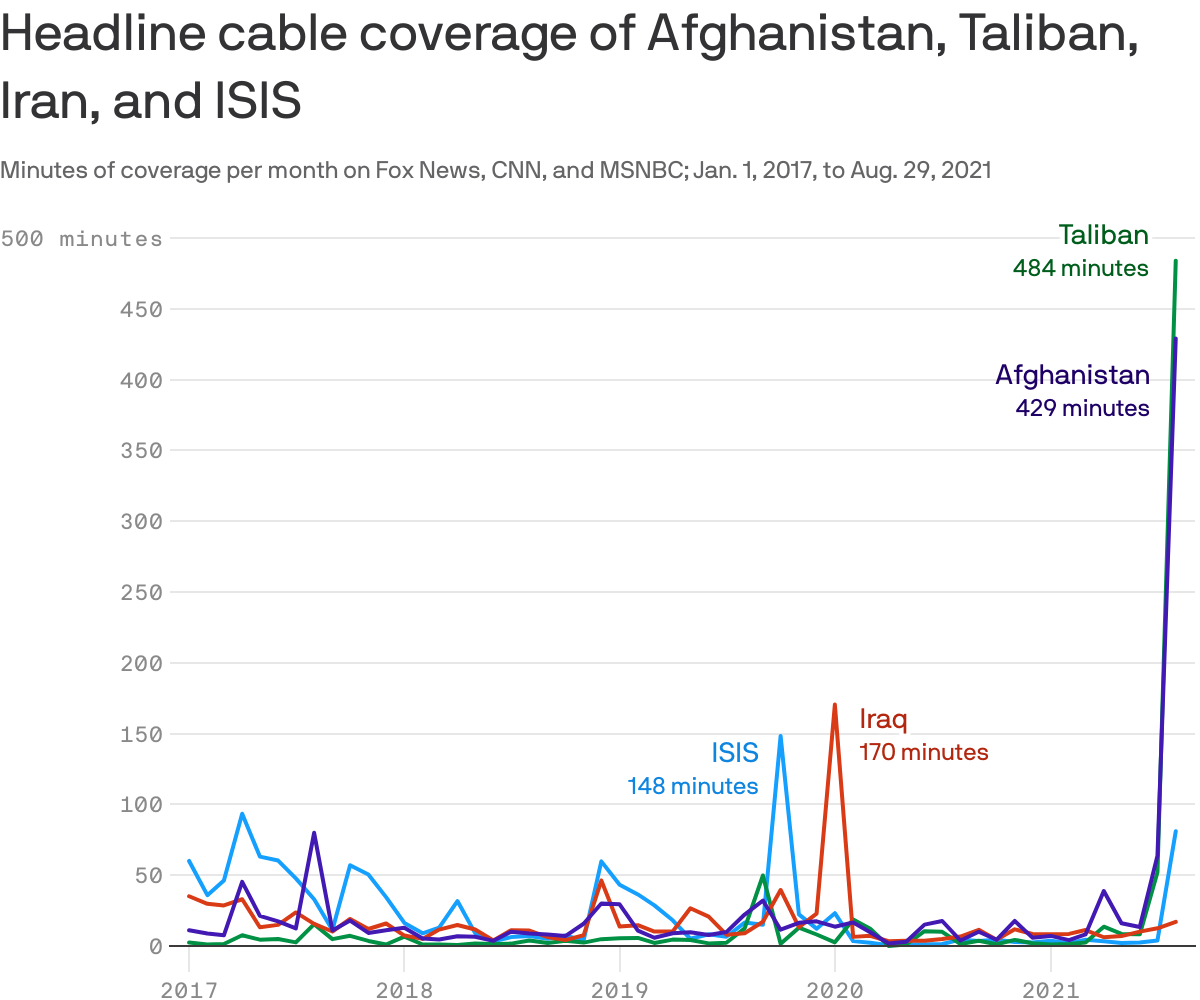
Data: Stanford Cable TV News Analyzer; Chart: Connor Rothschild/Axios
The debate over the media's role in Afghanistan's fall is intensifying, as experts look to understand how Americans were so blindsided by the Taliban's rapid rise to power.
Why it matters: "This is the least reported war since at least WWI," says Benjamin Hopkins, a historian of modern South Asia specializing in the history of Afghanistan at George Washington University.
Nearly all American renters can now be evicted, for the first time since March 2020 — and a white-hot housing market is making eviction much more attractive for landlords.
Why it matters: There's an enormous pool of federal money available to protect renters who have fallen behind. But it's not going to stop hundreds of thousands of households from being evicted.
South Korean lawmakers passed a bill Tuesday that will prevent Google and Apple from forcing software developers to use their payment systems for in-app purchases, according to the Wall Street Journal.
Why it matters: The bill, which will become the first law of its kind after it's signed by President Moon Jae-in, threatens to reduce Google and Apple's dominance over app developers and their access to commissions from in-app sales.
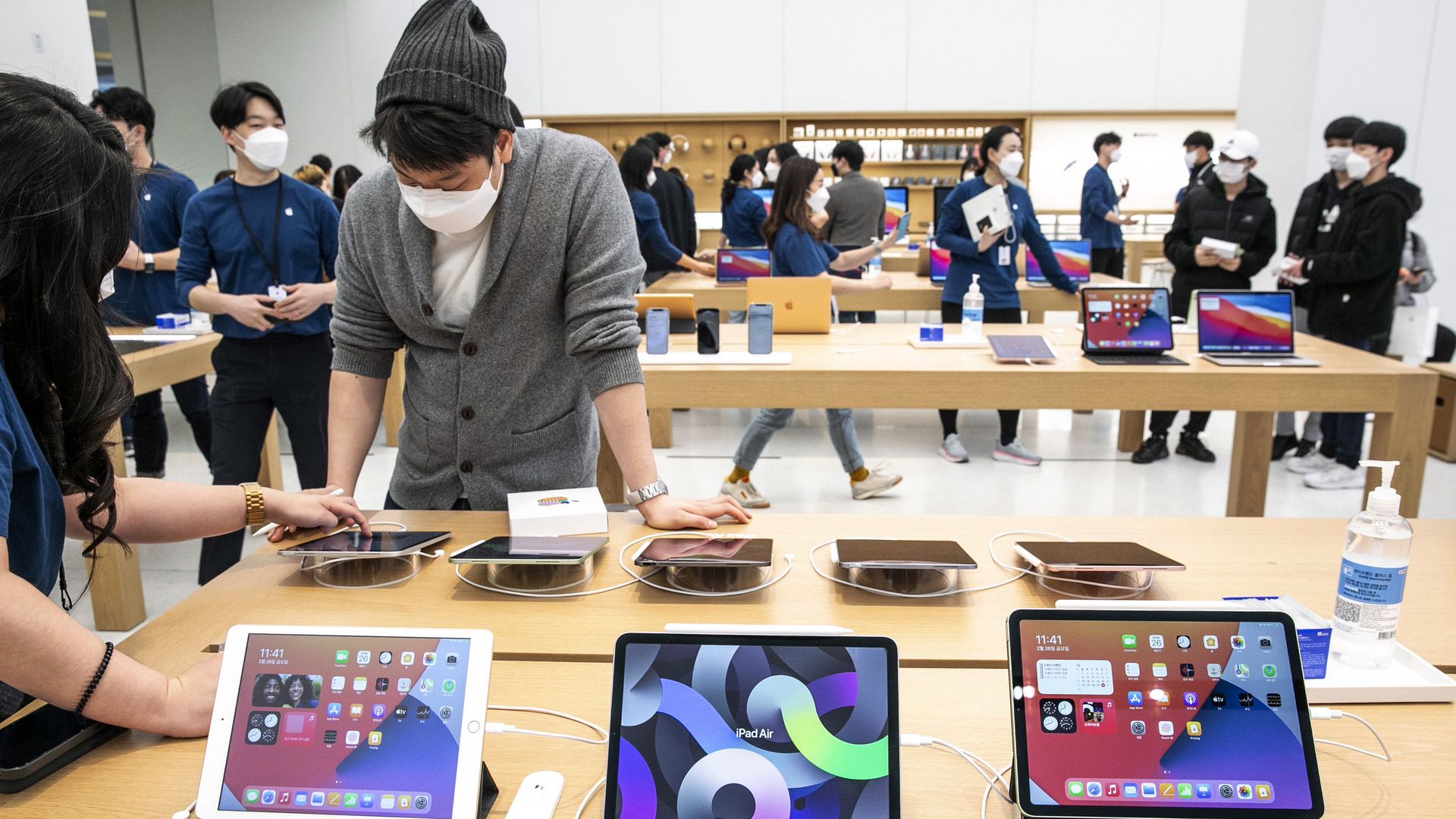
Long-quiet Apple employees are beginning to speak their minds. In recent weeks they've talked publicly about experiences with harassment and discrimination, concerns about business decisions, and objections to policies that some feel open their personal lives to corporate scrutiny.
Why it matters: Employee activism has been on the rise across Silicon Valley, but until recently, Apple workers have largely avoided public criticism of their employer.
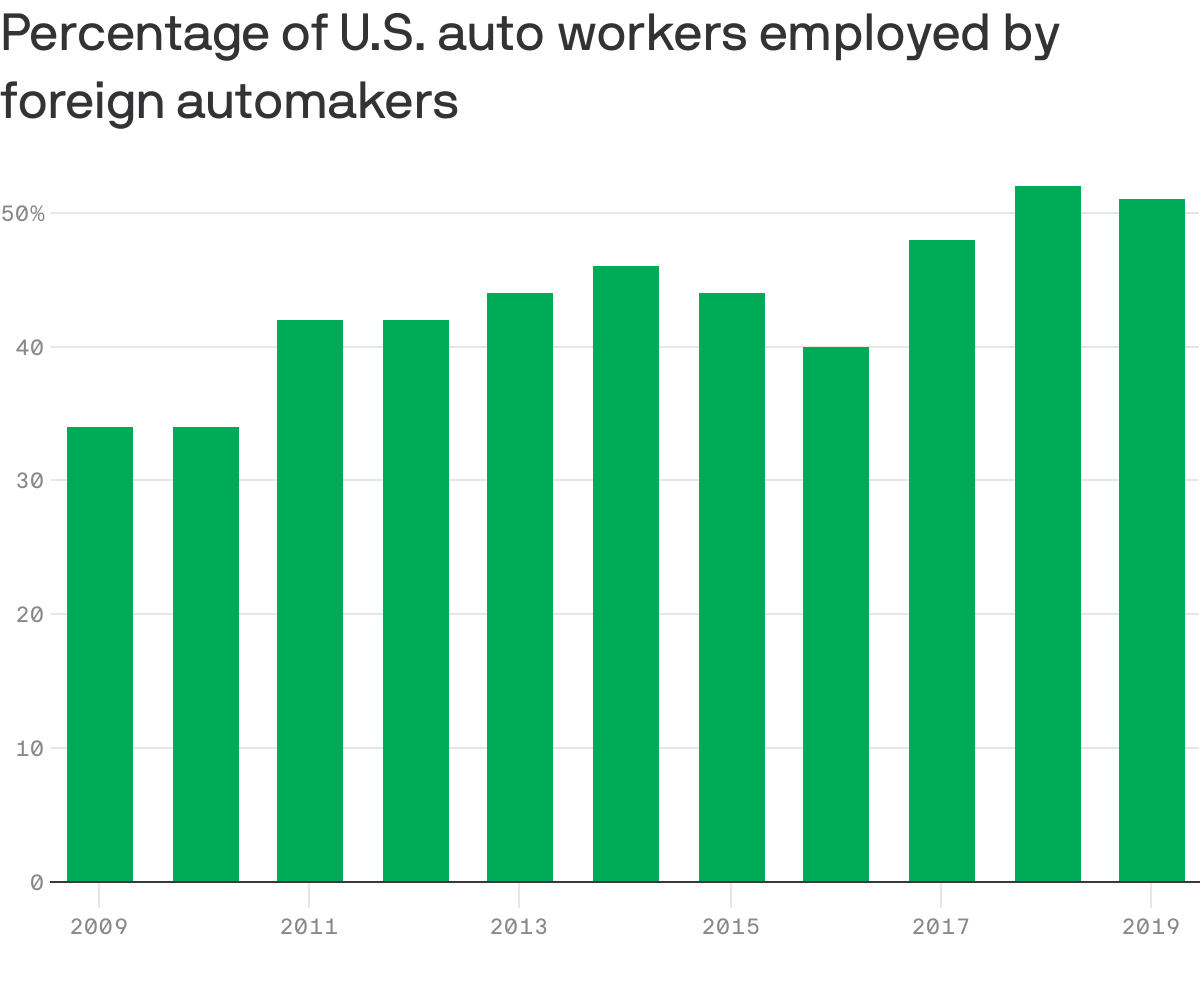
Data: Bureau of Economic Analysis; Chart: Will Chase/Axios
Foreign automakers and suppliersnow employ more U.S. workers than domestic carmakers do, according to fresh data from the U.S. Bureau of Economic Analysis.
Why it matters: The American auto industry is not the Detroit-based monolith it used to be. The shifting landscape now counts Chrysler as part of the Dutch giant Stellantis and Tesla as one of America's Big Three. Meanwhile, global carmakers and suppliers have been steadily expanding their U.S. manufacturing footprints.
The media deal frenzy is coming for Washington, giving longtime owners and investors in political publications a way to finally cash out.
Why it matters: The post-Trump era has been a traffic nightmare for political publications, but business is soaring right now, thanks to a few hot-button issues being debated by a new, divided Congress.
A shortage of medical-grade oxygen in COVID hotspots like Florida is rippling through the economy, crimping manufacturing and intensifying a shortage of truck drivers.
Why it matters: It’s the latest example of the supply chain chaos that’s developed in the pandemic economy. Oxygen suppliers like Airgas have diverted all their supply to hospitals, leaving industrial customers in a lurch — and potentially putting themselves in legal jeopardy for breaching contracts, sources tell Axios.