Y Combinator’s “Demo Day" was once a marquee event for VCs, who gathered in Silicon Valley twice a year to network and watch dozens of buzzy startup pitches. But interest has waned as Demo Day moved online and the number of participating companies ballooned to nearly 400.
Why it matters: YC is one of the most influential entities in the global startup ecosystem, with companies like Airbnb, DoorDash, Stripe and Coinbase making their debuts during Demo Day.
Disney's new Marvel hit "Shang-Chi and the Legend of the Ten Rings" is expected to break records at the box office this weekend, giving the movie theater industry a glimmer of hope heading into the fall.
Why it matters: A few recent box office hits like "Candyman" and Disney's "Free Guy" prove that consumers are still willing to go to the theater despite the Delta variant. But overall, the box office is still pacing far behind 2019 totals and likely won't be able to recover meaningfully until 2022.
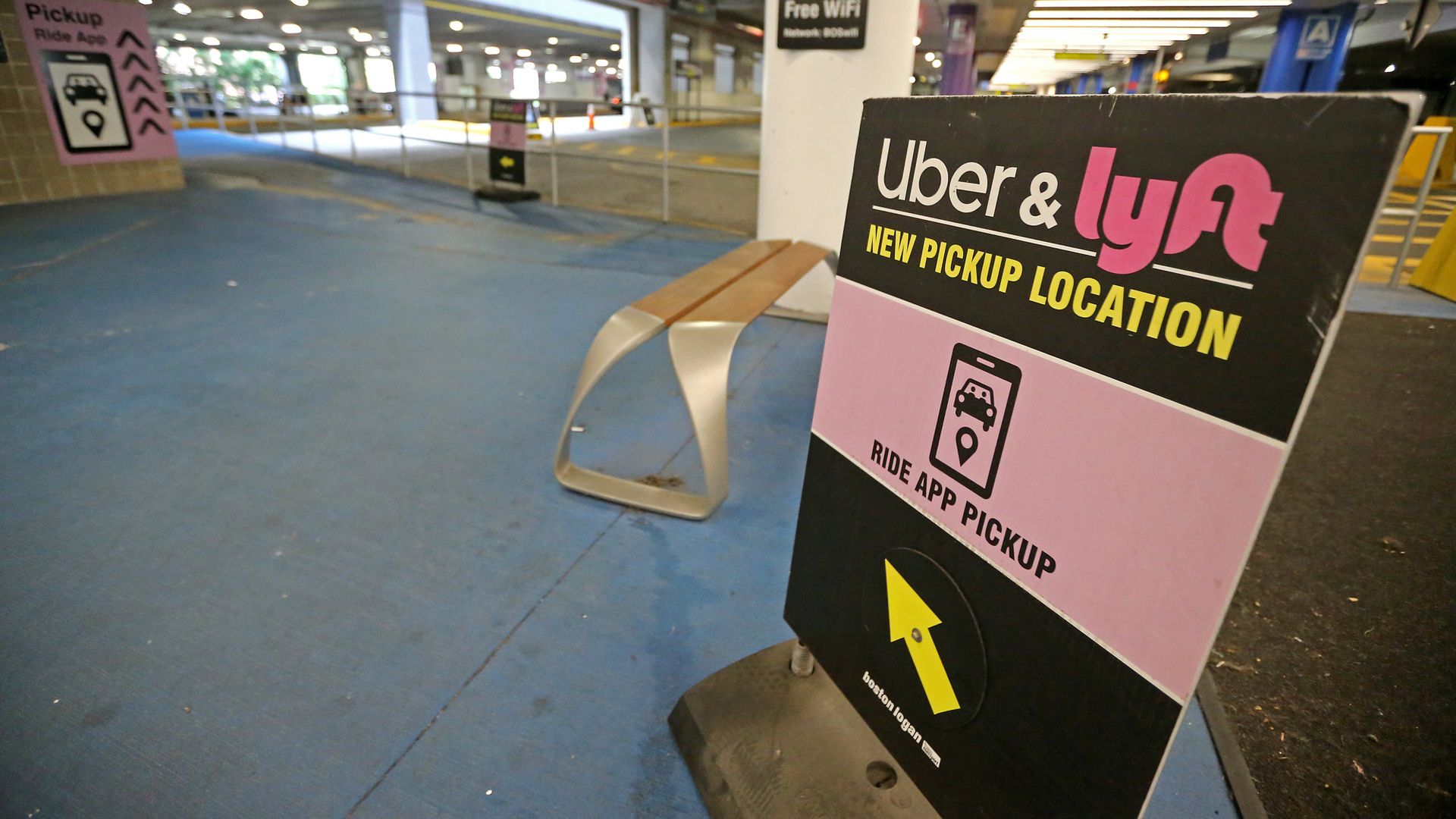
Lyft and Uber will cover all legal fees for drivers sued under a new Texas law that imposed a ban on abortions after six weeks.
Why it matters: The law is one of the most restrictive abortion bans in the U.S., and prohibits the practice after a fetal heartbeat is detected — before many people know they are pregnant, Axios' Oriana Gonzalez writes.
A U.S. government road safety regulator is investigating yet another fatality involving a Tesla and its use of partially automated driving systems, AP reported Friday.
Why it matters: Critics, including the National Transportation Safety Board, have said Tesla needs to implement a stronger system to ensure drivers are paying attention to the road.
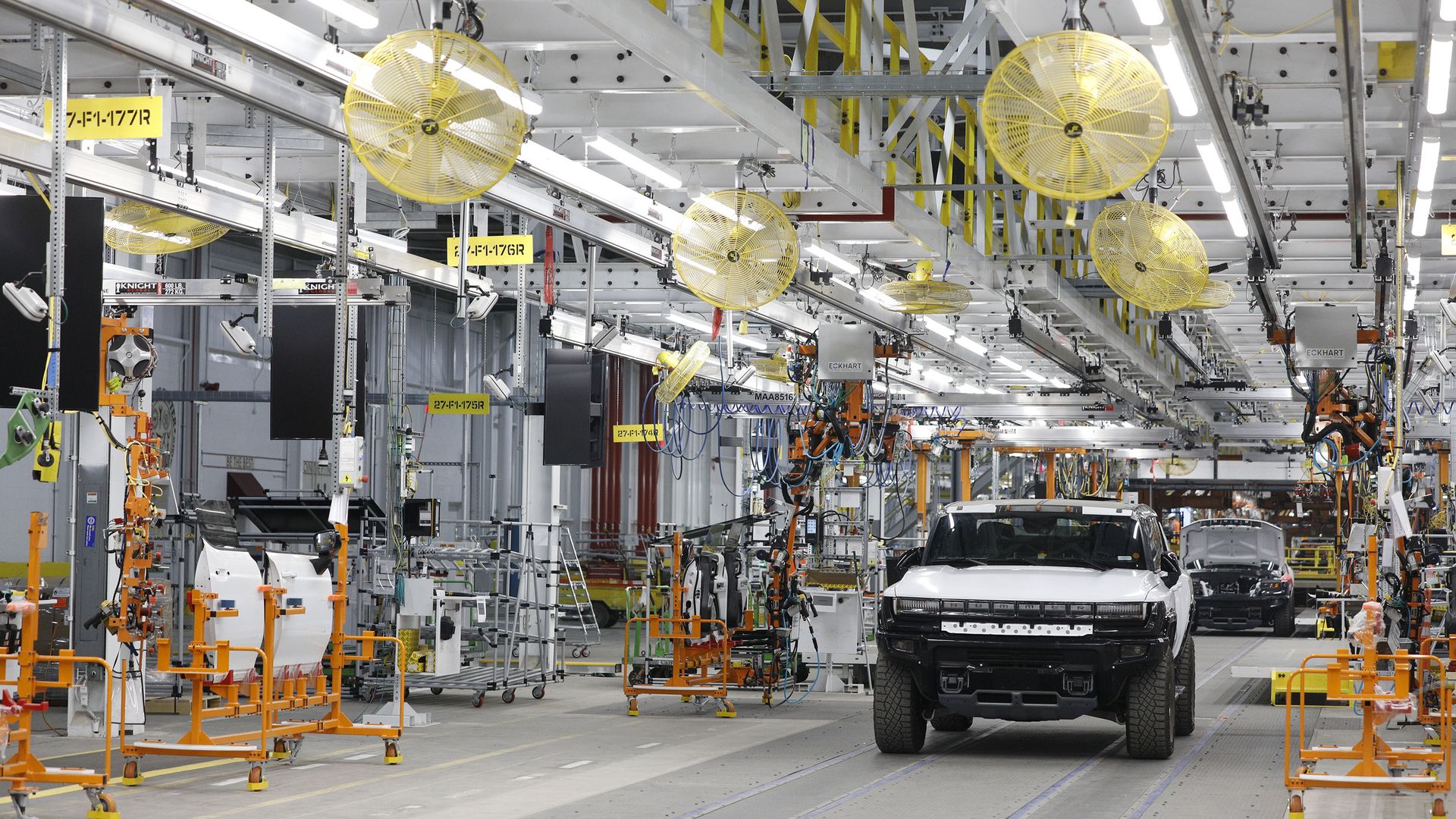
General Motors will temporarily shut down eight of its 15 North American assembly plants for a week starting Monday because of a worsening global microchip shortage, according to ABC News.
Why it matters: The coronavirus pandemic and other disasters have disrupted supply chains for semiconductors, which are crucial for thousands of computer-controlled systems in new vehicles.
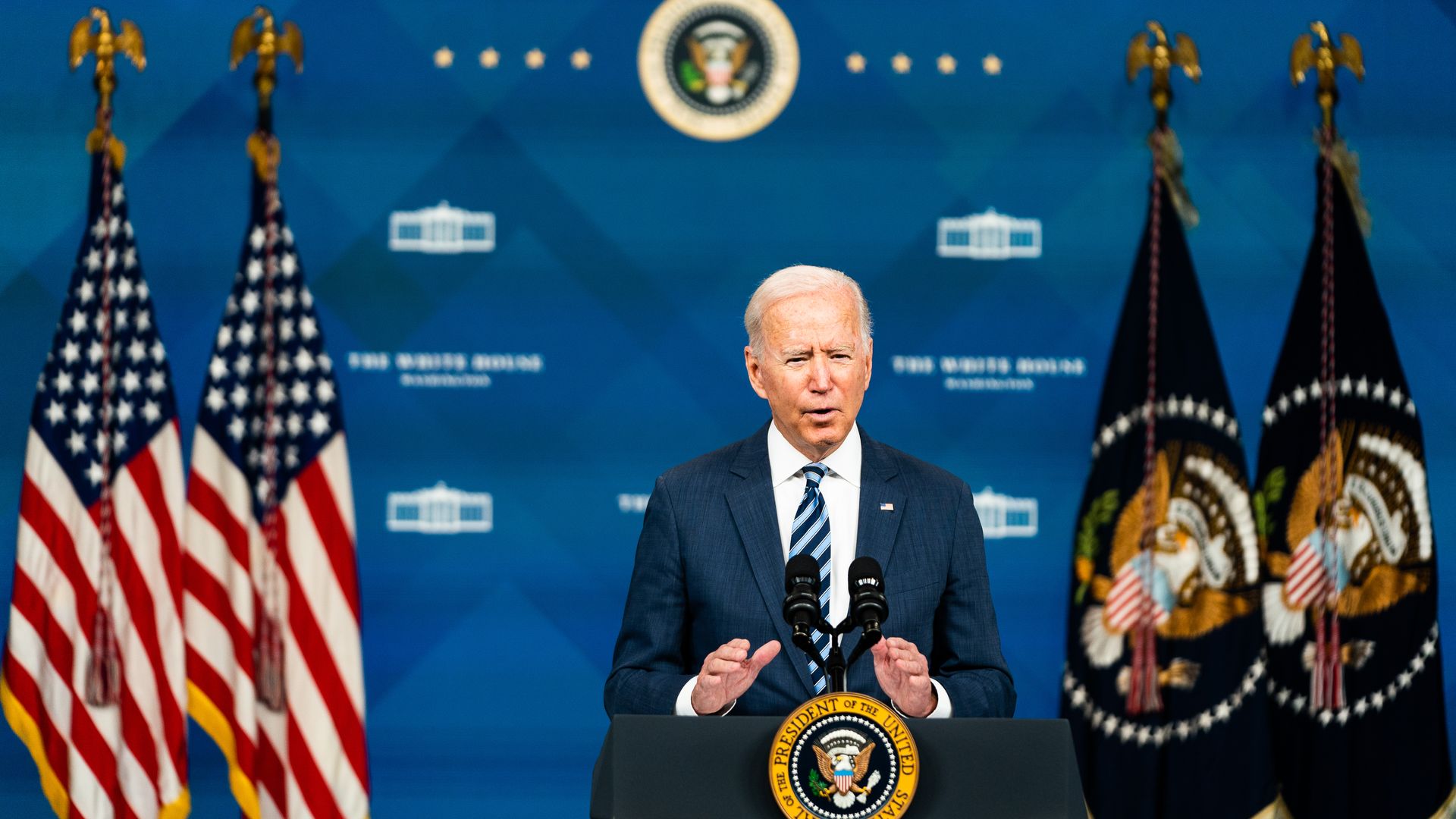
There is "no question" that the Delta variant is to blame for the disappointing August jobs report, President Biden said in remarks on Friday, a fact that he argued underscores the importance of continuing to vaccinate Americans and passing his economic agenda.
Why it matters: The U.S. economy added only 235,000 jobs last month, significantly lower than what economists expected in part because of the surge in new coronavirus cases driven by the Delta variant.
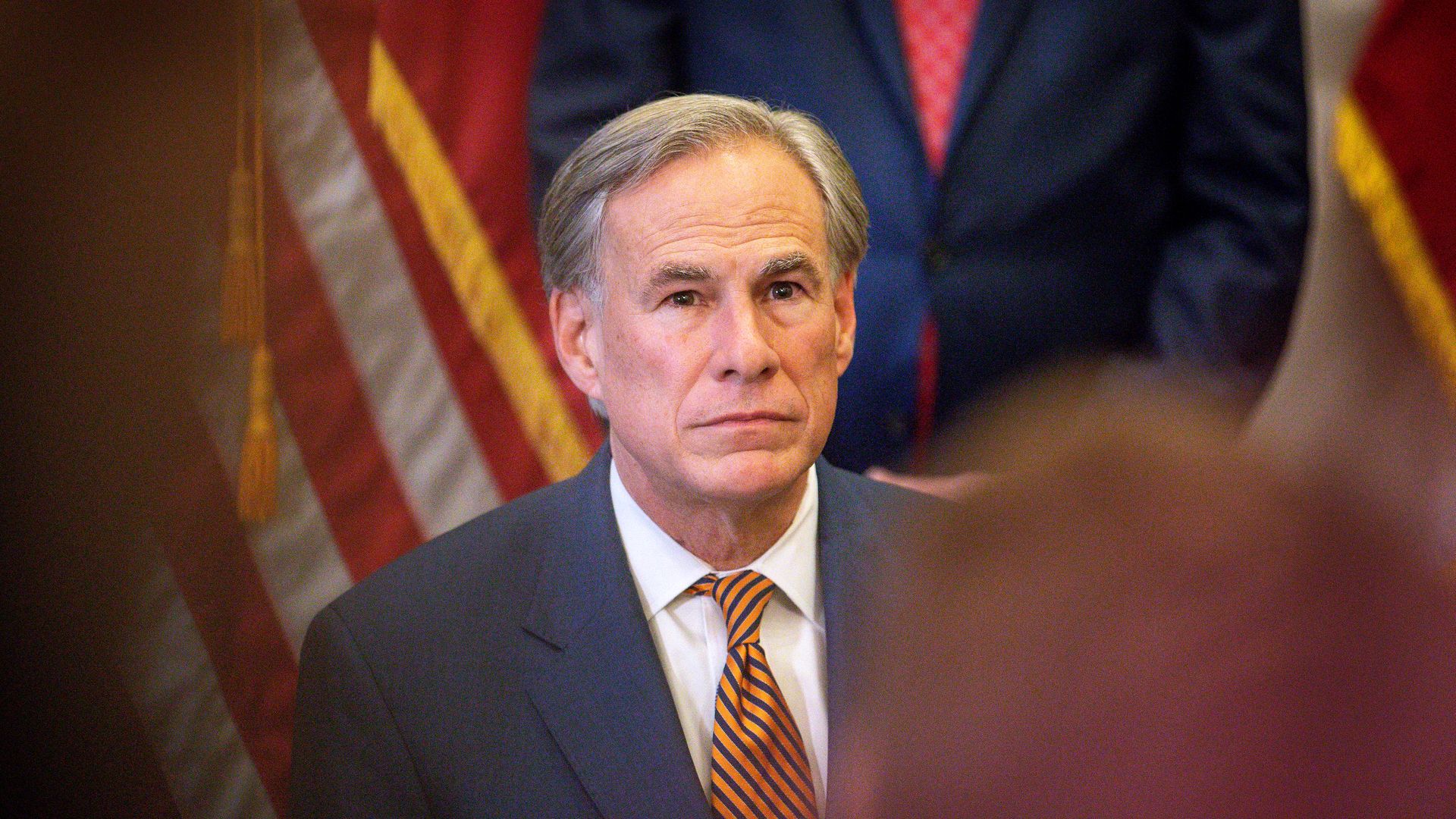
In defending his state's new abortion ban, Texas Gov. Greg Abbott yesterday used business migration as his shield: "The people who are not wringing their hands are the people who create jobs that run businesses."
Why it matters: Business leaders have become America's new politicians, swinging their outsized influence on civil rights in Indiana, voting rights in Georgia and public health throughout the pandemic.
Advent International and GIC offered to buy Swedish Orphan Biovitrum (STO: SOBI), a drugmaker primarily focused on rare diseases, for around $8 billion.
Why it matters: It would be the largest-ever buyout of a Swedish company, and comes shortly after rival rare disease biotech Alexion was acquired for a whopping $39 billion by AstraZeneca.
The U.S. economy added a meager 235,000 jobs in August, while the unemployment rate fell from 5.4% to 5.2%, the government said Friday.
Why it matters: It's the first jobs report to factor in the extent of the COVID-19 surge driven by the Delta variant — showing a massive slowdown in the recovery after July's blockbuster jobs report. Economists had expected 725,000 jobs to be added.
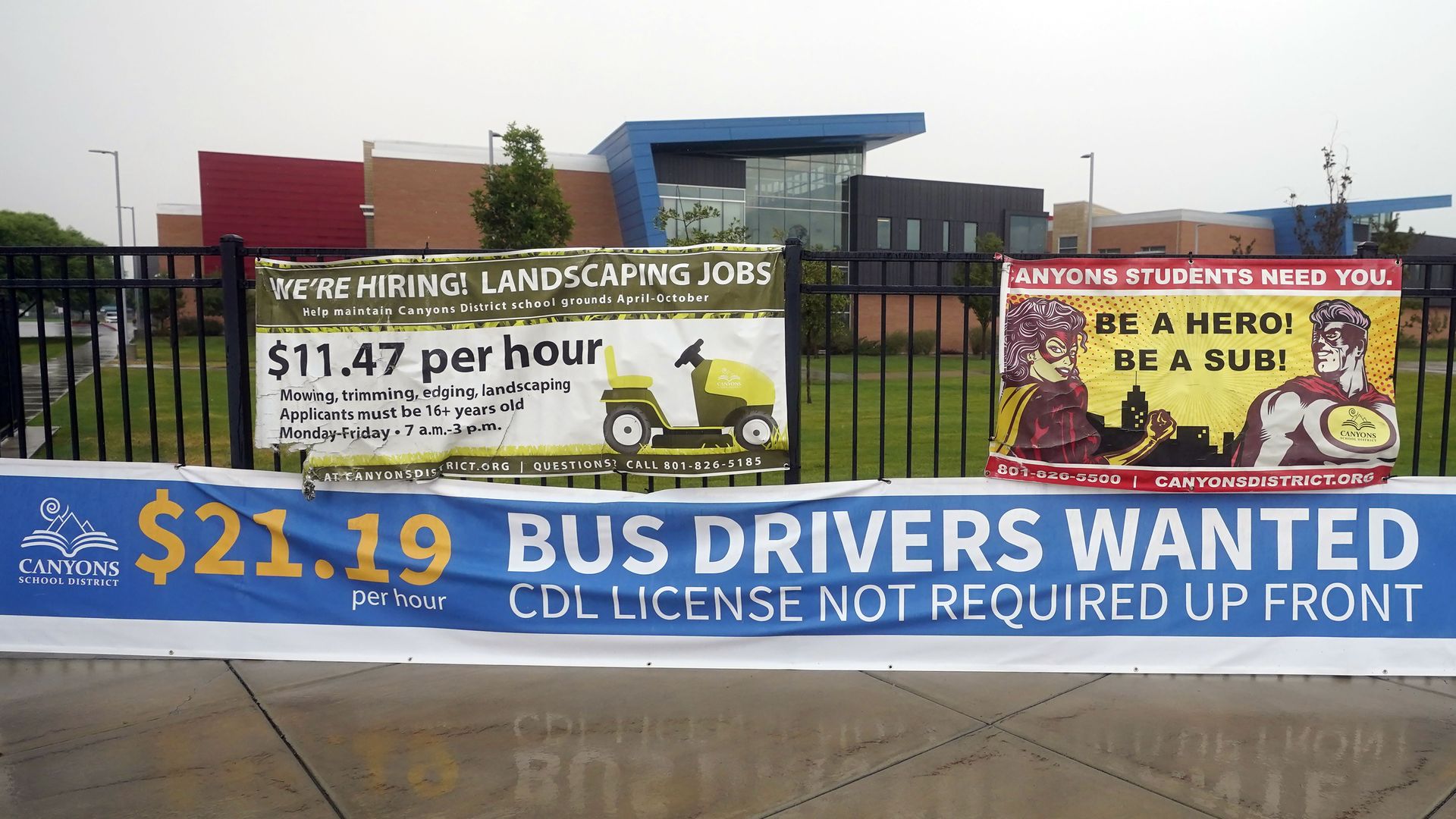
“We are going to see a very different economy down the road, and ensuring that we can tool people to move into those better jobs will be essential, ” Goodwill Industries CEO Steve Preston tells Axios.
Why it matters: Today’s labor mismatch isn’t just about COVID fears and unemployment insurance. Steve Preston would know — as the CEO of Goodwill Industries, which runs more than 650 career centers across the country, he’s been on the front lines of getting people back to work.
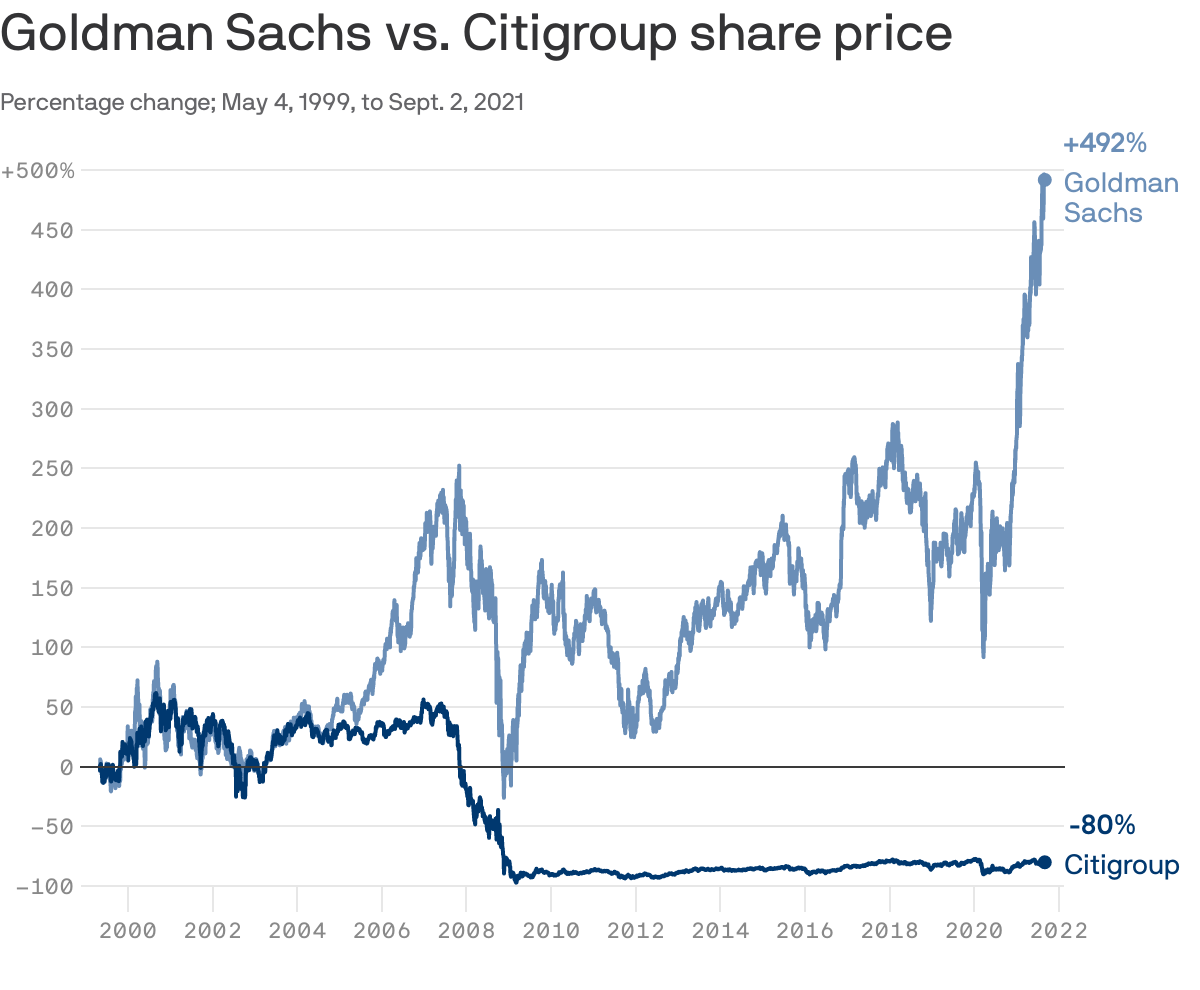
Goldman Sachs has had a great pandemic. Its shares are now trading at almost six times the level they traded at when the bank went public in 1999.
Why it matters: That's not because the banking industry, in general, has done particularly well. Citigroup shares, decimated by the 2008 financial crisis, are trading 80% below their level at the time of the Goldman IPO.
Chile’s central bank became the latest in Latin America to hike interest rates this week, startling markets with a decision to double its overnight rate.
Why it matters: Inflation has been running high in parts of Latin America. And central bankers across the region don’t have the luxury of maintaining a “looser for longer” monetary policy the way the Fed and the ECB do.
The corporate bond market has always lagged equities — by a lot — in electronic trading. But recent innovations in pricing algorithms have helped grease the wheels for a relatively new way of moving a basket of bonds.
What's happening: That process, called portfolio trading, started picking up steam in 2019 — and is similar in concept to program trading for equities.
The inevitable centerpieces of fall's new-hardware season are new iPhones, Windows 11 PCs and other devices from Facebook, Amazon and Google. But to see where tech is moving next, you'll want to pay close attention to the market's edges — the niche products and surprise debuts that represent the companies' experiments and long bets.
Why it matters: The industry is on the cusp of new devices, including augmented reality glasses. Full-featured, affordable devices are still a couple years away, but, as we've written, the future is being developed in plain sight if you look closely enough.











/2021/09/03/1630677874315.gif?w=3840)