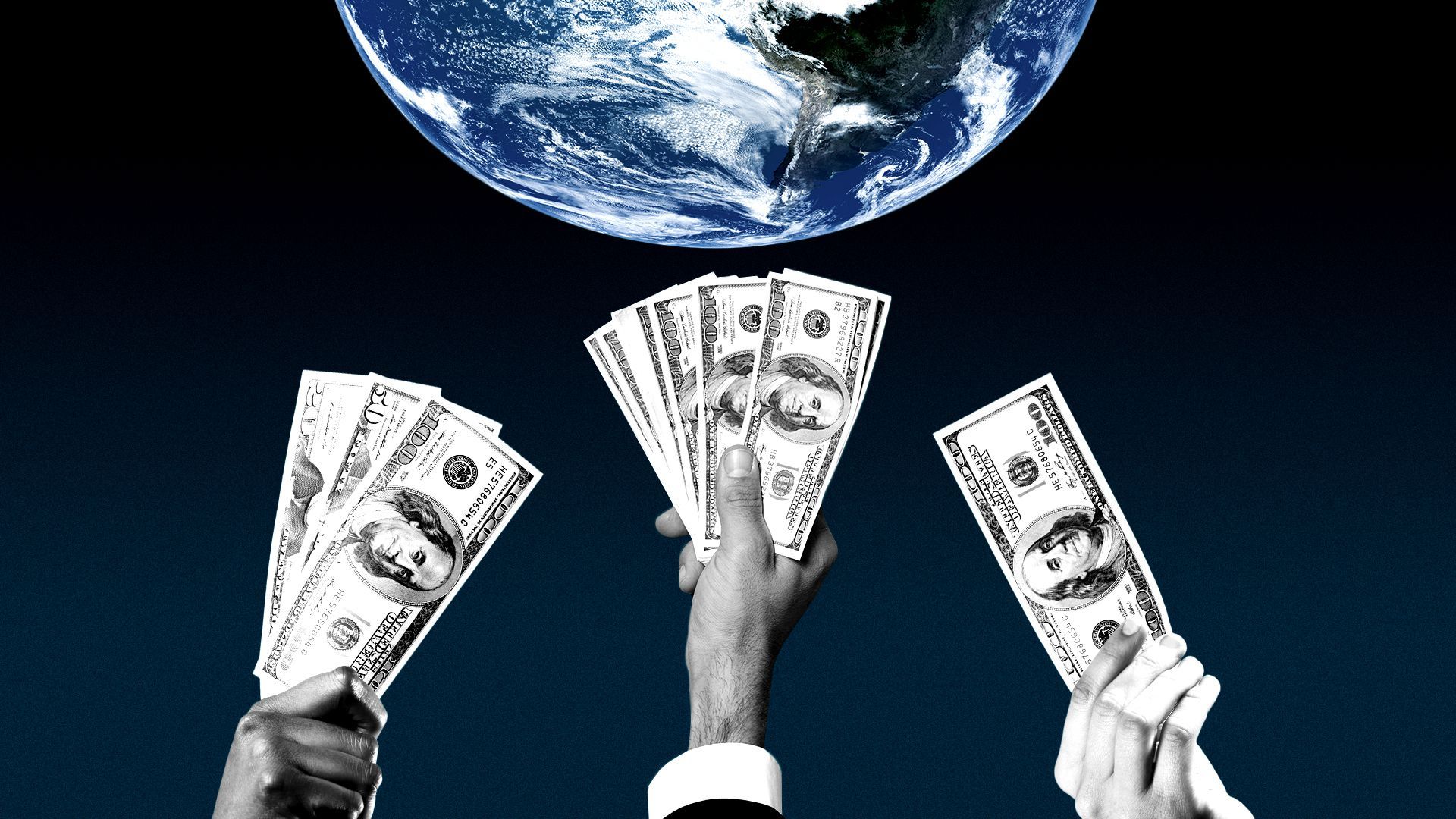
America's spending habits — what and how we are buying — are reverting to pre-pandemic times.
Why it matters: What we're learning so far from a flood of retail earnings this week is companies may have rushed to adapt to changing consumer behaviors, but not all of those habits are sticking around.
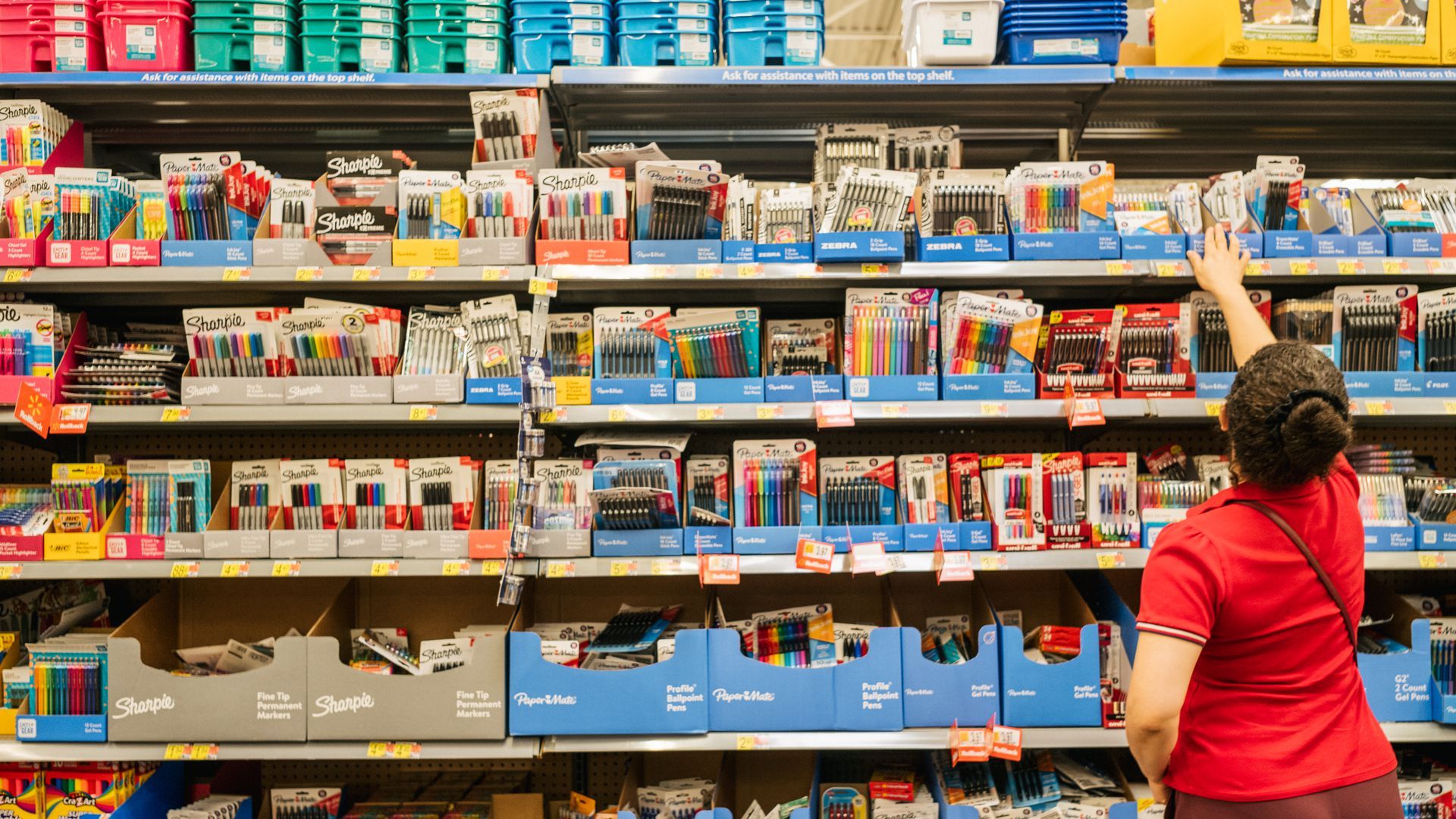
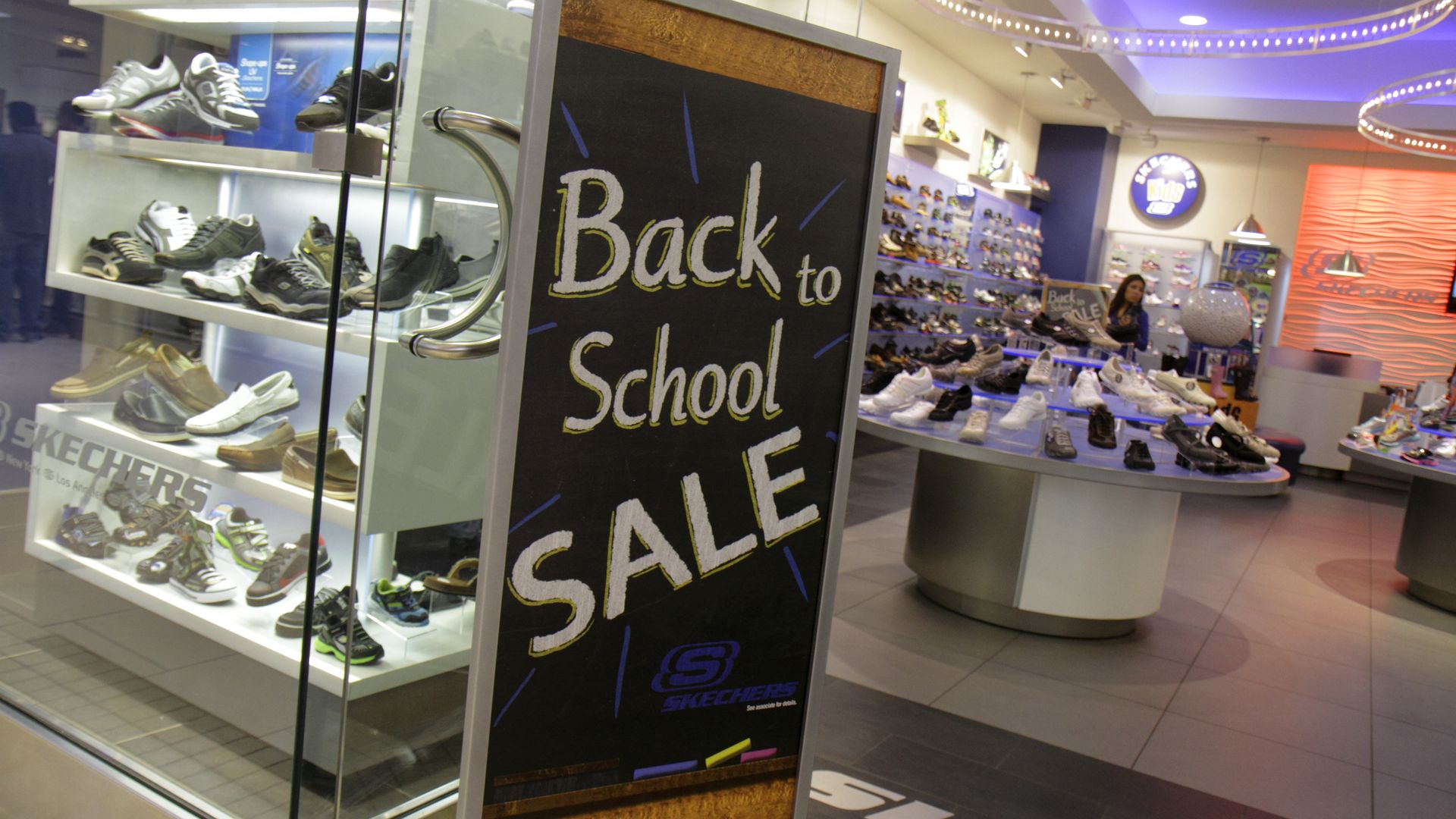
As more students return to the classroom in the coming weeks, parents across the country are finding back-to-school shopping even more stressful due to a shortage of supplies and rising prices.
Driving the news: Back-to-school products are expected to be in tight supply and more expensive this year due to more classrooms fully reopening after a year of virtual learning and supply chain issues as a result of COVID-19, USA Today reports.
DistroKid, a New York-based music distribution platform, raised funding from Insight Partners at a $1.3 billion valuation.
The big picture: DistroKid founder Philip Kaplan is best known as the creator of FuckedCompany.com, a snarky and scoopy website that chronicled the dotcom bust. He now runs a unicorn startup that's cashing in on a VC funding boom.
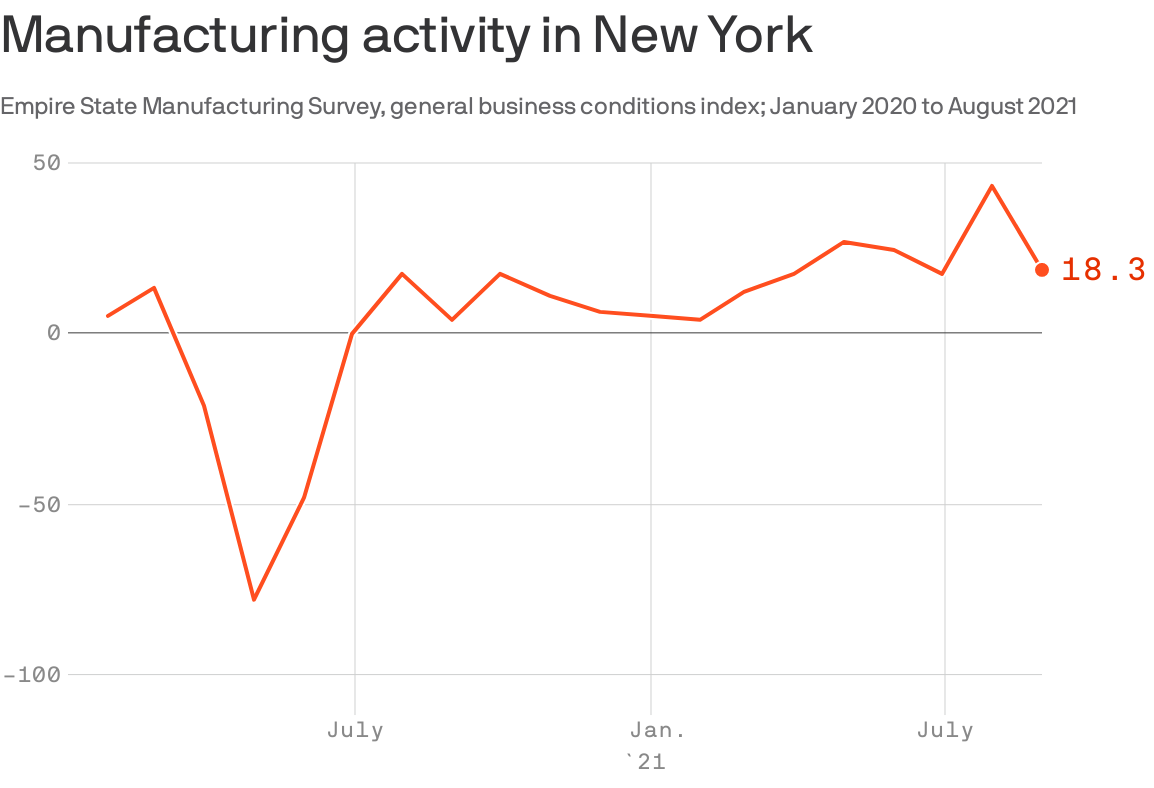
Manufacturing activity growth decelerated sharply in New York.
Why it matters: The slowdown could signal a reaction to the growing spread of the Delta variant. And activity in New York generally moves in tandem with other regions of the U.S.
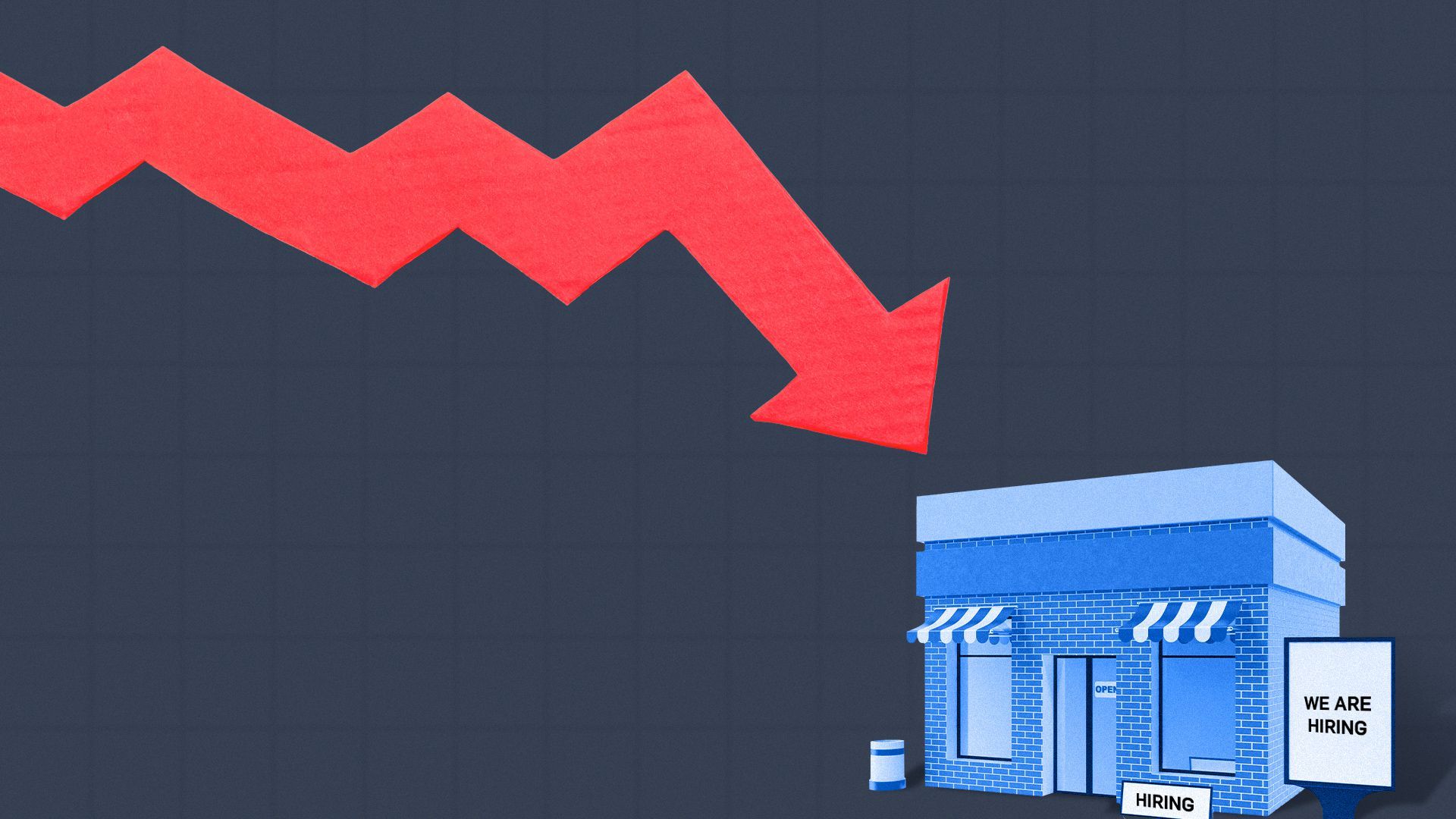
Small businesses aren’t thriving quite like their large corporate counterparts.
Why it matters: It's a signal of the bifurcated pandemic recovery, in which the biggest U.S. companies have reported record earnings growth as they leveraged higher wages to help recruitment and used their scale to make cost cuts.
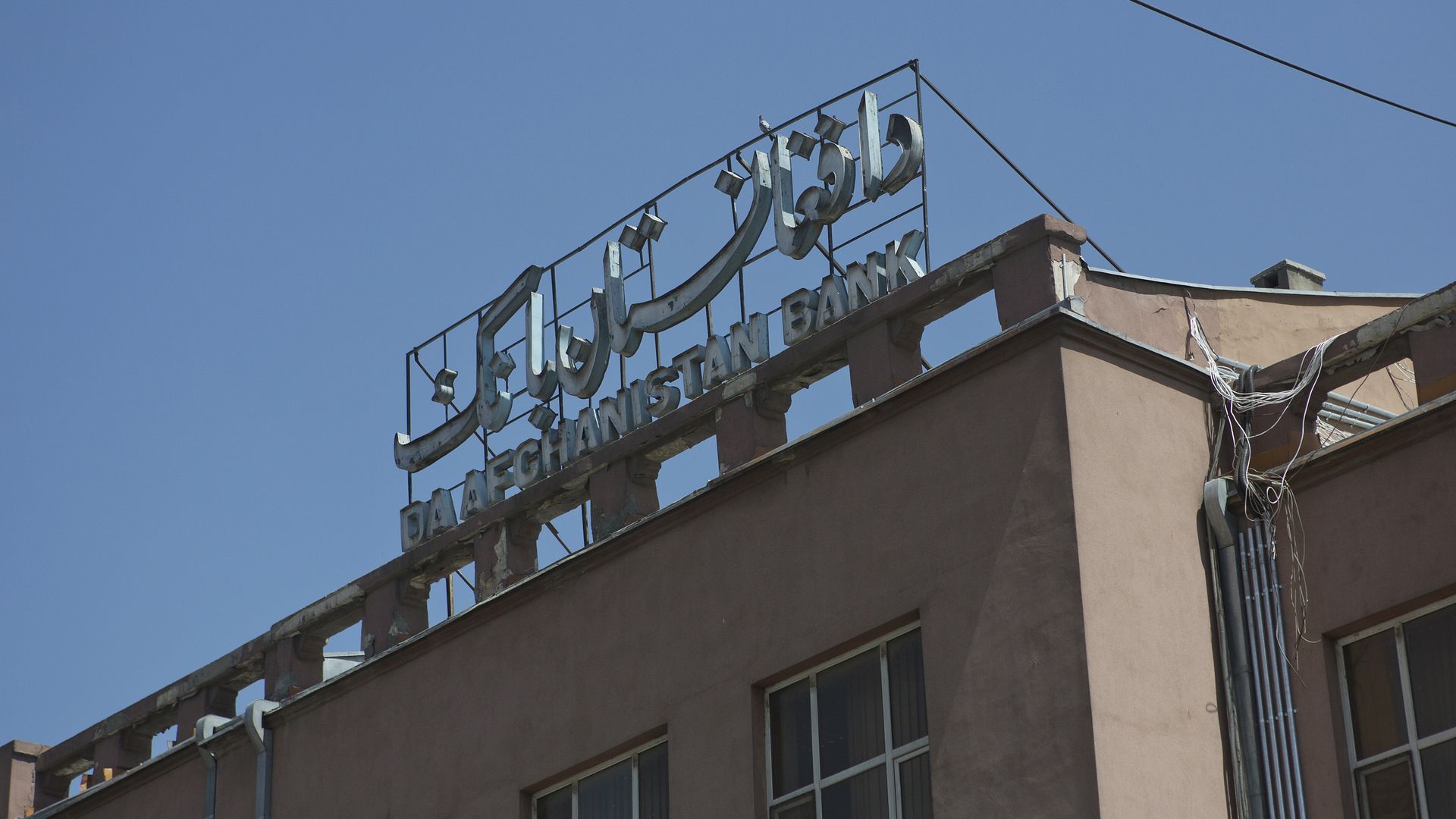
The Taliban's declaration that it had taken control of Afghanistan on Monday put central bank watchers around the world on alert.
Driving the news: The nation's central bank, Da Afghanistan Bank, held $9.4 billion in international reserves as of April, according to the International Monetary Fund.
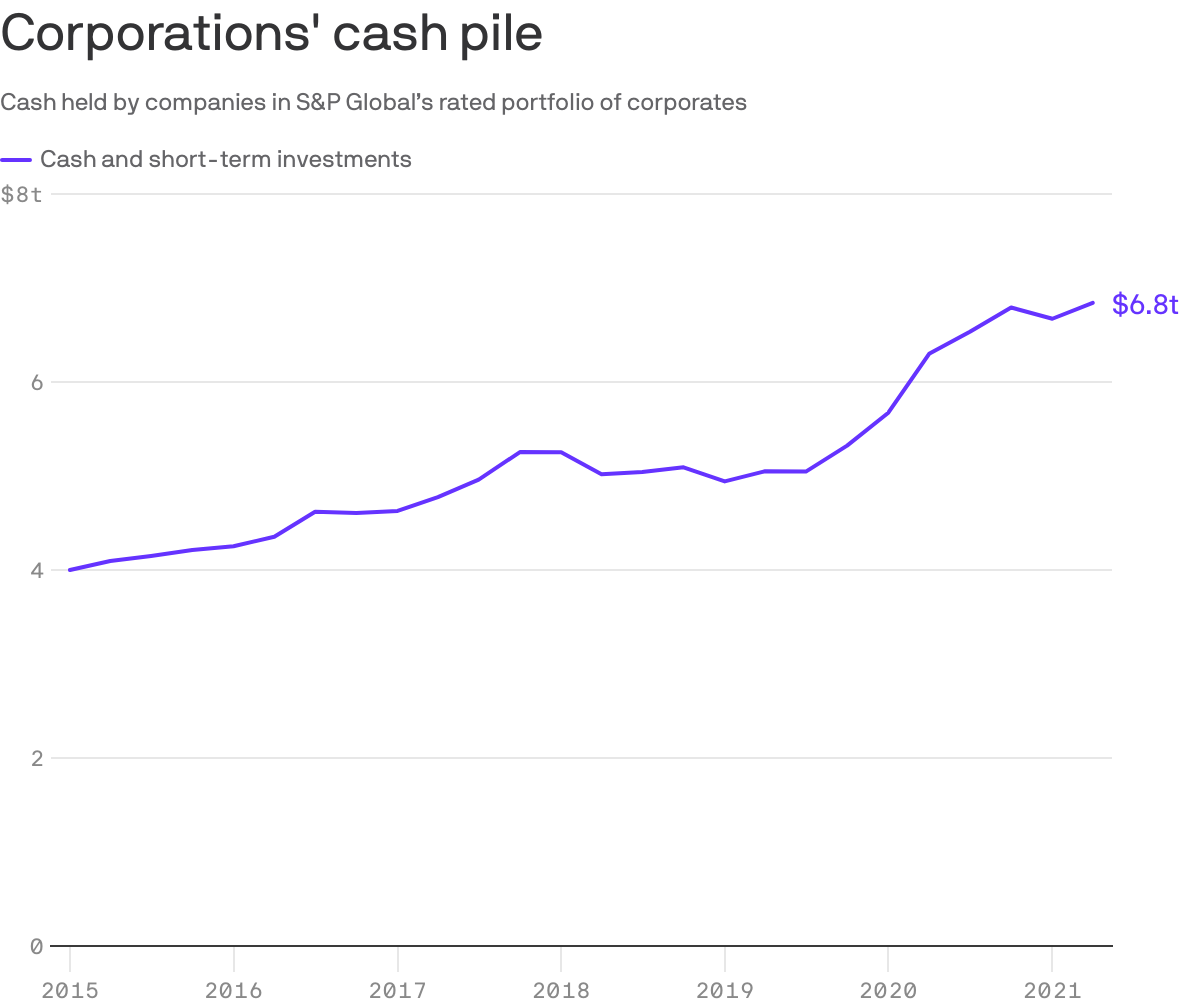
Companies are still sitting on record levels of cash.
By the numbers: At the end of Q2 2021, companies rated by S&P Global held about $6.8 trillion in cash. That's 45% higher than the average in the five years preceding the pandemic, the Wall Street Journal reports.
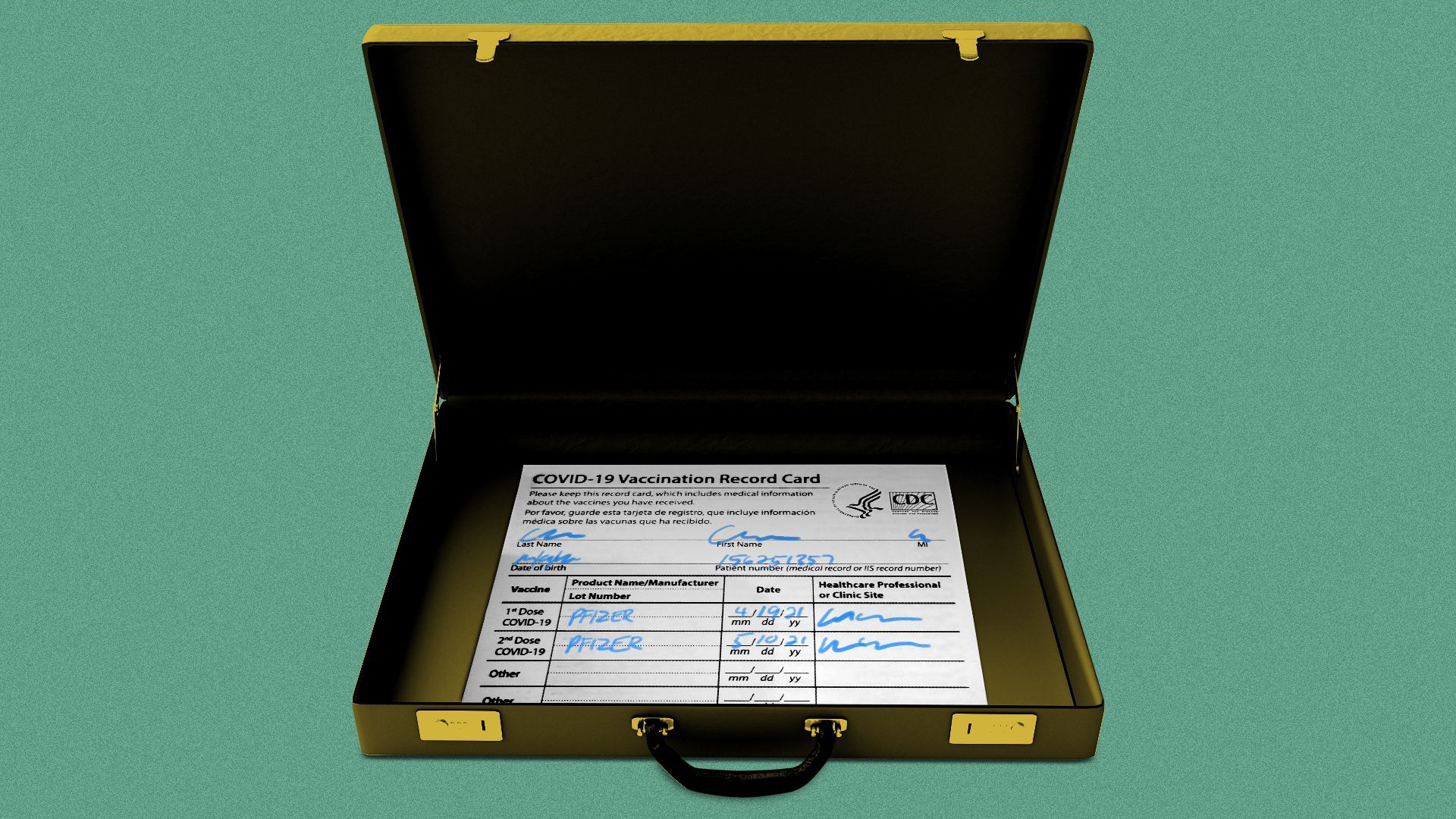
The multibillion-dollar events industry — conventions, concerts and more — is rushing to salvage its restart amid rising coronavirus cases.
What's new: Live Nation, the world’s biggest concert promoter and venue operator, will require performers and attendees to be vaccinated (or show a negative COVID-19 test), at least in states where that’s allowed, the company said.
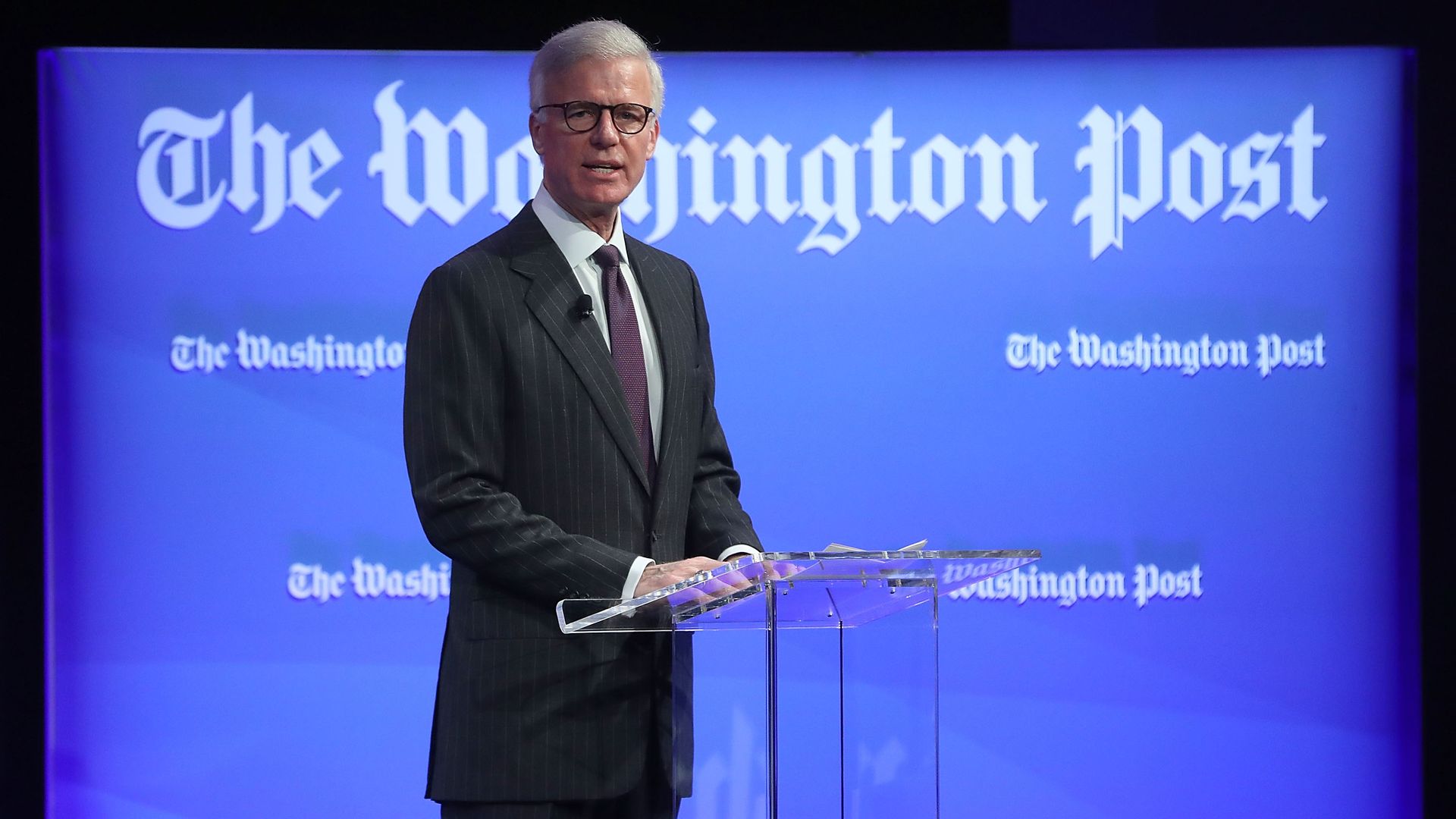
Three major news organizations on Monday urged the White House to help evacuate more than 200 journalists and staff members in Afghanistan after the country's government collapsed.
Driving the news: The publishers of the Washington Post, the Wall Street Journal and the New York Times asked President Biden to have journalists moved to the safer military side of Hamid Karzai International Airport in Kabul as they prepare to board flights.
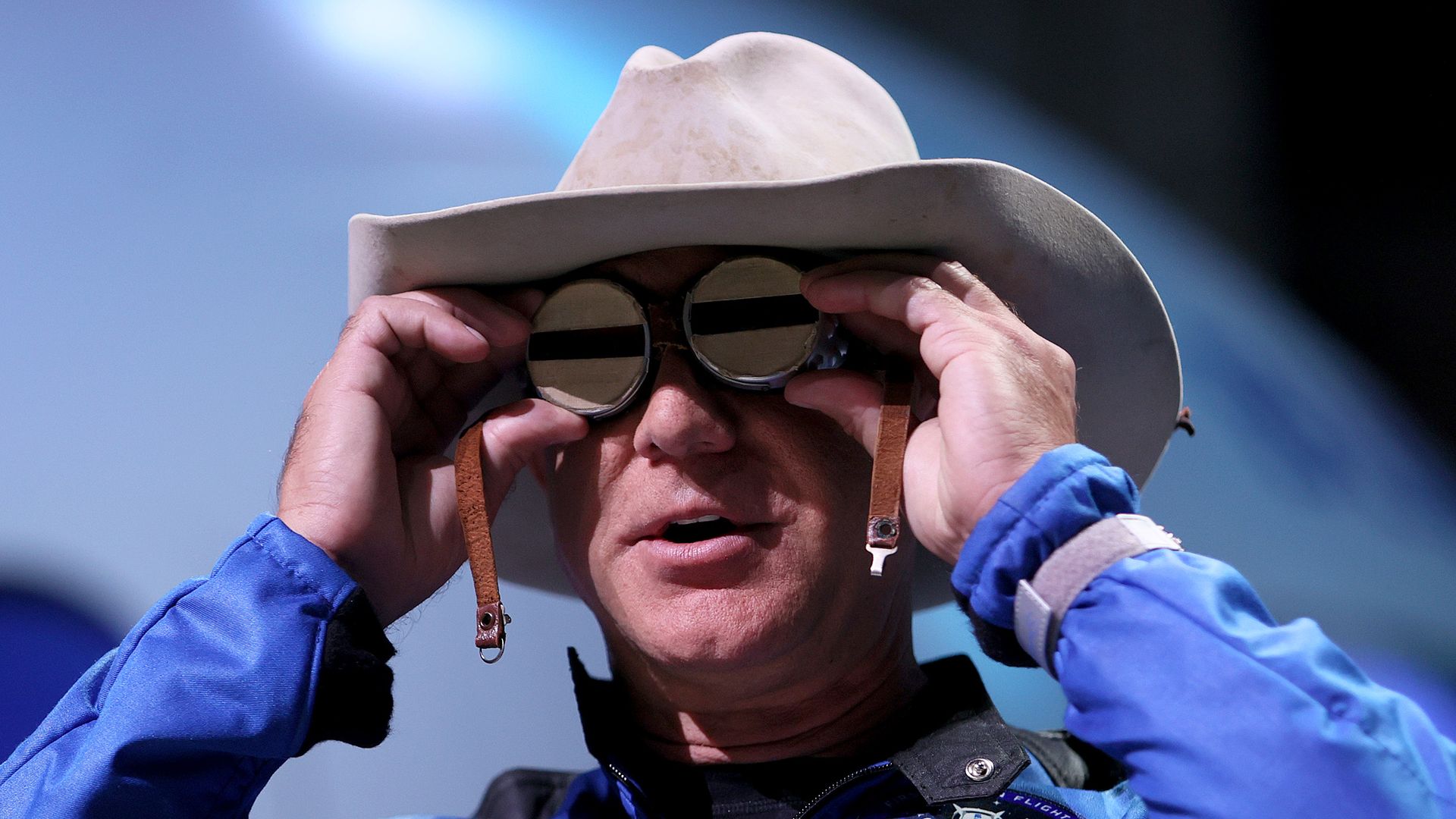
Jeff Bezos' Blue Origin has filed a complaint in federal court against NASA over the agency's decision to award SpaceX a contract to build a spacecraft that will carry astronauts to the Moon's surface as part of the Artemis program.
Why it matters: The complaint is a continuation of Blue Origin's campaign against NASA's awarding of the $2.89 billion contract to SpaceX, which Bezos' company disputed with the U.S. Government Accountability Office (GAO) earlier this year.
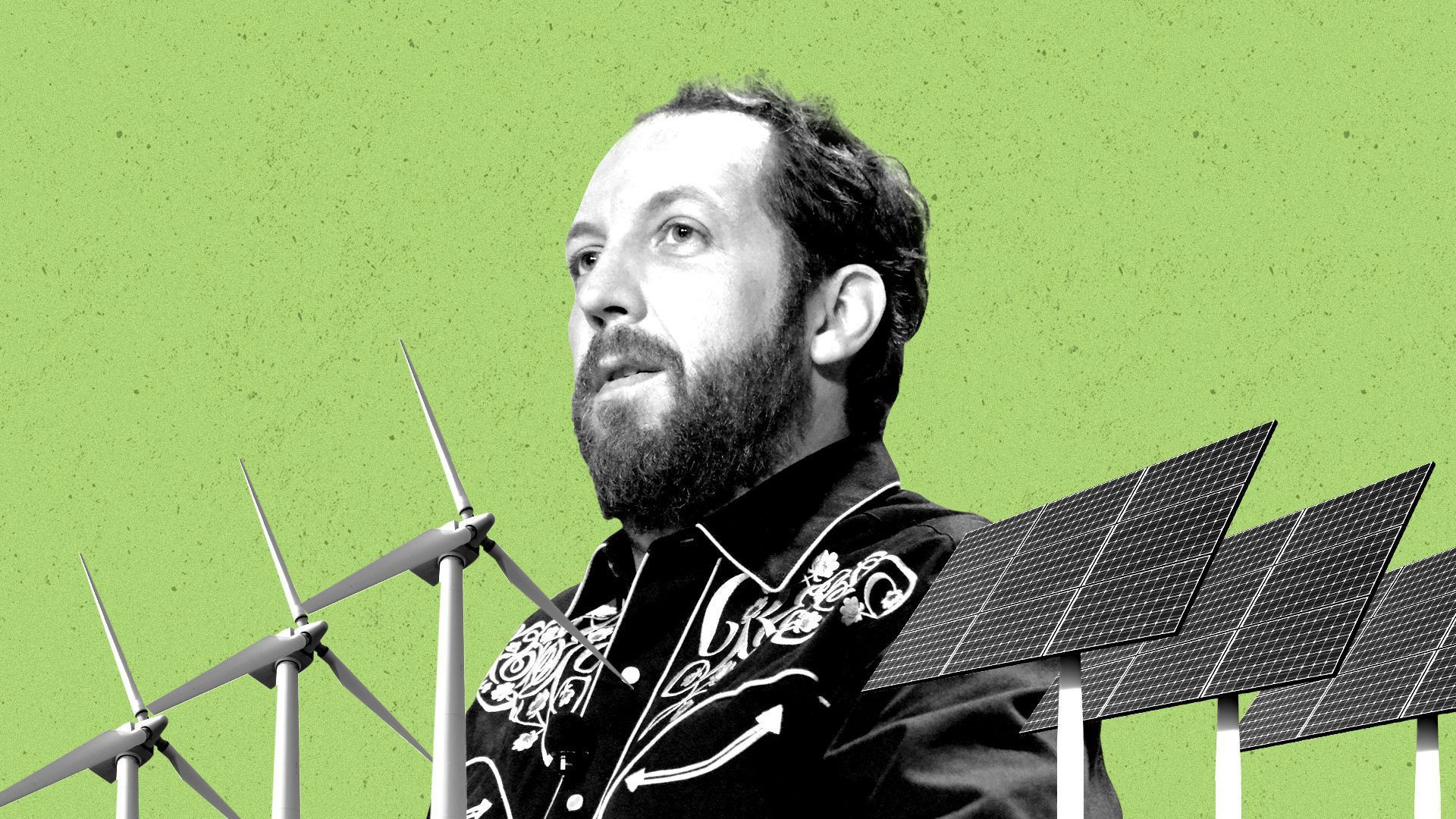
"The climate is f’d. Even worse than it seems." That's from the opening page of a 12-page letter sent by venture capitalist Chris Sacca to potential investors in Lowercarbon Capital, the climate-focused firm he launched last year after a brief retirement.
What's new: Lowercarbon, which initially funded more than 50 startups via money from Sacca and his wife Crystal, last week announced that it raised $800 million in outside capital.
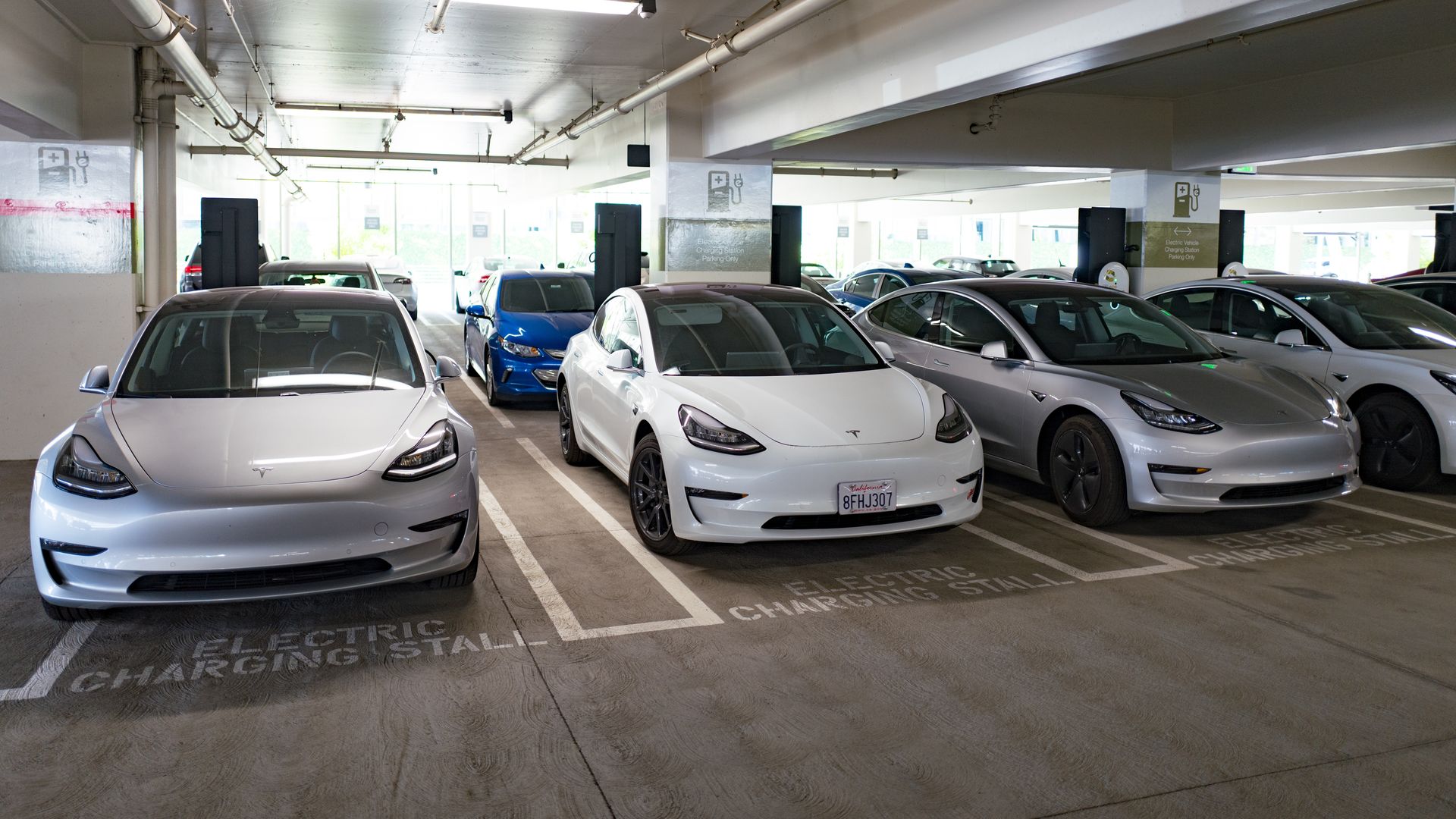
The National Highway Traffic Safety Administration has opened a formal investigation into Tesla's Autopilot function after a series of crashes involving emergency vehicles.
The big picture: The probe will cover all of Tesla's current models, an estimated 765,000 vehicles. The agency has identified 11 crashes since 2018, where Tesla vehicles on Autopilot struck first responders who had used flashing lights, flares or road cones. At least 17 people were injured and one person died in the crashes, according to NHTSA.
Corporate action to tackle climate change ranked among the top themes on S&P 500 companies’ Q2 earnings calls.
Why it matters: July was the hottest month on record. Last week’s UN-sponsored climate report projected the Earth will potentially cross a crucial temperature threshold less than a decade from now.
It’s a little like the taleof the boy who cried wolf. Regulators have been telling the market for more than a decade that the Libor rate benchmark’s end was nigh. But now that it’s really, seriously, going to end as of December, loads of big companies are unprepared.
Why it matters: Companies that don’t adequately prep for the death may wind up paying the price in time and money, Amol Dhargalkar, global head of corporates at financial risk adviser Chatham Financial, tells Axios.
Luxury cars of the future will give you the choice: Drive or sit back and let the car do the driving.
Driving the news: Audi introduced this fascinating concept car last weekend at Monterey Car Week at Pebble Beach.
The skysphere — spelled with a lowercase "s" — is an electric roadster that transforms into a self-driving vehicle at the push of a button.
In Sport mode, it's an exhilarating sports car — with rear-wheel steering offering added control.
In Grand Touring mode, the steering wheel and pedals swivel out of sight and the chassis actually grows by almost 10 inches, freeing up passengers to stretch out and enjoy the ride.
What's next: It's the first of three autonomous concepts the German luxury carmaker says could arrive this decade. The grandsphere and urbansphere will follow the skysphere.
Why it matters: The health care industry claims it is in favor of price transparency, but in reality, the industry has fought attempts to unlock the black box of prices.