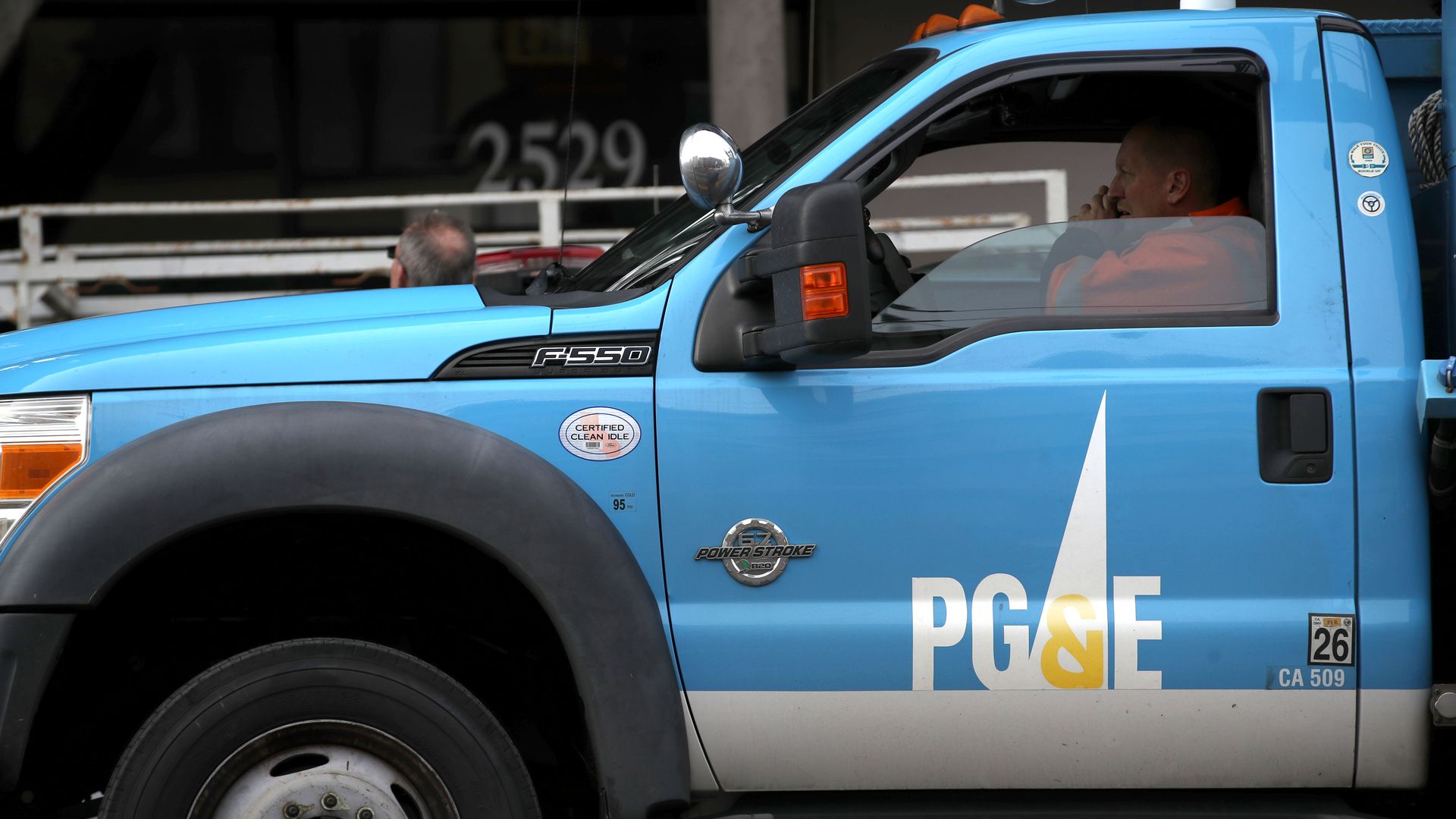
Pacific Gas & Electric (PG&E) on Friday struck a deal, pledging to help wildfire victims and improve safety in order to emerge from bankruptcy, the New York Times reports.
Catch up quick: PG&E filed for Chapter 11 bankruptcy last January, facing an estimated $30 billion in claims over its potential role in deadly wildfires across the state, and in December agreed to a $13.5 billion settlement with California wildfire victims.
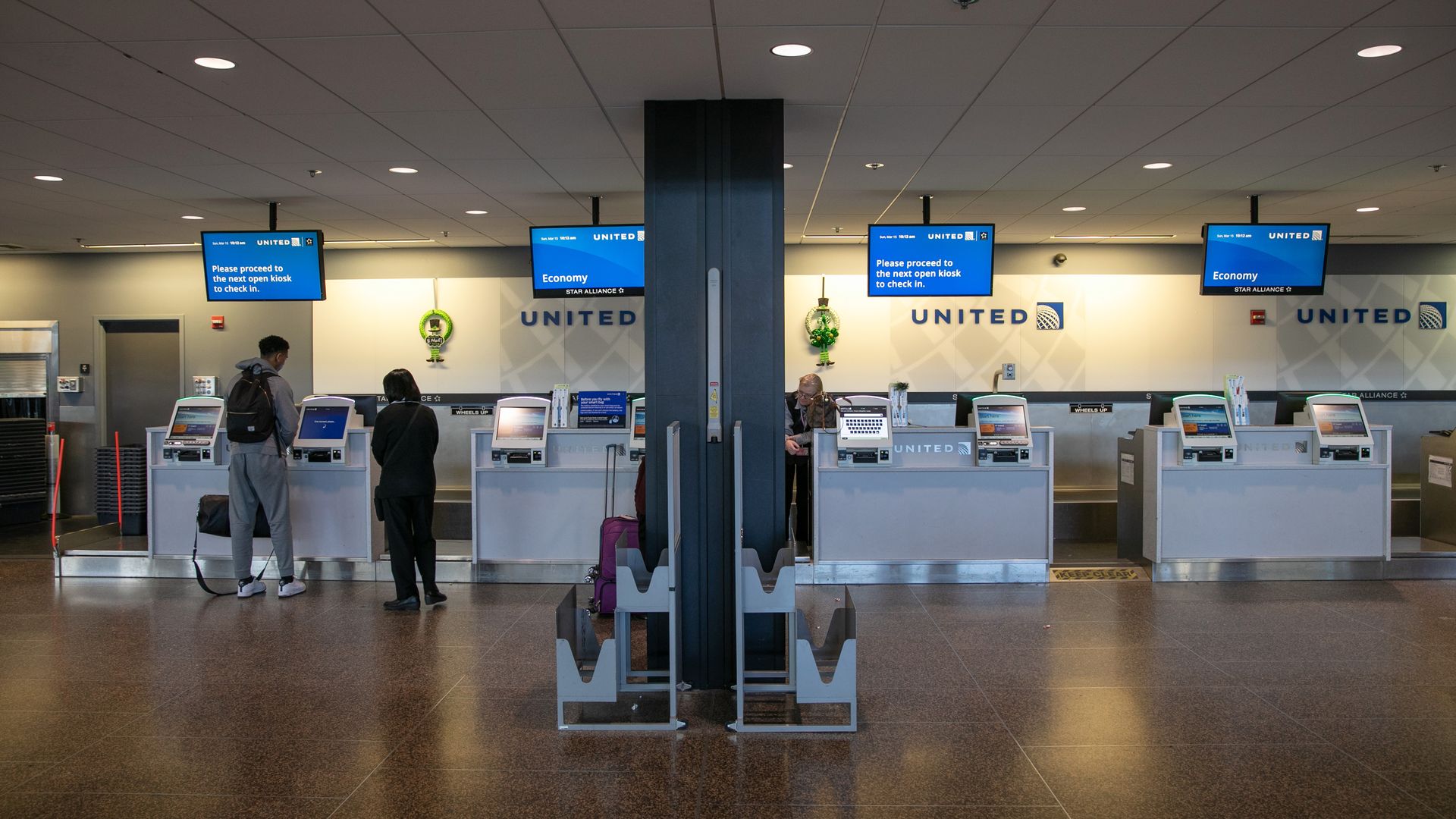
U.S. industries and organizations are asking for over a trillion dollars in bailouts as states, cities, and counties direct residents to stay home to combat the spread of the novel coronavirus.
Gig economy companies have largely dodged the costs of worker benefits and protections — but now, amid the coronavirus crisis, find themselves struggling to keep both customers and workers on board.
What’s happening: They're juggling mismatched supply and demand, and asked to alleviate everyone's financial strains.
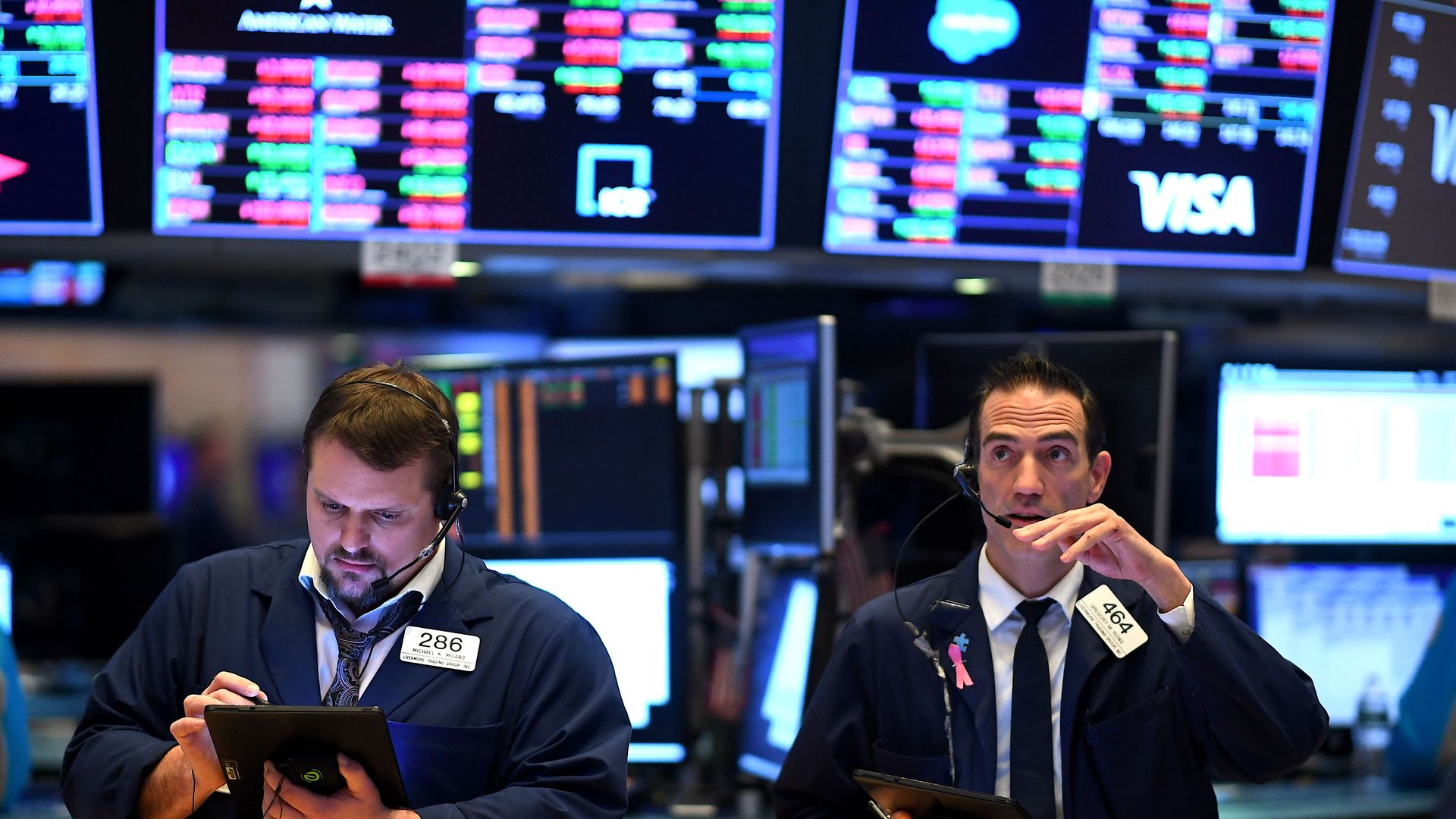
Stocks closed more than 4% lower on Friday, with the S&P 500 shedding 4.3%, the Dow dropping 4.6% (or 927 points), and the Nasdaq falling 3.7%.
Why it matters: It caps a bruising week for Wall Street — you'd have to go back to 2008 to see worse losses — as the coronavirus outbreak forces more of the world's biggest economies to shut down.
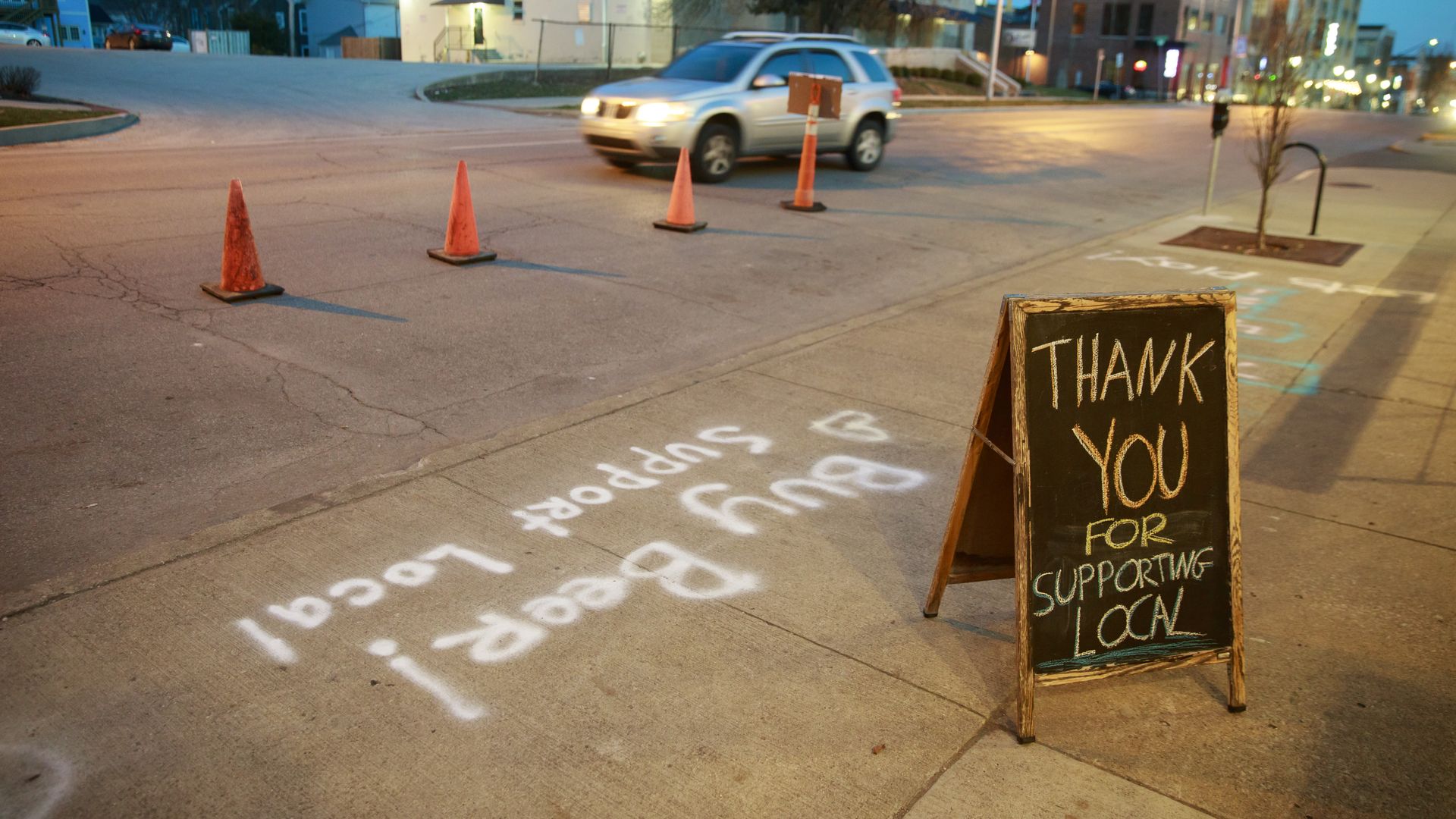
The coronavirus epidemic has reshaped local economies across the country, as consumers respond to social distancing recommendations and business closures, a report by Yelp out Friday indicates.
What's happening: In just a week, consumer interest has shifted away from dine-in restaurants and nightlife, and toward interest in buying guns, booze and water.
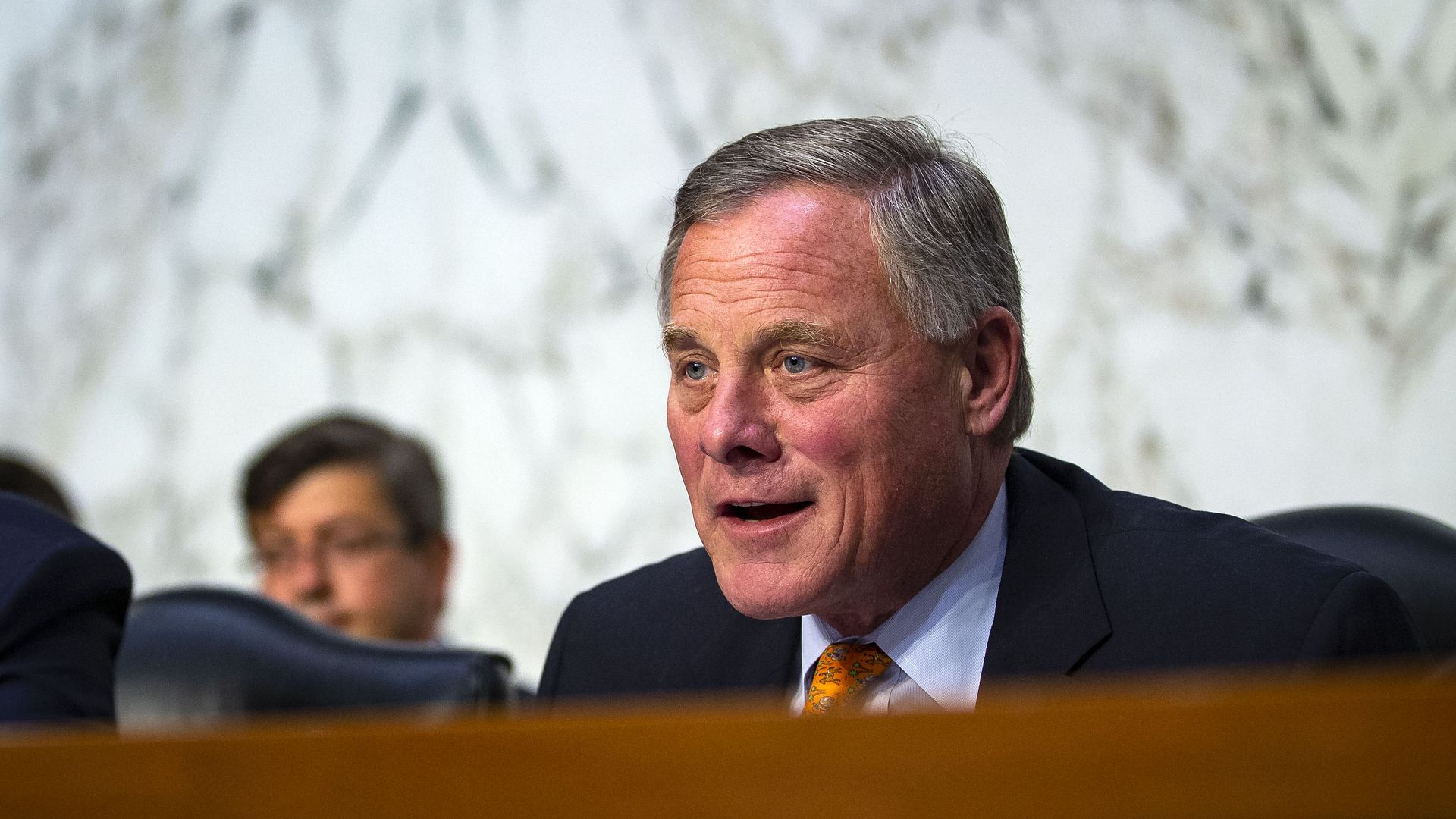
Senate Intelligence Chairman Richard Burr (R-N.C.) asked the Senate Ethics Committee on Friday to review his recent stock sell-offs.
What he's saying: Burr claimed that the trades, which came before the market crashed amid coronavirus fears, occurred because he "closely followed CNBC's daily health and science reporting out of its Asia bureaus at the time."
Airbnb may not be through with the private markets after all, as CNBC reports that the room rental giant is fielding offers from large investment firms, although pricing remains unclear.
Why it matters: 2020 was supposed to be the year that Airbnb went public, either through an IPO or a direct listing (or a combination of the two).
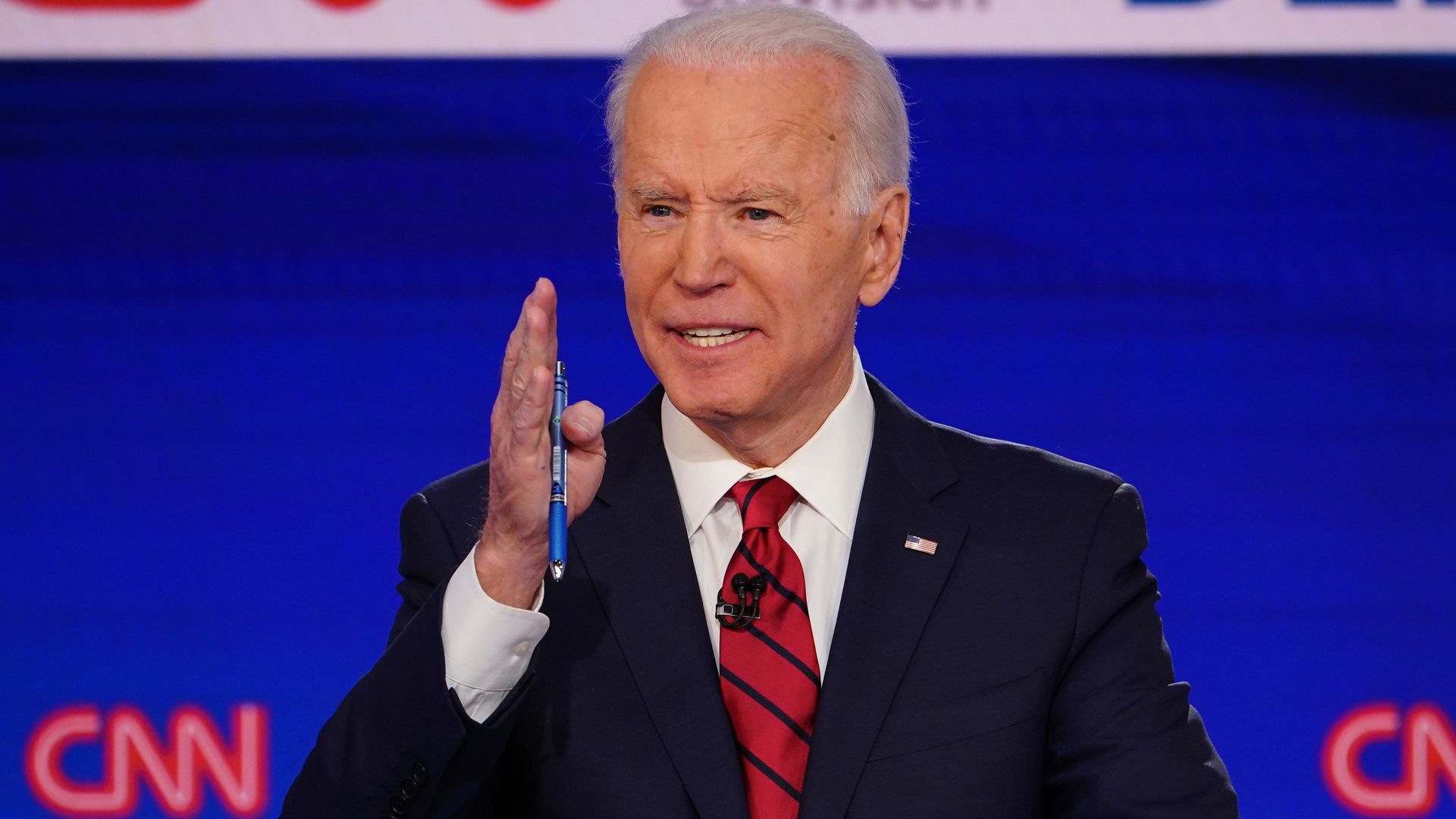
Joe Biden called on CEOs on Friday to make a commitment against stock buybacks, as the country deals with the coronavirus pandemic.
Why it matters: The demand comes as an increasing number of industries have called for economic relief from the effects of the pandemic. Companies in many of those industries have come under fire for using extra funds from tax relief to repurchase their own shares in recent years.
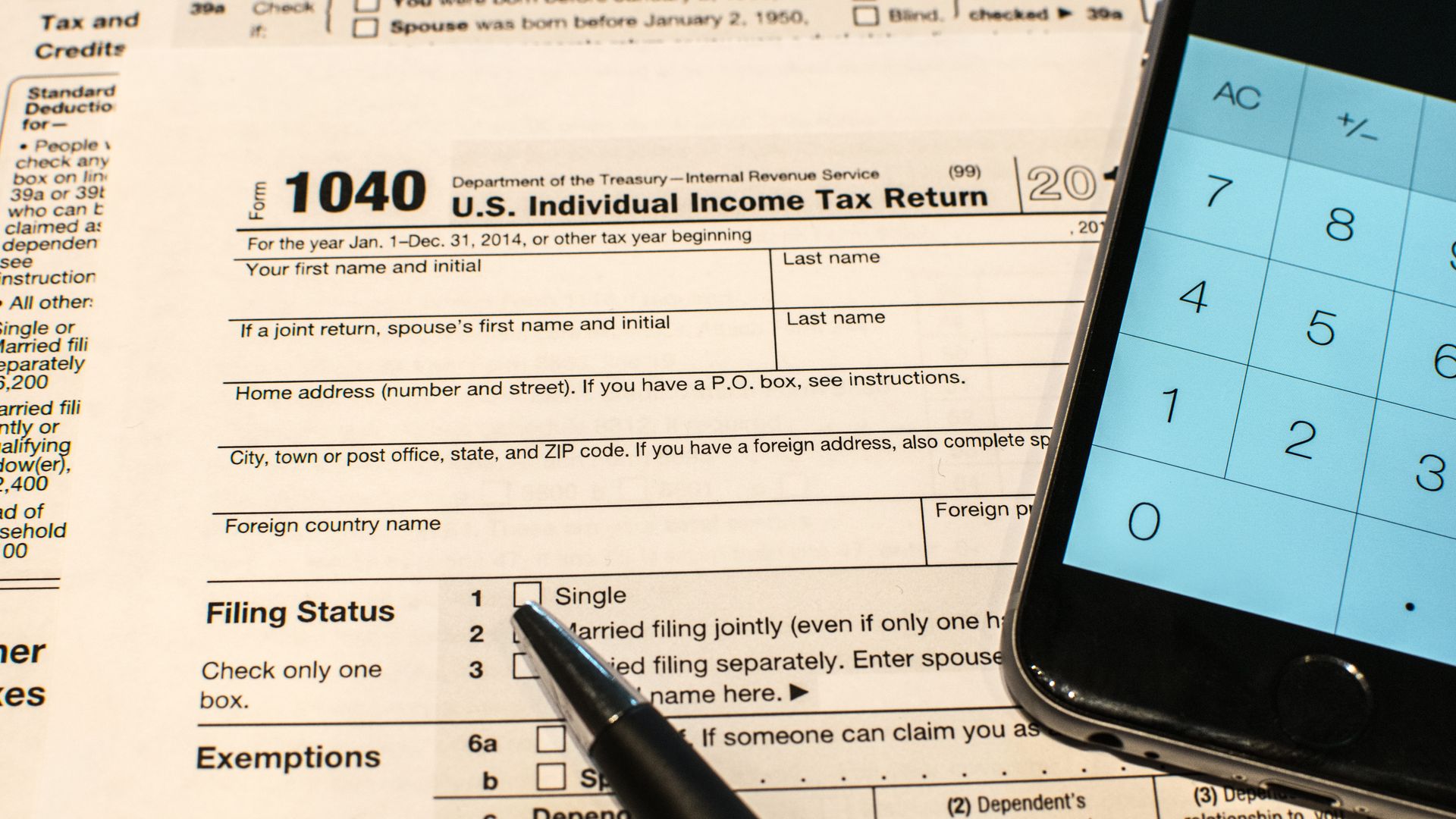
Treasury Secretary Steven Mnuchin announced Friday that the IRS' tax filing deadline was extended three months to July 15 amid the coronavirus outbreak.
The big picture: Mnuchin already announced earlier this week that the government would defer up to $300 billion in tax payments for three months. That move allowed individuals to defer up to $1 million and corporations to defer up to $10 million — interest-free and penalty-free.
Yelp announced Friday a program that will provide $25 million, primarily in the form of free advertising, to small businesses that make it through the coronavirus pandemic.
Why it matters: Small businesses have been hit especially hard amid the near shutdown of public life — but so, most likely, have companies like Yelp that depend on such businesses.
Affordable housing advocates are calling on Congress to do more to protect the fragile housing options for low-income workers who are at heightened risk of losing their homes as the COVID-19 public health crisis drags on.
Why it matters: Without a place to stay, it's next to impossible to maintain the "social distance" necessary to prevent the spread of the coronavirus.
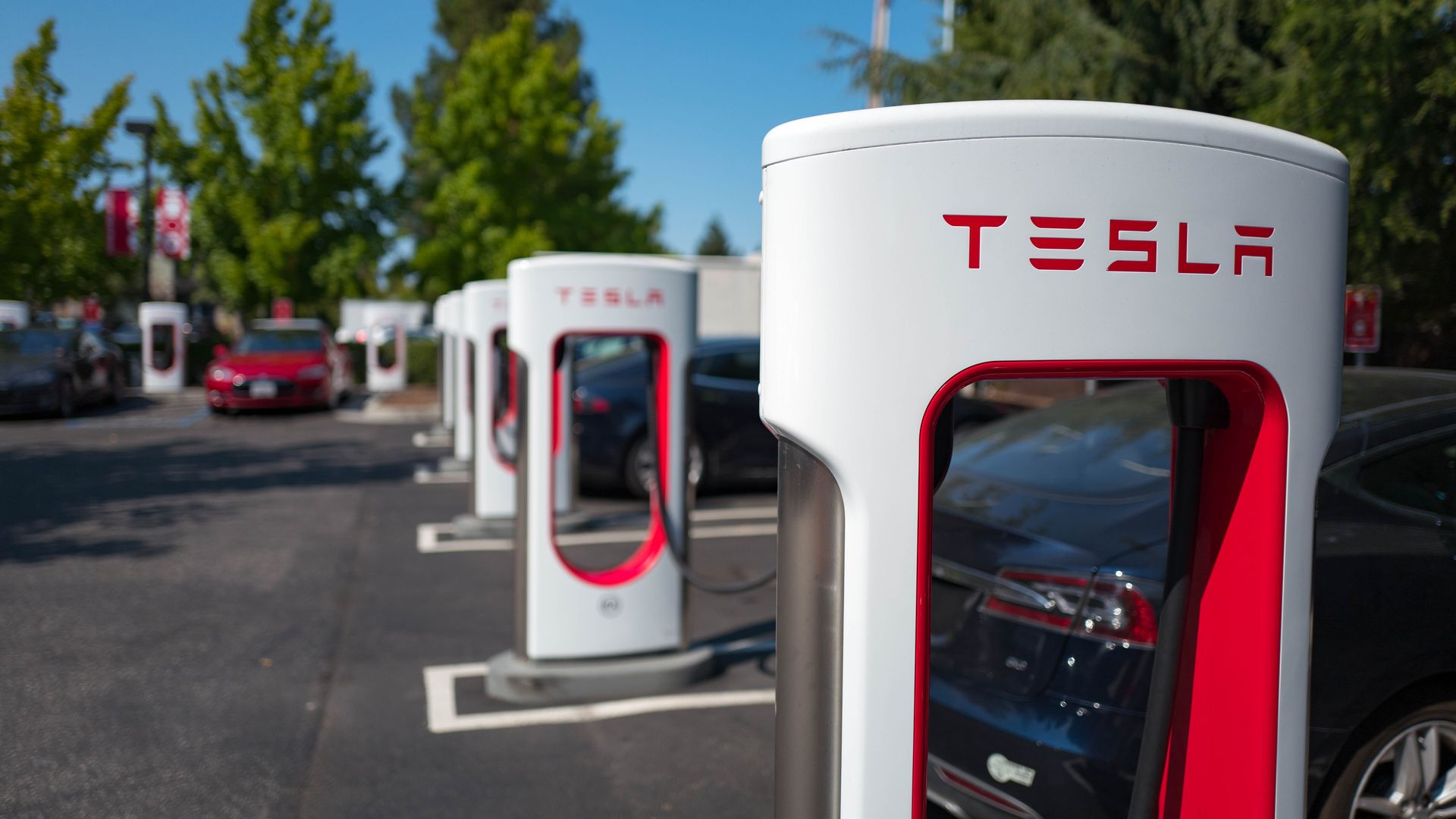
Tesla said it has enough resources to deal with an "extended period of uncertainty" as the electric automaker announced it will suspend production at its California factory.
Why it matters: Tesla can't be untethered from the future of electric vehicles, especially not in the U.S., where it dominates sales and plays a big role in pushing the sector closer to the mainstream.
The number of Americans filing for unemployment benefits jumped to its highest level in two years for the week ending March 14, but that was nothing compared to the absolutely historic wave of job losses economists see coming.
The state of play: Goldman Sachs predicts that more than 2 million Americans will file for unemployment claims by next week, pointing to "an unprecedented surge in layoffs this week."
Despite being the world's largest economy and having a private health care system that politicians routinely call "the best in the world," the U.S. lags badly among industrialized countries in terms of the number of doctors.
The state of play: The U.S. is 25th in the number of doctors among OECD countries and has the third-lowest number of doctors among countries that have 1,000 confirmed cases of COVID-19.
Automakers and their parts suppliers are offering to produce desperately needed ventilators to keep coronavirus patients alive, but quickly retooling industrial factories to make precision medical equipment might not be feasible, despite the good intentions.
Why it matters: The U.S. faces a critical shortage of medical equipment to fight the disease, including ventilators that help patients breathe as well as protective gear, such as masks, gloves and gowns, for health care workers.
There's no such thing as being too early. That's the big lesson from the COVID-19 crisis: The risks of overreacting are minuscule compared with the risks of waiting to see how bad things get before you act.
Why it matters: The U.S. is already suffering from waiting too long to prepare itself for the medical emergency.