WeWork on Wednesday told employees that the company has plenty of access to capital and that it will keep its co-working buildings open so that its members can keep their own businesses running, according to an internal memo obtained by Axios.
The big picture: This comes after reports that WeWork's largest shareholder may bail on a $3 billion tender offer it had agreed to last fall, and as the coronavirus pandemic has made co-working less palatable to those seeking to follow social distancing recommendations.
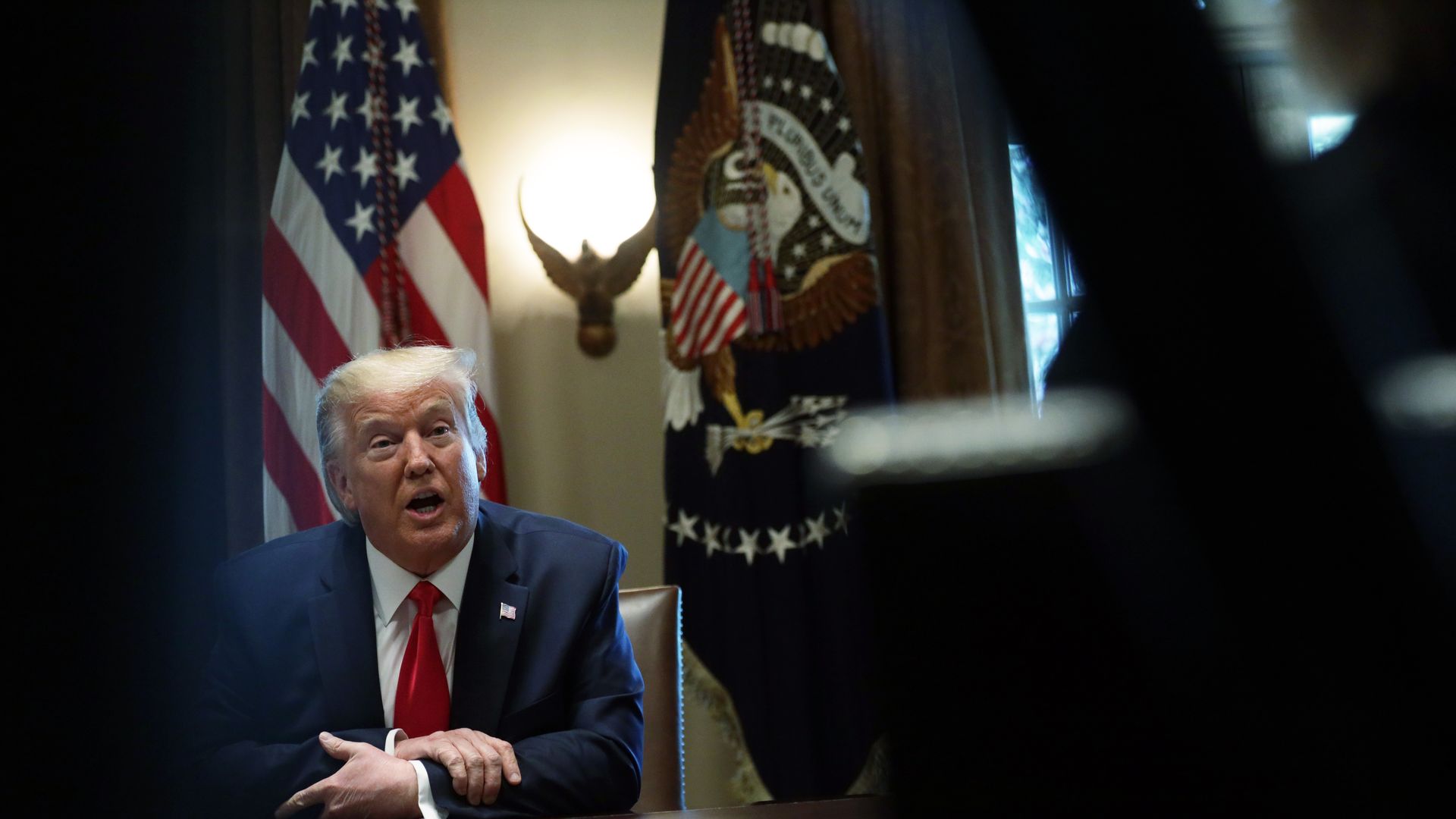
The White House is working with the Ad Council, a nonprofit that produces public services announcements (PSAs), and many of the country's top TV and radio networks to develop a set of coronavirus-related PSAs, it announced Wednesday.
Why it matters: The Trump administration is pulling out all stops to make sure the public is aware of safety measures and precautions around the novel coronavirus. TV ads are particularly important to this effort, given that most people are stuck at home and, presumably, watching more television.
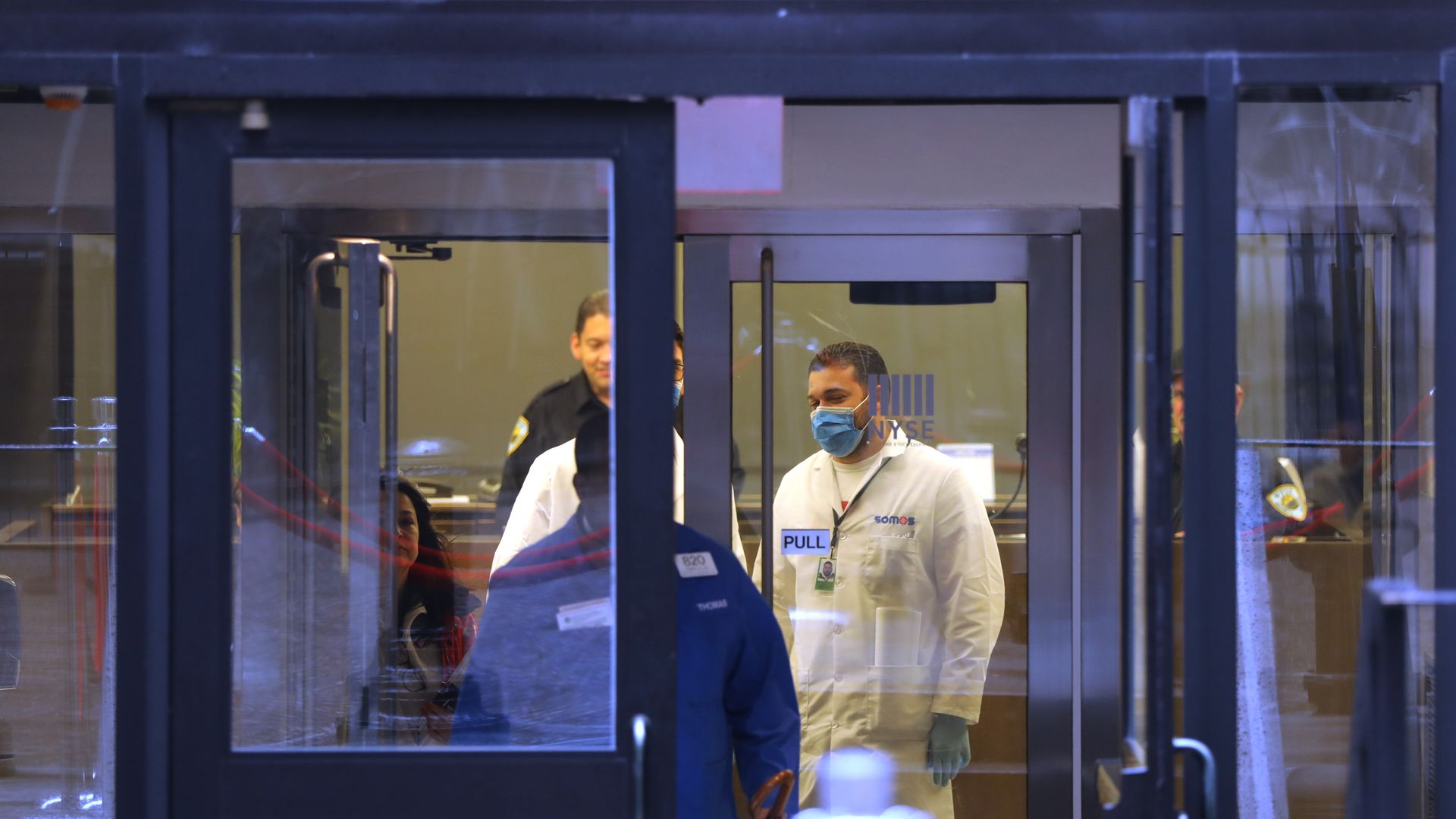
The New York Stock Exchange announced Wednesday that it will temporarily close its trading floor and move to electronic trading starting Monday due to concerns over the spread of the coronavirus.
Why it matters: New York is one of the epicenters of the coronavirus outbreak in the U.S. The city has already shut down public schools, banned gatherings of more than 50 people, and forced restaurants to offer only takeout and delivery.
America is grinding to a near halt to slow the spread of the coronavirus outbreak. It's wreaking unprecedented havoc on the restaurant and retail industries — and their millions of workers.
Why it matters: Amid all the discussion about how the pandemic is roiling Wall Street, its most acute impact is being felt on Main Streets around the country.
Then: The nation's largest companies were on top of the world — buying back stock, watching their share prices flirt with all-time highs and hiring in droves.
Now: Corporate America is prepping for what could be a very lengthy and severe recession.
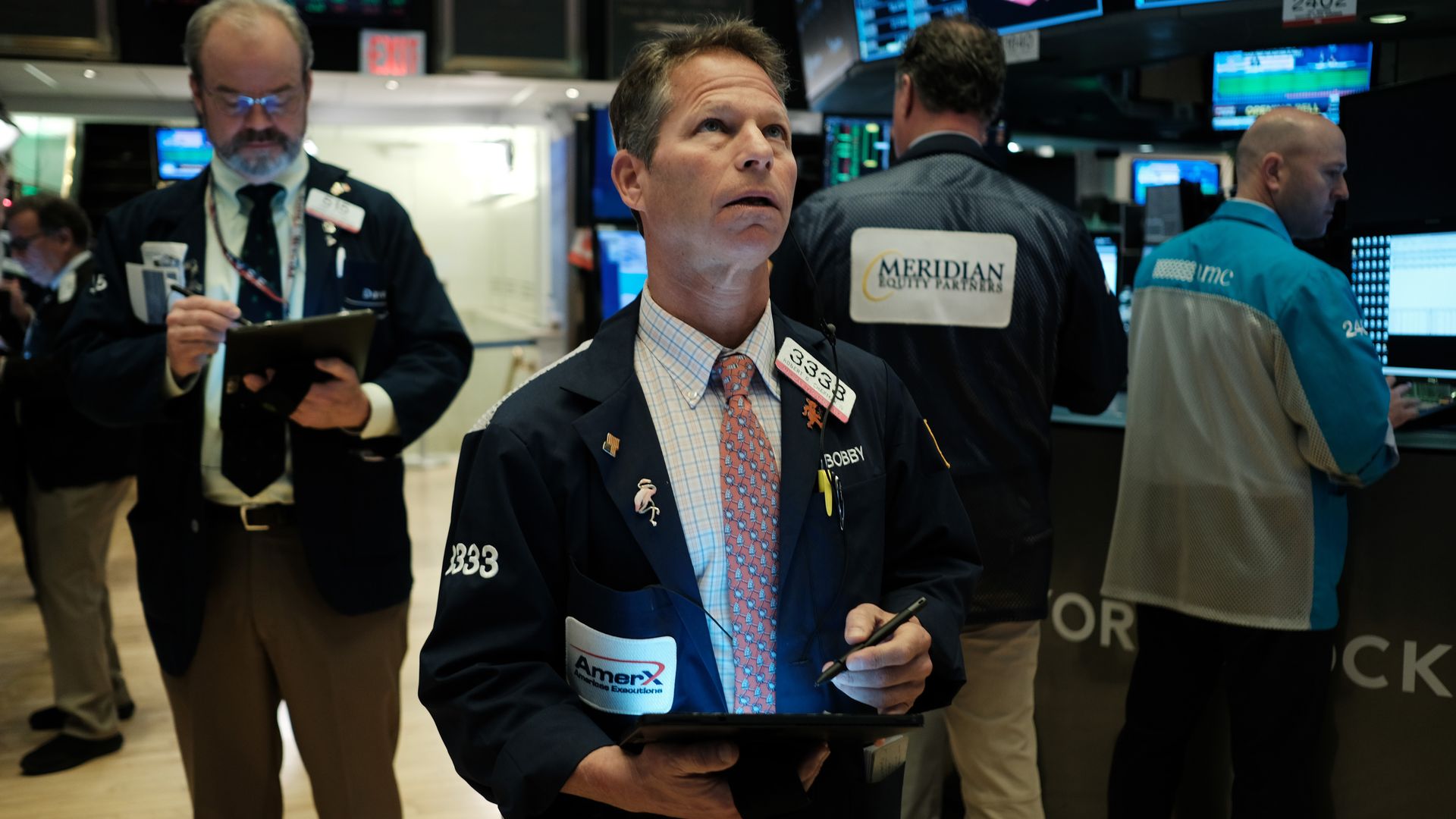
Stocks closed down more than 5% on Wednesday after a volatile day that saw trading halt for the fourth time this month amid novel coronavirus concerns.
Why it matters: Stocks swung lower as the White House unveiled its stimulus plan, before recovering some ground. The S&P 500 is 29% below its February record-high.
Even before cities began shutting down restaurants and bars, Chinatown neighborhoods around the world were among the first to see a significant slowdown in business — mostly due to consumers' misguided fears about a virus that originated thousands of miles away.
Why it matters: "There's a second virus, which is xenophobia," Wellington Chen, executive director of the Chinatown Partnership Local Development Corporation in New York City, told WNYC last week.
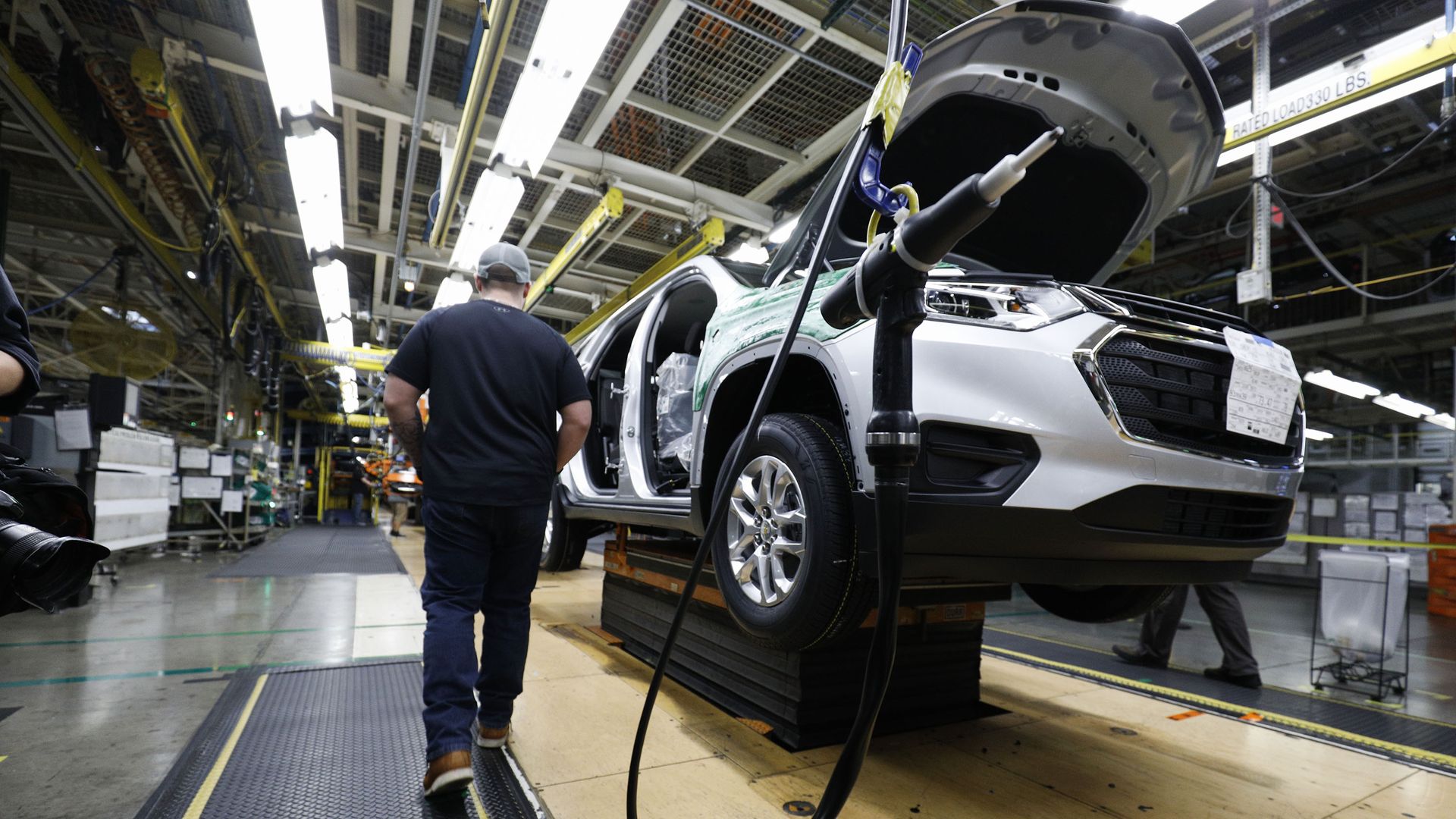
General Motors, Ford and Fiat Chrysler have agreed to close all of their North American factories through at least March 30 to allow the companies to thoroughly clean and sanitize their plants, after which plans to reopen will be evaluated "week-to-week."
The big picture: The decision will affect 150,000 hourly Big Three workers — with repercussions throughout their extensive supply chains. Honda earlier Wednesday announced similar action at its U.S. plants, which will affect 27,600 workers.
The White House is considering sending a check to every American to offset the financial burdens caused by the novel coronavirus. Dan and Axios Felix Salmon dig into the idea, including how it could impact both the labor force and essential supply chains.
SoftBank yesterday threatened to pull the plug on its $3 billion tender offer for shares of WeWork, which was agreed to last fall and scheduled to close on April 1.
What’s happening: The formal message sent to investors is that SoftBank believes several deal conditions may not be satisfied, including the closing of a recapitalization of its Chinese joint venture, anti-trust approvals, and the emergence of a governmental investigation into company finances.
Gray Television pulled its takeover offer for local broadcaster Tegna due to market volatility, per Reuters. Rival bids from Apollo Global Management and Byron Allen appear to still be on the table, as is a new joint approach from private equity firm Najafi Cos. and privately held religious broadcaster Trinity Broadcasting Network.
Why it matters: It reflects how the M&A hierarchy has momentarily flipped, with listed strategics no longer having the built-in advantage of cheaper currency (i.e., their own stock).
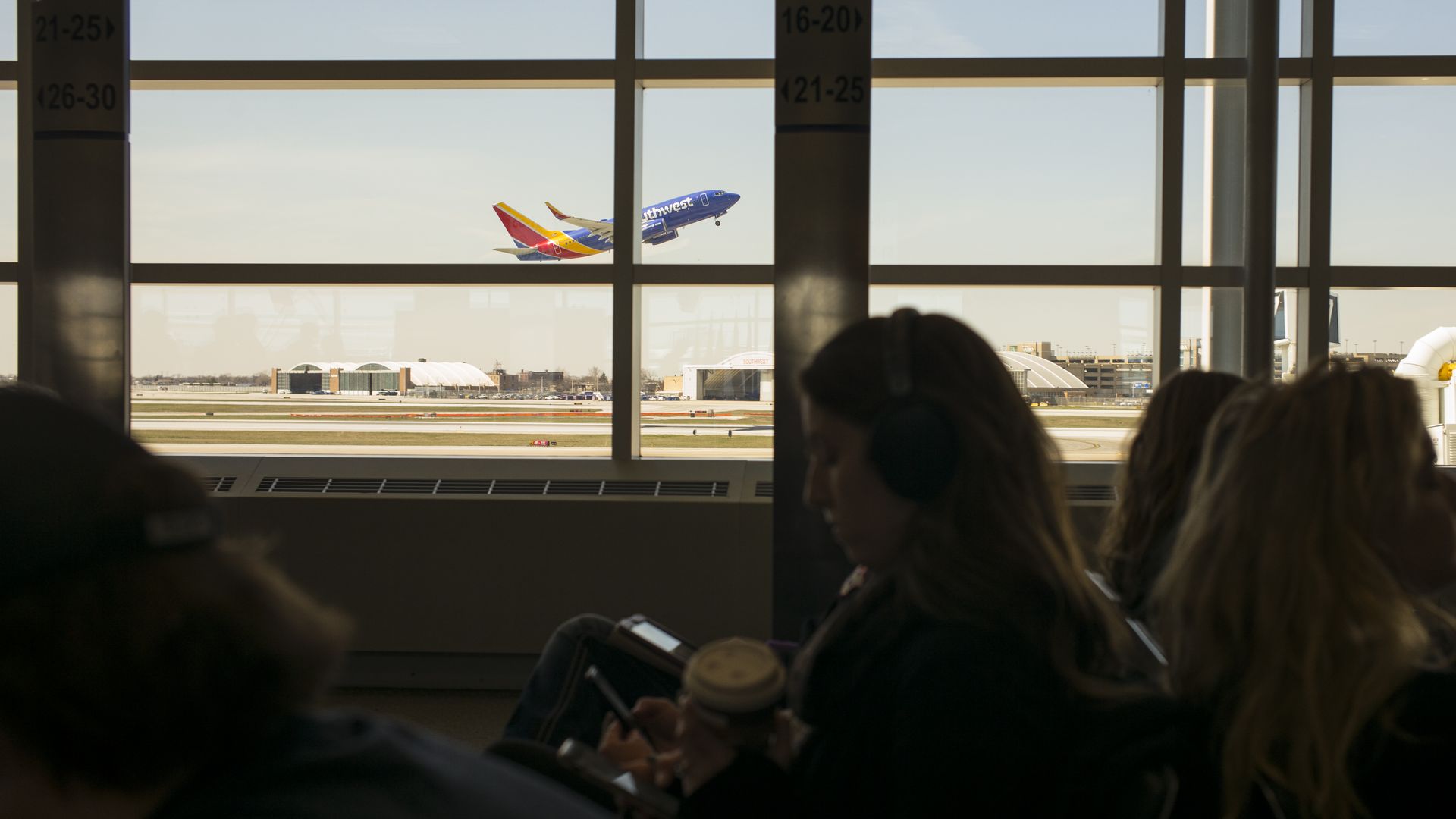
The control tower at Chicago's Midway International Airport closed Tuesday after "several" employees tested positive for coronavirus, the Federal Aviation Administration said, per CNBC.
The state of play: Midway, Illinois' second-largest airport and the nation's 27th-busiest, remained open thanks to backup facilities but still faced dozens of cancellations.
The Glastonbury Festival, the largest music festival in the U.K., announced Wednesday that it had canceled its yearly iteration — due to be headlined by Paul McCartney and Taylor Swift — amid the coronavirus outbreak.
The state of play: The event, which would have celebrated its 50th anniversary, was expecting at least 200,000 people. It's one of many festivals around the world impacted by coronavirus, as Coachella, the premier festival in the U.S., has also been postponed until October.
Consumer confidence has fallen over the past two weeks to its lowest level since January 2019, according to a reading that updates daily from Hamilton Place Strategies and data firm CivicScience.
Why it matters: The index's two-week average, provided first to Axios, dropped to 49.4, with the daily reading drifting even lower to 45.5 on Tuesday. Traditional data metrics are all lagging behind the spread of the coronavirus outbreak, which is the primary driver of markets at the moment.
Even with the brunt of store closings yet to take effect, a full 45% of Americans said last week that their ability to buy food and household goods had deteriorated, according the newly launched Axios-Ipsos Coronavirus Index.
What it is: A weekly poll introduced last week by Axios and the global research firm Ipsos will monitor the effects of the global pandemic on people's attitudes and living conditions.
Every corner of the U.S. is at risk for a severe shortage of hospital beds as the coronavirus outbreak worsens, according to new simulations from Harvard, mapped out by ProPublica and the New York Times.
Why it matters: Total nationwide capacity for health care supplies doesn't always matter, because hospitals in one area can help out neighboring systems when they're overwhelmed by a crisis. But these projections indicate that won't be an option with the coronavirus — everybody will be hurting at the same time.
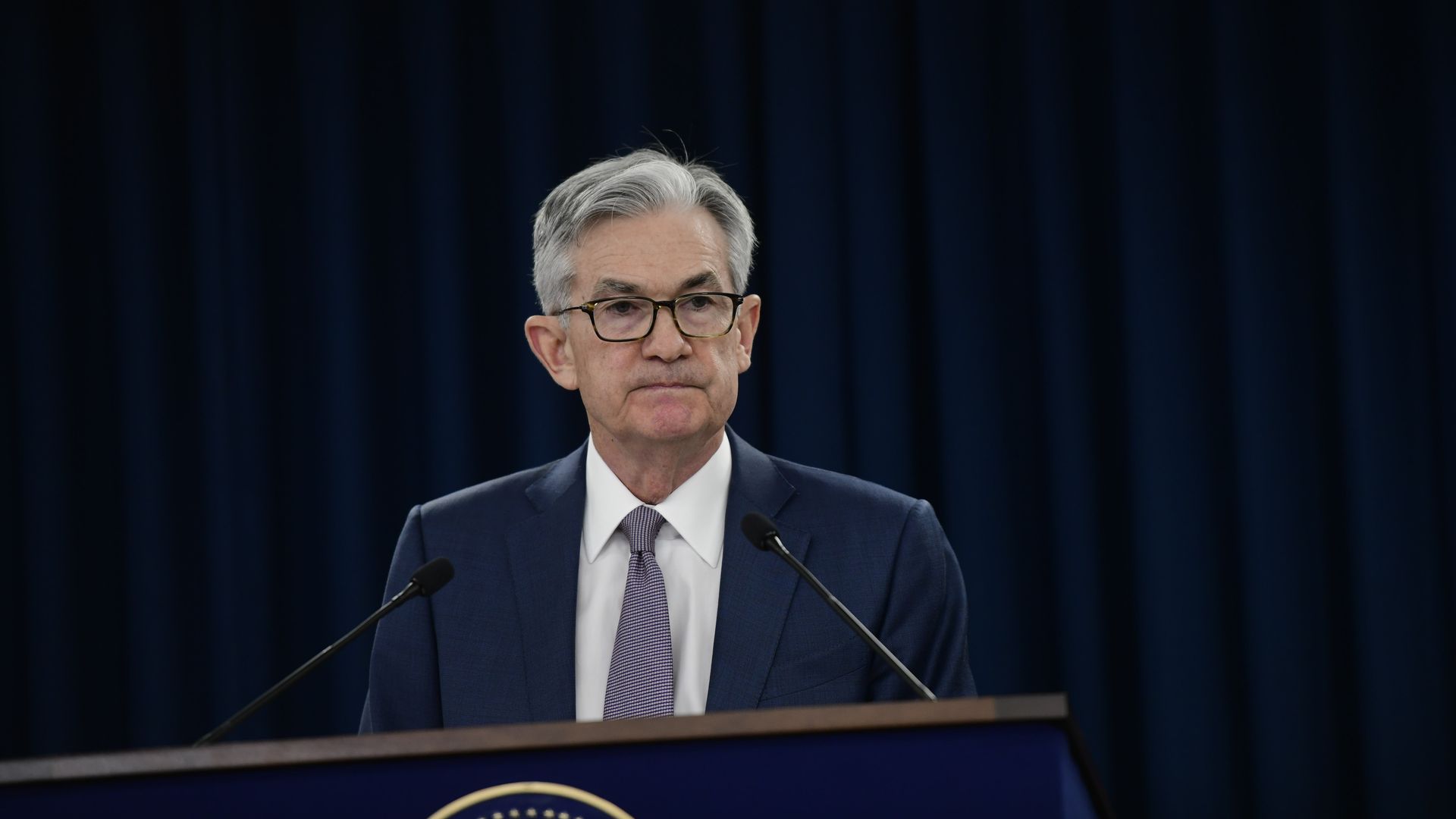
The Federal Reserve said Tuesday it would intervene in a key market used by cash-strapped businesses for the first time since the financial crisis — a move intended to help corporations hurt by the coronavirus outbreak.
Why it matters: This market froze up in recent weeks, limiting businesses' ability to borrow at a time when the halt in economic activity is weighing on American corporations. It's the latest in a series of moves by the Fed to step in and ease that pain.




/2020/03/17/1584476930096.gif?w=3840)




/2020/03/18/1584540904406.gif?w=3840)