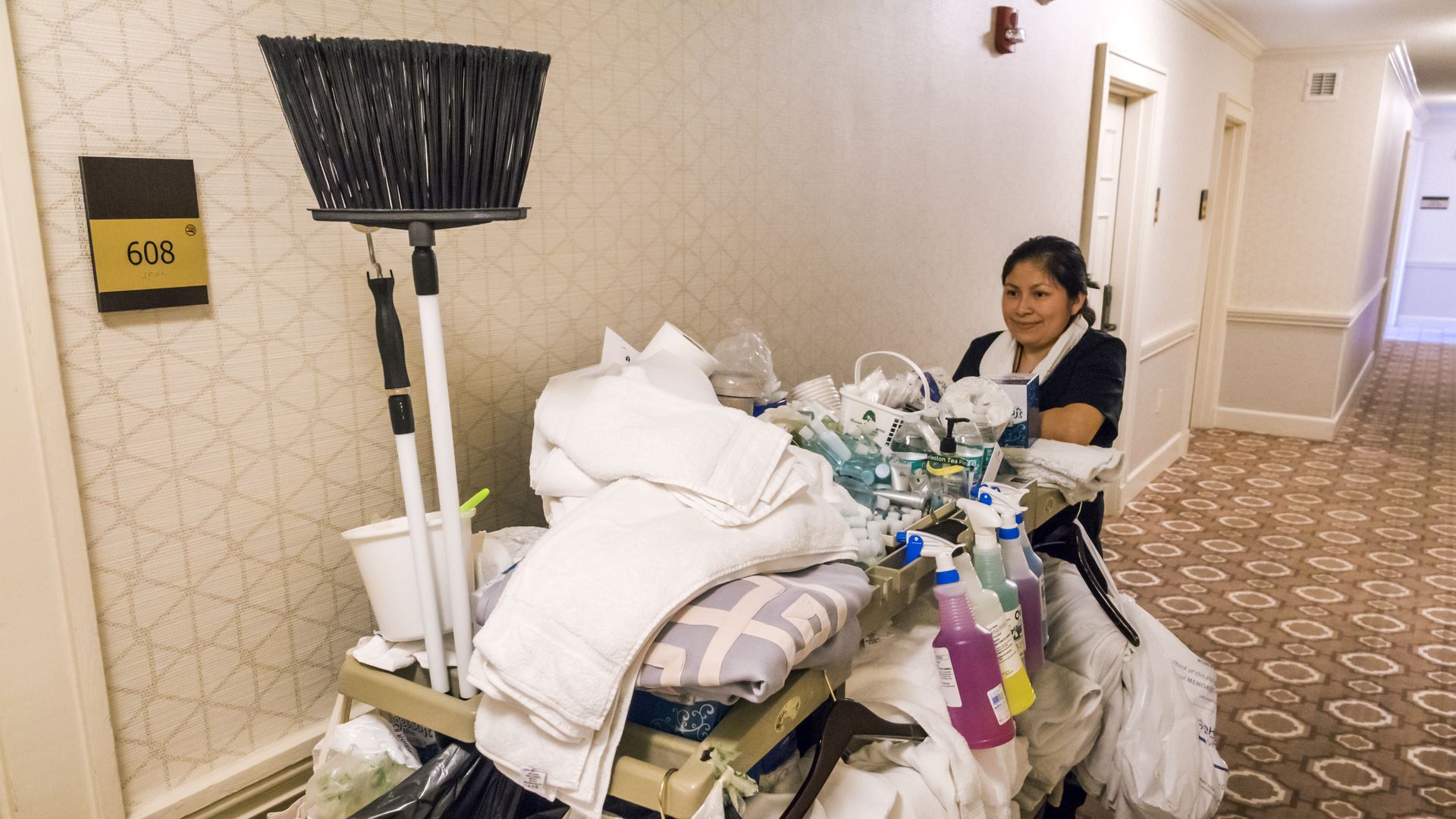
The hotel industry is asking the federal government for $150 billion in emergency aid, mostly to keep employees on the payroll until the novel coronavirus threat subsides and travelers are ready to hit the road again.
Why it matters: The virus outbreak has already hurt the hotel industry more than the Sept. 11 terrorist attacks and the Great Recession combined, an industry trade group says. Without immediate help, people at the lower rungs of the economic ladder will suffer the most.
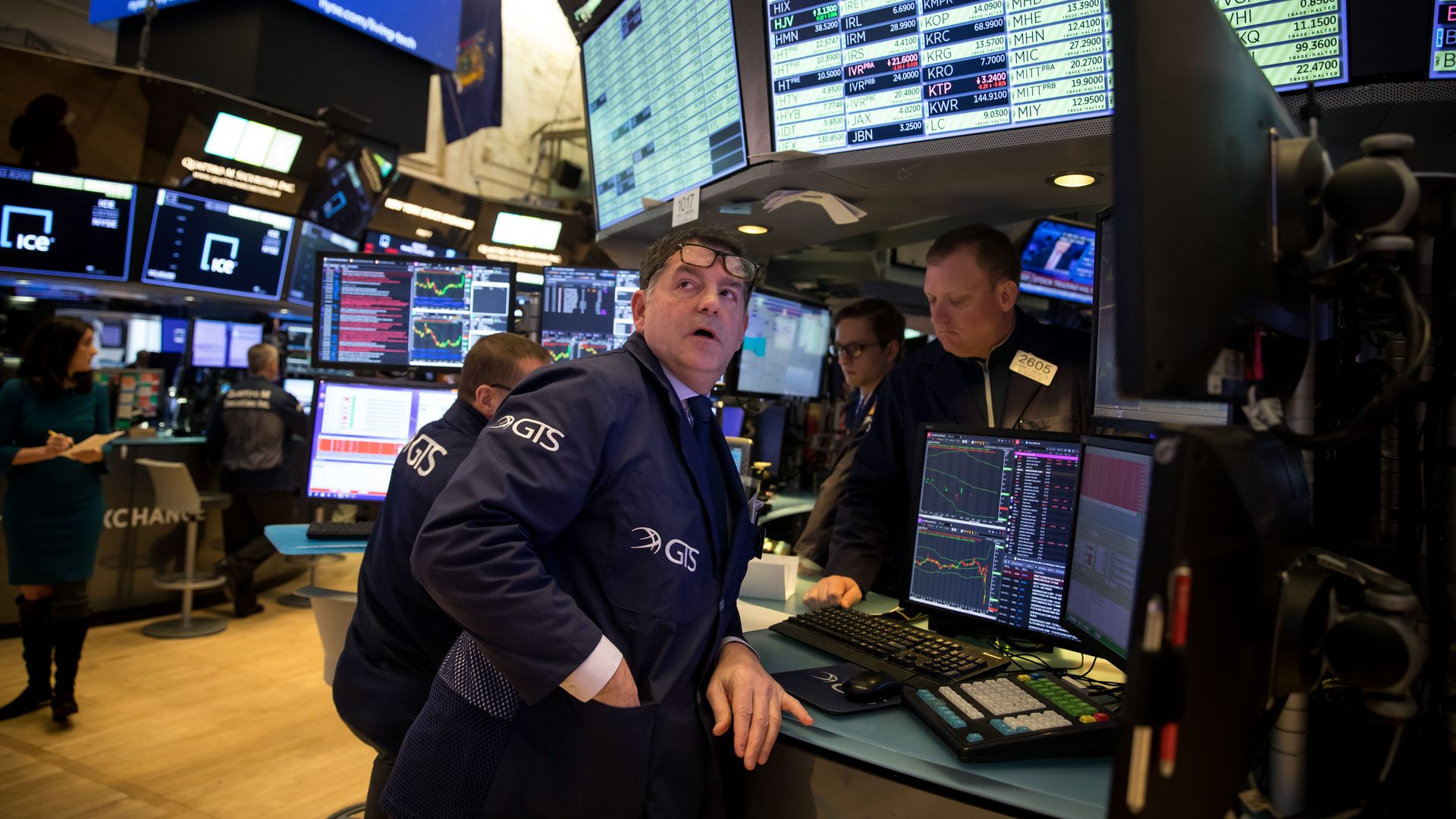
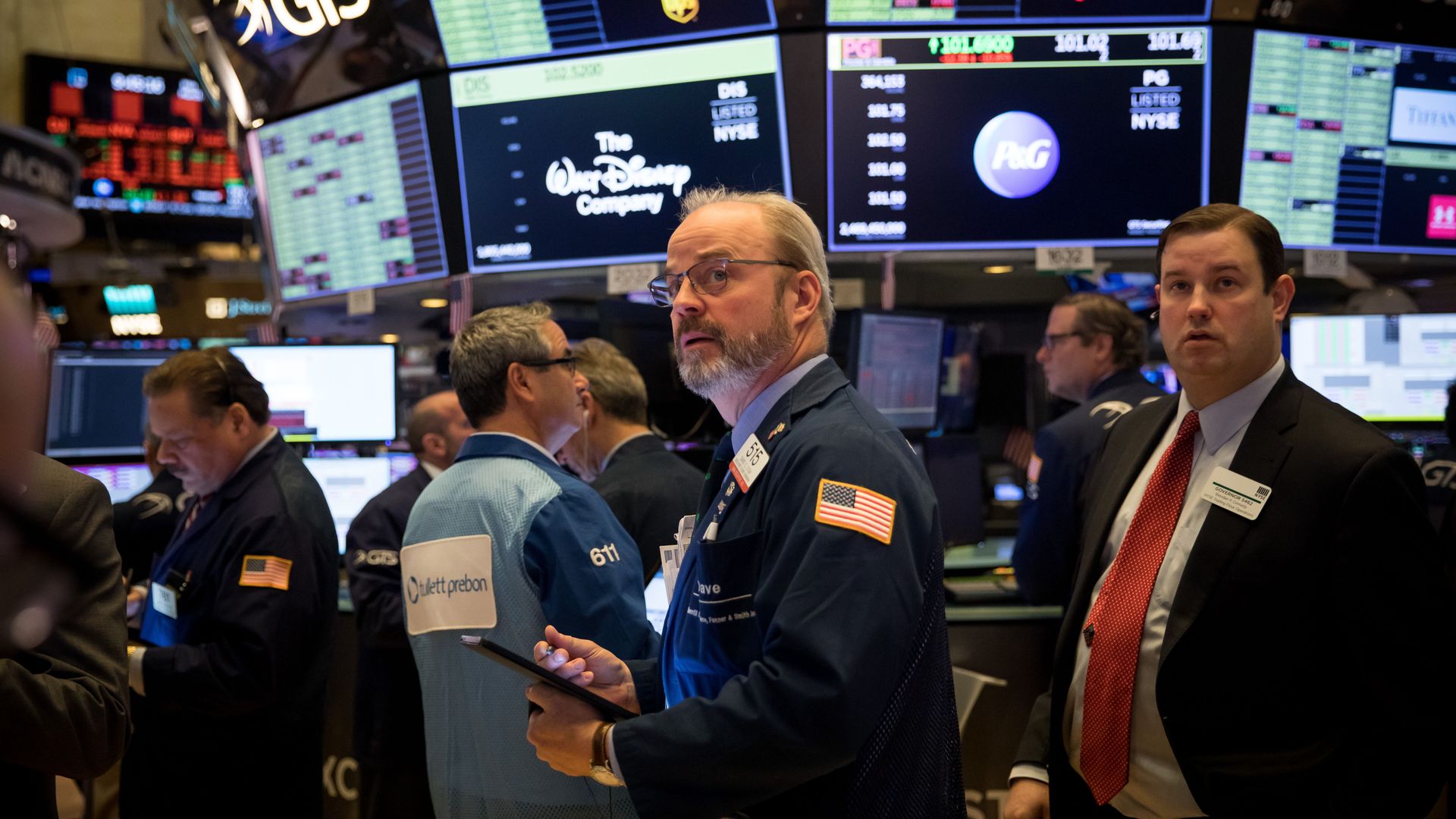
Stocks closed up 6% on Tuesday afternoon, making up almost half of the losses from the stock market's worst day since 1987.
Why it matters: Stocks rose as measures to shield companies and the economy from the coronavirus impact — including an announcement by the Fed and a White House stimulus plan that includes sending cash payments to Americans — came to light.
Major retailers are closing their doors or reducing their open hours across the United States in an effort to blunt the spread of the novel coronavirus.
Why it matters: While the closures may help slow the outbreak, they will also hamper the already-stressed retail industry, according to CNBC.
The novel coronavirus has already had a more severe economic impact on the hotel industry than the Sept. 11 terrorist attacks and the Great Recession combined, according to an industry trade group.
Why it matters: Some 45% of all hotel jobs have been eliminated or will be eliminated in the next few weeks, says the American Hotel and Lodging Association. Current forecasts of a 30% drop in hotel occupancy over a full year would result in the loss of nearly 4 million hotel jobs, from general managers to housekeepers.
Treasury Secretary Steven Mnuchin said Tuesday that the Trump administration is discussing sending checks to Americans "immediately" to help cushion the economic impact of the coronavirus outbreak.
Driving the news: Mnuchin, who has been working closely with bipartisan leadership on Capitol Hill to pass new legislation to provide coronavirus relief, announced a series of economic stimulus efforts at the White House designed to help small businesses, corporations and individuals.
Uber suspended its Uber Pool service in the United States and Canada in an attempt to help protect riders and drivers from the novel coronavirus pandemic, the company announced Tuesday, per TechCrunch.
What they're saying: “Our goal is to help flatten the curve of community spread in the cities we serve," Andrew Macdonald, senior vice president of Uber Rides and Platform, told BuzzFeed in a statement. “We remain in close contact with local leaders and will continue to work with them to discourage non-essential travel.”
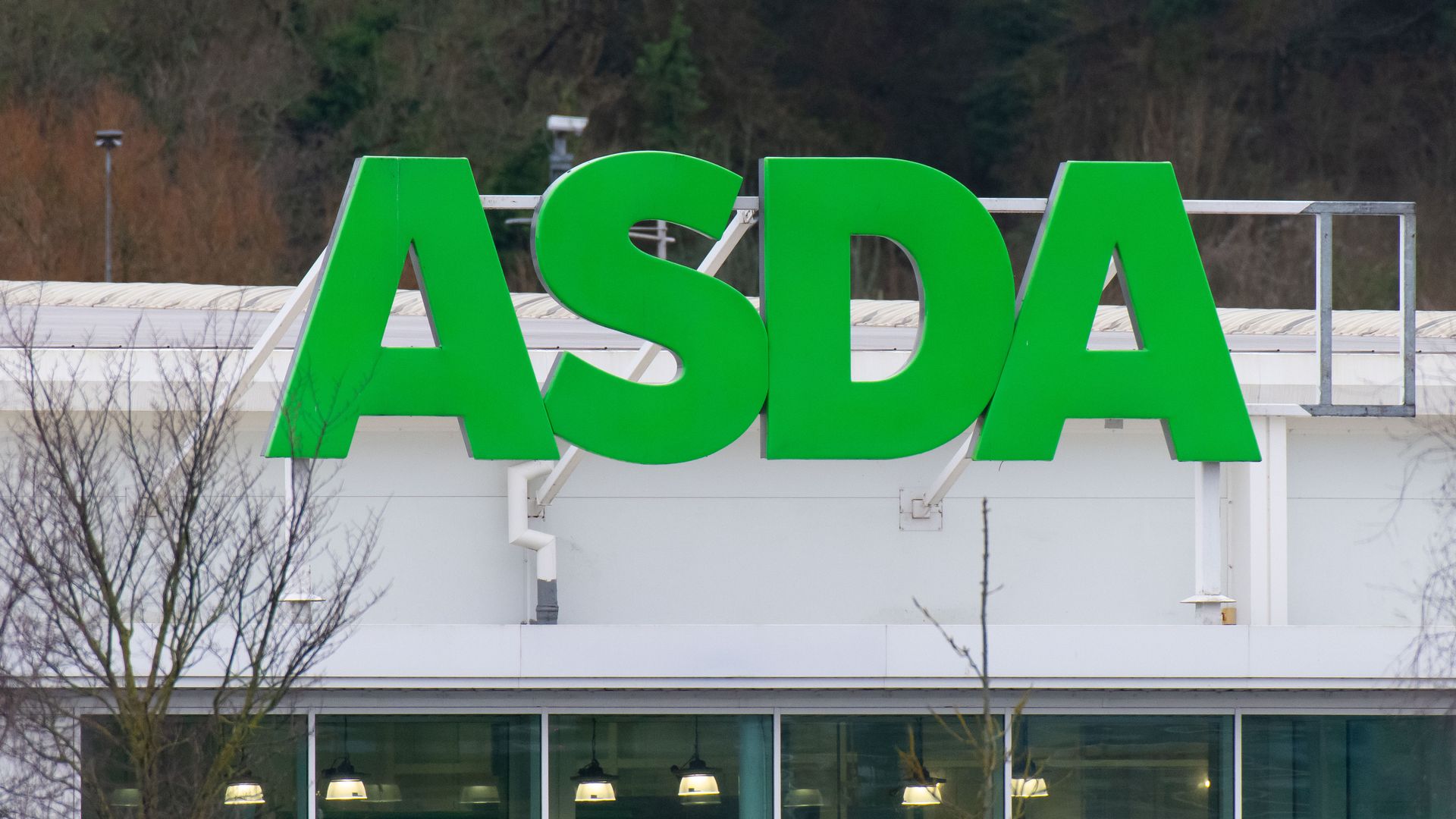
Walmart received several first-round bids for a majority stake in the British supermarket chain Asda, which could fetch at least £7 billion, per Bloomberg.
Why it matters: This is a big test of whether private equity can still secure large debt financing packages at attractive rates.
The first U.S. clinical trial for a novel coronavirus vaccine began yesterday, based on a formulation selected by Moderna Therapeutics and the National Institute of Allergy and Infectious Diseases (NIAID).
Between the lines: Moderna was the first biotech unicorn, valued by venture capitalists at $3 billion in early 2015, before later going public in the largest-ever IPO for a development-stage biotech. We wanted flying cars, but instead we maybe got a civilization-saver.
News around the coronavirus pandemic is creating a huge bump in overall traffic for media publishers.
By the numbers: The explosion in total web traffic is "likely due to the explosion of COVID-19 coverage and attention — as well as the fact that people were checking news/content sites with more frequency in this period," says Andrew Montalenti, Chief Product Officer at Parse.ly.
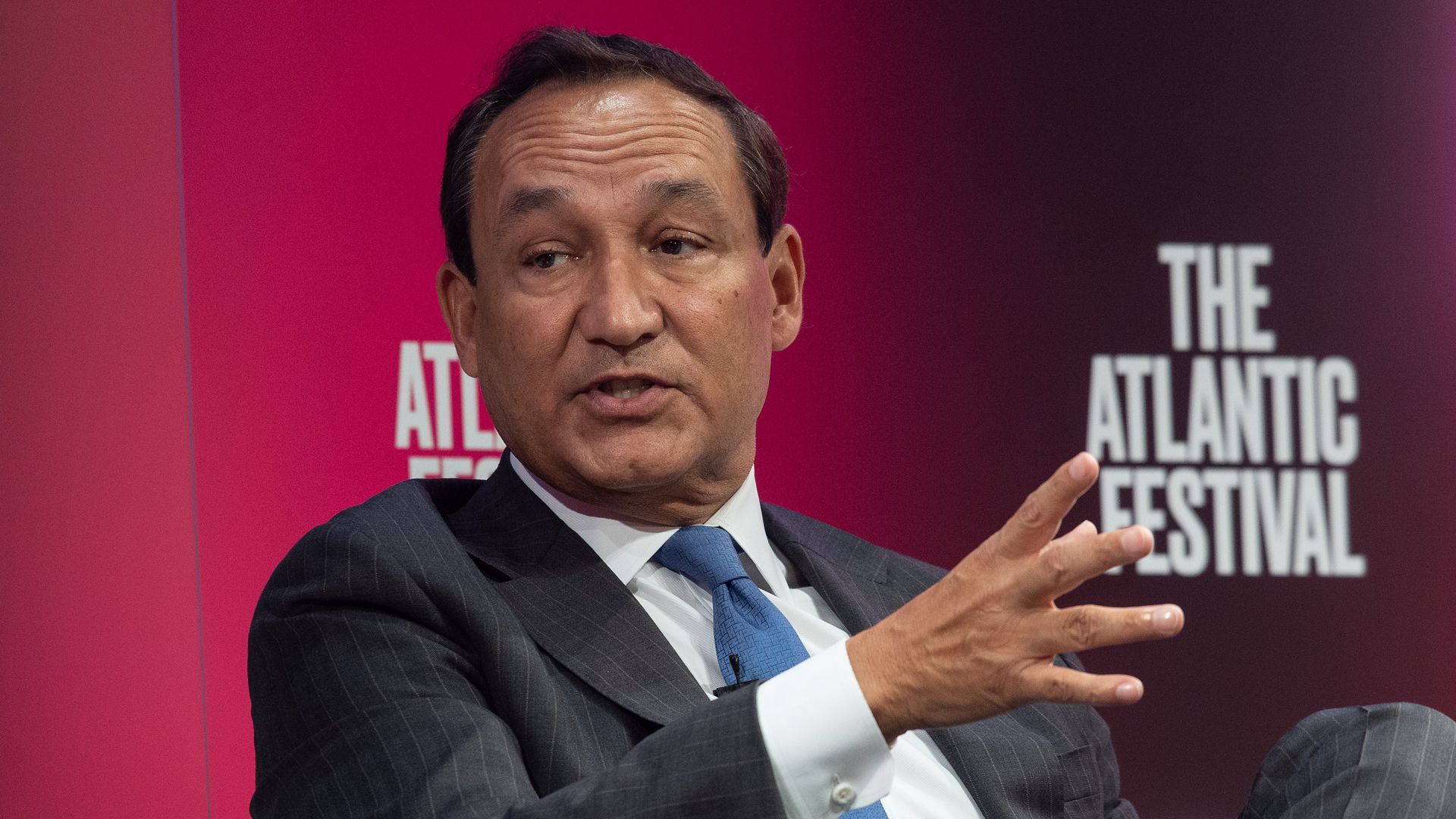
United Airlines CEO Oscar Munoz said in a letter sent Monday to Treasury Secretary Steven Mnuchin and congressional leaders that the coronavirus outbreak's financial impact on airlines is "much worse than the stark downturn that we saw in the aftermath of the 9/11 attacks," as first reported by Politico.
Why it matters: Munoz asked government leaders "to please act quickly — this week — to protect our livelihoods" and projected that the company's revenue this month will be $1.5 billion lower than March 2019.
Facebook says it's giving away $100 million to help 30,000 small businesses in over 30 countries during the coronavirus, according to a Facebook post from COO Sheryl Sandberg.
Why it matters: Facebook's business is reliant on small businesses buying ads. The tech giant is trying to be proactive in how it supports its community in a time of crisis.
"We’ve listened to small businesses to understand how we can best help them. We’ve heard loud and clear that financial support could enable them to keep the lights on and pay people who can’t come to work," Sandberg wrote.
The traditional buffer that protects movie theaters from being undercut by streaming may be temporarily collapsing as Hollywood tries to salvage releases that would've otherwise been lost during the coronavirus epidemic.
Why it matters: The 90-day theatrical window — the period of time typically allocated to theaters to air movies exclusively before they go to streaming — gives theaters an edge over streaming services and helps them attract movie fans in-person.
Yesterday I asked Axios Pro Rata newsletter readers to help build a joke-book for our kids to read, as we try to balance working from home with childcare/makeshift school.
Why it matters: We could all use a little levity right now.
Economists have removed their rose-colored glasses in recent weeks and are beginning to price in scenarios for the world that are as bad or much worse than the global financial crisis.
The state of play: "If you think about the situation going into the financial crisis, I would say all things being equal there was clearly a better ability to react economically … in Europe and in Japan and also in the U.S.," Thomas Holzheu, Americas chief economist at reinsurance giant Swiss Re, tells Axios.
The first piece of concrete data on the U.S. economy since the COVID-19 outbreak started to significantly impact U.S. firms was released Monday and the results were not good.
Driving the news: The New York Fed's Empire State business conditions index fell by a record 34.4 points this month to its lowest level since the financial crisis in 2009, based on surveys conducted March 2–10. Economists had expected a reading in the single digits.
U.S. stock indexes had their worst day on Monday since 1987's Black Monday — a headline journalists had written just on Thursday, but Monday was worse. The S&P 500 and Nasdaq closed 12% lower, the worst day in the tech-heavy index's 49-year history, while the Dow fell by almost 3,000 points.
Driving the news: The selloff accelerated during President Trump's afternoon press conference during which he outlined new recommendations for Americans that included avoiding any gatherings of 10 or more people.
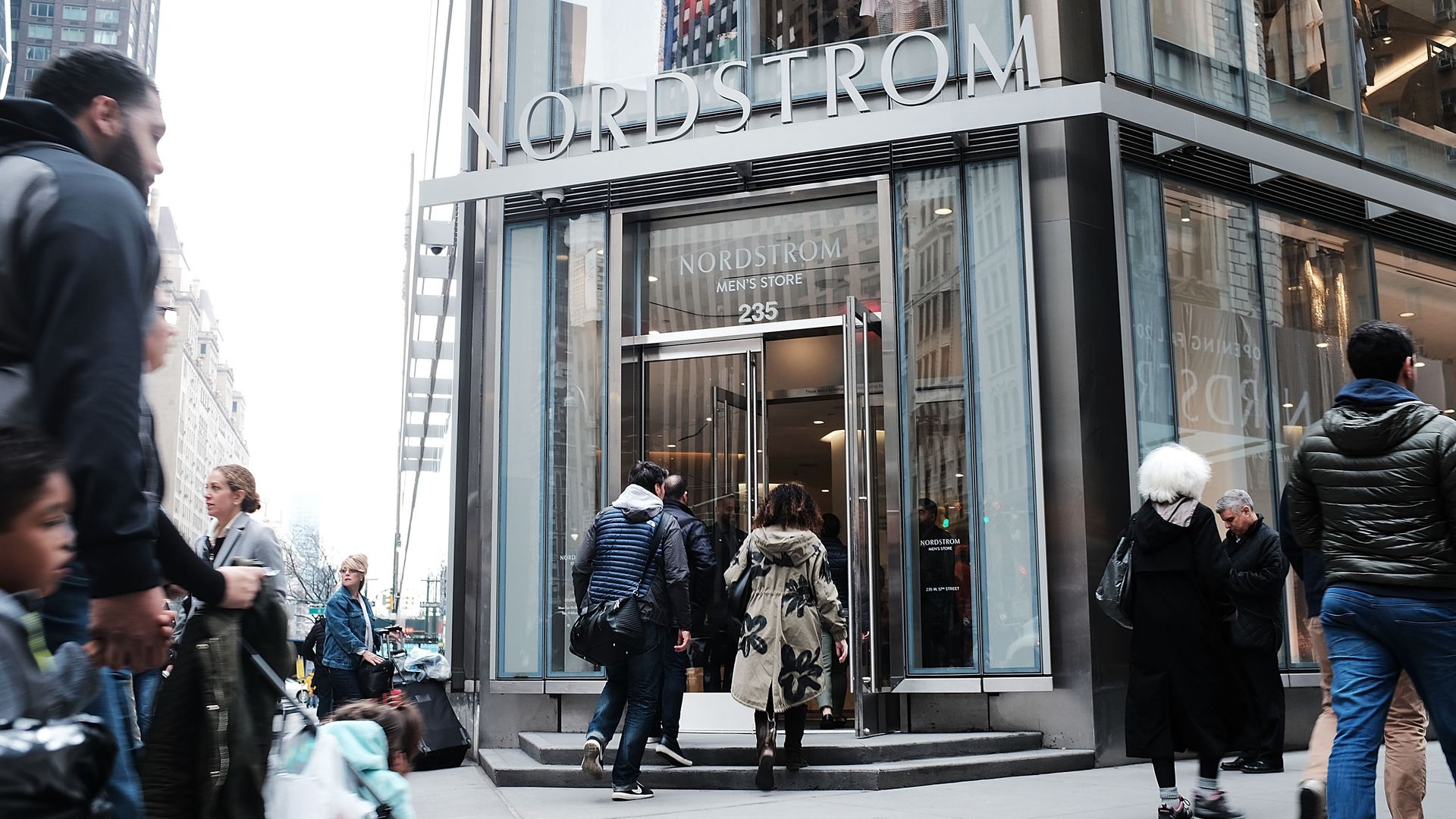
Nordstrom and Foot Locker announced the temporary closure of their stores, effective Tuesday, in response to the novel coronavirus outbreak.
Details: Nordstrom said in a statement all of its U.S. and Canada stores would remain closed for two weeks and it withdrew its fiscal 2020 forecast that it issued on March 3 because it said it "did not include the impact of COVID-19." Foot Locker's North America stores will remain closed through March 31.