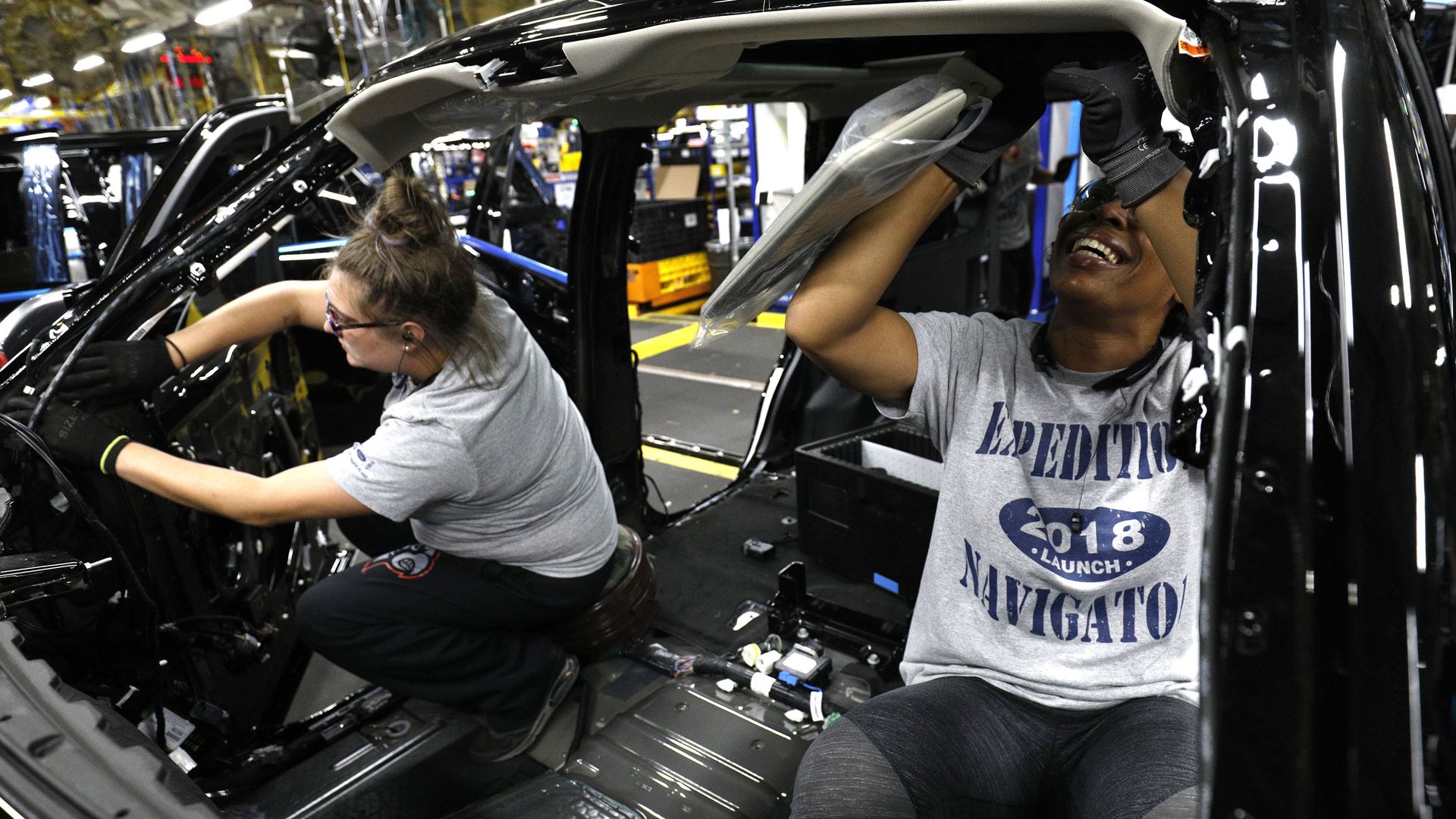
Pressure is building on automakers to halt U.S. production as hourly employees grow more anxious about their risk of exposure to the coronavirus.
Why it matters: Factory workers can't work from home, and on a vehicle assembly line, they work in close proximity, touching the same surfaces and sharing tools many times a day. Manufacturing workers in other industries face similar issues.
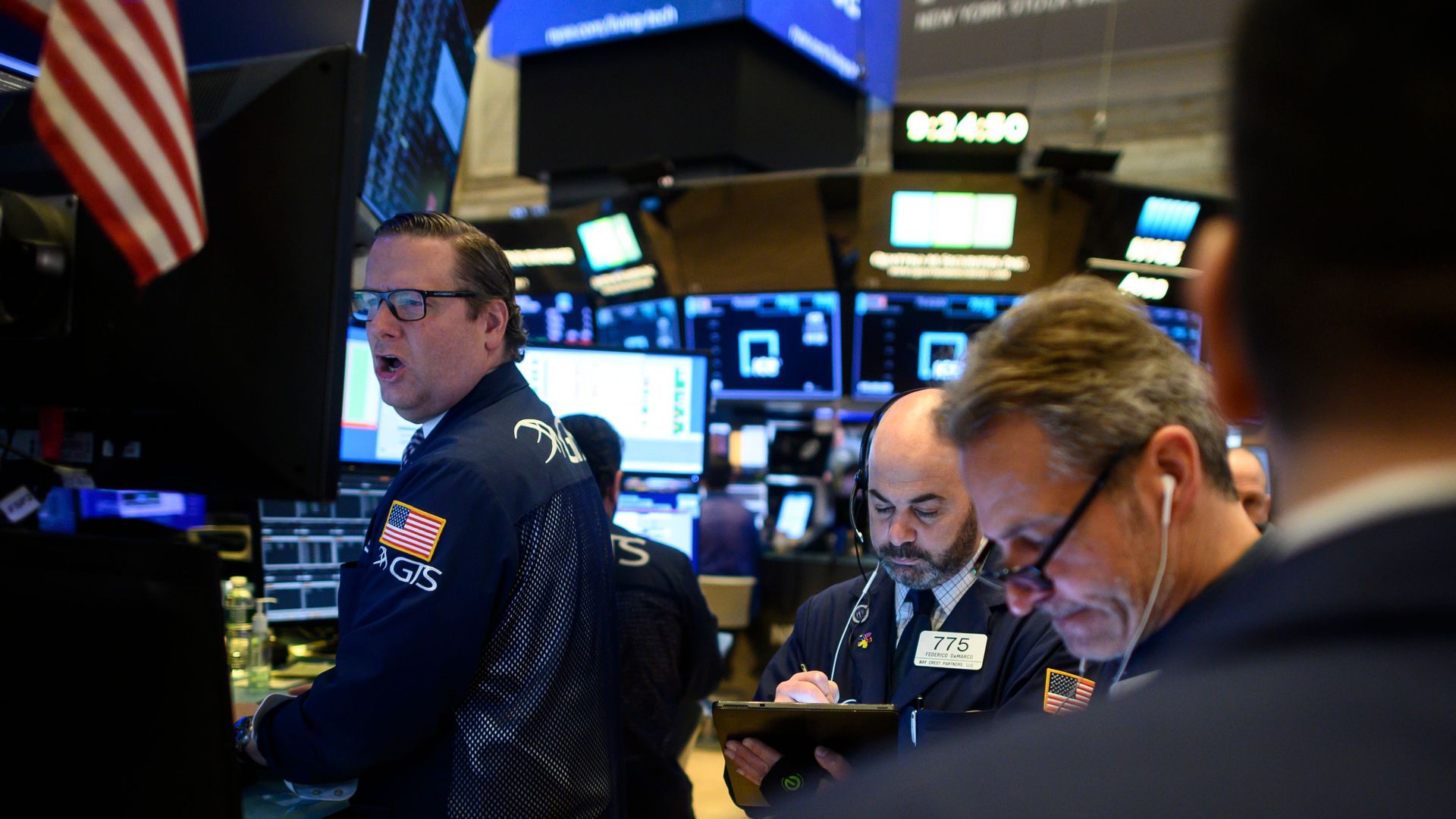
The S&P 500 closed 12% lower on Monday, while the Dow fell 13% (or 2,999 points).
Driving the news: The sell-off accelerated during President Trump's afternoon press conference as concerns about the coronavirus outbreak's economic impact continued to grip markets.
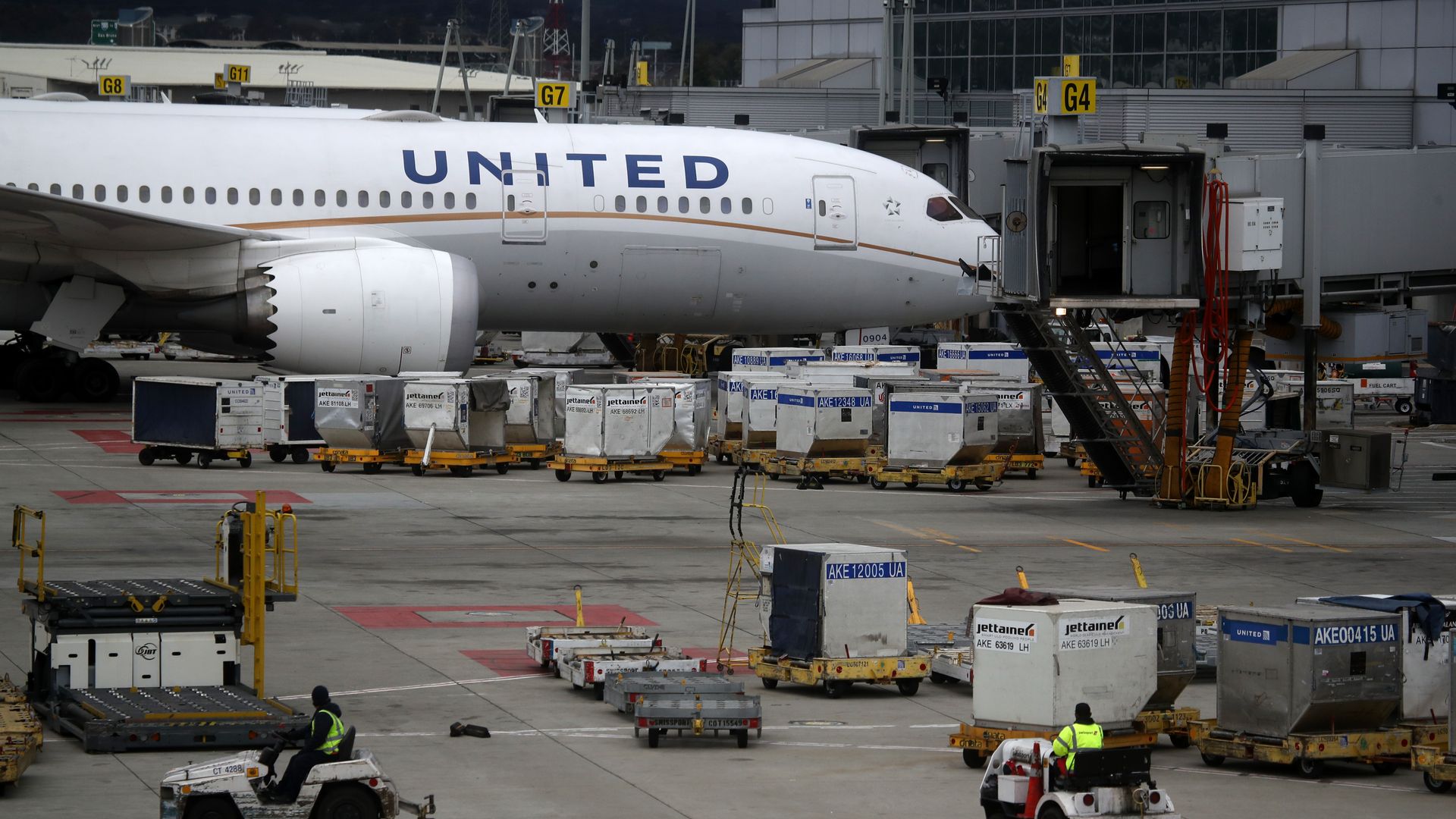
President Trump on Monday vowed to "backstop" airlines that have been hurt by the rapid plunge in air travel bookings amid the coronavirus outbreak, saying, "It's not their fault."
The big picture: U.S. airlines are in talks with the government on a variety of financial assistance measures, according to the Wall Street Journal, citing people briefed on the discussions.
Amazon is planning to hire 100,000 new warehouse and delivery workers in the U.S. to meet the growing demand for online shopping amid mass business shutdowns due to the coronavirus, the Wall Street Journal reports.
Why it matters: The coronavirus pandemic has rocked the economy, exposing inequality and causing many companies to cut jobs. The $2 an hour increase in pay will be attractive to many workers, but the hiring surge means 100,000 more people will go to work and not practice social distancing.
As a result of the spreading coronavirus outbreak, Kaiser Permanente "will be postponing elective or non-urgent surgeries and procedures in all locations," the hospital and health insurance giant said today.
Why it matters: Kaiser is the largest health care organization thus far to delay these types of procedures, many of which are money-makers for hospitals. The widespread delays of nonurgent care indicate the system is bracing for a flood of patients who have contracted COVID-19.
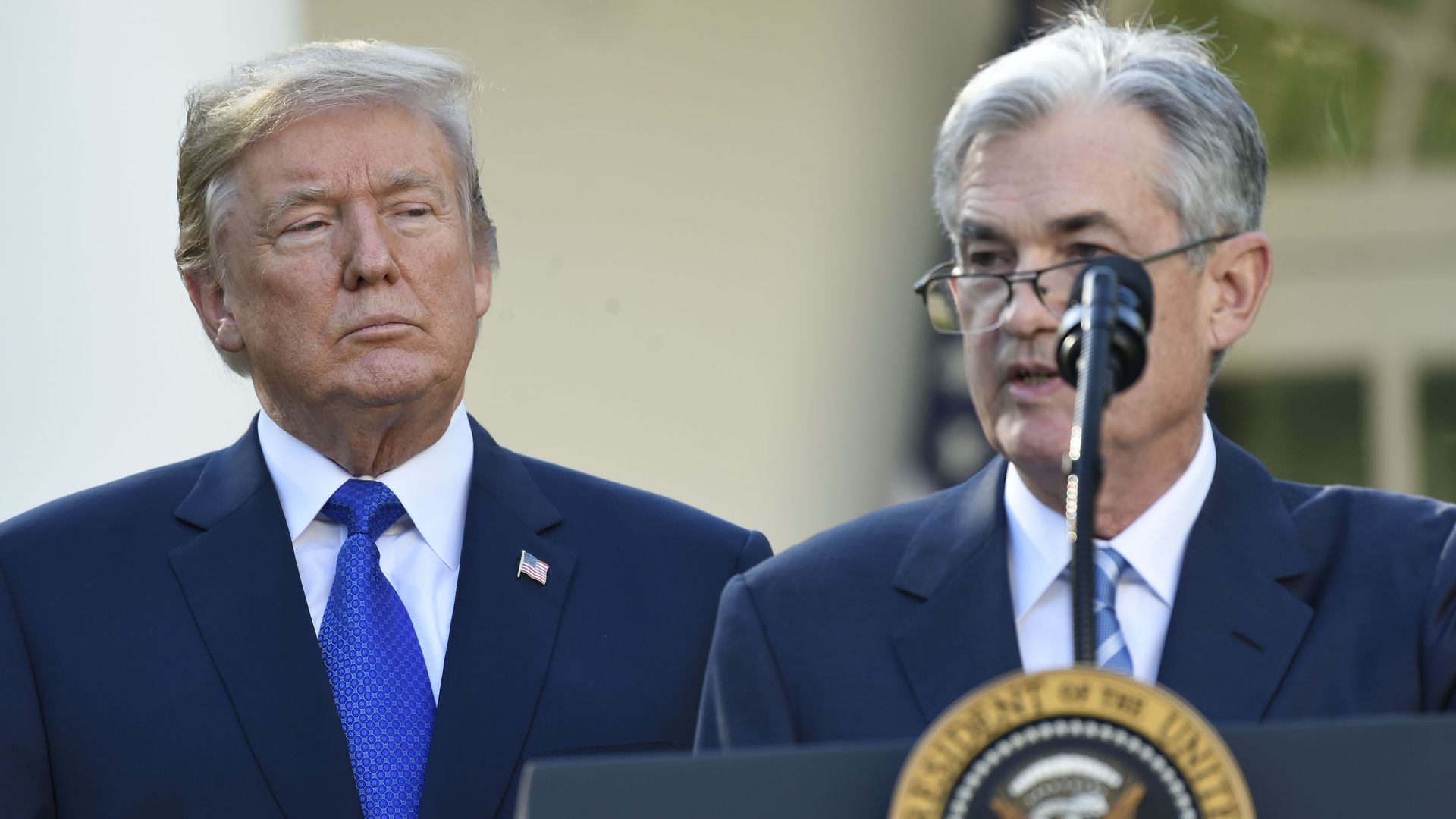
Now that the Federal Reserve has fired its monetary policy bazooka — announcing Sunday the second emergency interest rate cut in as many weeks, this one taking rates effectively to zero — expect the drumbeat for fiscal stimulus to pick up, as more economists pound the table for government action.
What's happening: On Monday, Sen. Mitt Romney (R-Utah) joined a growing chorus of liberal and conservative economists are lining up behind a proposal published in the Wall Street Journal by Harvard professor Jason Furman, who chaired the Council of Economic Advisers (CEA) under President Obama, that calls for direct government payments of $1,000 to every American adult.
Last year we discussedtheemergence of CEOs becoming America's new politicians, stepping into the national leadership void on issues like climate change and immigration. Or, in some cases, being shoved into that void.
Driving the news: This role reversal has manifested itself over the past week, as so many of our elected officials dithered.
Impossible Foods, a Redwood City, California-based maker of plant-based protein products, raised $500 million in Series F funding led by Mirae Asset Global Investments.
Why it matters: This massive round closed last week. Not only is that notable in our new abnormal, confirming what we heard last week about venture capital willingness to cut checks, but it also should help Impossible handle short-term business disruptions.
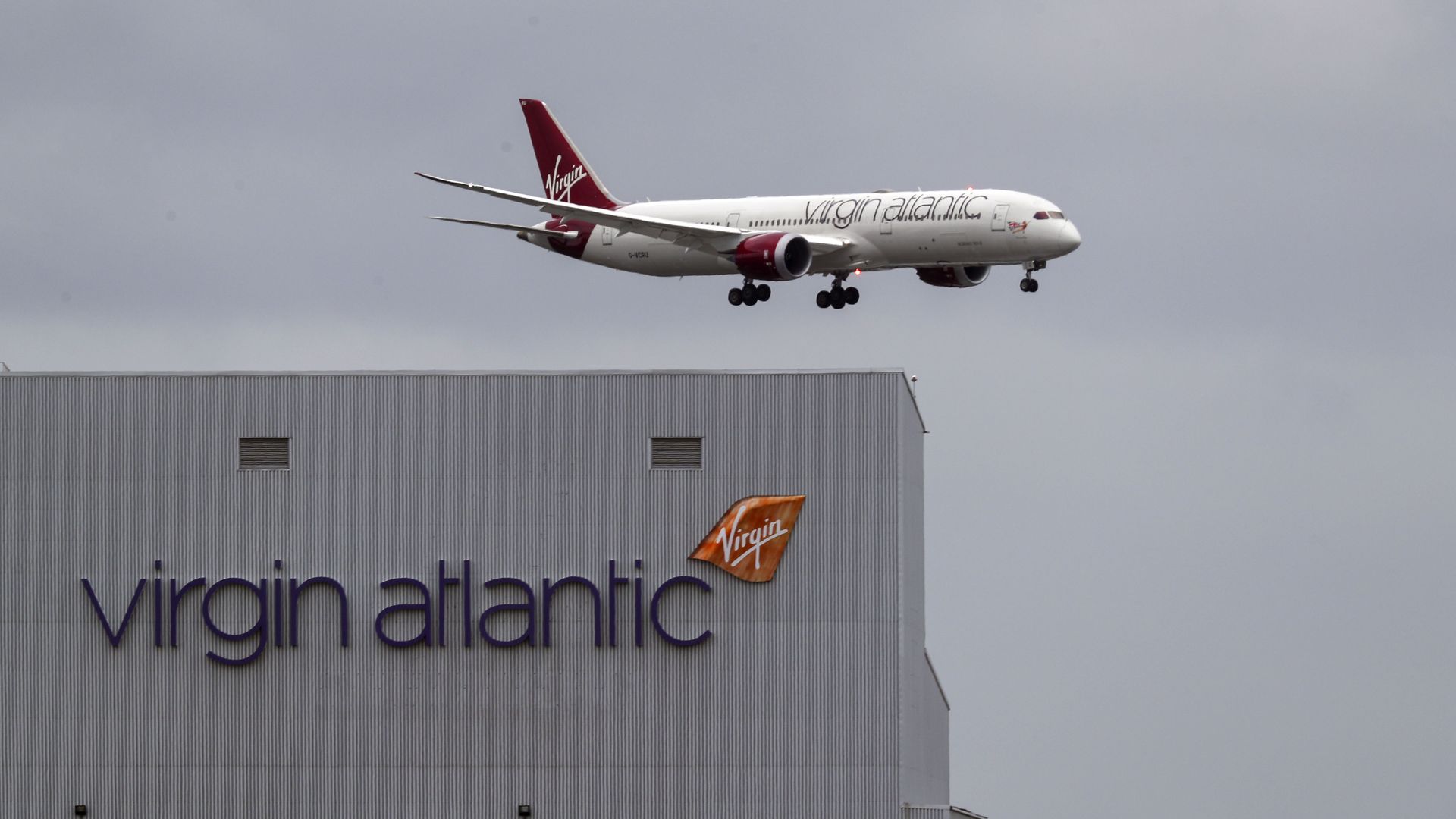
Virgin Atlantic announced Monday that it would ask staff to take eight weeks of unpaid leave as it faces shrinking demand and route reductions amid the ongoing coronavirus outbreak.
Why it matters: The spread of the novel coronavirus "has accelerated the sharp and continual drop in demand for flights across Virgin Atlantic’s network, meaning immediate and decisive action is needed," the airline said. It announced it will reduce flights per day by about 80% — including terminating its route between Newark and London Heathrow — and park about 75% of its fleet by March 26.
Perhaps the biggest risk for financial markets is the potential for wide-ranging debt defaults, particularly as companies have significantly increased their debt load and more are rated at the bottom of the investment grade ratings scale.
Why it matters: The world's companies are in a much worse position amid the coronavirus pandemic than they were ahead of the global financial crisis.
Despite earning praise from Trump, who said it made him "very happy” and that "people in the market should be very thrilled," the Federal Reserves's rate cut was followed by more bloodletting in Asian and European markets overnight Monday, as coronavirus panic continued to grip markets.
What happened: The Australian ASX index fell 9.7%, its largest fall on record; Hong Kong's Hang Seng dropped by 4%; and, benchmark indexes in India and the Philippines saw almost 8% losses. The European Stoxx 600 was down by more than 7%.
Most people say they are more likely to believe their employers than government websites or traditional or social media when it comes to information about the coronavirus pandemic, according to a new Edelman Trust Barometer survey about the virus.
Why it matters: Absent consistent information from the government about the virus, and amid growing skepticism around fake news online, people are turning to business leaders for critical information.
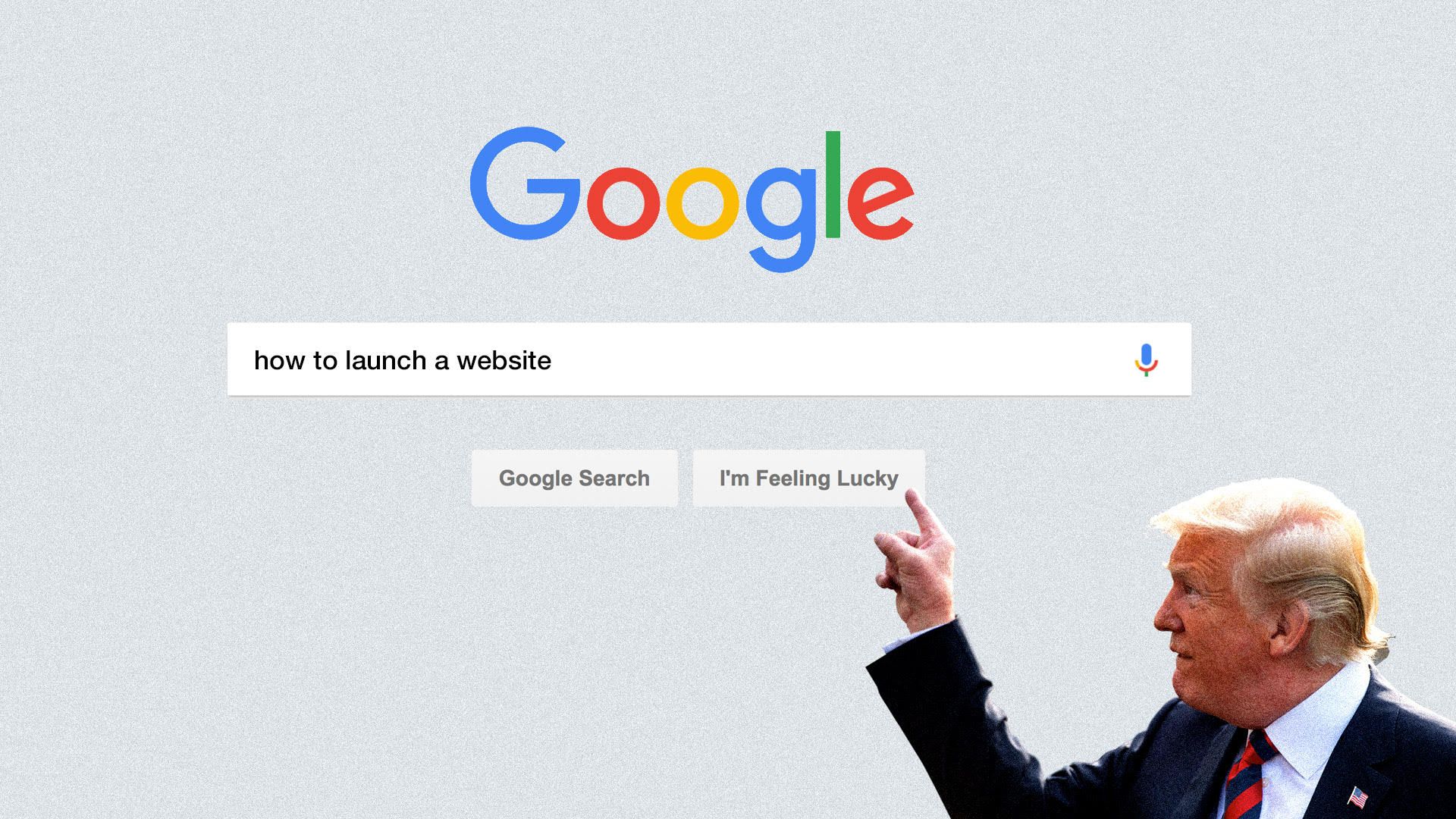
President Trump's exaggerated claims about a Google-developed website to triage coronavirus diagnosis and treatment nationwide are the latest instance of a longstanding presidential pattern of tech-related misrepresentations and hype.
Why it matters: At a moment when the public needs solid trustworthy information from leaders, institutions and news sources, the president is spreading confusion and doubt.
The Federal Reserve, in conjunction with central banks around the world, took drastic action on Sunday night — the kind of action not seen since the global financial crisis — to try to prevent the novel coronavirus from devastating the economy.
What they did: The Fed slashed interest rates to near zero Sunday night, announced a $700 billion bond-buying program, and relaxed bank capital regulations to encourage further lending.
Health insurance companies are not concerned yet that the new coronavirus is going to drive up their medical claims and spending.
The big picture: More people will need expensive hospitalizations to treat COVID-19, which has turned into a full-blown public health emergency. But insurers view the outbreak as an "extension of the flu season," according to a Wall Street bank that spoke with insurance executives last week.