Coronavirus has led many economists to conclude a recession is inevitable, or maybe already here. Dan and Axios' Dion Rabouin discuss what's happening and what the government is trying to do to fix it.
Consumers are stocking up on goods as the novel coronavirus spreads, but COVID-19 itself is already testing America's supply chains and could bring possible labor shortages, The Washington Post reports.
Why it matters: There is enough nonperishable food in warehouses and production lines to last months, but the "challenge could soon be getting that food to the right places once local distribution centers are wiped out," the Post writes. Some food producers could find themselves without enough employees to manufacture, deliver and unpack groceries.
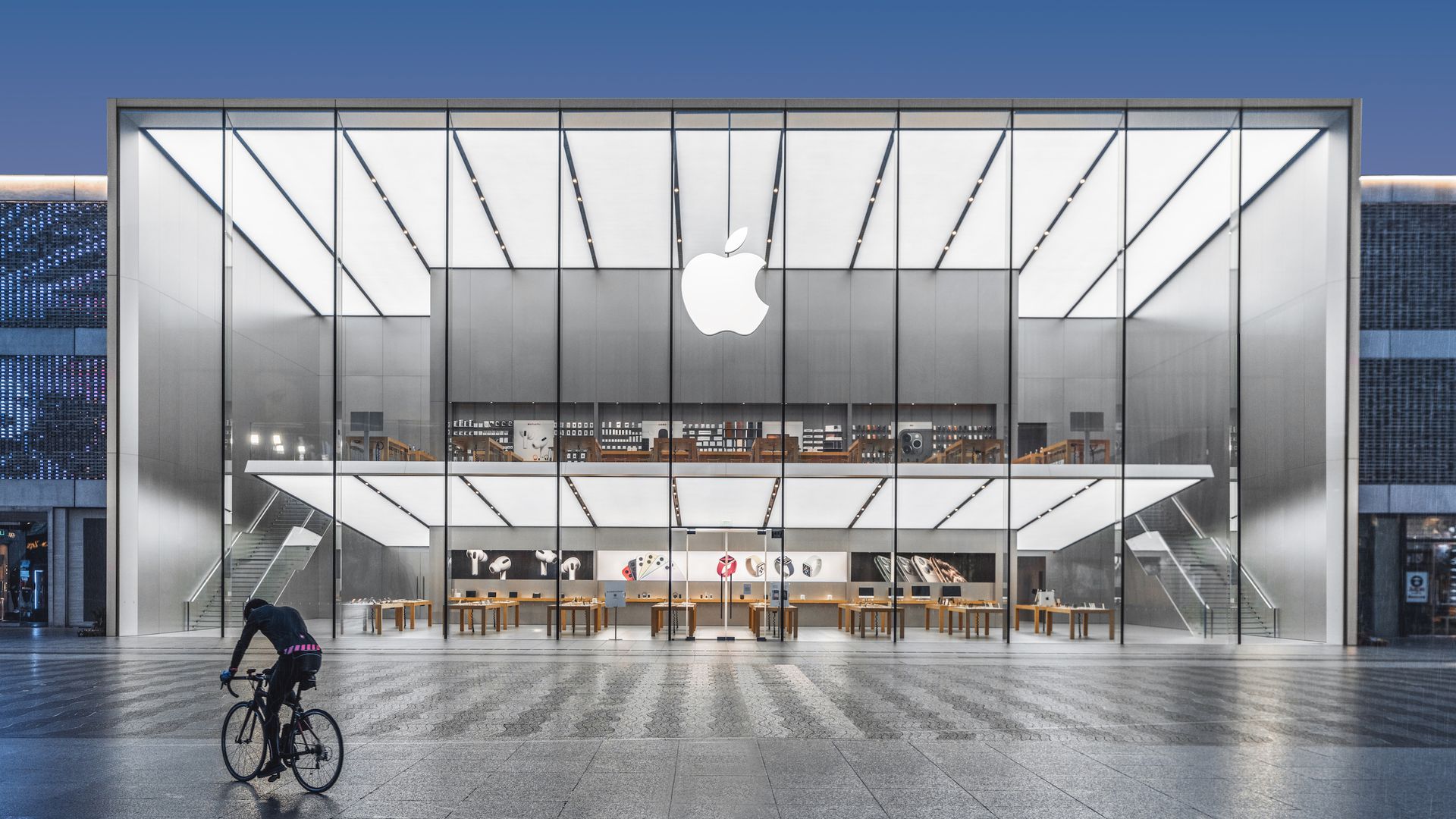
Apple announced it will close all its retail stores worldwide except for greater China until March 27 amid the rapid spread of the novel coronavirus, and will donate $15 million to help mitigate its impact.
Why it matters: Apple's stores are a significant revenue generator for the company, but the flip-side of the company's efforts to make them community gathering spots is that they're now posing a risk as authorities warn against crowd gatherings.
Former American Express CEO Ken Chenault will not run for re-election on Facebook's board of directors following disagreements with CEO Mark Zuckerberg over governance and political policies, according to the Wall Street Journal.
Microsoft's Bill Gates stepped down from the company's board of directors on Friday to focus on philanthropy in arenas like global health and education.
The big picture: It's been a slow, long exit for Gates who has devoted more of his time to humanitarian efforts for more than a decade. He handed over the CEO reins 20 years ago and left full-time employment with the company more than a decade ago.
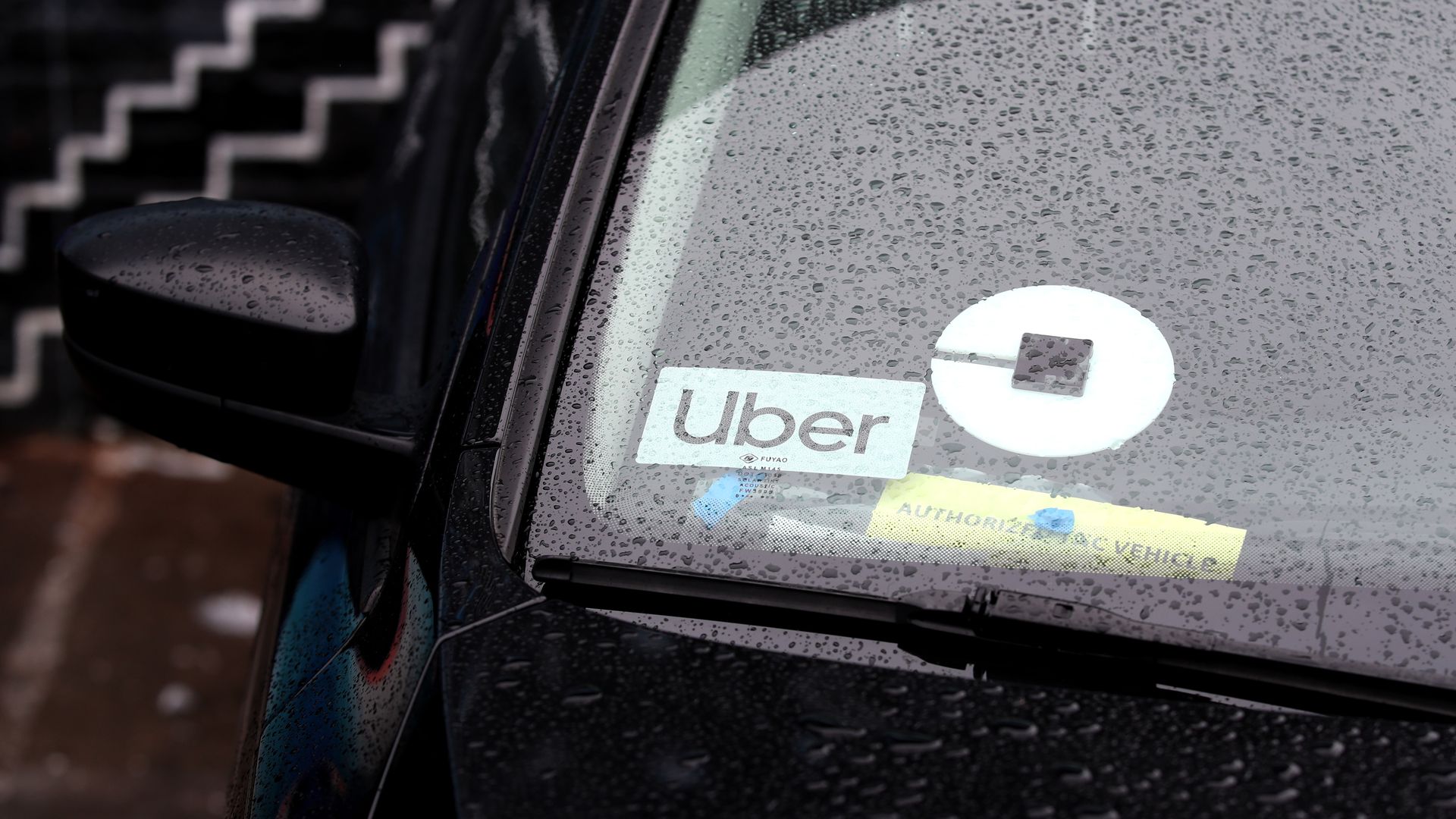
Uber has temporarily closed its U.S. and Canada Greenlight Hubs, where drivers can go to get in-person help with answering questions and completing forms, in an effort to help lessen the spread of the coronavirus.
Why it matters: Uber and other gig economy companies have faced mounting questions over how they'll help their thousands of drivers (who are not employees) given the very social nature of their work.
Delta Airlines announced Friday it will reduce its flight capacity by 40% for the next four months due to the coronavirus outbreak, a dramatic increase from its original 15% reduction.
The big picture: It's a deeper cut to capacity than Delta instituted after the Sept. 11 attacks. The airline industry has had to curb flights as it grapples with lack of demand, as Americans are advised to avoid nonessential travel. Delta CEO Ed Bastian will also forgo his entire salary for the year.
Five colleges, including the University of Phoenix, are accused of using misleading sales tactics to lure military veterans and their families. Now the schools may lose their ability to access GI Bill benefits. Dan digs in with The Washington Post's Danielle Douglas-Gabriel.
Venture capitalists are almost all working from home, but they have not stopped investing in startups.
The big picture: Axios yesterday spoke or emailed with 40 different U.S. firms, and every single one of them reports that they are still actively doing deals — several signing term sheets within the past week.
Nearly 40% of electronics manufacturers feel worse about the impact of COVID-19 on their business than they did a month ago, according to an updated survey being released later today by electronics industry trade group IPC.
Why it matters: Although the coronavirus outlook in China is improving, elsewhere the situation has deteriorated. Plus, most companies are now dealing with problems on both the demand and supply sides of their businesses.
Without live sports for the foreseeable future, it's unclear what networks like ESPN and FS1 will broadcast in those time slots or what they'll talk about on their studio shows and radio programs during the day.
Why it matters: With so many Americans nesting at home, linear TV viewership was expected to spike. But without sports, streaming platforms, video games and other mediums will likely be the big winners instead.
Why it matters: Reassuring drivers that electric cars can meet all their needs just as well, or better, than their internal-combustion counterparts is important for pushing them into the mainstream.
The economic fallout of the global pandemic will test the resiliency of U.S. automakers, who vowed after going bankrupt a decade ago that they would be prepared for the next downturn.
Why it matters: No one is suggesting the coronavirus means a repeat of 2009's bleak days, when the U.S. auto industry was on the verge of collapse and needed a taxpayer bailout to survive.
The Fed's actions on Thursday appear to have had a significant impact on the bond market and the currency market, where the dollar has reversed its slide against most major currencies after touching monthslong lows earlier this week.
The state of play: The dollar index, which measures the greenback's value against six global peers like the euro and Japanese yen, rose 1% Thursday.
Longer-dated U.S. Treasury yields have bounced higher in recent days, with the benchmark 10-year note fully reversing course and rising to more than double its lowest level on Tuesday.
What's happening: The announcement of $1.5 trillion in repo injections on Thursday by the New York Fed followed two announcements about increasing the amount of cash it was injecting in its repo operations this week. The deluge has given yields a significant bounce.
Overseas stocks performed even worse than the U.S. on Thursday.
The state of play: Europe’s benchmark index fell 11.5%, its worst day in history; Brazil’s Bovespa dropped as much as 20%, extending this year’s loss to nearly 50% in dollar terms; Canada’s benchmark TSX index lost 12%, for its worst day since 1940.
The Fed has clearly gotten the message being sent from financial markets — "OMFG!!!" — and has acted accordingly.
The state of play: The U.S. central bank is responding to the coronavirus outbreak as if the country is in a crisis, first by declaring an emergency 50 basis point rate cut last week, and on Thursday by announcing $1.5 trillion in injections to the systemically important repo market, on top of already increased funding injections.
As cases of the coronavirus multiply across the U.S., every office, school, restaurant and store shutdown is stress-testing the country’s ability to live life without leaving home.
Why it matters: The coronavirus is triggering a grand experiment: Remote work and remote learning have long been buzzwords, but the sudden switch to telecommuting en masse has the potential to accelerate shifts in how work is conducted and the way we think about it.
Health care hiring has surged over the past few years, but the influx of bodies won't necessarily alleviate an impending wave of coronavirus cases.
The big picture: Most new health care jobs are on the administrative side — not doctors, nurses or other clinical staff who are needed to help triage and care for patients.
Women who took extended time off from work to raise a family often assume their careers have hit a dead end. But in a tight job market, many companies are rolling out the red carpet to bring back that kind of experienced talent.
Why it matters: Career reentry programs — sometimes called "returnships" — give employers an opportunity to repopulate the ranks with high-caliber mid- to senior-level women. And they provide women who've been out of the workforce a chance to get back on the career path.
Some hospital systems are temporarily pausing bills for any patients who receive care related to the new coronavirus.
Why it matters: Receiving costly medical bills could discourage people from seeking care even as the outbreak worsens. However, it's unclear what patients' financial obligations will look like once the pandemic simmers.












/2020/03/13/1584107691006.gif?w=3840)