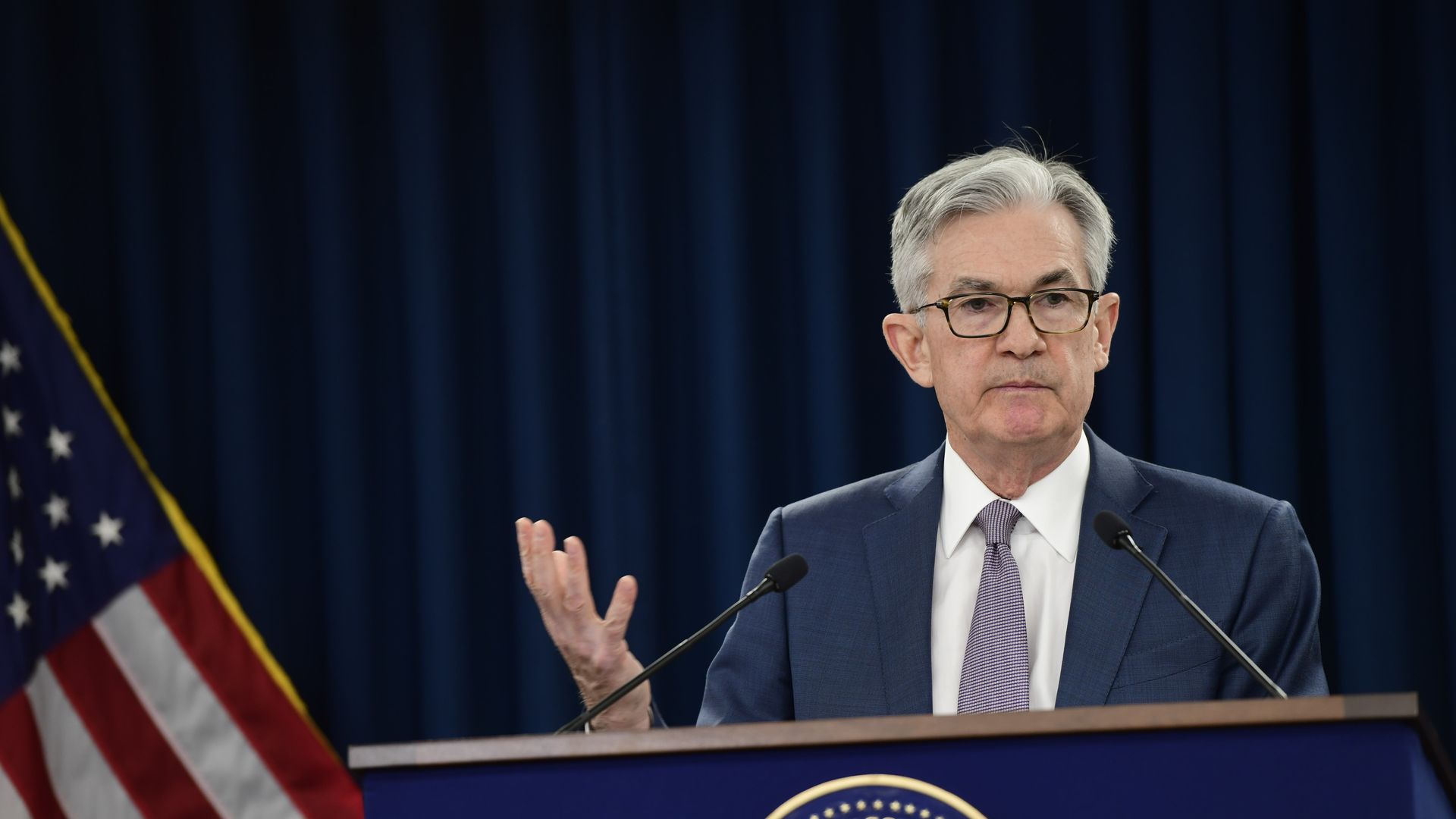
The Federal Reserve on Sunday cut its benchmark interest rate to almost zero and launched a $700 billion quantitative easing program in response to the expected economic downturn and stock market slump caused by the coronavirus.
Why it matters: This is the most drastic measure the Fed could take to try to shield the economy amid a global pandemic. The central bank hasn’t made moves this dramatic since the financial crisis.
Uber released more details about how it will compensate drivers affected by COVID-19, which will be based on their average daily earnings over the last six months.
Why it matters: Ride-hailing and delivery drivers are among the most vulnerable as the virus spreads, both because of the very social nature of their jobs and because they don't qualify for sick leave as independent contractors.
As the financial markets swing wildly, investors are calling their financial advisers in droves, trying to figure out if they should buy or sell.
Why it matters: Fear of the coronavirus — and its impact on the economy — is prompting people to want to "time the market," which brokers say is a bad idea.
Coronavirus has led many economists to conclude a recession is inevitable, or maybe already here. Dan and Axios' Dion Rabouin discuss what's happening and what the government is trying to do to fix it.
Consumers are stocking up on goods as the novel coronavirus spreads, but COVID-19 itself is already testing America's supply chains and could bring possible labor shortages, The Washington Post reports.
Why it matters: There is enough nonperishable food in warehouses and production lines to last months, but the "challenge could soon be getting that food to the right places once local distribution centers are wiped out," the Post writes. Some food producers could find themselves without enough employees to manufacture, deliver and unpack groceries.
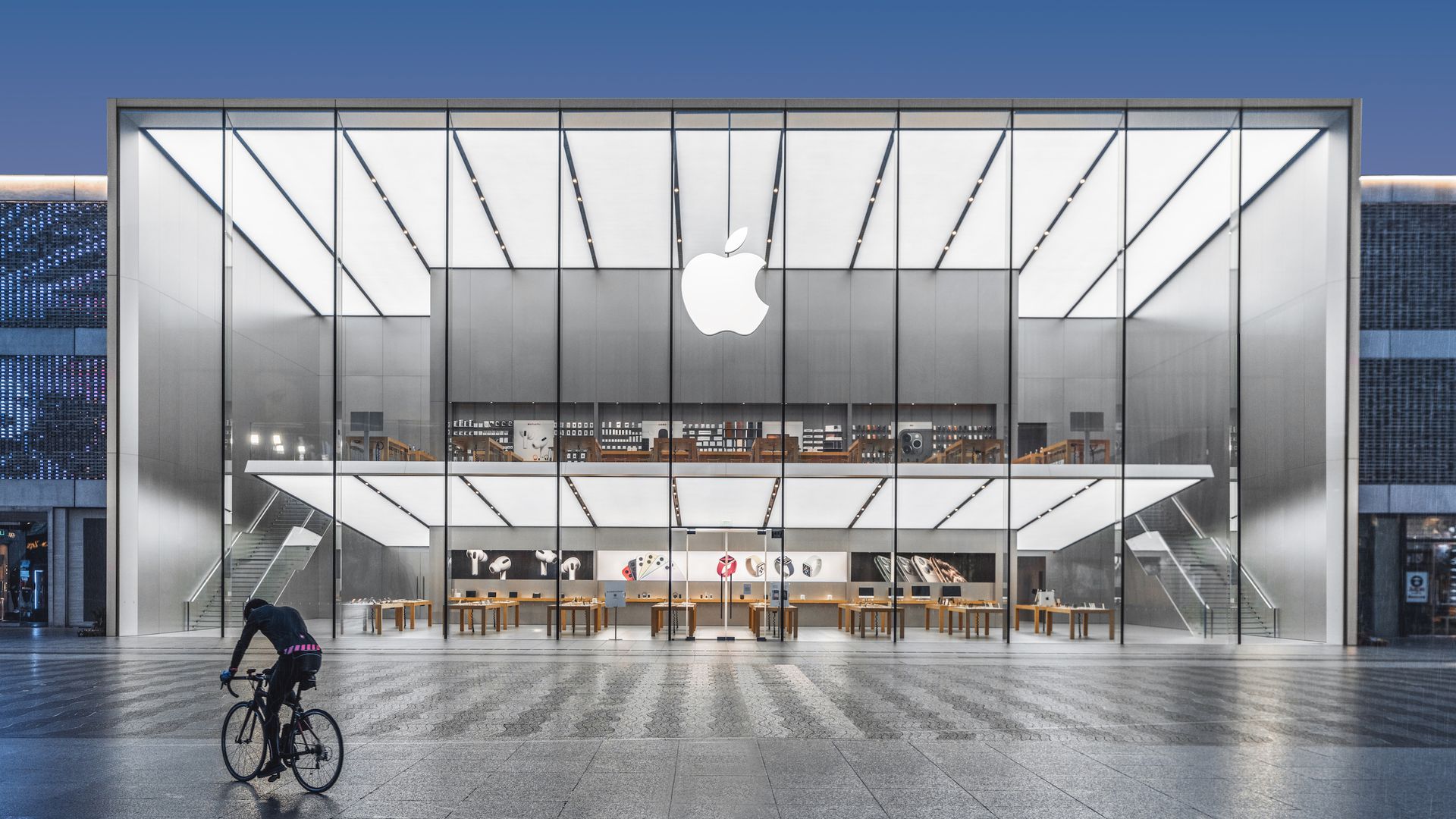
Apple announced it will close all its retail stores worldwide except for greater China until March 27 amid the rapid spread of the novel coronavirus, and will donate $15 million to help mitigate its impact.
Why it matters: Apple's stores are a significant revenue generator for the company, but the flip-side of the company's efforts to make them community gathering spots is that they're now posing a risk as authorities warn against crowd gatherings.
Former American Express CEO Ken Chenault will not run for re-election on Facebook's board of directors following disagreements with CEO Mark Zuckerberg over governance and political policies, according to the Wall Street Journal.