Major Hollywood studios are yanking expected blockbusters off of their debut schedules in fear that they will miss the movie-going crowds due to the global coronavirus outbreak.
Why it matters: The film industry is on pace to lose billions of dollars from movie markets around the world, according to analysts.
California's Disneyland and Florida's Disney World announced they will close this weekend and through the rest of the month, as the novel coronavirus continues to spread across the U.S.
Why it matters: There are currently 198 positive COVID-19 cases in California as of Thursday and four reported deaths. There are 35 coronavirus cases in Florida and two deaths reported as of Thursday. The heaviest concentrations of the virus in the U.S. are in California, Washington and New York.
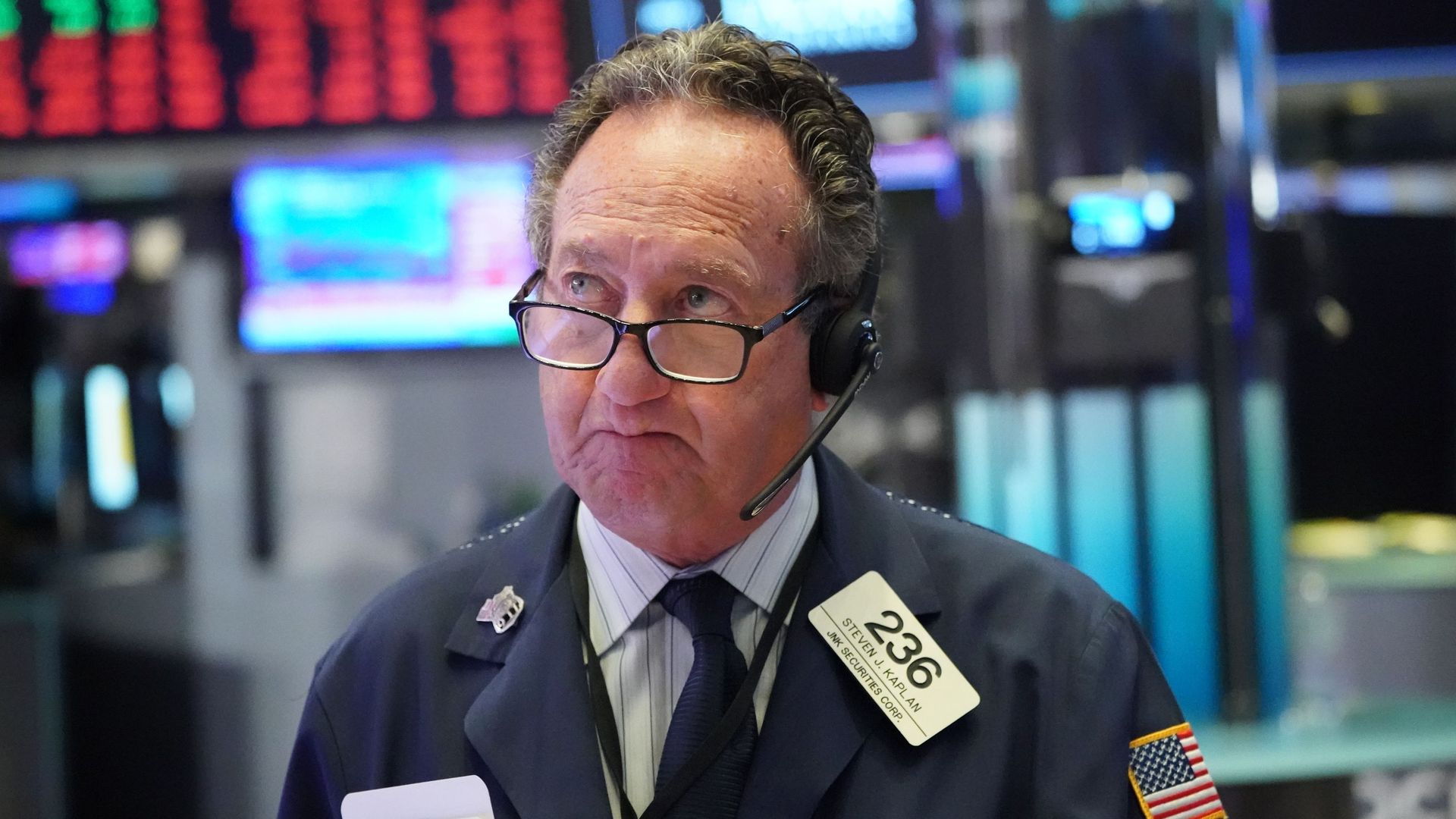
Stocks plunged more than 9% on Thursday, with the S&P 500 26% below its February all-time high.
Why it matters: The potential economic impact from the coronavirus ended Wall Street's longest bull run in history while roiling stock markets around the globe.
The broad U.S. stock market was not (quite) in an official bear market as of the close of trade on Wednesday — but the Dow Jones Industrial Average was. Thank Boeing for that.
By the numbers: Boeing's share price has fallen from $440 in March last year to $162 in early trade on Thursday. That's a drop of $278 per share.
The World Health Organization finally declared COVID-19 to be a pandemic on Wednesday.
What they're saying: "Pandemic is not a word to use lightly or carelessly. It is a word that, if misused, can cause unreasonable fear, or unjustified acceptance that the fight is over, leading to unnecessary suffering and death," said WHO Director-General Dr. Tedros Adhanom Ghebreyesus."
The stock market is down significantly,but insofar as that market-reporting cliché the "wave of selling" is anywhere to be seen, it isn't coming from mom-and-pop investors.
By the numbers: As stocks plunged on Monday, more than twice as many Fidelity customers were buyers than sellers.
Brian Lesser, the CEO of AT&T's advertising division called Xandr, has resigned, a source familiar with the situation tells Axios. Reuters first reported the news.
Why it matters: Lesser was heralded by AT&T CEO Randall Stephenson as the executive who would pioneer the company's foray into targeted advertising. Lesser is reportedly resigning after not receiving the job to become Stephenson's successor.
Three major long-term trends have just been thrown violently into reverse: The rise of cities, the rise of global just-in-time supply chains and the rise of the sharing economy. Conditions in all three cases are almost certainly going to get significantly worse before they get better.
The big picture: Cities are victims of the virus, but they're also a key vector for its spread. By their nature, they involve hundreds of thousands of humans living and working in close proximity to one another and relying on myriad shared services. Without cities the coronavirus would find it much harder to spread.
Advocate Aurora Health, a 28-hospital system spanning Illinois and Wisconsin, said Thursday that it is temporarily "refraining from sending patient bills related to coronavirus as we continue to work with regulatory and industry officials to navigate this developing situation."
Why it matters: A spokesperson for Advocate Aurora Health said this is not a commitment to waive fees indefinitely and the system may send out bills later, but it's still among the first hospital systems to hit pause on any coronavirus billing. Experts have been worried that the potential of receiving costly medical bills could discourage people from seeking care even as the outbreak worsens.
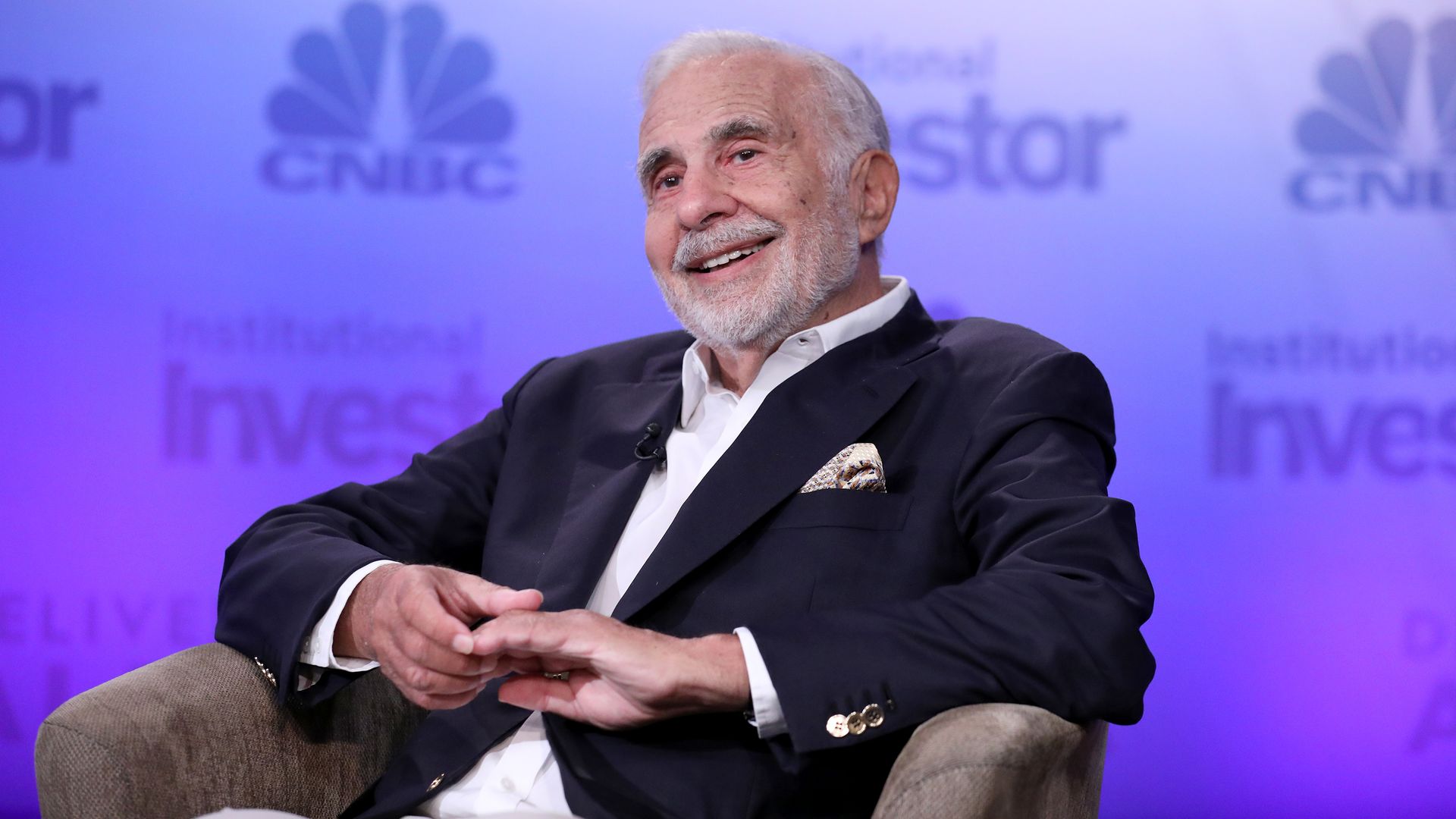
Carl Icahn increased his stake inOccidental Petroleum from 2.5% to nearly 10%.
Why it matters: Icahn has been feuding with Occidental since last summer, believing his $38 billion takeover of Anadarko Petroleum was too expensive and poorly structured.
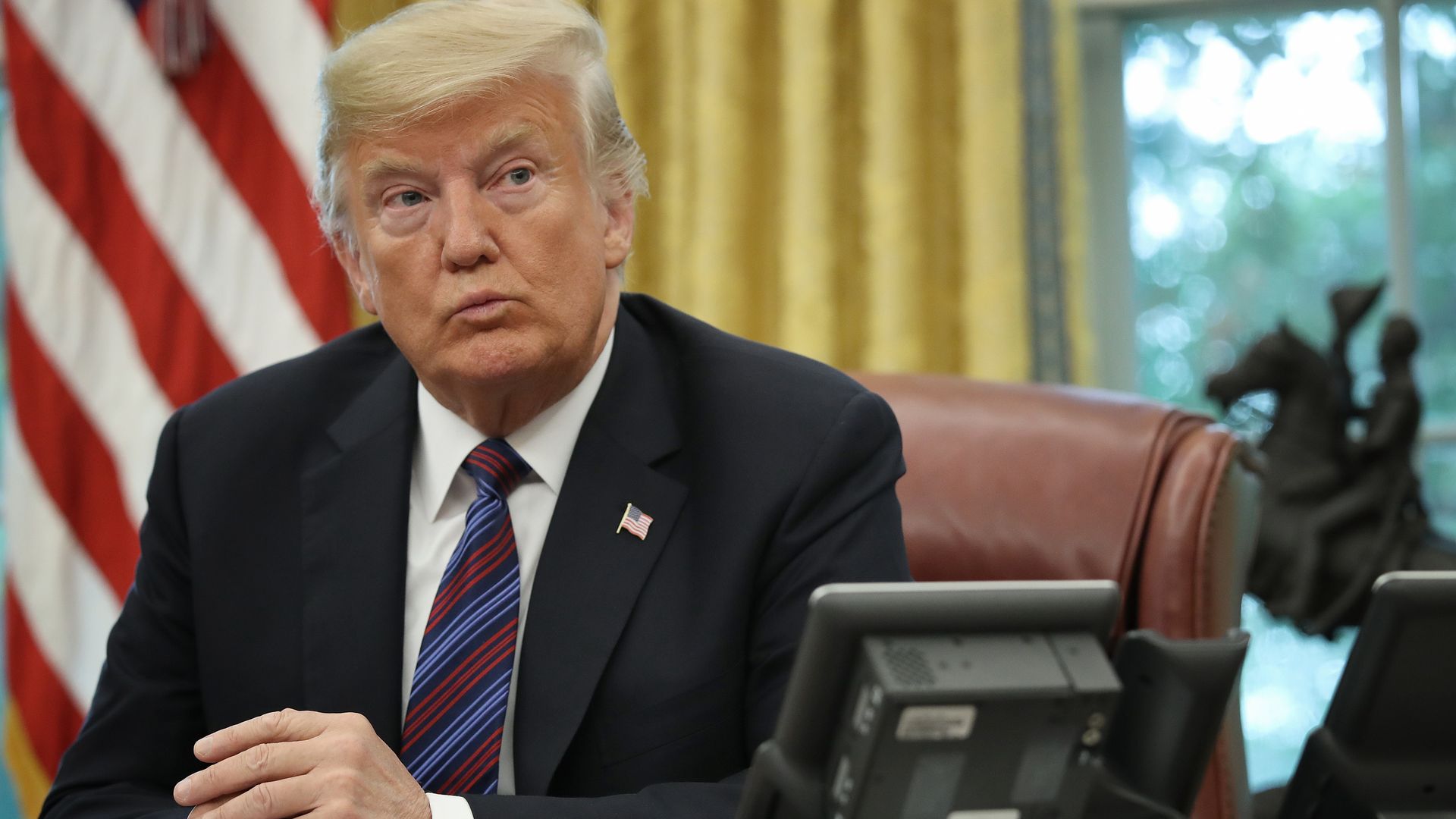
The White House had to walk back three policy announcements from President Trump's Oval Office announcement Wednesday that are causing more confusion than comfort during the coronavirus outbreak.
Why it matters: COVID-19 is already here in the U.S., and in some communities, it's spreading rapidly. Trump's travel restrictions won't stop the infection in states where person-to-person spread is rampant.
Cheaper gasoline thanks to the oil price collapse isn't expected to badly undercut electric vehicles, but the overall economic dislocation from coronavirus is a hurdle, analysts say.
Why it matters: EV sales have grown in recent years, but they're still basically a niche market and tiny percentage of overall vehicle purchases, so any new headwinds are worth watching.
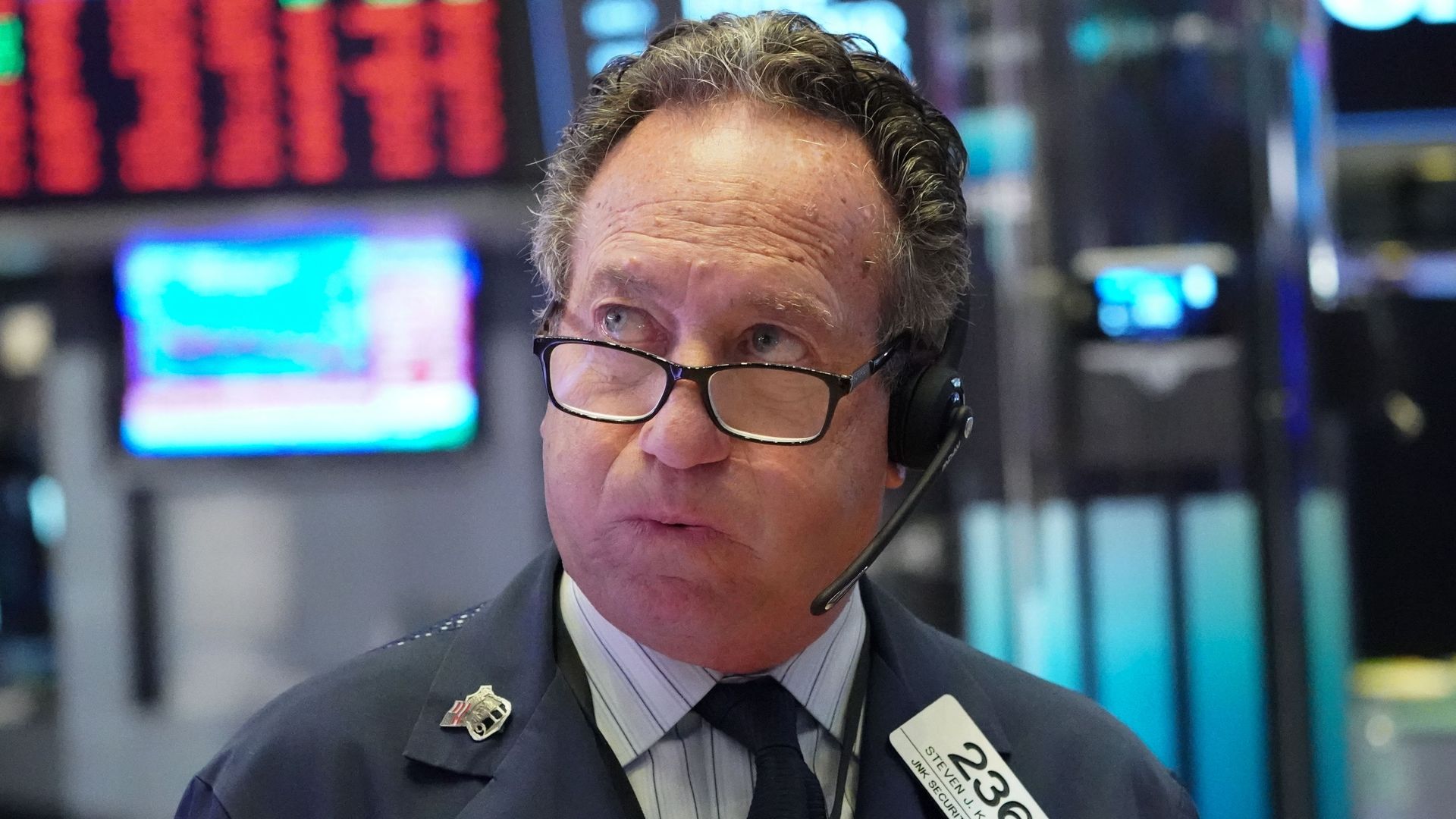
Stocks fell more than 8% on Thursday morning, after reopening from a 15-minute trading halt for the second time this week.
Why it matters: The S&P 500 followed the Dow into bear market territory after days of market carnage. The coronavirus' economic toll, initially shrugged off by the stock market, looks set to end Wall Street's longest bull market in U.S. history.
Princess Cruises announced Thursday that it is pausing global operations for two months due to concerns about the ongoing coronavirus outbreak, CNBC reports.
The state of play: Princess, which is owned by Carnival, is the second-largest cruise line in the world by revenue. It operates the Diamond Princess and the Grand Princess ships, which have faced quarantines in Japan and California after coronavirus outbreaks on board.
Following President Trump's address Wednesday night, the market only moved further in its expectations that the Fed would dramatically cut rates, pricing in as much as a 95% likelihood that the central bank would move toward a reduction of 100 basis points to 0%-0.25% at its next meeting.
The big picture: It would be the Fed's largest rate cut since December 2008 when it last cut rates to zero, warning that "labor market conditions have deteriorated, and the available data indicate that consumer spending, business investment, and industrial production have declined."
Newsrooms are creating contingency plans to make sure that they can adequately inform the public about the novel coronavirus while keeping their own employees safe.
Why it matters: Some news products, including newspapers, magazines, video and events, require in-person manpower to produce. With work-from-home policies in place, products and editorial procedures will need to change.
Products from major American companies including Apple, GM, Coca-Cola and even Facebook may soon become unavailable, as the fallout from the COVID-19 outbreak backs up and shuts down global supply chains.
Why it matters: Consumers should brace themselves for products to go missing in the coming weeks and months — and it may not be the ones they expect.
Less than 3% of CEOs of the world's largest companies are women. That's according to Fortune, whose annual Fortune Global 500 list featured just 14 female CEOs last year.
Why it matters: Stagnant numbers of female CEOs don't mean that nothing is happening. Rather, they mean that boards continue to perpetuate their biased hiring practices.










/2020/03/12/1584034693747.gif?w=3840)