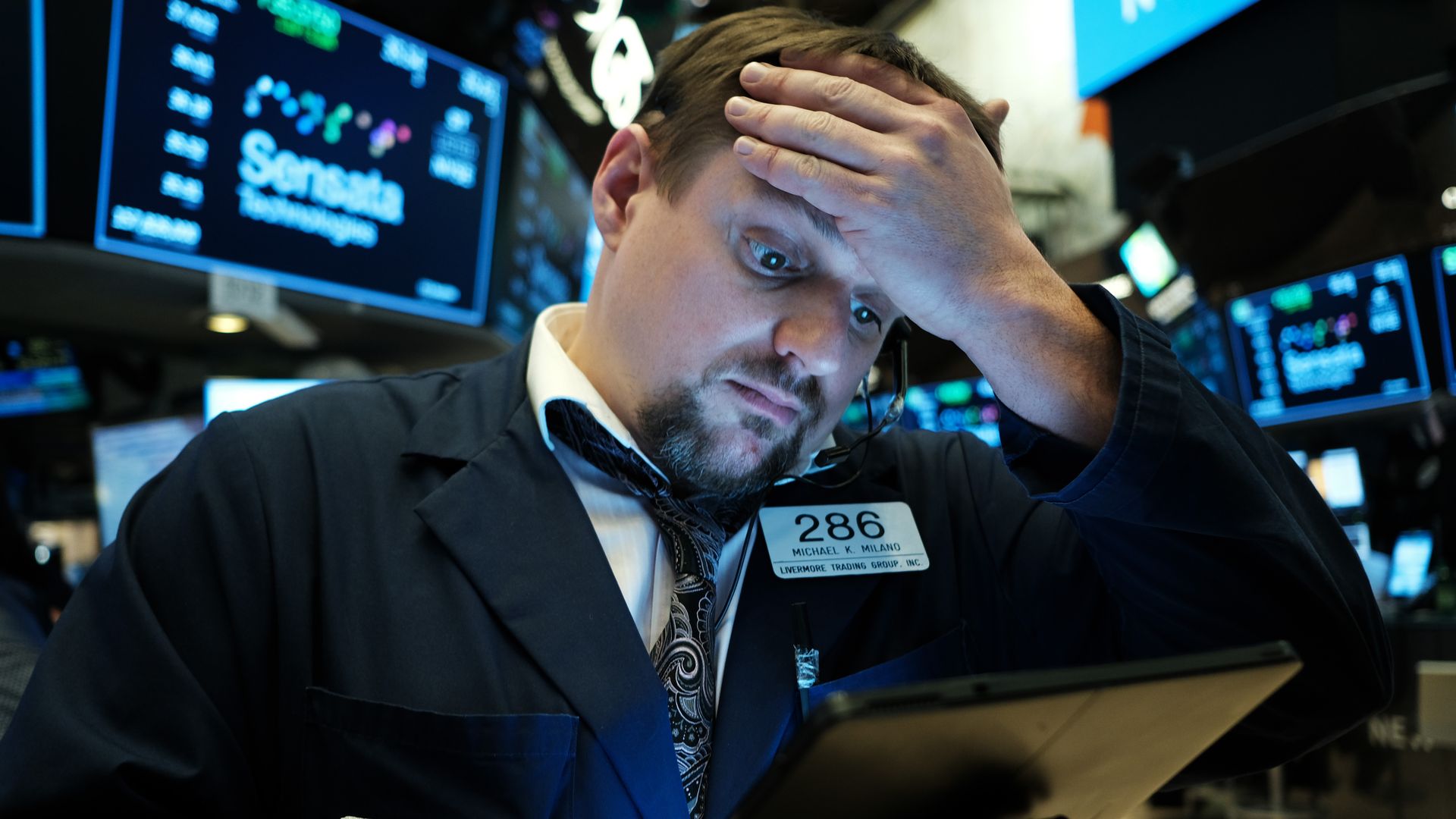
Stocks fell more than 4% on Wednesday, with the Dow closing in bear market territory — or 20% below the record high hit in February.
Why it matters: The Dow's steep drop ends one major index's record 11-year stretch without a 20% decline, as Wall Street grapples with just how bad the coronavirus will be for the global economy. The S&P 500 is about 30 points away from hitting bear market territory.
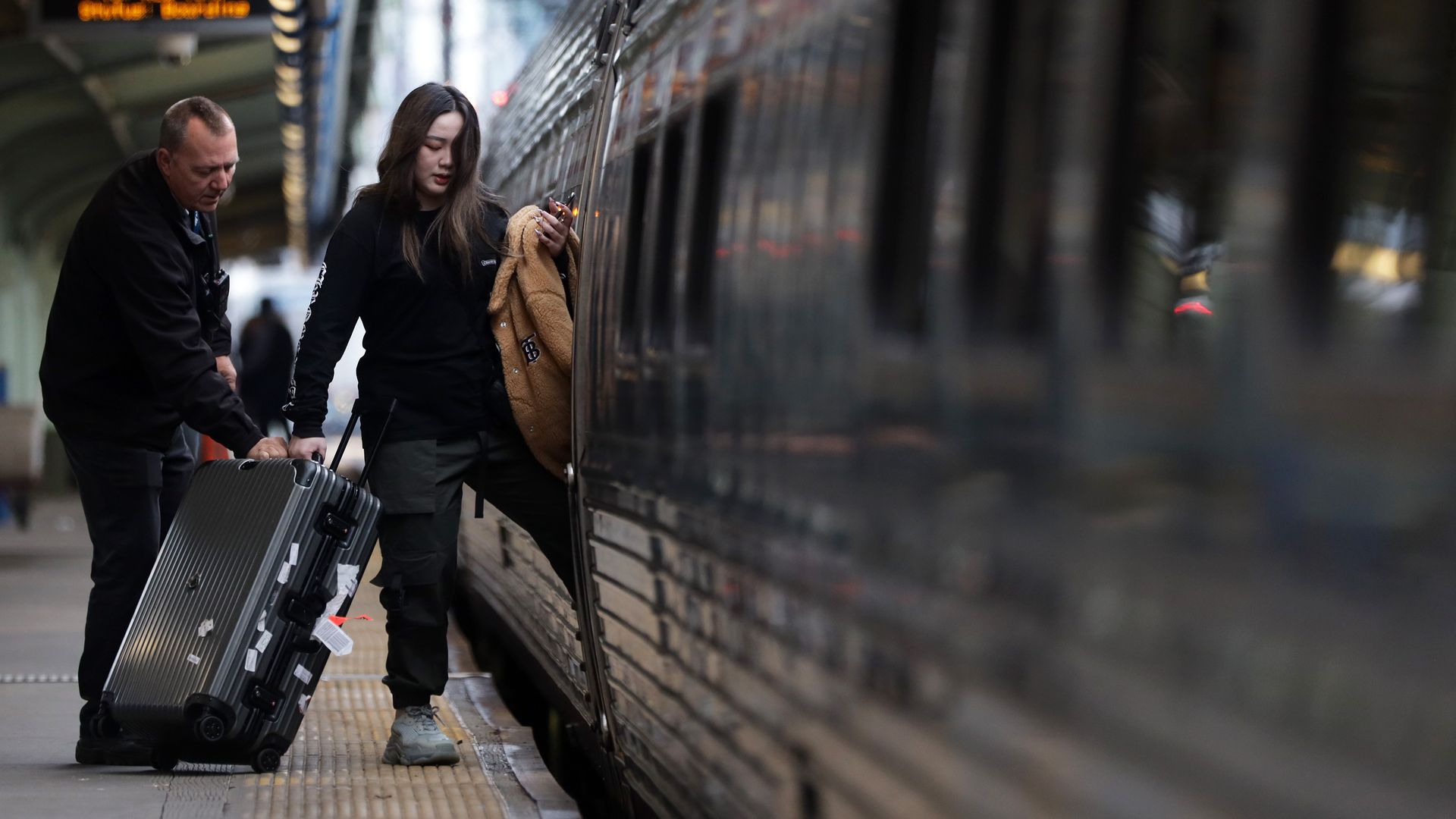
Amtrak officials announced Wednesday that the company's revenue is falling as consumers cancel trips and avoid future bookings as a reaction to the novel coronavirus outbreak, the Wall Street Journal reports.
The state of play: The company canceled nonstop service between Washington, D.C., and New York, according to CNBC, and plans to announce a voluntary unpaid leave program for nonessential employees, WSJ reports.
The global entertainment market, which includes box office and in-home entertainment (streaming) revenues, topped $100 billion last year — a first for the industry, according to a new report released Tuesday by the Motion Picture Association of America.
Why it matters: It's looking unlikely that 2019's bombshell success will carry over into 2020, given the unprecedented stress that Hollywood is facing due to the global coronavirus outbreak.
As coronavirus spreads across the economy, talk is increasing about federal bailouts of everything from airlines to shale oil companies. Dan digs in with The Washington Post's Jeff Stein.
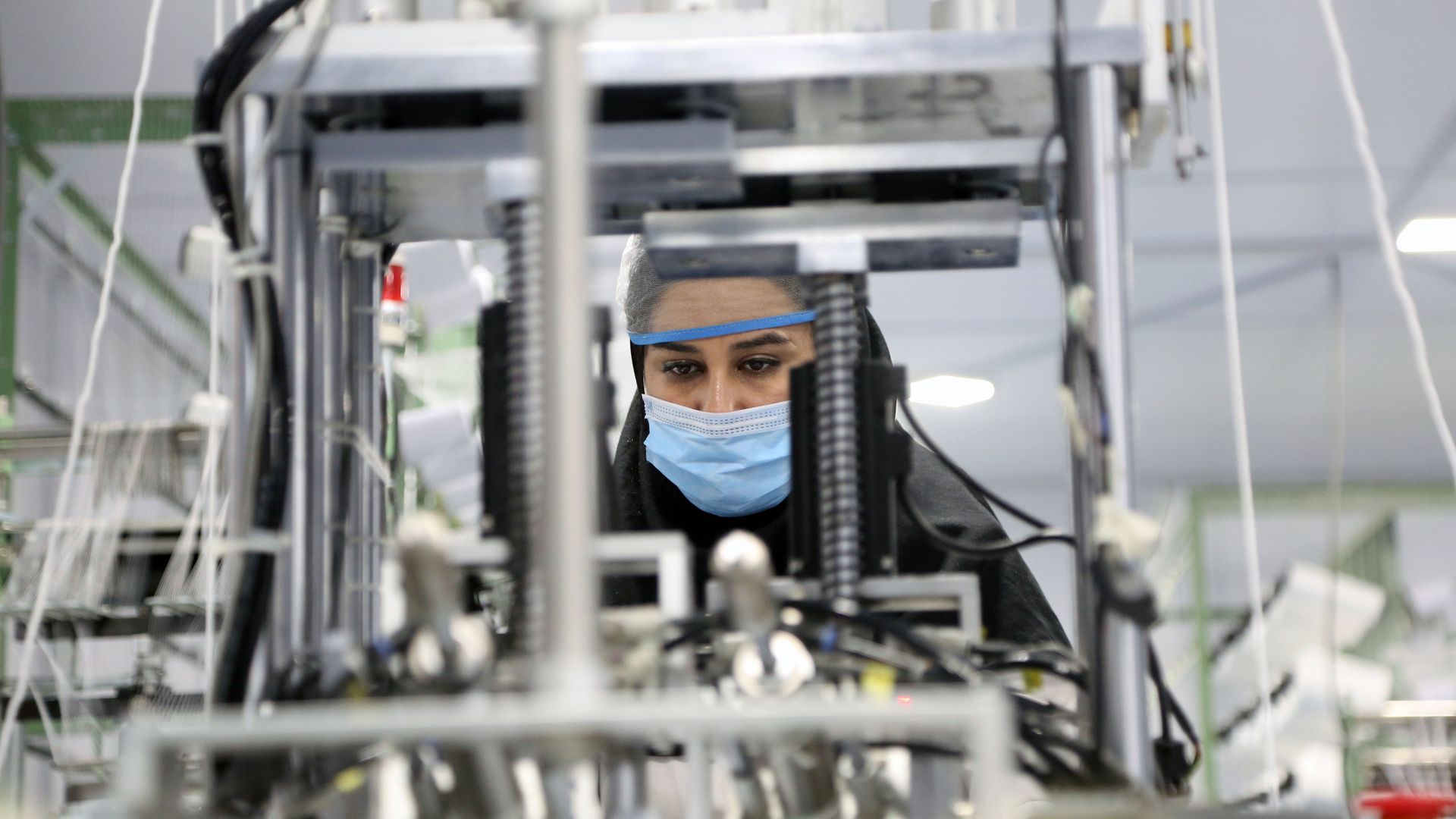
The COVID-19 outbreak has caused supply chain disruptions for nearly three-quarters of U.S. companies, and many are already pricing in revenue losses this year as a result, according to a special ISM survey.
What's happening: Data show global production out of China fell to an all-time low last month, with freight and shipping slowing dramatically as the virus has shuttered factories and container ports.
Sequoia Capital is some of the smartest money on Sand Hill Road, with a decades-long knack for making early bets on world-changing companies. So how did it just make the sort of mistake that even the greenest of "Shark Tank" wannabes wouldn't make?
The bottom line: Sequoia got stuck inside of its own filter bubble.
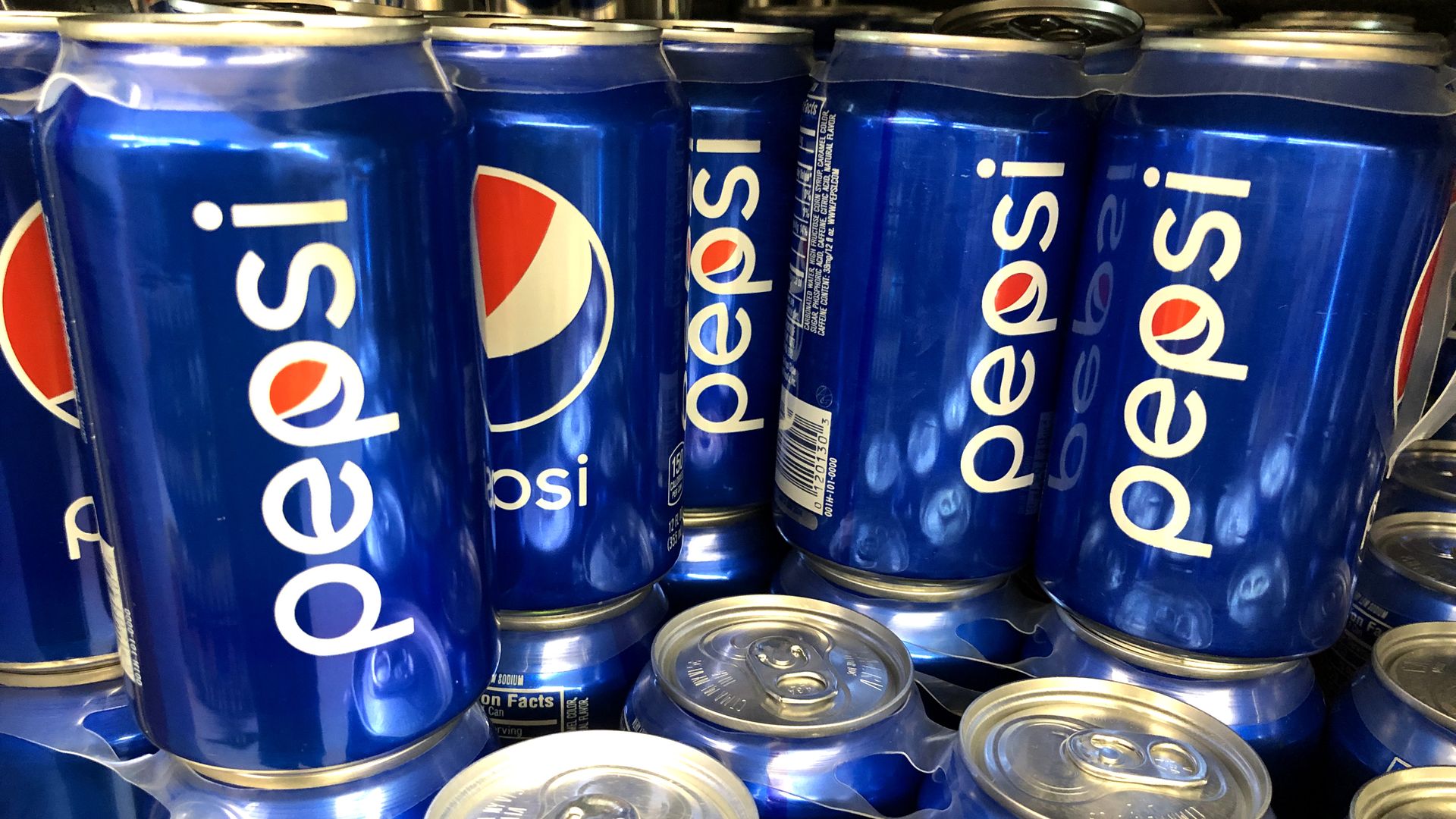
PepsiCo has agreed to buy Las Vegas-based energy drink maker Rockstar for $3.85 billion.
Why it matters: This would give Pepsi a leg up on rival Coca-Cola in the growing energy drink space, and also would be Pepsi's first major acquisition since Ramon Laguarta took over as CEO in 2018.
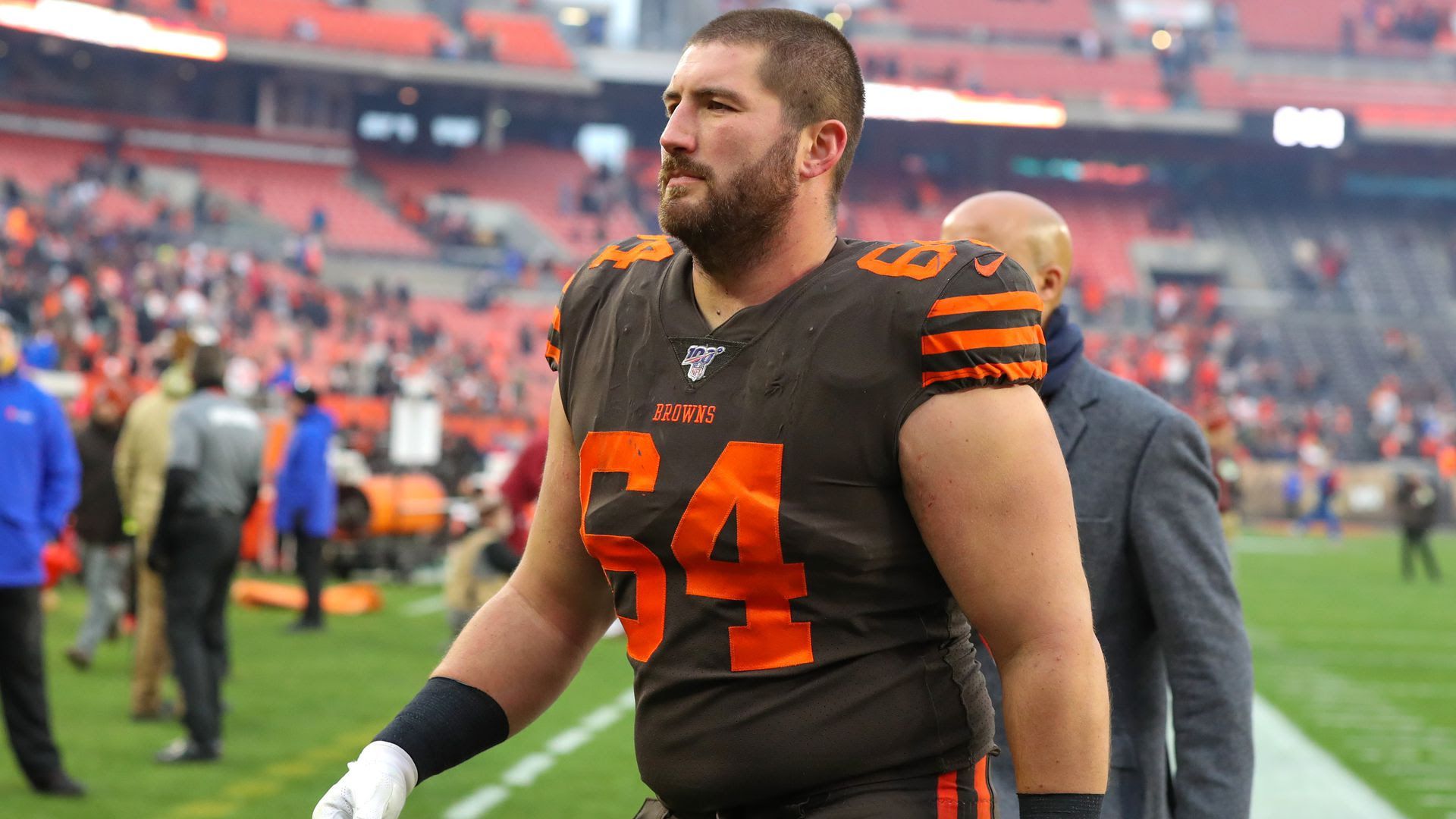
Browns center J.C. Tretter was elected as the new president of the NFL Players Association during union meetings Tuesday, beating out Buccaneers linebacker Sam Acho and Giants safety Michael Thomas.
What to watch: The election comes at a turbulent time for the NFLPA, which has plunged into a state of disarray in recent weeks thanks to the public disagreement over the proposed CBA, which includes a 17-game schedule starting in 2021 at the earliest.
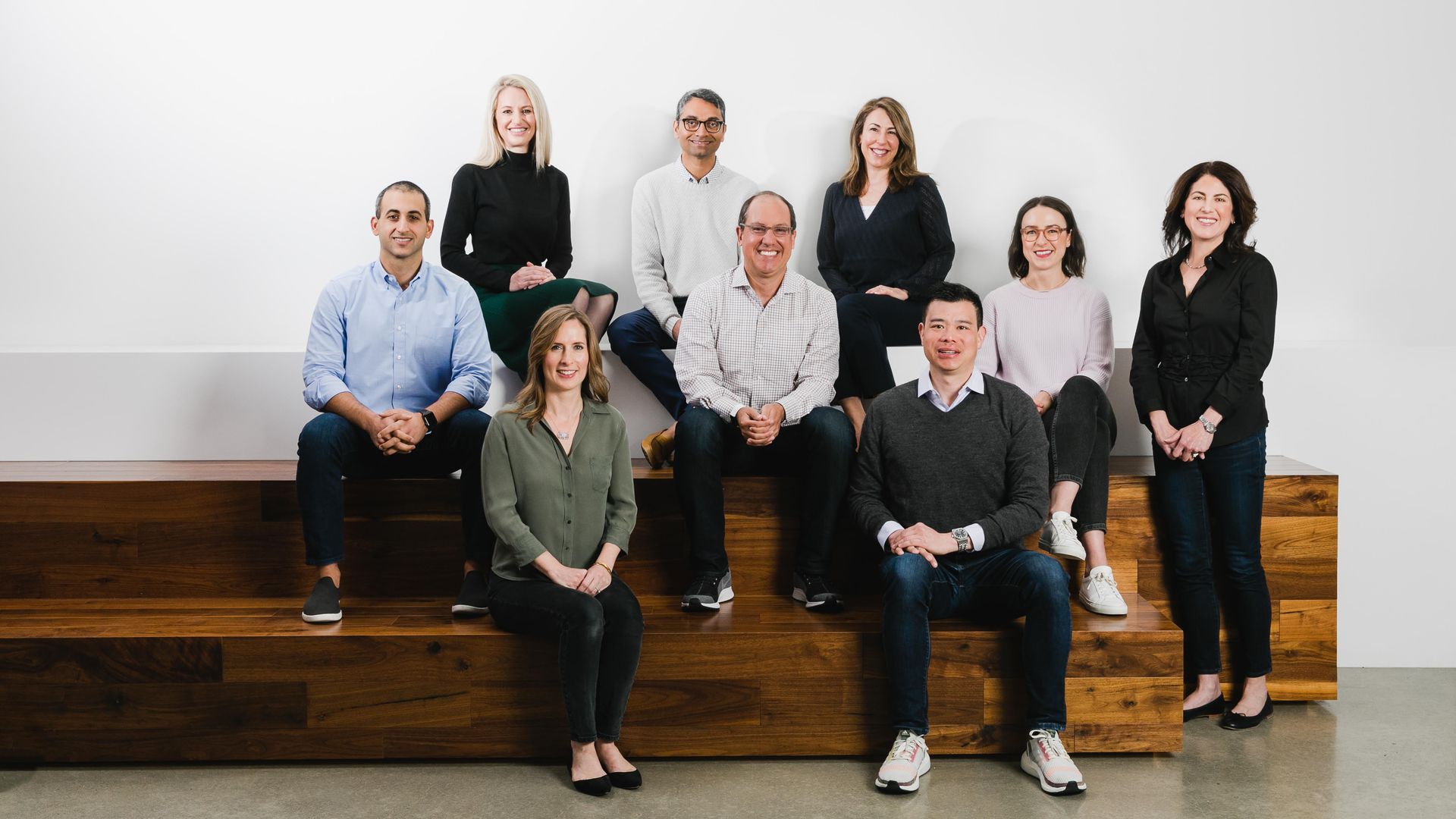
Felicis Ventures, an early-stage VC firm that's riding high with the recent sales of Plaid (to Visa for $5 billion) and Credit Karma (to Intuit for $7 billion), has raised $510 million for its seventh fund.
The bottom line: Most of the fund was raised before coronavirus sent the markets into chaos, but Felicis founder Aydin Senkut has been through enough cycles to avoid sudden investment strategy shifts.
BlackRock, Morgan Stanley and Barclays have all undertaken "deep cleaning" procedures at various offices in the New York City area after traders at the firms tested positive for COVID-19.
What they're saying: BlackRock and Barclays said an infected person worked in their respective offices in Manhattan, while the Morgan Stanley employee worked at the company's purchase office.
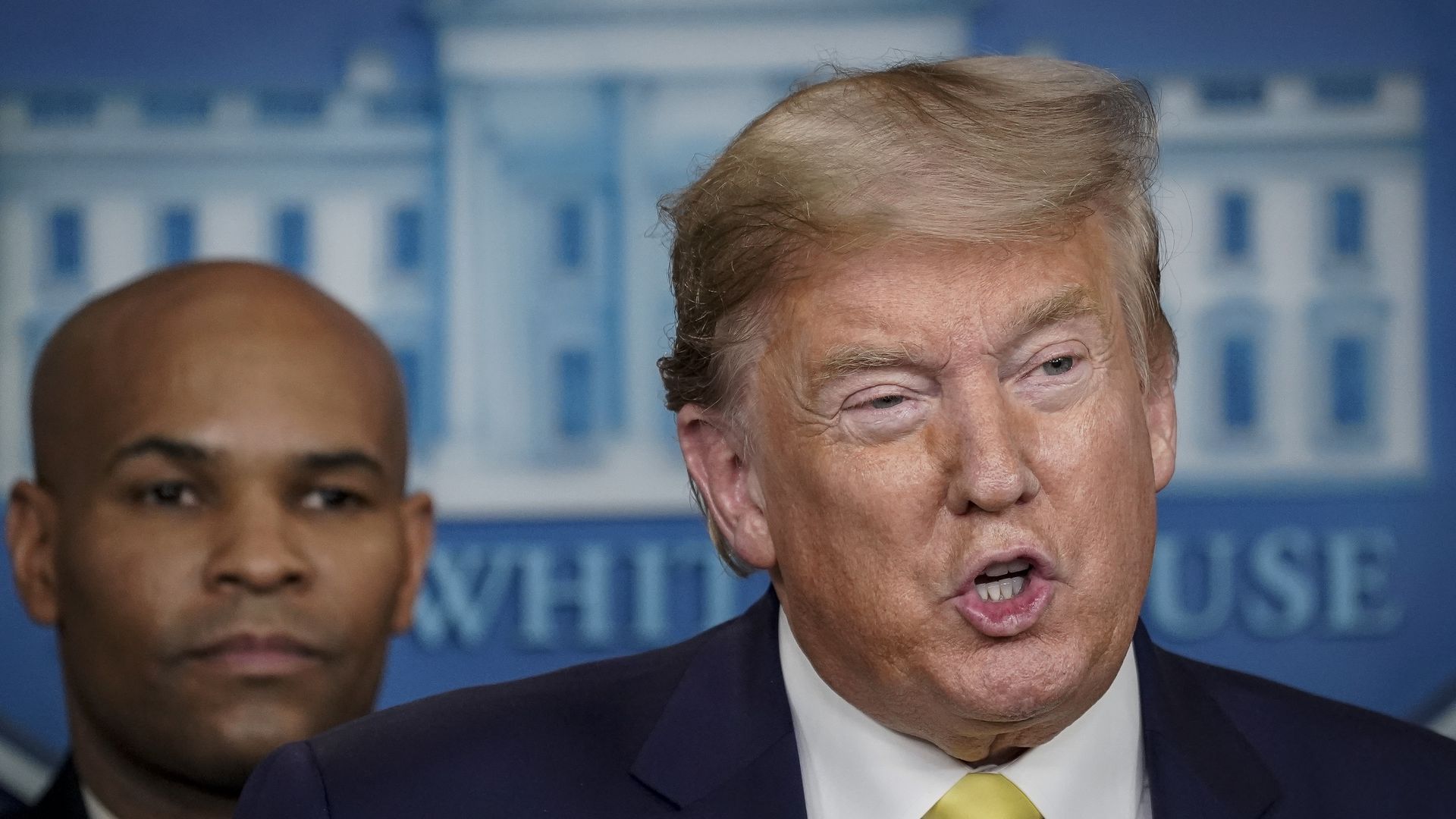
As the Trump administration mulls its plan to battle the impact of COVID-19 on the U.S. economy, scant attention has been given to a major source of potential stimulus: reining in its tariffs on China.
Why it matters: U.S. tariffs increase costs for American companies that import Chinese goods, and with fewer customers making purchases as the COVID-19 outbreak slows demand, the trade war "is going to be a bigger drag on the economy," Chad P. Bown, a senior fellow at the Peterson Institute for International Economics (PIIE), tells Axios.chevron.
As confirmed cases of COVID-19 topped 119,000 globally and rose to 1,039 in the U.S., data show worry is beginning to grow.
What's happening: Only about 26% of Americans currently say they are "very concerned" about a coronavirus epidemic in the U.S., but that number is rising steadily, a new survey from CivicScience provided first to Axios shows.
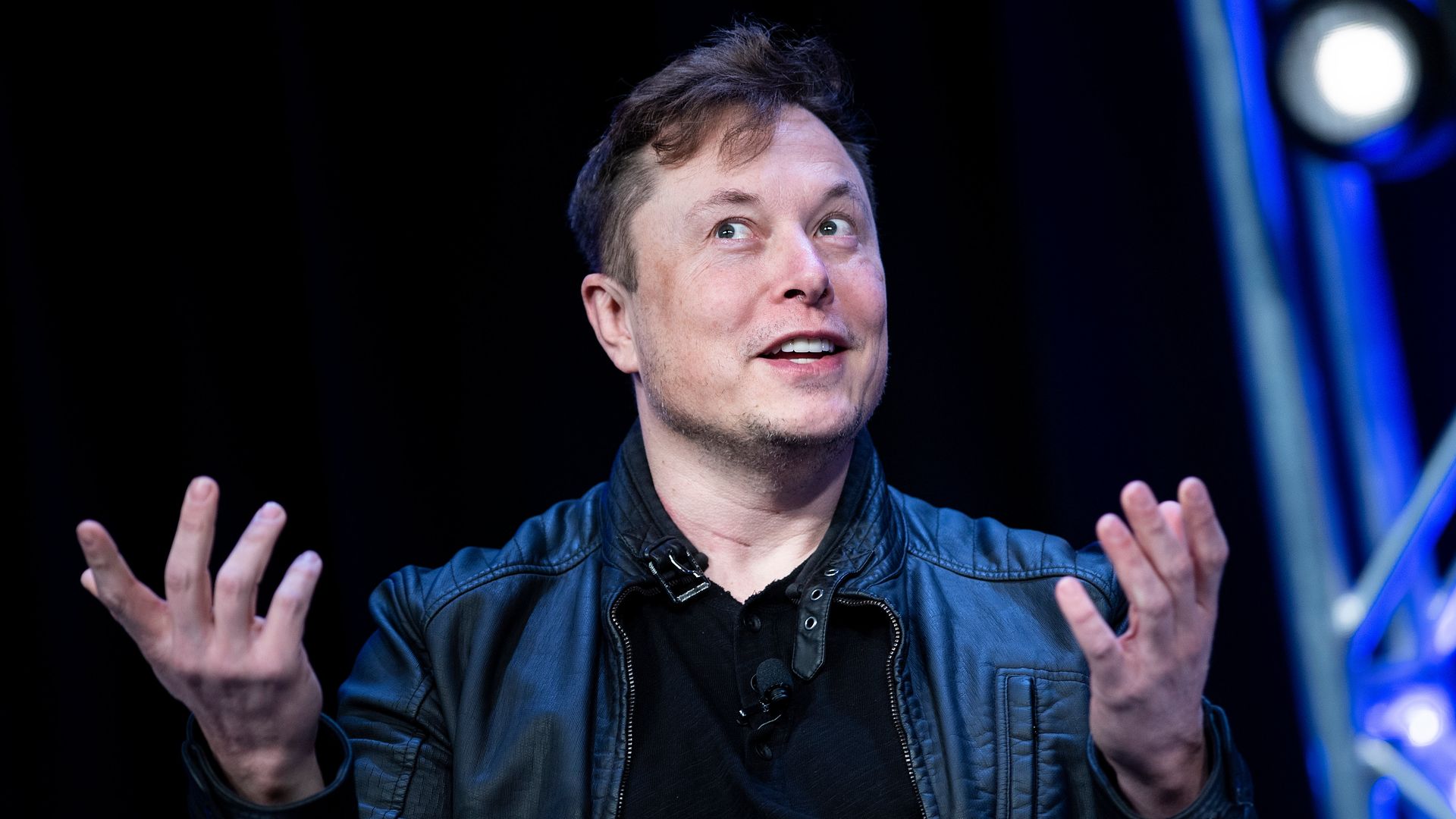
Tesla CEO Elon Musk said he's "scouting" central U.S. locations for a factory that would build the upcoming Cybertruck, as well as the Model Y crossover for deliveries on the East Coast.
Why it matters: The announcements via Twitter Tuesday night add some clarity to expansion plans for the Silicon Valley electric automaker, which has recently found itself on better financial ground ahead of key product launches.