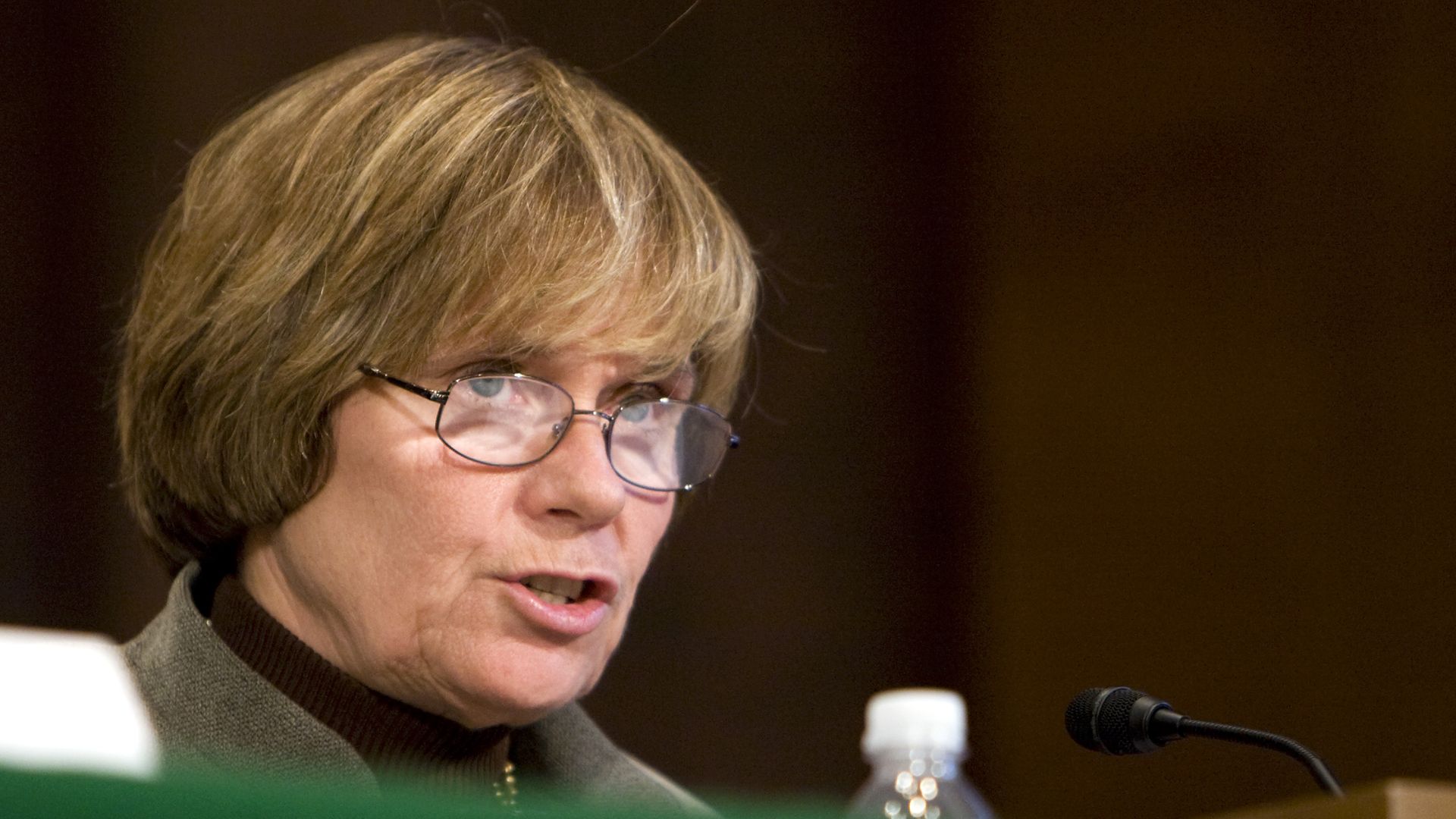
Facebook has added two new members to its board: Nancy Killefer, a former government official and longtime McKinsey executive, and Tracey T. Travis, the chief financial executive of The Estee Lauder Companies.
Why it matters: The additions double the number of women Facebook directors and make the board 40% female. Despite significant progress in recent years, women still hold just 20% of board seats globally in publicly traded companies.
Promising technology that aims to prevent cars from crashing would be "severely impaired" by interference from a WiFi hotspot, says Ford Motor Co., which is urging the Federal Communications Commission not to reallocate a chunk of radio spectrum reserved for vehicle safety.
Why it matters: Interference from a WiFi signal that might keep children occupied with video games in the back seat could potentially delay the delivery of a basic safety message to their parent's car at precisely the moment it's needed.
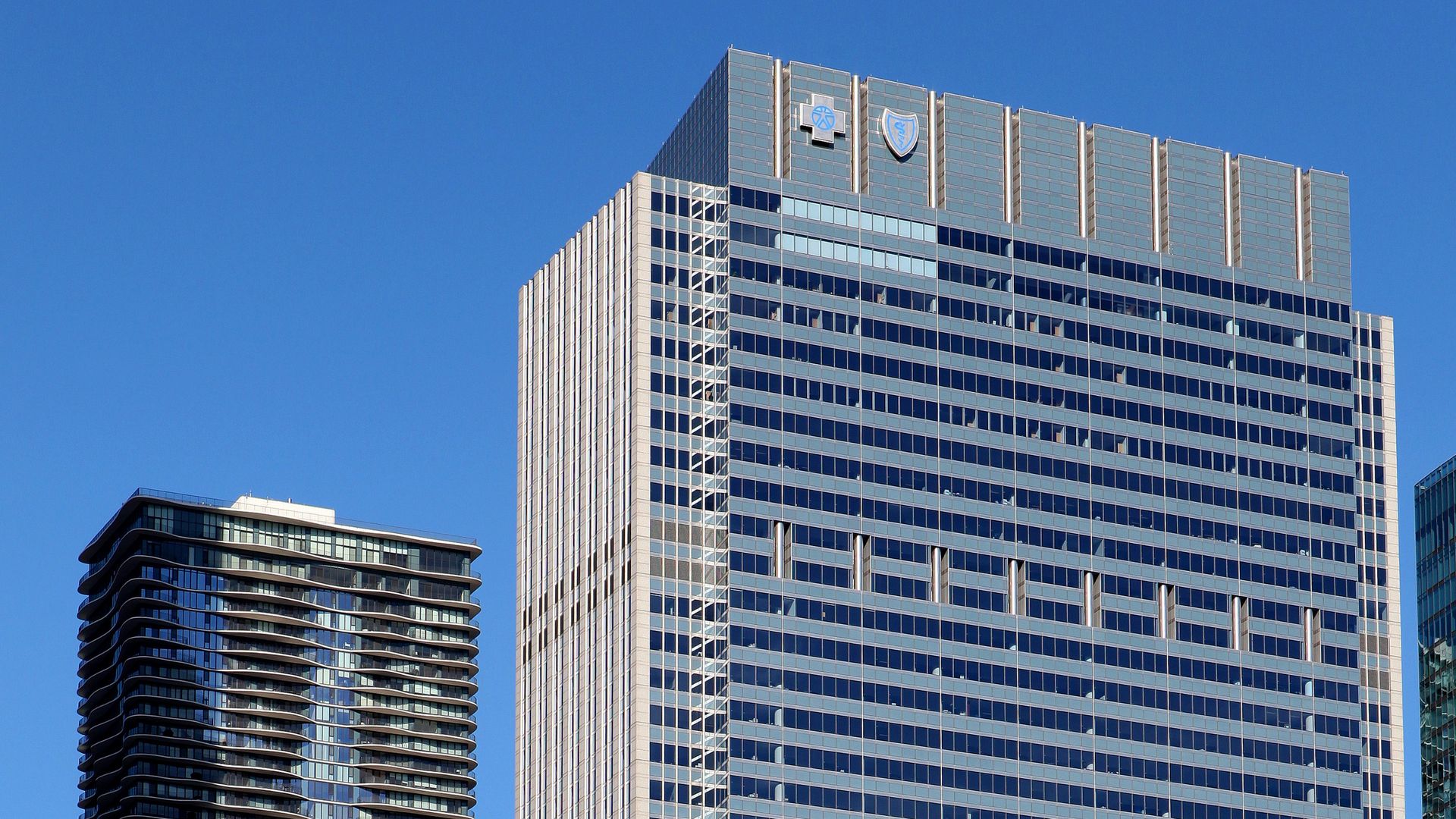
Health Care Service Corp. is suing the federal government, arguing it is owed $2 billion from the Affordable Care Act's risk corridors program, which was put in place to mitigate insurance company losses in the law's early years.
Between the lines: The timing of the lawsuit is odd. Several other health insurers have already sued the feds over unpaid risk corridors claims, which led to the Supreme Court hearing their arguments this past December. However, a spokesperson for HCSC, which owns five Blue Cross Blue Shield affiliates, said the company is "not speculating on how the SCOTUS will rule."
The chair of Wells Fargo's board of directors, Elizabeth Duke, resigned under pressure Sunday, days before she was scheduled to testify on Capitol Hill about the bank's fake accounts scandal — as did a second board member, James Quigley, who was also going to be grilled by lawmakers.
Why it matters: Wells Fargo is attempting to close the chapter on the systemic frauds that were exposed in 2016, when 5,200 employees were fired over 2 million fake accounts that were created. Evidence shows the bank did not satisfactorily clean up its act in the ensuing years, leaving Democratic lawmakers furious.
Gig economy companies like Uber are struggling to respond to the coronavirus — not only in terms of safety, but also how their decisions could impact the legal battle over whether drivers should be considered employees.
President Trump tweeted Monday that cratering oil prices and "Fake News" caused the stock market's plunge, brushing off Wall Street's increasing anxieties about the novel coronavirus outbreak.
Why it matters: While oil price issues are certainly a significant driver of the market drop, Trump's tweets came after the illness' spread continued to worsen over the weekend across the globe.
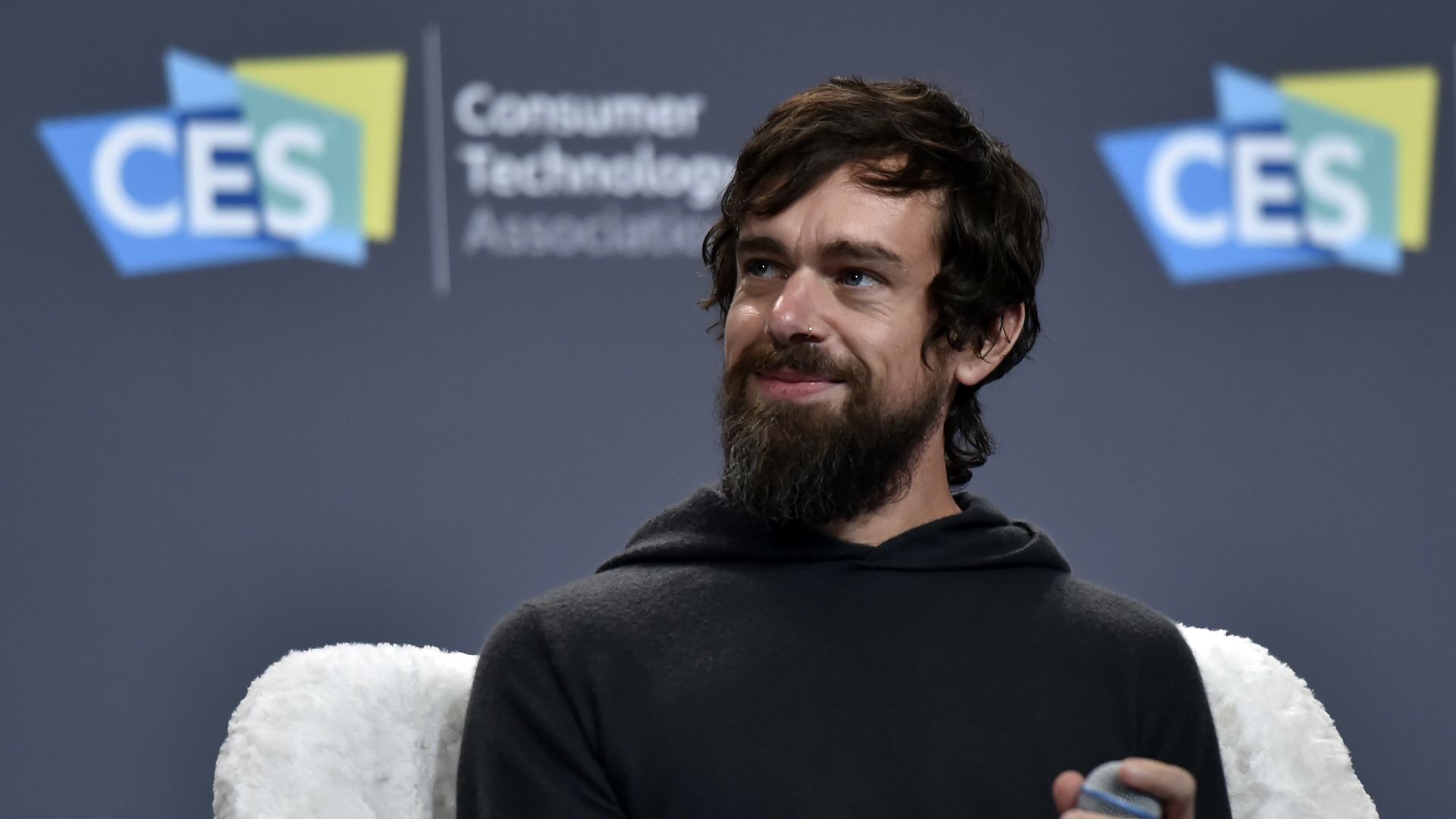
Twitter announced Monday that it struck a deal with investment firms Silver Lake and Elliott Management that will allow CEO Jack Dorsey to remain in his position.
Between the lines, via Axios' Dan Primack: With the agreement, activist investor Elliott may get what it wants in terms of a higher short-term share price, but it does nothing to satisfy its original complaint about Twitter needing a full-time CEO.
Pro athletes are diversifying into private equity, after years of focusing most of their alternative investment activities on real estate and tech startups.
The state of play: The driving financier is Mark Patricof, who previously led a media and entertainment-focused investment bank that he sold in 2015 to Houlihan Lokey. His inspiration struck several years ago, when co-hosting a "Shark Tank"-like show with former New England Patriots star Rob Gronkowski, in which winning founders received pro athlete endorsements.
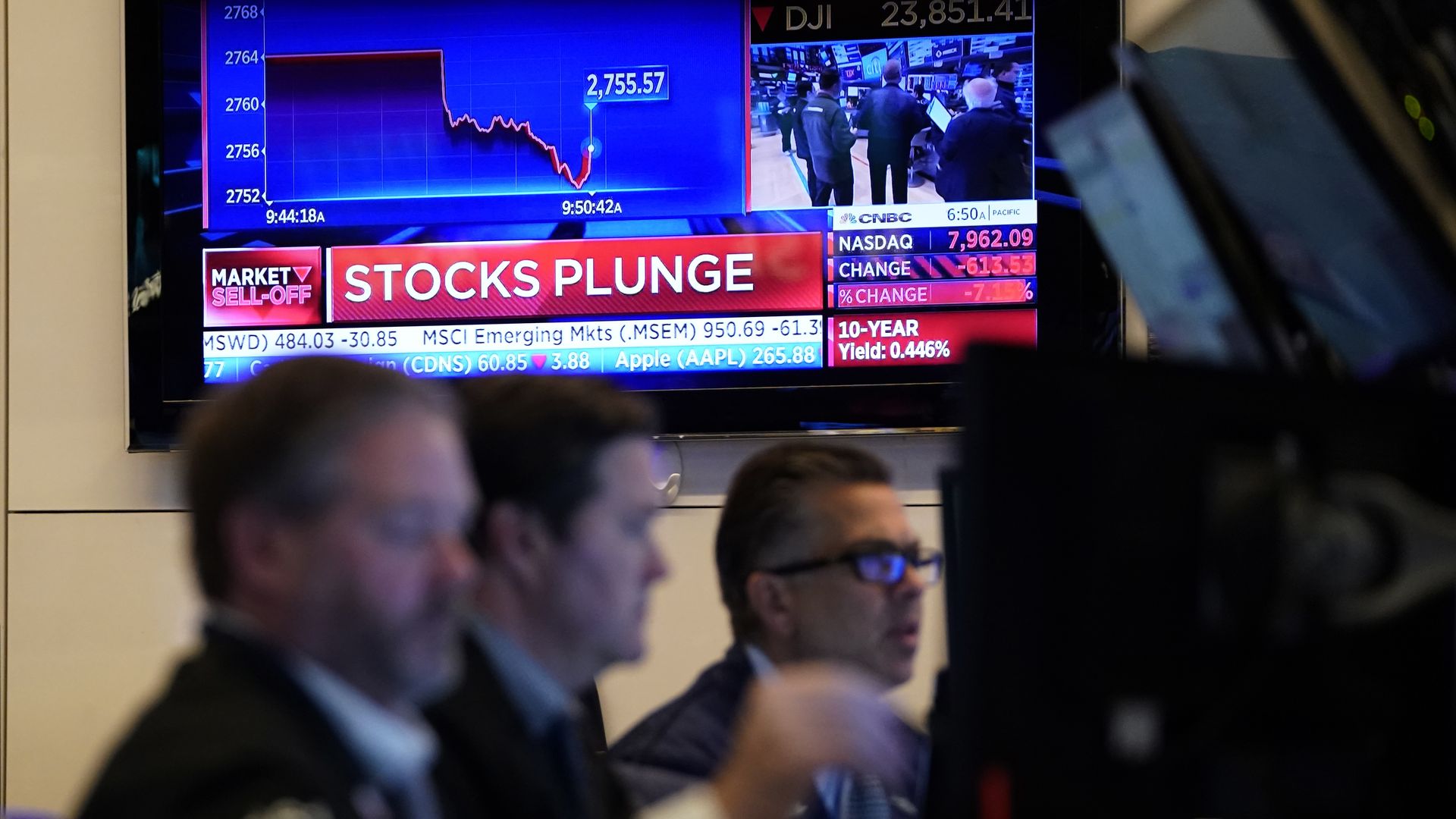
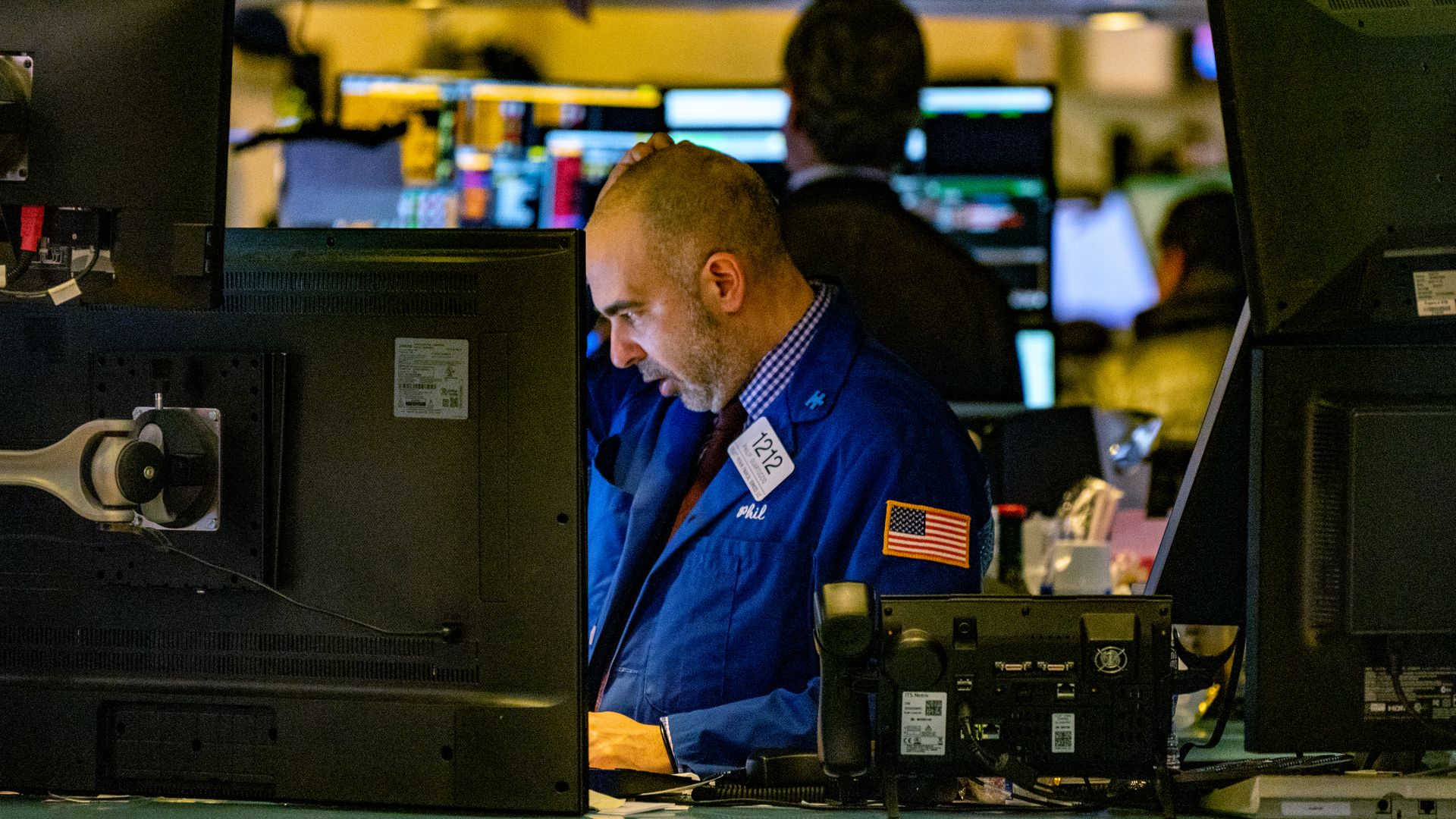
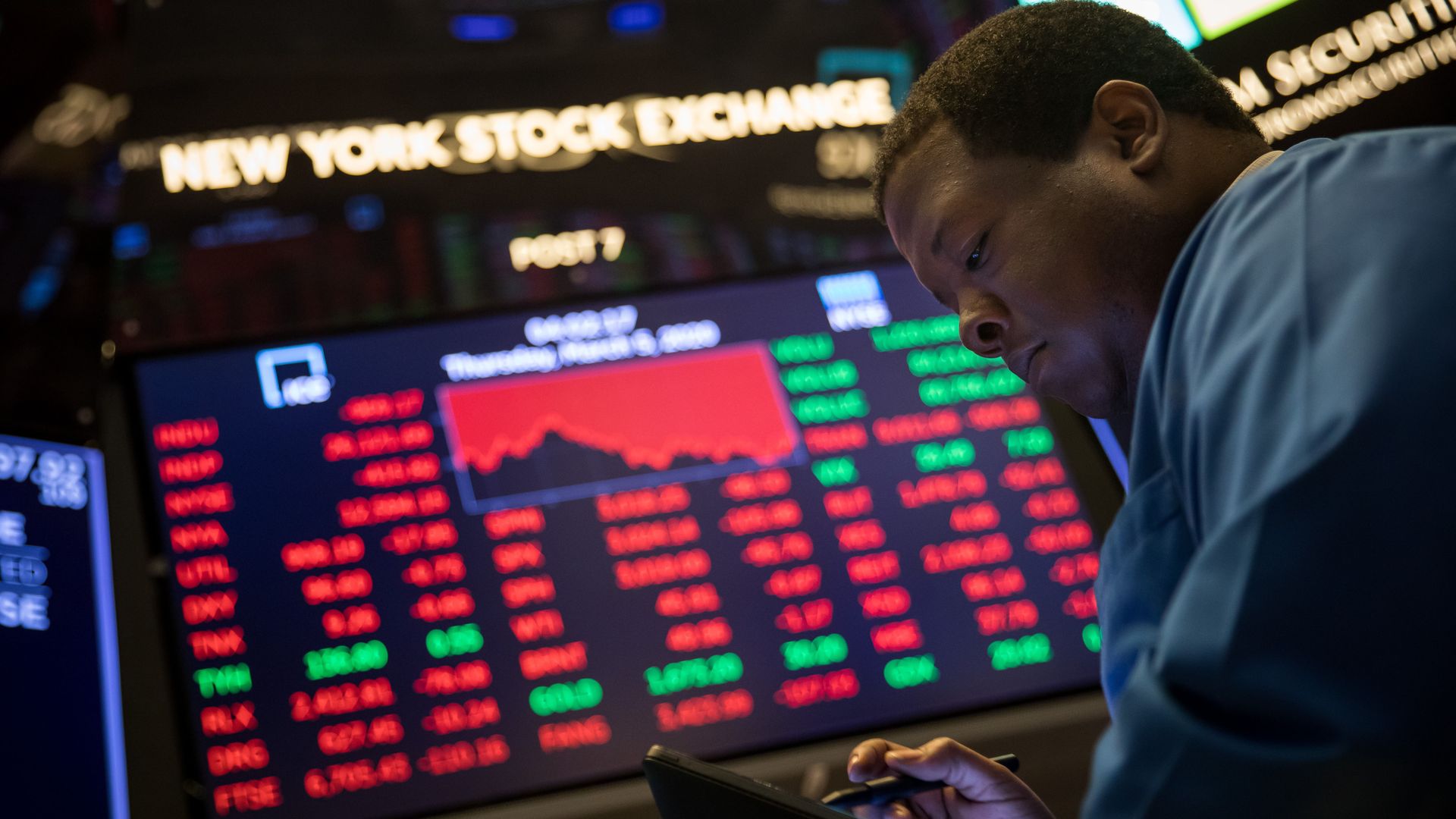
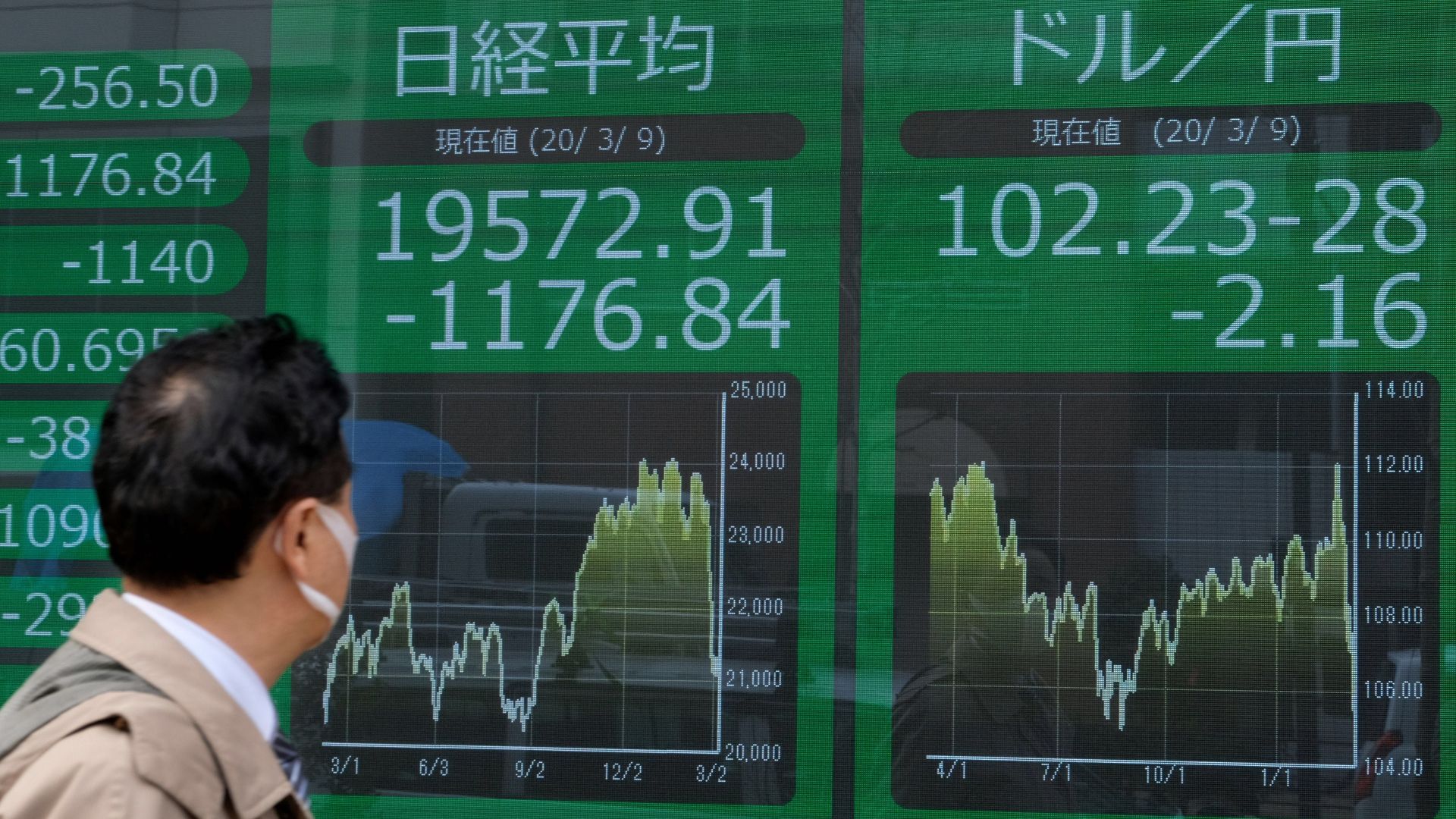
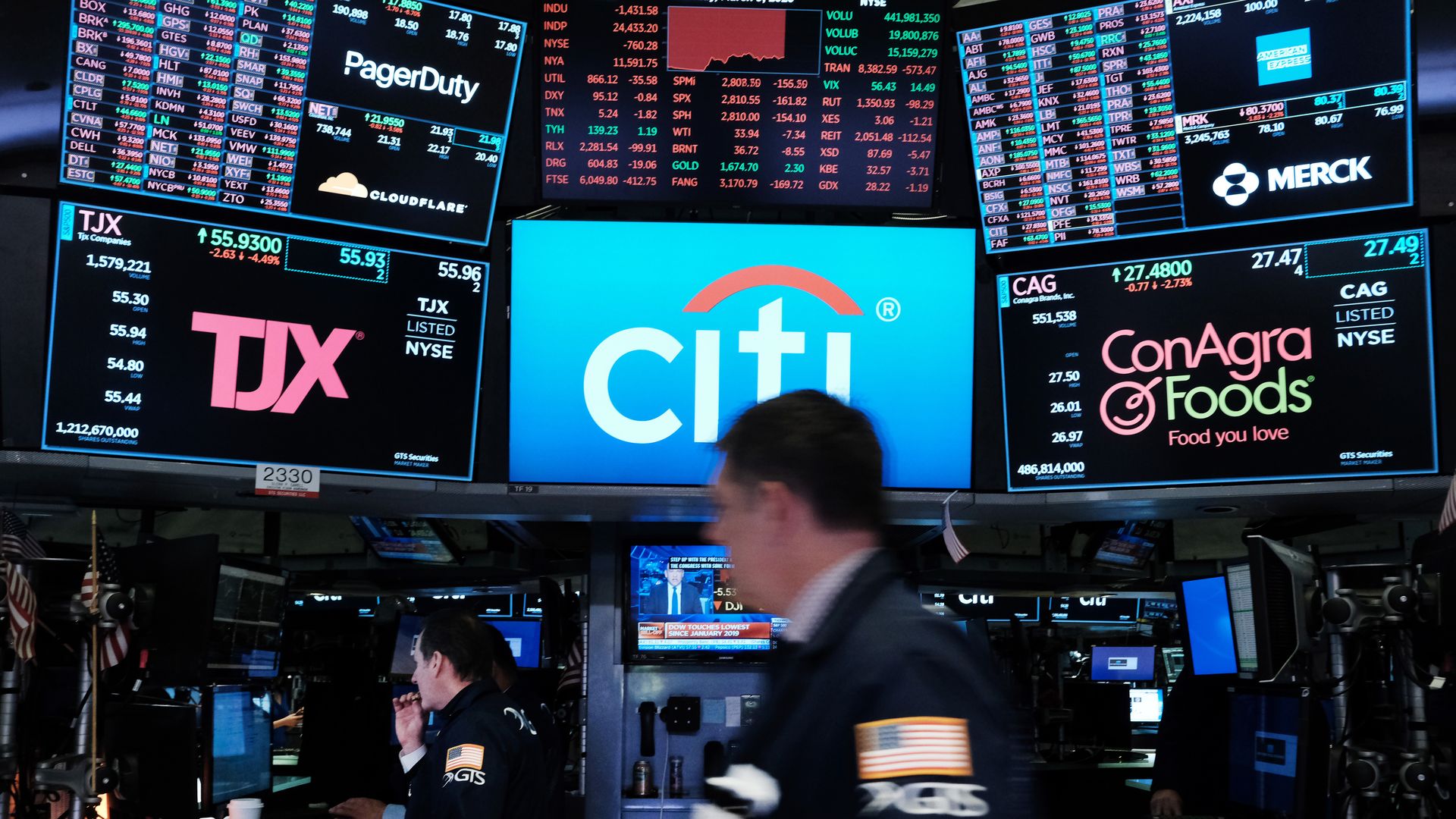
The stock market fell as much as 7% on Monday morning — a decline so steep that trading was halted for 15 minutes.
Why it matters: The massive sell-off points to Wall Street's anxiety about the global economy. The steep declines come as Saudi Arabia launched an oil price war against Russia over the weekend, while the coronavirus outbreak worsened.
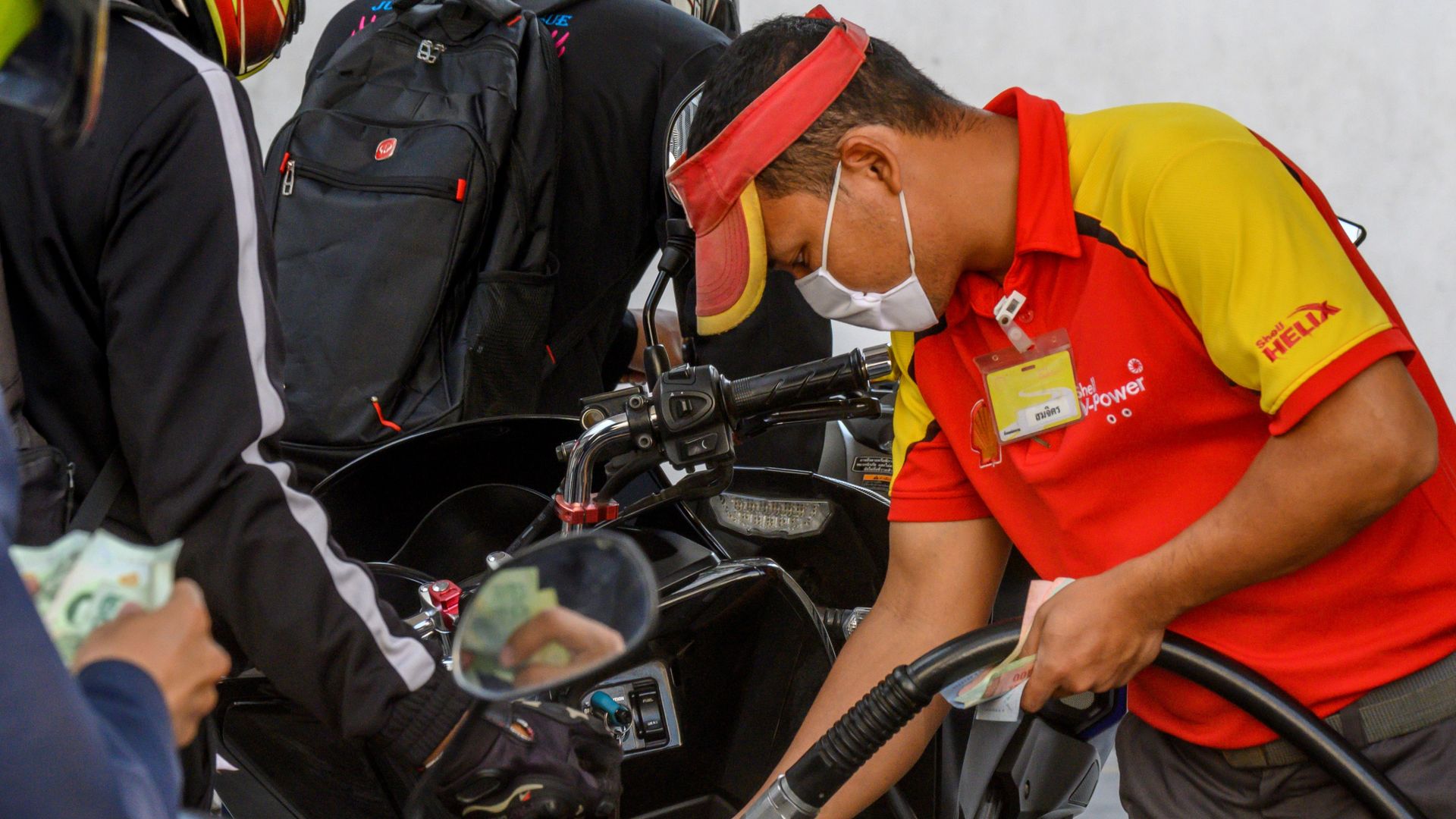
Already struggling with mounting debt and falling market valuations, energy companies are at serious risk for mass bond defaults, especially those rated below investment grade, as oil prices now have fallen by more than 50% from their early January peak.
What's happening: Oil explorers and producers have around $86 billion of debt maturing over the next four years and companies with junk-rated debt were expected to have a hard time getting new financing this year, even before the COVID-19 and the weekend's OPEC fallout.
Benchmark U.S. 10-year Treasury yields fell to under 0.5% with the 30-year below 1% for the first time ever, oil plummeted by as much as 31%, Australia's ASX index lost 7.3% (its worst day since the financial crisis) and markets in Asia and Europe cratered.
What happened: The economic shock of the coronavirus looks set to worsen as more places around the world, including the U.S., may institute quarantine measures that would severely reduce consumer activity.
Somewhat forgotten in the evaluation of the current state of the U.S. economy is the ongoing debacle at Boeing, a flagship American company whose production shutdown led to the New York Fed estimating it would shave 20% off of 2020's GDP growth — and this was before the coronavirus outbreak. Things could be getting worse for Boeing.
Driving the news: A report is due this week from airline safety investigators to coincide with the one-year anniversary of the Ethiopian Airlines crash that was the second in six months for Boeing's 737 MAX jets.
U.S. long-term interest rates have plunged to unprecedentedly low levels — lower even than was seen at the depths of the global financial crisis.
Why it matters: The economic world has never looked like this — not in the U.S., anyway. Rates this low don't make rational sense, and they speak to severe economic pessimism and dislocation.
The counties in Michigan, Wisconsin and Pennsylvania that flipped from blue to red in 2016 all have something in common: they're heavily reliant on manufacturing and are still struggling amid industrial decline.
Why it matters: Michigan's primary on Tuesday will serve as a significant litmus test for former Vice President Joe Biden and Sen. Bernie Sanders, who are trying to win the trust of workers in those counties.
What's going on: Theyieldon the benchmark government bond continued its swift slide lower as nervous investors pile into the safe-haven asset, while pre-market trading pointed to steep declines for U.S. stocks. Oil prices dropped sharply.



/2020/03/09/1583788965262.gif?w=3840)