In an interview for "Axios on HBO,"Housing and Urban Development Secretary Ben Carson told me that the $7.25-an-hour federal minimum wage would be "very difficult" to live on and that in his view it should be higher.
Driving the news: "I don't have any problem with raising the minimum wage," Carson said. "My personal opinion is that it should be indexed."
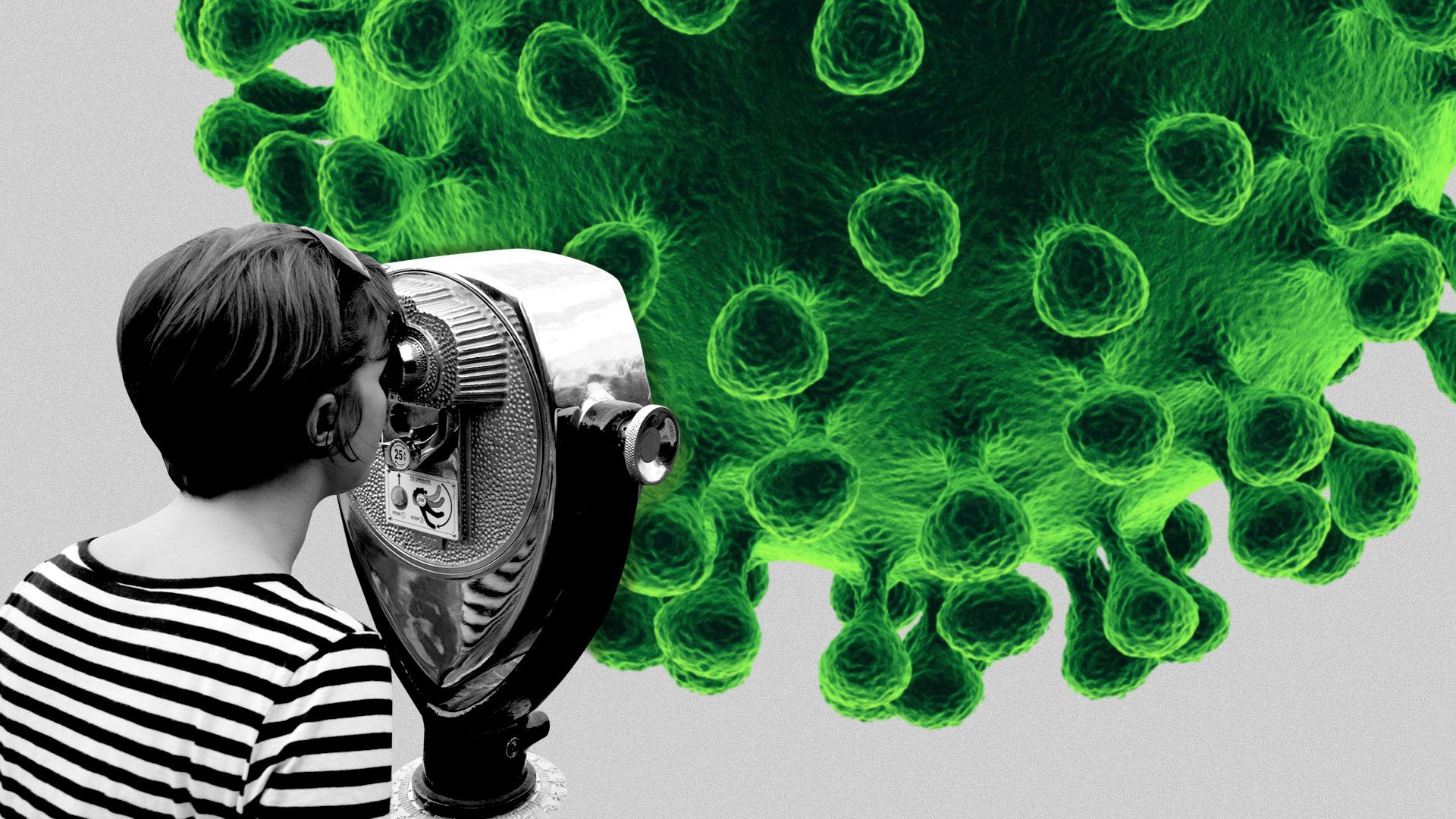
As the coronavirus spreads further within the U.S., we're getting a pretty good picture of what to expect next — and how deeply our lives will change.
Why it matters: There are all kinds of scary scenarios that are more speculative, but we don't need to go down that road — there are already enough grim headlines and disruption in the changes we know are coming.
Female representation on corporate boards around the world has doubled in the last decade. But board members — who play a big role in corporate decision-making, and earn big money for their labors — are still much more likely to be male.
Why it matters: Today is International Women's Day, and — despite unprecedented pressure from shareholders and others to diversify boardrooms — the prospects for gender parity there are bleak. Researchers say it could take another 25 years before there are just as many women as men in boardrooms worldwide.
Designer looks captured the catwalks at Fashion Weeks around the world. But beyond the runways, recycled clothing, thrifting and renting apparel are growing in popularity and reshaping the market.
Why it matters: Fashion is a massive polluter. According to the United Nations, fashion produces 20% of the world's wastewater and 10% of the world's carbon emissions — calling the habit of quick closet-turnover into question.
As part of our What Matters 2020 series on the critical trends that will outlive this moment, Axios co-founders Jim VandeHei and Mike Allen discuss how growing economic inequality is driving a new debate about capitalism.
While a growing number of white collar companies are asking employees to work from home, gig economy companies seem to be doing little to protect workers in the face of coronavirus — though pressure is mounting for them to do more.
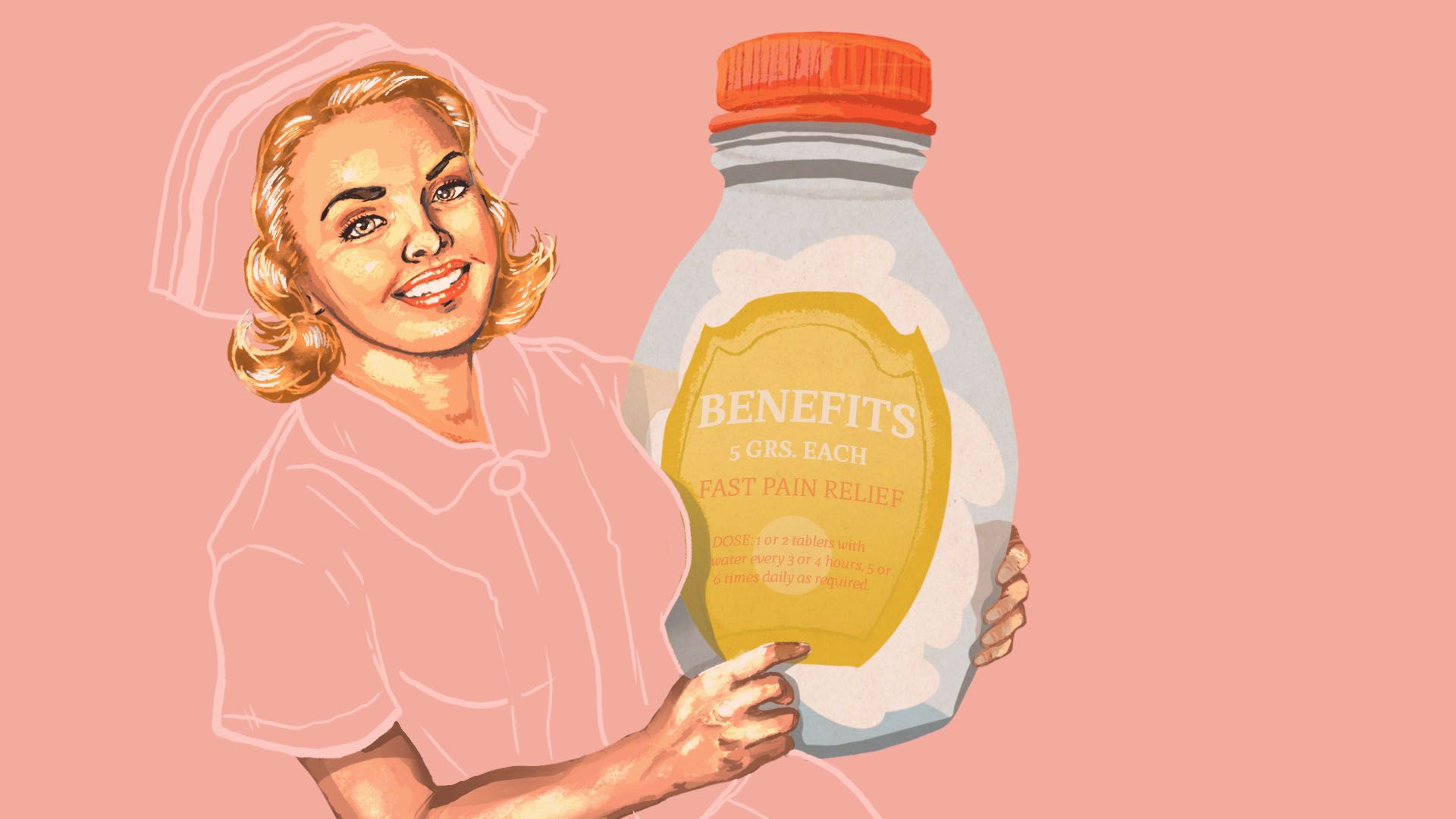
Why it matters: While engineers and business managers at companies like Uber and Lyft can bring their laptops home and access corporate health resources, the independent contractors who ferry passengers, hot meals and groceries, cannot. This highlights painful differences between corporate "haves" and "have-nots."