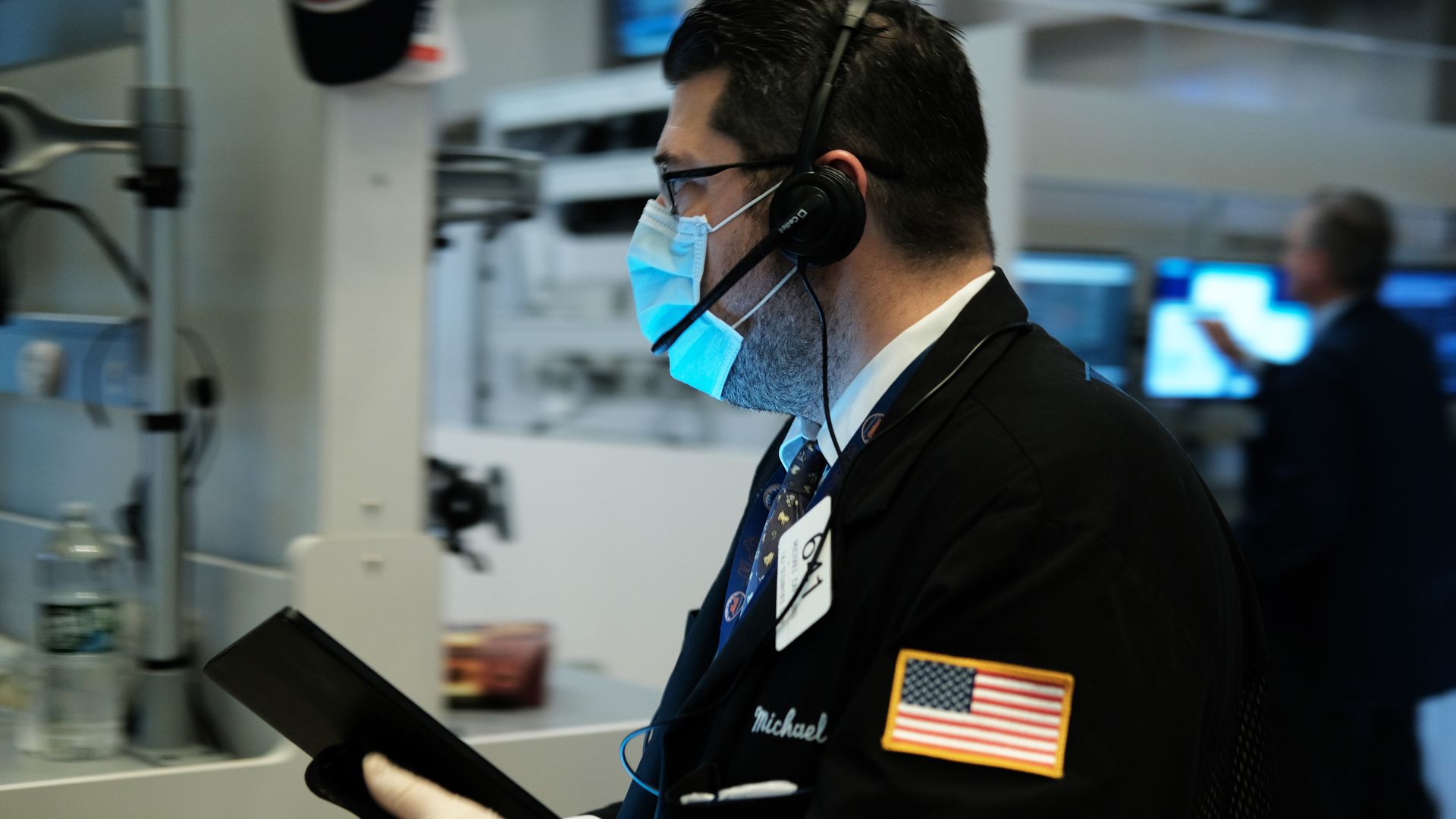
Honeywell said Sunday it will expand its manufacturing operations at a Rhode Island factory to produce millions of N95 disposable masks for medical personnel who are caring for coronavirus patients.
Why it matters: The company said it is hiring 500 additional workers and moving equipment to its Smithfield, Rhode Island, facility, which already produces safety glasses and goggles as well as protective face shields.
Carnival Corp. CEO Arnold Donald insisted in an "Axios on HBO" interview that his company did the right thing when it came to shutting down cruises earlier this month, despite criticism from some health experts who say it should have happened sooner.
Why it matters: Carnival has generated controversy for continuing to sail cruise ships after a CDC recommendation that all Americans defer cruise travel. Its Diamond Princess cruise ship, which was carrying hundreds of infected passengers, was held at sea for weeks before finally being able to dock in early March.
Carnival Corp. CEO Arnold Donald says he is not looking for a coronavirus bailout from Congress or the Trump administration and insists his company did the right thing in waiting to shut down cruises earlier this month.
The main priority is keeping checks coming to Carnival's 150,000 employees, Donald said in an interview with "Axios on HBO," but he's unsure how long the company can continue.
U.S. stock futures fell sharply on Sunday evening, with the Dow Jones Industrial Average hitting its 5% "limit down" just four minutes after opening.
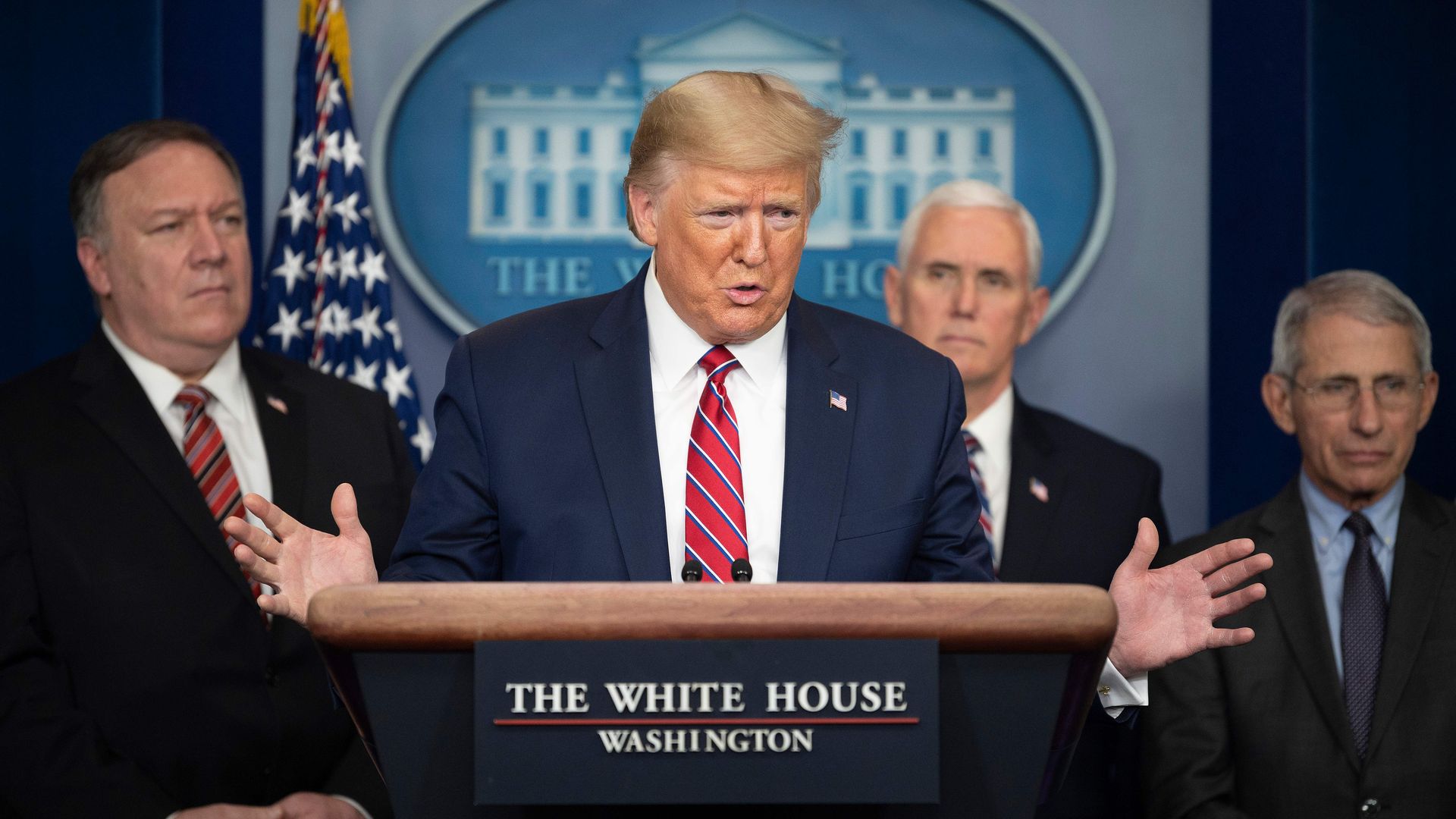
The big picture: It's rarely possible to pinpoint the reason for giant stock swings, but it cannot help that President Trump did not announce any agreement or new information on an economic stimulus plan.
The Trump administration's proposal to send Americans $1,000 checks is now too little, too late, the plan's architect tells Axios.
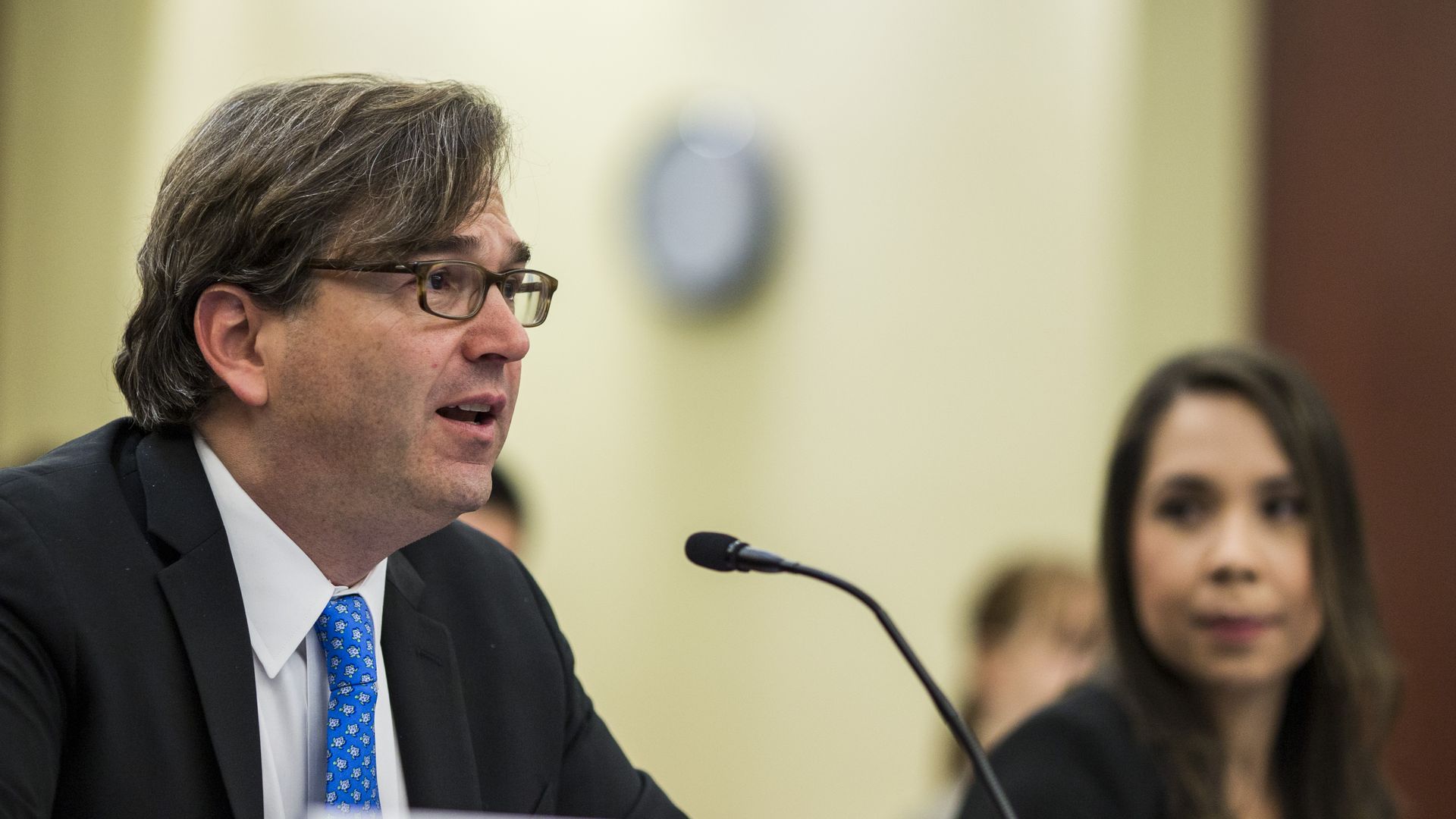
What happened: Trump and Treasury Secretary Steven Mnuchin took two weeks to publicly support the proposal put forth in a March 5 Wall Street Journal editorial by Jason Furman, who served as chair of the Council of Economic Advisers under President Obama.
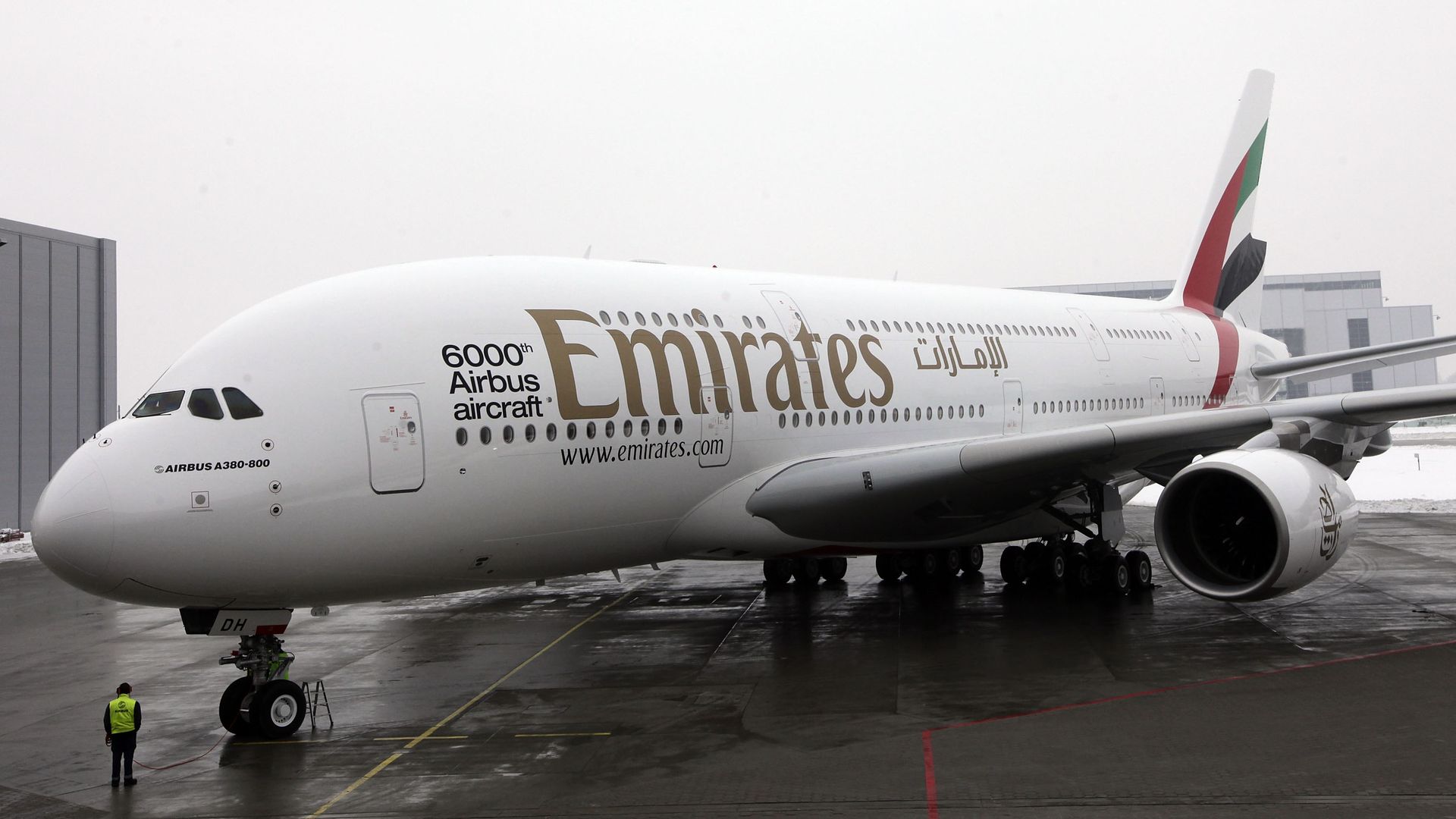
Emirates, one of the largest long-haul airlines in the world, retracted its announcement Sunday temporarily suspending all passenger flights, now saying it will defer "most" routes due to the coronavirus pandemic.
The big picture: Airlines have been reducing flights at unprecedented rates in order to stop the spread of the virus and as a result of low demand.
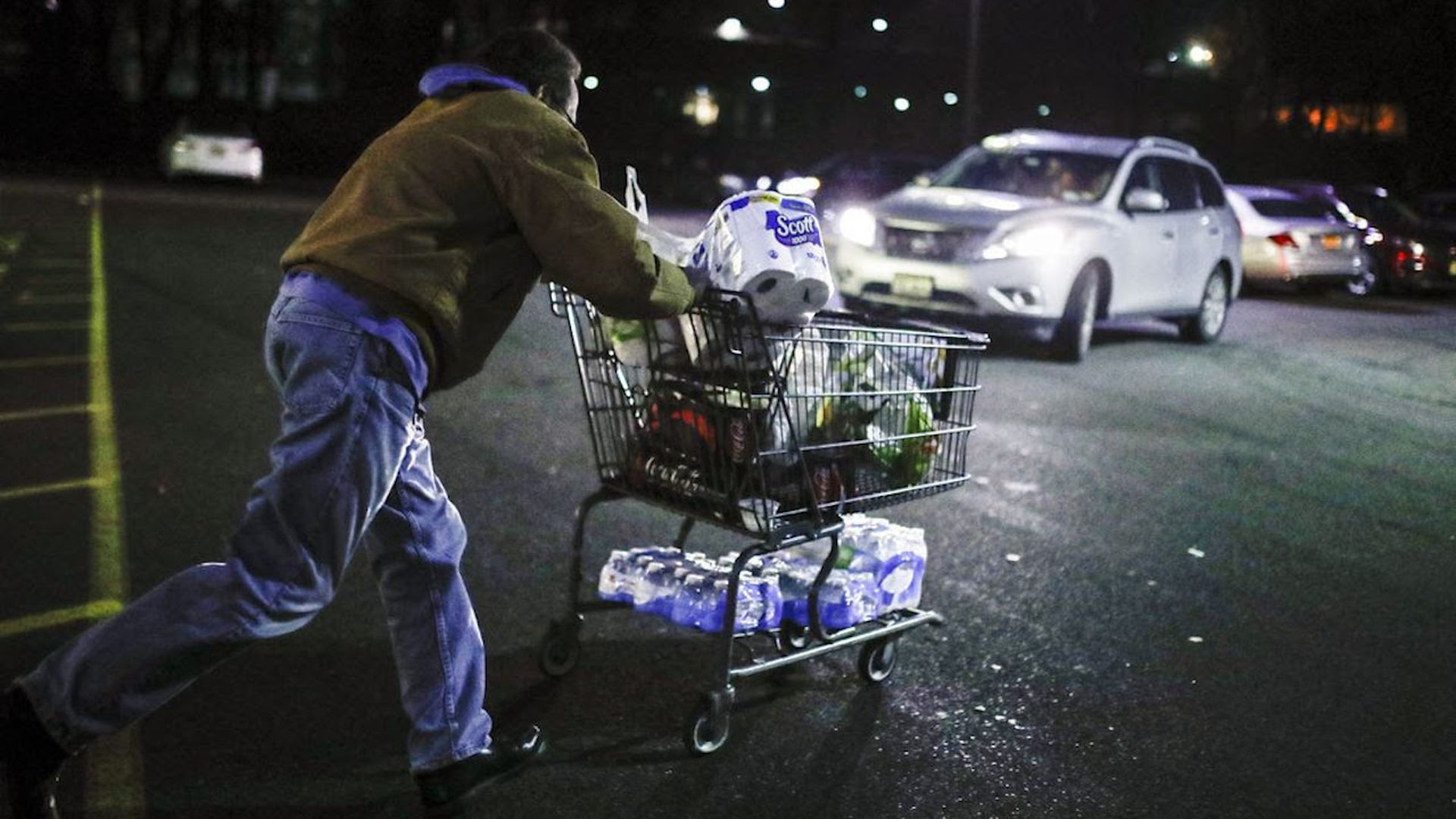
As worried shoppers buy in bulk, stress is mounting for retailers, warehouses and farms — which need more labor at the very time people are being told to stay at home.
Why it matters: America isn't running out of food. But there's increasing strain on the supply chain as the workers who produce and deliver our groceries are sheltering at home, quarantined or are (justifiably) too spooked to show up for work.
Getting behind an idea from Andrew Ross Sorkin that excited CEOs, the U.S. Chamber of Commerce called on Congress to pass a "bridge loan" program to give federally guaranteed loans to companies with big losses from the pandemic.
How it works: The loans would include incentives for employers to maintain existing current workers at their existing pay.
Flexport, a freight logistics "unicorn," has successfully sourced and is buying around $1.4 million of face masks and other medical protective equipment that was requested by San Francisco's Department of Public Health.
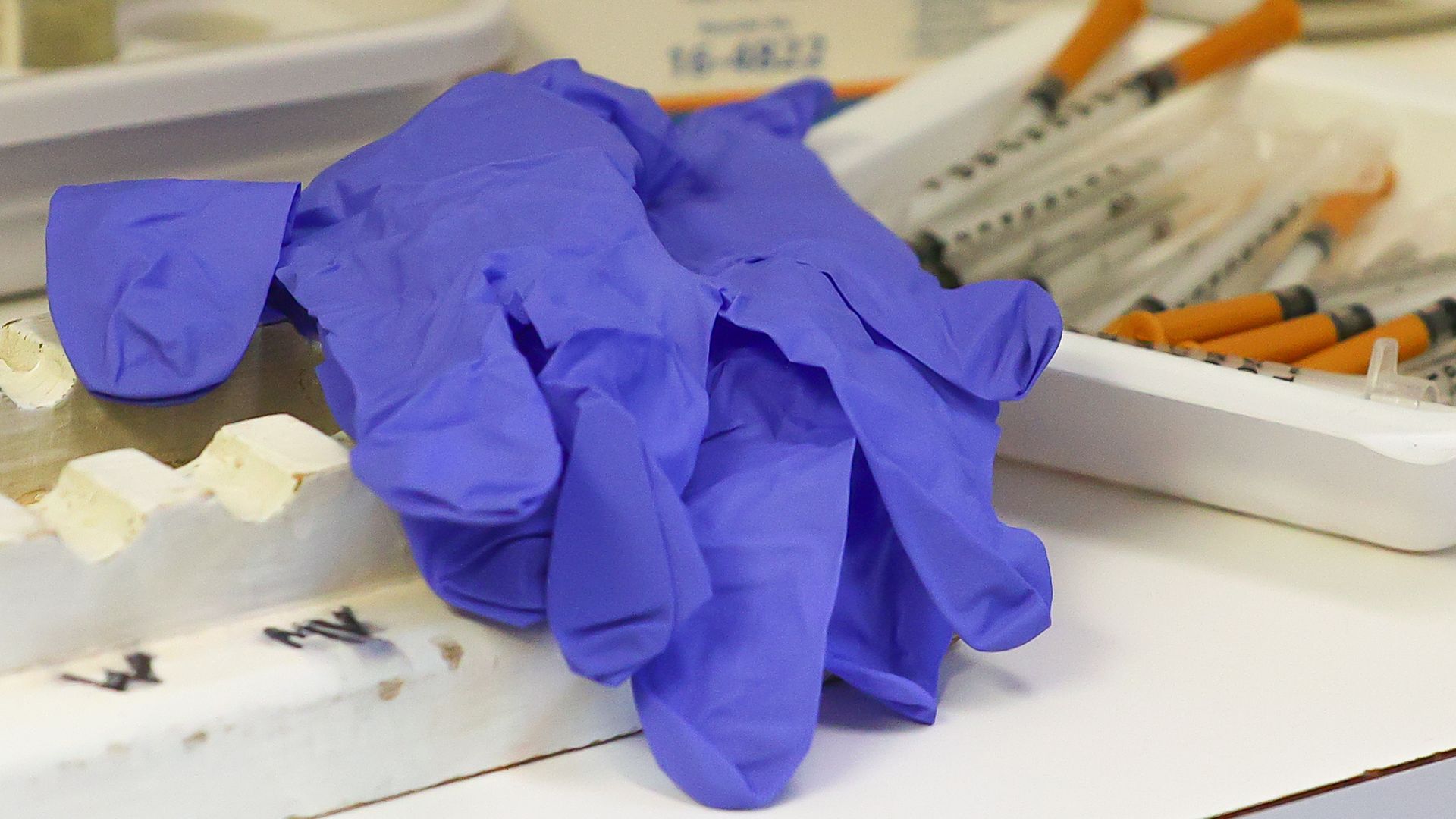
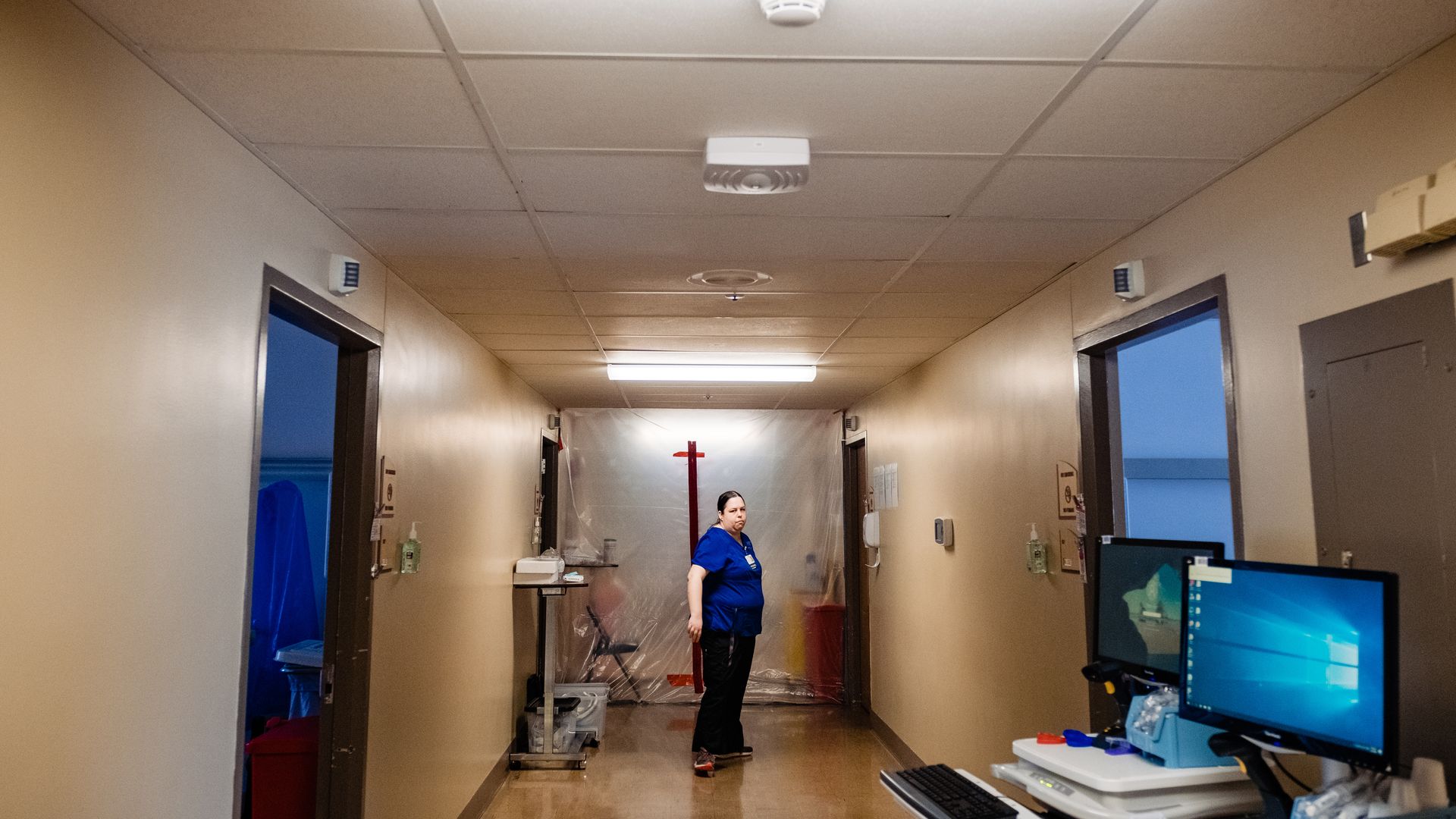
Why it matters: Many U.S. hospitals and other health care facilities still do not have what they need to keep their employees safe during the coronavirus pandemic.
The coronavirus downturn could cost 5 million or more U.S. jobs, with a loss in gross domestic product of $1.5 trillion, The Wall Street Journal reports.
Why it matters: "A recession is now all but certain," according to a Wall Street Journal survey of 34 economists, which projects a downturn that would last months at least, and would in some ways rival—and possibly even surpass—the severity of the 2007-09 slump triggered by the housing collapse and subprime loan debacle."
The Department of Housing and Urban Development and the Federal Housing Finance Agency announced foreclosures and evictions will be postponed as the coronavirus continues to negatively impact the U.S. economy
Yes, but: While the move will help more than 30 million American homeowners, it leaves behind the country's nearly 40 million renters who could likely struggle to pay their rent next month as hard financial times hit the country, The Washington Post reports.
The massive disruption caused by COVID-19 could lead companies to tap automation to manufacture products much closer to home.
Why it matters: The pandemic is revealing that the globalized supply chain that brings us many of our products is shockingly fragile. Easily programmable industrial robots could make it simpler to produce what we use here in the U.S., reducing that vulnerability.
General Motors is exploring how it can help a small ventilator manufacturer ramp up production, but it is unlikely to make medical equipment itself as part of a broader wartime response to the novel coronavirus, as President Trump suggested Friday.
Why it matters: While GM CEO Mary Barra offered the automaker's help in fighting the global pandemic, the company is scrambling to keep up with the president's public statements. But it is wrong to assume that automakers can quickly retool industrial factories to make precision medical equipment the way they made bombs, tanks and airplanes during World War II.
An AP report finds that the shortage of medical supplies in the United States correlated with the drop in imports, mainly from China.
Why it matters: Emergency rooms, hospitals, and clinics are starting to run out of key supplies needed to protect health care officials and test potentially sick individuals, AP notes.
Hospital executives are urging the federal government to approve a cash influx as soon as possible, because many fear the coronavirus outbreak will force them to miss payroll and potentially shutter their doors.
What they're saying: "If we don't get some assistance in the next two weeks, we will have to begin to have a conversation ... that we will no longer to be able to be in business, and that we will have to close the hospital," J. Scott Graham, CEO of Three Rivers Hospital and North Valley Hospital in Washington state, told reporters Saturday.
Drive-in theaters in Missouri, Oklahoma, California and Kansas are reporting increased business as more states promote social distancing and mandate stay-at-home policies to combat the novel coronavirus, the Los Angeles Times reports.
What they're saying: “Nobody is near us, and we can actually enjoy the movie without feeling that paranoia where something like somebody coughing would have us instantly move,” Christian Singleton, who brought his 2-year-old daughter and 4-year-old son to the California Paramount Drive-In on Tuesday, told the Times.
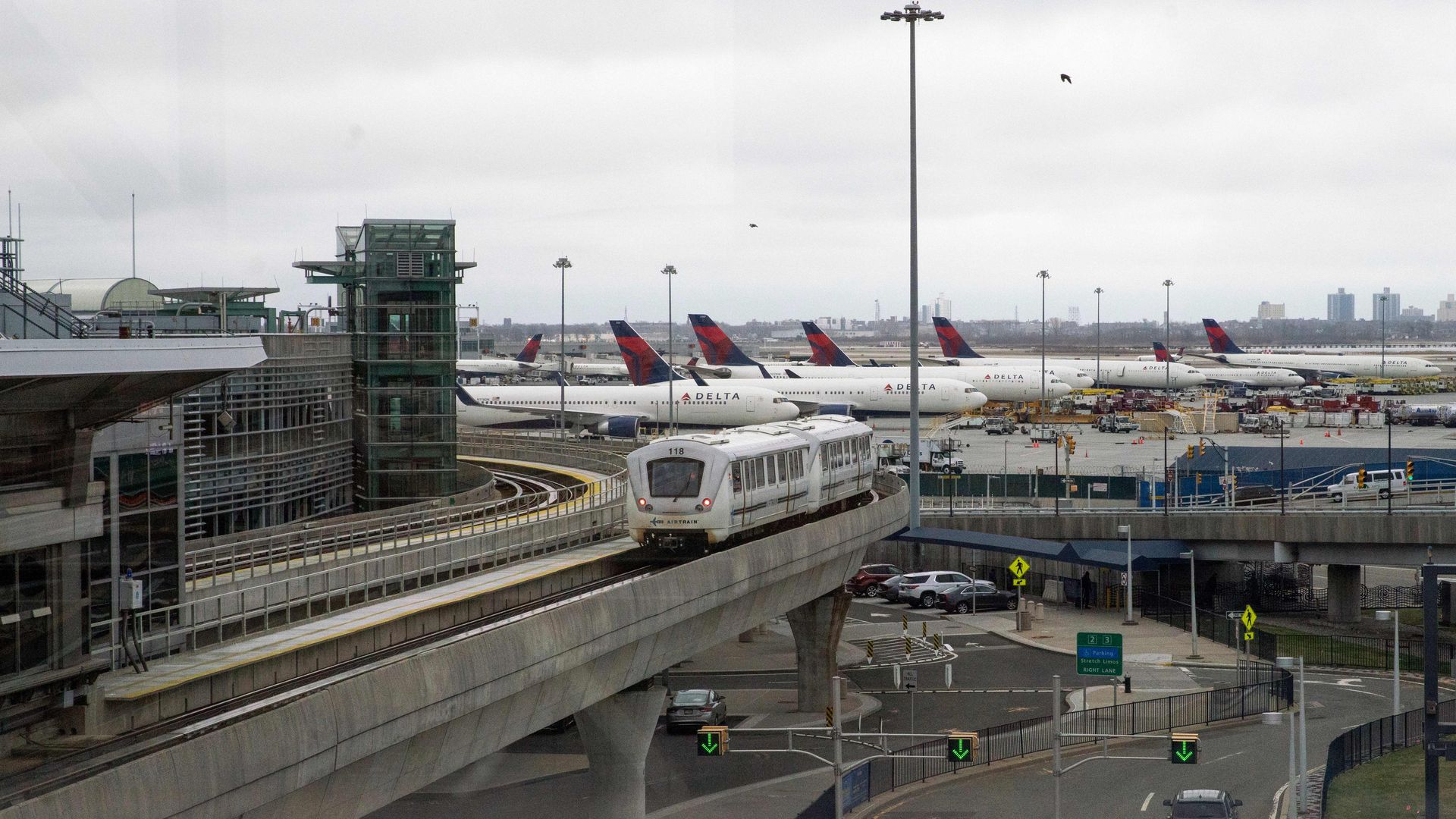
Thousands of airport employees are being let go across the United States as the novel coronavirus continues to spread and negatively impacts the travel industry.
The latest: More than 1,200 workers were laid off by OTG on Wednesday, which operates stores and restaurants at La Guardia, Kennedy International and Newark Liberty International airports in New York, according to The New York Times.
Netflix announced on Friday the establishment of a $100 million emergency fund to provide assistance to the creative community, television and film production crews, as the novel coronavirus spreads and wreaks havoc on the global economy.
The state of play: A significant portion of the fund is dedicated to backing Netflix's own production crews around the world. The company has committed to paying its staff and casts for two weeks on already suspended productions.