Just a week after getting everyone on board with a coronavirus lockdown, President Trump is already teasing its end.
Between the lines: It's hard not to sympathize with folks who are asked to shoulder an unfair share of the burden when they aren't the ones calling the shots.
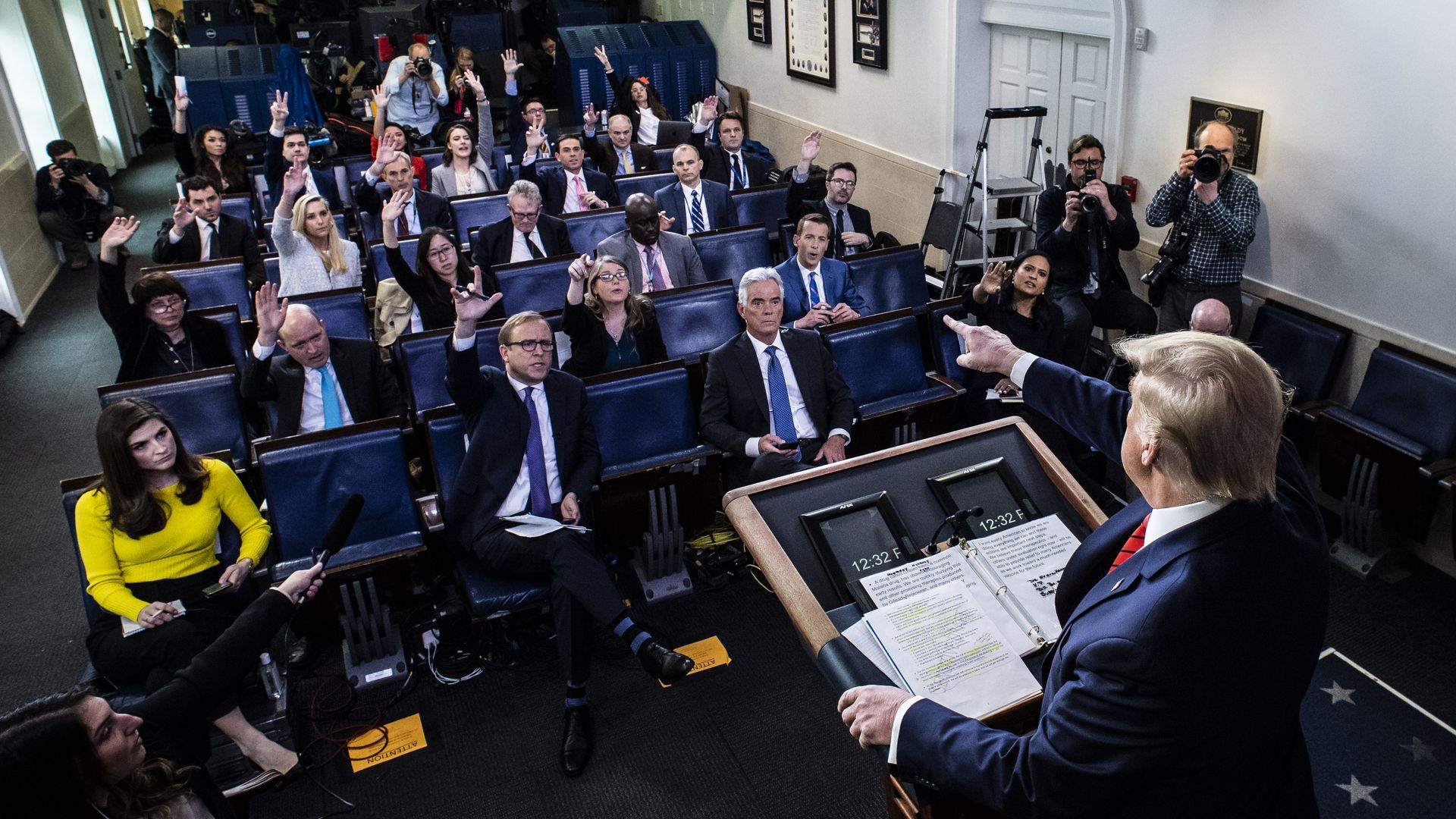
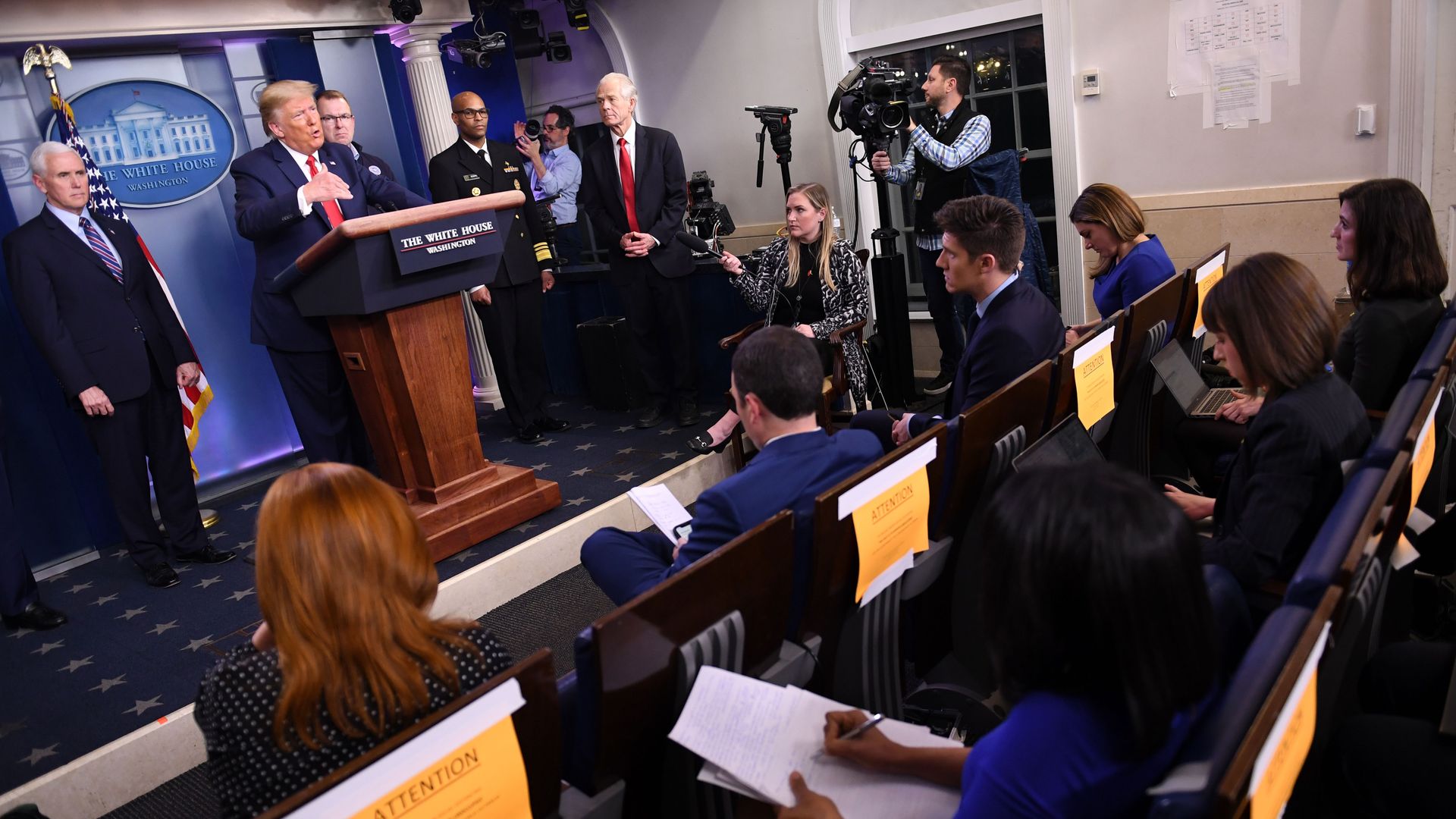
A journalist in the White House press corps is suspected to have contracted COVID-19, White House Correspondents Association president Jon Karl announced Monday.
Why it matters: The daily press briefings held by the White House's coronavirus task force often see reporters and public officials sharing tight spaces that may violate the CDC's guidance for large gatherings.
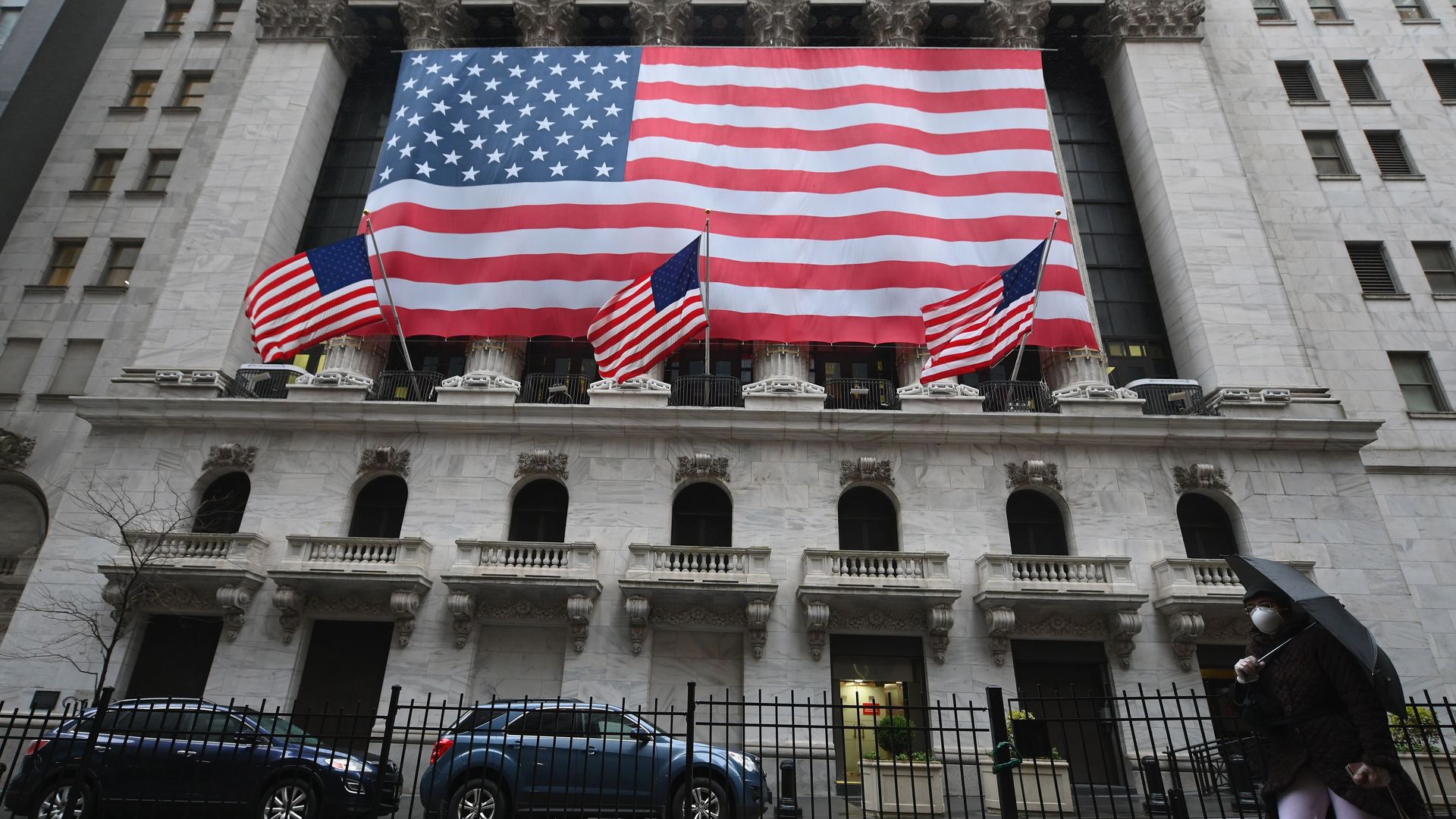
Stocks closed down about 3% on Monday, though they finished above the lowest levels of the day.
By the numbers: The S&P 500 joined the Dow in shedding all the gains since President Trump's inauguration in 2017, a nod to how steep the market drop has been in an extremely short period of time.
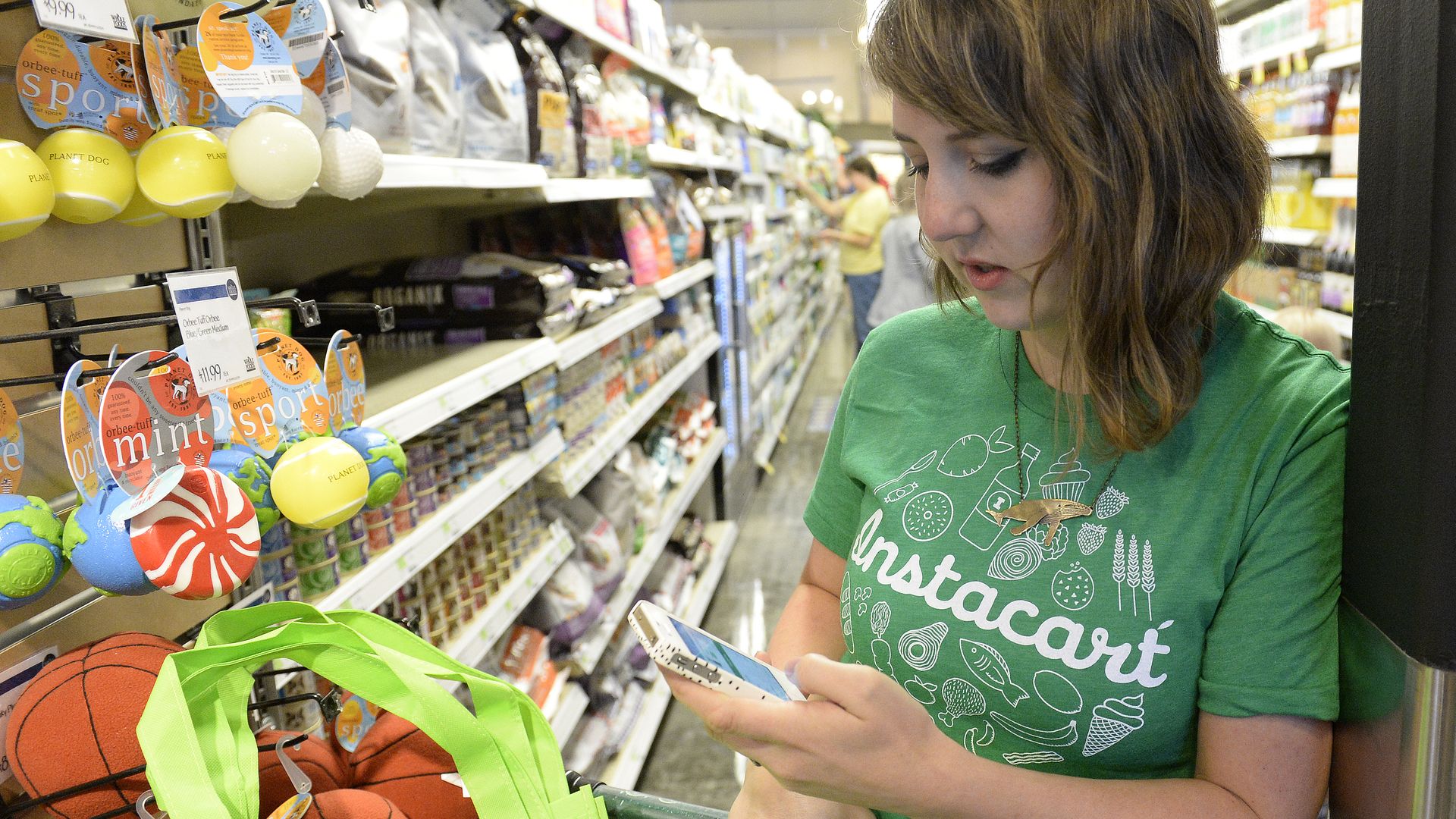
Instacart, the grocery delivery company, plans to hire 300,000 new workers to pick up and deliver orders to customers in North America over the next three months, more than doubling its current staffing.
Why it matters: Delivery services have become crucial for Americans as the coronavirus crisis forces many to stay at home. Instacart says order volume has grown by more than 150% year-over-year in the last few weeks, with the average customer basket size growing 15%.
President Trump's top economic adviser Larry Kudlow said on Fox News Monday that the economic damage caused by enforced social distancing to combat the coronavirus is "just too great," echoing a tweet from the president Sunday night that "the cure can't be worse than the disease."
Why it matters: As Axios' Jonathan Swan has reported, the end of the administration's "15 Days to Slow the Spread" plan will likely result in a clash between public health experts and Trump's political and economic advisers, who are itching to see the economy reopen as stocks tumble and unemployment skyrockets.
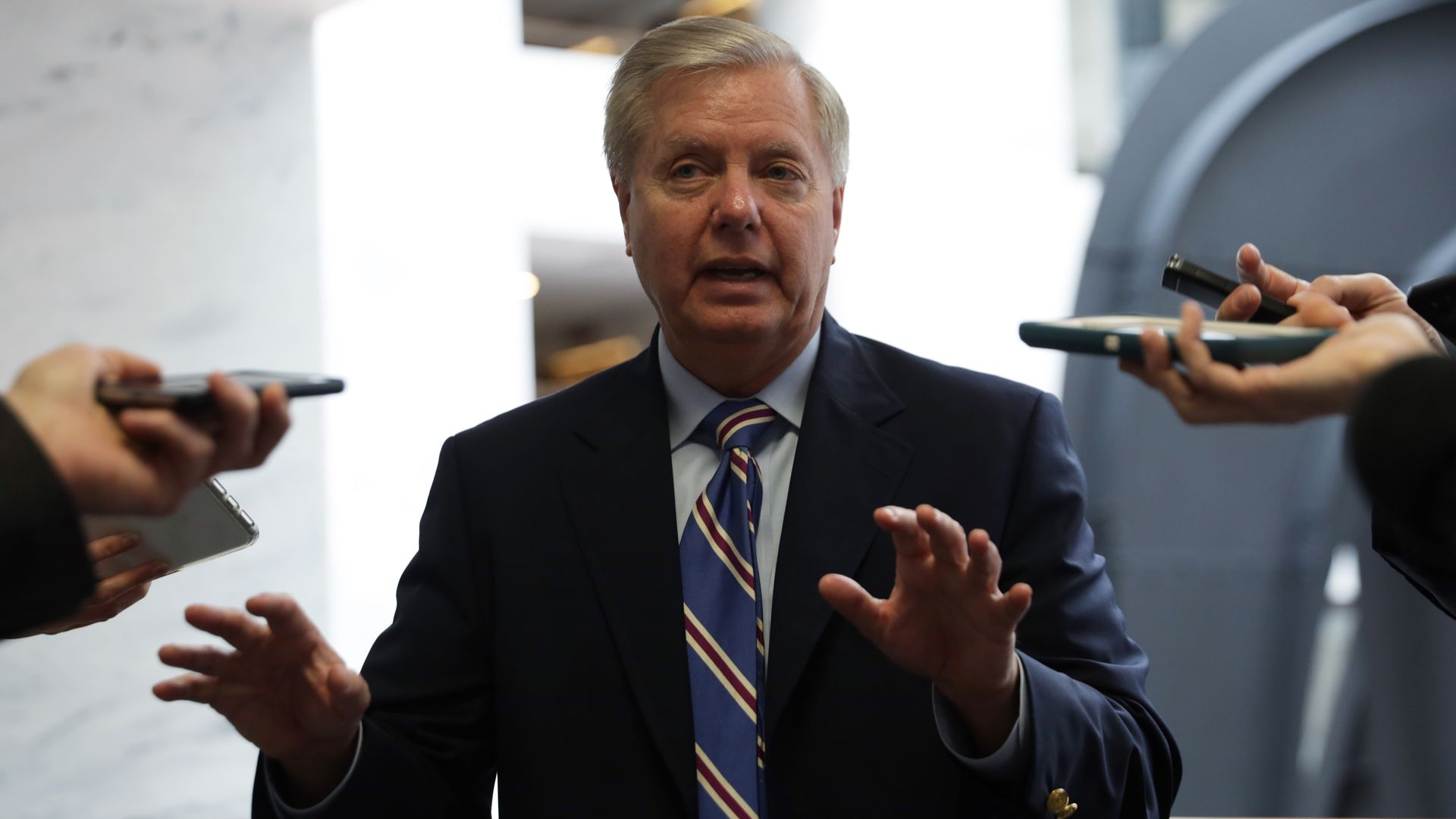
Sen. Lindsey Graham (R-S.C.) tweeted Monday that he is basing his decisions for coronavirus policy on information from "healthcare professionals like Dr. Fauci and others, not political punditry."
Why it matters: In an apparent public rebuke, Graham added a link to a Washington Post article about the Trump administration's signals that it might move to loosen restrictions on businesses at the end of the White House's 15-day social distancing period as an economic salve, as reported by Axios' Jonathan Swan. "There is no functioning economy unless we control the virus," he said.
As stocks plummet, there have been calls to close the markets. But the counter-argument is that it would starve companies of capital and make it impossible for investors to liquidate their assets during the coronavirus outbreak. Dan digs in with Tal Cohen, the Nasdaq's head of North American markets.
Sen. Ron Johnson (R-Wis.) was one of several senators who came under fire last week after disclosing that they had sold large amounts of stock just before large swaths of the American economy shut down due to the coronavirus outbreak.
The big picture: Many of Johnson's colleagues should indeed be scrutinized by the SEC and/or the Department of Justice, but Johnson himself hasn't done anything worthy of investigation.
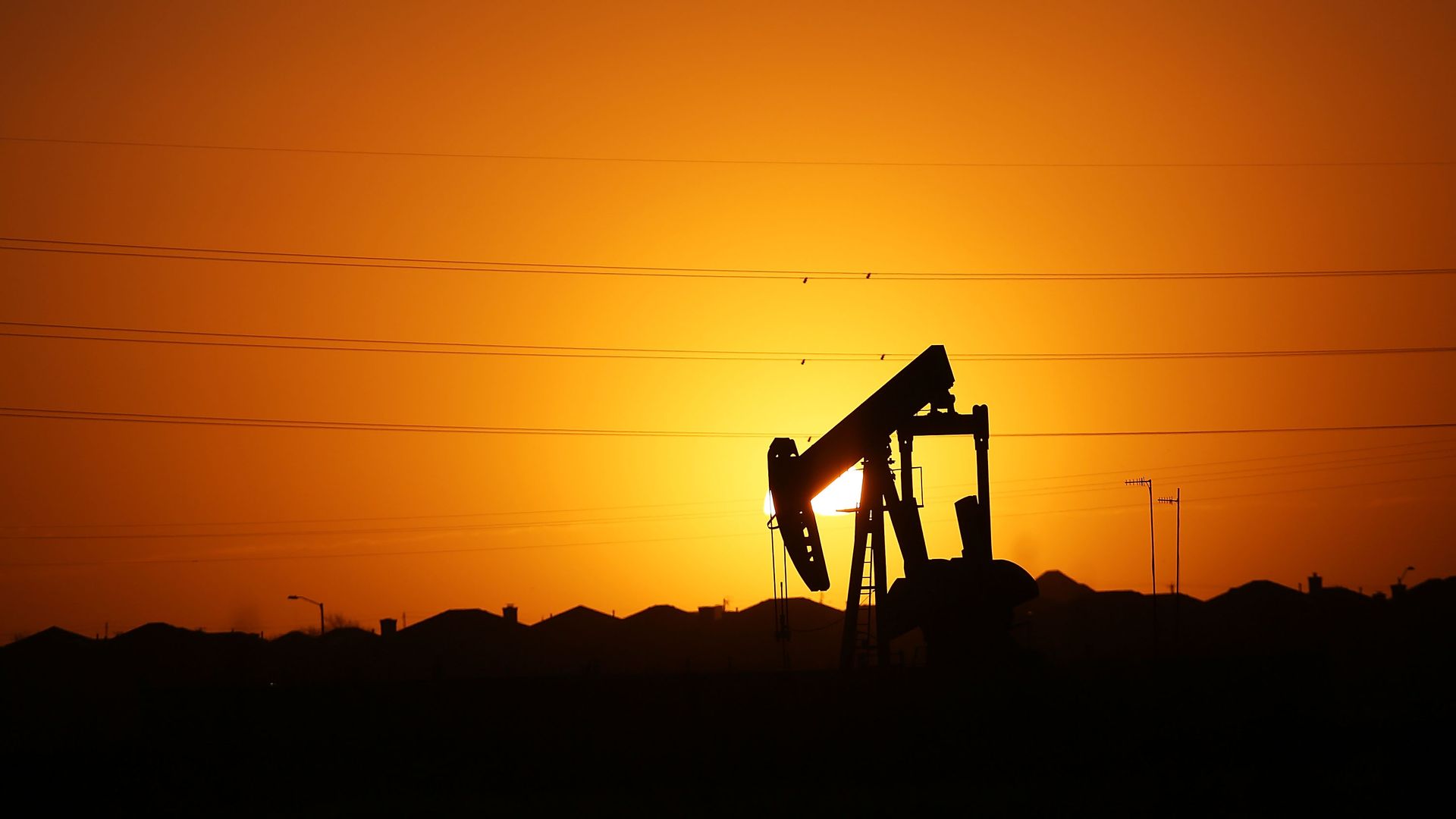
Royal Dutch Shell and Total this morning announced plans to sharply cut spending and freeze share buyback plans.
Why it matters: The moves signal how cratering demand from COVID-19 and the collapse in prices are upending the outlooks for companies large and small.
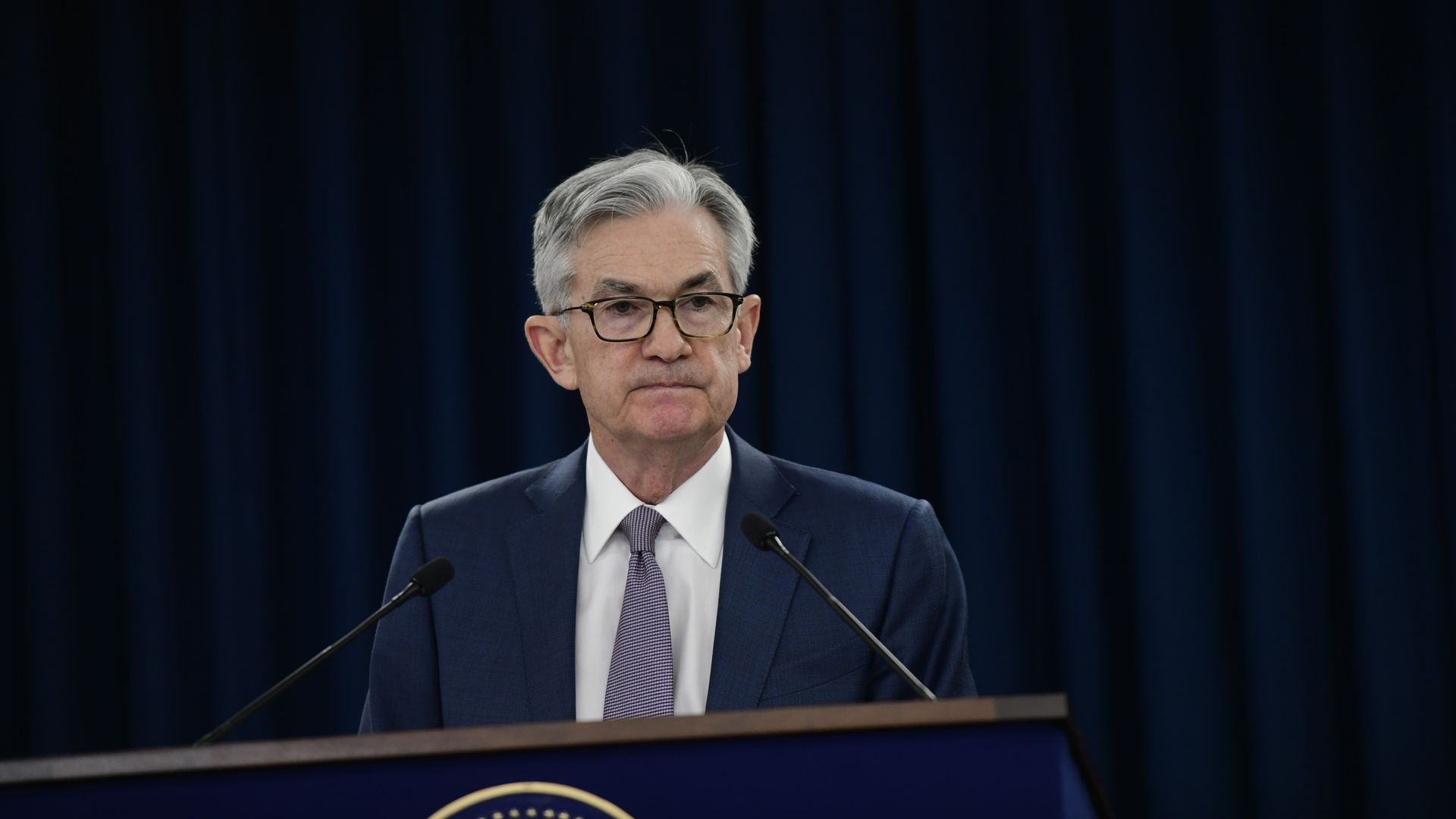
The Federal Reserve announced a broad slate of programs to make sure credit flows to businesses and consumers as coronavirus safety measures cripple the economy.
Why it matters: The Fed’s announcement early Monday is the most aggressive step so far this year — and the markets responded in kind, with futures rising steeply ahead of the market's open.
The shock of the U.S. economy coming to a halt as more cities and states shut down businesses will be severe if lawmakers don't act quickly.
What's happening: AARP's latest study tracking U.S. household savings is based on a "yes" or "no" response to the following question: "Does your household have an emergency savings account?"
Last week, I asked Axios Pro Rata newsletter readers to help build a joke-book for our kids to read, as we try to balance working from home with childcare/makeshift school.
But the jokes kept coming after we posted the original set, so here's a sequel.
President Trump and some of his senior officials are losing patience with the doctors’ orders.
The state of play: Amid dire predictions for jobs and the economy, the White House is beginning to send signals to business that there's light at the end of the tunnel — that the squeeze from nationwide social distancing won't be endless.
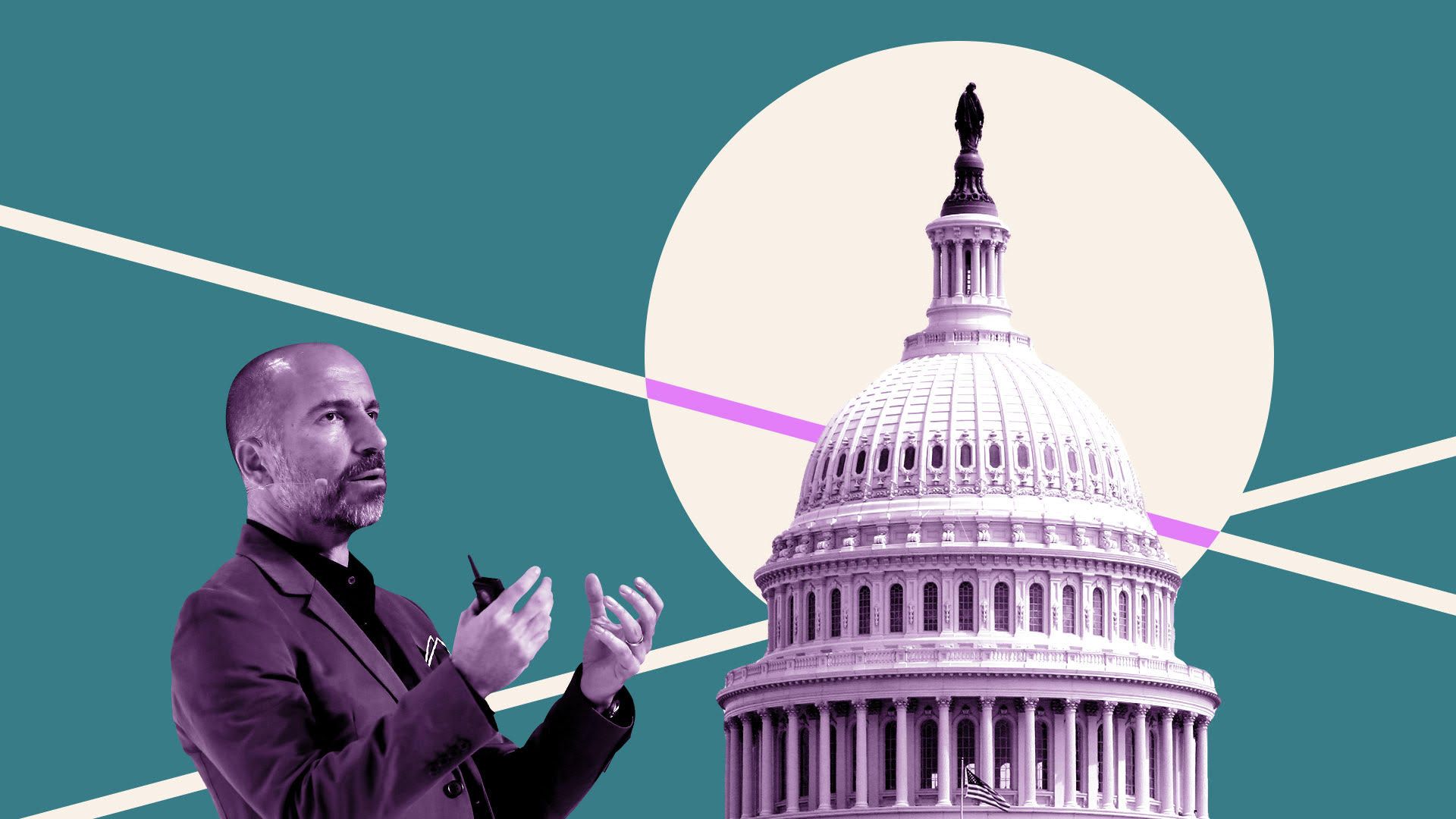
Uber is asking the U.S. government to include independent contractors in its economic stimulus plans, according to a letter being sent Monday morning by CEO Dara Khosrowshahi to President Trump. The company isnotasking for a bailout or loans.
Why it matters: Many of the proposals floated for a relief bill that Congress is assembling have included new protections and benefits for employees, but that category excludes millions of "gig economy" drivers and delivery people.
While you might be tired of all of the doom and gloom that's been written about the economy over the past two weeks amid the coronavirus outbreak, there's an even more depressing fact to consider: there is nothing bright and hopeful to say right now.
The state of play: Congress' failure Sunday night to pass a major stimulus program illustrates once again how dysfunctional our government has become and how at risk the world is for catastrophe.