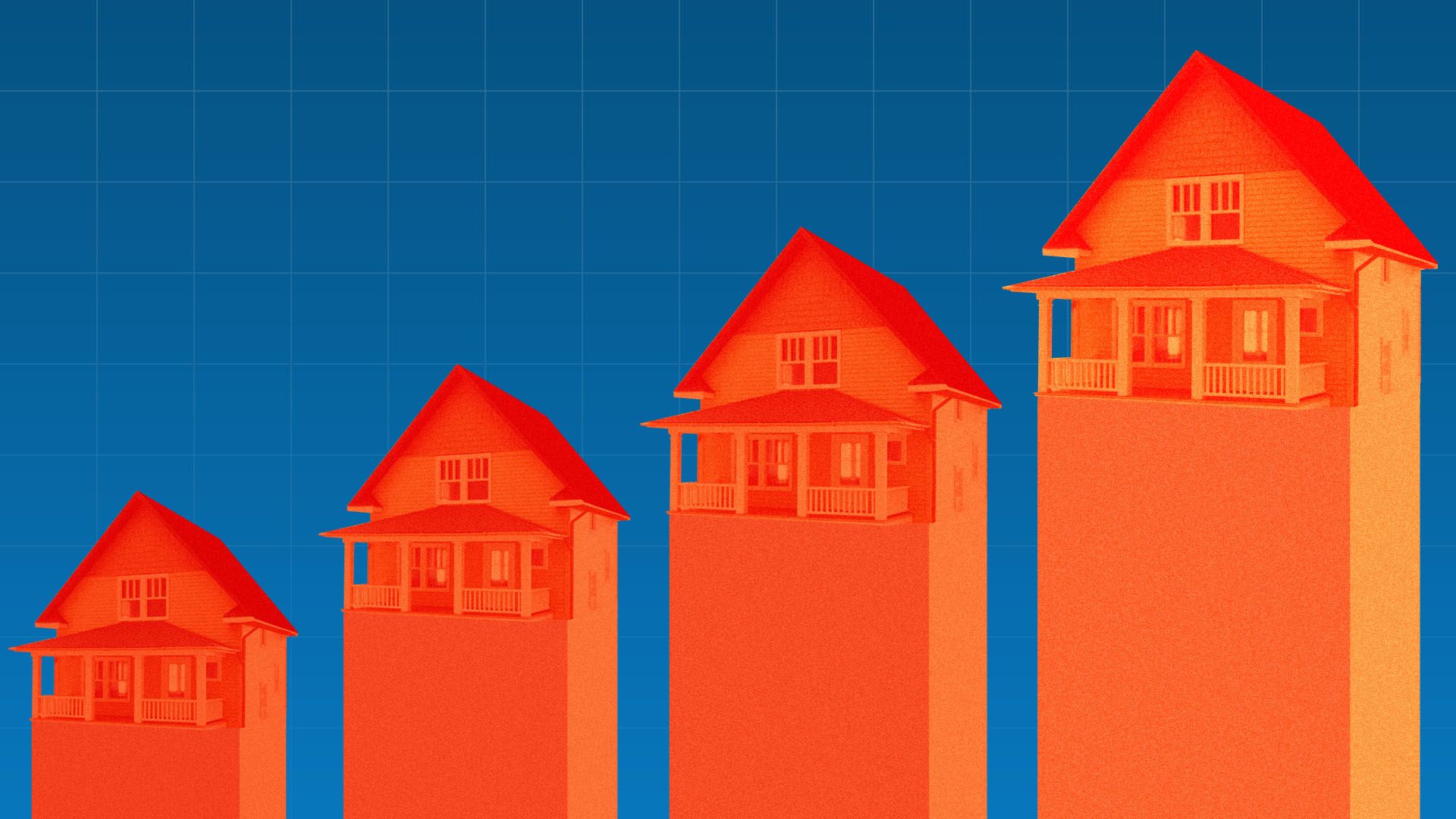
While the travel industry and accommodations are taking a major hit amid the coronavirus pandemic, short-term rentals in U.S. rural (and suburban, to a less extent) areas are seeing an uptick, according to new data from AirDNA.
The big picture: People are fleeing densely populated areas, especially on the coasts, and taking up shelter in isolated rentals in rural and more "destination" type of locales.
American companies can learn from the experience of Chinese companies that stayed afloat during the months-long shutdowns as China fought the coronavirus, Boston Consulting Group’s chief economist Philipp Carlsson-Szlezak told me in an interview.
What they're saying: CEOs should lead the response themselves."You have to really be in the moment. This is moving so fast," said Carlsson-Szlezak.
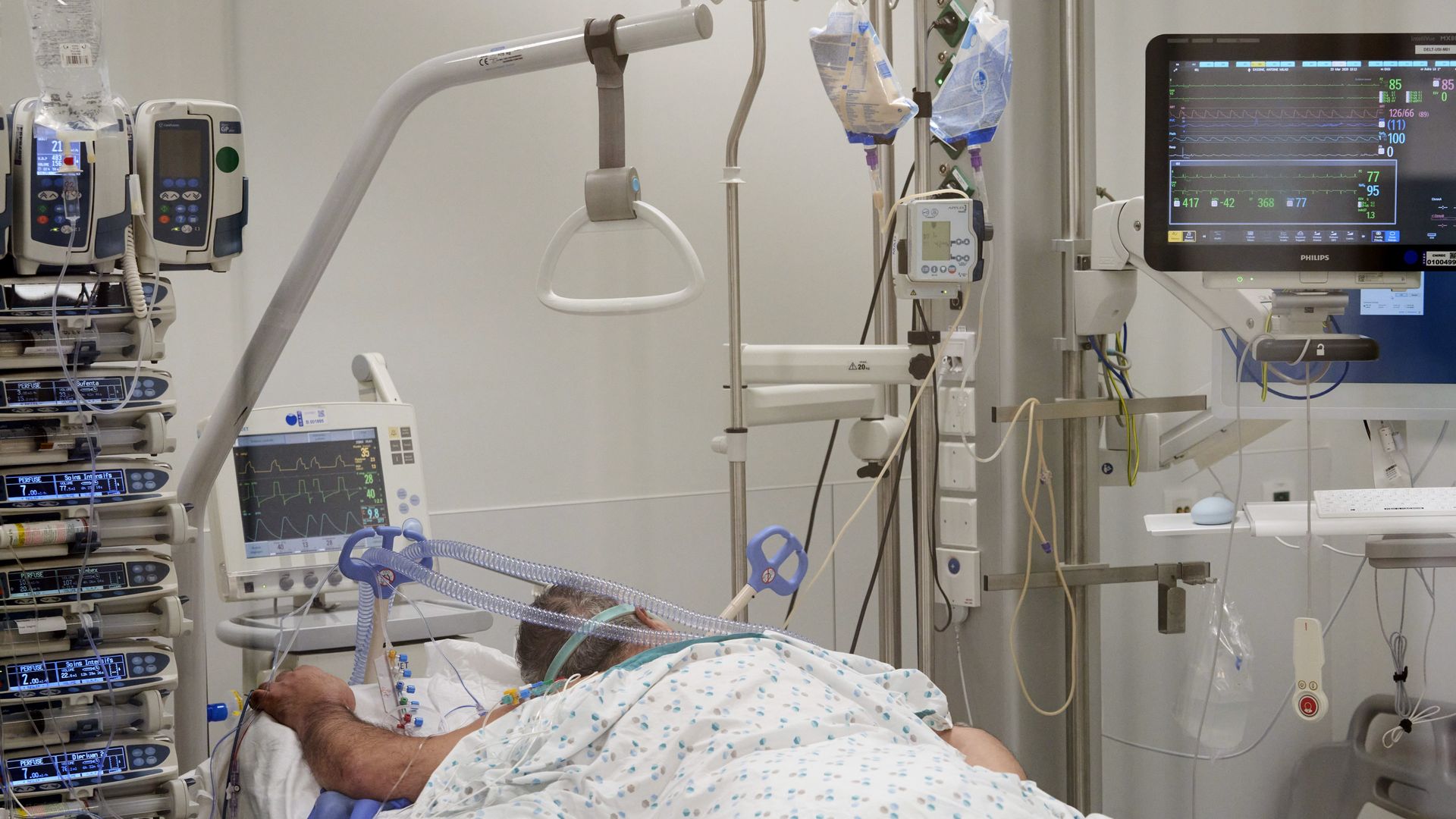
Aetna is waiving all copays and other out-of-pocket costs for people who end up hospitalized from the new coronavirus, the first major health insurer to do so since senators called for action last week.
Between the lines: This policy doesn't necessarily apply equally, and a lot depends on what employers do. Roughly 14.1 million people have Aetna insurance through a "self-insured" employer, and those employers can "opt-out of this option at their discretion," an Aetna spokesperson said.
The majority of respondents to the latest CivicScience poll, provided first to Axios, say they would spend a government stimulus payment on bills, necessities and treats, rather than saving or investing the money.
Why it matters: That is a plus for the economy, which is built on consumers spending, not saving, their money.
Uncle Sam today will become Corporate America's lender of last resort, but it's still unclear if it also will become its activist shareholder.
Driving the news: We're still awaiting full text of the bipartisan deal struck last night between the White House and Senate leaders, including if there will be any straight equity or warrants tied to financial help for affected industries and companies.
Governments around the world have turned to high-tech solutions like smartphone tracking and Bluetooth bracelets to slow the novel coronavirus' spread. For both practical and cultural reasons, however, the U.S. is unlikely to try such methods.
The big picture: The U.S. plainly needs more tools for slowing the spread of COVID-19. But a lack of testing supplies, the absence of nationwide strategies and policies, an individualistic culture, and concerns over civil liberties all stand in the way of adopting these techniques.
Silicon Valley may end up with large numbers of abandoned employee equity, as startups cut jobs amid the coronavirus-caused economic uncertainty.
Why it matters: Startup employees typically have just 90 days from the end of employment to either exercise their stock options, for which they must pay cash, or to let them go.
In just over a week, more than 47,000 chain stores across the U.S. have shut their doors as retailers have taken extreme measures to help slow the spread of the coronavirus pandemic, Bloomberg reports.
Why it matters: "Most have pledged to remain closed to the public for at least two weeks, but they may stay closed for much longer. In the same period, small retail businesses throughout the U.S. also hit pause on their physical locations but are not included in this list."
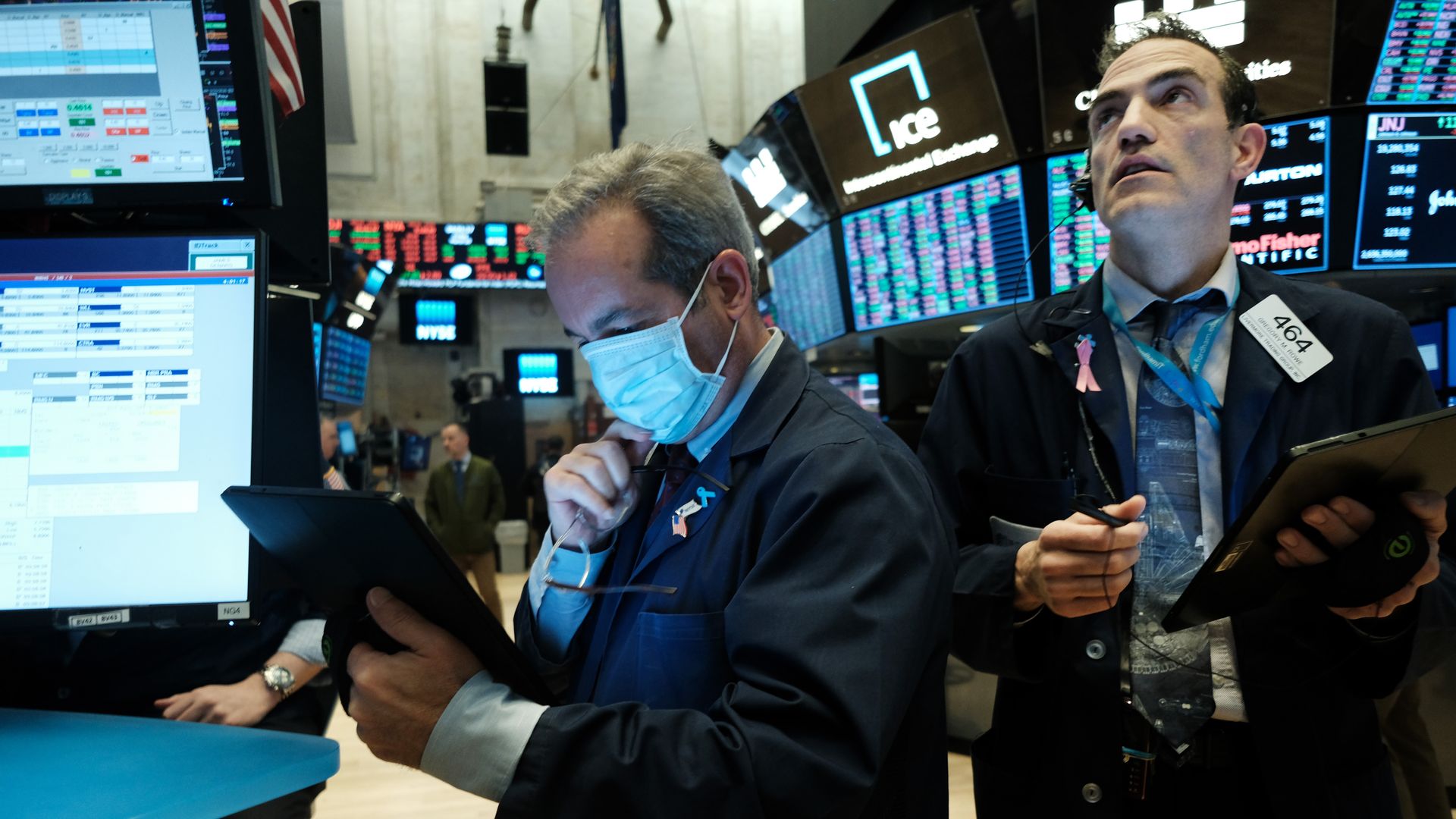
The Dow rose more than 11% to clock its largest single-day gain since 1933 on Tuesday, but few are confident the market is set for a sustained rebound. Experts are urging tempered enthusiasm with U.S. and global equities on pace for a rare second day of gains.
What they're saying: "You’re going to see movement in the market, extremes in both directions, that have nothing to do with any of the headlines necessarily, but just the nature of the beast at this stage in the bear market," Liz Ann Sonders, chief investment strategist at Charles Schwab, tells Axios.
While global stock prices have been battered, the coronavirus outbreak has been a major boon for orange juice futures, which have surged, rising by more than 6% on Tuesday and banking a fourth straight session in the green.
Why it matters: Thanks to a meteoric rise over the past week, orange juice has become one of the world's top performing assets so far this year.
President Trump's proposal to get business around the country back open by Easter Sunday, April 12, will do more harm to the economy if the coronavirus outbreak has not been contained, economists say.
Why it matters: Such a plan would sow uncertainty in markets and among customers and business owners and make the recession longer and harsher.
Why it matters: This is an unprecedented expansion of benefits to gig economy workers, who have been classified as independent contractors instead of employees by ride-hailing and food delivery companies, among others.