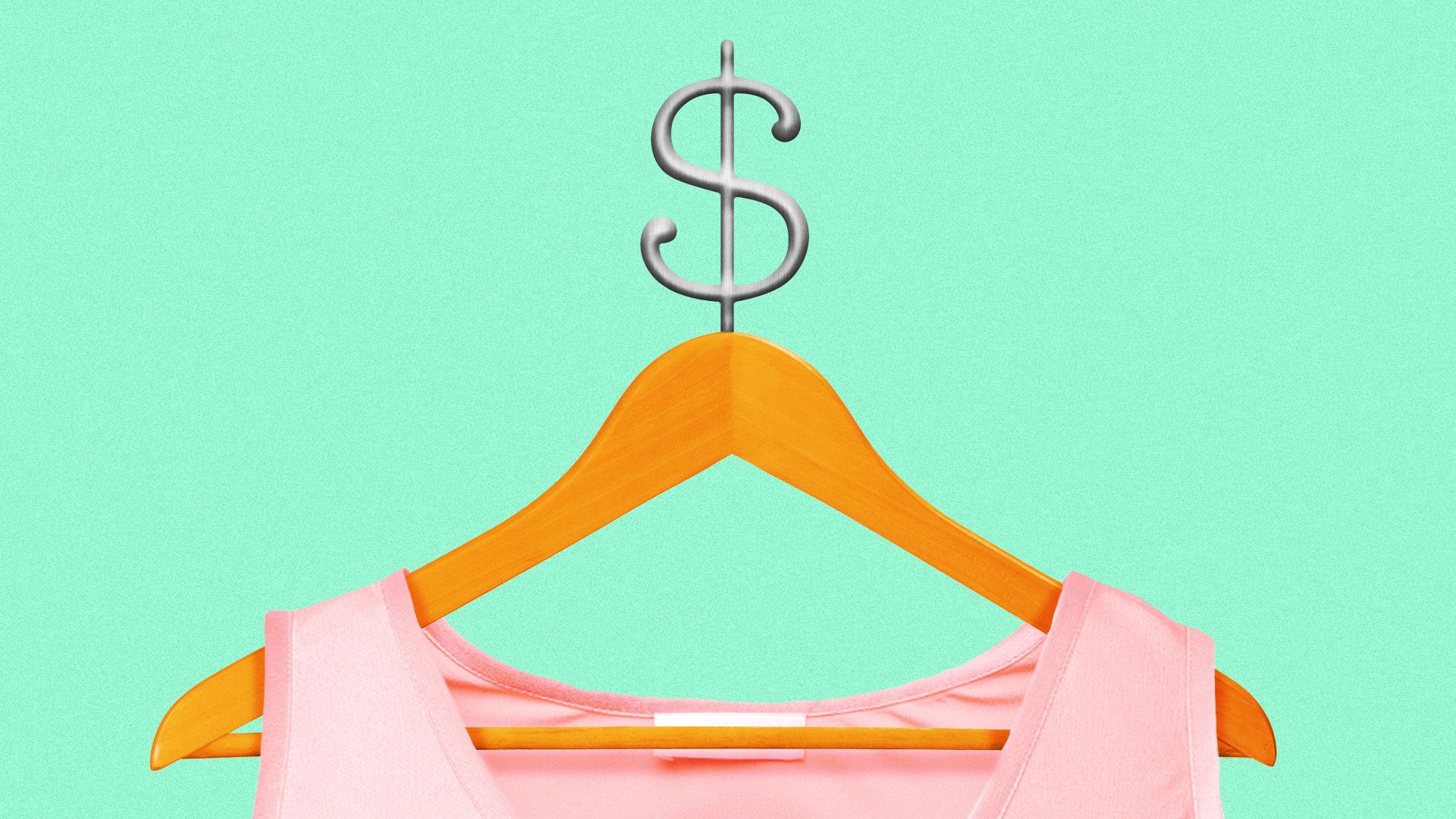
Private labels are getting a generational makeover as retailers bet Gen Z will buy in.
Why it matters: As shoppers pull back and luxury slips further out of reach, retailers are betting younger consumers will embrace store brands once viewed as generic bargain buys.
The Court of International Trade on Thursday ruled that President Trump's newest round of tariffs were illegal — but the duties will keep collecting for most importers while the administration appeals.
Why it matters: It is yet another legal setback for the White House's trade policy — this time ruling against the suite of tariffs that officials imposed to replace those struck down by the Supreme Court.
Regency Centers is breaking ground at Ellis Village Center, a ground-up open-air retail destination in one of the region's fastest-growing suburbs.
What you need to know: The development will become the commercial heart of Tracy, California, serving the more than 10,000 new homes planned in the surrounding trade areas.
A 25,000-square-foot Sprouts Farmers Market will serve as the center's anchor, alongside a mix of dining, local and national retail and service tenants curated for everyday needs.
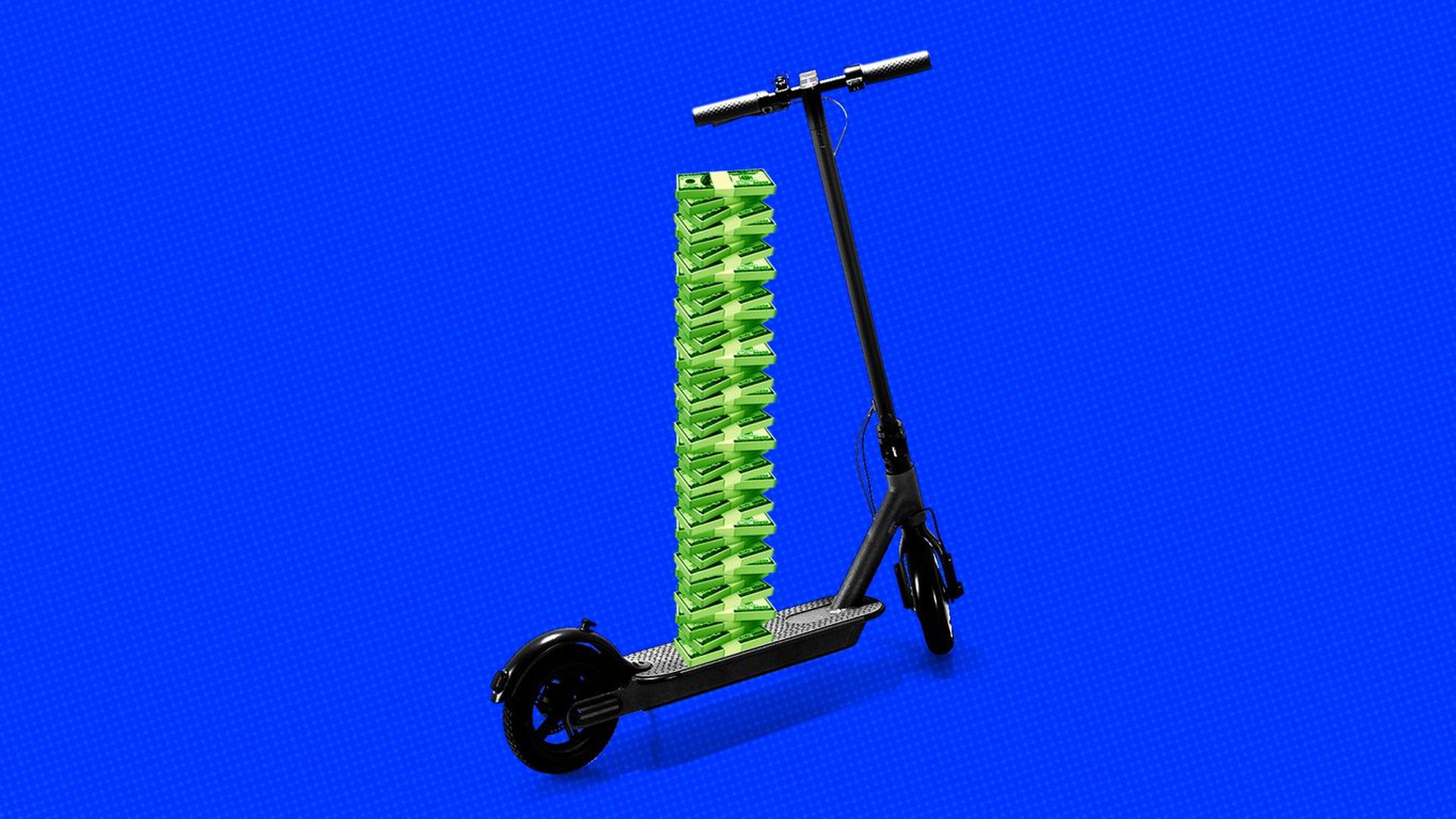
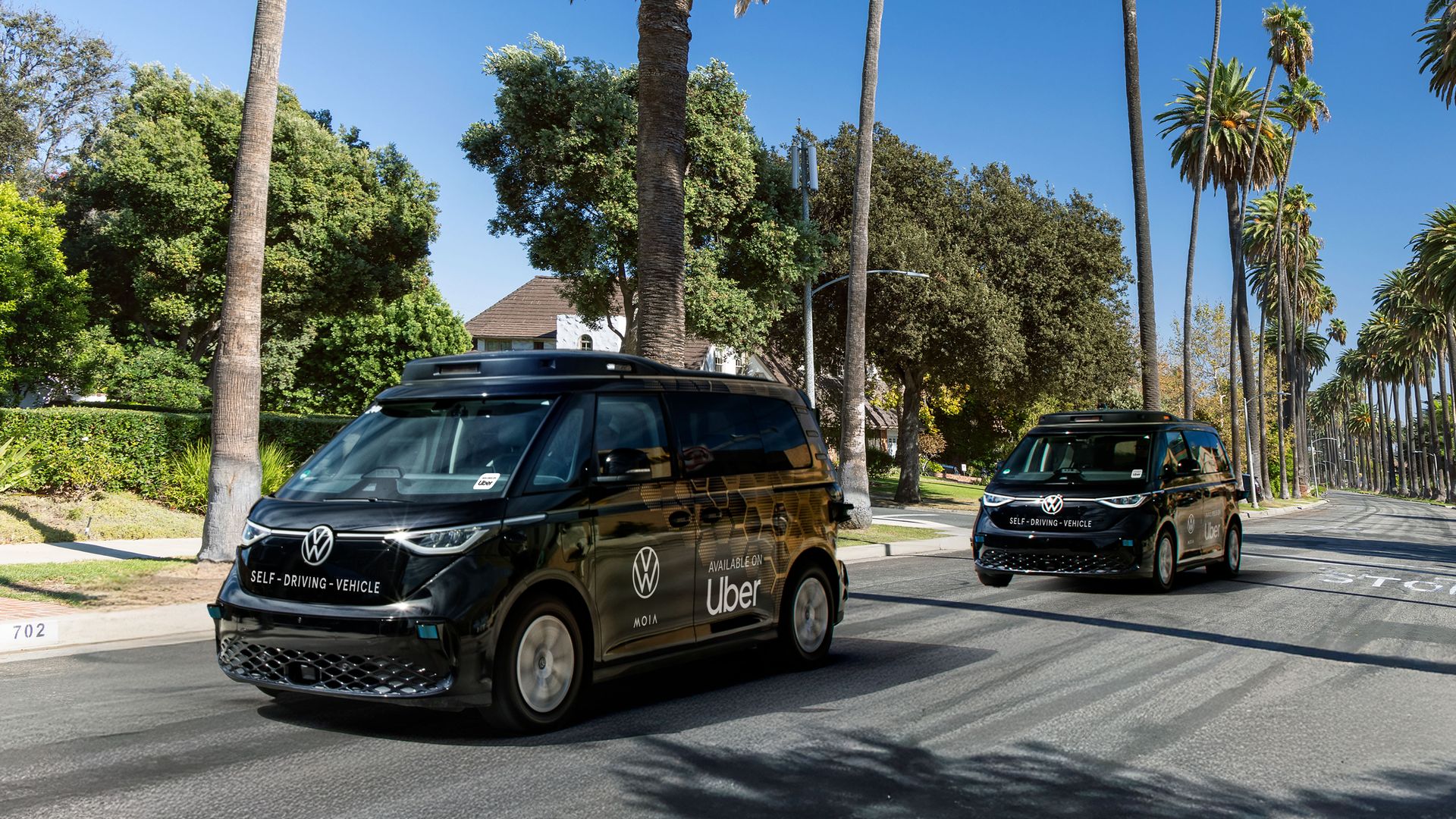
Uber is acknowledging the risks of driverless cars — from jobs to congestion to safety — while launching a new public policy push to break the logjams slowing the transition to autonomy.
Why it matters: After years of battling cities and labor groups over ridesharing, Uber — with up to $10 billion in potential autonomous vehicle bets at stake — is trying a new tack.
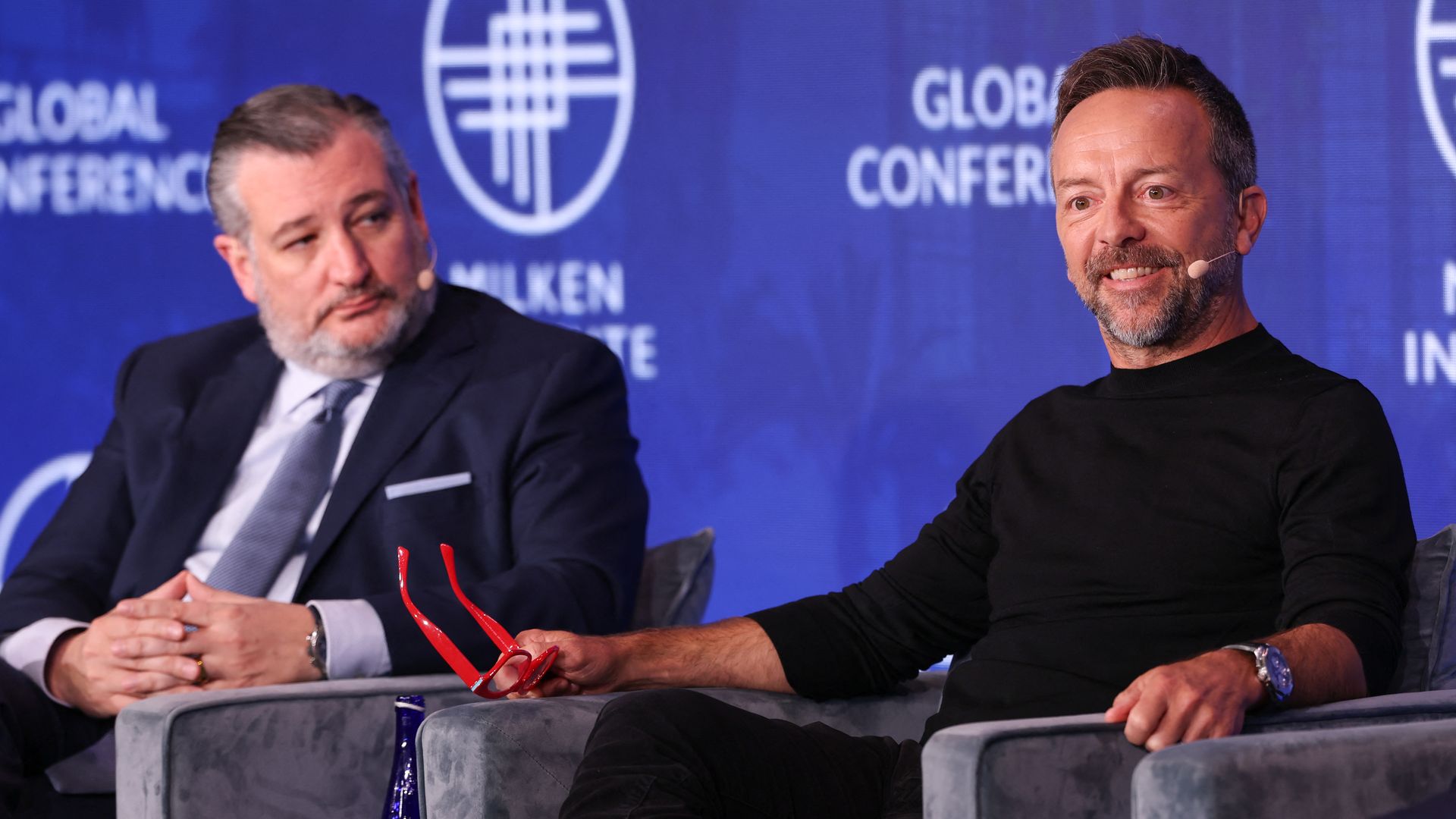
At a conference earlier this week, Sen. Ted Cruz (R-Texas) said that the new Trump accounts, the "401(k)s for babies" that launched this year, could be a way to push forward the Social Security privatization effort that failed during the Bush administration.
Why it matters: Social Security advocates have worried about this, and while Trump accounts were not described that way when the program was announced, Cruz's remarks suggest a long-term roadmap.
Record-low consumer sentiment, the Iran war and a relatively dormant housing market are suppressing sales of big-ticket home items, according to Whirlpool.
Why it matters: Consumer demand for appliances plunged soon after the war began, resulting in "recession-level industry decline," the U.S. manufacturer said.
Bumble's swipe feature — responsible for countless connections, breakups and everything in between — will soon be no more, founder and CEO Whitney Wolfe Herd announced Wednesday on "The Axios Show."
Why it matters: Wolfe Herd, who returned to the dating app as CEO last year, is making a big bet: ditching core features to pivot toward AI-driven matchmaking and attract new users ahead of a relaunch this year.
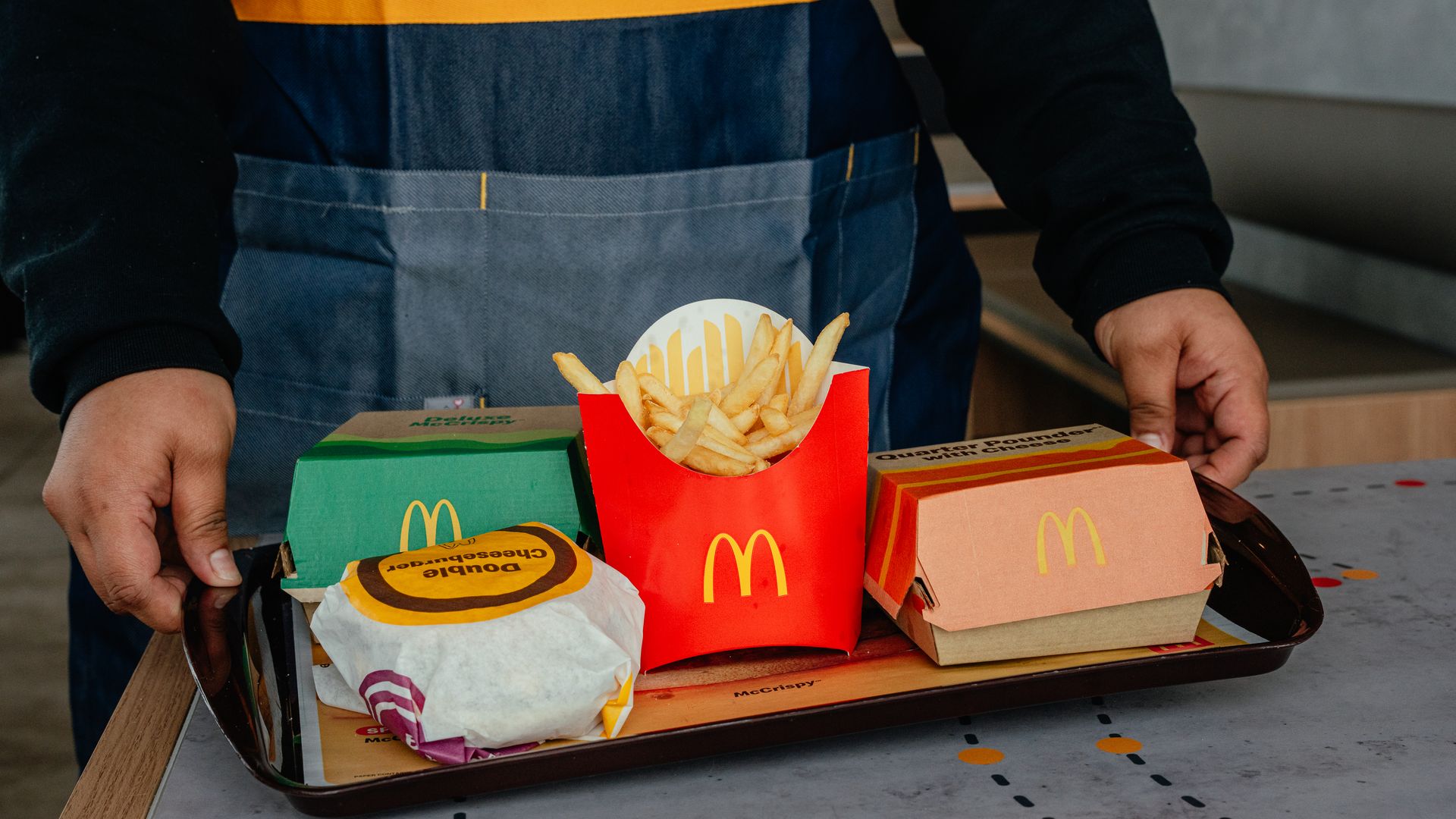
McDonald's rode value meals, loyalty perks and menu innovation to stronger first-quarter sales growth, signaling Thursday that consumers are still spending despite persistent economic pressure.
Why it matters: McDonald's results show its affordability strategy is gaining traction with cost-conscious diners squeezed by years of inflation-driven price hikes.
If the U.S. stock market is now largely a bet on the AI boom, then South Korea's market is a supersized, turbocharged version of that wager.
Why it matters: Investors' optimism about the promise of AI is global, but such a concentration of wealth in one sector could be risky in a market downturn.
The AI coding tools letting anyone "build" software without engineering skills are also letting medical records, financial data and Fortune 500 internal docs leak onto the open web, security researchers say.
Why it matters: AI coding tools are enabling employees without engineering or cybersecurity training to publish internal tools publicly, often without company oversight or basic access controls.
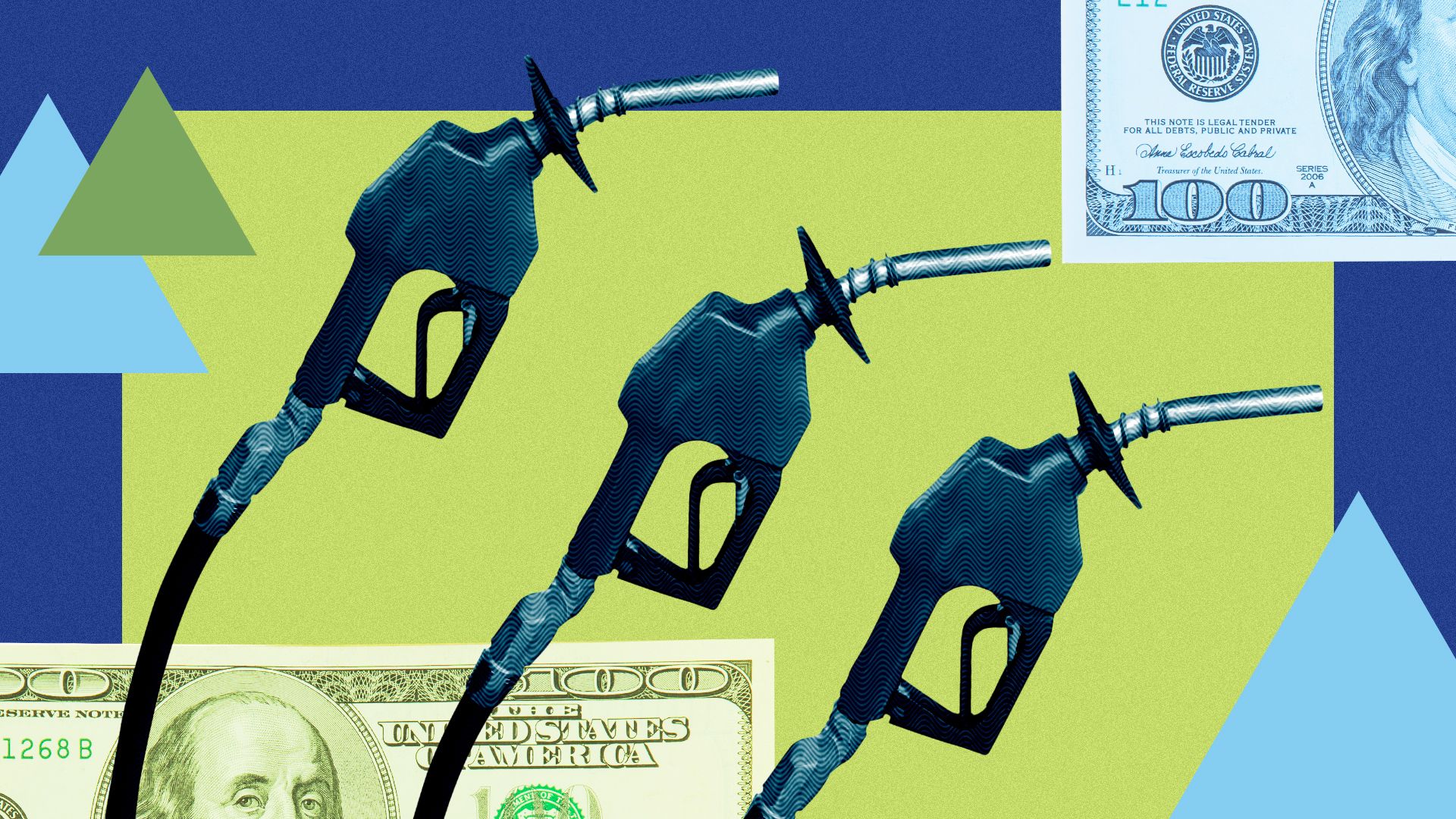
If a U.S.-Iran peace deal actually happens this time — and that's still a big if — consumers have a long road ahead before filling up returns all the way to the good old days of early 2026.
Why it matters: Even if the Strait of Hormuz opened right away, pump prices will likely remain higher — maybe a lot higher — than pre-war levels at least through the midterm elections.
Elon Musk's surprise Anthropic deal allows him to accomplish two things at once: turn unused compute into revenue before an expected SpaceX IPO next month — and stick it to his archrival, OpenAI CEO Sam Altman.
Why it matters: Musk went from calling Anthropic "evil" to doing business with it in three months, showing how quickly competition can give way to strategic necessity in the AI race.