Gen Z leads drive away from social media

Add Axios as your preferred source to
see more of our stories on Google.
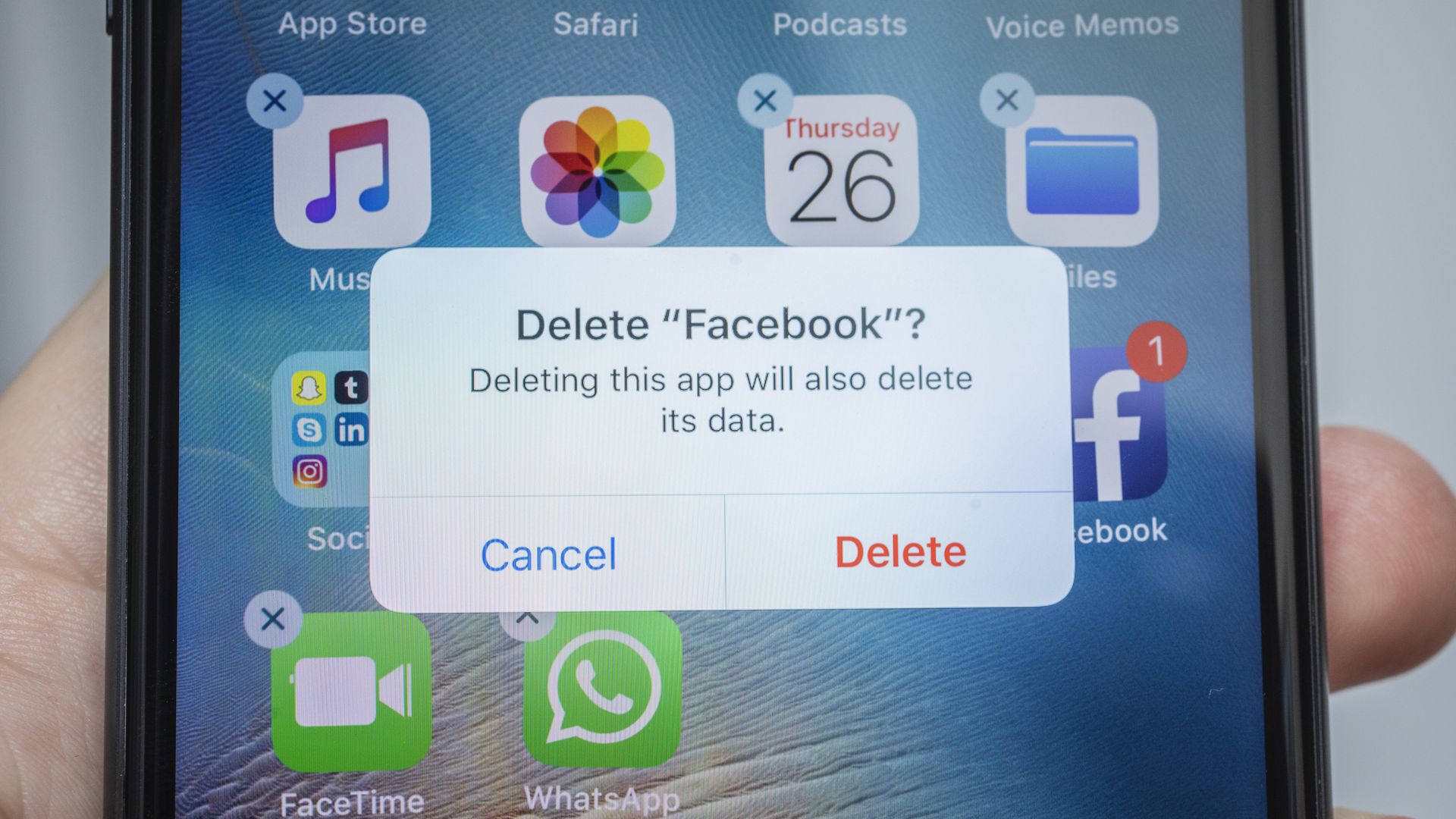
Photo: Johannes Berg/Bloomberg via Getty Images
A growing number of Gen Zers and baby boomers are quitting social media for their digital well-being, as political polarization intensifies online.
The big picture: It's part of a wider digital detox drive away from screens and toward analog options that Gen Z is helping to lead.
- Research suggests that social media use is waning and that more people are embracing products to block distracting apps and turning to dumbphones, with more affordable options on the market.
Case in point: Dumb.co "burst out" of a challenge called Month Offline six months ago due to the popularity of the flip phones it used to replace smartphones, Lydia Peabody, who oversees the firm's marketing and organization, tells Axios.
- The 27-year-old social worker and licensed therapist took part in the challenge in D.C. last year and plans to continue her clinical work alongside working as Dumb.co's "chief dumb organizer."
- Peabody tells Axios in a phone interview Dumb.co has sold "hundreds" of its Dumbphone 2 model, which is designed to better cater to today's needs at affordable prices, and plans to expand to other countries by the year's end.
How it works: These phones sync contacts, calls and texts from smartphones via smart text and have "essential" apps like Uber, maps, two-factor authentication, a camera and an alarm installed. Audio bundles can be placed on the phones as add-ons.
- "It's really the device for the person who wants to get away from their smartphone, but maybe not like be disconnected from smart technology entirely," Peabody says.
State of play: A study out last month found the average number of social media platforms American adults are using is declining, with 12% of over-65s and 7% of 18- to 29-year-olds using no social media at all.
- The study, published in the Journal of Quantitative Description: Digital Media, found that overall posting declined from 2020 to 2024 for most users and polarization on platforms increased, as did the number of angry posts.
Zoom in: Former "Twitter and Instagram junkie" Chris Wells says he's "99% off" social media after doing Month Offline plus two extra digital detox weeks. He keeps LinkedIn on his laptop for his fledgling legal career and keeps banking and gym apps on his smartphone.
- "I didn't know who I was without my social media accounts, and when I quit, it was pretty miraculous," the 26-year-old tells Axios in a video interview.
- "The one thing that really came back to me was a sense of privacy. I hadn't really felt that since I was a kid."
Aditi Ediga uses a regular smartphone for calls and emails but deleted her social media apps last fall.
- "One reason why teenagers don't want to delete apps and stop using them is that they're scared they're going to miss out on stuff, and then I realized I wasn't really missing out on anything," the 17-year-old tells Axios in a video interview.
- Aditi says she has seen how platforms have negatively affected her friends' mental health and is passionate about digital well-being, serving on online advocacy nonprofit #HalfTheStory's Teen Advisory Board.
- She hopes to study neuroscience and examine how social media affects the brain.
Between the lines: "What you're seeing now, especially among Gen Z, is a self-correction back toward real-world connection," says NYU social psychologist Jonathan Haidt, author of a bestselling book on the effect of phones on teens, in a statement.
- "They've felt the costs of isolation and are rediscovering what actually leads to flourishing."
Go deeper: Phone-free bars and restaurants on the rise across the U.S.
