Your local coffee shop isn't just selling breakfast anymore — it's building a fanbase.
The big picture: The pandemic forced small businesses to get more creative online about reaching customers. The loyalty forged during that period has stuck around and evolved.
Potential presidential candidates are operating like creators, with social video operations, podcasts, Substack accounts and merch stores ahead of 2028.
Why it matters: Politicians can build audiences, raise money and shape narratives nationally beyond traditional media interviews or ad campaigns.
Since changing its press rotation policies last year, the White House has ushered in smaller and creator-led outlets, many of which align politically with the administration.
Why it matters: Just as candidates are leaning into the creator model to reach younger audiences, so too is the Trump administration.
Left-leaning news organizations have gained momentum in Trump 2.0 with podcasts and digital outlets seeing stronger reach, funding and audience engagement.
Why it matters: It marks a reversal from Trump's first term, when conservative media dominated social distribution and audience growth.
Despite the narrative that podcasts and other creator-led media dominated the 2024 election, the vast majority of Donald Trump and Kamala Harris' media appearances during the presidential campaign were with mainstream outlets.
Why it matters: Legacy media still maintain credibility and power in elections.
Americans are still showing up for mom this Mother's Day — but with more budgeting, bargain hunting and strategic splurging as "momflation" pushes up the cost of flowers, brunch and gifts.
Why it matters: Mother's Day is becoming a snapshot of the modern U.S. consumer economy: Even as shoppers complain about inflation and rising prices, many are still willing to spend on special occasions — just more selectively.
Bumble CEO Whitney Wolfe Herd has a simple philosophy for surviving public markets: don't flinch, she says on episode of "The Axios Show" that premieres Monday.
The big picture: Wolfe Herd became the youngest woman in U.S. history to lead a public company when Bumble went public in 2021.
Today's flex for many wealthy trendsetters is a self-driving Tesla. But when everyone has a robot driver, the real status symbol may be a human one.
Why it matters: The notion of luxury is evolving as automation spreads across the economy, putting a premium on high-end personalized services provided by real people.
Private labels are getting a generational makeover as retailers bet Gen Z will buy in.
Why it matters: As shoppers pull back and luxury slips further out of reach, retailers are betting younger consumers will embrace store brands once viewed as generic bargain buys.
The Court of International Trade on Thursday ruled that President Trump's newest round of tariffs were illegal — but the duties will keep collecting for most importers while the administration appeals.
Why it matters: It is yet another legal setback for the White House's trade policy — this time ruling against the suite of tariffs that officials imposed to replace those struck down by the Supreme Court.
Regency Centers is breaking ground at Ellis Village Center, a ground-up open-air retail destination in one of the region's fastest-growing suburbs.
What you need to know: The development will become the commercial heart of Tracy, California, serving the more than 10,000 new homes planned in the surrounding trade areas.
A 25,000-square-foot Sprouts Farmers Market will serve as the center's anchor, alongside a mix of dining, local and national retail and service tenants curated for everyday needs.
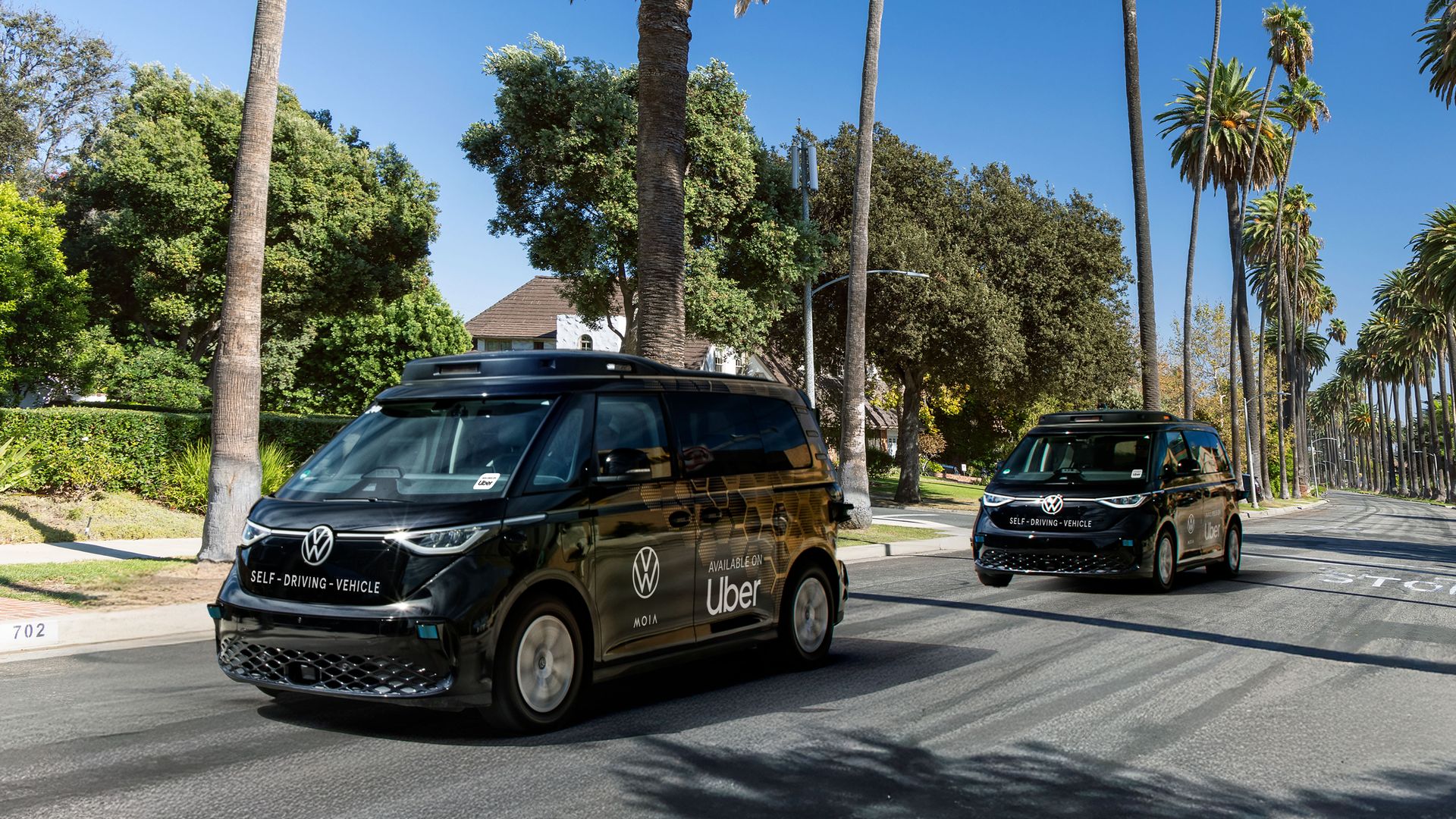
Uber is acknowledging the risks of driverless cars — from jobs to congestion to safety — while launching a new public policy push to break the logjams slowing the transition to autonomy.
Why it matters: After years of battling cities and labor groups over ridesharing, Uber — with up to $10 billion in potential autonomous vehicle bets at stake — is trying a new tack.
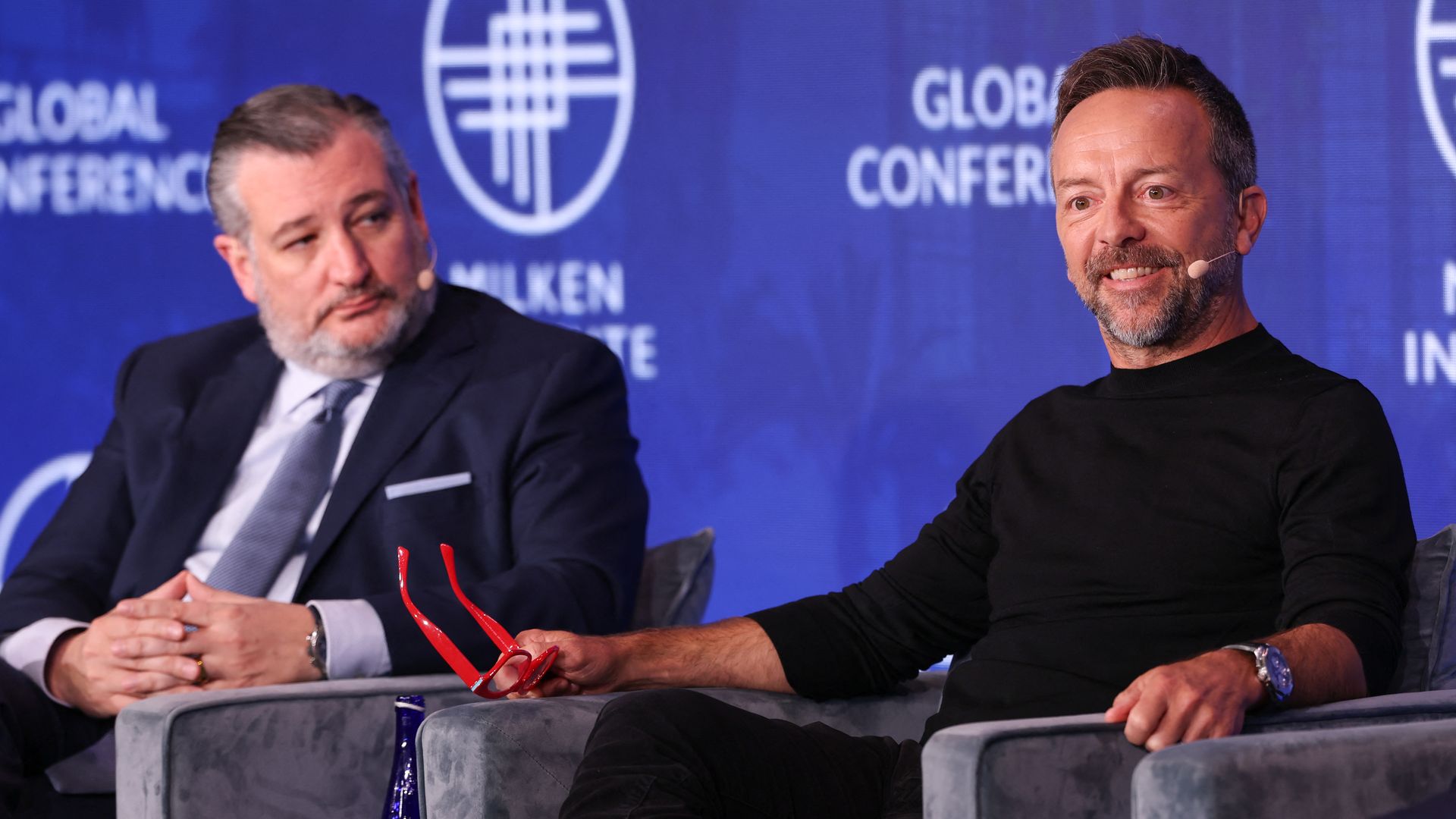
At a conference earlier this week, Sen. Ted Cruz (R-Texas) said that the new Trump accounts, the "401(k)s for babies" that launched this year, could be a way to push forward the Social Security privatization effort that failed during the Bush administration.
Why it matters: Social Security advocates have worried about this, and while Trump accounts were not described that way when the program was announced, Cruz's remarks suggest a long-term roadmap.