Stop us if you've heard this one before, but fears about the global spread of a frightening virus are catching Wall Street's attention.
Why it matters: The hantavirus cruise ship outbreak has reignited concerns about a global health crisis — sparking a brief jump for vaccine stocks, even as experts say it's nothing like the COVID pandemic.
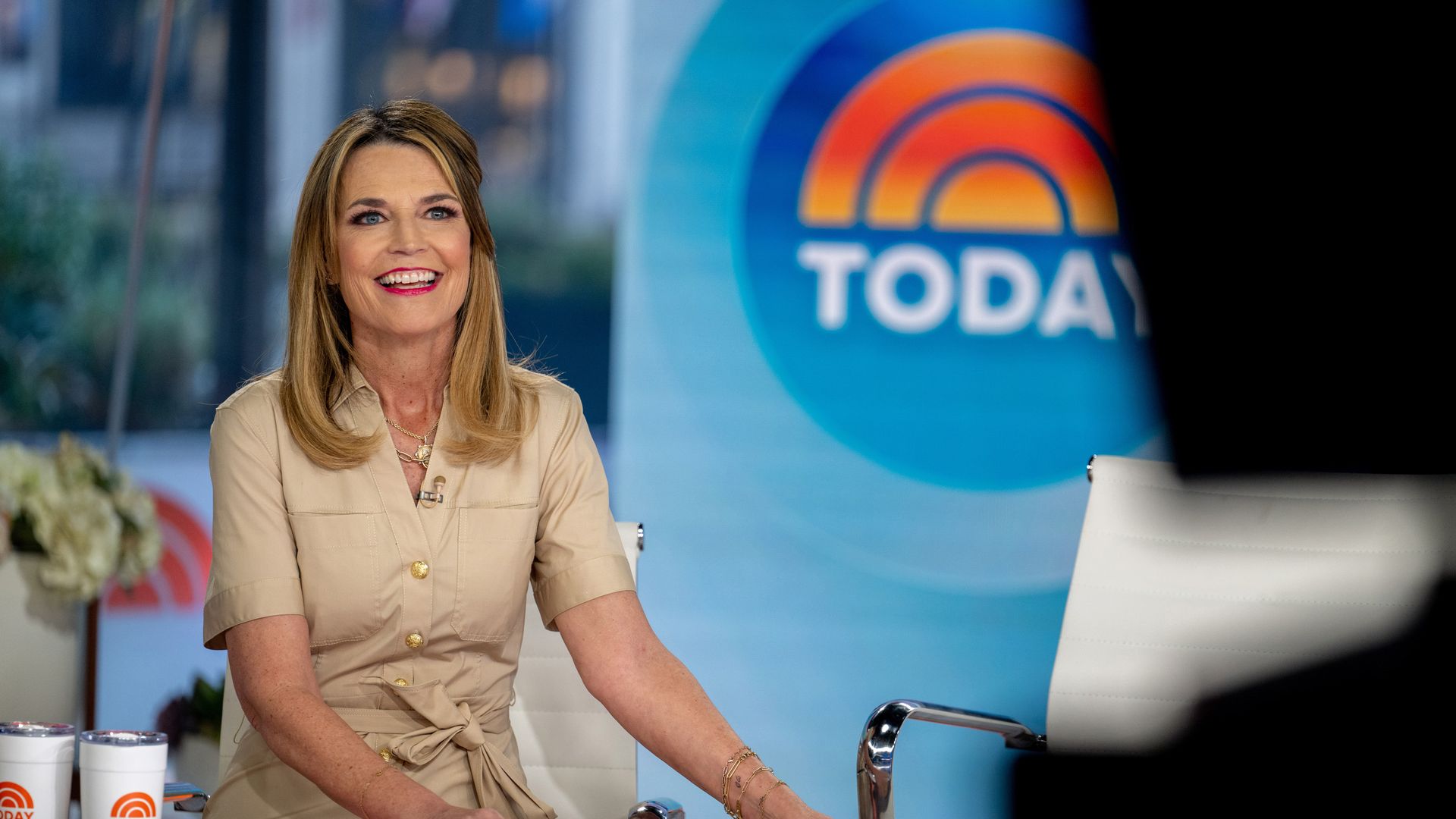
NBCUniversal and the New York Times are bringing the Times' iconic digital game, Wordle, to the small screen, the companies announced Monday.
Why it matters: The Times' investment in games is paying off. Games are no longer just subscription drivers. They also serve as a critical incubator for intellectual property that the Times can further monetize off of its own platforms.
San Francisco-based private equity firm Architect Capital has agreed to invest $535 million into OnlyFans for around a 16% stake, which implies a $3.15 billion valuation.
Why it matters: OnlyFans had been trying to raise outside capital — or sell itself entirely — for at least five years. But investors kept blushing at the porn.
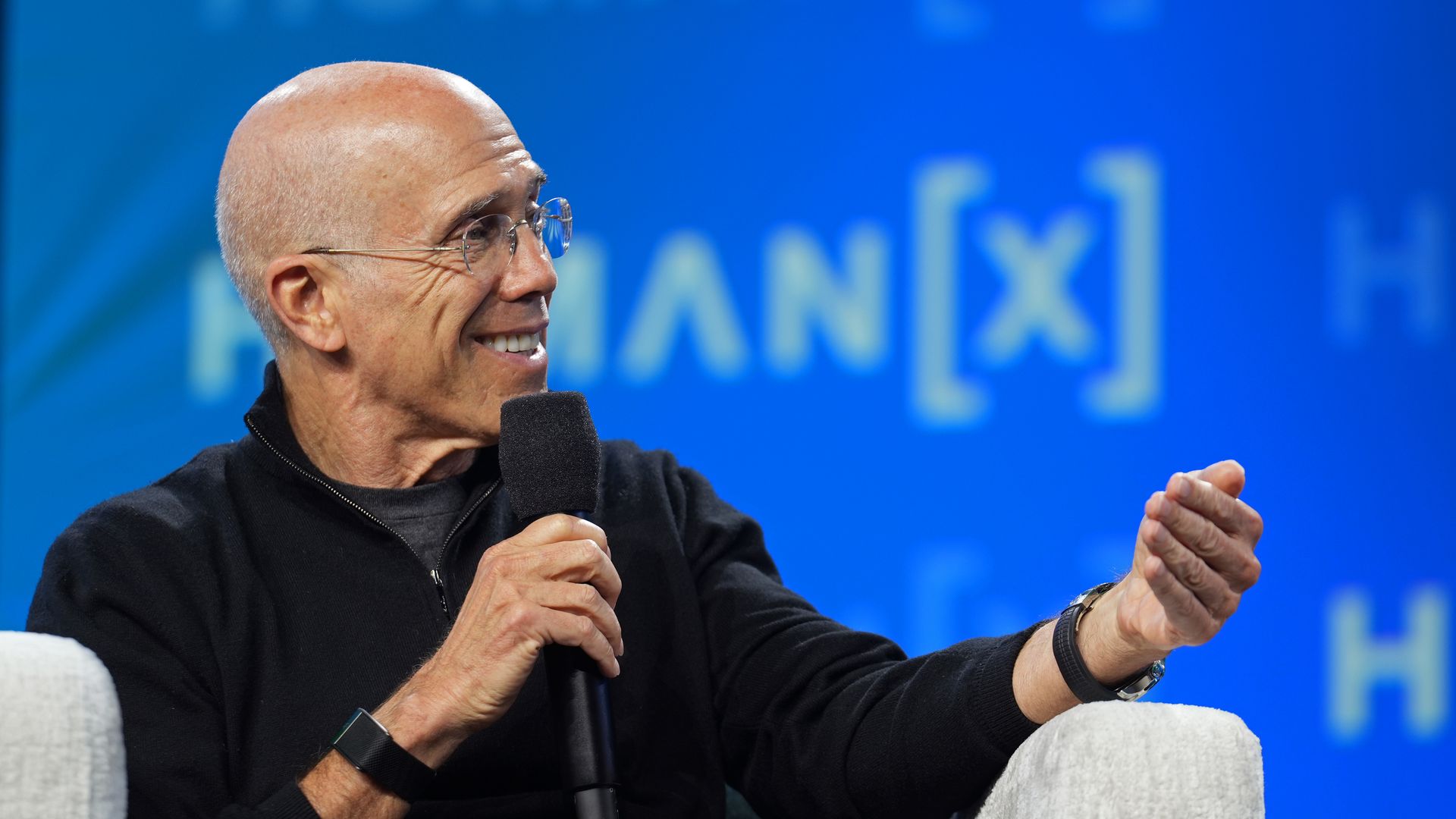
Hollywood mogul Jeffrey Katzenberg last week hosted his fifth annual WNDR conference, a gathering of around 150 top creators and CEOs in Montecito, California.
The big picture: The event has historically been under the public's radar, in part because there are no invitations for journalists, PR handlers or plus-ones.
Coursera and Udemy have completed their merger, creating a massive online learning platform built for workers and employers, just as AI changes the skills needed for nearly every job.
Why it matters: Coursera says someone has enrolled in a generative AI course every three seconds, on average, so far in 2026 — up from every four seconds in 2025.
Uber named Jill Hazelbaker, head of marketing, communications and policy, to the newly created role of president and chief corporate affairs officer as it seeks to become the "everything app" for consumers.
Why it matters: The leadership change means Uber now has two presidents. Andrew Macdonald was named president and chief operating officer last year. Both he and Hazelbaker report to CEO Dara Khosrowshahi.
Lower-earning Americans are increasingly strapped for cash: On recent corporate earnings calls, some CEOs warned that their customers are struggling to deal with rising gas prices and higher inflation.
Why it matters: That's painful on an individual level, and more broadly it could be a sign of a slowing economy — a warning to investors and a hit to the various companies that sell stuff to people.
👀 Crazy AI stat: Greg Ip of The Wall Street Journal calculates that the AI economy grew at an annualized rate of 31% during Q1, while the non-AI economy added just 0.1%.
The reason: Basic investment in housing, offices and transportation fell while "investment soared 43% in tech equipment, 23% in software and 22% in data-center buildings."
Why this matters to YOU: AI is the economy, both in terms of propping up overall growth and consumer spending (wealthy people getting wealthier off AI and spending on wealthy-people things).
I've spent weeks talking to CEOs navigating the widest gap I've ever seen between performance and worry.
Why it matters: Record-high markets, strong earnings, nearly full employment — and just about every CEO I know is quietly stress-testing scenarios they've never before imagined.
Mark Cuban put his finger on something most CEOs feel but haven't named: It's still unclear when AI systems will be good enough to deploy at scale, but most feel pressure to decide right now.
CEOs "are not going to know, understand or want to know the nuances of AI implementation," he wrote on X.
"A CEO is going to want to know what they can expect from AI. What can it not do[?] How does it compare to our existing scenarios[?] ... [W]hat can it do with 100% certainty, or with greater impact than current systems[?] And what is the implementation risk[?]"
Why it matters: A new BCG survey of 625 CEOs and board members — previewed in our last edition — shows exactly how live this tension is: 60% of CEOs say their boards are rushing the AI transformation.
Why it matters for CEOs: Two very different versions of abundance theory are being tossed around, advocating two very different outcomes. Be aware of both.
The juicy personal texts, emails and digital diary entries of the biggest AI execs revealed in Elon Musk's lawsuit against OpenAI highlight how the chats from these companies' own tools could become a new trove of courtroom evidence.
Why it matters: Courts are increasingly treating chatbot conversations as discoverable evidence, raising new legal and privacy concerns for AI users.
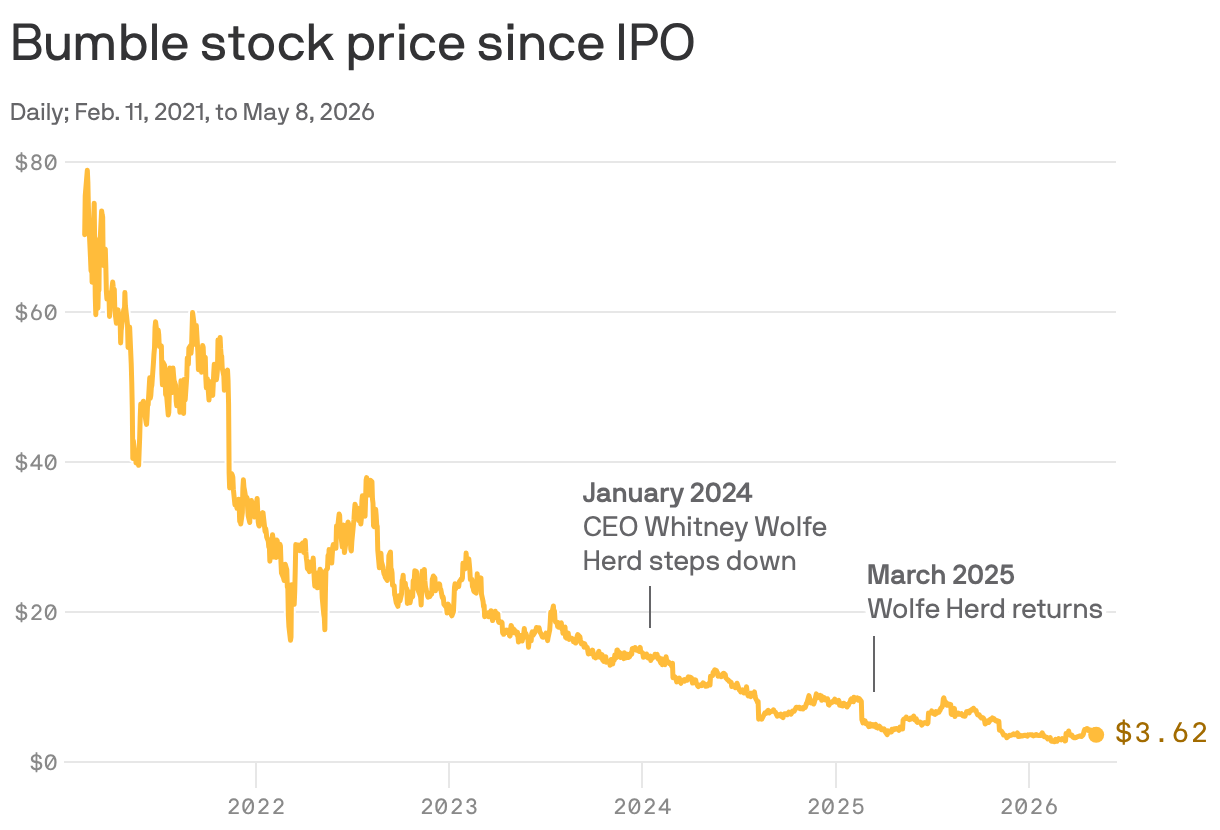
Whitney Wolfe Herd changed the way millions of people around the world found love when she created Bumble in 2014. Now, she says the novelty of online dating has worn off and Bumble needs a major overhaul to survive.
Why it matters: Gen Z is burned out from online dating, but still eager to find connection. Herd thinks AI can bridge that gap.
Young Americans have a gloomier outlook on their job prospects than their older colleagues, creating a wider optimism gap than any other country surveyed by Gallup.
The big picture: The very existence of that chasm between pessimistic younger Americans and more positive older people is itself an outlier, with double-digit gaps present only in five otherplaces of the 141 polled.