As robotaxis spread, luxury may soon mean having a human driver

Add Axios as your preferred source to
see more of our stories on Google.
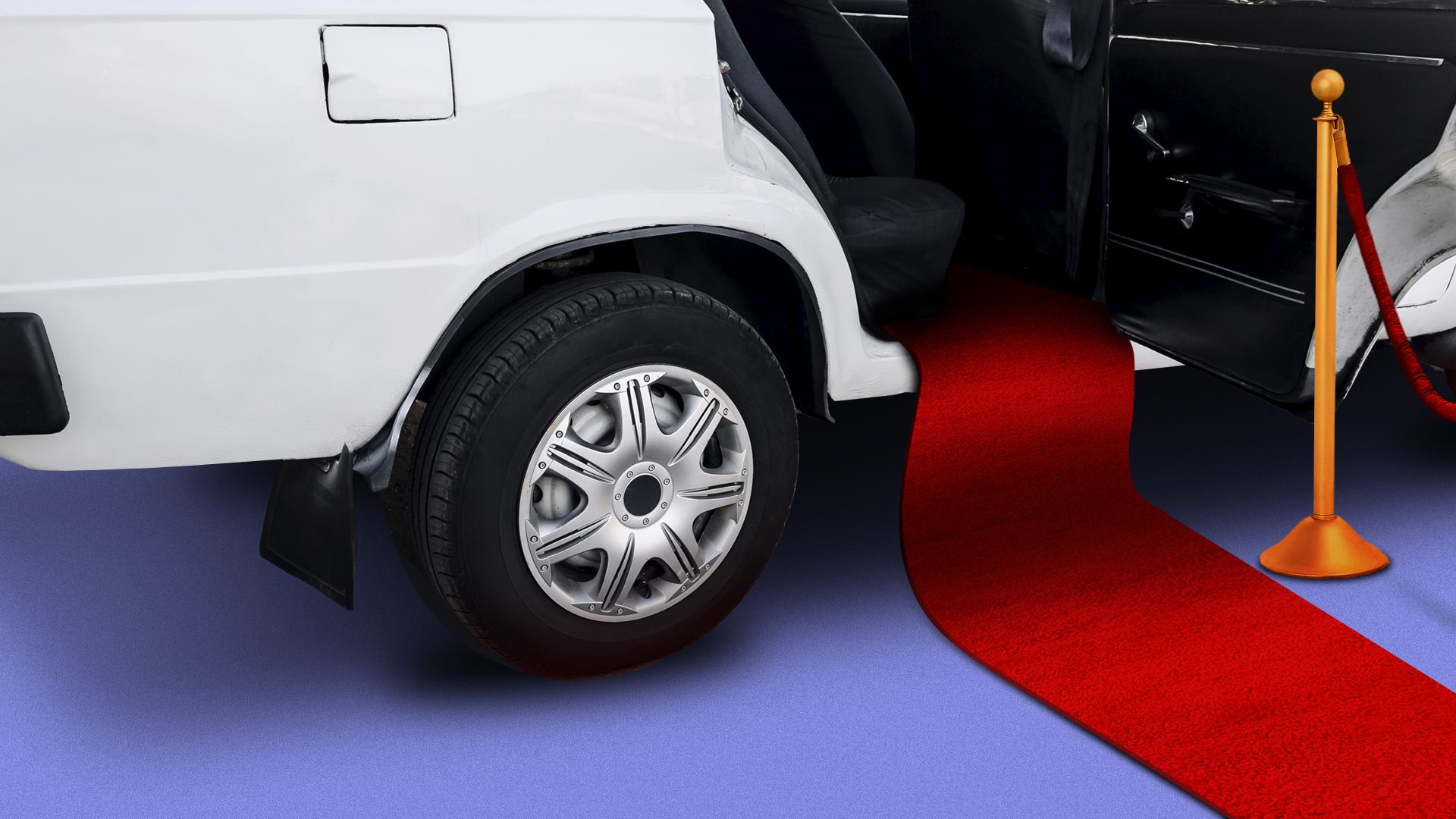
Illustration: Sarah Grillo/Axios. Stock: Getty Images
Today's flex for many wealthy trendsetters is a self-driving Tesla. But when everyone has a robot driver, the real status symbol may be a human one.
Why it matters: The notion of luxury is evolving as automation spreads across the economy, putting a premium on high-end personalized services provided by real people.
The big picture: Autonomous vehicles today are an expensive, high-tech marvel that few people have experienced.
- But as Waymo, Zoox and others bring robotaxis to more cities, driverless rides will become cheaper, opening access to everyone.
- That's when behavior flips: Robotaxis will become commodities for getting from A to B, while hiring a human driver is likely to become an act of conspicuous consumption.
"I see a point where autonomous vehicles bifurcate the mobility market... structurally elevating human-driven service into a premium tier where specialty services become the product," said AV industry veteran Rob Grant, co-founder of research firm Autnmy AI.
- "Doormen aren't necessary, per se, as Amazon can drop off packages and Ring cameras can provide security. But doormen offer premium service in terms of security and discretion."
Case in point: This helps explain a curious trend in the ride-share industry.
- While Uber and Lyft are scrambling to add robotaxis to their ride-hail networks, they're also investing in white-glove chauffeur services.
- Uber acquired the chauffeur booking app Blacklane, for example, and Lyft bought TBR Global Chauffeuring.
Ride-hail networks wouldn't be investing in such high-end services if they thought human drivers would disappear, said Ashwini Anburajan, CEO of the ride-hail comparison app Obi.
- Elite, human-touch rides can add another tier of service to a ride-hailing app.
- For some customers, having a responsible driver is a form of security, Anburajan said, citing her own fear when a street fight between two men in Los Angeles blocked her Waymo robotaxi.
Zoom out: As the rich get richer, they want more human interaction, not less, wrote Ezra Klein in a New York Times op-ed, citing research from University of Chicago economist Alex Imas.
- Instead of buying commodities that are abundant and cheap, they "shift their spending toward goods and services where the human element, the experience or the social meaning matters more," Imas wrote in an online essay titled "What Will Be Scarce?"
- Machines can easily make coffee, for example, Imas noted. Yet some people are willing to pay a premium for a barista to serve their fancy latte in a ceramic mug or write their name on a paper cup.
The same thing is likely to happen in transportation.
- As robotaxis scale, luxury may shift from high-tech rides to high-touch service.
The bottom line: Horses didn't go away after the automobile arrived; instead, they became a pastime for the wealthy.
