President Trump denied that the Iran war revealed the limits of his ability to exert power, telling "The Axios Show" he still believes there are "no limits."
The big picture: Trump entered the war demanding "unconditional surrender." He ended it with a limited memorandum of understanding instead.
Trump acknowledged to Axios' Marc Caputo that he'd negotiated that deal to keep the war from turning into a global economic depression.
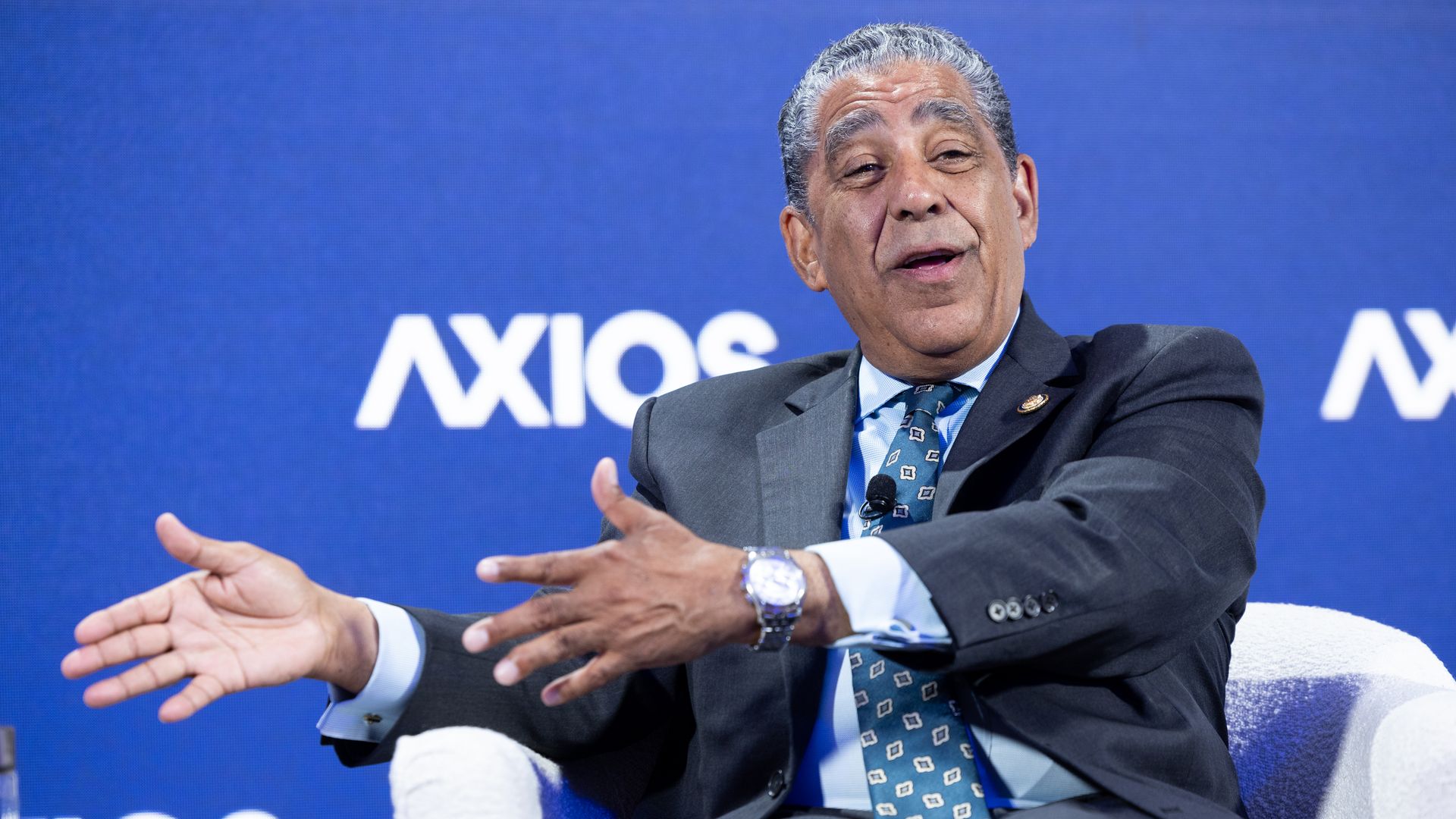
The political arm of the Congressional Hispanic Caucus is quietly putting massive sums into helping the group's chair, Rep. Adriano Espaillat (D-N.Y.), win his primary, Axios has learned.
Why it matters: The spending signals how much peril Espaillat's allies think he is facing from democratic socialist challenger Darializa Avila Chevalier.
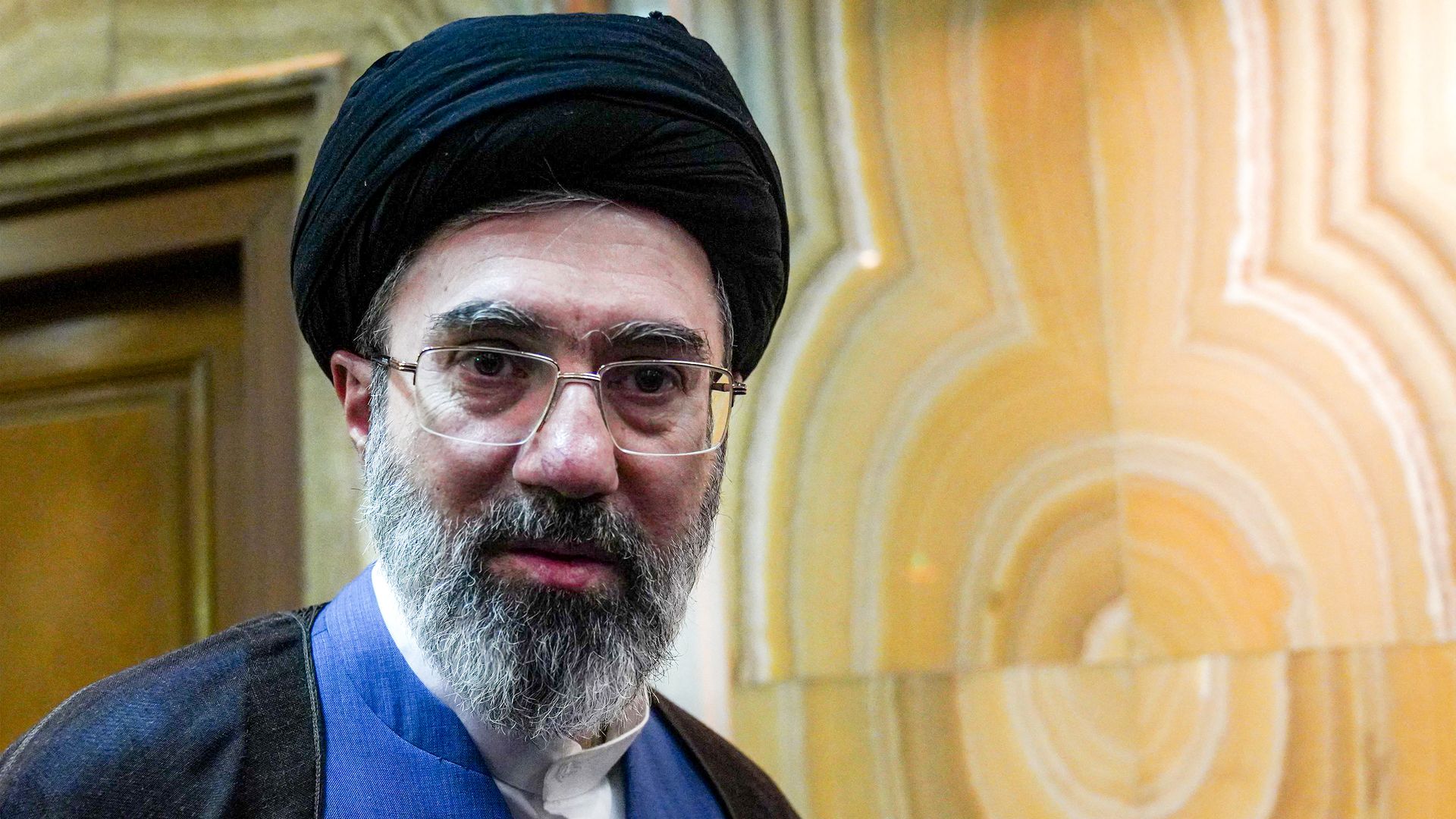
Iran's supreme leader, Mojtaba Khamenei, said Thursday he authorized direct talks with the U.S., but warned they do not signal agreement with Washington.
Why it matters: Khamenei's comments Thursday, in a written statement on his Telegram channel, were his first response to the signing of the U.S.-Iran memorandum of understanding (MOU).
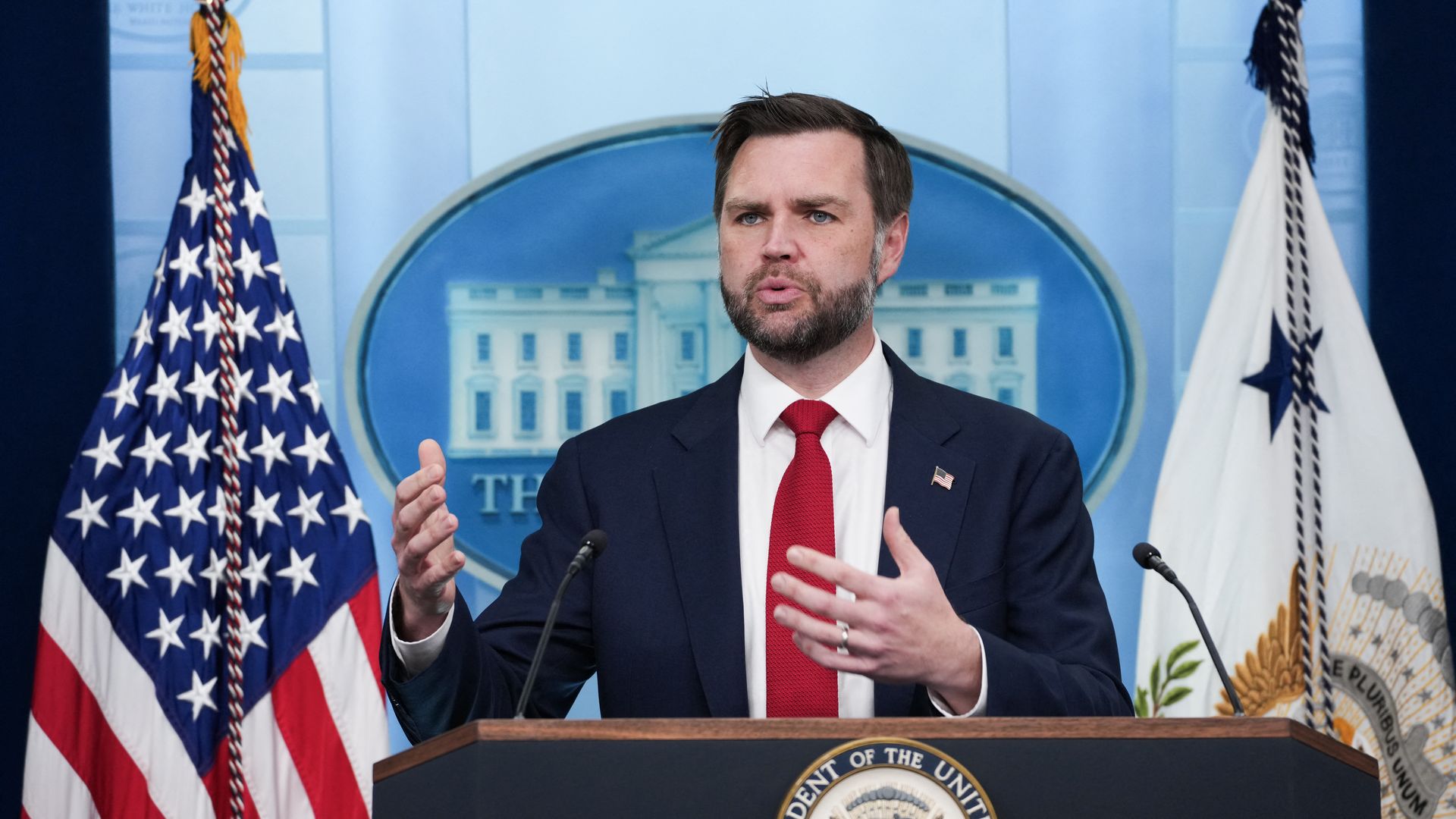
Vice President Vance on Thursday issued a blunt warning to members of the Israeli government who have been attacking the deal with Iran: President Trump is the only friend you have left, and it would be unwise to cross him.
Why it matters: Vance gave public voice to the consternation many on Trump's team have felt with Prime Minister Benjamin Netanyahu's government over the past three months. He also issued a veiled threat that if Israel undermines the deal, U.S. military support could be impacted.
The big picture: Iran's squeeze on oil traffic through the Strait of Hormuz battered the global economy. But crude prices in June fell to their lowest levels in over three months on news of an extended ceasefire agreement between the U.S. and Iran.
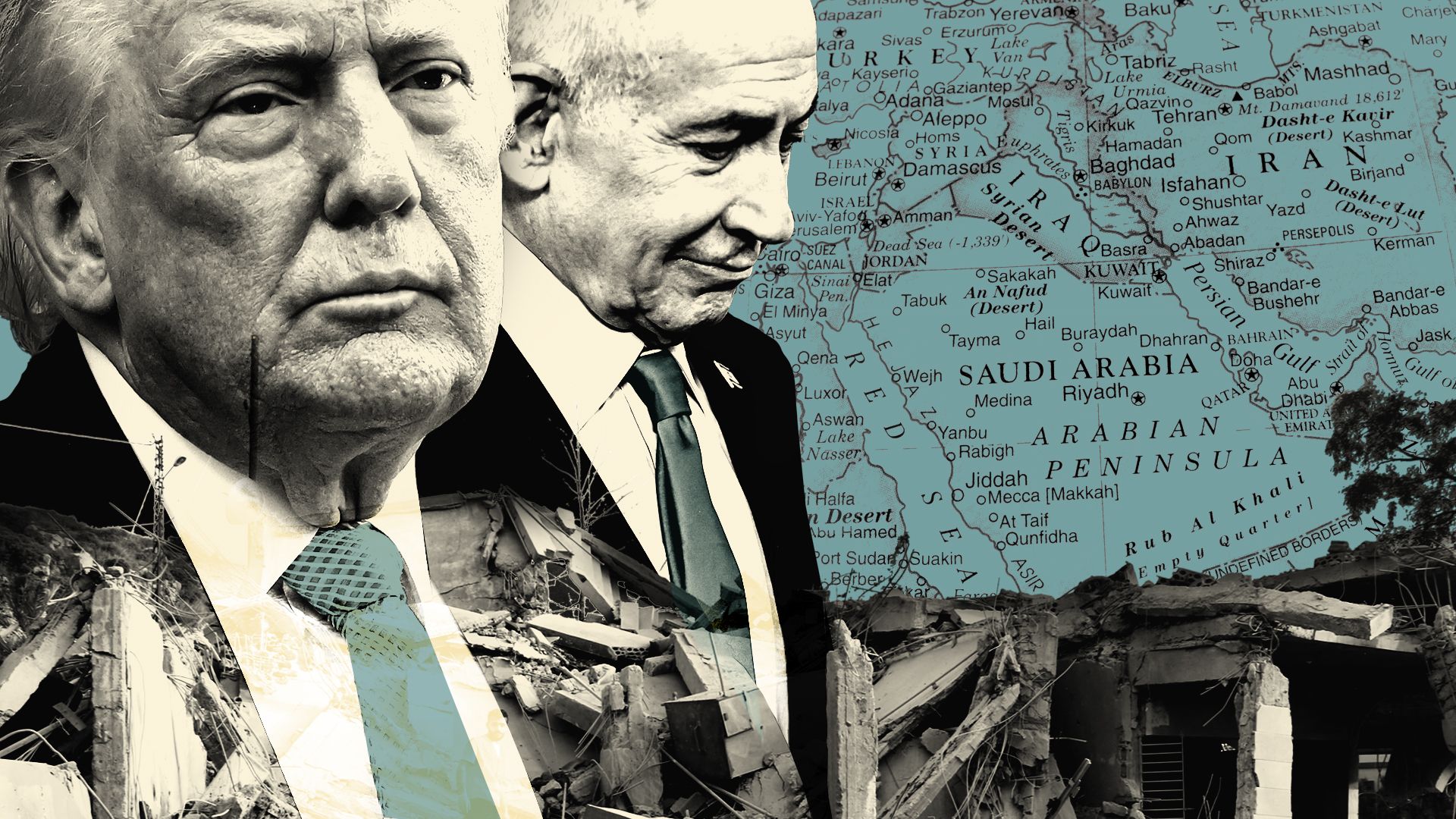
Israeli Prime Minister Benjamin Netanyahu was silent on Wednesday as President Trump released and signed a deal that Israeli officials see as a strategic and political disaster.
Why it matters: Netanyahu promised the Israeli public "total victory" in Iran. He had to settle for Trump's memorandum of understanding — and frequent criticism from the president, all four months before an election.
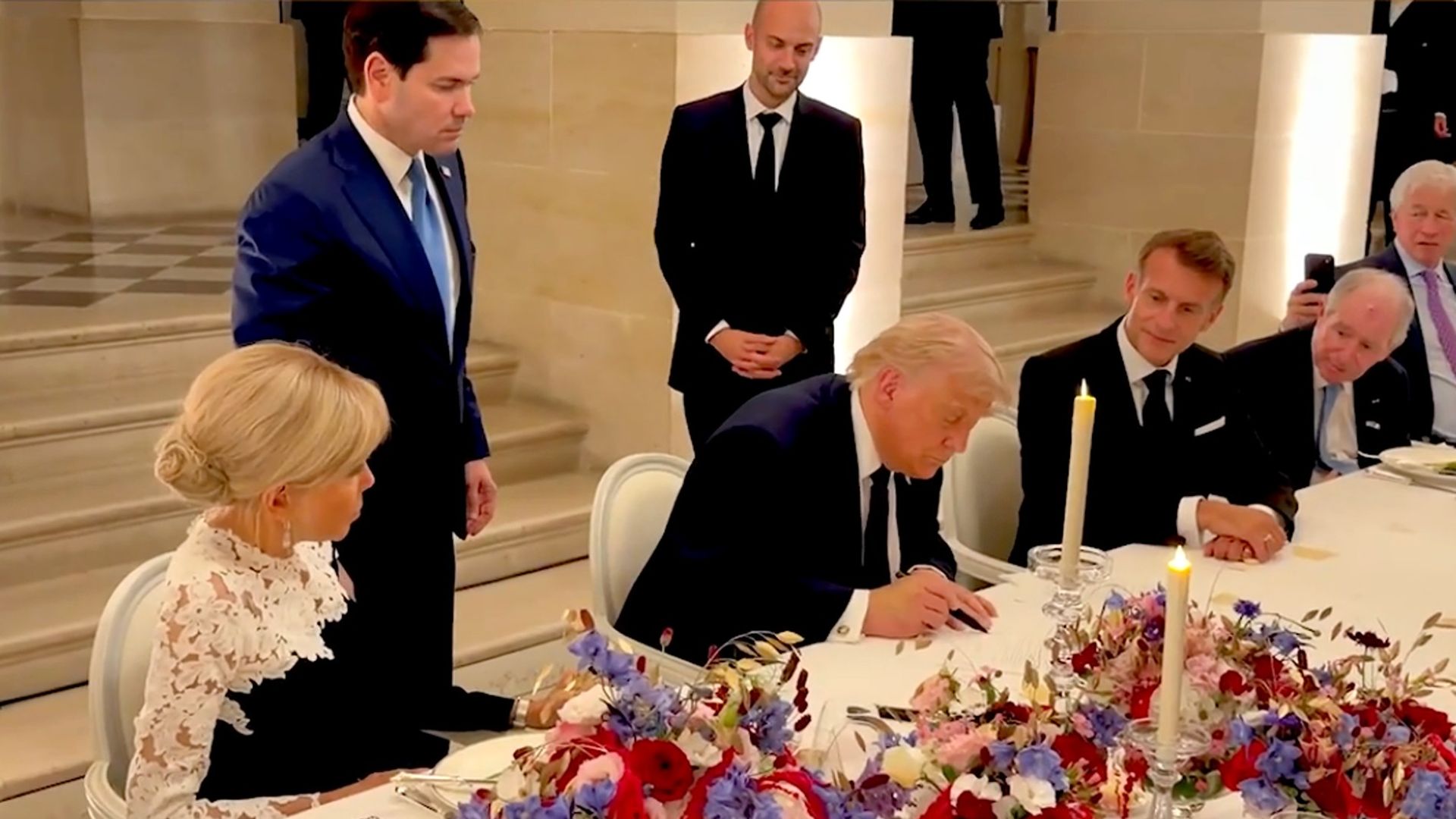
The U.S. and Iran have remotely signed their memorandum of understanding to end the war and open the Strait of Hormuz, and the agreement is now in effect, two U.S. officials told Axios.
President Trump signed the agreement, one official said, and Trump later confirmed it.
Why it matters: The signing was supposed to happen in Switzerland on Friday, but a diplomat from a mediating country and a second source familiar told Axios earlier on Wednesday that there had been discussions about signing and implementing it sooner.
President Trump made the case for his deal with Iran during an hour-long press conference Wednesday, while seeming to lower his own bar for success and warning he could bomb Iran again if nuclear talks fail.
The big picture: For two months, Trump has been seeking a deal to end the war, reopen the Strait of Hormuz, and stabilize global energy markets. This deal should achieve that. But some of Trump's critics argue that making concessions just to return to status quo ante shows the war itself was a costly mistake.
The top Democrats on congressional committees overseeing foreign, defense and intelligence policy are demanding Secretary of State Marco Rubio provide a briefing on the U.S.-Iran memorandum of understanding.
Why it matters: Unlike some of Congress' hawkish Republicans, these lawmakers aren't dismissing the deal out of hand.
President Trump on Wednesday said that he would "rather not have" the North American trade agreement that was negotiated during his first term.
Why it matters: The free trade pactthat binds North America is up for review next month. The risk of the deal collapsing now appears greater than before.
Below is the full text of the U.S.-Iran memorandum of understanding, as delivered by a senior administration official in a briefing with reporters.
The big picture: The MOU declares the war to be over, calls for Iran to open the Strait of Hormuz and the U.S. to lift its blockade, launches 60 days of nuclear negotiations, waives sanctions to let Iran sell oil during those 60 days and includes massive economic incentives should Iran sign a final nuclear deal.
The White House's move to restrict access to Anthropic's latest AI model — using what is known as export controls — could harm the long-term financial prospects of the entire U.S. AI industry.
Why it matters: Anthropic and OpenAI's valuations depend on the global adoption of their most advanced models, and government restrictions could limit that growth.
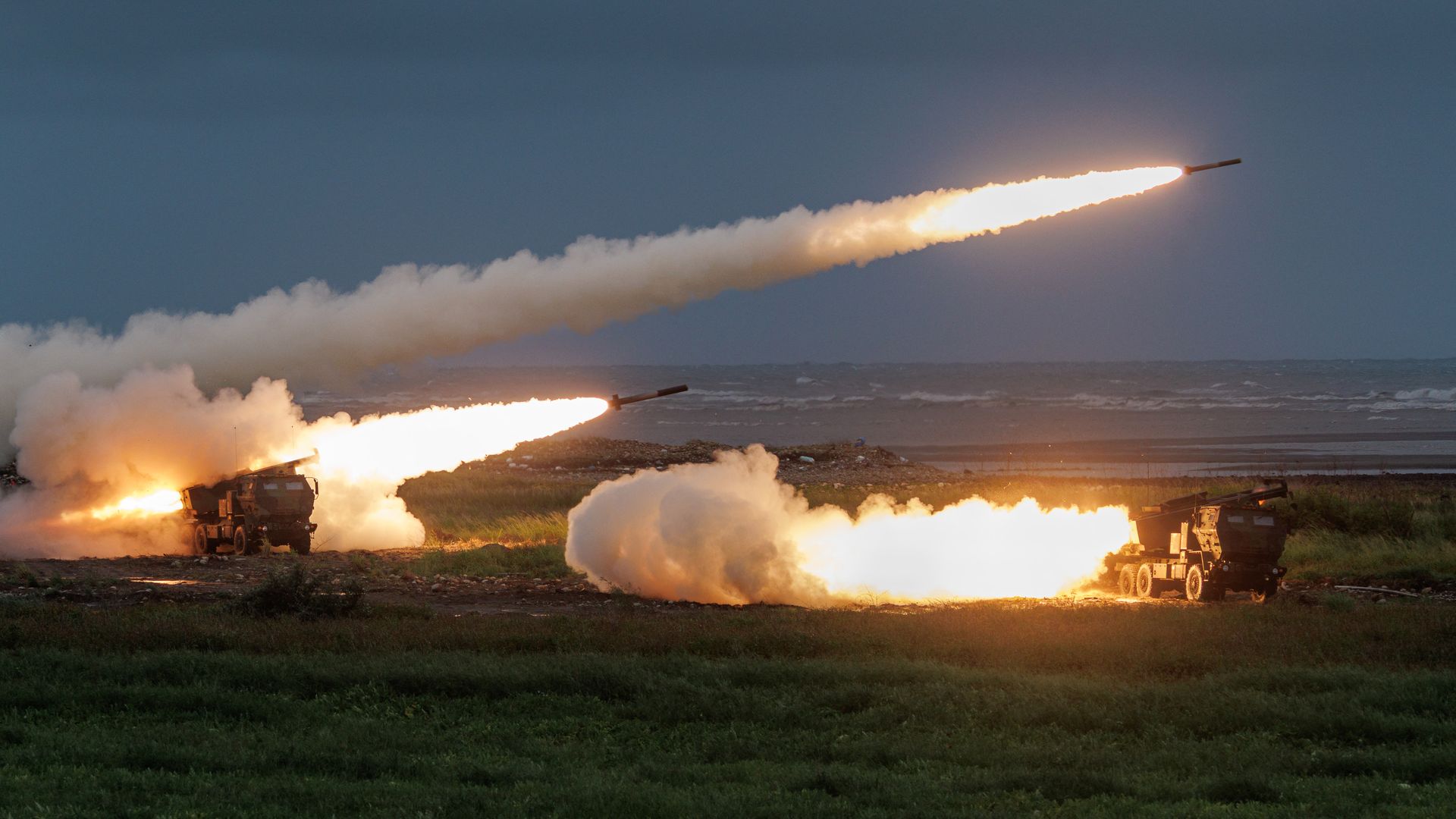
Taiwan for the first time firedU.S.-supplied High Mobility Artillery Rocket Systems off its western coast, toward the highly contested Taiwan Strait.
Why it matters: The salvos were part of a larger exercise simulating an invasion and potential countermeasures.
The direction of the practice fire "makes sense" because "that's the most logical place for a mainland Chinese invasion," Sean King, an Asia scholar and senior vice president at Park Strategies, told Axios.
A profound identity crisis has gripped America ahead of its 250th birthday: Citizens are less proud, less religiously unified and losing faith that the American Dream still works.
Why it matters: Democracies can survive policy brawls. They struggle to function when citizens lose faith in shared institutions, abandon a common civic story and use politics to replace religion and community.
President Trump's Iran deal has opened an explosive second front in MAGA's civil war, waged by hawkish allies who view U.S. concessions as an existential betrayal of Israel.
Why it matters: Across two terms and 11 years in the political spotlight, no issue has divided Trump's base more than the Iran war.