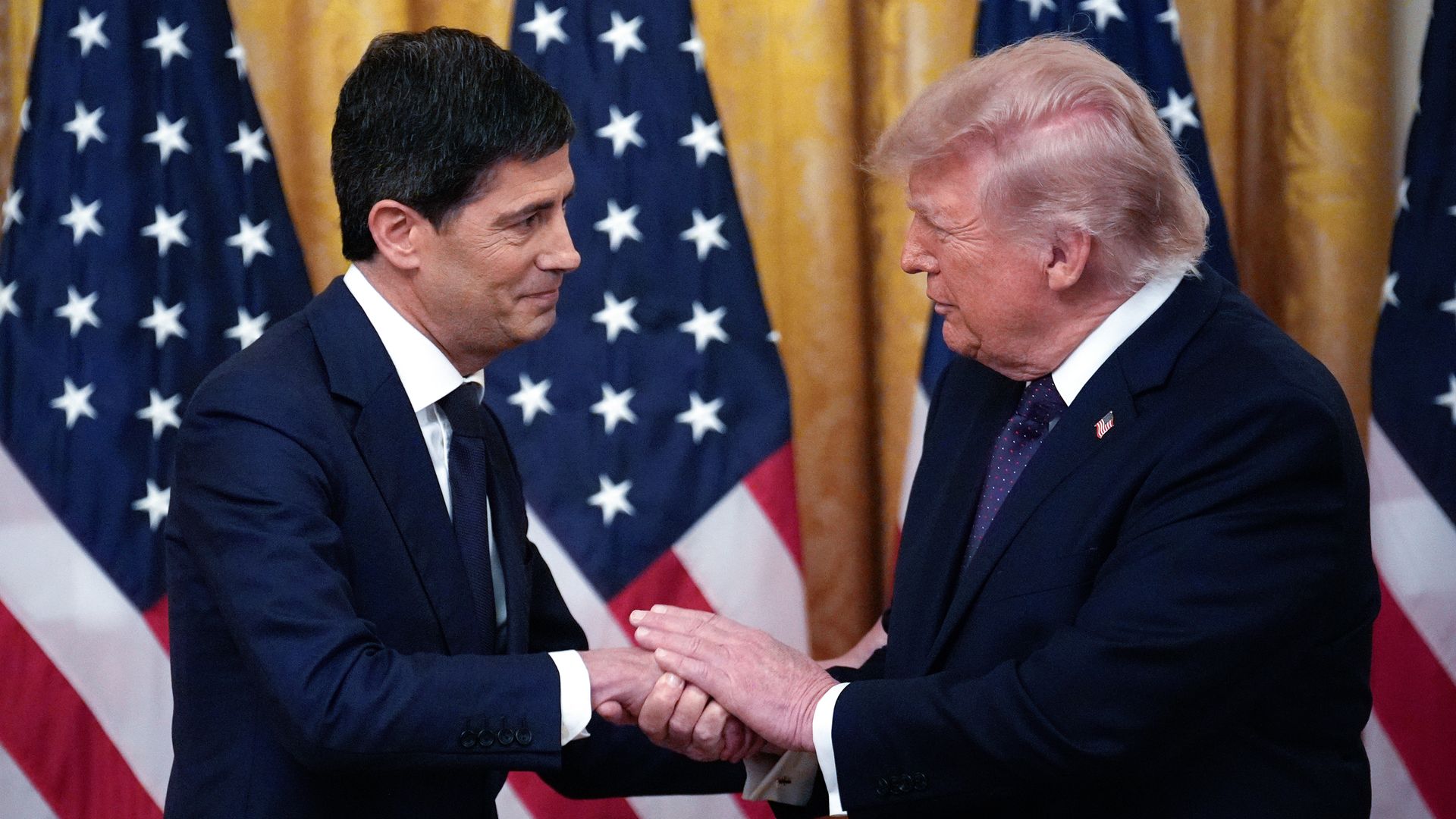
The Trump administration has made exporting American AI a key part of its plans for global AI dominance, but ad hocpolicy decisions around the most advanced AI are threatening that effort.
Why it matters: A flagship U.S. program designed to boost AI exports could be undermined by the very administration that created it.
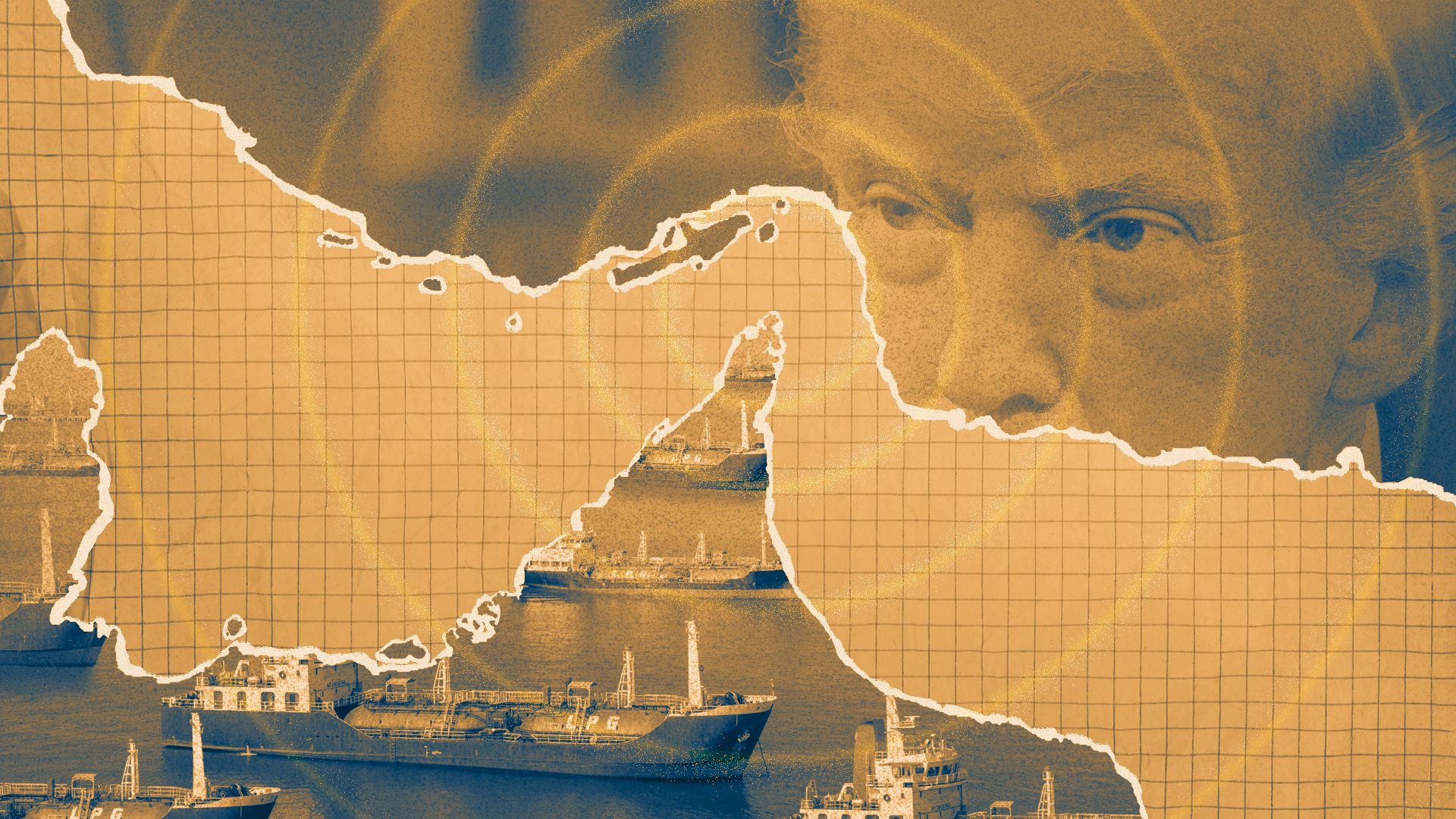
The still-secret terms of President Trump's Iran deal have triggered a furious debate over how much Tehran stands to gain financially — and how soon.
The big picture: The deal is expected to allow Iran to sell oil freely during a 60-day negotiating window, while opening the door to broader sanctions relief, access to frozen funds and a potential $300 billion rebuilding investment fund if a final nuclear agreement is reached.
Europe is bracing for another "China shock," with a flood of cheap exports threatening to hollow out the continent's most important industries.
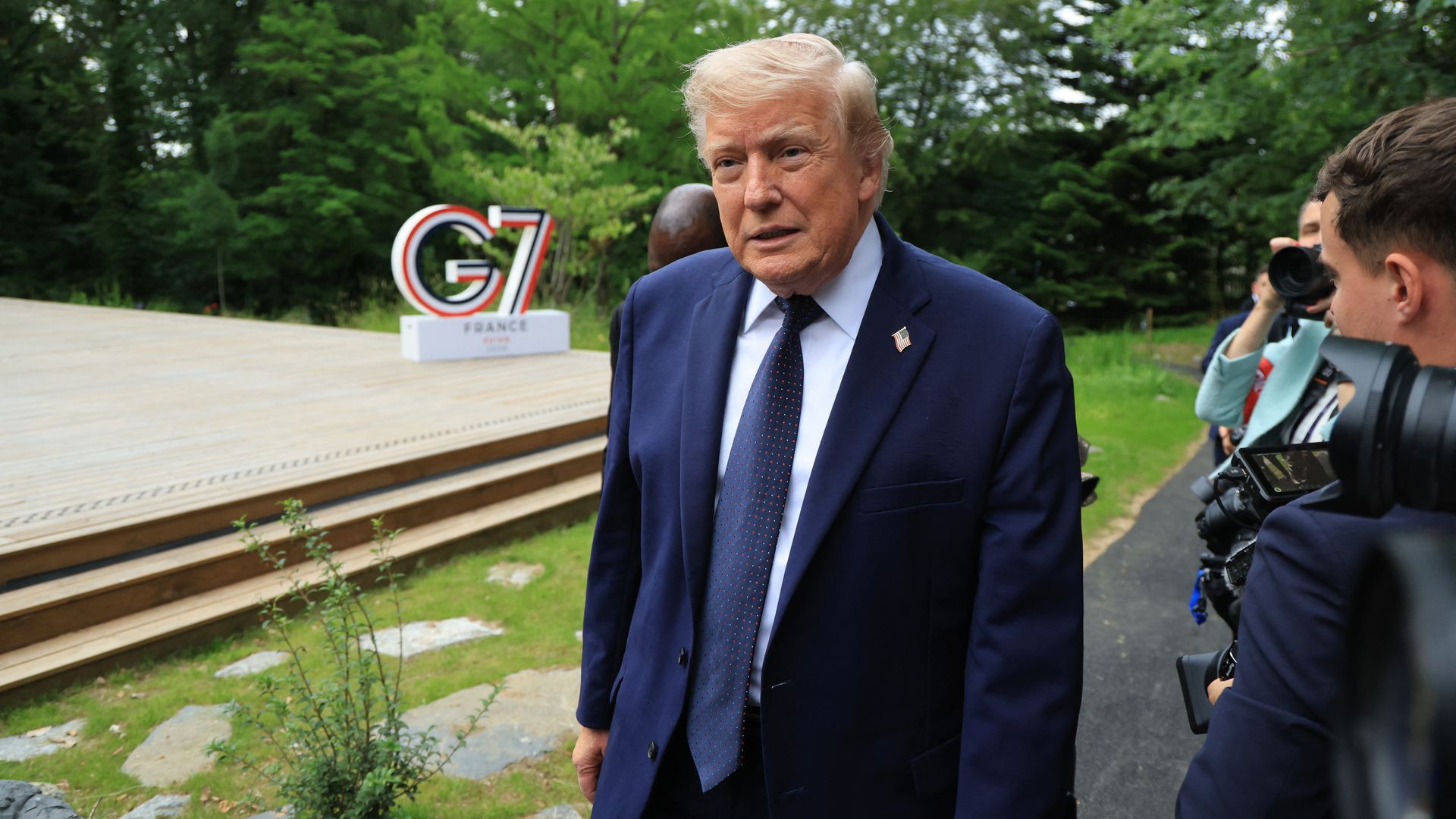
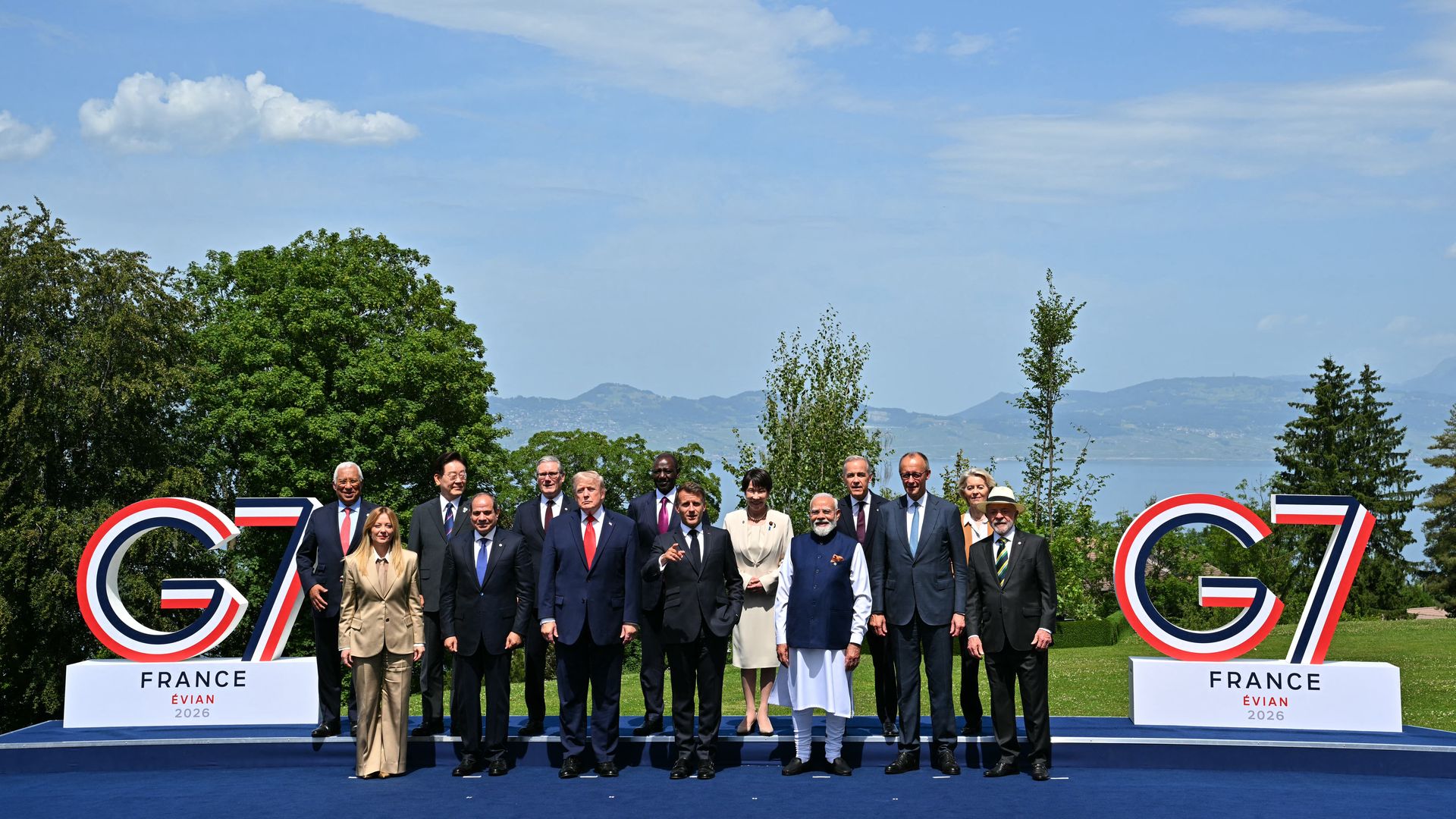
Why it matters: Global imbalances — the growing gap between countries that produce more than they consume and those that consume more than they produce — are high on the G7 agenda this week.
Paramount Skydance executives believe that antisemitism is playing a role in opposition to the company's proposed $111 billion takeover of Warner Bros. Discovery, which still faces possible challenges from state AGs and European regulators.
DOJ signed off on the deal last week, reportedly before career antitrust staffers had an opportunity to object.
The big picture: Debate over this merger has become more about personalities than policies, which is unusual.
The U.S. oil stockpile is at its lowest level since July 1983, when the country was still just building up its energy supply.
Why it matters: The stockpile, called the U.S. Strategic Petroleum Reserve, played a critical role in keeping a lid on oil and gasoline prices in the Iran war, but it's running low.
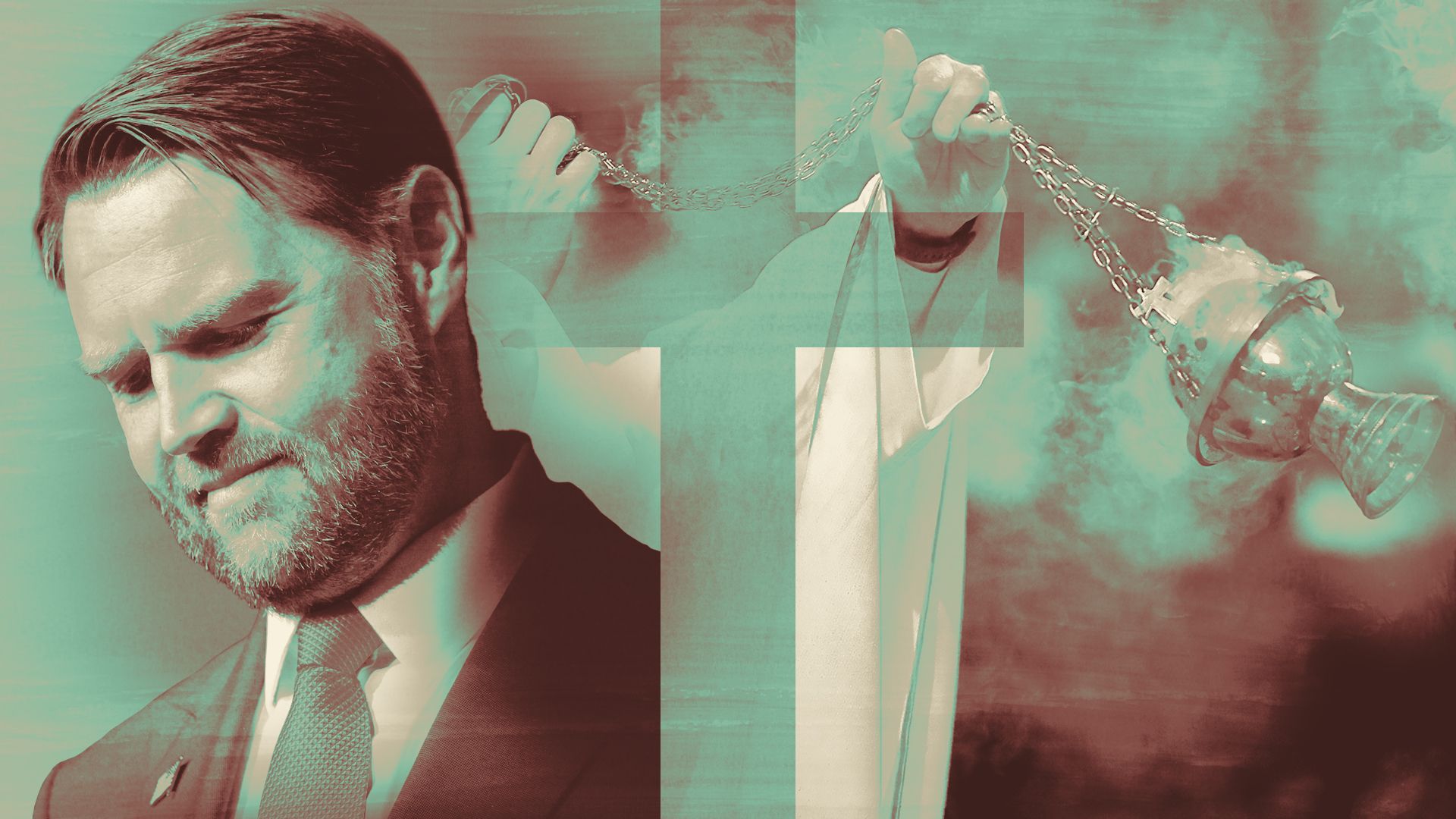
Vice President JD Vance's memoir about his conversion to Catholicism, out Tuesday, puts a high-profile face on a small but distinctive slice of the U.S. Church.
Why it matters: Parish reports have fueled talk of a Catholic revival. But a new Pew Research Center analysis found the Church loses eight former Catholics for every adult it gains through conversion.
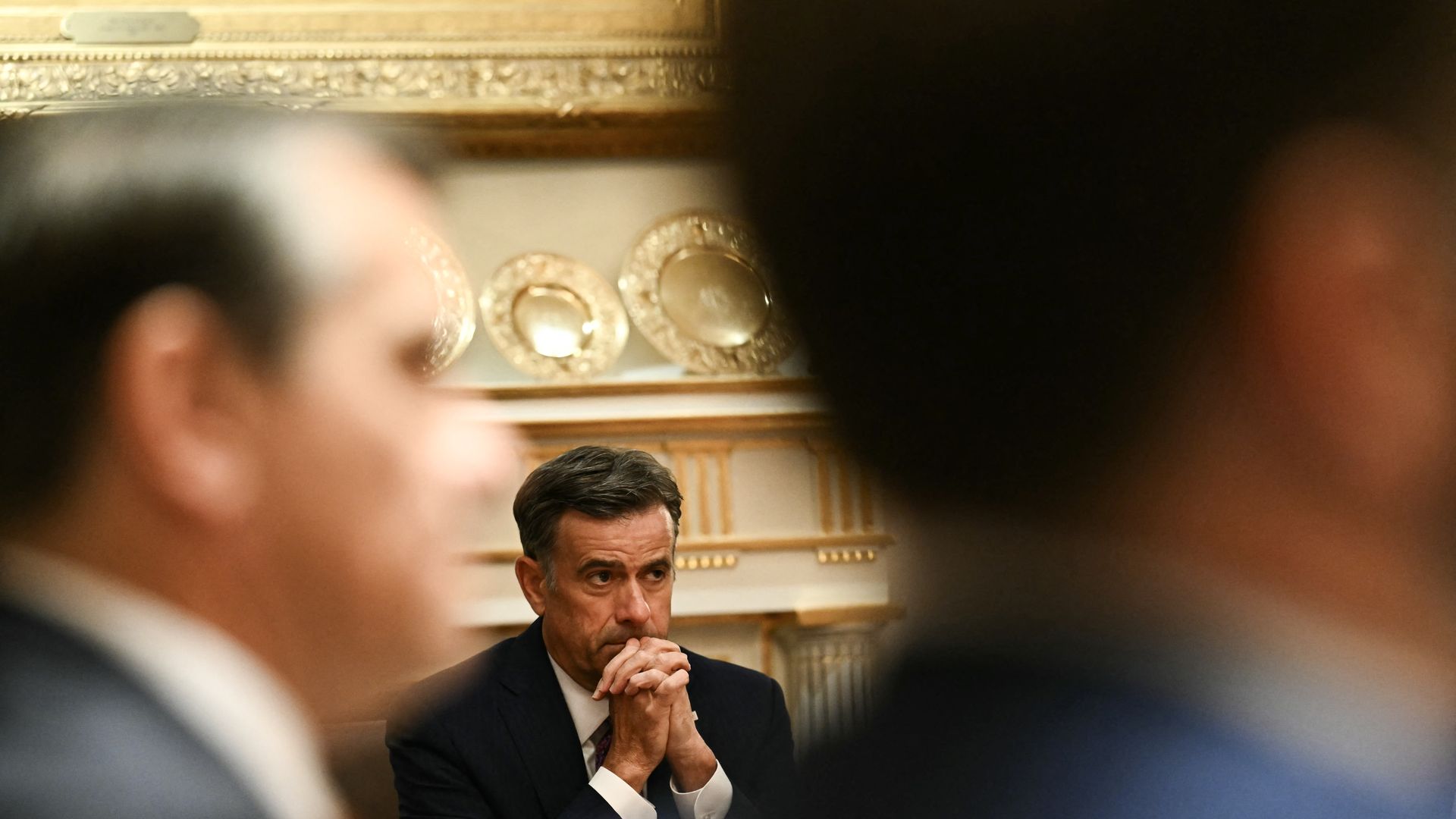
CIA Director John Ratcliffe told President Trump and other senior officials that evidence gathered by U.S. intelligence agencies raises serious doubts about Iran's willingness to make the nuclear concessions the U.S. is seeking in any final deal, according to three sources familiar with those discussions.
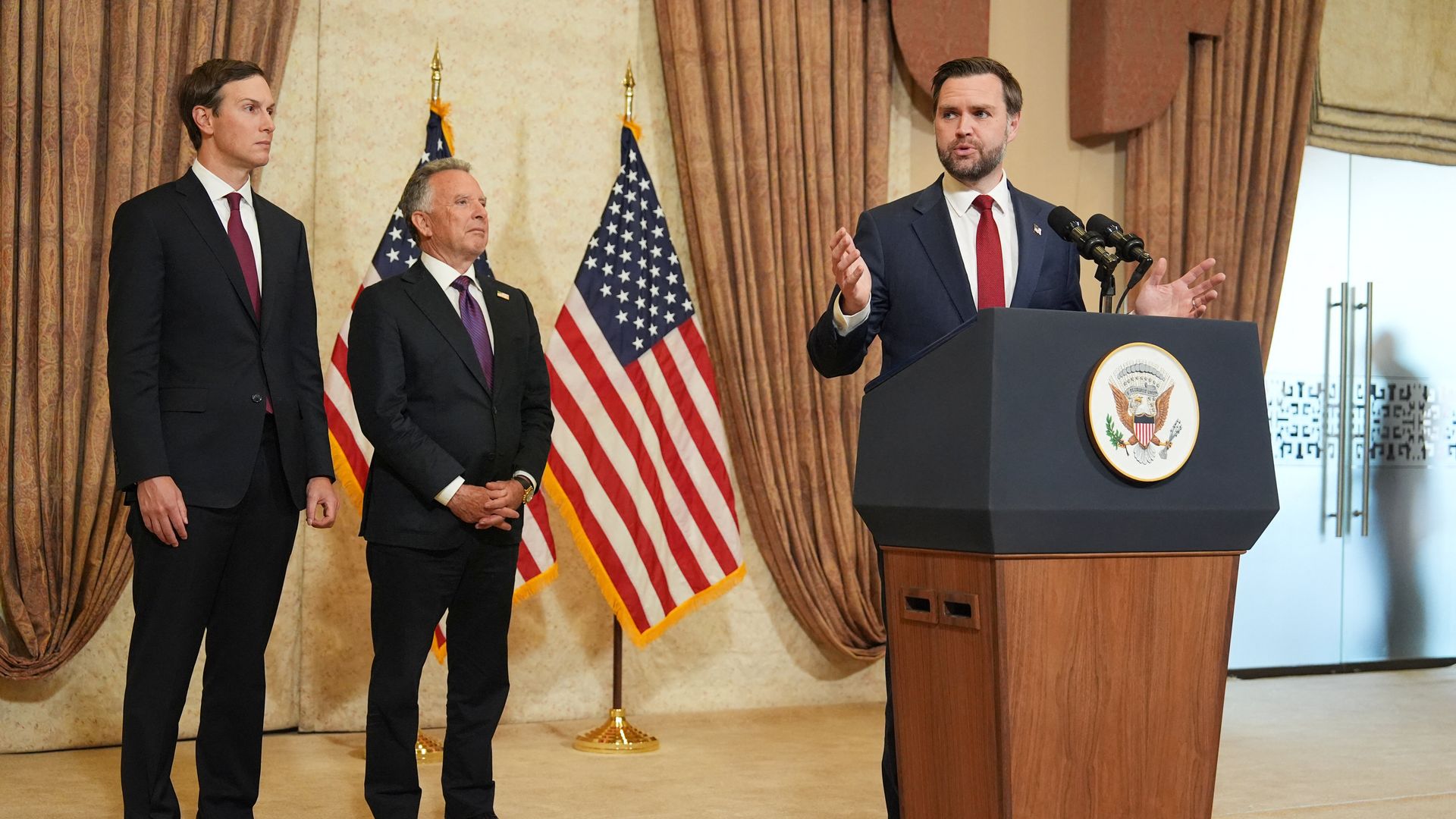
Friction point: Ratcliffe isn't the only skeptic in Trump's top team. In internal discussions, Secretary of State Marco Rubio and Secretary of Defense Pete Hegseth both expressed concerns and raised questions about the memorandum of understanding (MOU) announced Sunday, while Vice President Vance and U.S. envoys Steve Witkoff and Jared Kushner advocated for it, according to two of the sources.
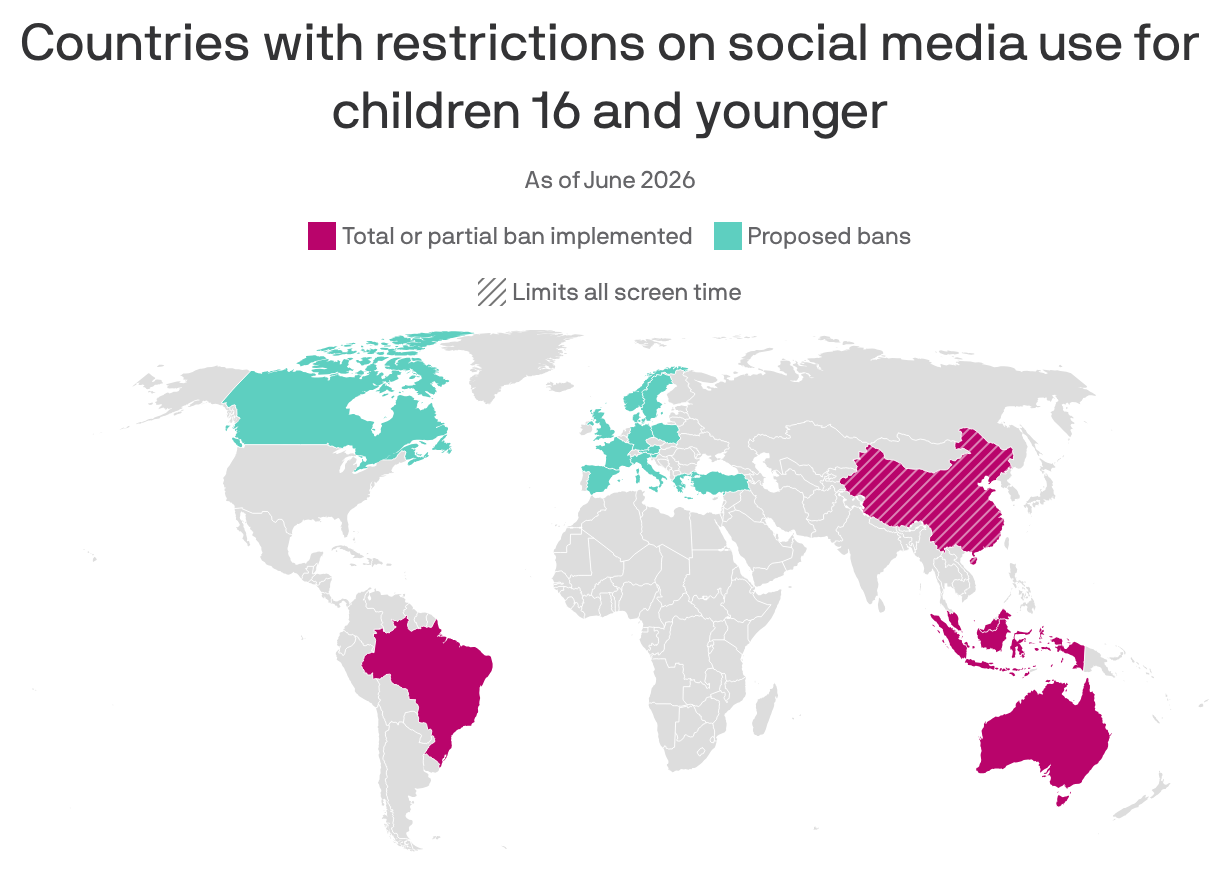
The U.K. plans to ban children under 16 from major social media platforms starting in 2027, joining a growing international effort to restrict minors' access.
Why it matters: Governments worldwide are increasingly pursuing social media restrictions for minors amid concerns about young people's health, wellbeing and online safety.
The U.S.-Iran deal was signed electronically on Sunday by President Trump, Vice President JD Vance and Iranian parliamentary speaker Mohammad Bagher Ghalibaf, senior administration officials told reporters on Monday.
Why it matters: The deal is already testing whether Washington and Tehran can turn a battlefield pause into a broader settlement — starting with the Strait of Hormuz and then moving to the far thornier question of Iran's nuclear program.
The prospectof a reopened Strait of Hormuz and a pending U.S.-Iran peace deal could help ease the big inflation risk hanging over Kevin Warsh's first Federal Reserve meeting as chairman.
"Ships are starting to move, many loaded up with Oil, out of the Strait of Hormuz," President Trump said Monday morning in a post on Truth Social.
Friction point: Lingering disruptions to shipments of oil, fertilizer and other industrial inputs could keep inflation concerns alive at the Fed.
As Kevin Warsh leads his first policy meeting as Federal Reserve chairman this week, he is not getting the luxury of starting the job in "easy" mode.
The big picture: He faces a renewed surge of inflation, a restive wing of monetary hawks on the policy committee and big questions around how he will operationalize the major changes he advocates in how the Fed works.
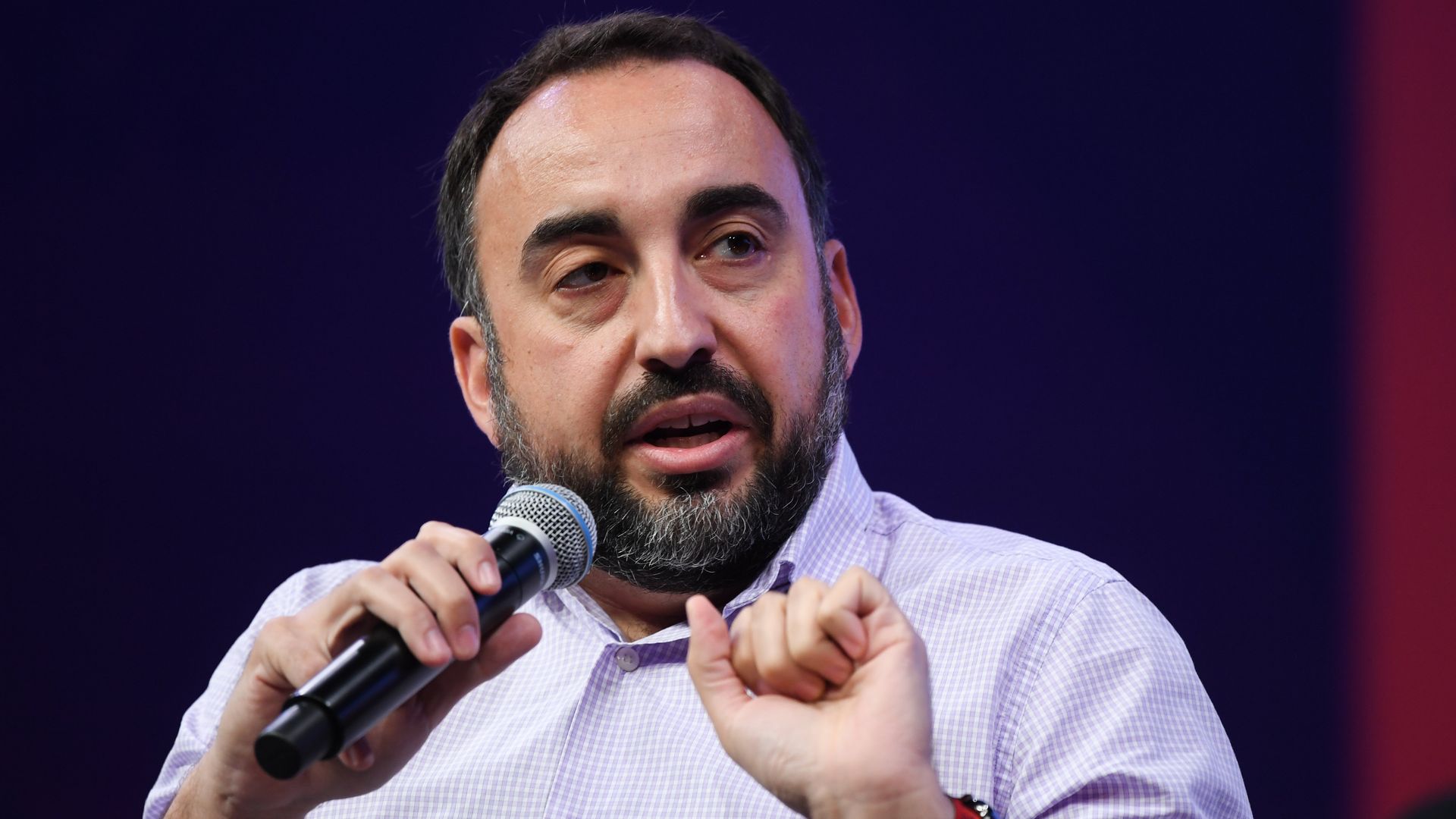
Prominent cybersecurity leaders — including chief information security officers, security researchers and executives at Adobe, Zoom and Sophos — are urging the Trump administration to reverse restrictions on Anthropic's most advanced AI models, arguing the move hurts cyber defenders more than attackers.
Why it matters: Pulling back access to Anthropic's first publicly available Mythos-class model could kneecap cyber defenders just as they're bracing for a wave of AI-powered hacking threats, the leaders argue.