Cyber leaders defend Anthropic's banned model

Add Axios as your preferred source to
see more of our stories on Google.
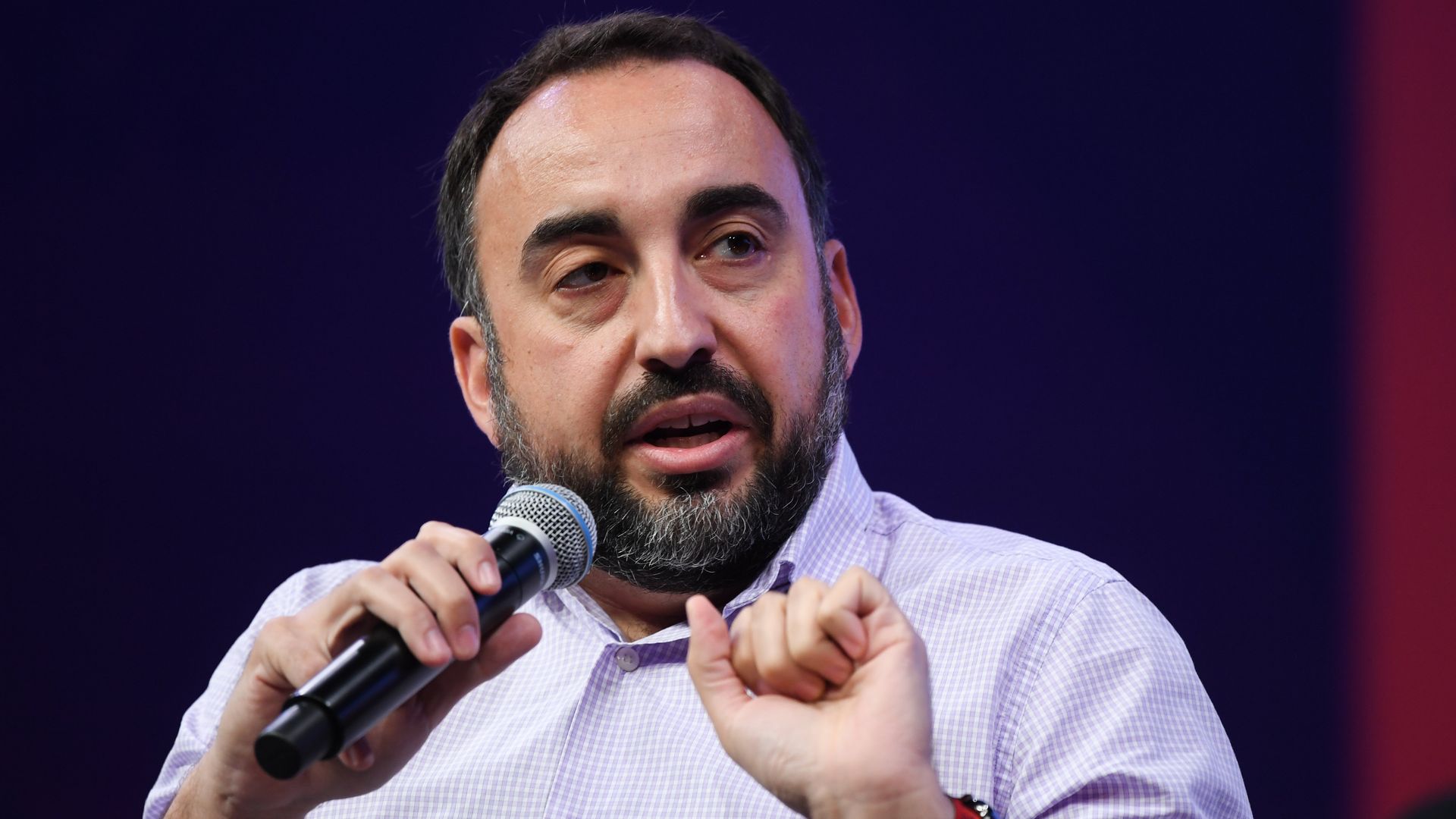
Alex Stamos during the 2019 Collision conference. Photo: Stephen McCarthy/Sportsfile via Getty Images
Prominent cybersecurity leaders — including chief information security officers, security researchers and executives at Adobe, Zoom and Sophos — are urging the Trump administration to reverse restrictions on Anthropic's most advanced AI models, arguing the move hurts cyber defenders more than attackers.
Why it matters: Pulling back access to Anthropic's first publicly available Mythos-class model could kneecap cyber defenders just as they're bracing for a wave of AI-powered hacking threats, the leaders argue.
Driving the news: The loosely organized group of experts, led by former Facebook chief security officer Alex Stamos, argue in the letter that the issue Amazon researchers flagged exists across other leading AI models, too.
- As of Sunday evening, the letter had over 40 signatories. Luta Security CEO Katie Moussouris, SocialProof Security CEO Rachel Tobac, Veracode co-founder Chris Wysopal, prominent computer scientist Paul Vixie, Sophos CEO Joe Levy and Nvidia security researcher Aaron Grattafiori are among those who signed the letter.
- "This action has taken the best models away from defenders, created market uncertainty, and risked America's AI leadership without any real risk to justify it," the letter says.
- When asked for a statement, Anthropic pointed Axios to its Friday statement on the U.S. government's directive.
- Amazon did not immediately respond to a request for comment, but a company spokesperson told Axios Friday that it does not share details about cybersecurity security discussions it has with governments.
Zoom in: Stamos, now the chief product officer at Corridor, told Axios that the Fable 5 security capability that appeared to alarm the White House was the model's ability to create a "proof of concept" for vulnerabilities.
- Those "proofs of concept" can create a blueprint for code that lets adversarial hackers into a system — but they also help security teams understand how to protect their systems, he added.
- Only Mythos 5 and Mythos Preview — which had been available only to vetted members of Anthropic's Project Glasswing initiative before Friday — could turn those proofs of concept into fully autonomous attack chains, Stamos said.
- "You cannot give Fable the entire Linux kernel and say 'Find all the security bugs,'" Stamos told Axios. Amazon is not claiming that they're able to do this, he added.
Flashback: When Anthropic rolled out Fable 5 last week, its strict guardrails quickly became a "source of humor in the cyber community on launch day," the letter says.
Yes, but: That capability can also be replicated using OpenAI's GPT-5.5, Anthropic's Opus and Sonnet models and Chinese models like Kimi 2.7, according to the letter.
Between the lines: Stamos argued that open-source Chinese models aren't far behind Fable 5's ability to analyze security flaws.
- "For us to shut down our best capabilities at the moment we know the Chinese are using and stockpiling these vulnerabilities is dangerous — absolutely foolish," Stamos said. "We are in a race right now to fix these bugs as fast as possible."
What to watch: Stamos told Axios the letter is still open to new signatures from security leaders.
Go deeper: How Amazon and the White House ended Anthropic's Fable
