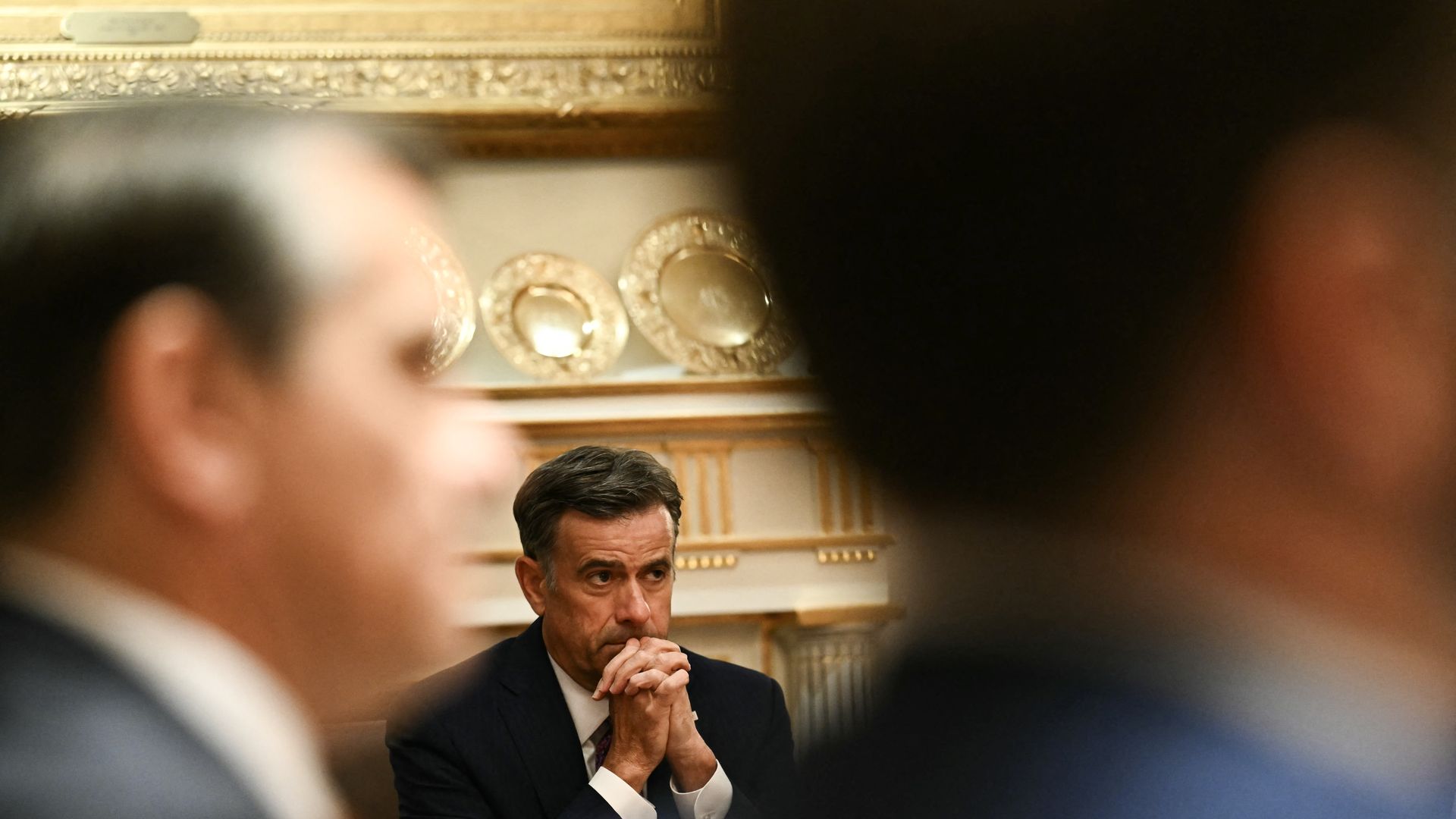
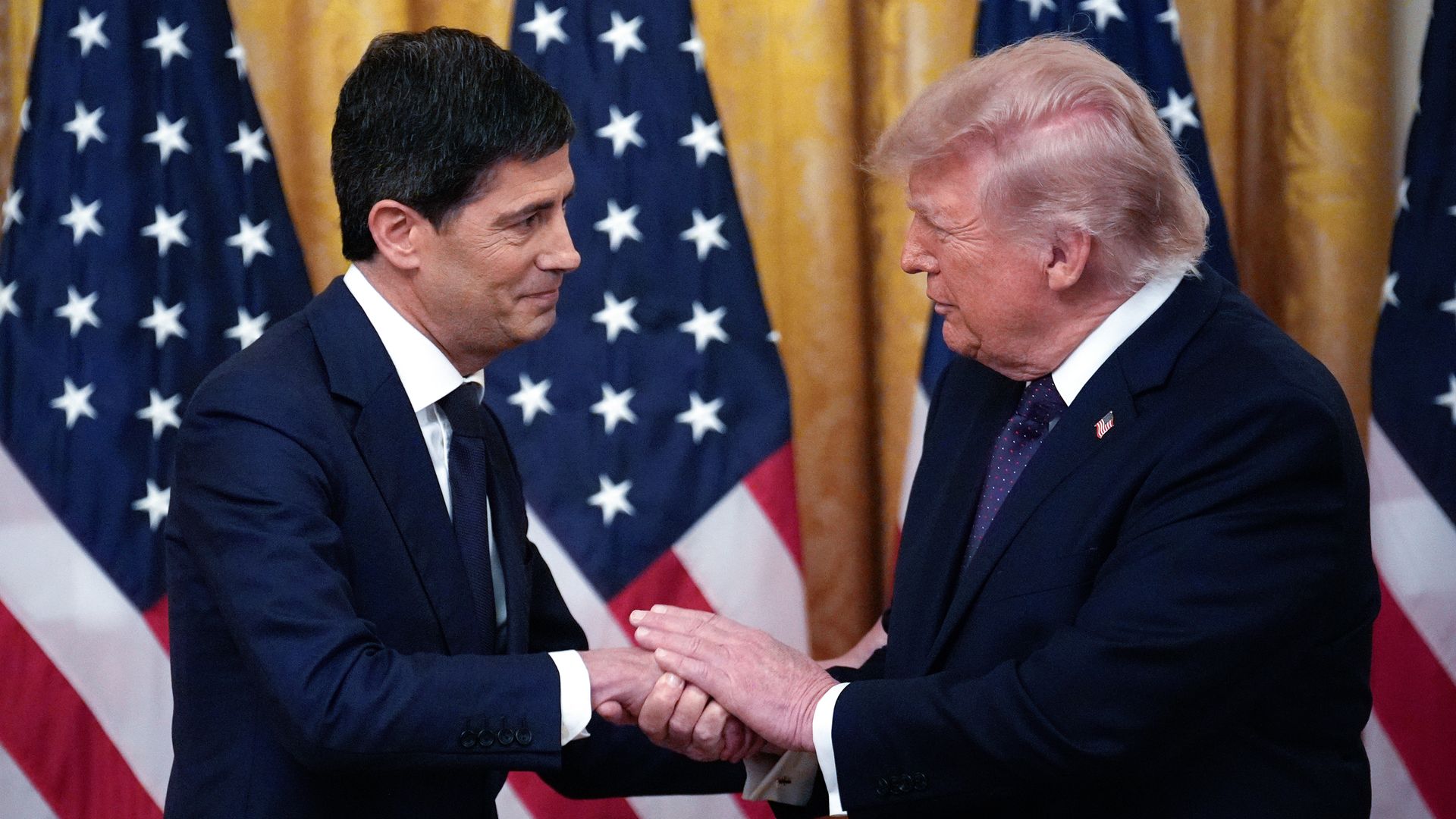
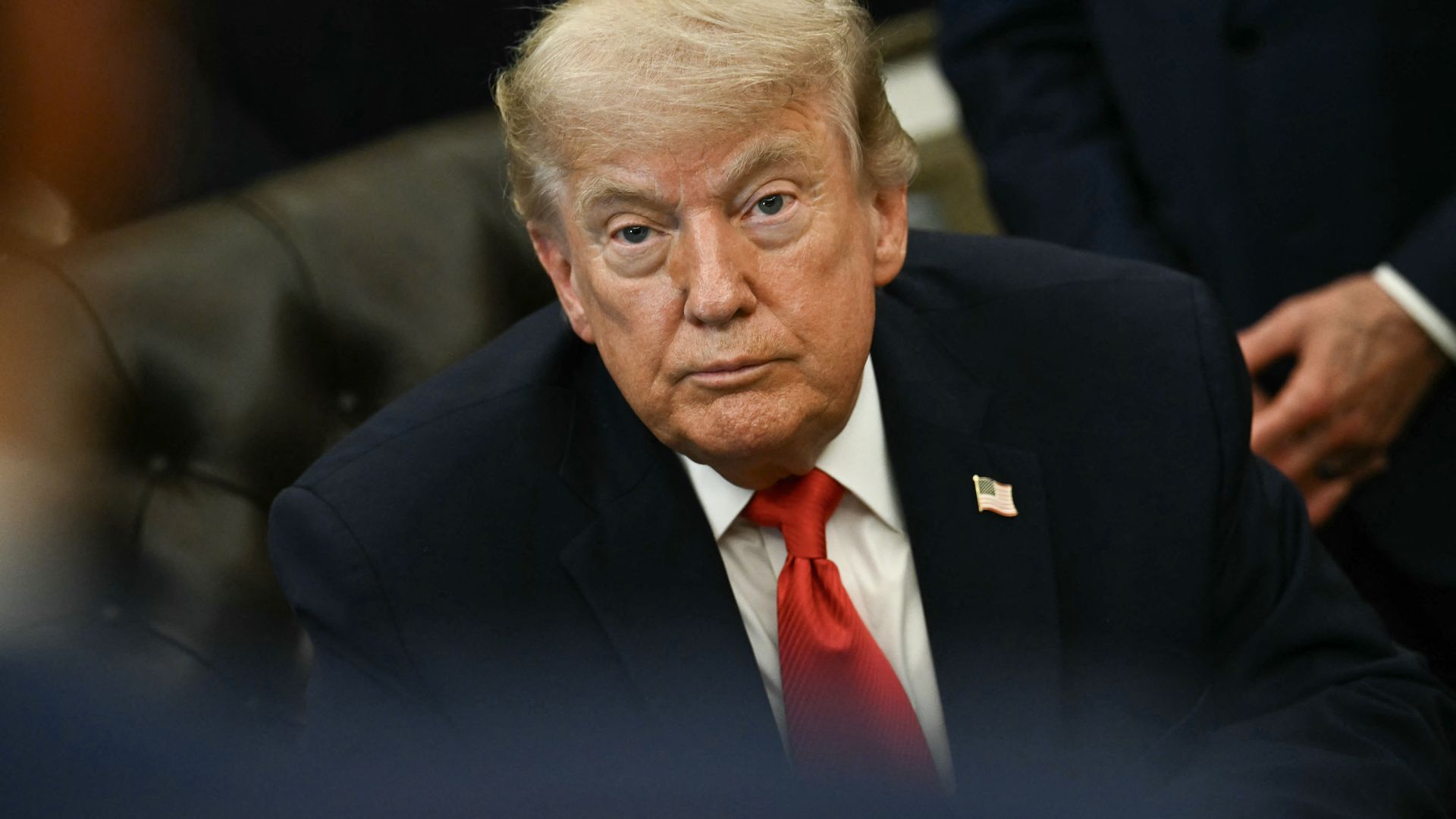
CIA Director John Ratcliffe told President Trump and other senior officials that evidence gathered by U.S. intelligence agencies raises serious doubts about Iran's willingness to make the nuclear concessions the U.S. is seeking in any final deal, according to three sources familiar with those discussions.
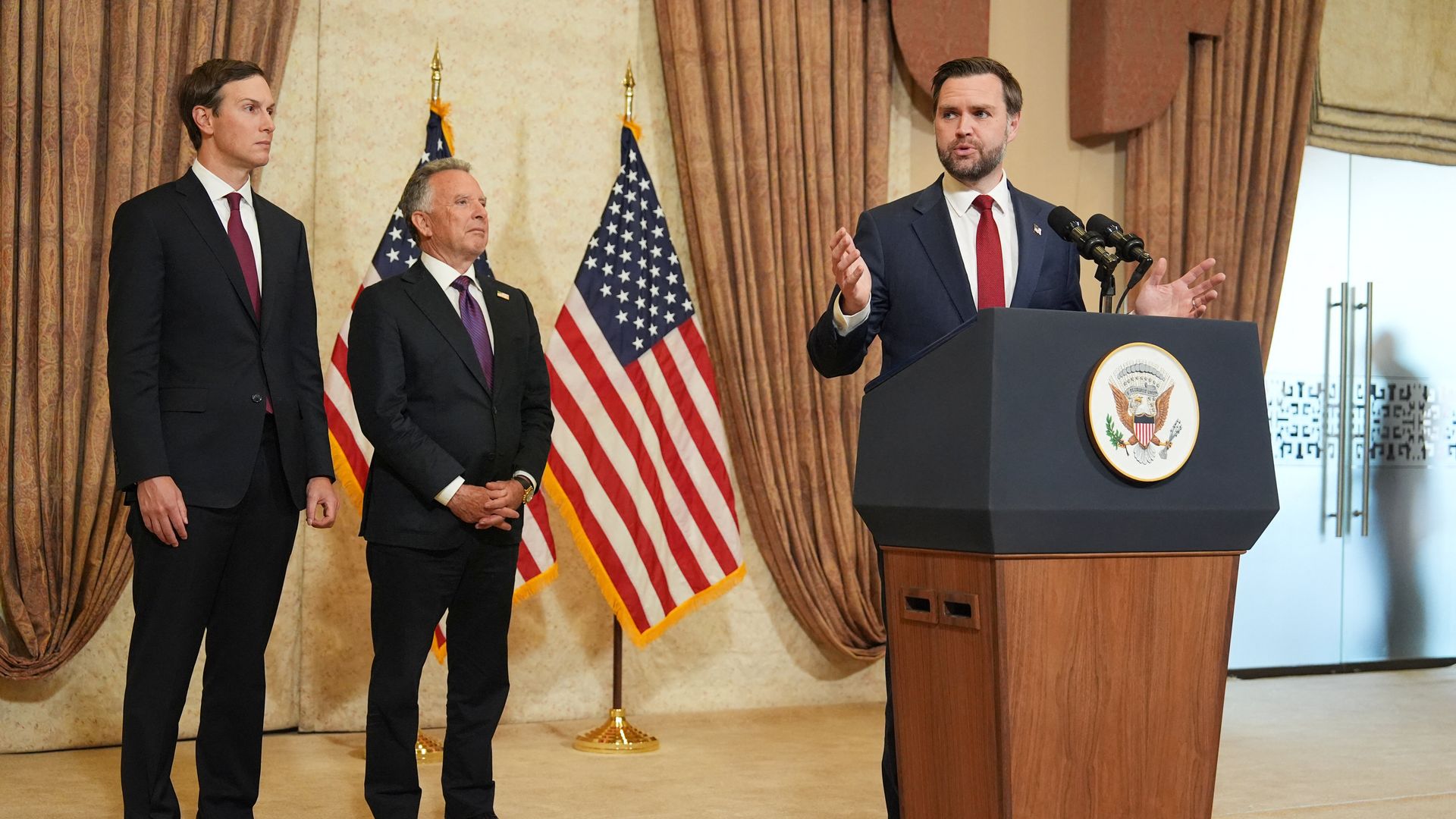
Friction point: Ratcliffe isn't the only skeptic in Trump's top team. In internal discussions, Secretary of State Marco Rubio and Secretary of Defense Pete Hegseth both expressed concerns and raised questions about the memorandum of understanding (MOU) announced Sunday, while Vice President Vance and U.S. envoys Steve Witkoff and Jared Kushner advocated for it, according to two of the sources.
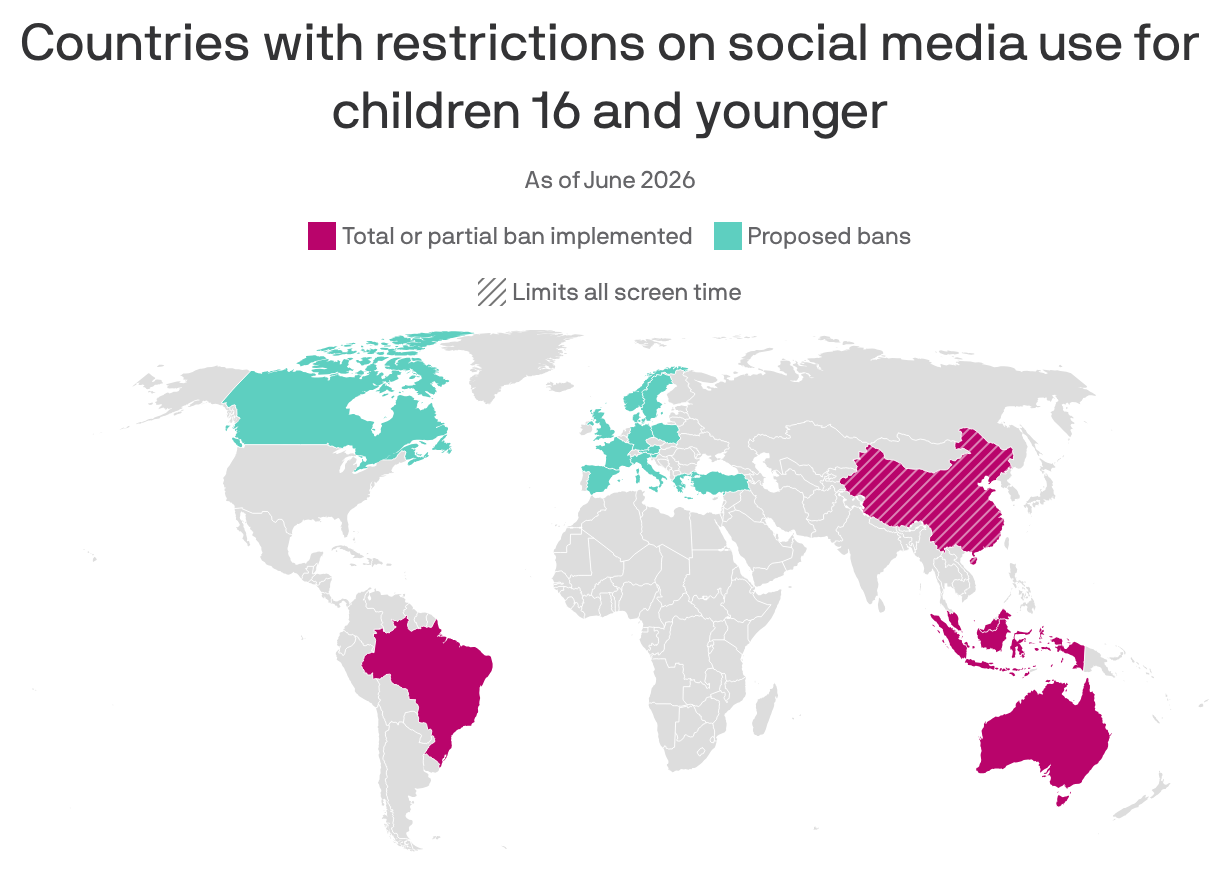
The U.K. plans to ban children under 16 from major social media platforms starting in 2027, joining a growing international effort to restrict minors' access.
Why it matters: Governments worldwide are increasingly pursuing social media restrictions for minors amid concerns about young people's health, wellbeing and online safety.
The U.S.-Iran deal was signed electronically on Sunday by President Trump, Vice President JD Vance and Iranian parliamentary speaker Mohammad Bagher Ghalibaf, senior administration officials told reporters on Monday.
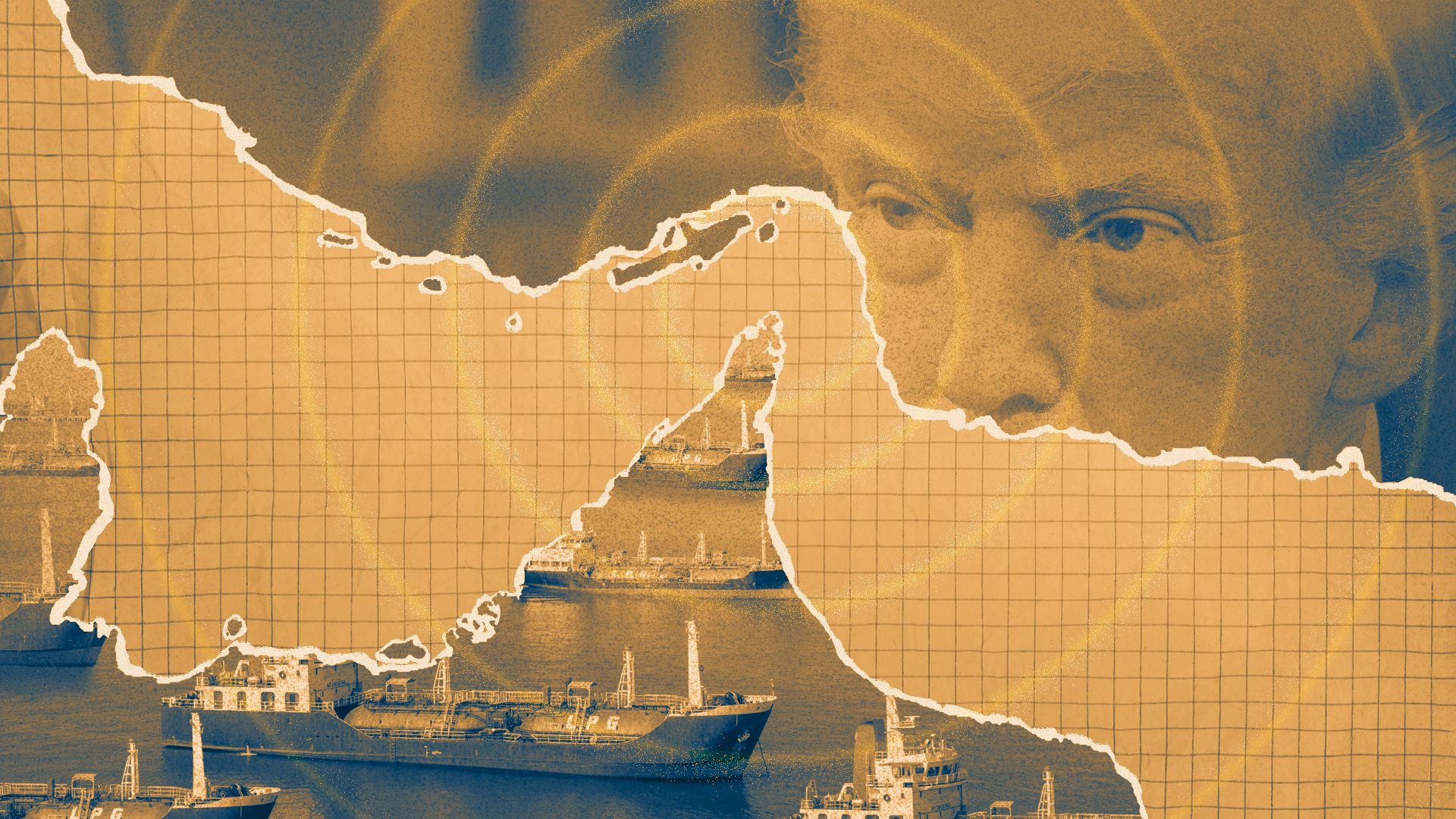
Why it matters: The deal is already testing whether Washington and Tehran can turn a battlefield pause into a broader settlement — starting with the Strait of Hormuz and then moving to the far thornier question of Iran's nuclear program.
The prospectof a reopened Strait of Hormuz and a pending U.S.-Iran peace deal could help ease the big inflation risk hanging over Kevin Warsh's first Federal Reserve meeting as chairman.
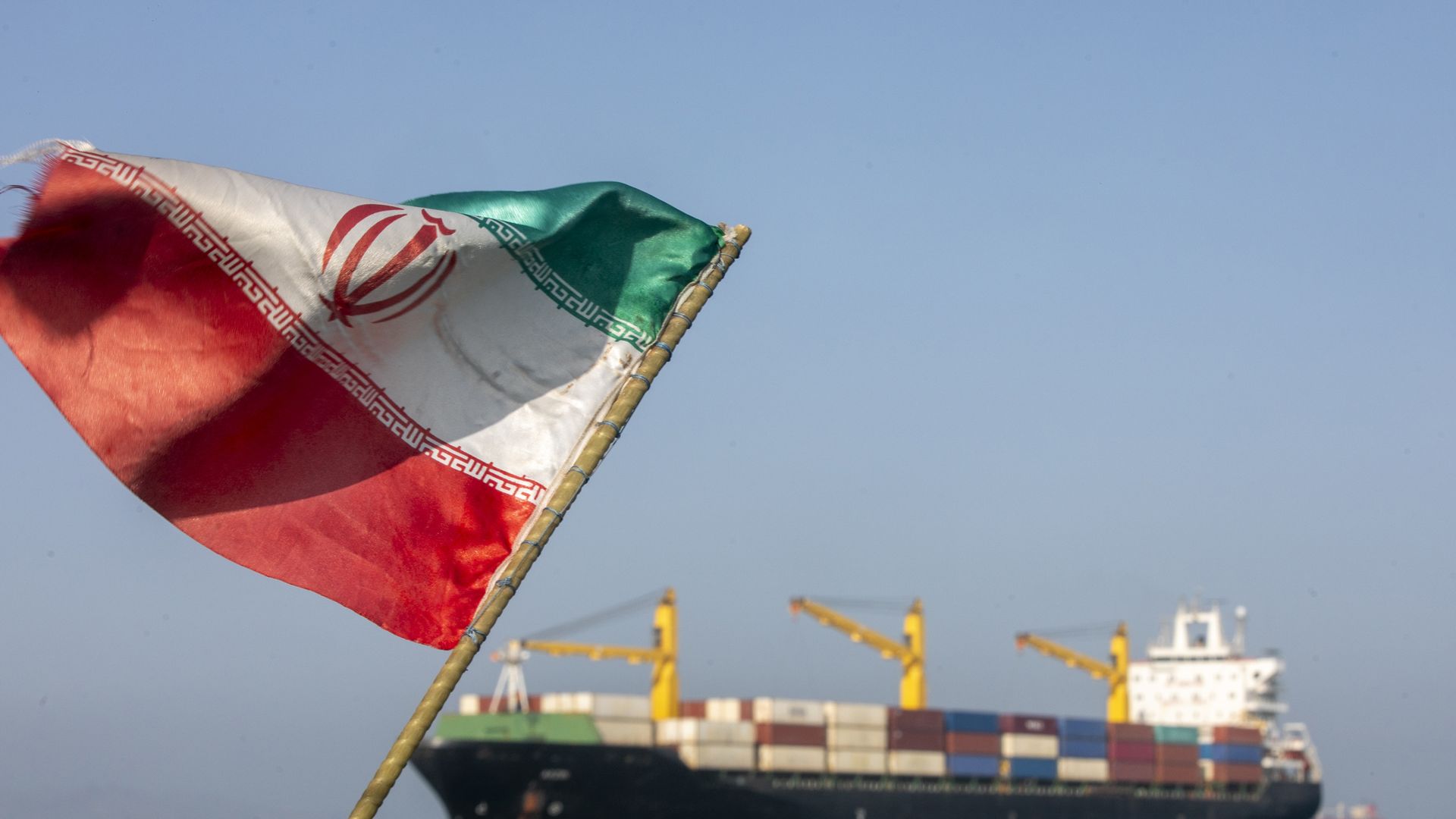
"Ships are starting to move, many loaded up with Oil, out of the Strait of Hormuz," President Trump said Monday morning in a post on Truth Social.
Friction point: Lingering disruptions to shipments of oil, fertilizer and other industrial inputs could keep inflation concerns alive at the Fed.
As Kevin Warsh leads his first policy meeting as Federal Reserve chairman this week, he is not getting the luxury of starting the job in "easy" mode.
The big picture: He faces a renewed surge of inflation, a restive wing of monetary hawks on the policy committee and big questions around how he will operationalize the major changes he advocates in how the Fed works.
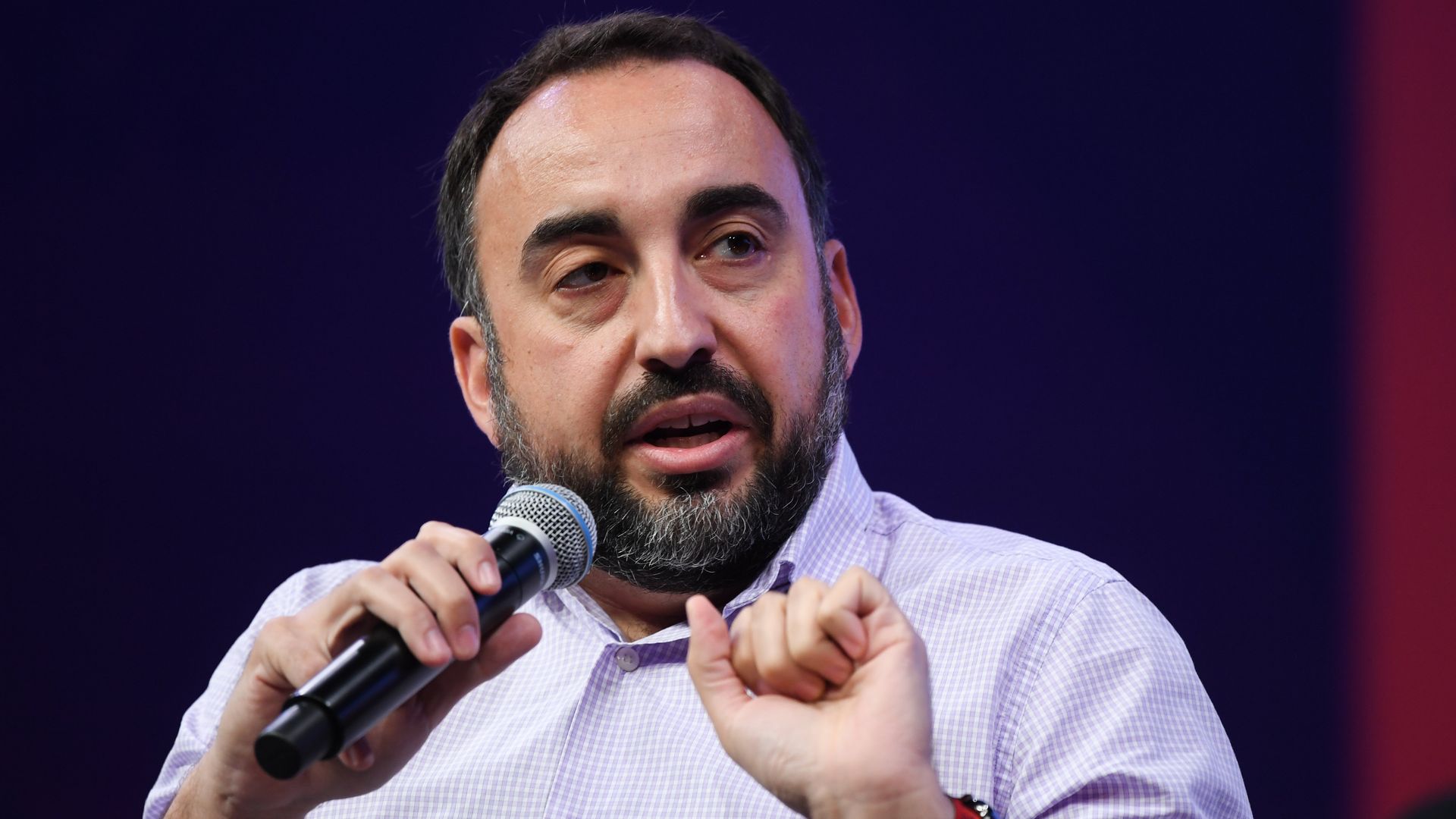
Prominent cybersecurity leaders — including chief information security officers, security researchers and executives at Adobe, Zoom and Sophos — are urging the Trump administration to reverse restrictions on Anthropic's most advanced AI models, arguing the move hurts cyber defenders more than attackers.
Why it matters: Pulling back access to Anthropic's first publicly available Mythos-class model could kneecap cyber defenders just as they're bracing for a wave of AI-powered hacking threats, the leaders argue.
The U.S. and Iran agreed to a framework extending their ceasefire for 60 days, with a formal signing ceremony expected Friday and nuclear talks to follow.
Why it matters: The agreement could reopen the Strait of Hormuz, ease pressure on global energy markets and create a window for negotiations over Iran's nuclear program.
Crude oil prices fell over 4% to their lowest levels in over three months Sunday after the U.S. and Iran agreed to a ceasefire extension that could lead to the reopening of the Strait of Hormuz.
Why it matters: Severe restrictions on oil traffic through the strait since the conflict began in late February have created an unprecedented energy shock that's a drag on the global economy.
President Trump is demanding Congress attach his sweeping voting overhaul to legislation renewing a key U.S. surveillance authority.
Why it matters: Section 702 of the Foreign Intelligence Surveillance Act is among the government's most contested surveillance authorities, long opposed by privacy advocates and supported by security hawks. Its fate now hinges on Trump's unrelated demands for a voting bill.
President Trump tells Axios the U.S.–Iran deal to end the war is still on track for Sunday despite Israel's strike in Beirut and the Iranian threat to retaliate.
Why it matters: The president is racing to save a deal that nearly collapsed the moment Israel struck Beirut, leaning on private diplomacy and public messaging to get it signed. Iranian officials haven't confirmed a deal is expected to be signed today.
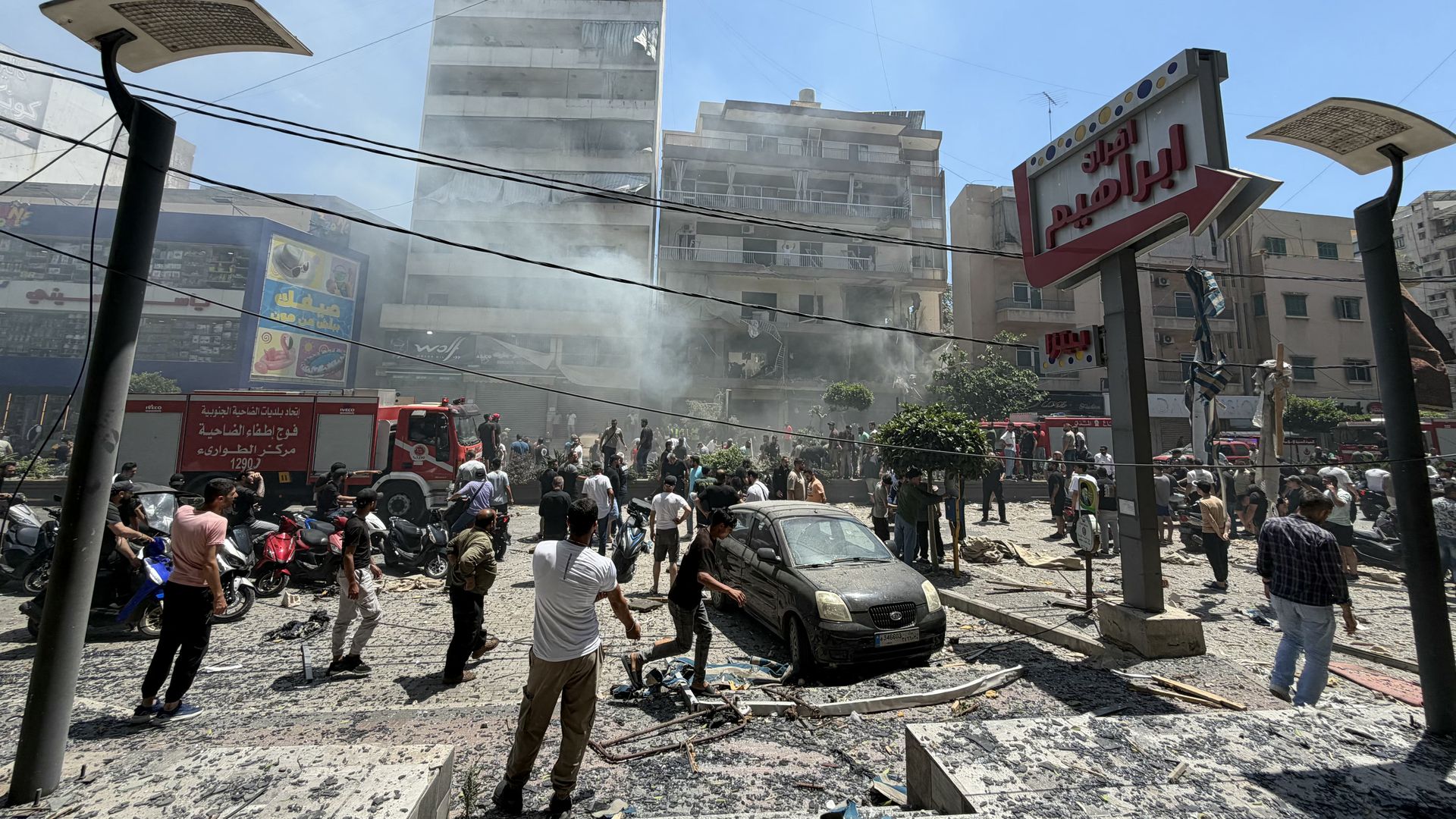
A drone strike on northern Israel set off a chain reaction Sunday: Israel hit Hezbollah targets in Beirut in retaliation, and Iran is now threatening to strike back.
Why it matters: The escalation lands hours before the the U.S. and Iran are supposed to sign a deal to end their war, and now Iranian officials have signaled Israel's attack could scuttle the agreement.