The U.S. and Iran, together with Pakistani and Qatari mediators, are expected to hold a virtual meeting on Sunday and electronically sign a memorandum of understanding that will extend the ceasefire by 60 days, reopen the Strait of Hormuz and launch negotiations over Iran's nuclear program.
Why it matters: The pending remote signing is a result of almost three months of negotiations between the U.S. and the Iranian regime, mediated by Pakistan, Qatar, Egypt and Turkey. .
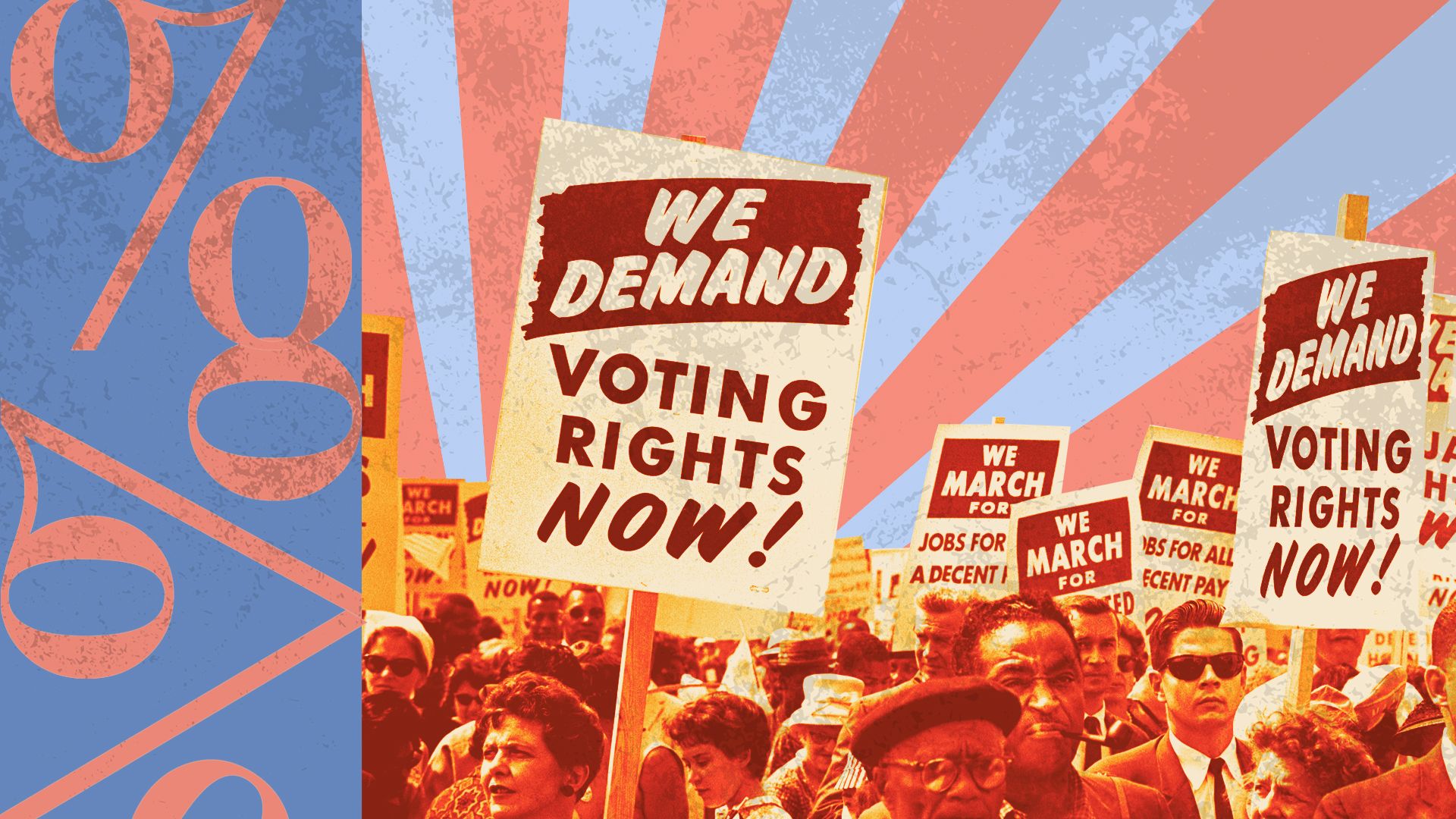
The next great civil rights battle may be whether America's old racial categories can keep up with its future.
Why it matters: The U.S. is heading toward a more Latino, Asian, Black immigrant and multiracial future — and the rules for counting race will help decide who gets political power, civil rights protections and public resources.
White students now make up less than half of all Americans enrolled in school from nursery through graduate programs, according to an Axios analysis of new U.S. Census data.
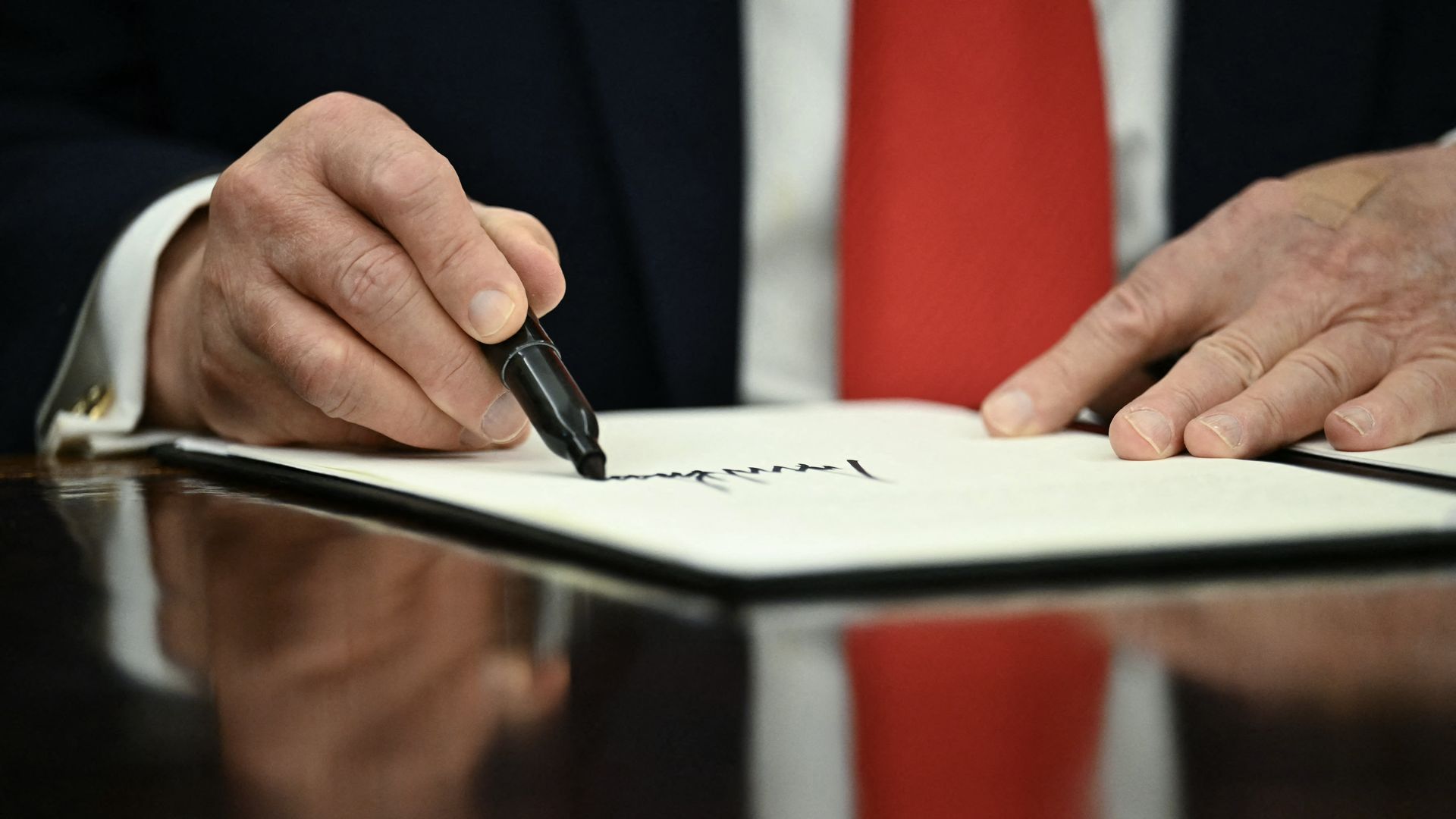
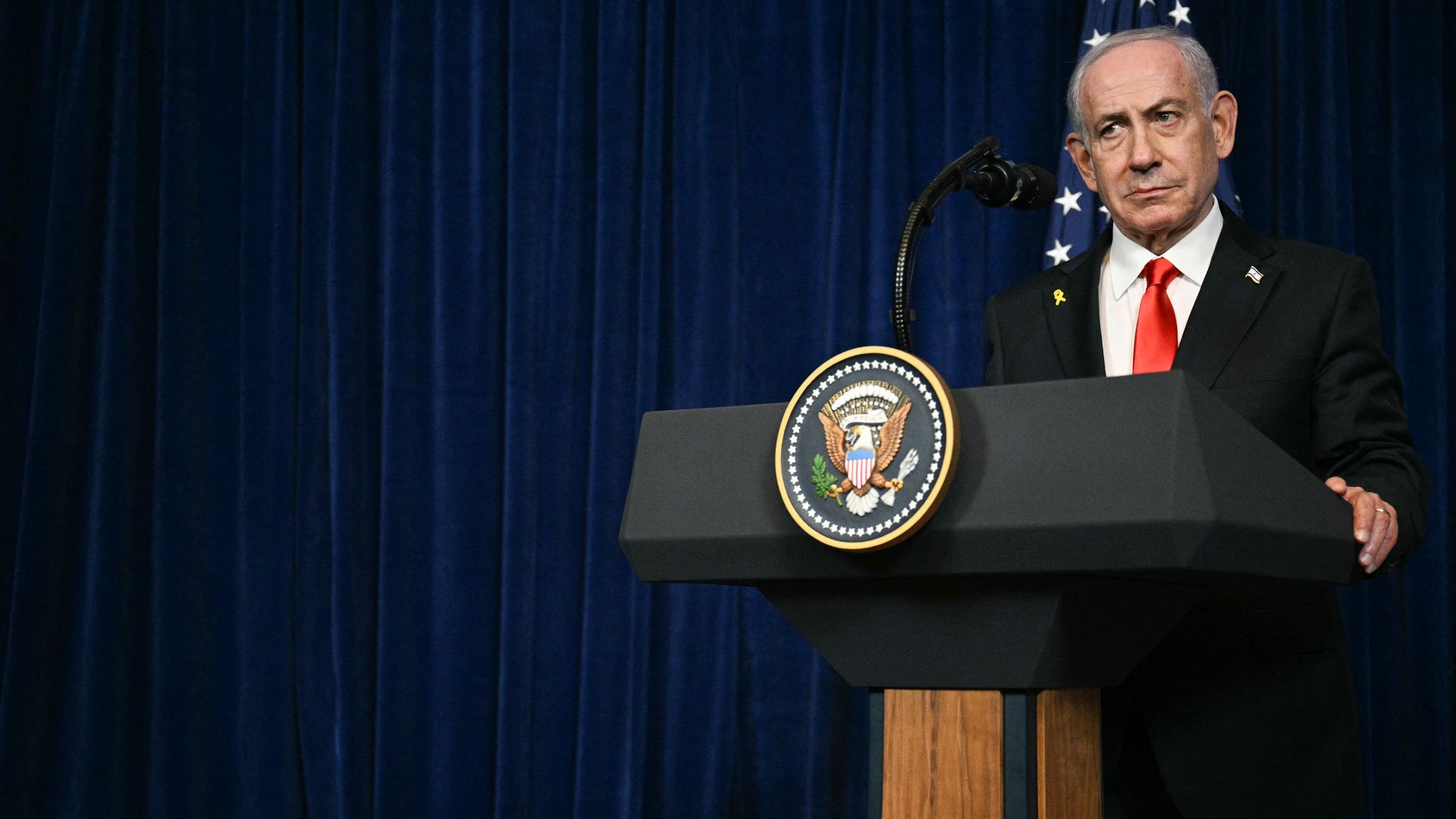
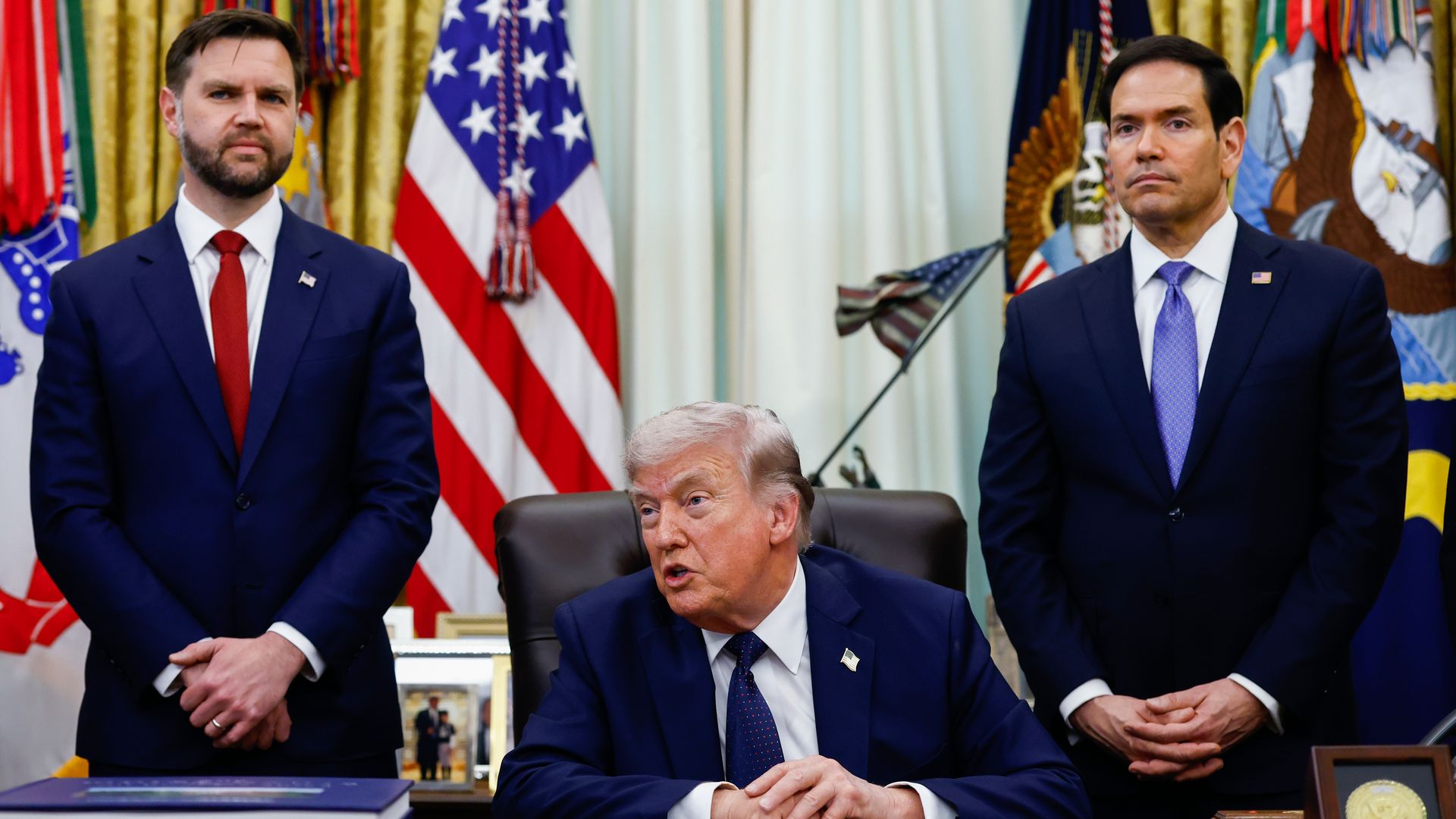
On Thursday evening, President Trump called Israeli Prime Minister Benjamin Netanyahu with news he did not want to hear: He expected to sign a deal with Iran within days.
"This is the deal. It's a great deal, and it's time to end this war," Trump told Netanyahu, according to a senior U.S. official.
Why it matters: When Netanyahu went to war alongside Trump, this is not how he envisioned it ending.
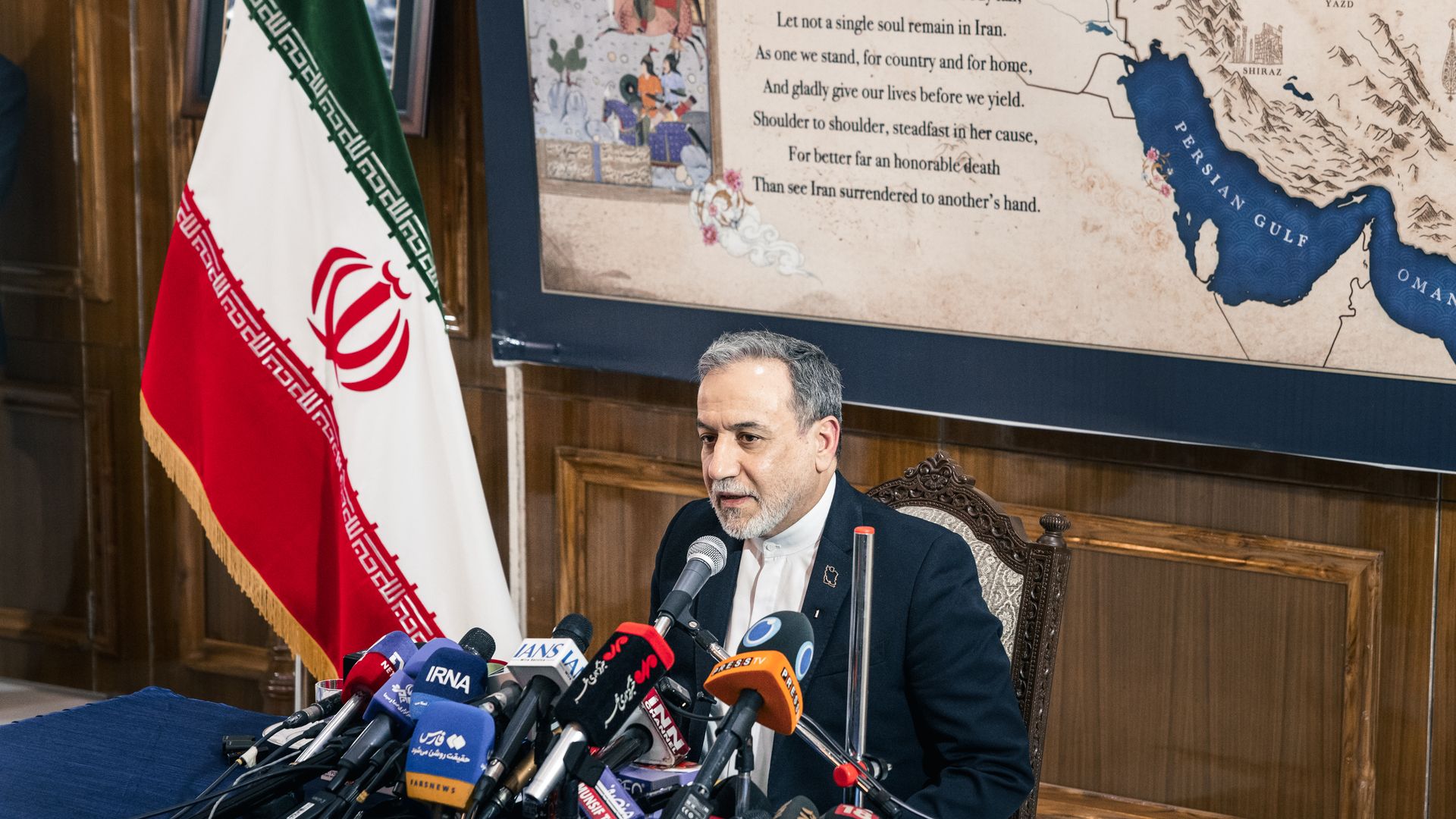
Iranian Foreign Minister Abbas Araghchi said Friday that an agreement with the U.S. to extend the ceasefire, reopen the Strait of Hormuz and launch negotiations on Iran's nuclear program "has never been closer."
Why it matters: Araghchi's comments on X were the most positive yet from Tehran about the prospects for a deal in the coming days, and appeared designed to prevent the deal from collapsing amid a battle to shape the narrative around it.
A decade of shocks has left much of the developing world weakened just as AI begins reshaping the global economy, World Bank economists conclude in a new report.
Why it matters: A series of shocks — the COVID-19 pandemic, the Ukraine war and now the Iran war — have buffeted the world's poorest countries particularly hard. These countries risk being poorly positioned to benefit from an AI-driven productivity and spending super-cycle.
The globe's poorest countries will enter this period burdened by debt, weak investment and years of stalled development, with little capacity to build the infrastructure and skills needed to share in those gains.
The economic mood across American households improved for the first time in five months as lower gasoline prices offered some relief.
Why it matters: Fuel prices remain one of the fastest ways geopolitical shocks reach American households, making energy costs a key driver of the Trump administration's economic standing.
Flutter Entertainment, the NYSE-listed parent company of FanDuel and Betfair, has disclosed plans to delist shares from the London Stock Exchange.
Why it matters: London keeps losing listings to New York, either at IPO or after, with companies citing everything from market liquidity to costs to executive compensation rules.
Oil prices have defied predictions of even bigger increases than we've seen — but the markets' shock absorbers could easily wear out later this summer unless the Strait of Hormuz opens soon, analysts warn.
Why it matters: If the stockpiles run too low and oil prices surge, prices at the pump — which have been falling lately — could spike again as the midterm elections approach.
As Europe pursues tech sovereignty, European Commission tech chief Henna Virkkunen is trying to boost competitiveness while upholding some of the world's toughest tech regulations.
Why it matters: The EU wants to move faster on AI and emerging tech without weakening the regulations at the heart of its digital strategy.
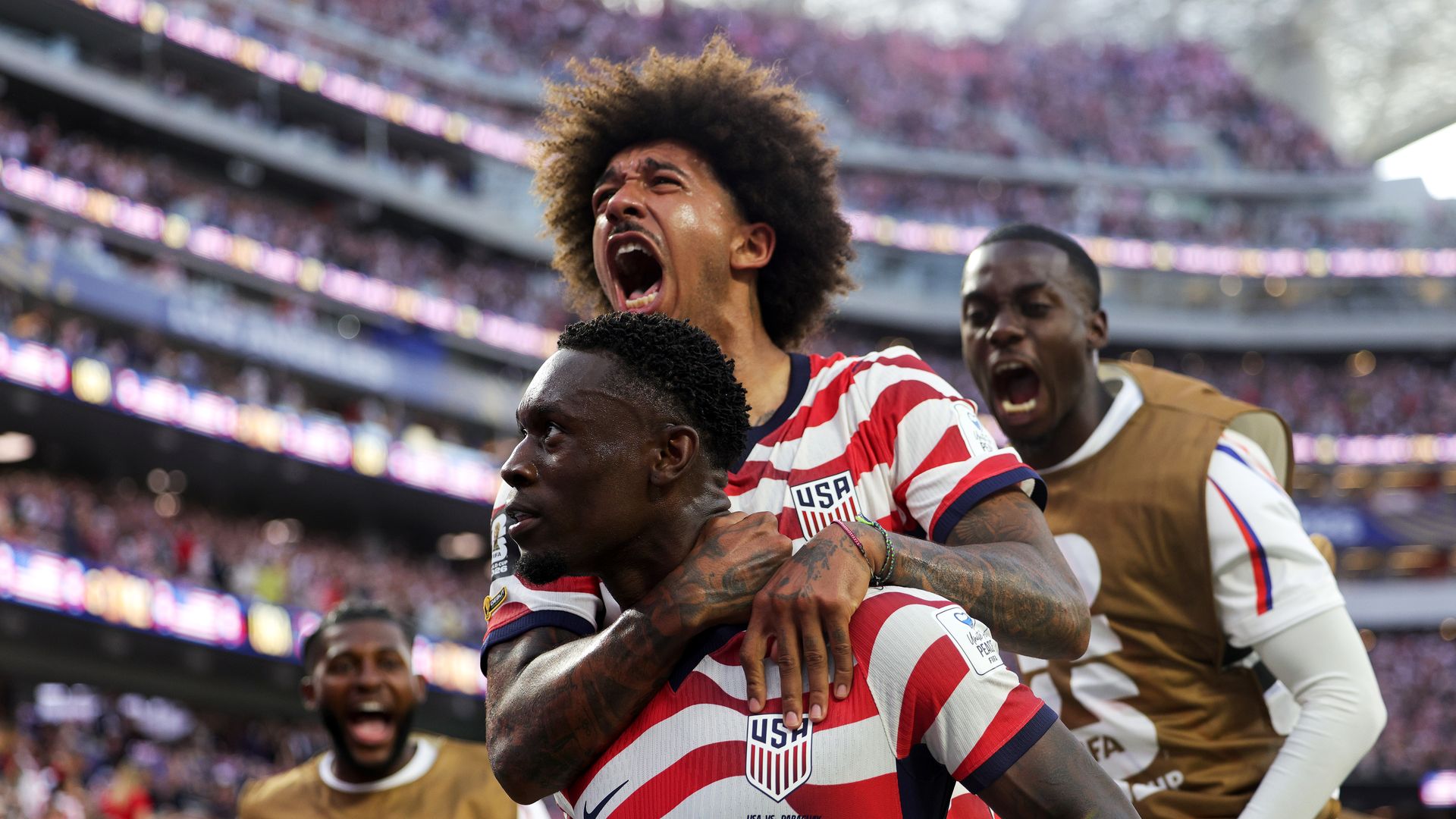
U.S. health officials are deploying emergency measures against New World screwworm while monitoring other infectious disease risks ahead of the World Cup and America250 celebrations.
Why it matters: Health experts warn existing and proposed federal funding cuts could weaken disease surveillance and outbreak response ahead of major U.S. events.
The U.S.-Iran memorandum of understanding President Trump claims will soon be signed calls forthe Strait of Hormuz to reopen immediately without tolls and for Iran to receive sanctions relief based on compliance, according to a diplomat from one of the mediating countries and a U.S. official.
Why it matters: The MOU would extend the ceasefire for 60 days, including in Lebanon, during which time nuclear negotiations would be held. The text includesa framework for addressing Iran's enriched uranium stockpile, though any action on Iran's nuclear program would depend on a second, more detailed accord.