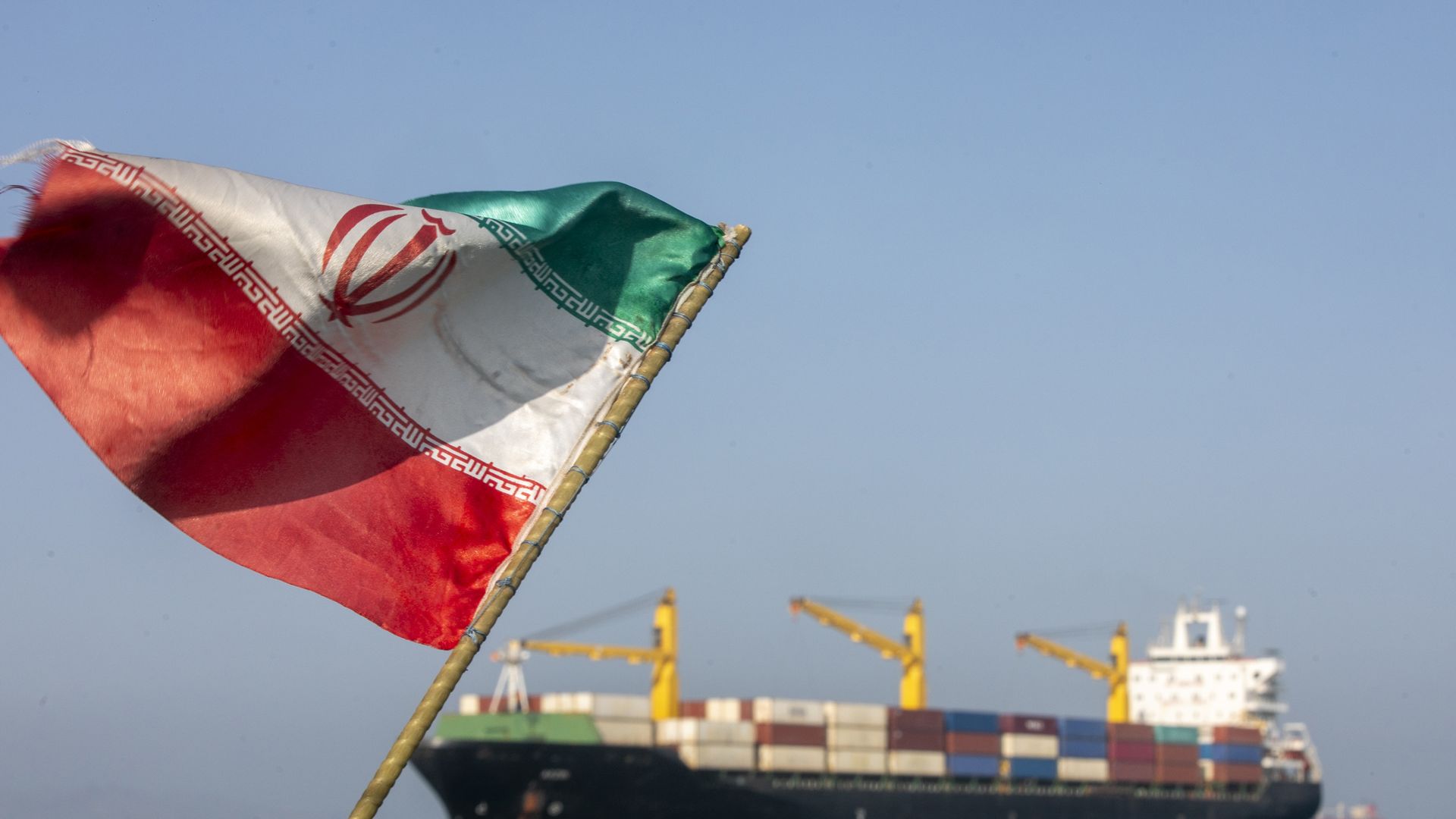
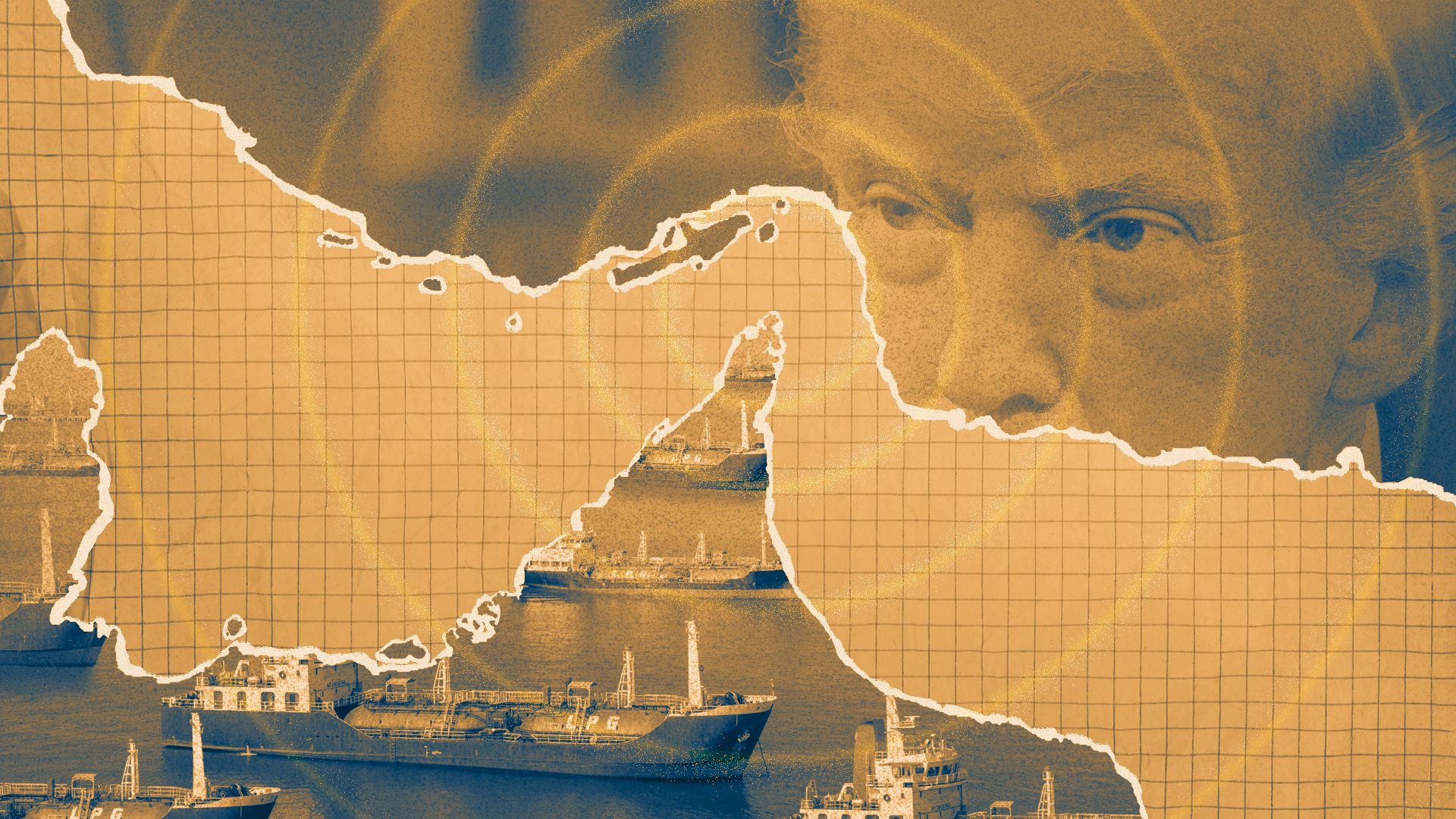
The U.S. and Iran agreed to a framework extending their ceasefire for 60 days, with a formal signing ceremony expected Friday and nuclear talks to follow.
Why it matters: The agreement could reopen the Strait of Hormuz, ease pressure on global energy markets and create a window for negotiations over Iran's nuclear program.
Crude oil prices fell over 4% to their lowest levels in over three months Sunday after the U.S. and Iran agreed to a ceasefire extension that could lead to the reopening of the Strait of Hormuz.
Why it matters: Severe restrictions on oil traffic through the strait since the conflict began in late February have created an unprecedented energy shock that's a drag on the global economy.
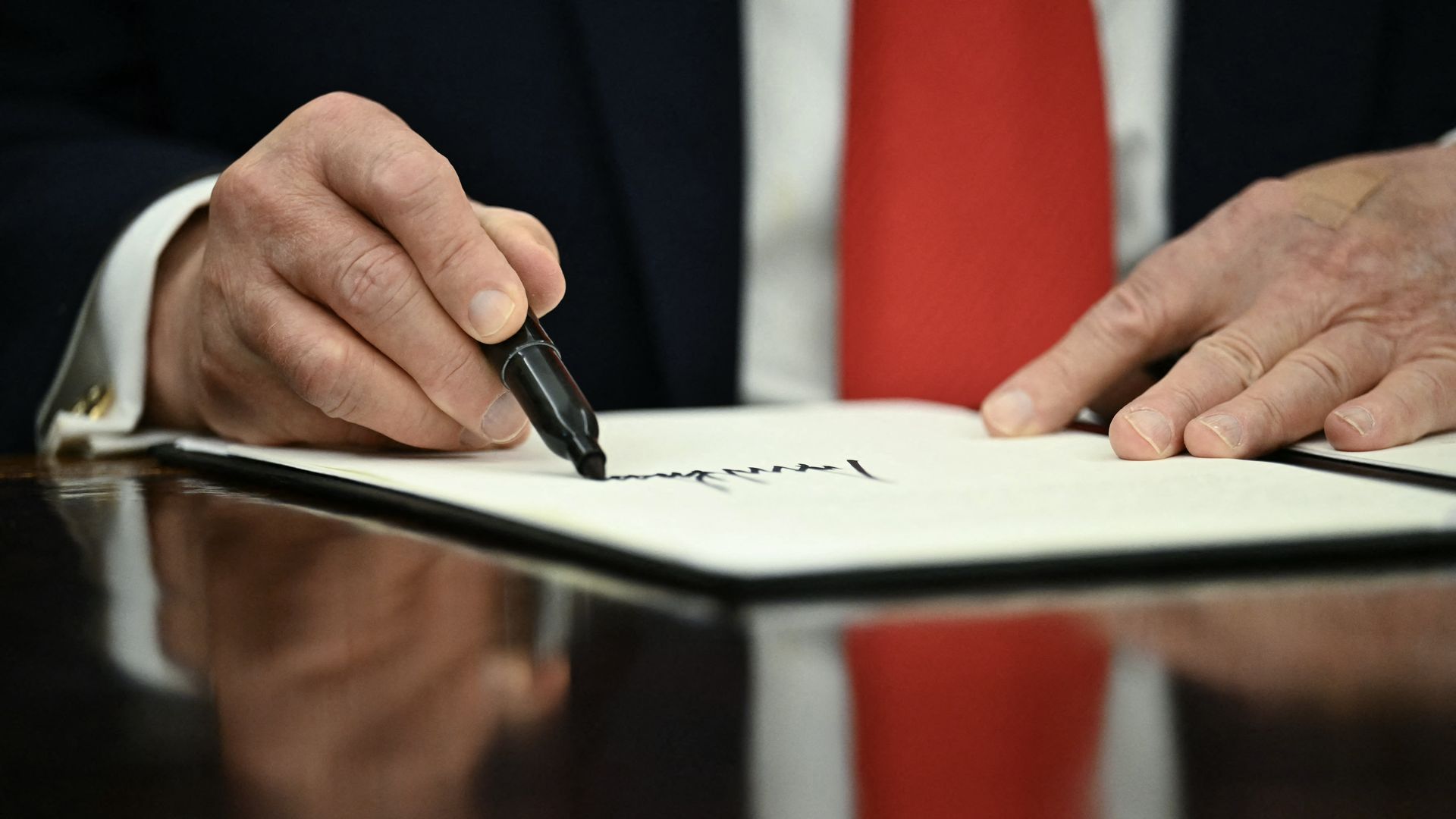
President Trump is demanding Congress attach his sweeping voting overhaul to legislation renewing a key U.S. surveillance authority.
Why it matters: Section 702 of the Foreign Intelligence Surveillance Act is among the government's most contested surveillance authorities, long opposed by privacy advocates and supported by security hawks. Its fate now hinges on Trump's unrelated demands for a voting bill.
President Trump tells Axios the U.S.–Iran deal to end the war is still on track for Sunday despite Israel's strike in Beirut and the Iranian threat to retaliate.
Why it matters: The president is racing to save a deal that nearly collapsed the moment Israel struck Beirut, leaning on private diplomacy and public messaging to get it signed. Iranian officials haven't confirmed a deal is expected to be signed today.
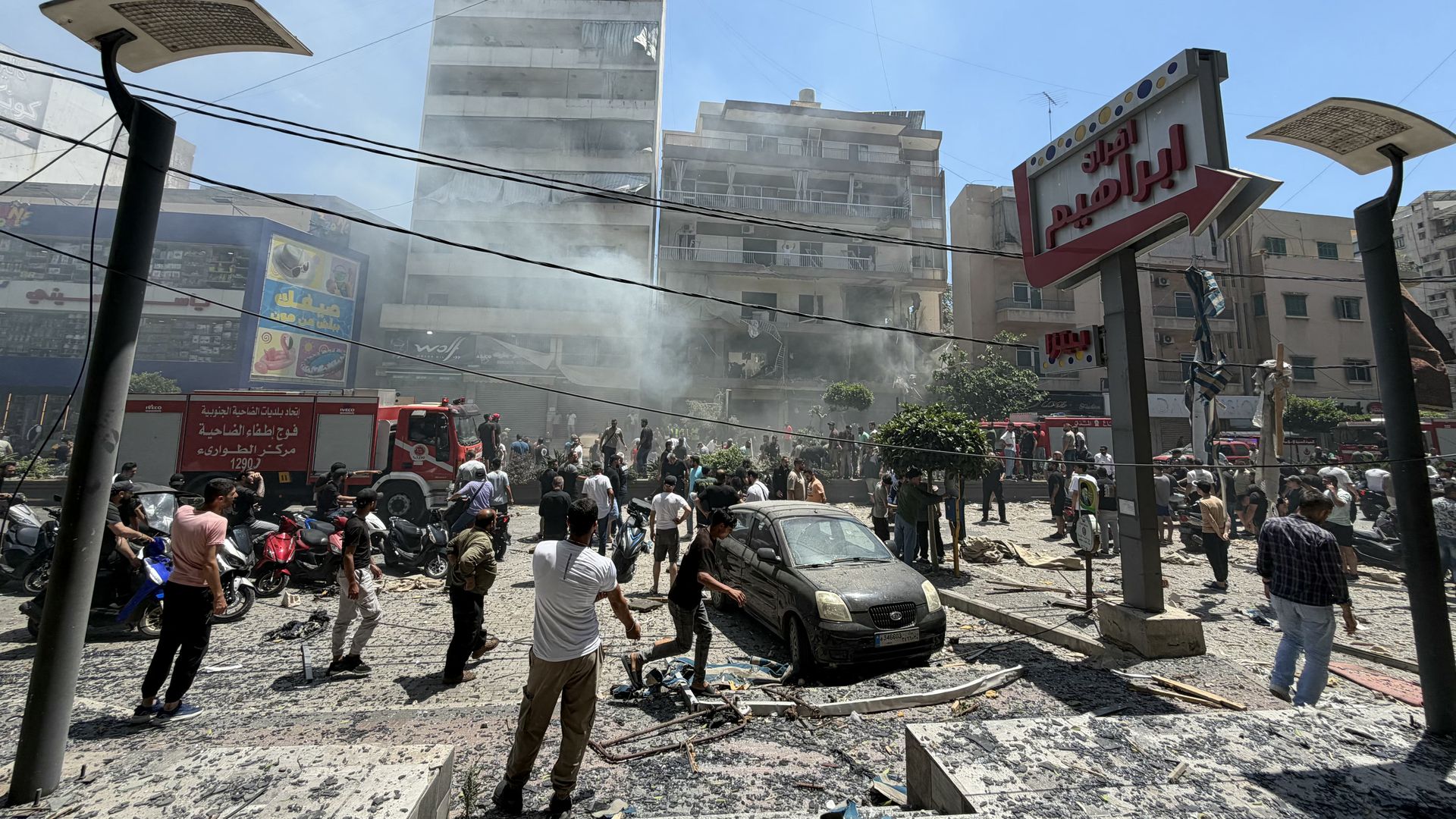
A drone strike on northern Israel set off a chain reaction Sunday: Israel hit Hezbollah targets in Beirut in retaliation, and Iran is now threatening to strike back.
Why it matters: The escalation lands hours before the the U.S. and Iran are supposed to sign a deal to end their war, and now Iranian officials have signaled Israel's attack could scuttle the agreement.
The U.S. and Iran, together with Pakistani and Qatari mediators, are expected to hold a virtual meeting on Sunday and electronically sign a memorandum of understanding that will extend the ceasefire by 60 days, reopen the Strait of Hormuz and launch negotiations over Iran's nuclear program.
Why it matters: The pending remote signing is a result of almost three months of negotiations between the U.S. and the Iranian regime, mediated by Pakistan, Qatar, Egypt and Turkey. .
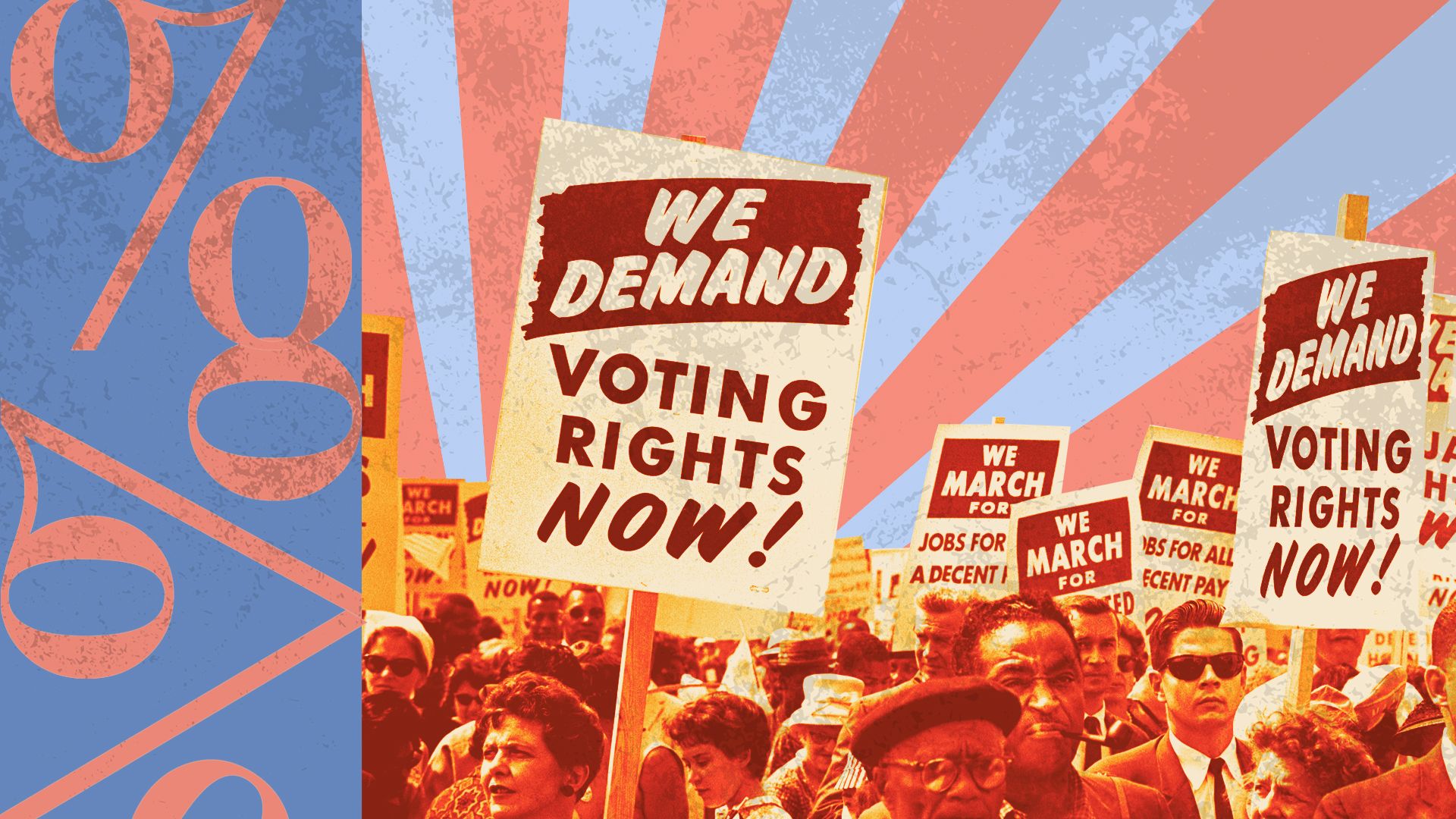
The next great civil rights battle may be whether America's old racial categories can keep up with its future.
Why it matters: The U.S. is heading toward a more Latino, Asian, Black immigrant and multiracial future — and the rules for counting race will help decide who gets political power, civil rights protections and public resources.
White students now make up less than half of all Americans enrolled in school from nursery through graduate programs, according to an Axios analysis of new U.S. Census data.