5 takeaways from Europe's tech chief on AI

Add Axios as your preferred source to
see more of our stories on Google.
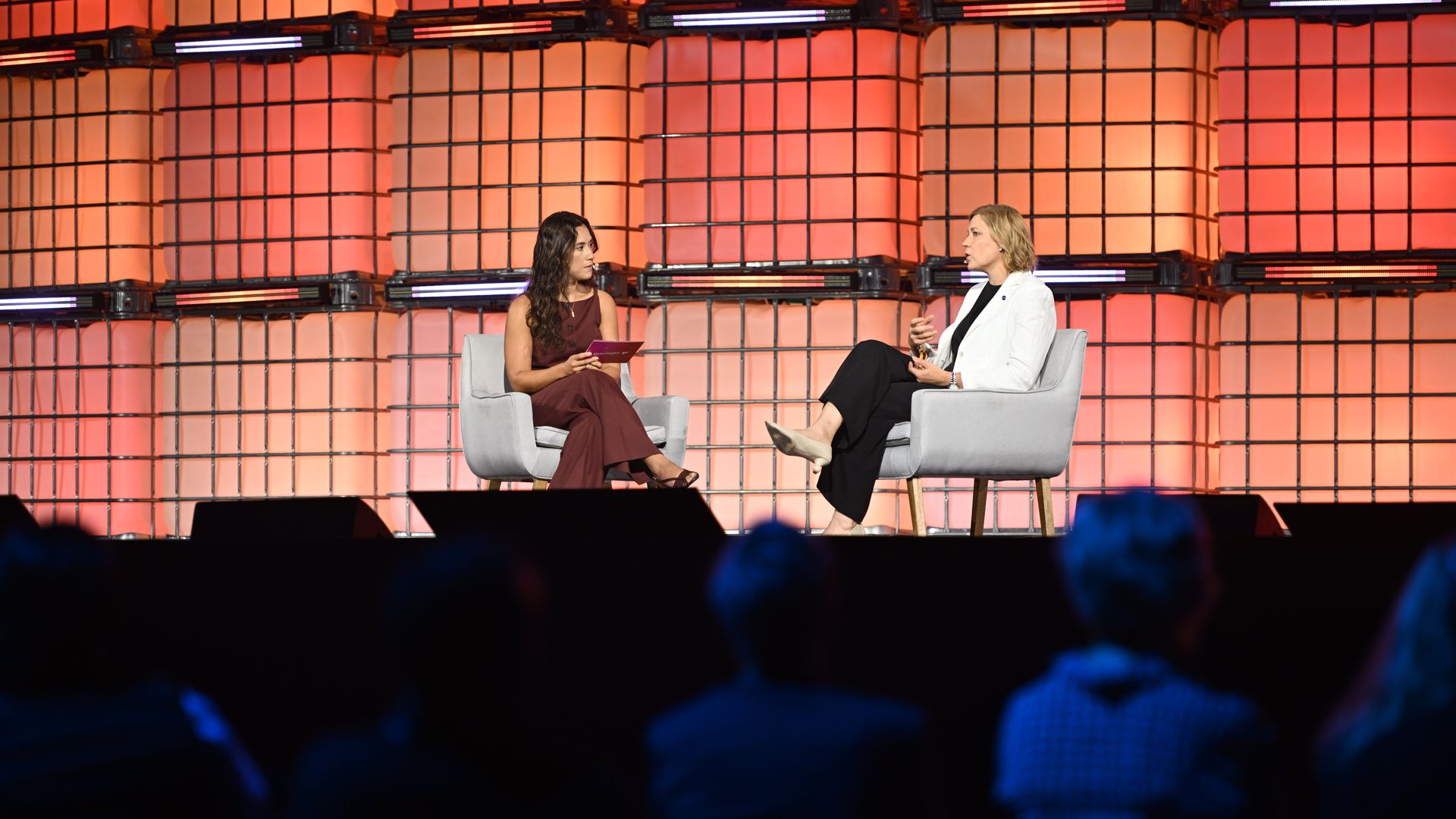
Henna Virkkunen and Maria Curi at Web Summit Rio 2026. Photo: Paul Devlin/Web Summit via Sportsfile via Getty Images
As Europe pursues tech sovereignty, European Commission tech chief Henna Virkkunen is trying to boost competitiveness while upholding some of the world's toughest tech regulations.
Why it matters: The EU wants to move faster on AI and emerging tech without weakening the regulations at the heart of its digital strategy.
Here are the five key takeaways from Virkkunen's talk with Axios during Web Summit Rio this week.
1. The EU is unlikely to take equity stakes in AI labs as the Trump administration toys with the idea.
- The role of government is "always to create the conditions for innovations and investments, and the main tool from our side is legislation, and then different funding elements and financial elements that we can support the innovations," she said.
2. The EU AI Act doesn't need updating for AI agents despite some warnings around privacy, cybersecurity and misuse.
- The bloc has delayed enforcement of key provisions of the act following industry complaints it could impede innovation, but the law could risk falling behind the latest agent capabilities.
- The EU believes AI agents are already covered under the existing, technology‑neutral AI Act through its provisions on generative AI and risk mitigation, Virkkunen said.
3. European regulators aren't budging on their regulations and blame Apple for its decision not to roll out Siri AI in the bloc.
- "It's their own decision that they didn't turn it on yet," Virkkunen said, adding there is "nothing" in Europe's Digital Markets Act that is blocking the company from bringing its new products to the market.
4. The EU and Brazil are coming closer as trusted digital partners.
- The bloc is gaining influence in the region with countries aligned with its policies around open markets, secure technologies, and a rules‑based international order, Virkkunen said.
- Virkkunen said she will head to São Paulo on Friday to sign an agreement strengthening cooperation on connectivity, data and other digital priorities.
5. Five years from now, success would mean Europe has built stronger AI, semiconductor, quantum and cybersecurity industries, and that businesses are using them.
- "What we want to make sure all the time is that ... people can trust our technologies," she said, adding that Europe must ensure its tech growth is sustainable. "Especially now when we see that we need three times more data centers in the coming years than we have now."
