Anthropic export ban sounds alarms for AI industry


Add Axios as your preferred source to
see more of our stories on Google.
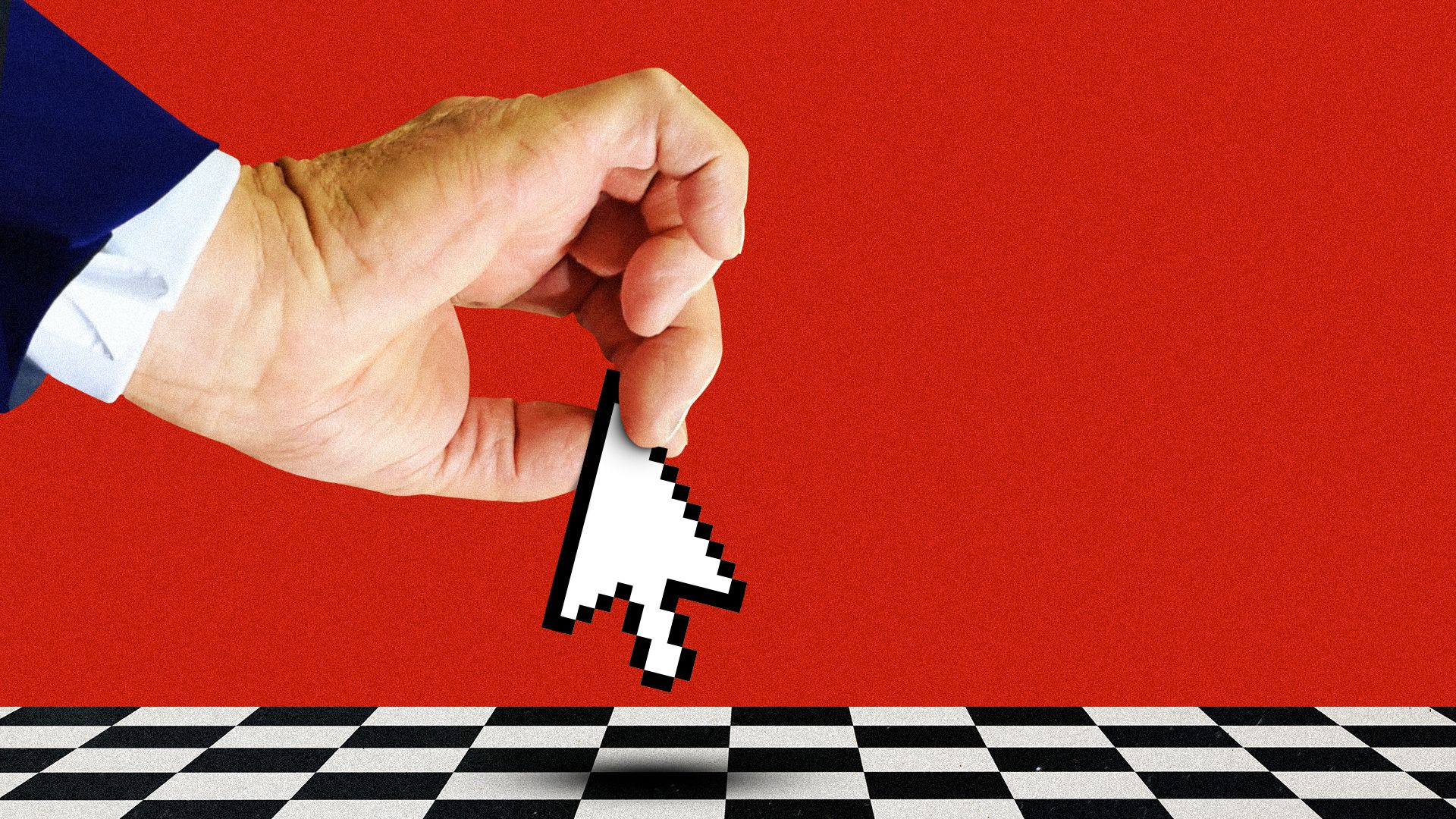
Photo illustration: Aïda Amer/Axios. Photo: Mandel Ngan/AFP via Getty Images
The White House's move to restrict access to Anthropic's latest AI model — using what is known as export controls — could harm the long-term financial prospects of the entire U.S. AI industry.
Why it matters: Anthropic and OpenAI's valuations depend on the global adoption of their most advanced models, and government restrictions could limit that growth.
Zoom in: If this move is more than a temporary blip, "it's not great news for U.S. tech firms or for those assuming breakneck speed of AI adoption," Jim Reid, global head of macro at Deutsche Bank, wrote in a research note.
- Hundreds of billions of dollars are being spent by the data center hyperscalers and the AI labs to fund their ambitions, seeking to eventually profit from having the best models.
- Their calculations can work only if the government doesn't cut off access every time they achieve that goal.
How it works: Businesses that pay for AI models need to make sure they can keep access to them.
- "You can't rely on something that could be switched off," Reid says.
The big picture: It's not just about Anthropic.
- "Everyone who uses AI will see the writing on the wall that future AI models from OpenAI and Google are also going to be seen as having potential serious security risks," says Martin Chorzempa, a senior fellow at the Peterson Institute researches technology and national security issues.
- Chorzempa emphasizes that he is not saying the models themselves are security risks — instead the risk is that the government could cut off access to those models.
Follow the money: Companies are already wary about locking in contracts with major AI labs in case a competitor comes out with a better model.
- Now, they can add "potential regulation" to the list of reasons to keep their AI tools diversified.
- If companies don't want to sign contracts with OpenAI or Anthropic, that could put a ceiling on revenue growth for the two AI labs just before both are expected to go public later this year.
Yes, but: The models Anthropic can no longer offer were pricey for them to run. AI labs typically subsidize the costs of running their most powerful models in the beginning.
- Anthropic was rolling out these models for only two weeks to paid subscribers, for example, and then users were going to have to pay a usage fee on top of their subscriptions to access them.
- The government in effect shortened Anthropic's subsidy window for its most expensive model ever.
Between the lines: Export controls can be a powerful tool of leverage — recall when China cut off access to rare earths to get the upper hand in trade negotiations with the U.S.
- But they also have significant downside risk: Countries and companies will start looking for alternatives.
- "The challenge with export controls is anytime you do it, you encourage the development of alternative suppliers," Chorzempa says.
- In the case of rare earths, other countries are now looking to mine their own.
Zoom out: Even before the move against Anthropic, there were already concerns, particularly in Europe, over the U.S. government using AI tool access as a lever of geopolitical influence.
- The move could provide some momentum to Chinese AI models that are open source.
- "You have no idea whether the U.S. government is just going to shut off your access to any future models," Chorzempa says. "That's a big advantage to open models."
Editor's note: This story has been updated to include an additional comment from Martin Chorzempa.
