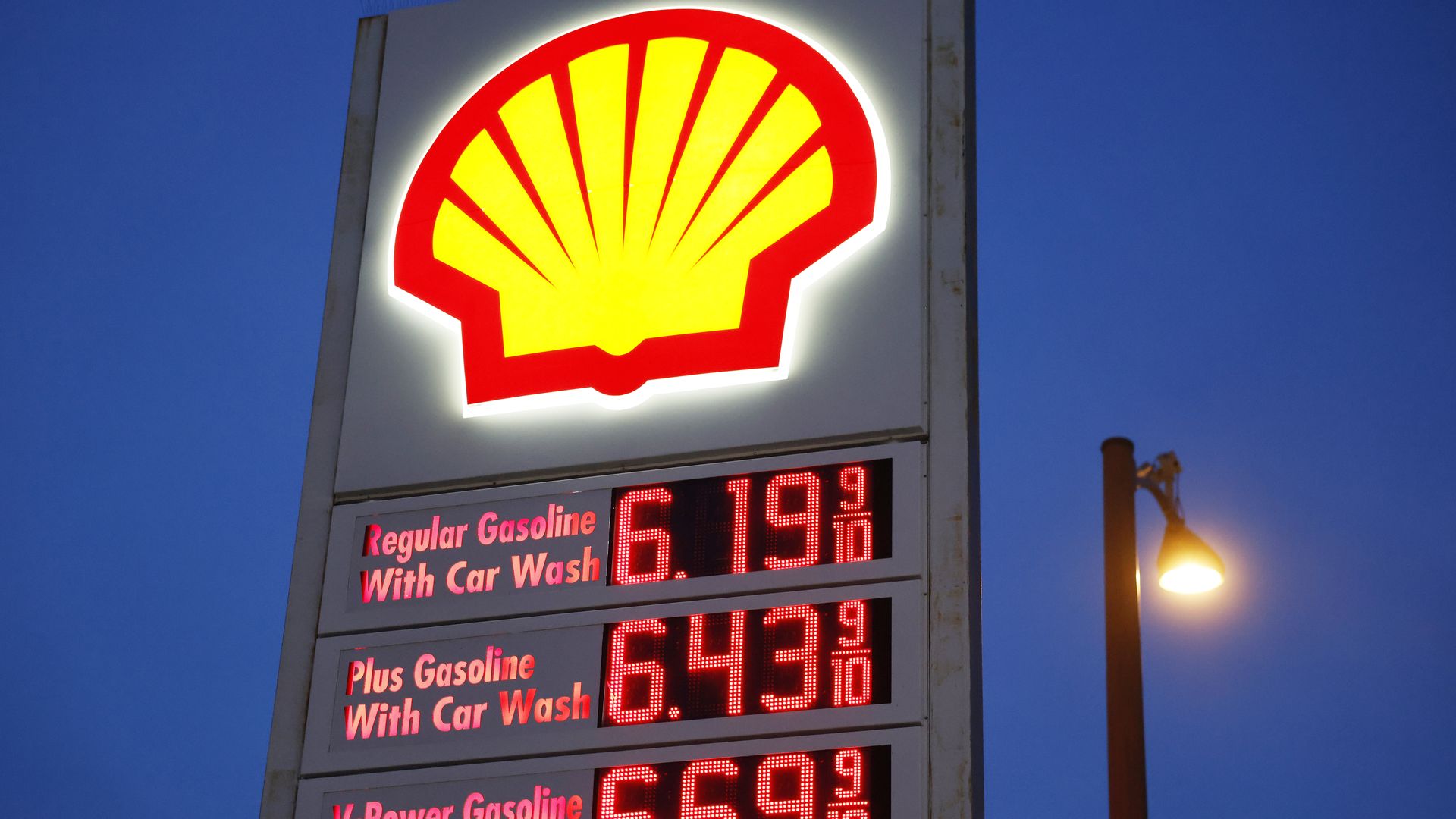
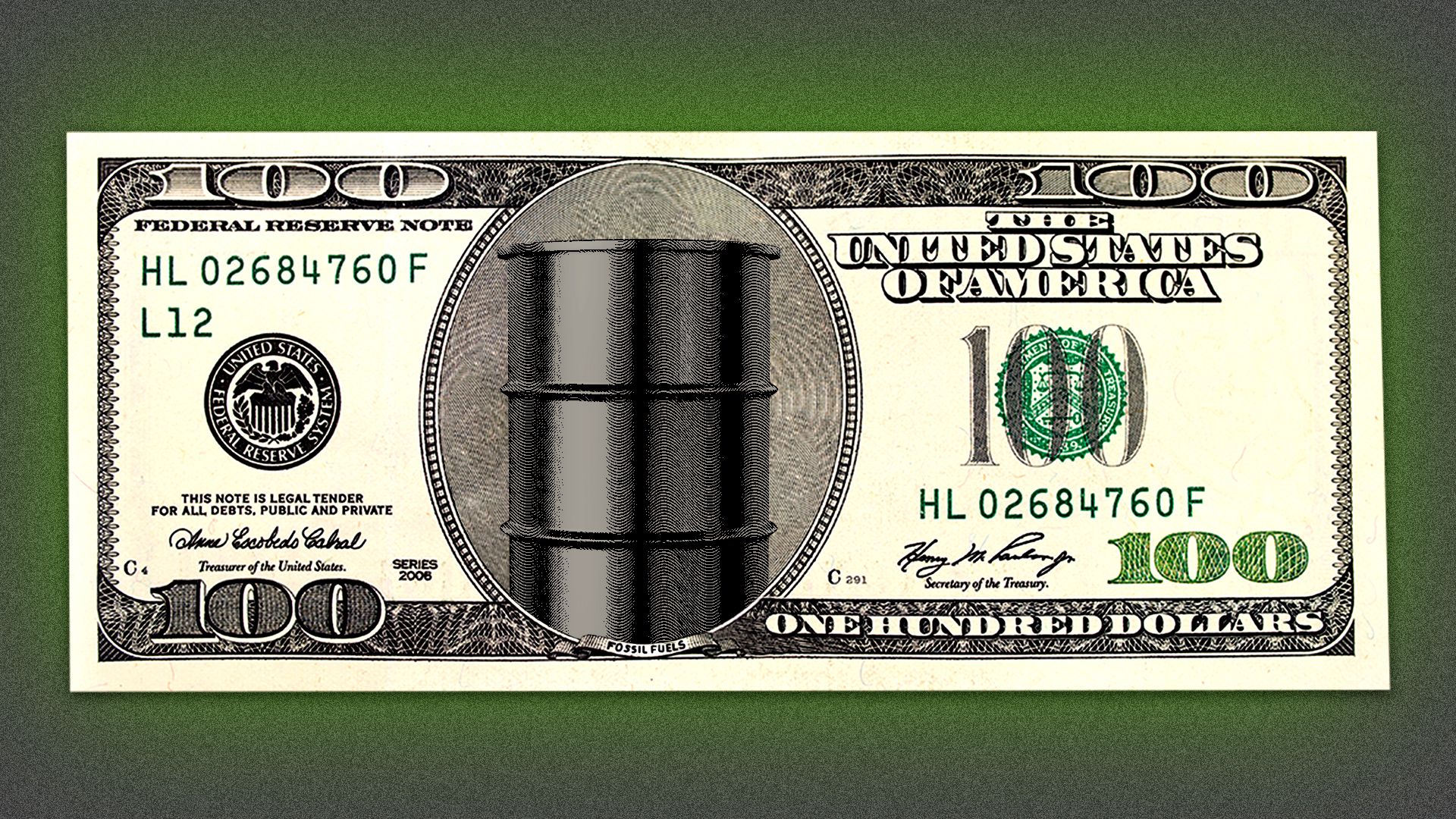
When energy observers wondered when U.S. gas prices would hit $4 due to the Iran war, they looked at the cost of crude oil.
The big picture: Watching shifting crude oil prices — which can change because of demand, market expectations and taxes — can help you understand why costs at the pump might rise, but it's far from a perfect predictor.
We don't know yet how the Iran war and the resulting surge in energy prices will ripple through the U.S. economy. We do know that American consumers were in pretty solid shape before it all began.
The big picture: New retail sales and employment data out Wednesday morning point to an underlying strength in consumer demand, propped up by wages that have kept rising.
The question for the months ahead is whether the underlying trends that have kept consumers afloat — including a buoyant stock market and a low-layoff job market — can power it through an era of war-induced shocks and weak hiring.
The U.S. and Iran are discussing a potential deal that would involve a ceasefire in exchange for Iran reopening the Strait of Hormuz, three U.S. officials tell Axios.
The big picture: The officials did not say whether those discussions had taken place directly or only through mediators, and they cautioned that it was unclear whether a deal could be reached. But the officials said President Trump was discussing the possibility with officials inside and outside the administration.
There's a big shift happening in Big Tech as the AI transition enters a new era.
Why it matters: Investors are changing the way they price these superstar stocks, but judging by what happened in the market Tuesday, they are not totally sure how to do so.
The U.S. is dedicating significant amounts of firepower to the Middle East as it wrestles with Iran. Some of it — billions of dollars' worth, in fact — will not be returning.
Data centers are juicy targets. Nowhere is that becoming more clear than in the Gulf.
Why it matters: These centers — fragile and exposed, protected against intruders but not drones and missiles — underpin financial systems, communications and artificial intelligence projects.
They represent billions of dollars of investment both foreign and domestic, today and tomorrow.
One month in, President Trump's Iran war has fractured into three competing realities:
A military campaign that has largely delivered.
A strategic vision that hasn't.
A political and economic problem getting worse by the day.
Why it matters: The Trump administration has declared Operation Epic Fury an overwhelming success. But the trajectory of the war — from shifting goalposts to mounting costs — points to a potential stalemate.
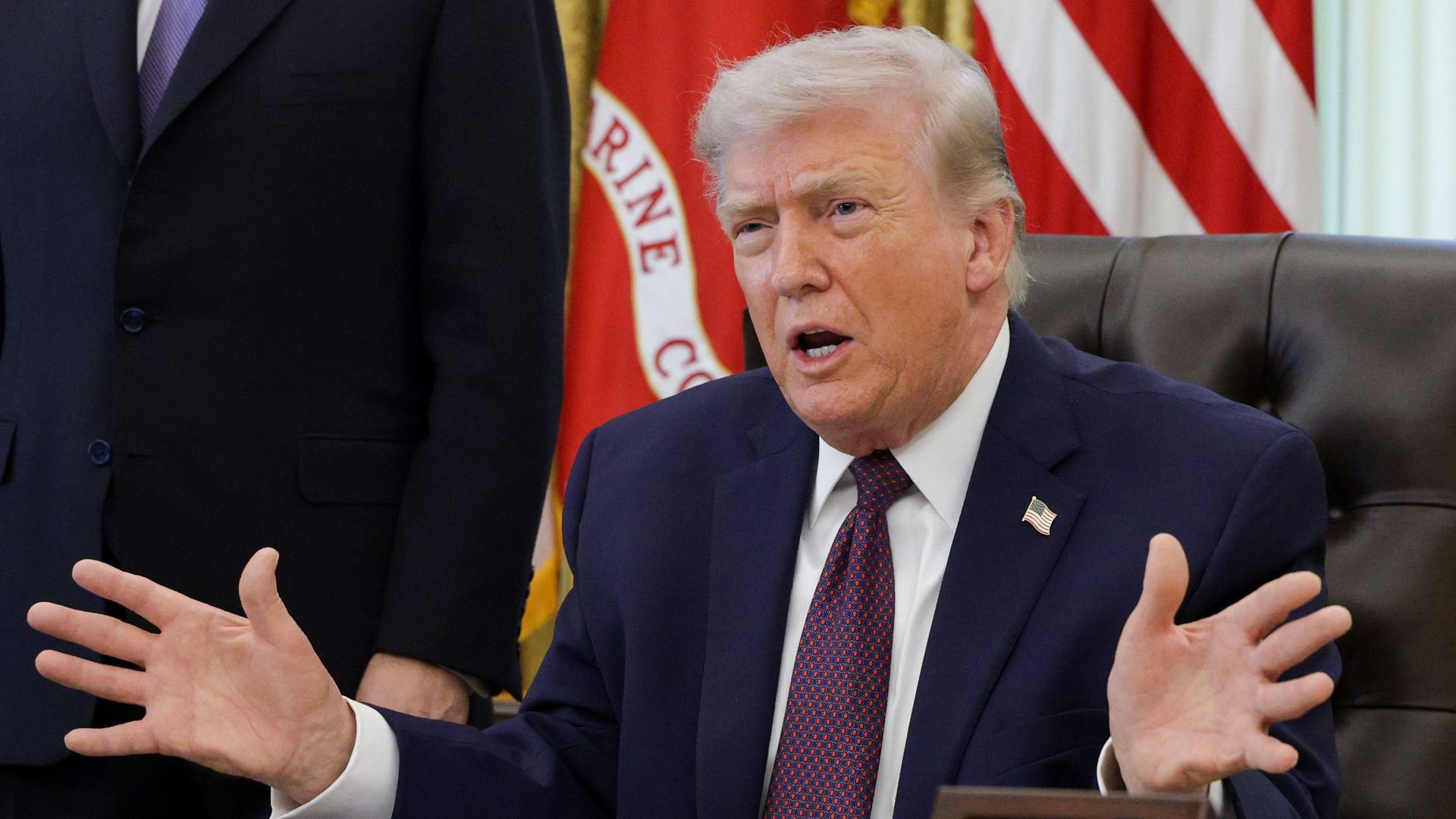
President Trump isn't just befuddling foreign leaders and financial markets with his mixed signals on Iran. Advisers who speak regularly with the president tell Axios they're just as uncertain.
Why it matters: Trump's off-the-cuff musings and Truth Social postings can have life-or-death consequences for the war, and massive implications for the market. Then the cycle restarts without any lasting clarity.
Oil prices could surge to an unprecedented $200 a barrel if the Strait of Hormuz remains closed, analysts warn.
Why it matters: President Trump is weighing ending the U.S. war on Iran without reopening the strait — raising the once-unthinkable prospect that this key energy artery could stay shut indefinitely.
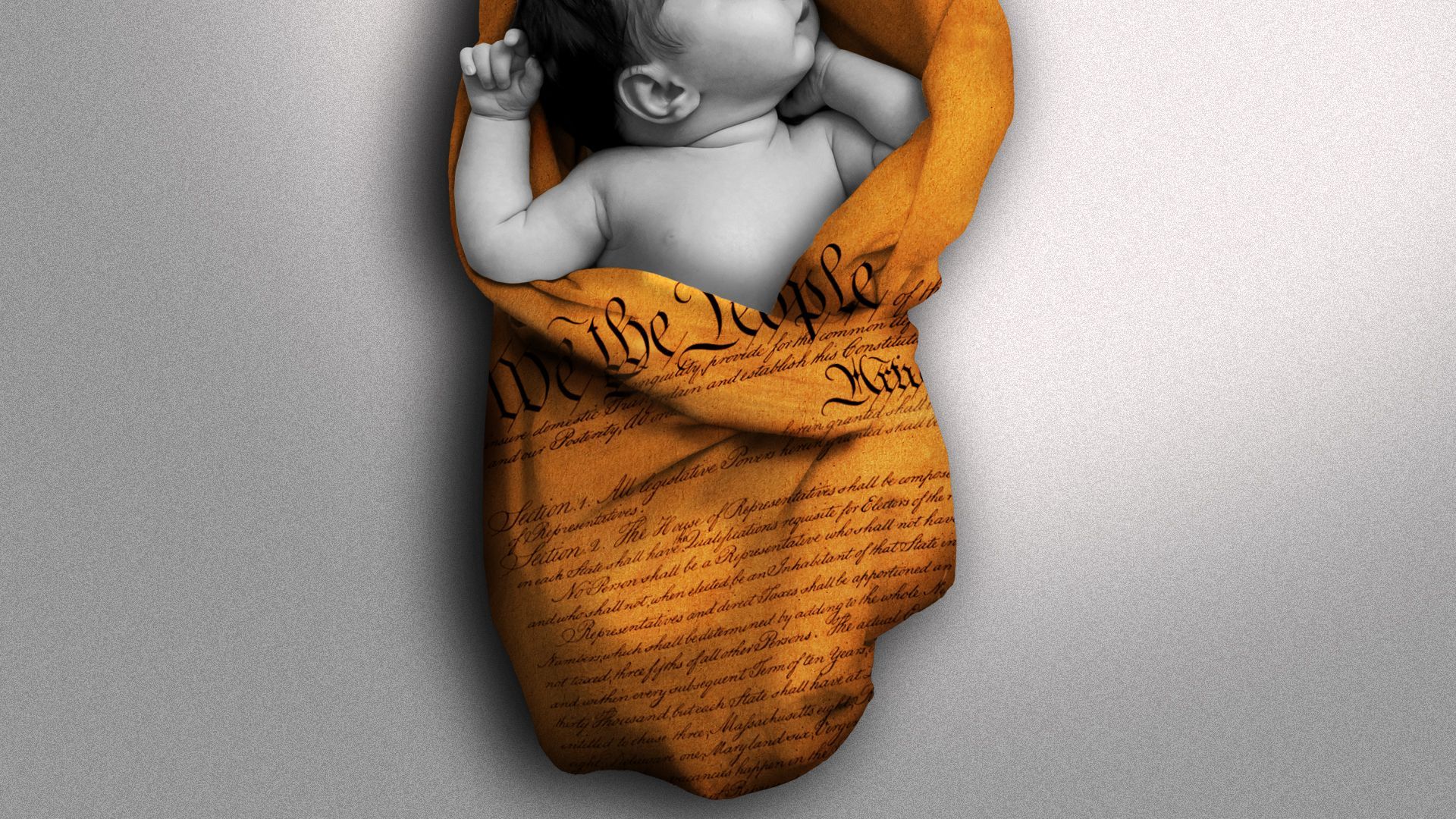
The Supreme Court will hear arguments Wednesday over President Trump's executive order restricting birthright citizenship in a case that could decide who gets to be an American.
Why it matters: A ruling in Trump's favor could reshape America's racial makeup and create a caste system that leaves millions without rights.
JPMorgan Chase chairman and CEO Jamie Dimon told "The Axios Show" that while the ongoing Iran war involves some "short-term risks" for the economy, the country's regime has been a malign actor since its inception.
"Having those folks, their [grip] on the Strait of Hormuz and funding all these proxy wars — why the Western world put up with these proxy wars for 45 years is kind of beyond me," Dimon told Axios CEO Jim VandeHei.
Why it matters: Those are strikingly hawkish comments from the leader of America's largest bank, making him one of the corporate world's most prominent defenders of a war that currently appears politically unpopular and economically damaging.
President Trump will address the nation on Wednesday evening on the war in Iran, White House press secretary Karoline Leavitt said.
Why it matters: Leavitt's Tuesday evening announcement on X came soon after Trump told reporters at the White House that U.S. forces could leave the Middle East in "two or three weeks."