Here's how to understand crude oil costs and what they mean for gas prices

Add Axios as your preferred source to
see more of our stories on Google.
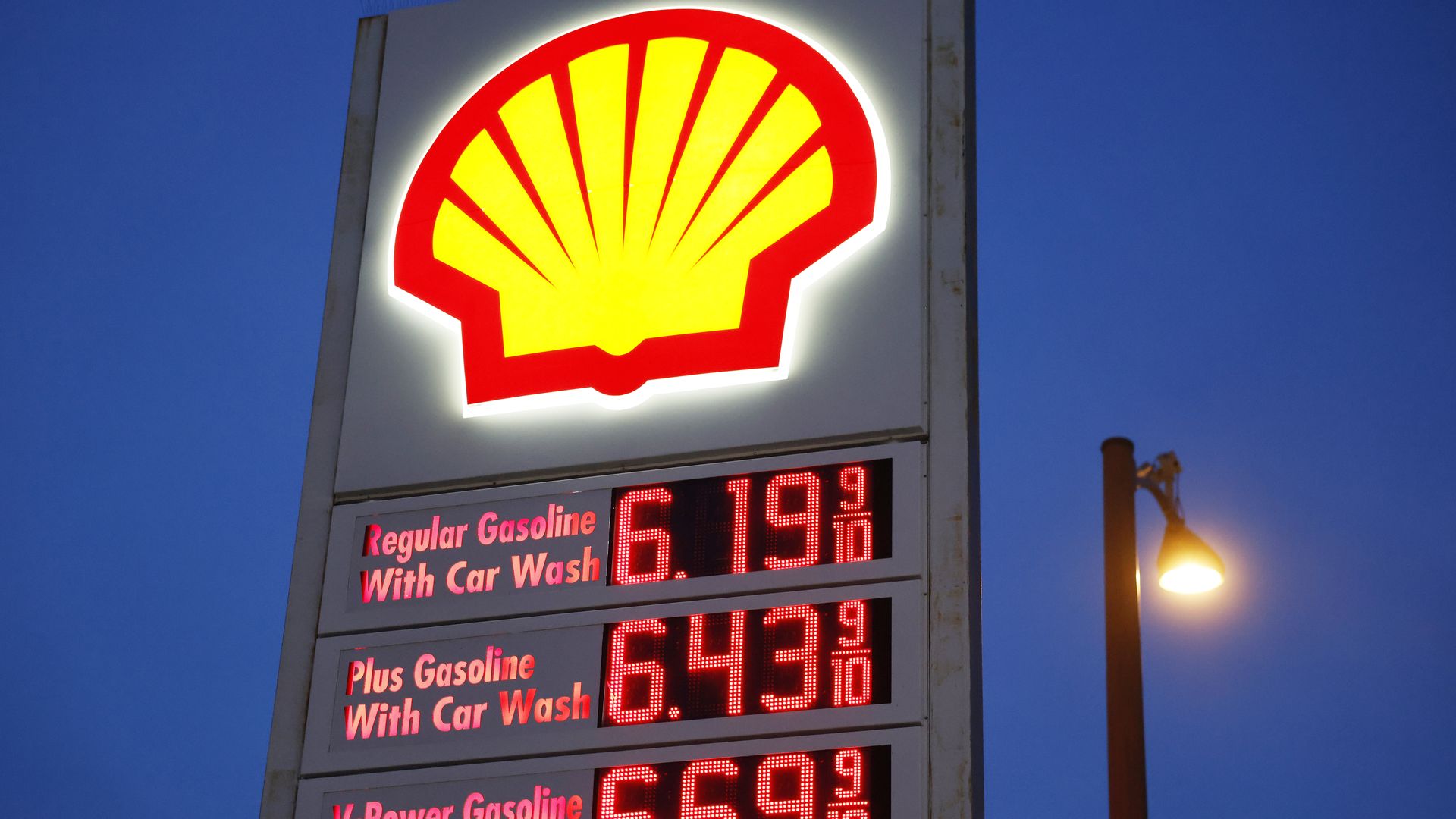
Gas prices are displayed at a Shell station in Pasadena, Calif., on March 30, 2026. Photo: Mario Tama/Getty Images
When energy observers wondered when U.S. gas prices would hit $4 due to the Iran war, they looked at the cost of crude oil.
The big picture: Watching shifting crude oil prices — which can change because of demand, market expectations and taxes — can help you understand why costs at the pump might rise, but it's far from a perfect predictor.
Catch up quick: Average national gas prices in the U.S. hit $4 on Tuesday, representing a 35% jump at the pump since the war began in February.
- Oil prices generally have surged above $100 per barrel since the war started.
- Average gas prices last hit the $4 per gallon mark in 2022 after Russia invaded Ukraine.
- Extra costs for taxes and transportation can vary widely. That's why California is paying an average of $5.88 for gas while Iowa is paying $3.28.
It's unclear how long the $4 average will last. But now eyes will turn to the oil markets to see if the prices change.
How to understand crude oil prices
How it works: Prices at the pump begin with crude oil barrels, which come from around the world.
- A barrel is roughly 42 gallons of crude oil. Barrels generate roughly 19 to 20 gallons of gasoline, per the U.S. Energy Information Administration.
- Each barrel is priced based on how the market views it, which can sway because of supply, demand, global affairs and even social-media posts from world leaders.
Reality check: The crude oil barrel prices — which you can track minute-by-minute — are only one factor that impacts prices at your local gas station.
What goes into gas prices
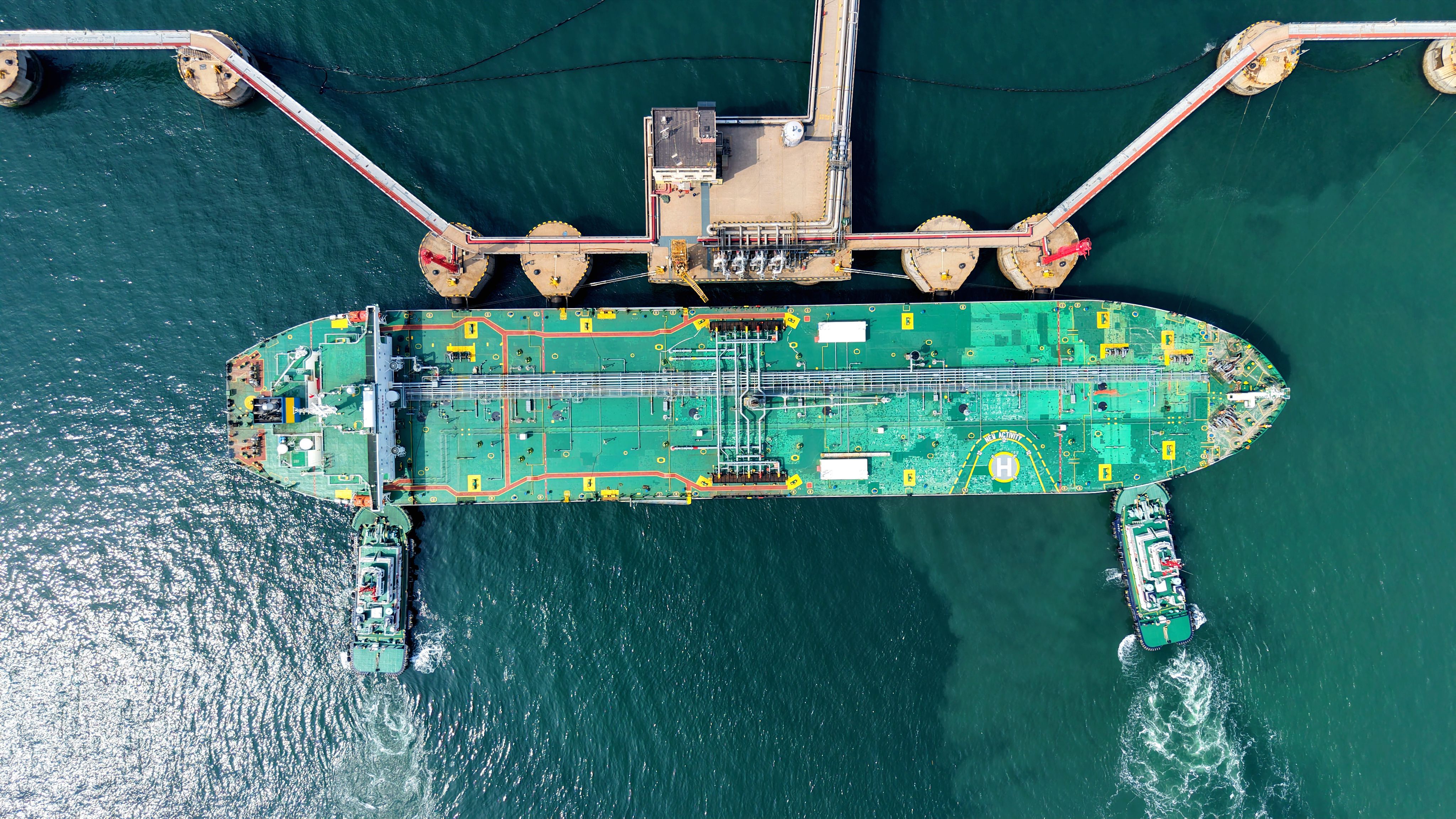
Gas prices are determined through a number of factors and costs.
- Crude oil prices: Prices vary depending on where the crude oil comes from. Brent crude and West Texas Intermediate prices are two of the benchmarks for global pricing. The former covers two-thirds of the world's internationally traded oil, including Europe, Africa and the Middle East, and the latter covers the U.S.
- Production levels: American Petroleum Institute CEO Mike Sommers said Sunday that the U.S. is producing over 13 million barrels per day. "If we were in the same position that we were in 10 years ago when we were only producing 5 million barrels a day, prices would have spiked significantly higher," he told Fox News.
- Refining costs: Turning crude oil into gasoline or diesel costs money, and it's somewhat season-dependent — with summer and winter having different processes for refining, according to Volta Oil. Summer refinement typically costs more.
- Distribution and marketing budgets: These costs include moving the finished products to distribution points around the world, as well as trucking the final product to gas pumps and convenience stores, per Volta. This also includes any prices that go into retailing the product to consumers.
- Taxes: Gasoline taxes can also factor into the final price at the pump. The federal gasoline excise tax is currently 18.4 cents per gallon, a rate that hasn't changed since 1993.
Between the lines: Local competition, traffic patterns, brand reputation and a slew of other reasons can also affect prices.
How crude oil costs translate to gas prices
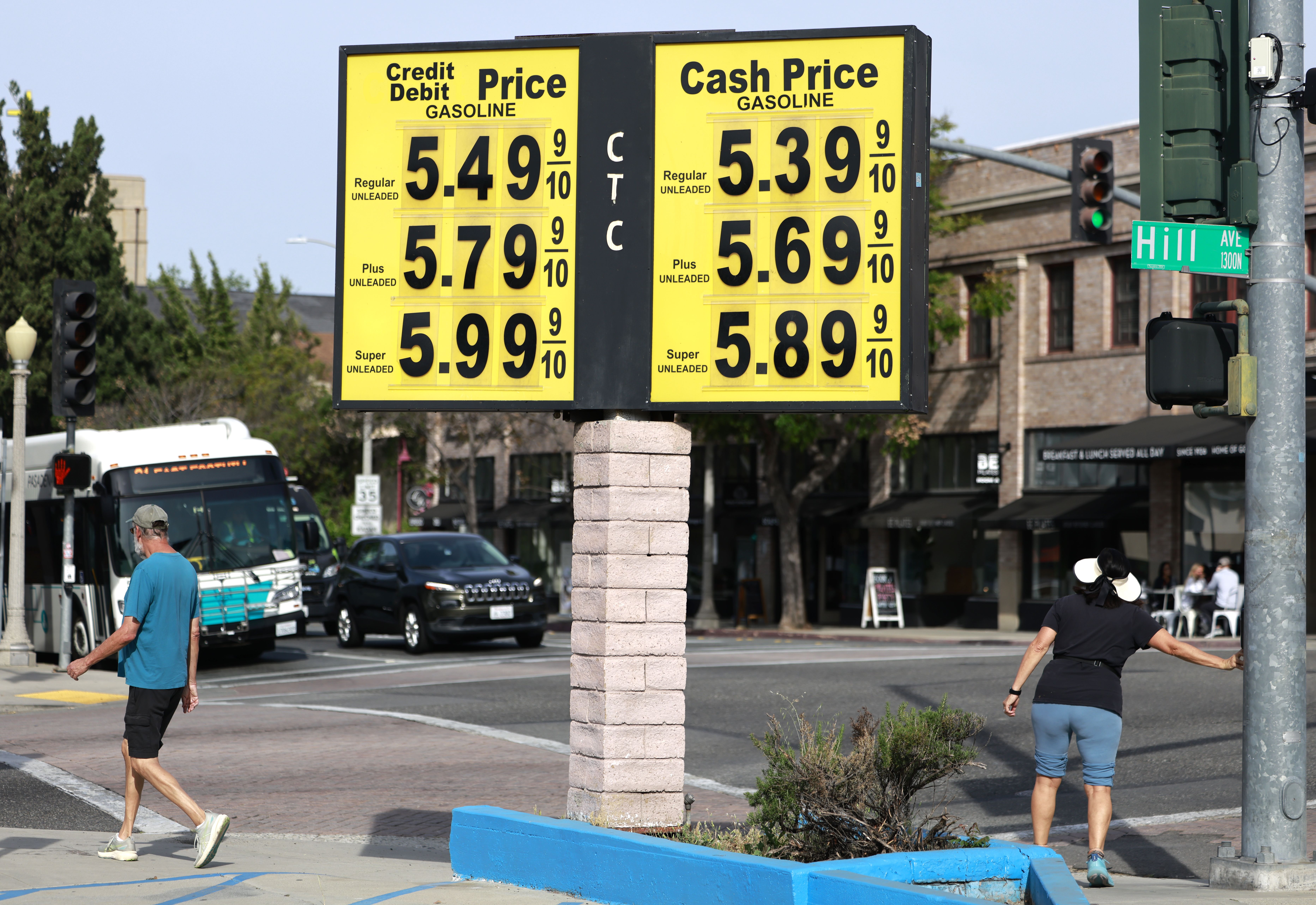
Generally, every $1 in crude oil cost could lead to a $0.02 to $0.03 shift in gas prices.
- Additional factors — like taxes and refining costs — typically add another chunk (sometimes around $1 to $1.50) to the total cost for gas prices, per the EIA.
Case in point: When the U.S. average gas prices hit $4 per gallon nationwide on Tuesday, Brent crude oil was roughly $104 per barrel.
- The crude oil costs would be roughly $2.63 per gallon. Add in the $1 to $1.50 shift from taxes, refining and distribution costs, and prices would land in that $3 to $4 range.
The bottom line: Understanding how crude oil changes gas prices isn't easy, but watching the shift can tell you where prices may head.
Go deeper: The oil market's COVID moment
