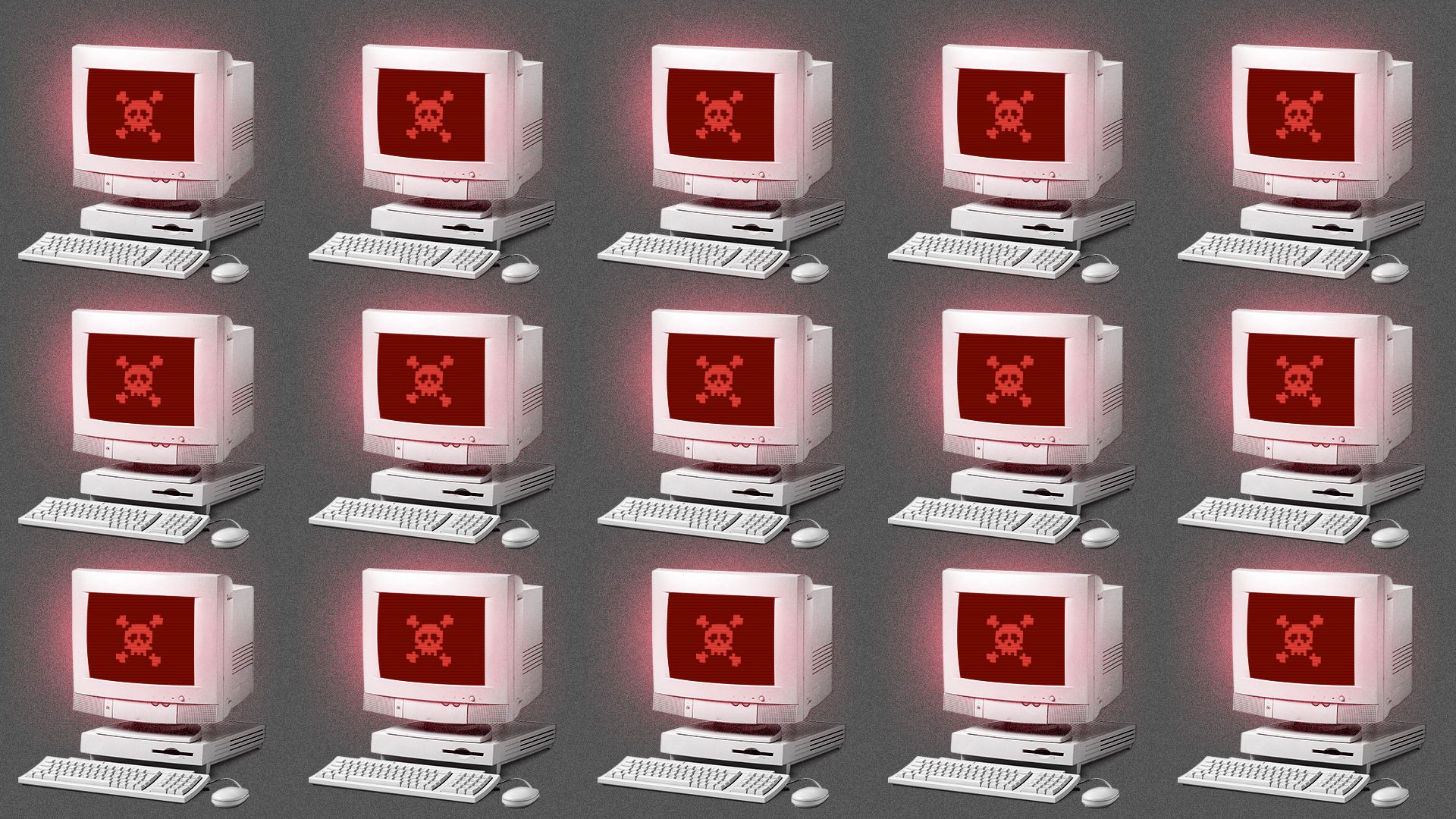
Suspected North Korean hackers are believed to be behind an ongoing compromise of the widely used open-source package Axios, which is downloaded millions of times per week, researchers at Google said Tuesday.
Why it matters: Hackers briefly turned a widely trusted developer tool into a vehicle for credential-stealing malware that could give attackers ongoing access to infected systems.
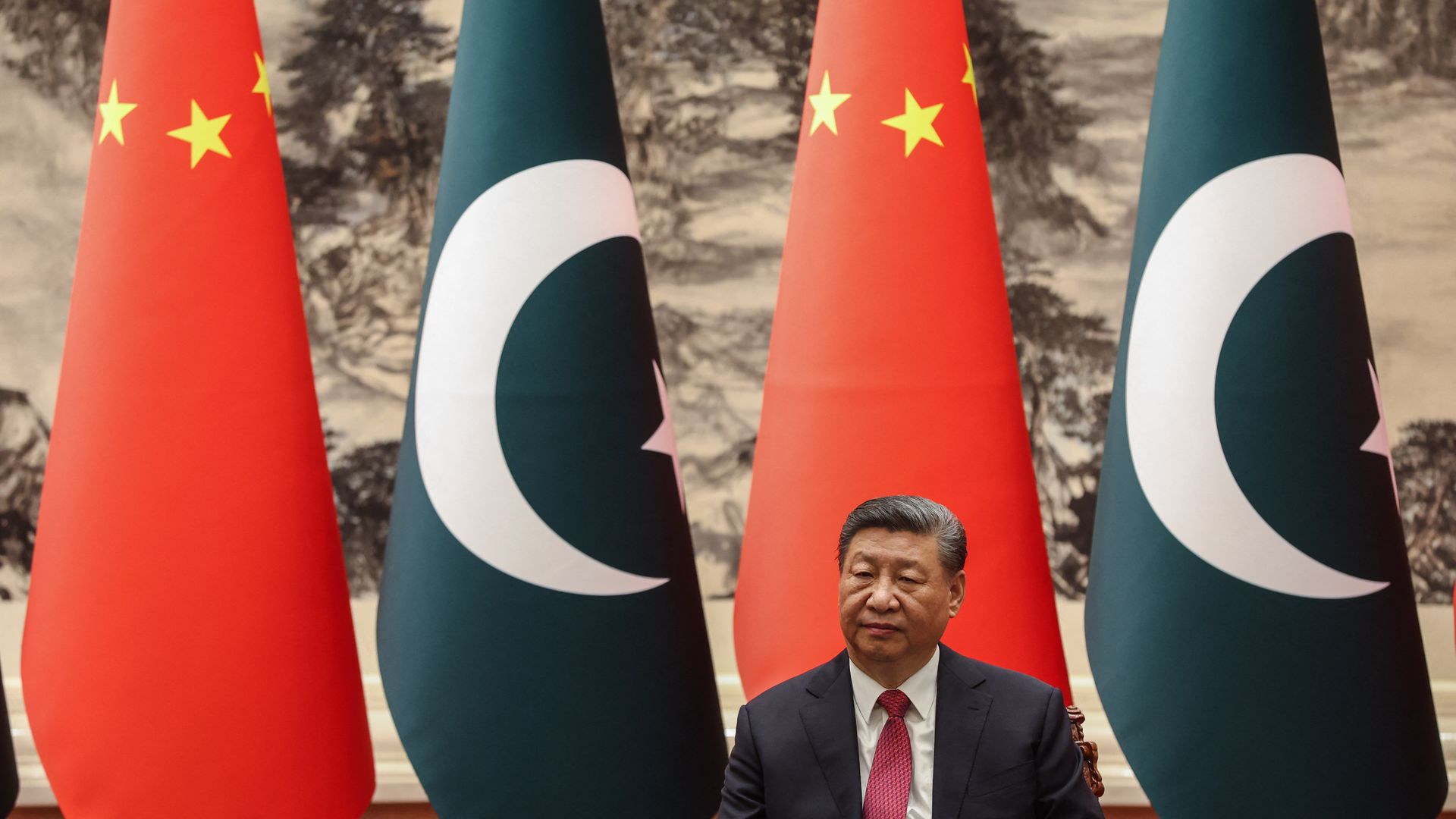
China and Pakistan presented on Tuesday a new initiative for ending the war in Iran that includes an immediate ceasefire and the reopening of the Strait of Hormuz.
The intrigue: Pakistan's foreign minister told Axios the plan came together during his visit to Beijing on Tuesday. Asked whether he supports the new initiative, President Trump declined to comment on the specifics but told Axios the diplomacy with Iran was going well.
Iranian hackers are now taking their psychological warfare tactics directly to government officials and employees at major companies.
Why it matters: Even unproven threats from Iranian hackers can create fear, uncertainty and doubt — draining attention and forcing targets to divert time and resources from their own operations.
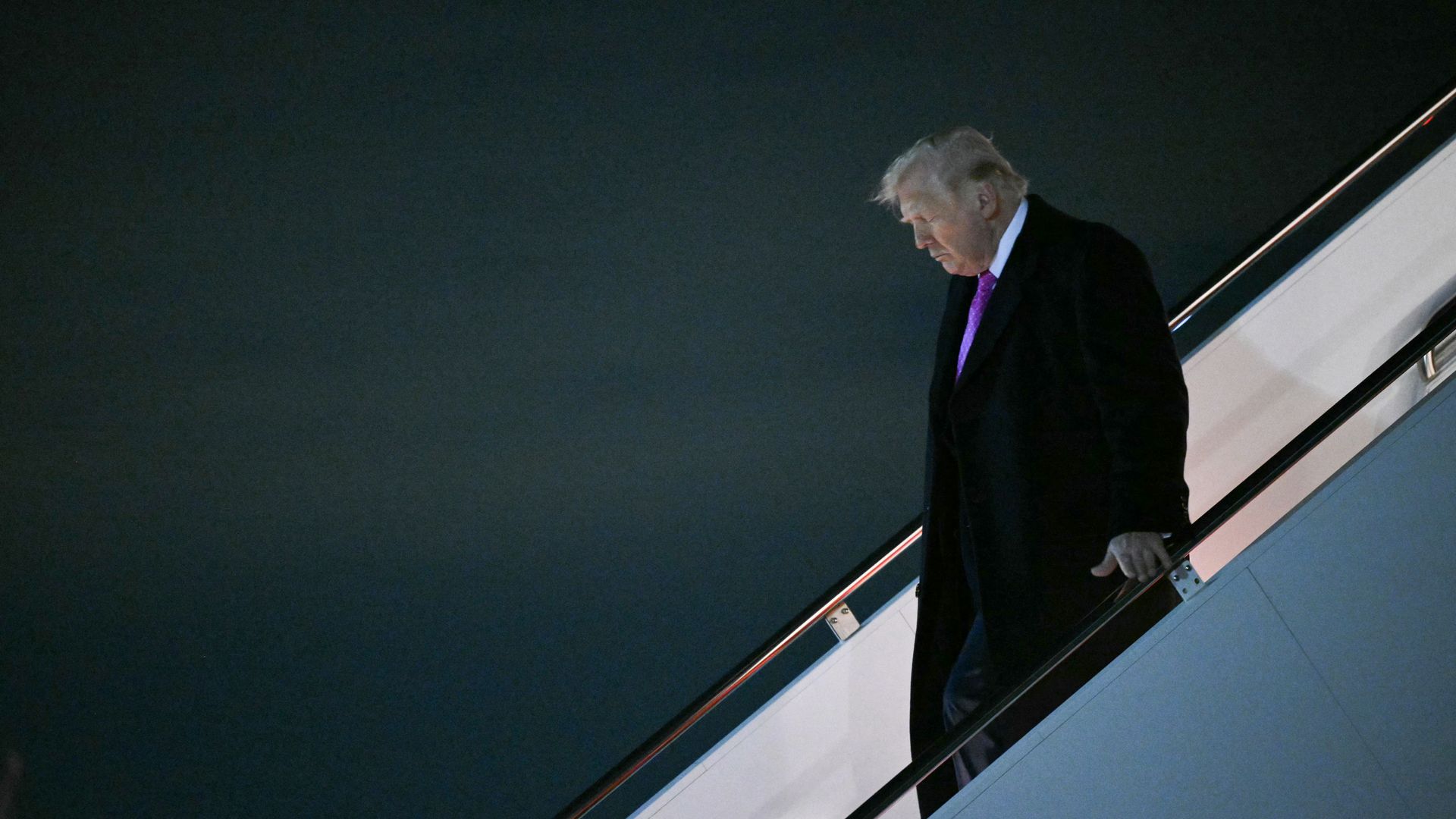
President Trump on Tuesday attacked European allies for not doing more to support the U.S. in its war with Iran and signaled they will have to reopen the Strait of Hormuz on their own.
Why it matters: This was the third time in recent days that Trump signaled publicly he could end the war in Iran without reopening the Strait of Hormuz.
The oil shortage brought on by the Iran war will spread throughout the world, much as COVID-19 did, moving from east to west and leaving a path of destruction in its wake, a new analysis says.
Why it matters: If the oil shock plays out along those lines, it would mean the global economy has only just begun to feel the pain of the war's impact.
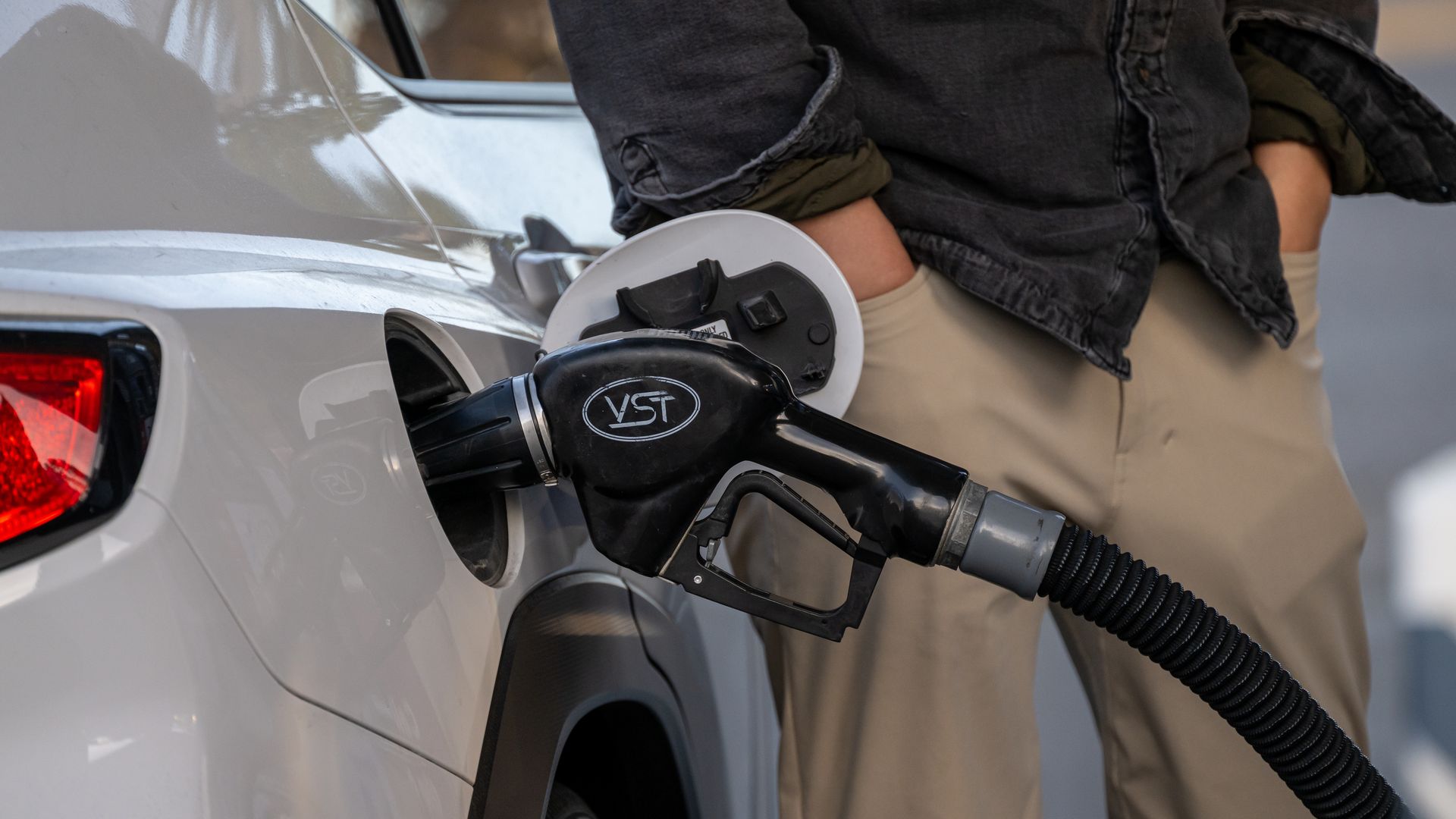
U.S. average gas prices have hit $4 per gallon nationwide, per AAA.
Why it matters: It's a 35% increase at the pump since the war in Iran began last month, and there's little hope that costs will ease as the Strait of Hormuz remains closed to most ships, straining supplies worldwide.
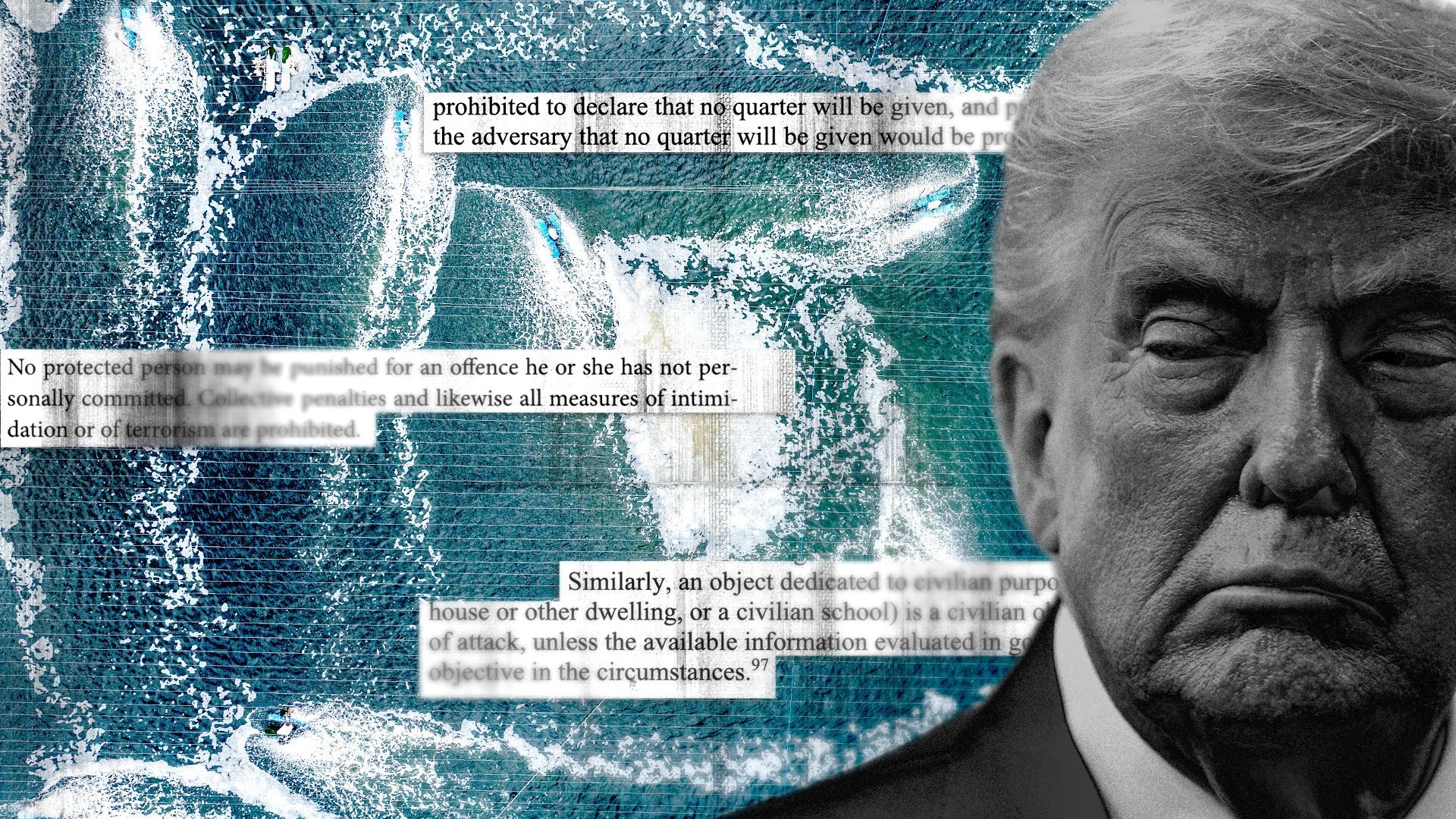
President Trump's threat to bomb Iran's water supply would constitute his most dramatic breach of the laws and norms designed to protect civilians in wartime.
Why it matters: The Iran war is the biggest test of what Trump's contempt for "politically correct" war-fighting looks like in practice.
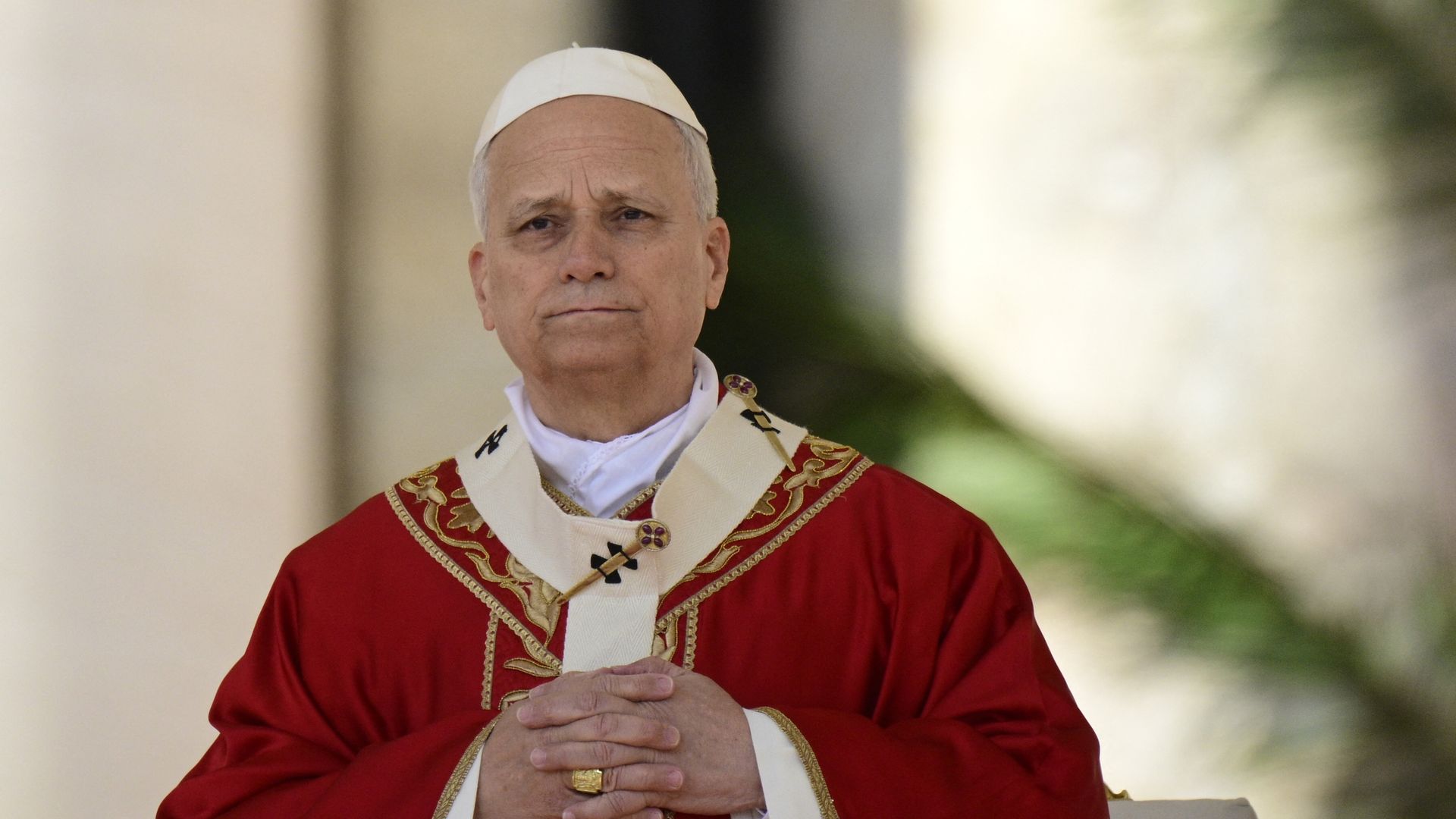
Pope Leo XIV is emerging as a cautious voice of moral opposition to President Trump's policies, challenging the president's approach to world affairs without calling him out by name.
Why it matters: The first U.S.-born pontiff is in a "unique position" and standing as an international figure because of the nature of the office, papal scholars tell Axios.
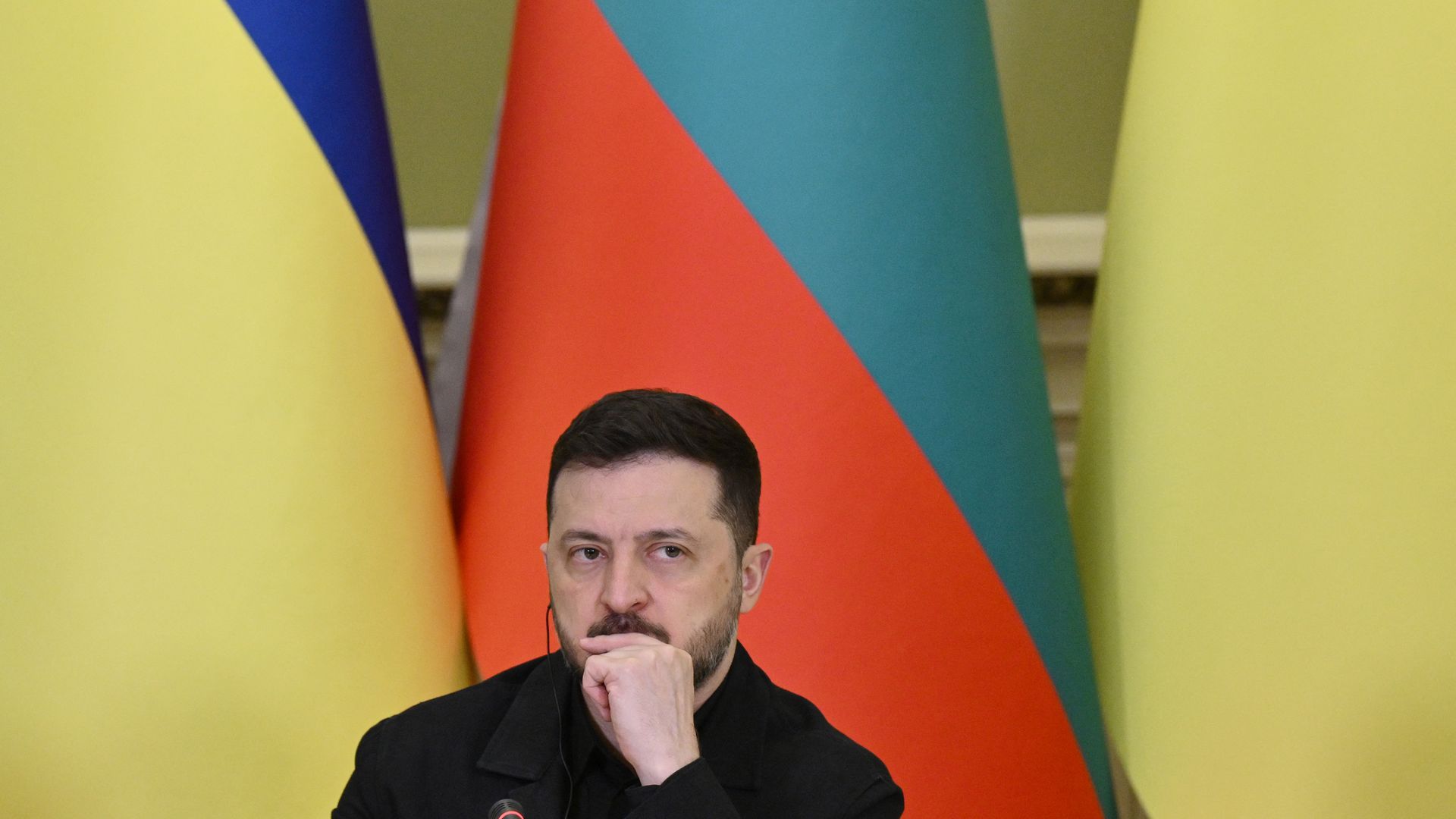
Ukrainian President Volodymyr Zelensky told Axios on Monday that a long war in Iran would be very good for Russia and very bad for Ukraine.
Why it matters: Russia's oil-dependent economy is getting a big boost from surging oil prices and the loosening of U.S. sanctions, while the conflict could lead to shortages of air defense interceptors and other weapons Ukraine desperately needs, Zelensky said.
President Trump hinted Monday that the Iran war may be over soon — the latest in a series of occasions he has teased that the conflict might end.
Why it matters: Trump's messaging on the Iran war's endgame is all over the map as he attempts to make his case to the American people that the conflict will not lead to prolonged war.
The U.S. has a key advantage in weathering the Iran war-triggered energy shock that was missing in previous episodes of overseas tumult: an economy that has become substantially less energy-intensive.
Why it matters: Higher prices at the gasoline pump, for jet fuel and for diesel will no doubt hurt. But in relative terms, both the average household and the economy as a whole have more capacity to weather the hit than in the past.
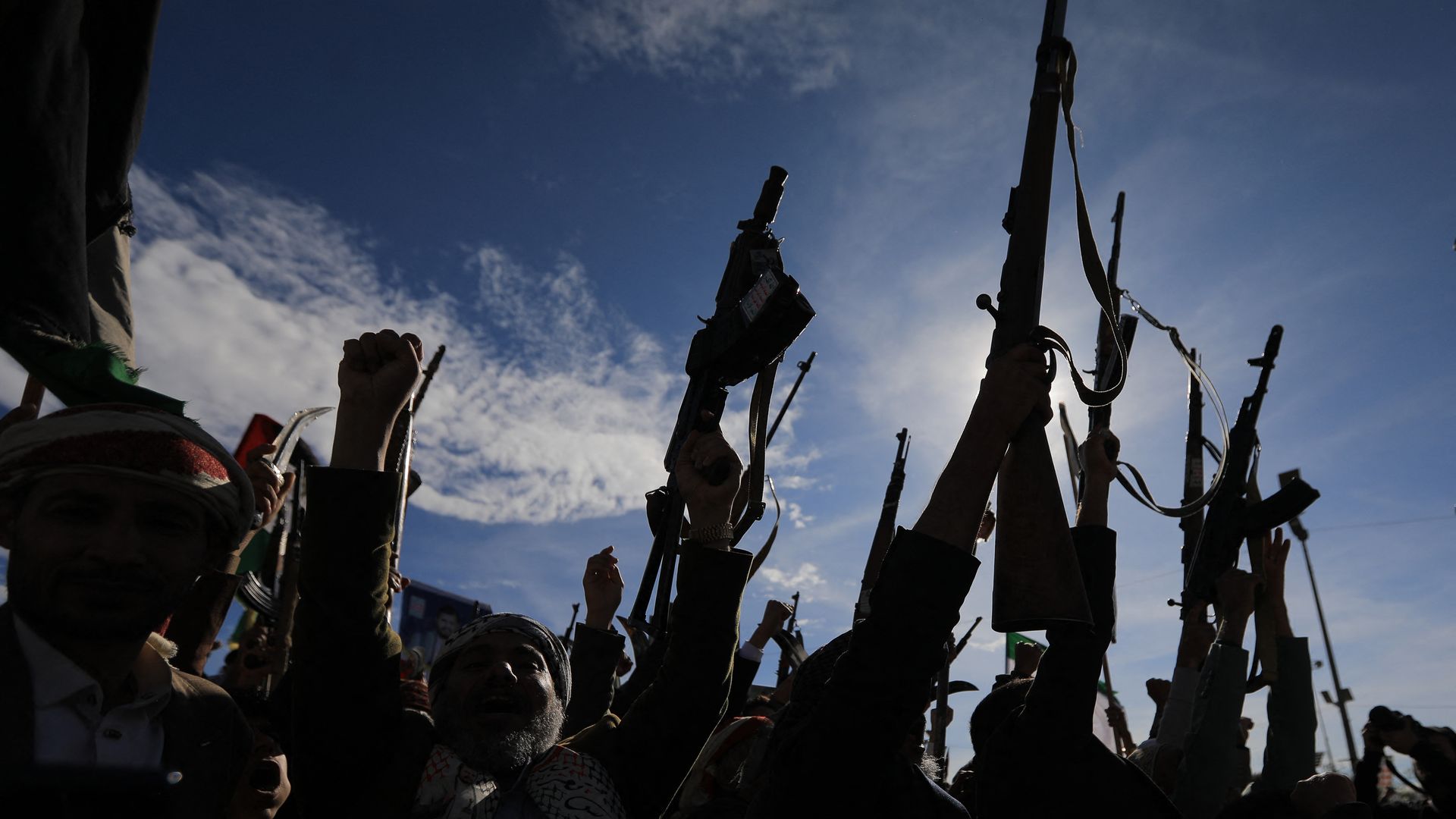
The Houthis — a military rebel group from Yemen — have joined the Iran war, massively complicating the road ahead for the United States.
Why it matters: Houthi involvement not only gives Iran another ally in the war but could exacerbate the global energy and shipping crises caused by closing the Strait of Hormuz.
President Trump threatened on Monday that if a deal with Iran "is not shortly reached" and if the Hormuz Strait isn't open "immediately," the U.S. will "completely obliterate" Iran's power, energy and water infrastructure.
Why it matters: Destroying those facilities would not only have devastating implications for Iranian civilians, it could also deepen the war-driven global energy crisis. The threat comes a week before Trump's latest deadline for Iran expires, and with the regime showing few signs of bending.
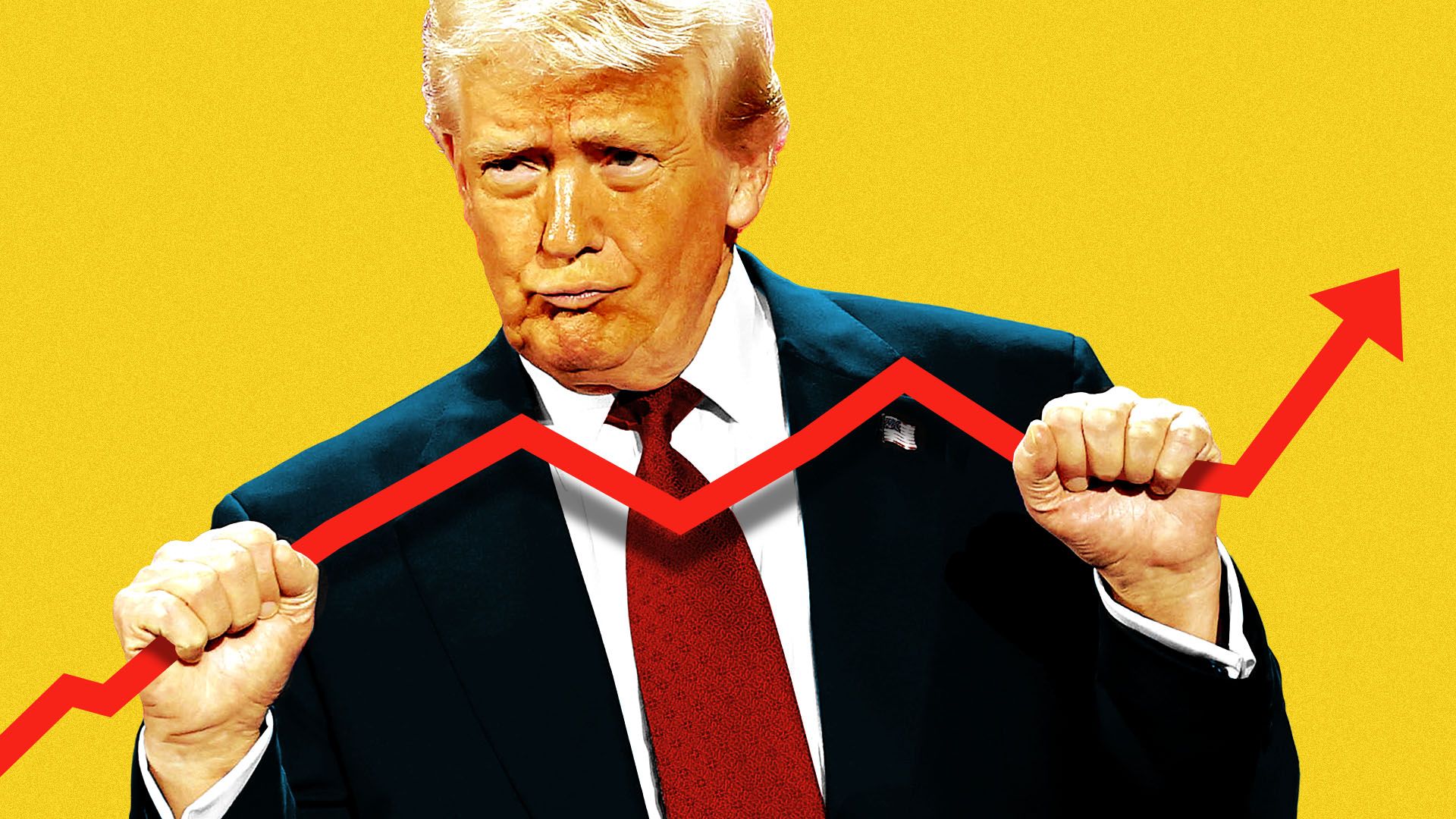
Forget earnings reports or other corporate announcements, the stock market really has just two main catalysts this year: AI anxiety and President Trump.
Why it matters: It's like a pinball machine where the flippers are Truth Social and Anthropic blog posts.
Oil prices climbed above $116 per barrel after markets opened Sunday, as Iran-backed Houthi militants fired missiles and drones at Israel over the weekend and promised to continue attacks.
Why it matters: The high price that remained around the $116 a barrel mark late Sunday came as the war moved into its fifth week, showing little sign of abating despite President Trump's talk of diplomacy.