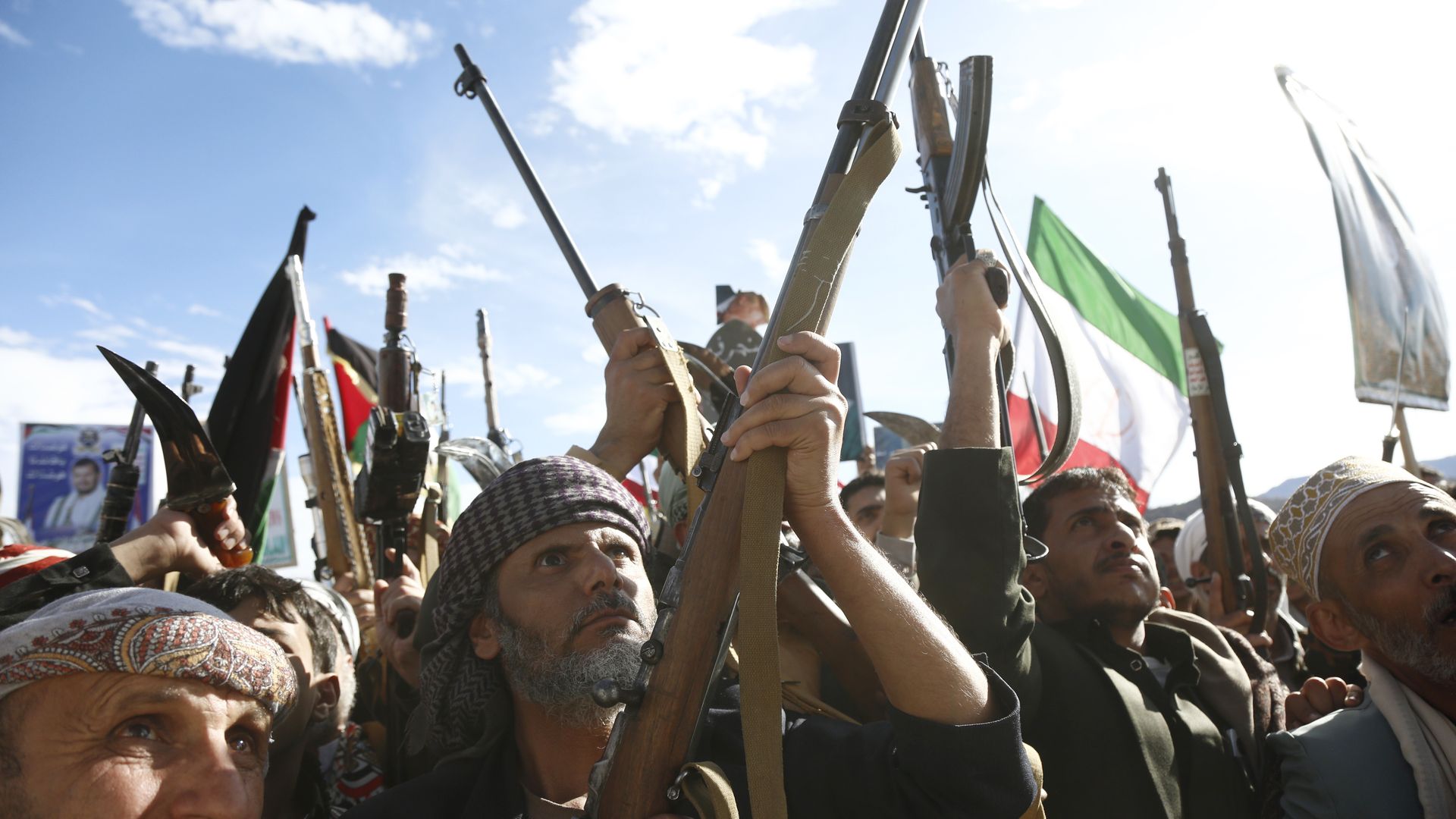
The Houthi rebels in Yemen launched a ballistic missile at Israel on Saturday morning local time.
Why it matters: This was the first attack by the Houthis since the war in Gaza ended last October. The attack signals the Iranian proxy group is joining the war between the U.S. and Israel and Iran after several weeks of sitting on the sidelines.
Americans desperately want day-to-day life to be more affordable. Right now, they aren't getting it.
The big picture: The pinch of high prices for food, energy, housing and more has driven seismic shifts in public opinion over the last four years. Since the onset of the Iran war, the cost of living looks likely to get worse, not better, at least in the near term.
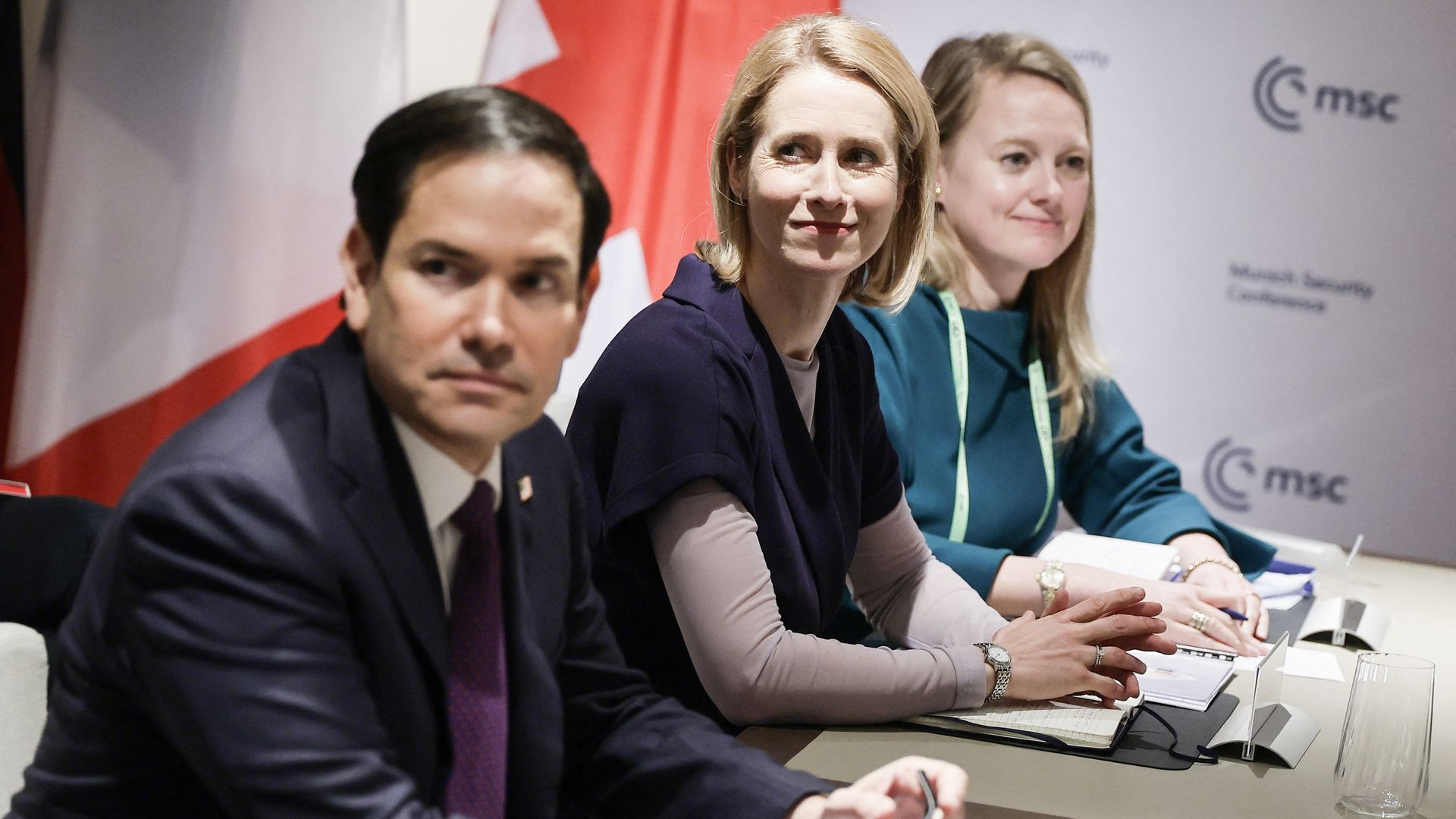
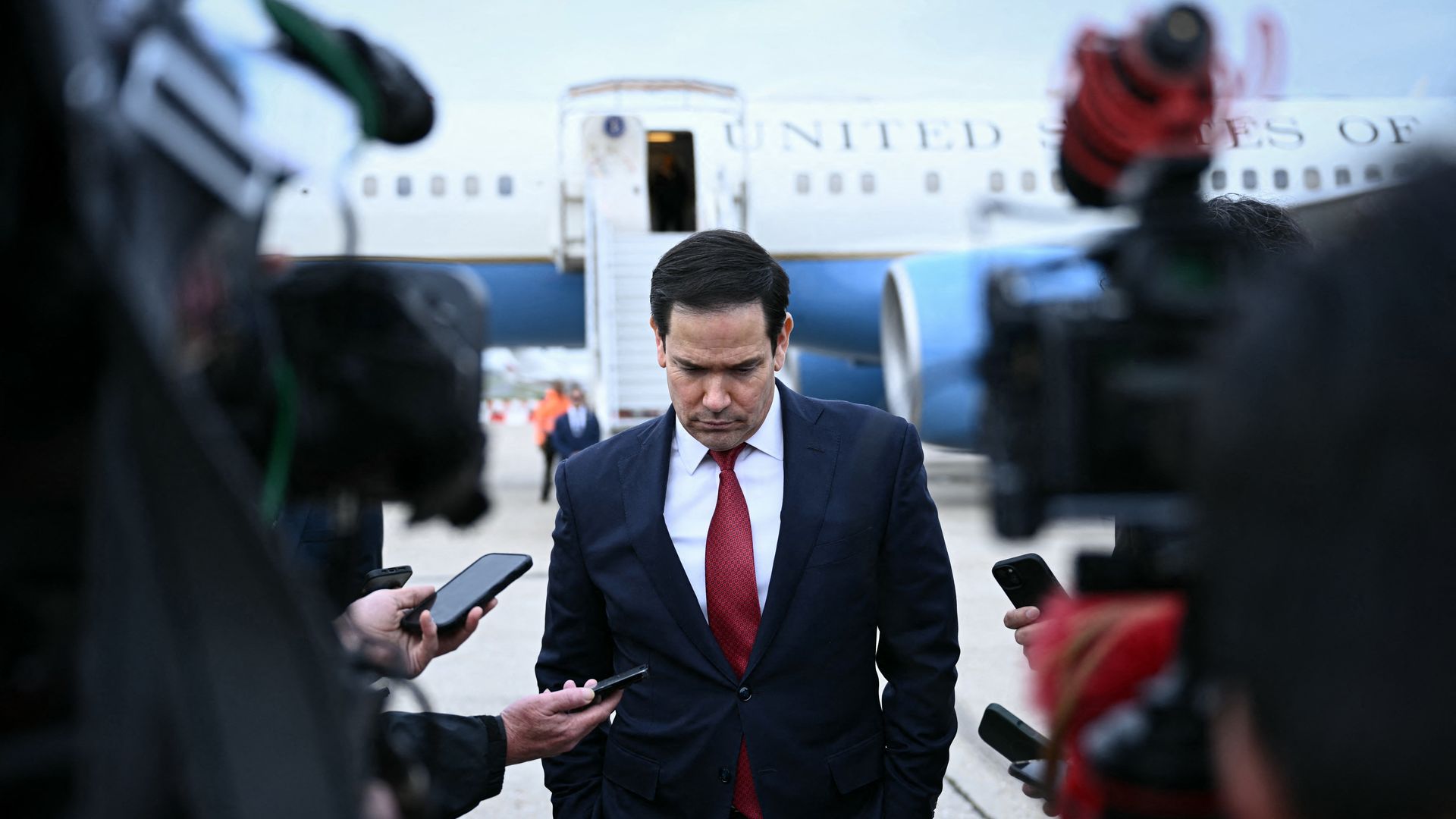
EU foreign policy chief Kaja Kallas asked Secretary of State Marco Rubio when the U.S. would get tough on Russia during a G7 ministers meeting on Friday, sparking a sharp retort, according to three sources who attended the meeting.
Why it matters: The tense exchange, which took place in front of allied foreign ministers, was symptomatic of the mutual distrust between the U.S. and many of its European allies over the war in Ukraine.
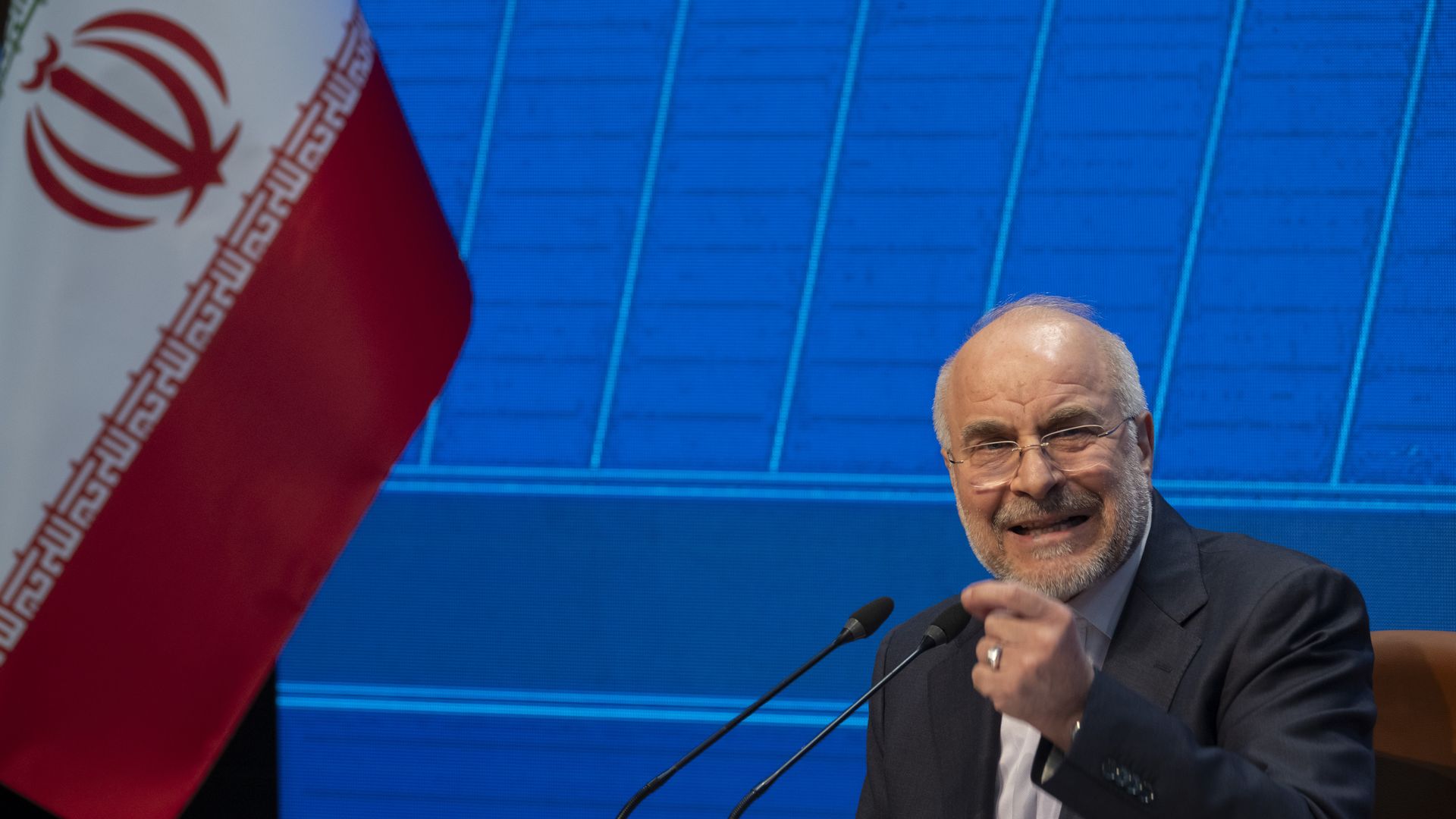
Iran's Parliament Speaker Mohammad Bagher Ghalibaf has emerged as a key figure in President Trump's push for peace talks with Tehran.
The big picture: Trump has pressed Iran to strike a peace deal as the war reaches its first month, but the regime has rebuffed and mocked the overtures. However, Ghalibaf has reportedly shown a willingness to engage.
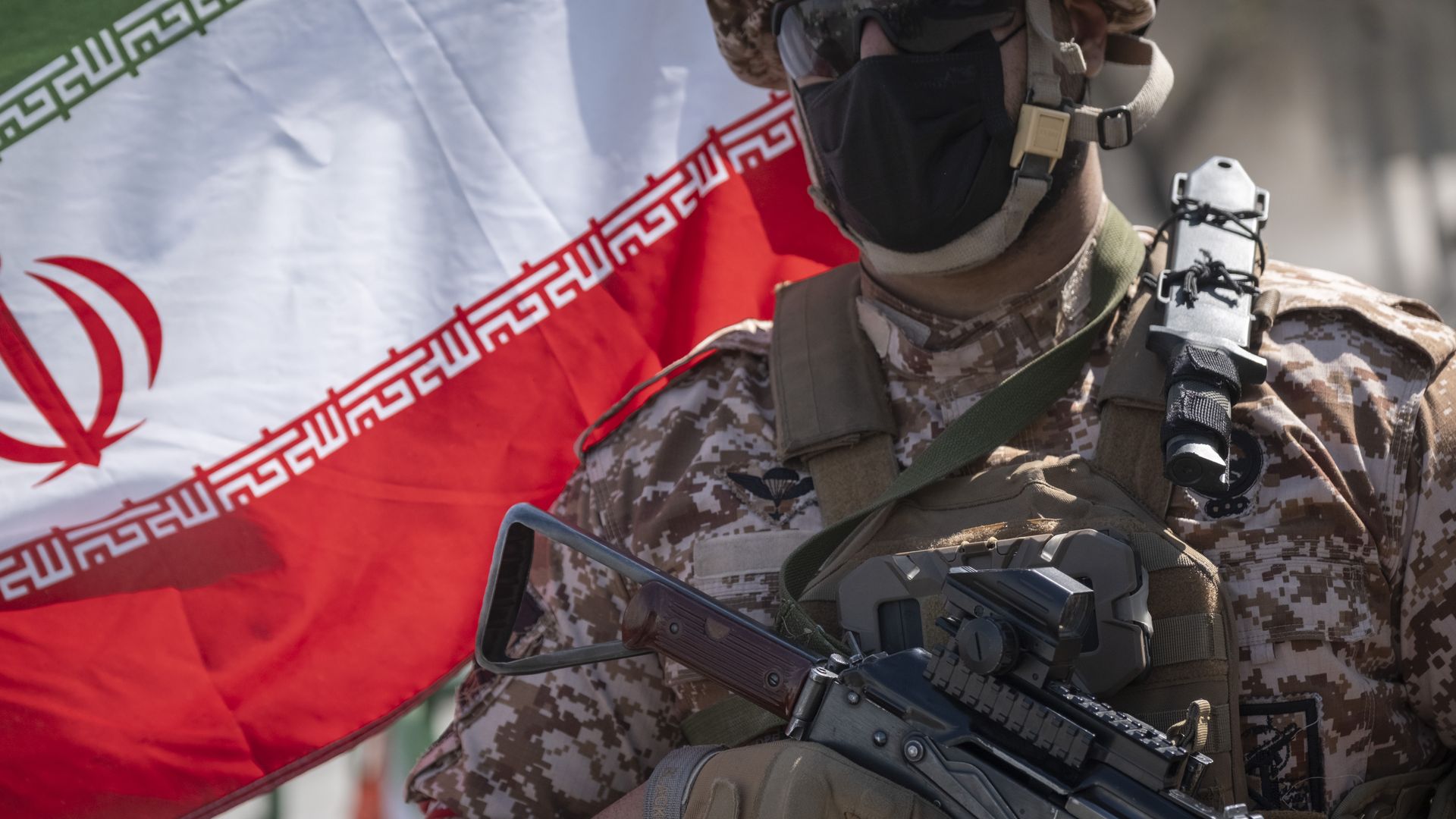
Iran's military has taken a significant beating in the opening weeks of the U.S.-Israeli offensive — but Tehran continues to demonstrate a defiant disruptiveness.
The big picture: The U.S. is developing military operations for a "final blow," Axios' Barak Ravid reported, but some hypothetical next steps, like the use of ground forces, could risk intensifying the fight.
Secretary of State Marco Rubio told G7 foreign ministers on Friday that the war with Iran will continue for another two to four weeks, three sources with direct knowledge tell Axios.
Why it matters: This is the first time a senior U.S. official suggested the war would continue beyond the four to six-week timeframe President Trump has discussed since the war started.
The Iran war is sending longer-term borrowing costs surging amid prospects for higher inflation, fewer Federal Reserve rate cuts and more federal borrowing.
Why it matters: Higher rates create new pressure for an already-faltering housing sector, make the U.S. government's fiscal challenges worse and could weigh on business investment and consumers alike.
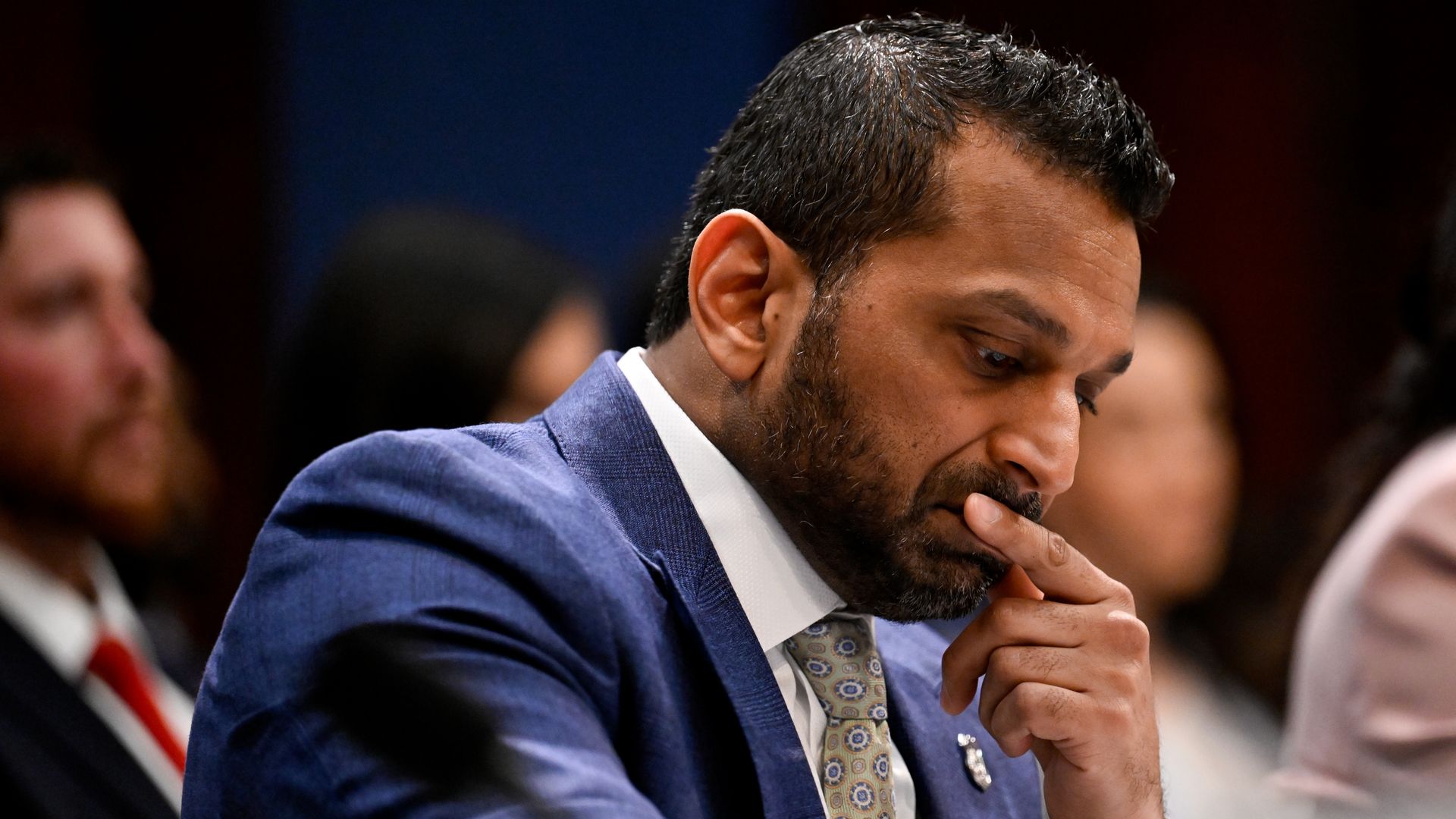
A hacktivist group that the U.S. has linked to back to Iranian intelligence services claims it has stolen "personal and confidential information" from FBI Director Kash Patel, including emails, documents and potentially confidential files.
Why it matters: The attack could be the most significant cyberattack of the ongoing war between the U.S., Israel and Iran, and could put an uncomfortable spotlight on Patel.
When the Iran war started, market analysts issued reassuring notes: Short-lived geopolitical shocks don't typically rattle the stock market, they said.
Why it matters: We're now into month two of conflict. Equities are wobbling, and investors are growing increasingly skeptical of President Trump's assurances.
Where it stands: The tech-heavy Nasdaq index is now down 11% from its record-high close on Oct. 29 — officially entering correction territory.
The Russell 2000, an index tracking smaller companies, landed in correctionville last week.
The S&P 500 has held up a bit better, but it's down 7.2%from its closing high.
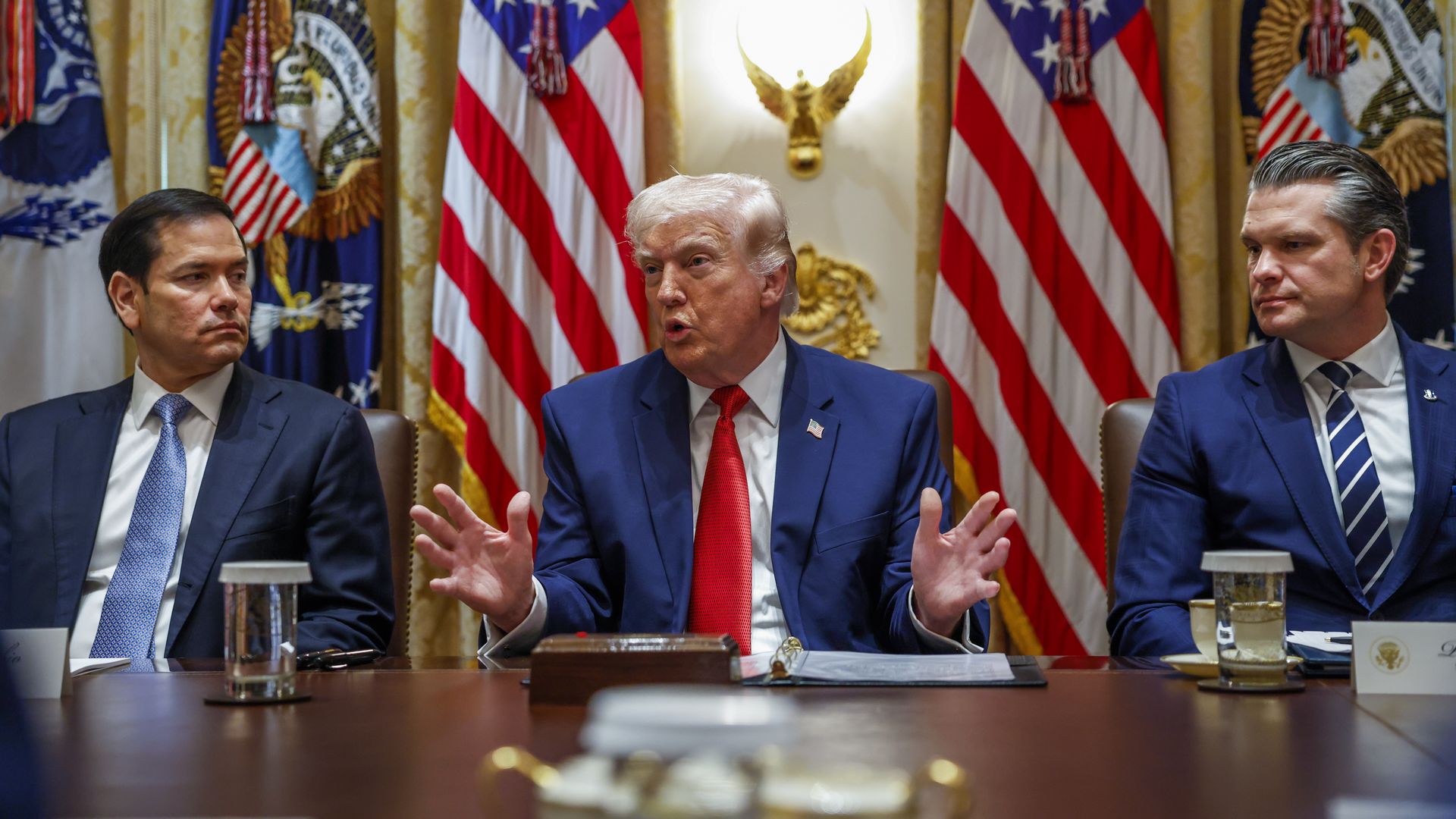
Catch up quick: Minutes after the market closed Thursday, Trump posted that he was extending the deadline for Iran negotiations.
"As per Iranian Government request, please let this statement serve to represent that I am pausing the period of Energy Plant destruction by 10 days." That would bring his latest deadline to Monday, April 6.
The latest: That statement didn't calm the markets for long. Oil prices spiked to around $110 a barrel when the market reopened.
"While the delay might reduce some of the immediate escalation risk, it offers no new visibility on the path toward resolution," Deutsche Bank analysts wrote in a note this morning.
The big picture: If the market does take a another leg down, the effects on American households would be more pronounced than in previous oil price shock moments.
Nearly 40% of household wealth in the U.S. is tied up in stocks — compared with about 10% during the 1990 oil price shock, UBS economist Arend Kapteyn said in a note yesterday.
That means Americans would be hit with a double whammy from the geopolitical conflict: higher energy prices and lower brokerage account balances. That in turn would be a drag on overall economic growth, as households cut back on spending.
It would also be another downer to the consumer mood.
Zoom out: The stock market doesn't typically take kindly to long periods of high oil prices stemming from Middle East Conflict.
Over the past 50 years, there were nine oil price shocks, where prices rose 20% or more, according to an analysis from Joe Seydl, a senior markets economist at JPMorgan Private Bank.
Zoom in: Four of those shocks led to a selloff in stocks — an S&P decline greater than 10%:
The 1973 oil embargo, the Iranian hostage crisis, the 1990 Gulf war and the Russian Invasion of Ukraine in 2022.
In each case, oil prices rose more than 50%.
Stunning stat: The price of Brent crude is up nearly 40% from the beginning of the war.
Yes, but: It's not just the oil price that triggered the selloff, Seydl writes. Each of those selloffs coincided with either a recession in the six months after the shock or Federal Reserve interest rate increases.
The past doesn't predict the future.
What to watch: Weekend postings by Trump. The president has had a tendency to escalate the conflict with Iran with social media posts on Saturdays and Sundays that in turn has driven a lot of market volatility.
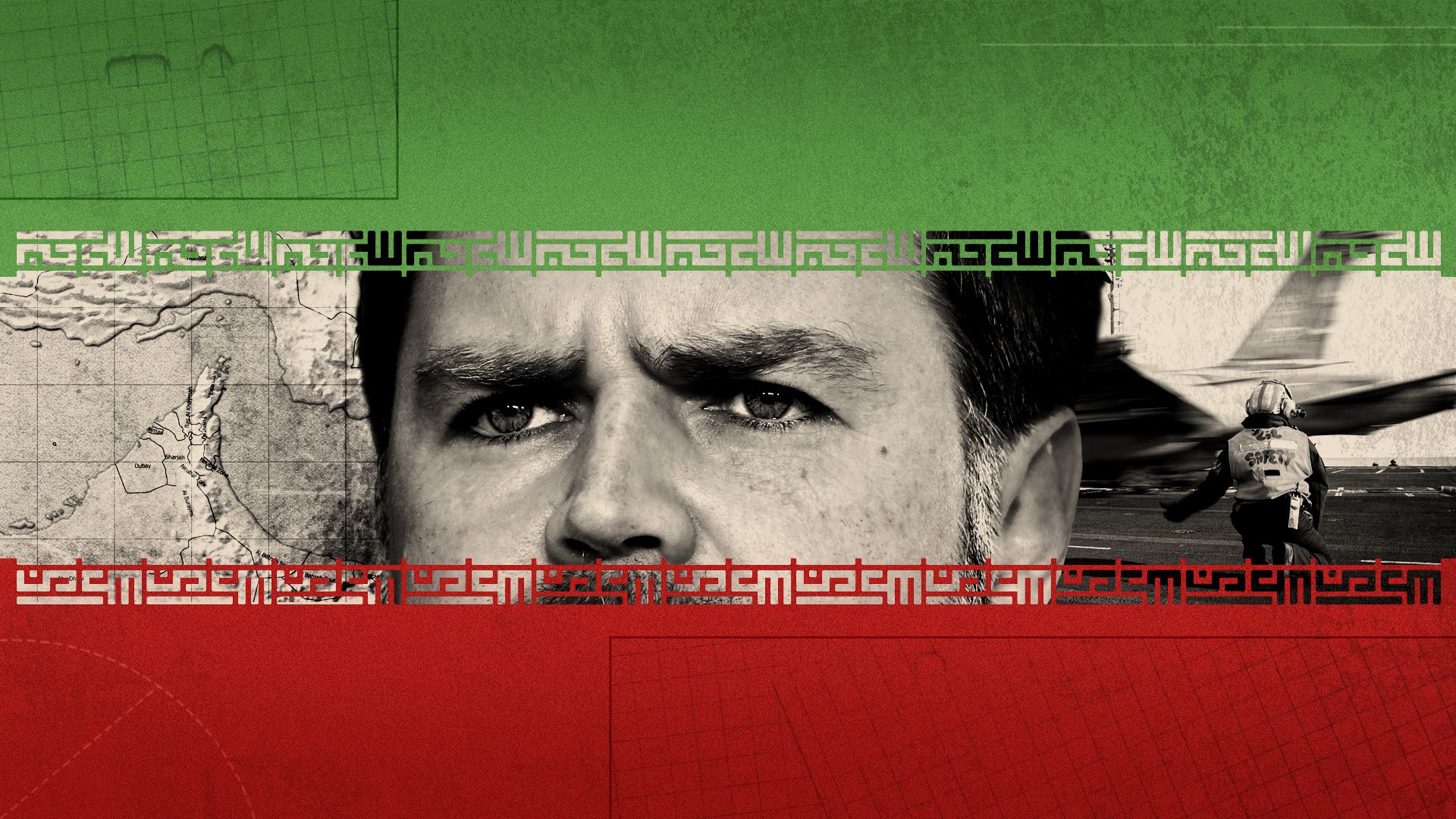
Vice President JD Vance is preparing to take on the most important assignment of his career: steering U.S. efforts to end a war he'd been concerned about waging in the first place.
Why it matters: Vance has already had multiple calls with Israeli Prime Minister Benjamin Netanyahu, met Gulf allies about the war and been involved in indirect communications with the Iranians. He's expected to be the top U.S. negotiator in potential peace talks.
China's emergence as a second hub of pharmaceutical innovation could trigger massive changes to the global drug market, including how treatments are regulated and priced in the U.S.
Why it matters: More cutting-edge therapies are generally a good thing for patients, regardless of where they come from. But the new world order could spark questions over who'll access those therapies and where money flows.
The White House and the Pentagon are considering sending at least 10,000 additional combat troops to the Middle East in the coming days, according to a senior U.S. defense official.
Why it matters: If the Trump administration decides to send extra troops, it will significantly increase the number of combat soldiers the U.S. has in the region. It is another signal that a U.S. ground operation in Iran is being seriously prepared.