4 reasons why the U.S. attacked Iran with Israel

Add Axios as your preferred source to
see more of our stories on Google.
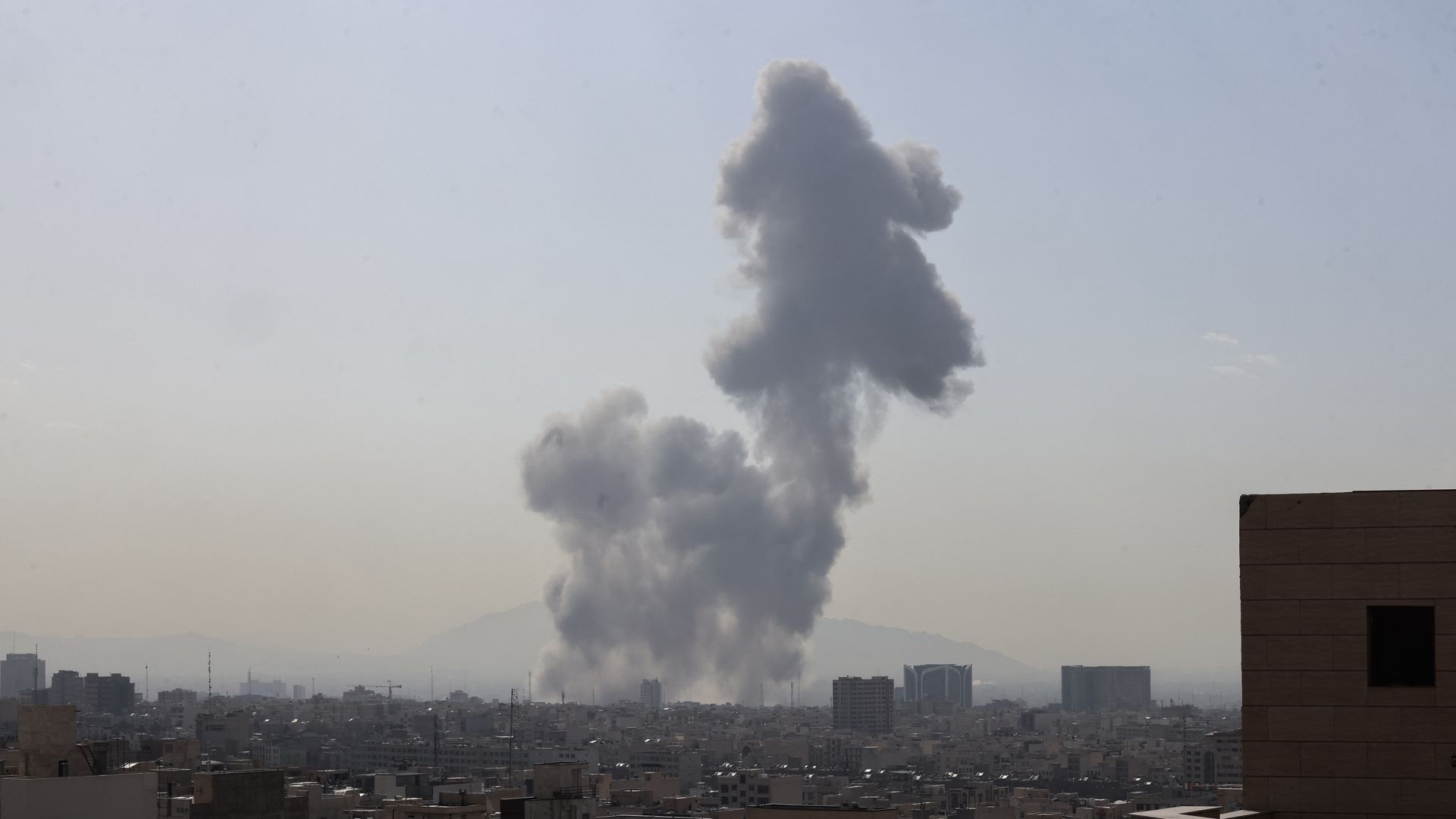
Smoke rises over Tehran on Feb. 28 after explosions were reported in the Iranian capital following Israel's announcement of a preemptive strike. Photo: Atta Kenare/AFP via Getty Images
President Trump announced early Saturday morning that "major combat operations" had begun in Iran, following through with military action after weeks of threats.
The big picture: After months of failed nuclear talks and limited strikes last June, Trump escalated to direct combat operations targeting Iranian leaders.
Catch up quick: Operation Epic Fury began after Trump gave Iran roughly 10–15 days to strike a deal to end its nuclear weapons program.
- Trump accused Iran of conducting "mass terror" in a video statement posted at 2:30am ET,
- "We're not going to put up with it any longer," he said, adding: "We're going to destroy their missiles and raze their missile industry to the ground."
Here's why the U.S. is attacking Iran.
Dispute over nuclear weapons
The U.S. and Iranian relationship has been unstable for years because the U.S. does not want Iran to have a nuclear weapon.
- In his first term, Trump abandoned a 2015 deal to end Iran's nuclear weapons program that former President Obama negotiated, favoring instead a "maximum pressure" approach.
- After former President Biden failed to secure a new deal, Trump re-entered the White House wanting to reopen negotiations.
Throughout his second term, Trump repeatedly said he would prefer diplomacy, but he'd use military force if he couldn't get a deal.
Pressure from Israel
The U.S. struck Iran jointly with Israel, which has been planning for war and pressuring the U.S. for a comprehensive operation.
- During the recent nuclear talks, Trump and Israeli Prime Minister Benjamin Netanyahu were working together closely and considered putting economic pressure on Iran.
- Netanyahu told Trump in February it is impossible to make a good deal with Iran and that even if a deal was made, Iran wouldn't necessarily abide by it, Axios' Barak Ravid writes.
- Trump thought a deal was possible at the time, Ravid reports.
Flashback: The U.S. and Israel worked together on strikes against Iran's nuclear weapons facilities last year.
- Israel attacked Iran after Trump's 60-day deadline to reach a new nuclear deal expired last June.
- The U.S. joined Israel days later and bombed Iran's underground nuclear facilities.
What's next: Officials have expected a broader U.S.-Israeli campaign than the one last June.
U.S. senses Iran regime weakness
Trump may perceive weakness in the Iranian regime after the damaging Israeli and U.S. strikes last year and massive protests in January.
- Demonstrators protested against Iran's economic conditions with some demanding regime change.
- The Iranian regime cracked down hard on protests, with many reports putting the death toll in the thousands.
- The U.S. weighed strikes on Iran in response to protester deaths.
Along with the strikes and protests, Iran's network of proxies was depleted by Israel over the past two years. This all may make Iran seem weaker.
Massive military buildup
Trump's repeated threats against the Iranian regime — and the decision to send two aircraft carriers into the region — created enormous expectations globally that he would strike Iran.
- Throughout his second term, Trump has leaned into using the military around the world.
Go deeper: 6 ways Trump escalated military force in his second term
