Thursday's world stories

Scoop: Cabinet to huddle to talk midterms, economy
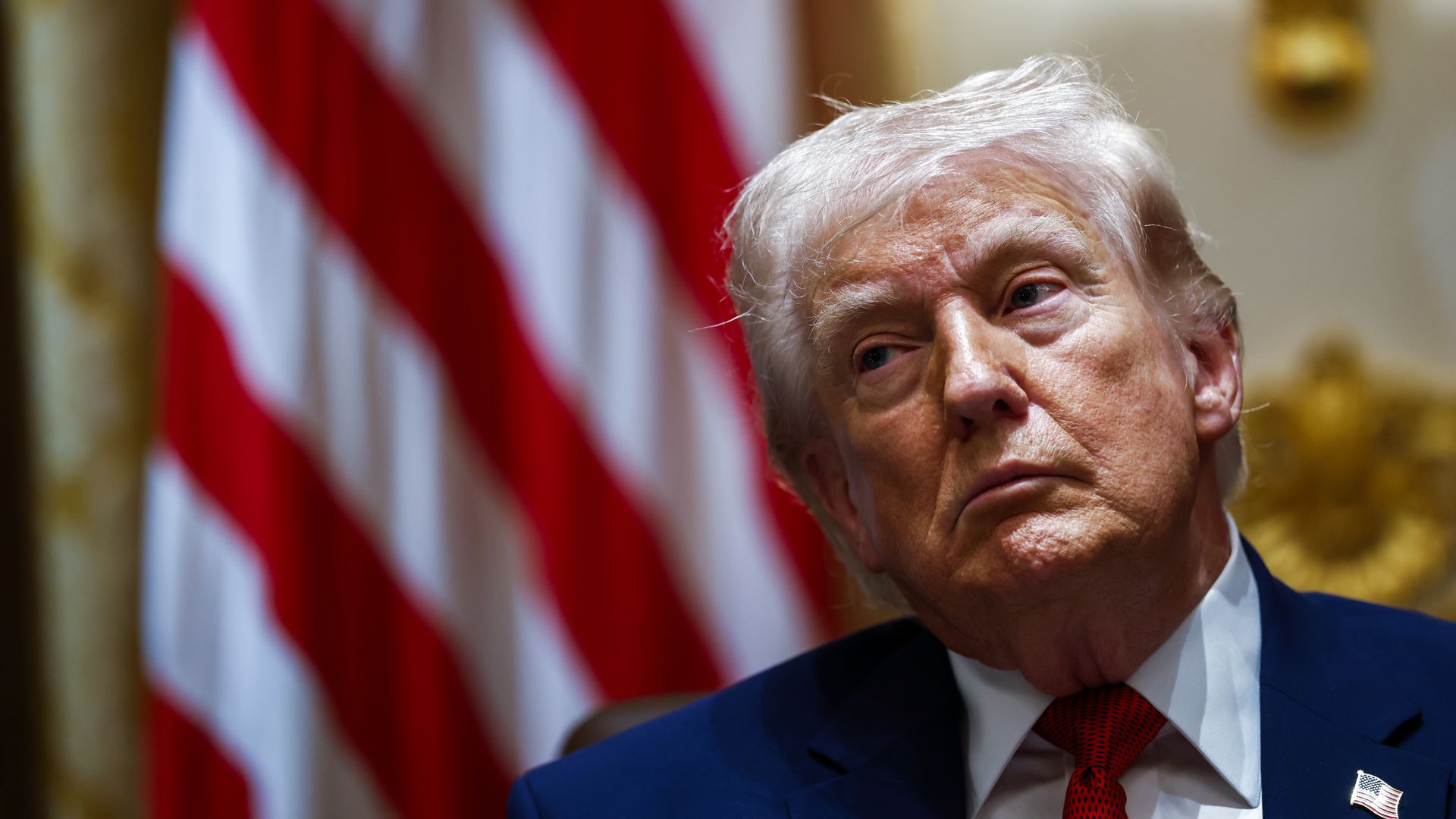
President Trump's political team is meeting with his Cabinet late Thursday to discuss plans for top officials to fan out across the country to stress what the administration is doing to help the economy, sources tell Axios.
Why it matters: Trump's team believes the economy — above all other issues, including any anxiety over the president's actions on Iran or immigration — will drive voter sentiment heading into the November elections.

Trump extends deadline for Iran negotiations
President Trump extended the deadline for negotiations with Iran and paused his threat to bomb Iranian energy facilities by another 10 days.
Why it matters: The Trump administration through a group of mediators, Pakistan, Egypt and Turkey, has asked Tehran to hold a high-level meeting this week to discuss a U.S. proposal for ending the war.

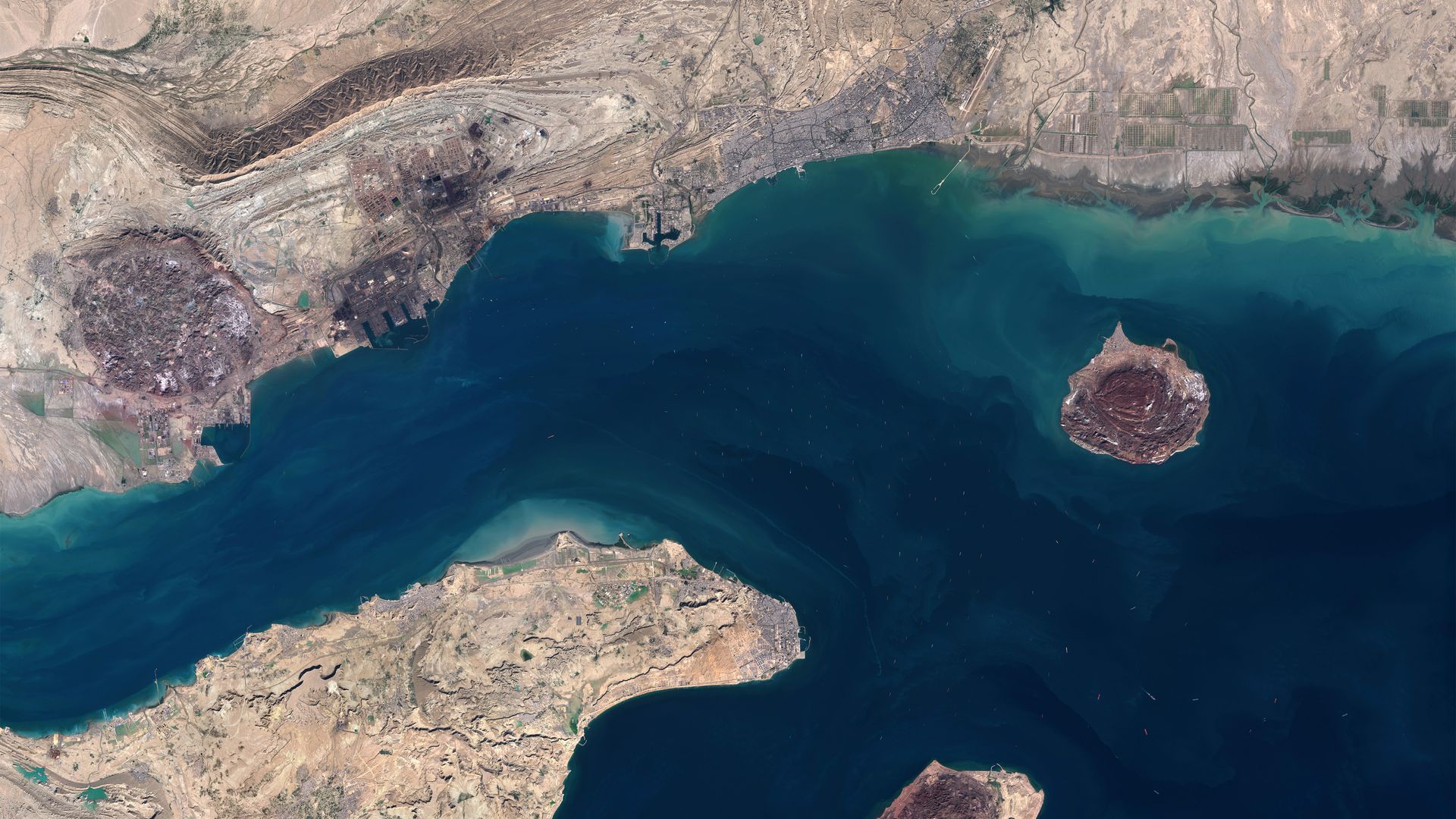
Why these 6 Iranian islands could be crucial to Trump's "final blow" of the war
President Trump is considering a range of options for military escalation with Iran, several of which center around strategic islands in the Persian Gulf.
Why it matters: The importance of the islands comes from their proximity to the Strait of Hormuz, a critical energy chokepoint, and in some cases their role in Iran's own oil industry or military defenses. But taking and holding Iranian territory would be far riskier than anything the U.S. has attempted thus far in the war.

Why House Dems didn't force an Iran war powers vote
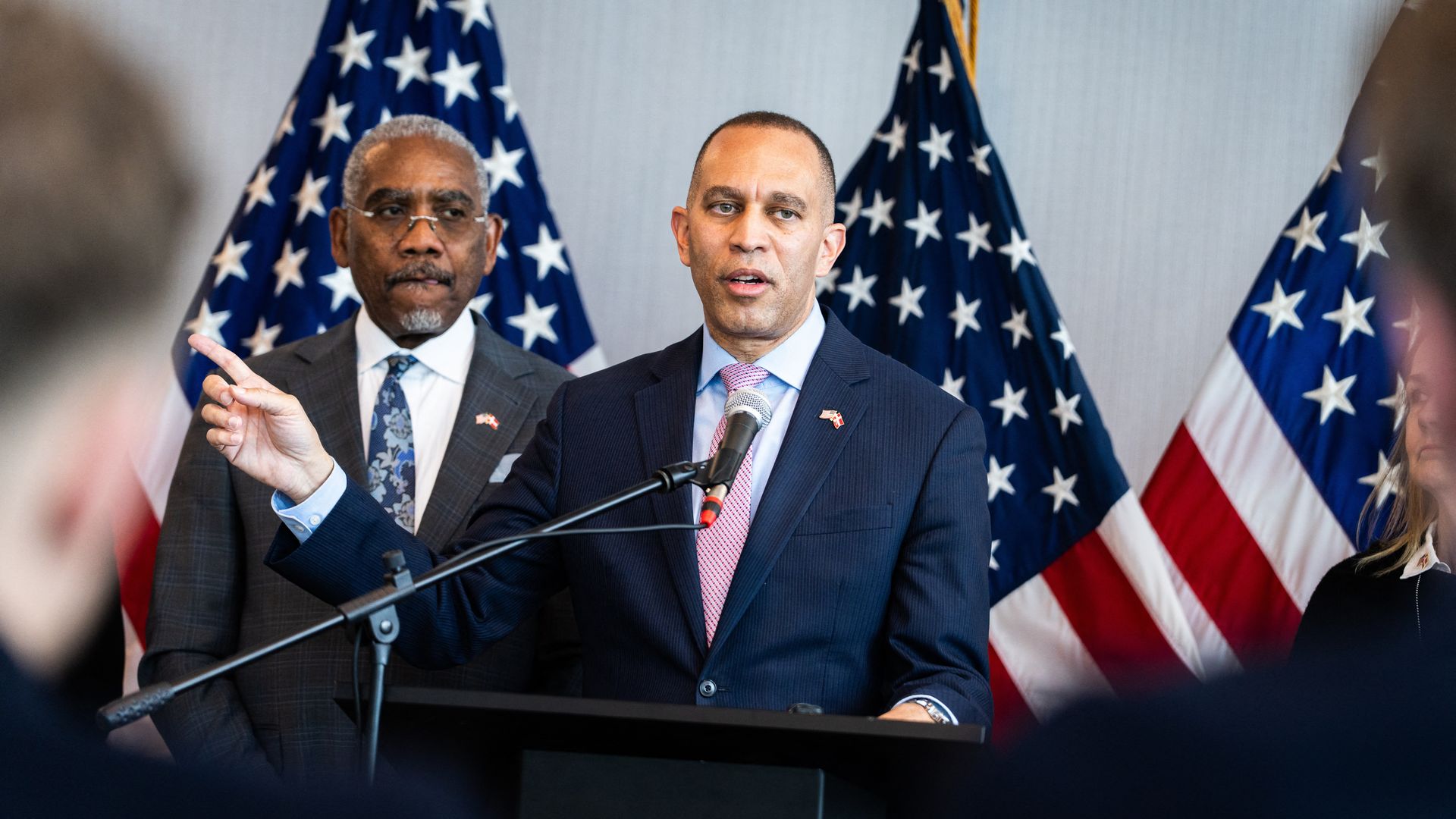
House Democrats chose not to force a vote this week to block President Trump from unilaterally waging war with Iran in part out of fear that they still lacked the votes to pass the measure, Axios has learned.
Why it matters: The move is frustrating the Democratic grassroots, with some progressive groups and lawmakers fuming over the fact that another vote won't be possible until mid-April.

Trump says he won't call Iran conflict a war. He keeps doing it anyway.
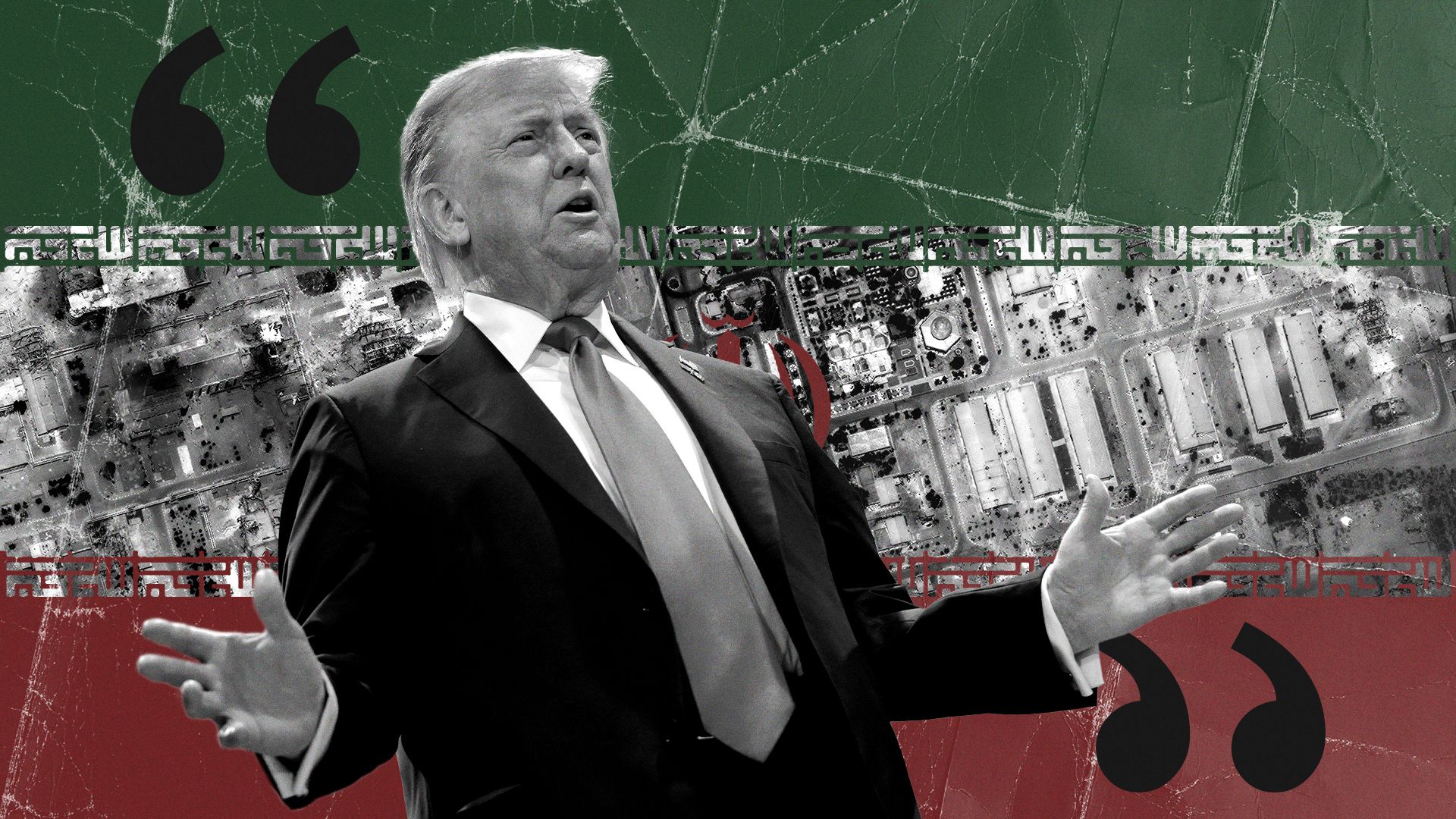
President Trump said Wednesday he won't call the conflict in Iran a "war" because "you are supposed to get approval," suggesting the label itself could trigger congressional authority the administration says it doesn't need.
The big picture: But the fiery operation has been widely characterized as a war (one that's cost hundreds of lives and billions of dollars), including by the president himself as recently as Thursday.

USPS proposes fuel surcharge as Iran war drives up shipping costs
The U.S. Postal Service is seeking to add its first-ever fuel surcharge on packages — an 8% increase — as oil and diesel prices surge.
Why it matters: The Iran war is now pushing up shipping costs — and retailers and consumers are next in line to feel it.
Olympics bans transgender women from female category
The International Olympic Committee said Wednesday it is banning transgender women from competing in the female category, while also instituting DNA-based sex testing for all female athletes.
Why it matters: The move revives sex testing, which was previously dropped in part due to the emotional distress inflicted upon female athletes who discovered their biological makeup was actually more complicated than they were aware of.

Scoop: Nancy Mace eyes break with Trump on key Iran vote
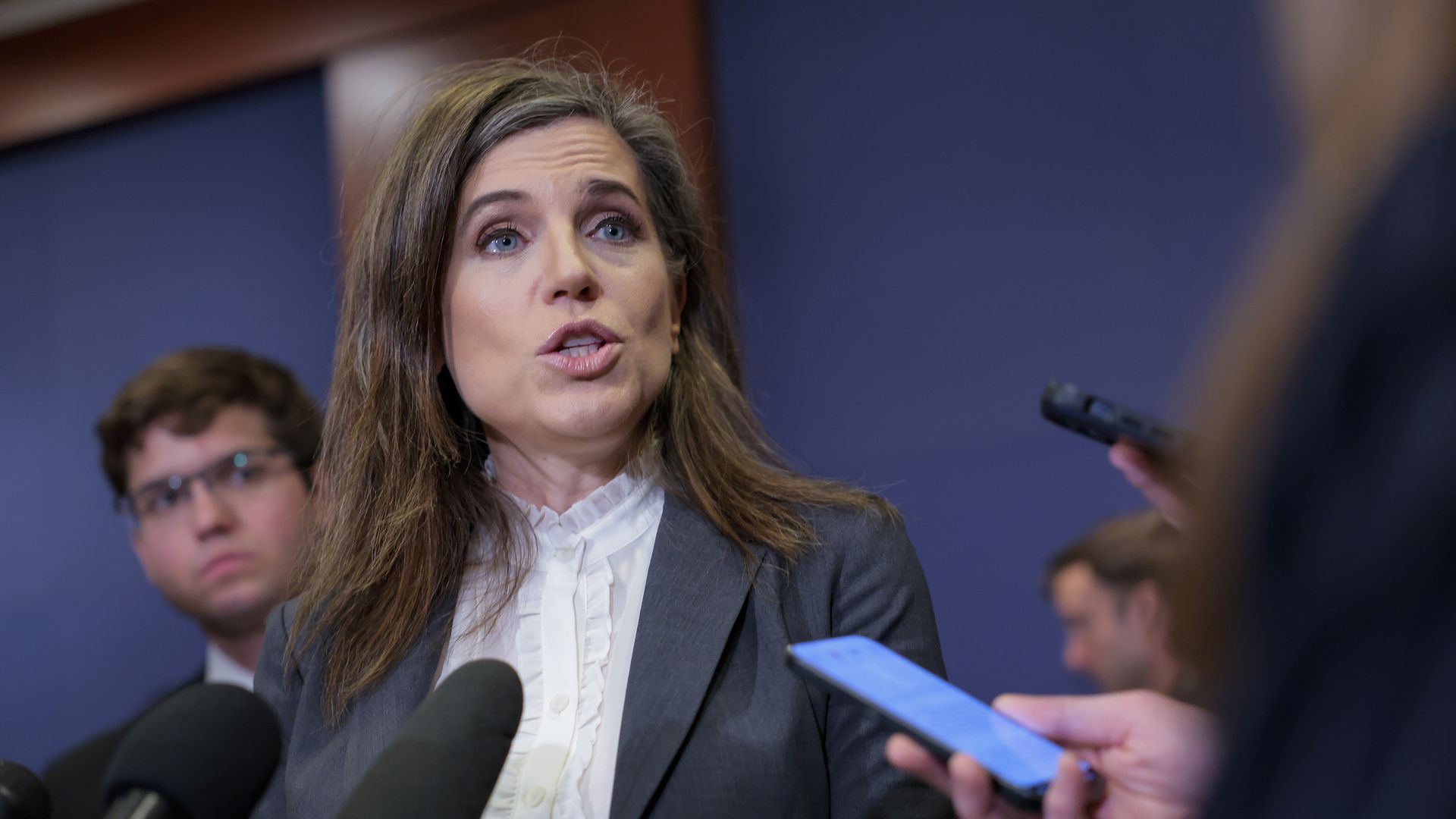
Rep. Nancy Mace (R-S.C.) told Axios she will "most likely" vote for House Democrats' resolution to constrain President Trump from waging war with Iran the next time it comes up for a vote.
Why it matters: The vote is symbolic — even if the measure passed both chambers, Trump could veto it — but Mace's support puts the House one step closer to a major rebuke of the administration's Middle East operations.

Iran war could boost Trump's Alaskan gas vision
HOUSTON — The stunning Middle East supply disruption could lower hurdles to building a long-planned Alaskan gas pipeline and export project that the White House covets.
Why it matters: "That's probably our single most important energy infrastructure project of this whole administration," Energy Secretary Chris Wright said at CERAWeek on Tuesday.

Trump tells Iran to "get serious" in negotiations "before it is too late"
President Trump on Thursday called on the Iranian regime "to get serious soon" in negotiations with the U.S. "before it is too late."
Why it matters: The Trump administration through a group of mediators — Pakistan, Egypt and Turkey — has asked Iran to hold a high-level meeting this week to discuss a U.S. proposal for ending the war.

Why the U.S. Treasury market is like a rom-com
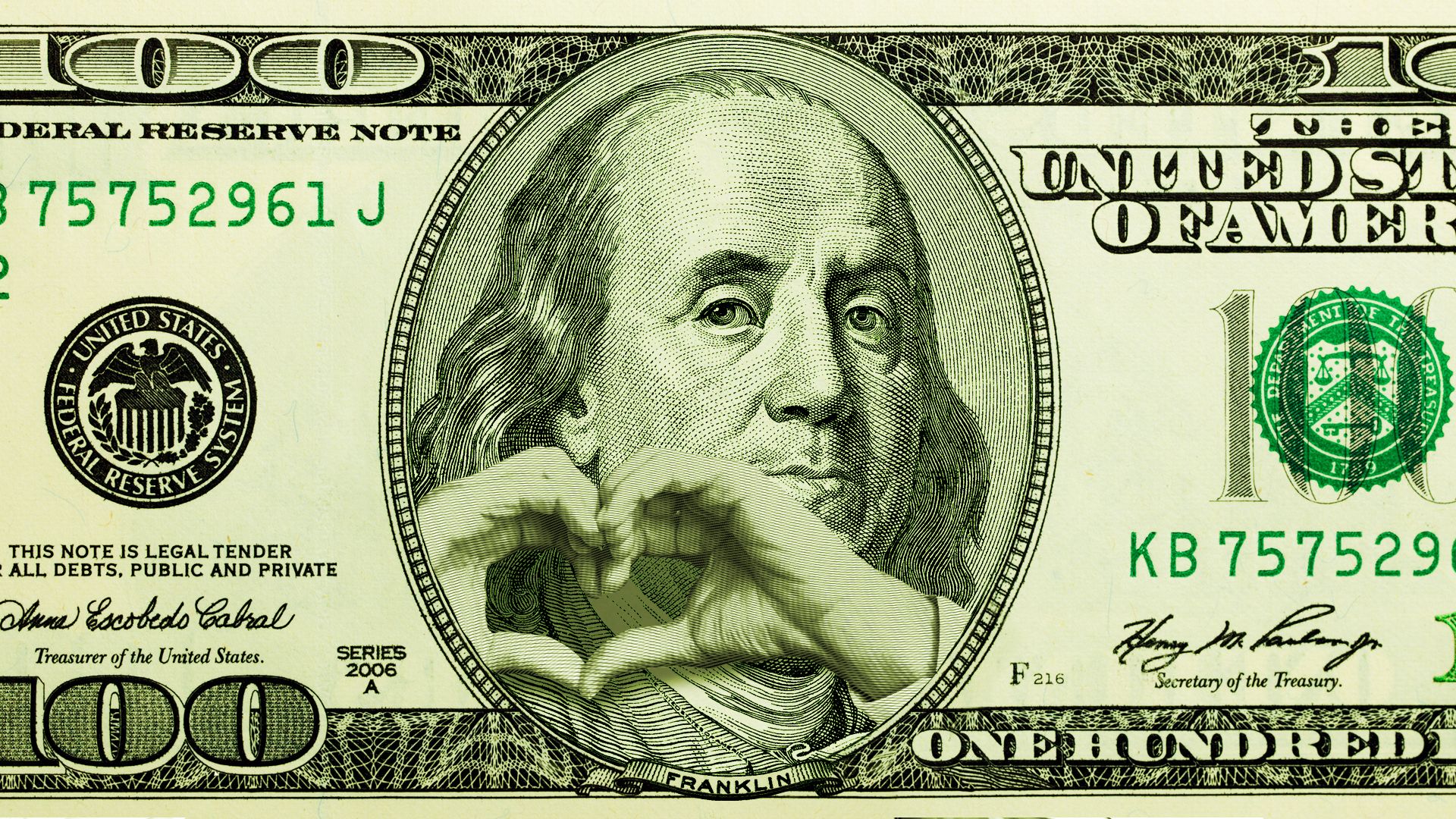
At a Senate hearing earlier this month, economist Martha Gimbel compared a wonky thing, the U.S. Treasury market, to something very relatable, a Hallmark rom-com.
Why it matters: She hit at the essence of what's confounding experts in government debt:
- Why haven't bond investors penalized the U.S. for its erratic policymaking and weakening institutions by meaningfully driving up the country's borrowing costs?
The big picture: Gimbel and other experts believe that the answer is that there's not yet a good alternative to the enormous market for Treasurys, so investors stick with the "cleanest dirty shirt."
- "People think that U.S. Treasurys are the only large safe asset, so people are still buying them," Ugo Panizza, an economist and director of the International Center for Monetary and Banking Studies, told Axios earlier this year.
The U.S. is "currently the boyfriend at the beginning of the Hallmark movie in the big city, where the girlfriend is still going out with him, even though she knows that it's wrong," Gimbel, executive director of the Yale Budget Lab, put it.
- "But at some point, it, she's going to go home to the small town and find the nice firefighter and realize that there's another option."
- "And we don't know when that will happen."
Between the lines: Metaphors are good for getting people's attention on issues that are hard to grasp.
- Gimbel even got a laugh out of the room — no small feat at a hearing before the Senate Subcommittee on Fiscal Responsibility and Economic Growth.
What to watch: If investors ever find a better option than Treasurys, that would be a huge problem given that we are borrowing a lot of money right now.
The latest: The energy shock driven by the Iran war has helped drive up the yields on U.S. debt.
- The MOVE Index, which tracks volatility in the Treasury market, is spiking above its 52-week average — as it has during other moments of economic shock.
- "Investors' concerns include an unsustainable American fiscal position, rising inflation risk and a growing uncertainty about war," RSM chief economist Joseph Brusuelas wrote in a note Wednesday.


How it works: There are reasons for investors to be wary of buying sovereign debt.
- Governments are hard to sue, and it's difficult to enforce your claims against them.
- "They can do things that private companies can't, like pass laws and inflate their currencies," Panizza and University of Virginia international law professor Mitu Gulati explained in a piece for Reuters last summer.
Zoom out: That's why the countries that attract the most investors are the trustworthy ones with strong institutions. They are rewarded with lower borrowing costs.
- 17th-century England is the textbook example. It was able to borrow more because it had effective institutions that checked the king's temptations, per a well-known paper from 1989.
- This helped the country become a superpower.
What they're saying: The U.S. is still considered exceptional among investors, says Layna Mosley, a professor of politics and international affairs who directs the Princeton Sovereign Finance Lab.
The bottom line: Investors still see the U.S. as the safest bet around, but if ever a new hometown hottie materializes — watch out.
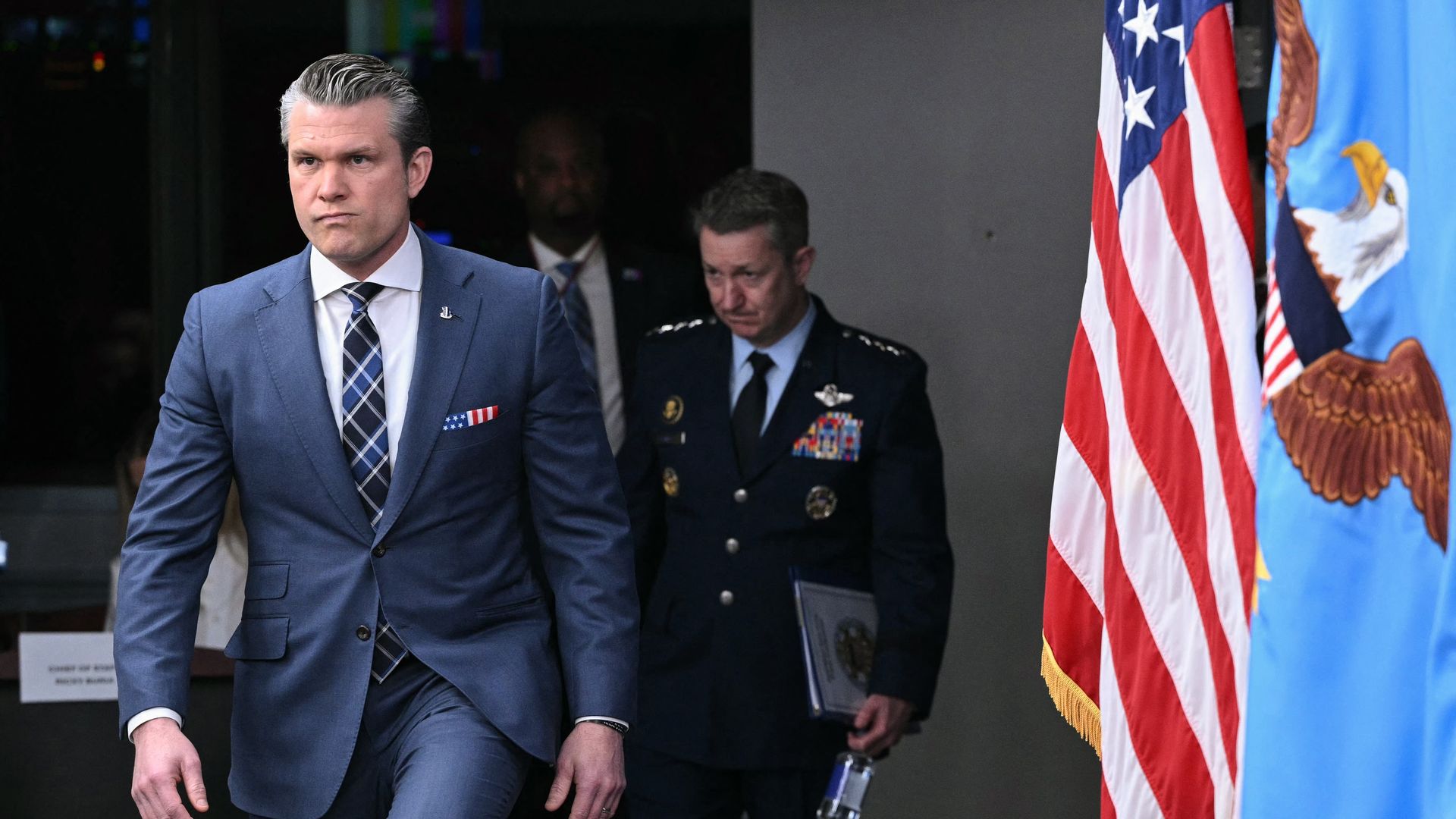
Pentagon prepares for massive "final blow" of Iran war
The Pentagon is developing military options for a "final blow" in Iran that could include the use of ground forces and a massive bombing campaign, according to two U.S. officials and two sources with knowledge.
Why it matters: A dramatic military escalation will grow more likely if no progress is made in diplomatic talks and, in particular, if the Strait of Hormuz remains closed. Some U.S. officials think a crushing show of force to conclude the fighting would create more leverage in peace talks or simply give Trump something to point to and declare victory.