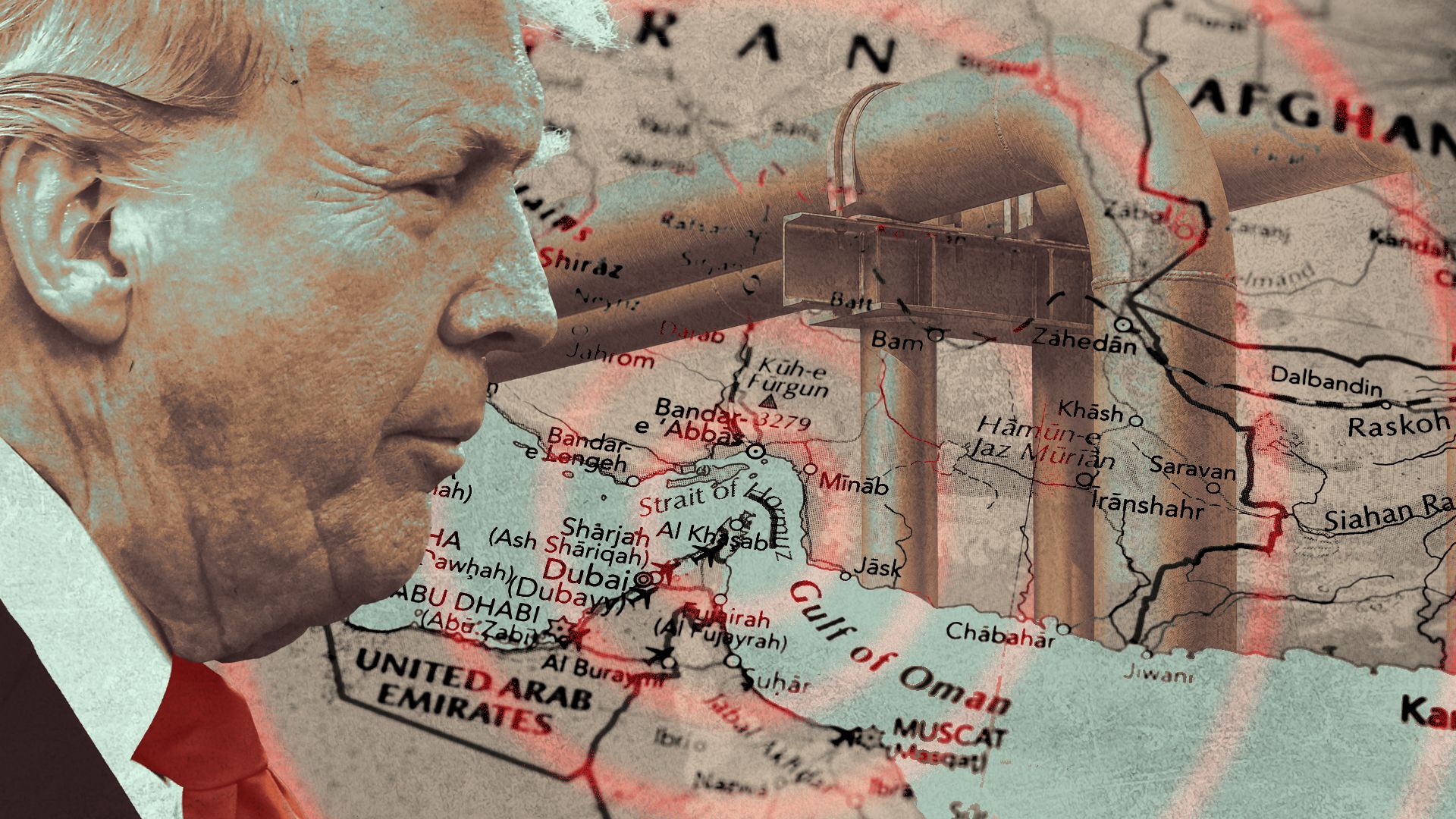
Americans and lawmakers alike continue to signal their discomfort over the U.S. military strikes against Iran, even as the Trump administration directs more troops to the region.
The big picture: Against the backdrop of a roller-coaster oil market, Trump has suggested he's interested in pursuing a diplomatic path with Iran — while also readying options for a potential escalation. But polling indicates a large share of Americans already think things have gone too far.
HOUSTON — Instability is the defining mood at the world's most influential energy gathering this week — playing out in a split screen of oil markets jolted by the Iran war and an AI-supercharged power sector.
Why it matters: The vibe at the CERAWeek conference underscores how quickly the energy landscape has turned unpredictable, leaving billions in investment decisions — and what consumers ultimately pay — hanging in the balance.
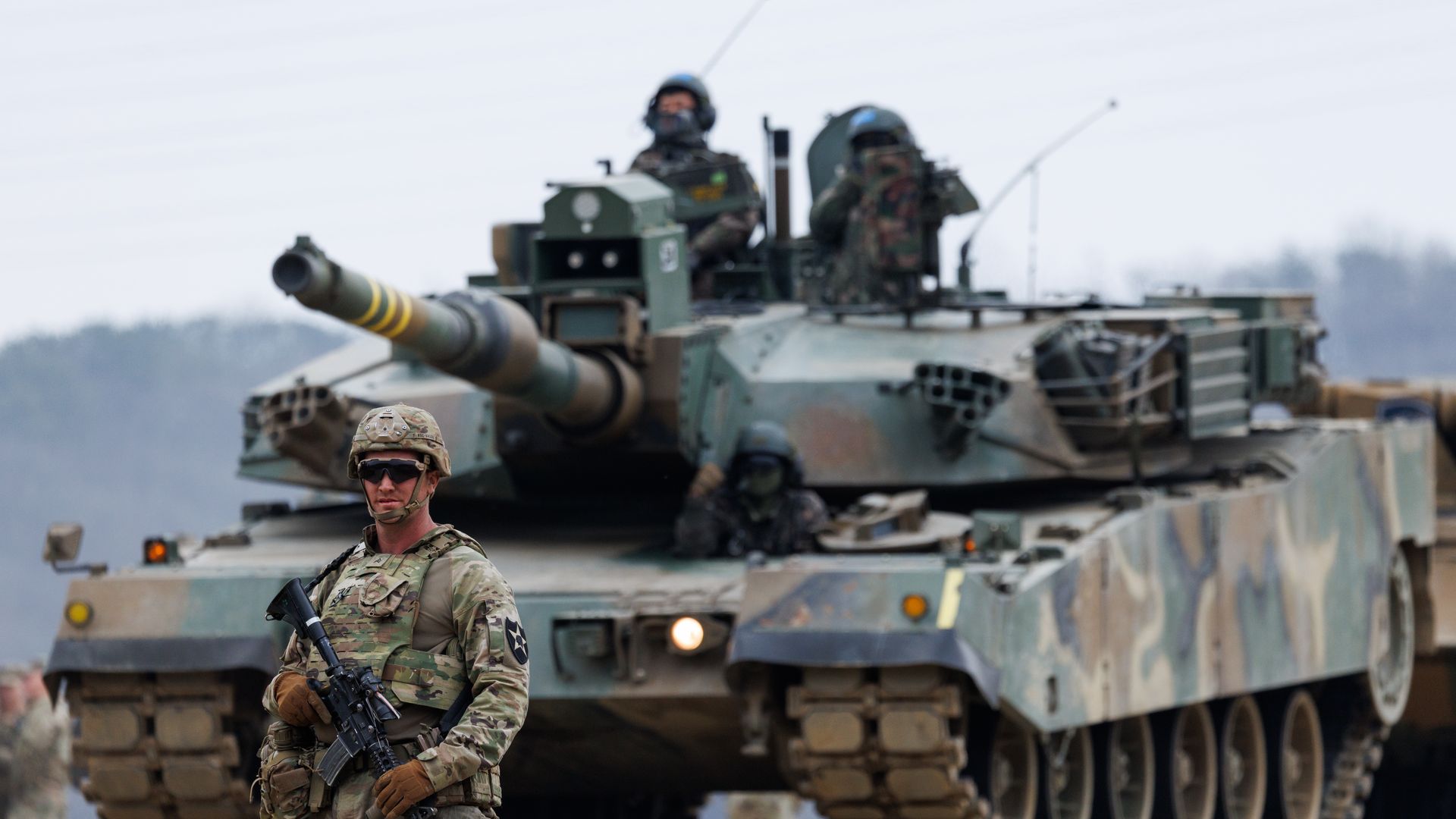
The U.S. Army updated its enlistment regulation to include an existing policy set in 2023 as the country remains at war with Iran and as President Trump has been threatening military action worldwide.
Why it matters: The Army Regulation 601-210 guidelines increase the maximum age for enlistment while also giving Americans charged with marijuana crimes more chances for eligibility.
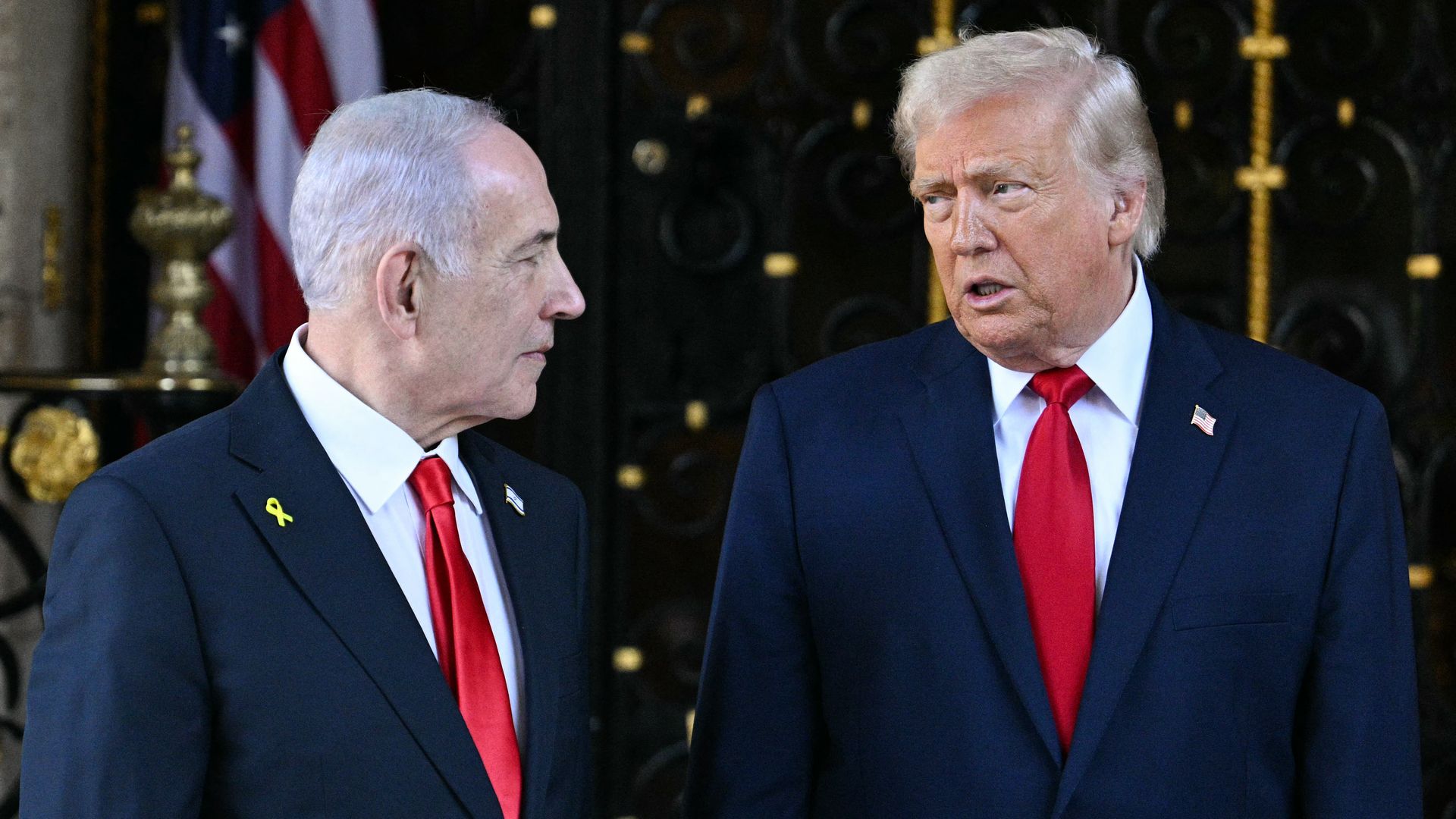
Israeli Prime Minister Benjamin Netanyahu wanted to call on Iranians to flood the streets to protest their government last week, but President Trump told him it was just too risky, two U.S. officials and an Israeli source said.
"Why the hell should we tell people to take to the streets when they'll just get mowed down," Trump said to Netanyahu during their call, according to a U.S. official briefed on the conversation.
Why it matters: The U.S. and Israel agree on most of the military objectives of the war, but the outlooks differ on the question of regime change in Iran and the amount of chaos and bloodshed that's acceptable to try to bring it about.
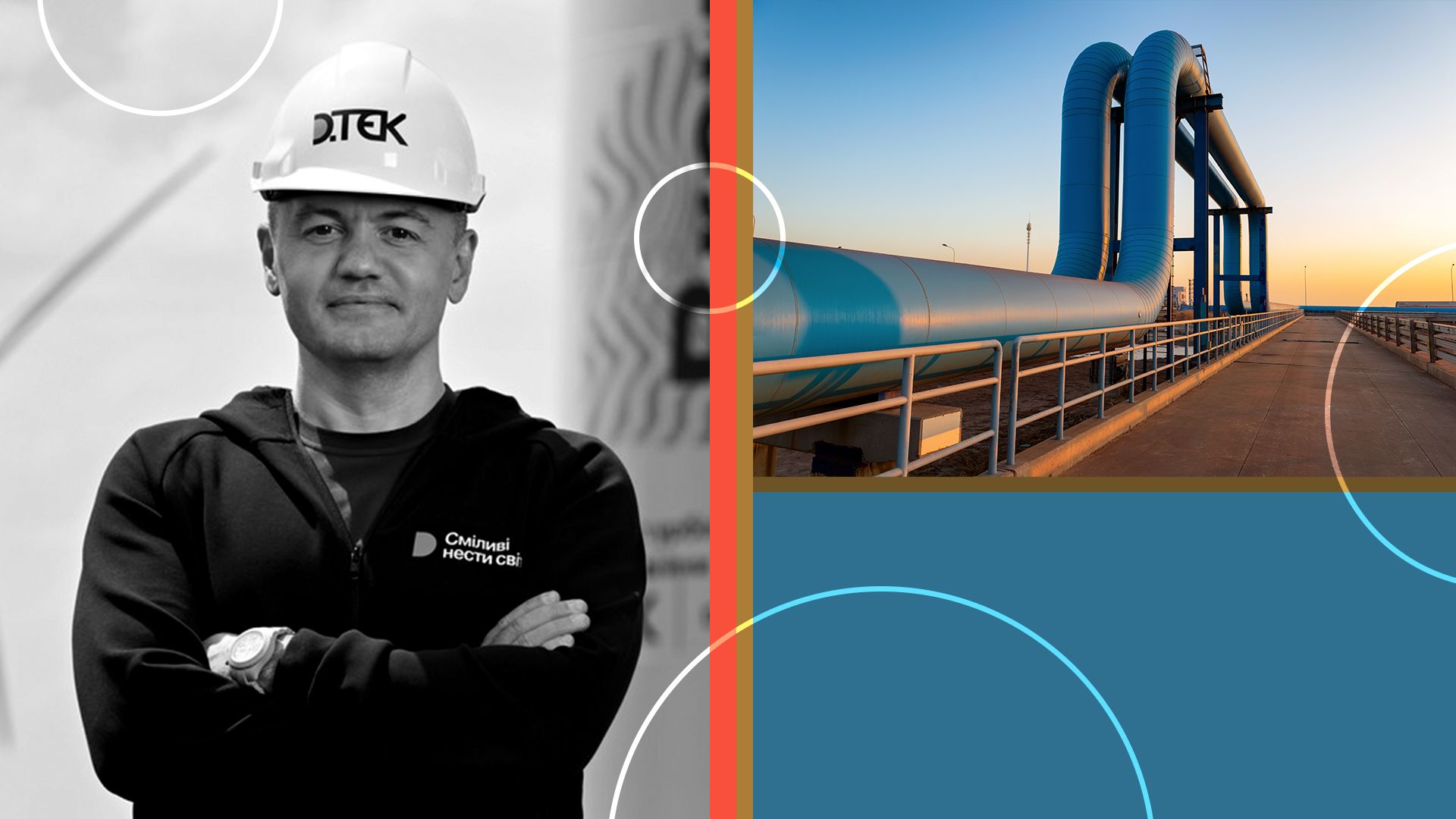
HOUSTON — The head of Ukraine's largest private energy company said Wednesdayhe has plenty of lessons to share with energy companies operating in the Middle East that are scrambling to harden themselves against attacks.
Why it matters: Maxim Timchenko, CEO of DTEK, said making detailed security plans must become the new reality for companies working in dangerous places.
Negotiations between the U.S. and Iran remain "productive," White House press secretary Karoline Leavitt claimed on Wednesday after Iranian state media reported that Tehran had rejected Trump's 15-point plan to end the war.
Why it matters: Leavitt rejected the idea thay talks were at a dead end — a scenario that raised fears of imminent escalation.
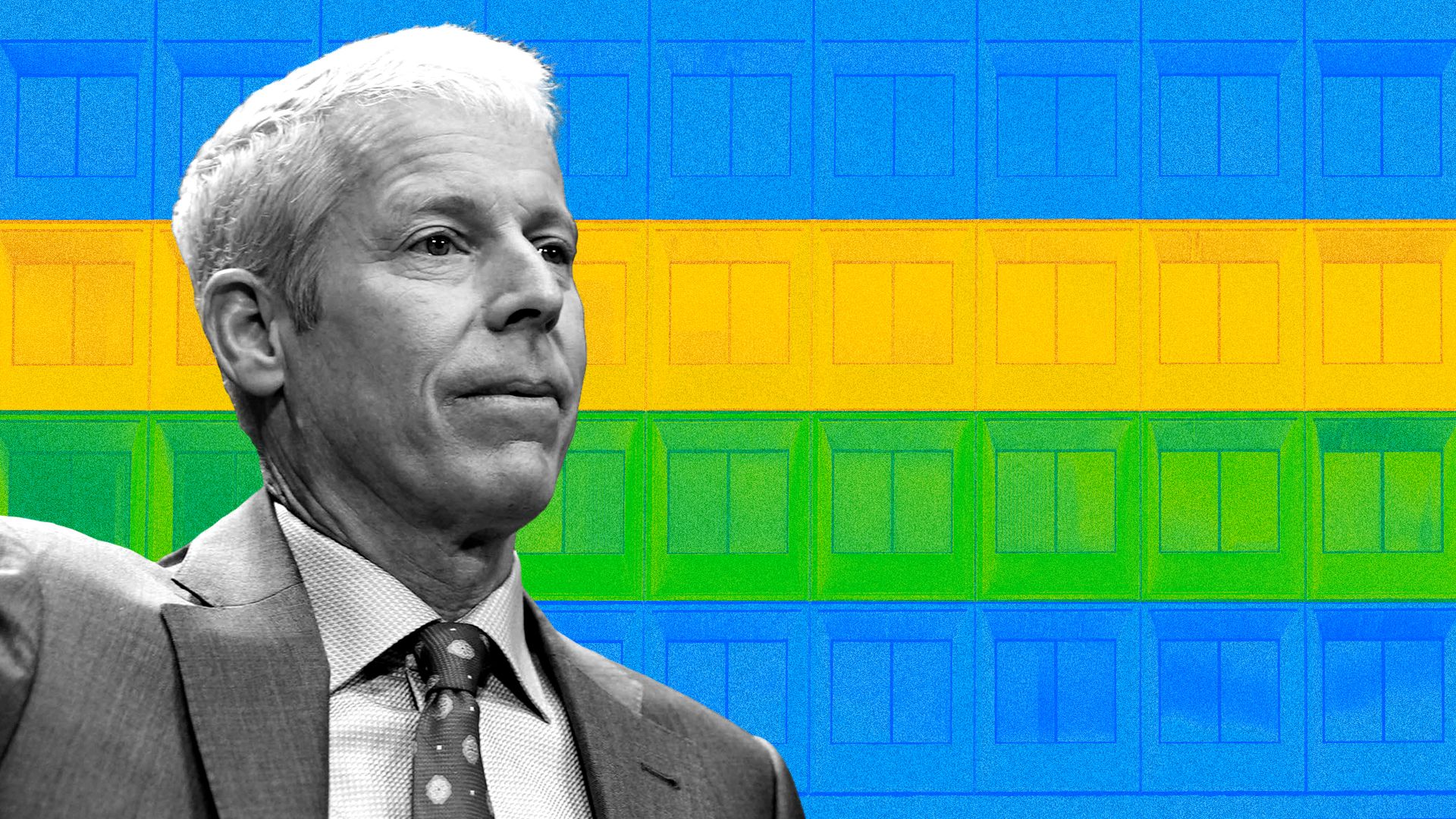
HOUSTON — The glare has never been brighter on Energy Secretary Chris Wright.
Why it matters: Onstage and behind closed doors, he's been seeking to reassure markets and companies spooked by a historic and unpredictable disruption — all while promoting the White House agenda at the CERAWeek conference here.
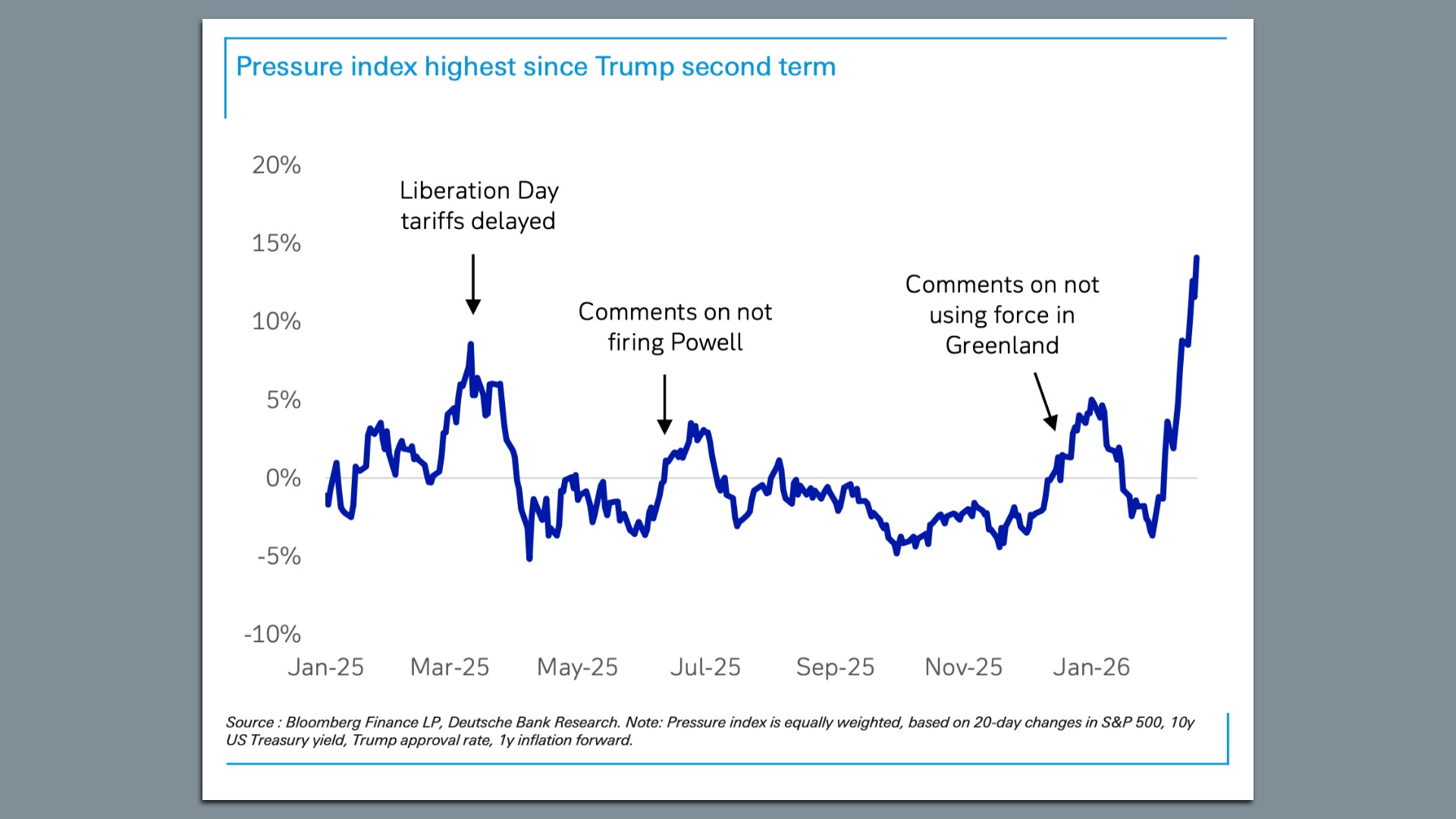
There's a lot of pressure on President Trump to pull back from the Iran war, and Wall Street has figured out a way to chart it.
How it works: Maximilian Uleer, a strategist at Deutsche Bank, came up with a "pressure index" that considers the one-month change in Trump's approval ratings, stock market performance and whether people and bond markets are expecting higher inflation. (Thanks to the Financial Times' Robert Armstrong for highlighting this index.)
Where it stands: The index is higher now than it was even during "Liberation Day," when the S&P 500 tumbled on the announcement of huge tariffs on basically every country in the world.
Between the lines: The difference? To paraphrase James Carville, it's the gas prices, stupid.
The national average for a gallon of gasoline is now hovering just below $4. And there are scorecards of rising gas prices plastered on every big road in the country.
There's also a notion on Wall Street that Trump is likely to pull back on a policy if the stock market falls about 5% from its highs, Jose Torres, a senior economist at Interactive Brokers, told Axios last week.
By the numbers: Since reaching an all-time high in January, the S&P 500 is now down more than 5%.
The big picture: Most Wall Street analysts are expecting that Trump will do what it takes to end the war and get the Strait of Hormuz reopened to bring gas prices back down before the midterm elections.
Zoom in: Dips in approval ratings have led to other capitulations from Trump over the past year, a separate note from the bank points out.
Reality check: Most presidents are sensitive to declines in the stock market and public opinion, especially around high gas prices.
It is "absolutely" possible that the U.S. and China reach an agreement on rules governing the future use of artificial intelligence, former Deputy Defense Secretary Kathleen Hicks told Axios.
Why it matters: The technology is rapidly reshaping how people communicate, how companies do business and how militaries operate.
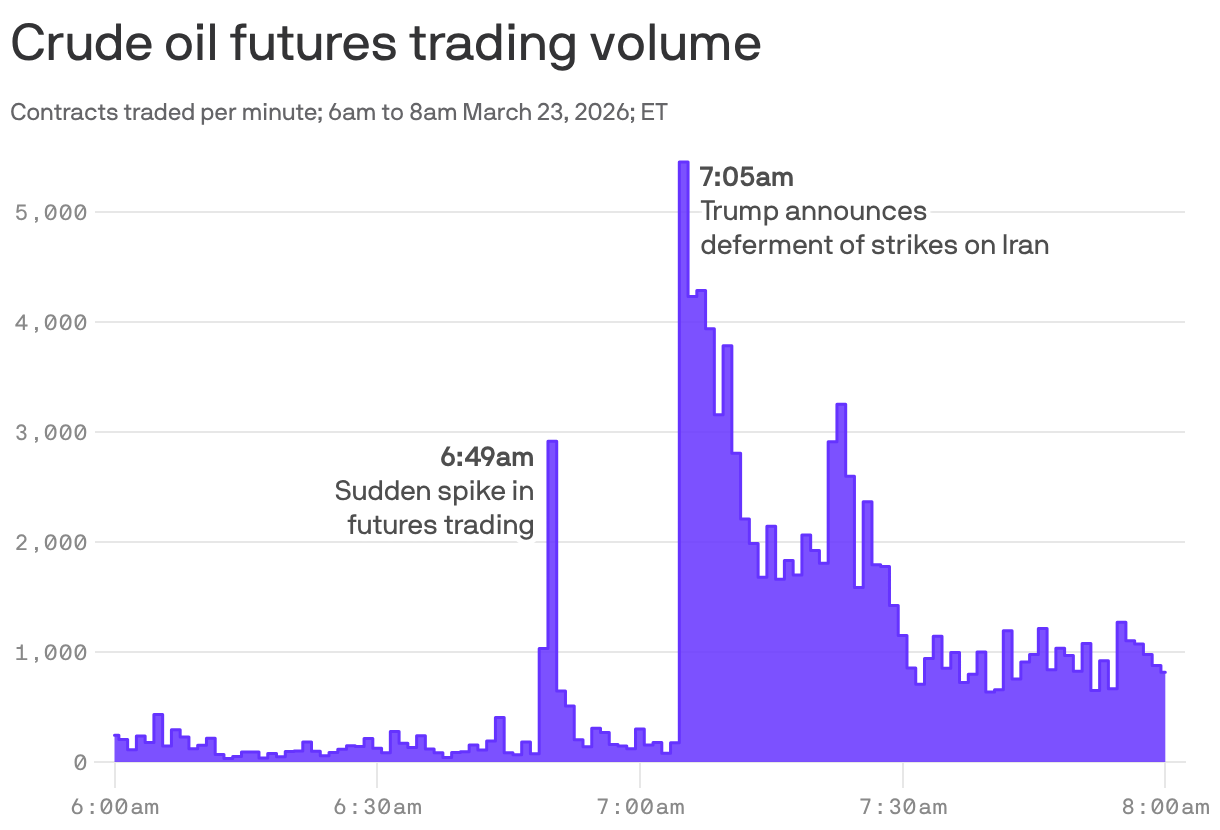
An epidemic of suspicious trading has emerged around President Trump's most consequential decisions — each time, just minutes or hours before he rattles global markets, according to exchange data.
Why it matters: As the Iran war sends prices soaring for ordinary Americans, a select few appear to be profiting in plain sight. It's precisely the kind of alleged corruption Trump built his political career railing against.
Iranian officials have told the countries trying to mediate peace talks with the U.S. that they have now been tricked twice by President Trump and "we don't want to be fooled again," according to a source with direct knowledge of those discussions.
The big picture: The U.S. is pushing for in-person peace talks as soon as Thursday in Islamabad, Pakistan. But during the two previous rounds of U.S.-Iran talks, Trump green lit crippling surprise attacks while still claiming to be seeking a deal.