The latest global fallout from the Iran war: skyrocketing borrowing costs in the U.K.
Why it matters: Yields on its benchmark government bond hit the highest level since 2008 — an uncomfortable surge for the nation that has seen a historic backlash from bond investors over its fiscal backdrop in recent years.
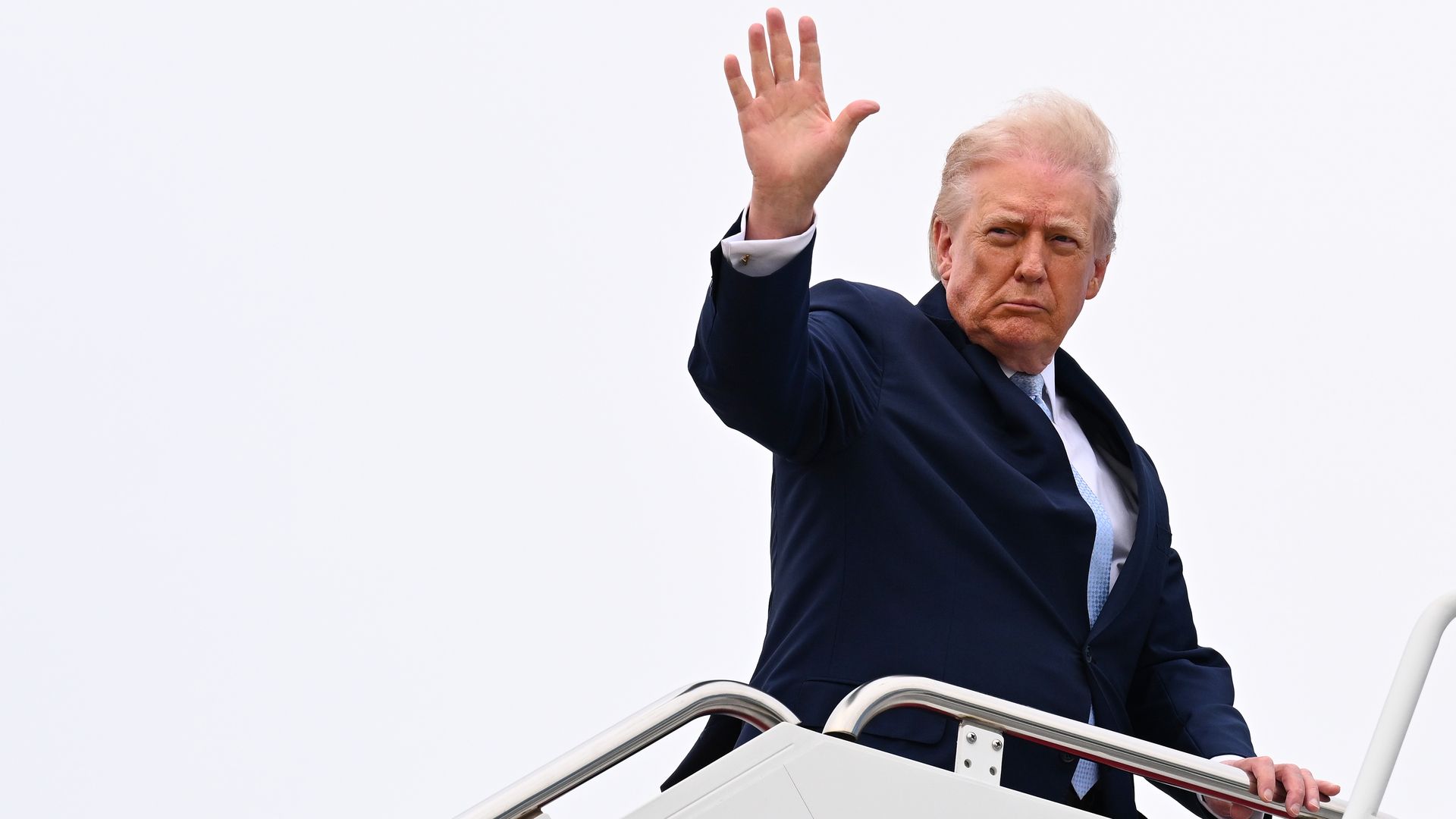
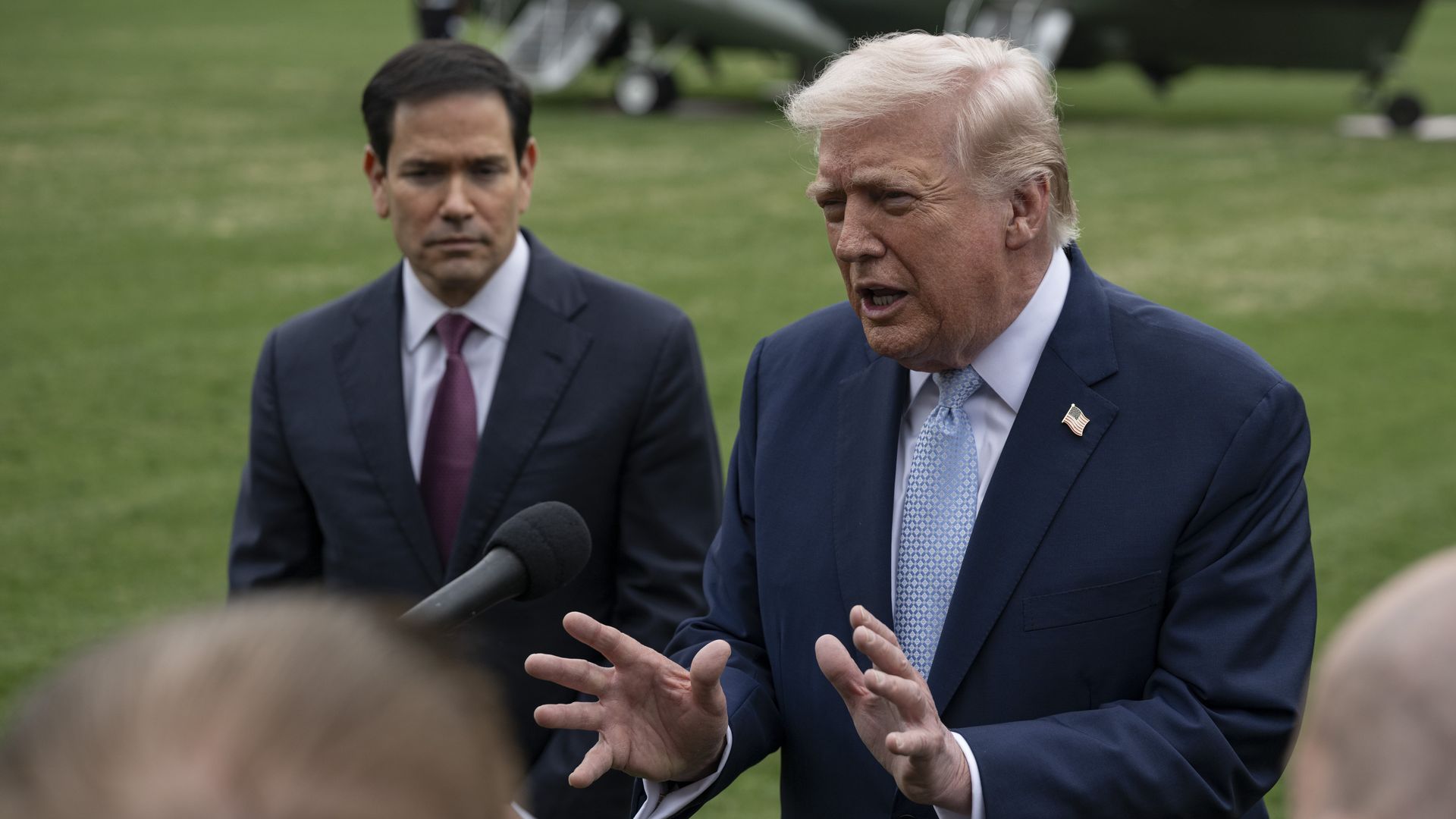
President Trump teased Monday that he's moving closer a deal with Iran to end the war — but he stopped short of saying who the U.S. is negotiating with.
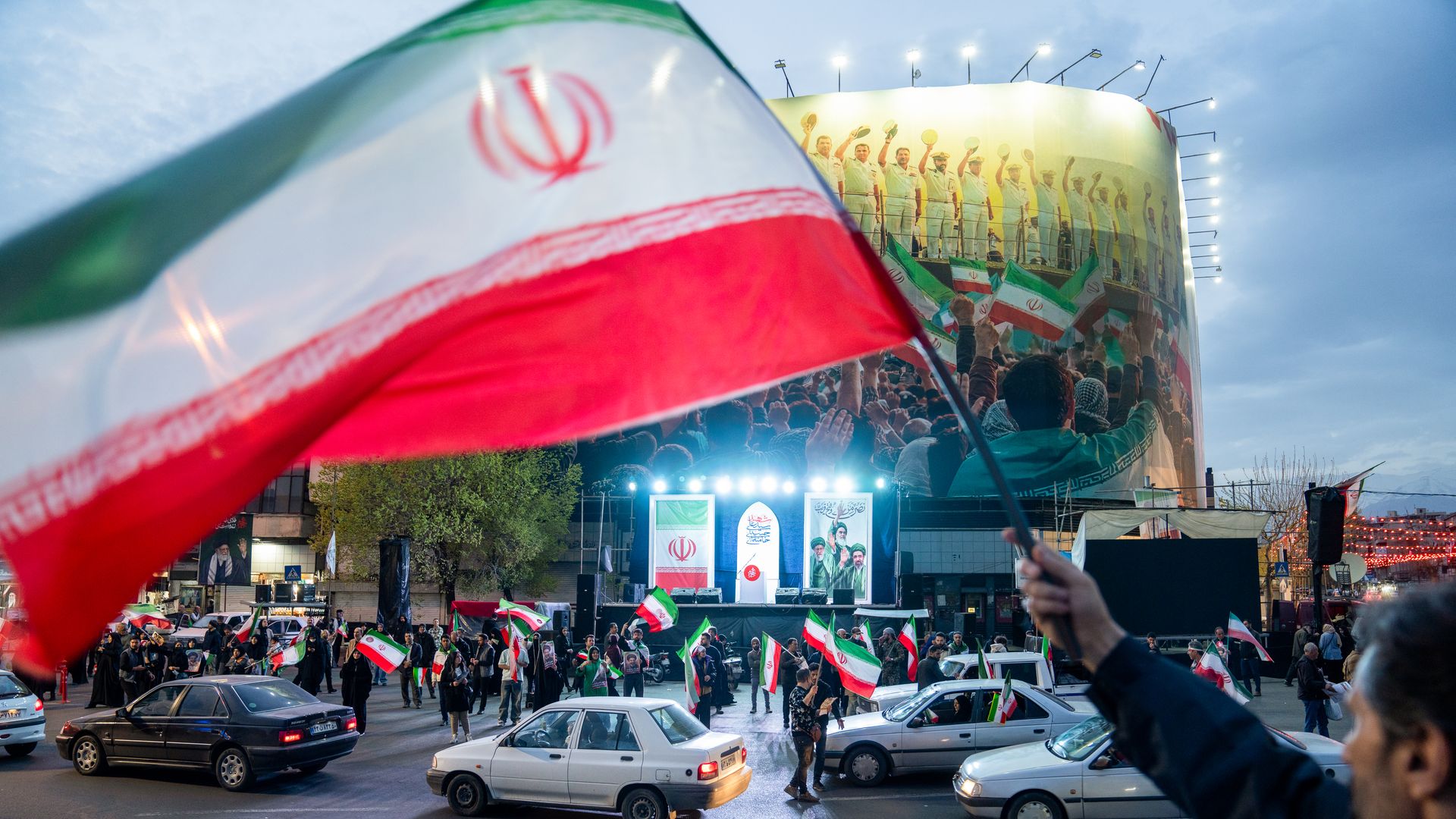
Why it matters: Since Israel's assassinations of top Iranian leaders at the start of the war, there's been uncertainty about who is running the country day to day and which officials might actually be empowered to cut a deal with the U.S.
Things were on track for a rough start to the week amid the escalation of the Iran conflict that threatens global energy supplies. Then, soon after 7am ET Monday, President Trump dropped an all-caps social media post that suggested that all will be fine, sending markets ripping.
The big picture: That's good news for Monday's prices of risk assets, but it speaks to a more tumultuous backdrop for global commerce that decision-makers across the global economy are only starting to recognize.
In effect, an entity that has for generations been a source of stability in the world economy — the U.S. government — is now a source of chaos.
President Trump told reporters his envoys had been negotiating with a senior Iranian official and claimed the parties agreed on many points.
Why it matters: Regional leaders and global markets were bracing for major escalation on Monday, but Trump walked back his threat to strike Iran's power plants, citing productive negotiations.
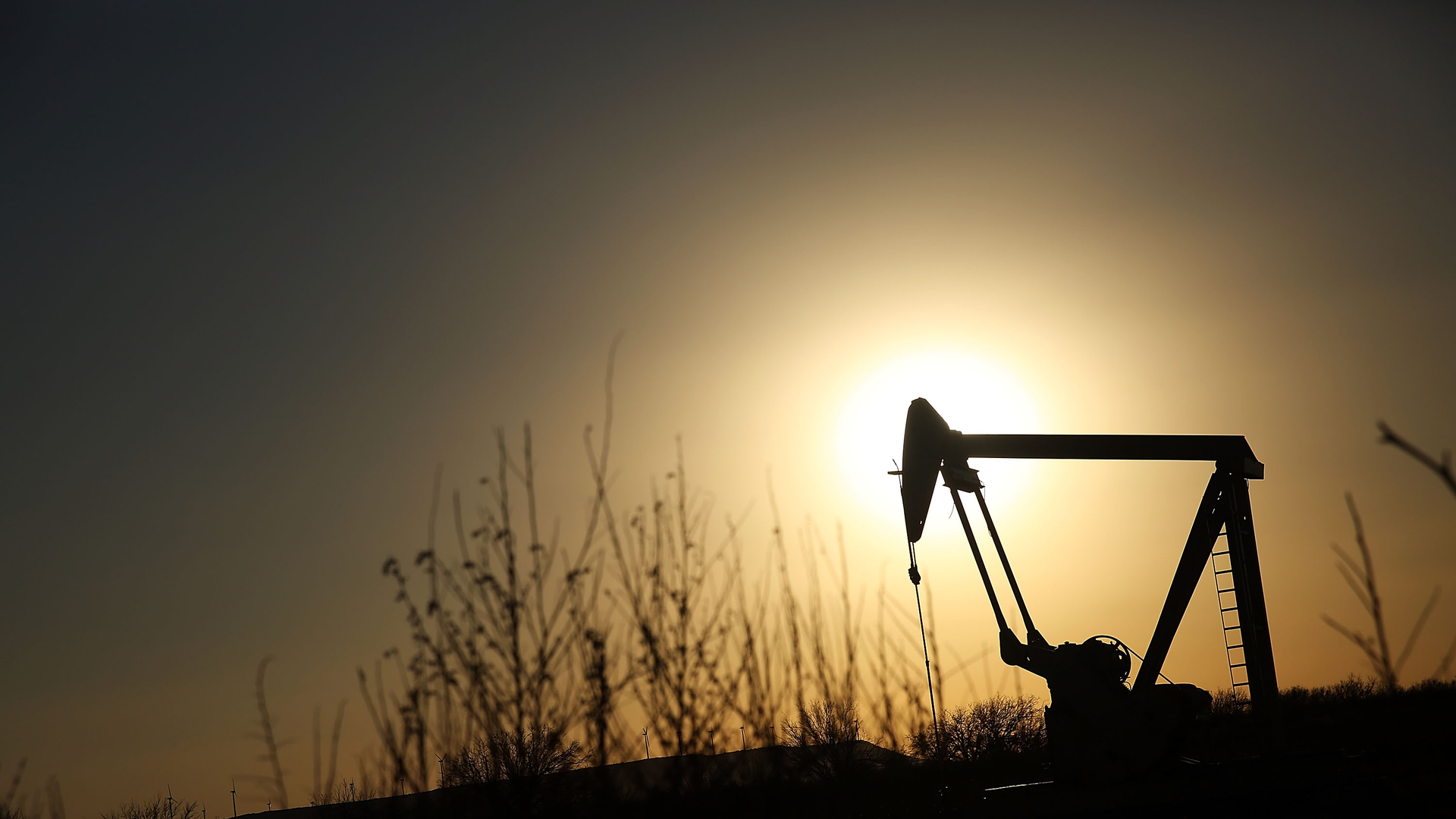
Oil prices remained well north of $100 per barrel after markets opened Sunday, with the Iran war moving into its fourth week.
Why it matters: The price suggests that traders don't see a near-term end to the conflict, or risks to oil transit in the Strait of Hormuz that's throttling supplies on an unprecedented scale.
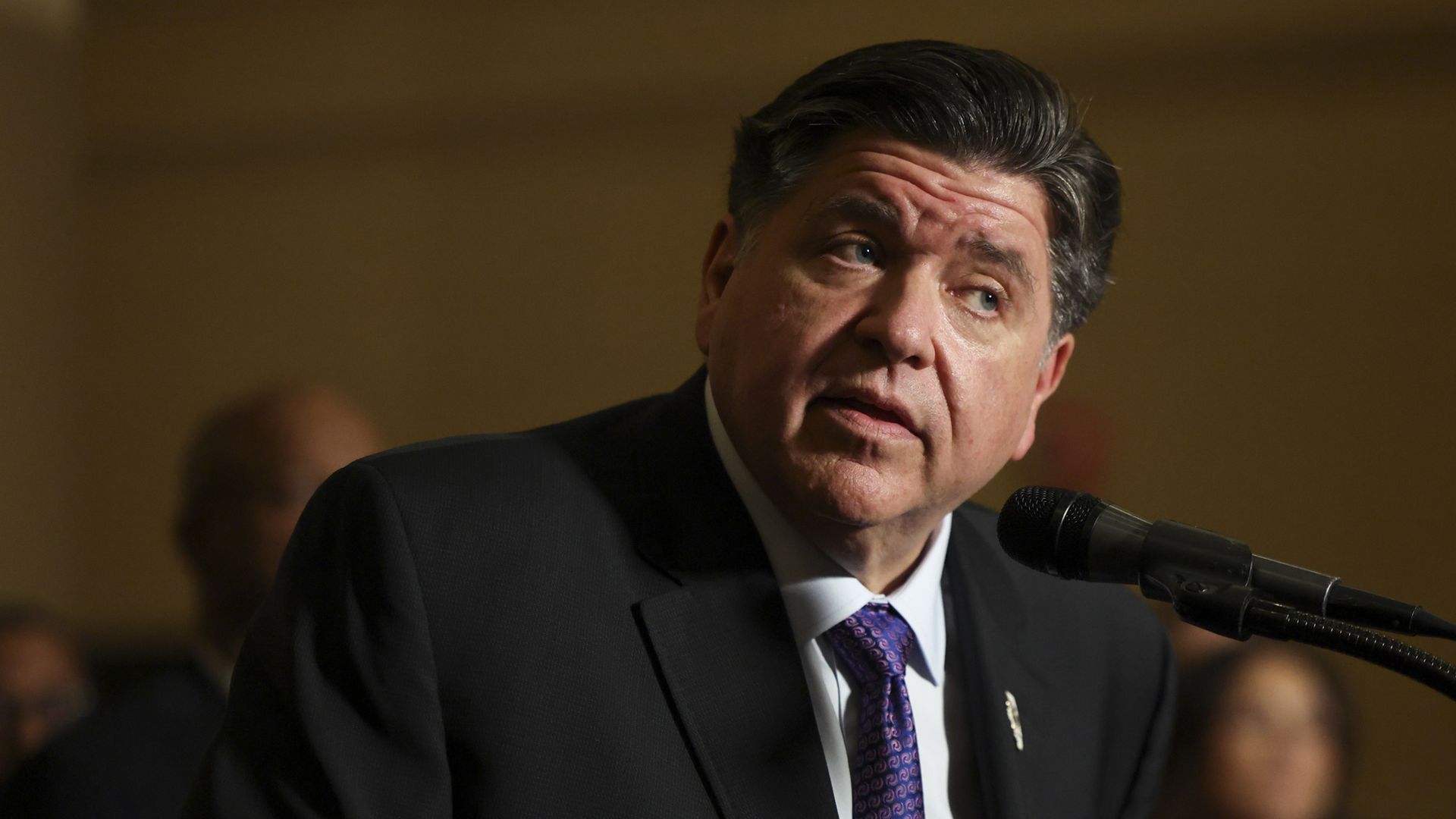
Illinois Gov. JB Pritzker is dodging questions about his past donations to the American Israel Public Affairs Committee (AIPAC), a lobbying group that has come under heavy criticism from many liberal Democrats.
Why it matters: Pritzker is among several likely Democratic presidential candidates who've distanced themselves from AIPAC as the group has become a U.S. political surrogate for support of Israel's actions in Gaza.
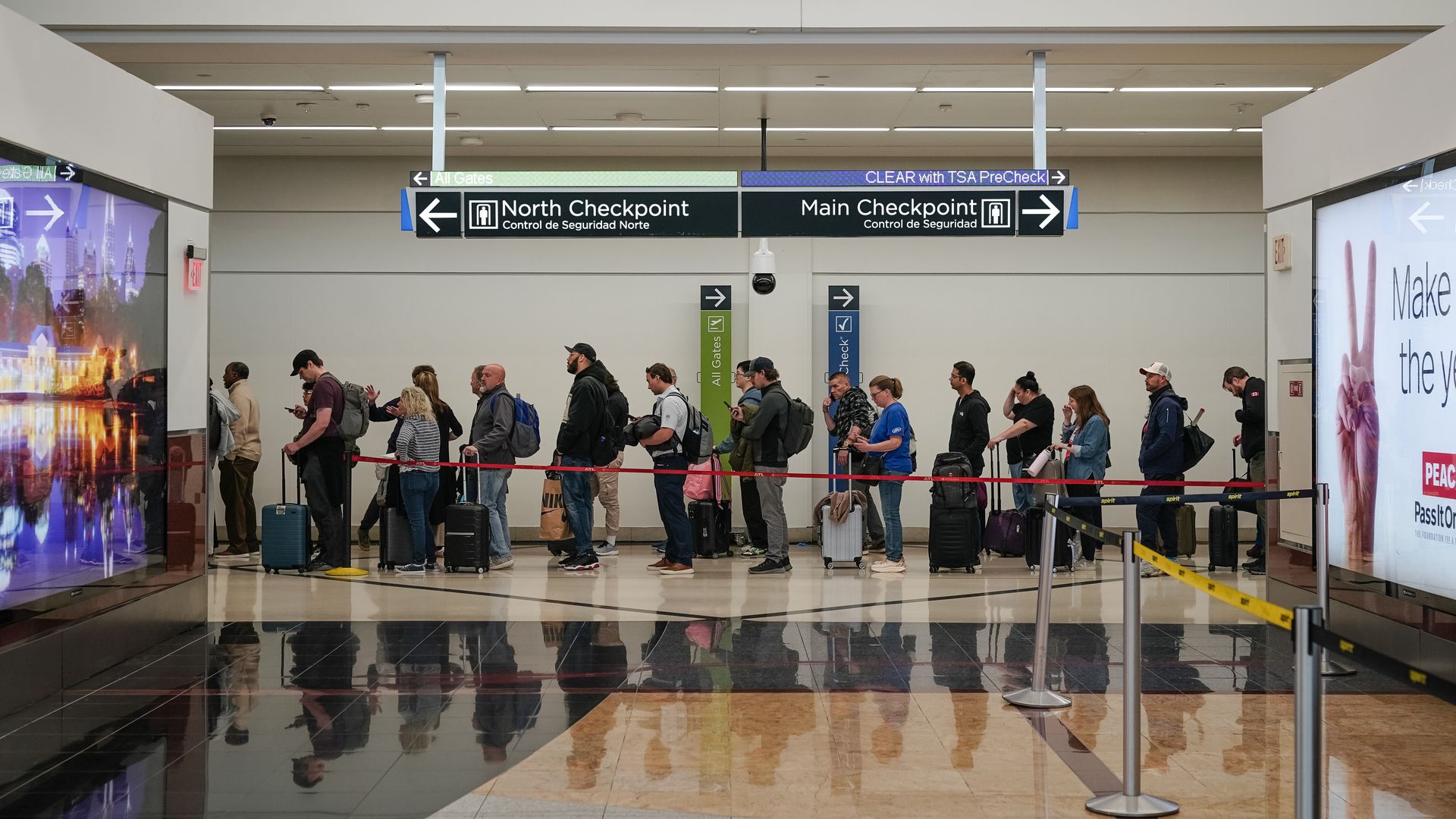
President Trump said Sunday he will send ICE agents to U.S. airports starting Monday to assist TSA officers who have been working without pay for more than five weeks during a partial Homeland Security shutdown.
Why it matters: The move thrusts the very agency that sparked the shutdown with its conduct in Minnesota into the nation's airports to deal with the consequences.
President Trump on Saturday night gave Iran a 48-hour deadline to reopen the Strait of Hormuz or else the U.S. will start destroying Iranian power plants.
Why it matters: The threat marks a dramatic reversal from just a day earlier when Trump floated ending the war without reopening the strait, signaling the Hormuz crisis has become the issue he can't walk away from, even as he looks for an exit.